
The Nezhnost cherry is considered a mid-late and early-ripening variety, resistant to all adverse conditions. But the most unusual thing about this berry is its color scheme, which is completely uncharacteristic for cherries. For successful cultivation and a bountiful harvest, it's important to pay attention to planting and care requirements, as they differ from those of other varieties.
Characteristics of the Tenderness cherry
Cherries have rightfully earned the name "Tenderness" because this is how they are characterized by their taste and texture. The berry contains a huge amount of micro- and macronutrients, a number of different vitamins, and so is recommended for medicinal purposes.
Ripening time and fruiting
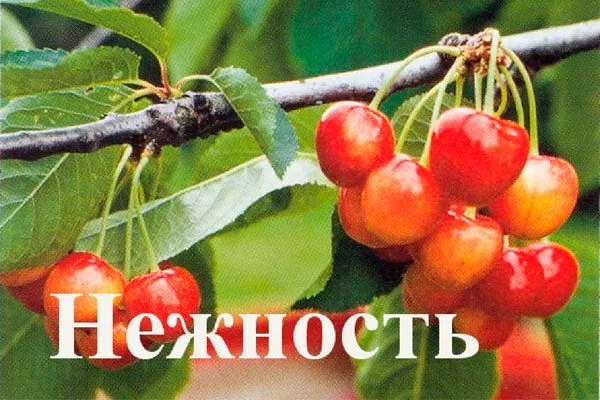
The tree impresses with its blooms in mid- to late May, and ripe berries appear in the last days of July after the fruit sets. Early fruiting occurs 4-5 years after planting.
Cherry blossom
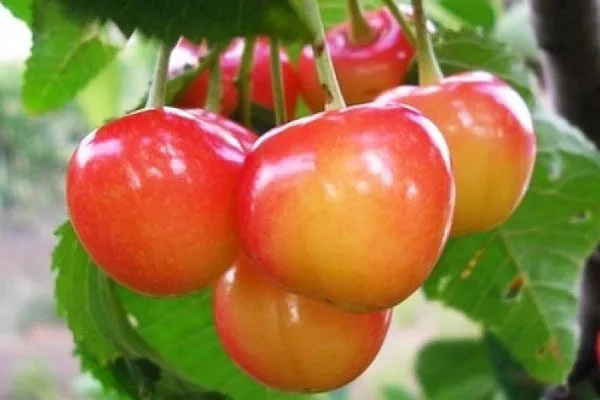
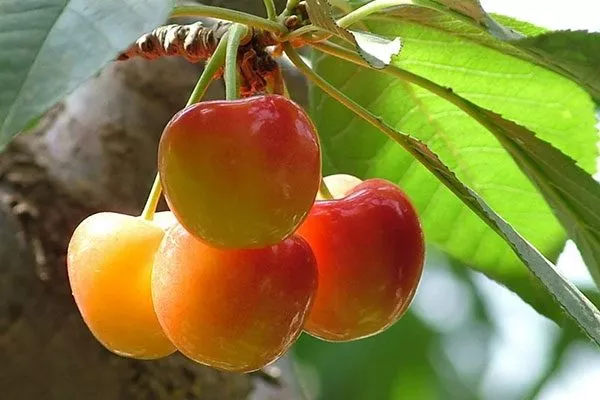
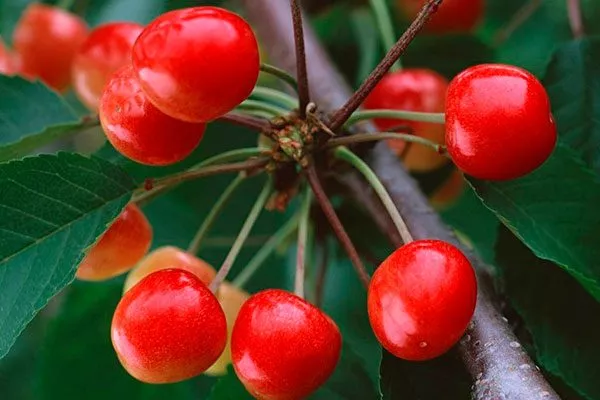
The cherry's most unique feature is its bright yellow skin, tinged with a reddish blush. The flesh is also yellow, but much lighter.
Cherry flavor
This variety has a pleasant sweet-tart flavor, with a balanced balance of sugar and acid. Its aroma is characteristic of cherries. Cherries are used for a variety of purposes, including making preserves and marmalades, compotes, and juices. They are also delicious eaten fresh.
Fruit size and other parameters
The delicate berries are representatives of large-fruited varieties – the weight of each varies from 8 to 10-12 g. Other indicators:
- form - mostly round, but a heart-shaped configuration is also noted;
- pulp consistency – with increased juiciness;
- structure – cartilaginousness is observed, which gives a crunching sound.
- ✓ Bright yellow skin with a reddish blush, which is not typical for cherry crops.
- ✓ The cartilaginous nature of the pulp gives the fruit a unique crunch.
Crown type
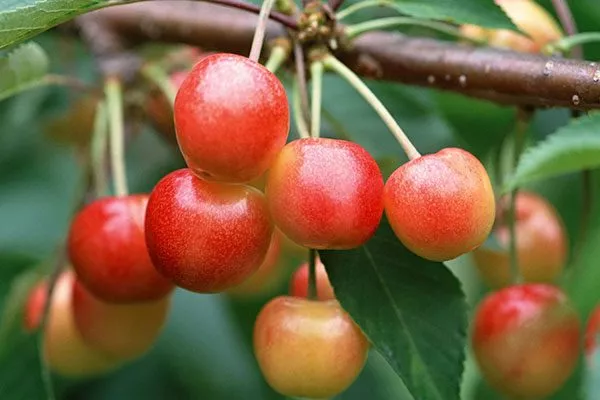
The trunk of this variety belongs to the tree type, considered medium-sized, therefore reaching a height of 250-300 cm. Other characteristic features:
- crown density – at an average level;
- form - oval-round, looks compact;
- leaves - slightly oblong and ovoid, classic green color with fine serrations along all edges;
- flowers – white or with a pink tint, which is normal.
The Nezhnost variety is not included in the state register of our country, but this does not prevent it from being popular and in demand among domestic gardeners.
Winter hardiness and growing regions
There are no official data on the frost resistance of the Nezhnost cherry, but gardeners and breeders claim it is high. Today, this cherry is common throughout all regions of Russia, but is most successfully grown in the south and central regions. In the central part of Russia, Siberia, and the Urals, trees require insulation.
Self-fertility and the need for pollinators
The Nezhnost cherry is self-sterile and requires one to three pollinating bushes. Any variety with similar flowering periods is suitable for this purpose. Among the best pollinators are Kitaevskaya Black, Drogana Yellow, and Nectarnaya.
Disease resistance
Tenderness is rarely susceptible to fungal diseases such as moniliosis and coccomycosis, which are especially dangerous for such trees.
Planting and care features
For successful cultivation, provide the plant with a well-lit area and soil that meets one of the following requirements: sandy, sandy loam, or loamy. It should have excellent drainage and a neutral pH. Avoid planting cherries in low-lying areas where moisture and cool air can accumulate.
Other individual characteristics:
- Landing. To do this, dig a hole 55-65 cm in diameter and 55-75 cm deep, depending on the size of the planting material. Mix the soil removed during excavation with organic and mineral fertilizers. This mixture is then used to support the plant's roots.
After placing the seedling in the hole and covering the roots with soil, gently compact the area around the plant's trunk with a 35-40 cm radius using your feet or special tools. Water the planting area with 2-3 buckets of settled water. - Watering. In typical summer weather, it's recommended to water cherry trees three times during the growing season. The first should be done immediately after the blossoms fall, along with fertilizing, the next when the fruit begins to swell, and the third in early October, before the onset of winter.
The first two times, you'll need to use 35 to 55-60 liters of water per plant, and for autumn watering, 65 to 85 liters. During dry or prolonged rainy weather, you'll need to adjust your watering schedule. - Trimming. Pruning plays an important role in cherry tree care. Neglecting this procedure is undesirable – branches that are dry, frozen, diseased, or infested with insects must be removed. Pruning is recommended in early spring (before the sap begins to flow), using a sharp tool to remove excess branches. Root suckers should also be removed.
- Need for feeding. When the fruiting season begins, plants require additional attention in terms of fertilization. At regular intervals, cherry trees are fed with organic fertilizers, such as well-rotted manure or compost. In the fall, phosphorus and, of course, potassium supplements are added to the soil, and in the spring, nitrogen-rich fertilizers are applied.
After flowering begins, two fertilizers based on potassium and phosphorus are applied at intervals of a couple of weeks. - Wintering. To protect against frost, cover the lower parts of the cherry tree trunk and branches with non-woven agricultural materials, after placing spruce branches around the trunk. This will help prevent damage from rodents and hares.
The Nezhnost cherry tree is highly winter-hardy, making it suitable for growing even in cold climates. To ensure a good harvest every year, simply follow basic farming practices. Cherries can be propagated by cuttings, grafting, or root suckers.