
The Mtsenskaya cherry is a popular industrial variety, beloved by gardeners for its early ripening, high yield, and excellent winter hardiness. This sweet and tart cherry is ideal for processing, is easy to grow, and takes up very little space.
Origin of the variety
The Mtsenskaya variety is a domestic cultivar developed at the All-Russian Research Institute of Fruit Crop Breeding. It was created by crossing the Lyubskaya and Zhukovskaya cherries. It is zoned for the central region. The variety was added to the State Register in 2005.
Description of the tree
The Mtsenskaya cherry will appeal to gardeners and summer residents who choose fruit varieties with short, compact trees.
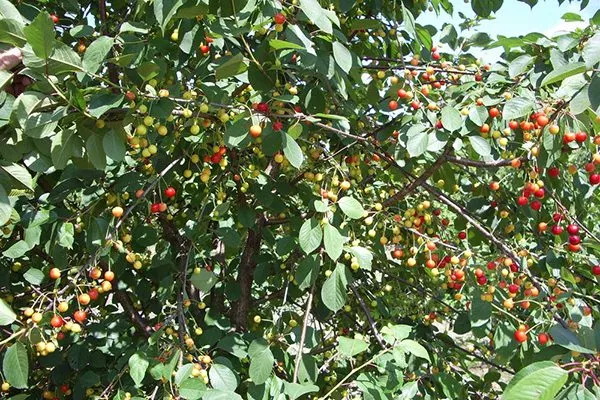
Brief description of the plant:
- Tree — low-growing, about 2 m tall. The crown is moderately dense, rounded-oval, and slightly raised. The bark of the trunk and skeletal branches is brown.
- Escapes - straight, medium size, brown shade.
- Kidneys — conical, strongly deviated from the shoot, about 3 mm long.
- Leaves — oval, dark green, with pointed tips and serrated edges. The surface is matte, slightly concave downwards, the petioles are anthocyanin, about 19 mm long.
- Flowers — white, gathered in inflorescences of three. Formed on last year's growth and bouquet branches.
Description of fruits
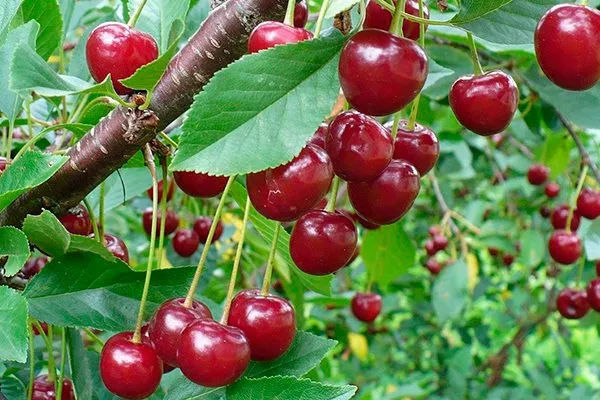
The Mtsenskaya cherry fruit is attractive and round, measuring approximately 16 x 14 mm. The average weight is 4 g. The flesh is juicy and dark red. The stalk is 4.5 cm long. The round stone accounts for 6.60% of the fruit's weight.
Taste qualities
The Mtsenskaya cherry has a sweet and sour taste, quite pleasant. Tasting score: 3.8.
Ripe cherries contain:
- dry matter - 15.8%;
- sugars - 10.6%;
- acids - 1.9%.
Characteristics
The Mtsenskaya cherry was bred specifically for the central regions of Russia, and therefore has agronomic characteristics that are optimally suited to a moderate climate.
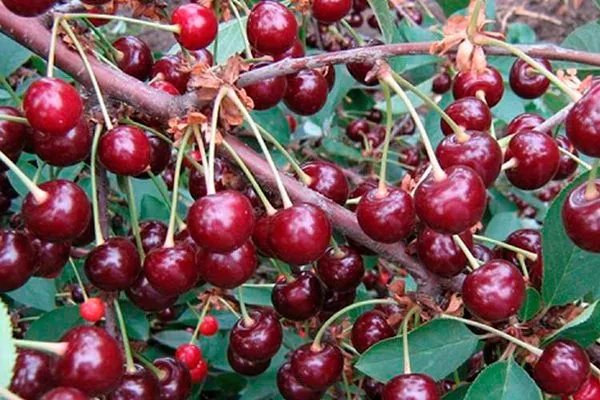
Main characteristics:
- Winter hardiness - high.
- Average yield — 50 c/ha.
- Maximum yield — 80 c/ha.
- Self-fertility - yes.
- Durability - high.
- Sustainability To bOлезням - good.
- Drought resistance - good.
The Mtsenskaya cherry tree blooms around mid-May, and its fruits ripen by the third ten days of July. Moreover, the cherries ripen evenly, which is very convenient for those using them for preserves or sale. A single tree can yield 15-16 kg of cherries per season.
Pros and cons
Before planting Mtsensk cherry on your property, it's worth not only familiarizing yourself with its characteristics, but also evaluating all its advantages and disadvantages.
Landing features
To ensure the Mtsenskaya cherry tree thrives and bears fruit, it's important to plant it correctly. It's essential to select a suitable location, good planting material, and follow proper planting techniques.
- ✓ The planting hole depth should be at least 60 cm to provide sufficient space for the root system to develop.
- ✓ The distance between trees should be at least 3 meters to ensure optimal lighting and air circulation.
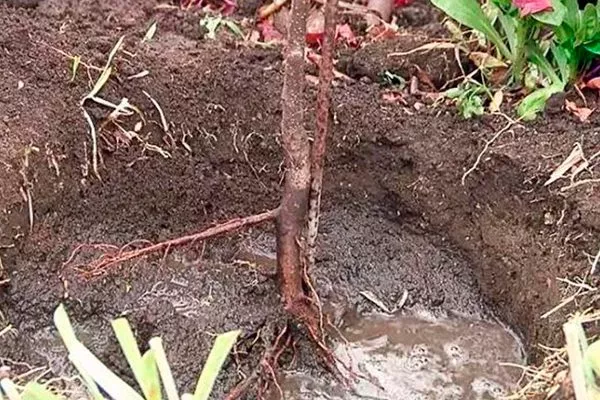
Landing features:
- The optimal age of seedlings is 2 years.
- The timing of planting depends on the climate; in the southern regions it is carried out in the fall, in the central and northern regions – in the spring.
- The planting site should be well-lit, preferably on a hill. It should be protected from strong winds and drafts, which are extremely harmful to young cherries.
- Before planting, seedlings are prepared: the roots are inspected, damaged areas are trimmed, and the cut areas are sprinkled with activated charcoal to kill pathogenic bacteria.
- Planting holes are prepared 100 cm apart. They are filled with nutritious soil mixture, and a stake is installed to support the young tree. After planting, the root collar should be 3-4 cm above the ground surface.
- The seedling is carefully tied to a stake so that it faces north. The stake must be strictly vertical, otherwise the tree will grow unevenly. After planting, the seedling is thoroughly watered and mulched.
Care
The Mtsenskaya cherry is considered an easy-to-grow variety, but to achieve a substantial harvest, it requires some care. The tree requires regular watering, fertilizing, pruning, and spraying.
Care features:
- A mound of earth is dug 30 cm from the trunk to form a tree-trunk circle. This will allow the tree to be thoroughly watered. Use settled water for irrigation. The recommended watering rate is 20-30 liters. Mature trees are watered three times per season, while young trees are watered more frequently. The frequency of watering also depends on the weather.
- Throughout the growing season, the soil around the tree trunk is loosened, and this is recommended after each watering. Weeding is carried out simultaneously with loosening, as weeds not only absorb nutrients and moisture but also often attract insect pests.
- Cherry trees don't require additional feeding for the first two to three years, as the nutrients already in the planting hole are sufficient. Subsequently, the tree is fertilized according to the standard schedule: nitrogen is applied in the spring, and potassium-phosphorus compounds are applied in the summer and fall. Fertilizers are applied primarily in dry (granulated) form.
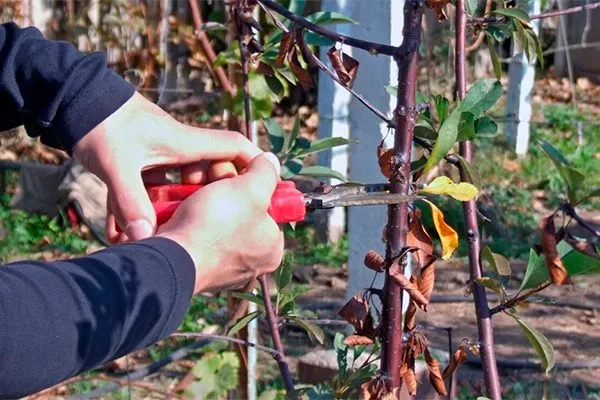
It is important not to overdo it with supplements, as an excess of them leads to more significant discomfort than a deficiency. - Starting at two years of age, crown shaping begins, trimming branches to the desired length. At the same time, sanitary pruning is performed, removing all diseased, damaged, and inward-growing shoots. Mature trees undergo rejuvenation pruning.
- In regions with harsh winters, it's recommended to protect trees from frost. A variety of materials are used for insulation, including fiberglass, roofing felt, reeds, spruce branches, and thick paper.
- If the tree trunk is damaged by rodents or other pests, the affected area is cleaned with a knife and covered with garden pitch to prevent the infection from penetrating into the bark.
Prevention of diseases and pests
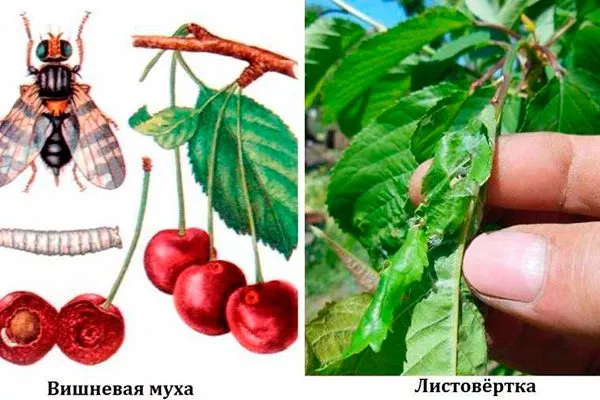
This variety has fairly good immunity, but is relatively resistant to coccomycosis and moniliosis. It can be damaged by pests without preventative spraying. Treatments are carried out according to a standard regimen, using modern insecticides and fungicides.
Application
This variety is a commercial one, so it's used primarily for processing and preparing various preserves. Its fruits are used to make compotes, juices, wine, and assorted fruit accompaniments. Mtsenskaya cherries are also suitable for freezing, where they retain almost all of their flavor.
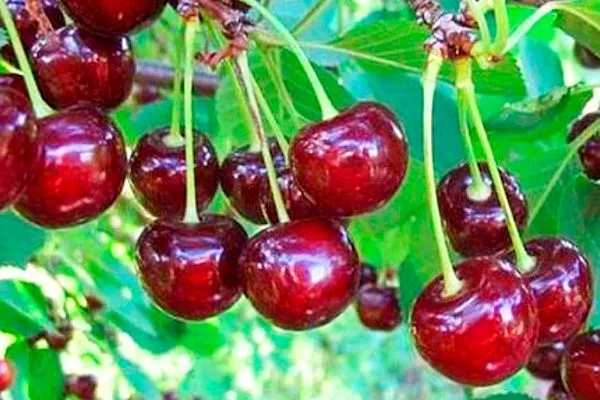
The Mtsenskaya cherry is specifically bred for growing in temperate climates and is intended for processing, so don't expect the fruit to be exceptionally tasty. It's a commercial cherry variety, so it's perfect for those who enjoy cherry compotes, jams, and other preserves.