
The Molodezhnaya cherry belongs to the group of shrubby fruit and berry plants, intended for cultivation in central Russia. It is characterized by stable annual but average yields of beautiful and aromatic fruits that are slightly larger than average in size. Due to its bushy habit, the cherry trees do not take up much space in the garden. They are considered undemanding.
History of selection
The development began at the All-Russian STI (Selection and Technological Institute) of Horticulture and Nursery in 1978. However, it was only added to the State Register of the Russian Federation in 1993.
Two authors worked on developing the variety: Sanya Nasatdinovna Satarova (agronomist and pomologist) and Khasan Karimovich Yenikeev (a specialist studying stone fruit crops and a doctor of biological sciences).
Two varieties were used for crossing:
- Vladimirskaya cherry – height 250 cm;
- Lyubskaya cherry – reaches up to 200 cm.
In 2016, field trials were conducted in the Tambov region (near Michurinsk) with the Molodezhnaya cherry tree, which successfully survived temperatures as low as -38 degrees Celsius. Therefore, even in the Moscow region, the tree does not require insulation. This was demonstrated by the reversibility of the process, with minimal damage to the wood and buds.
Description of cherries
Molodezhnaya cherries are easy to recognize by their appearance, aroma, and flavor. However, to do so, it's important to study all the characteristics of the variety.
Height and dimensions of an adult tree
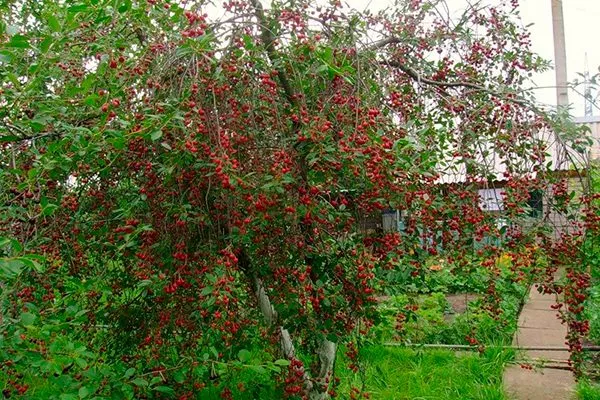
The plant is considered a low-growing plant, ranging in height from 200 to 250 cm, giving it the appearance of a massive shrub. Other characteristic features include:
- branches - slightly flexible, drooping downwards, intertwined with each other, but the weight of the fruit does not break them;
- crown – spreading type;
- leaves are a rich green color and medium in size, the lower part is lighter than the upper part;
- the edges of the leaf blade have small teeth of equal size;
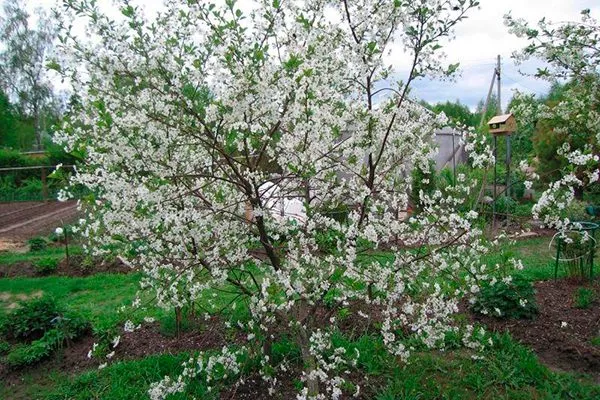
- flowers – 2.5-3 cm in diameter, white;
- inflorescences – consist of several buds (3-7 pcs.);
- bark - initially light brown, then becomes darker;
- stamens and pistils are located at the same level, so they are capable of self-pollination.
Fruits and their taste characteristics
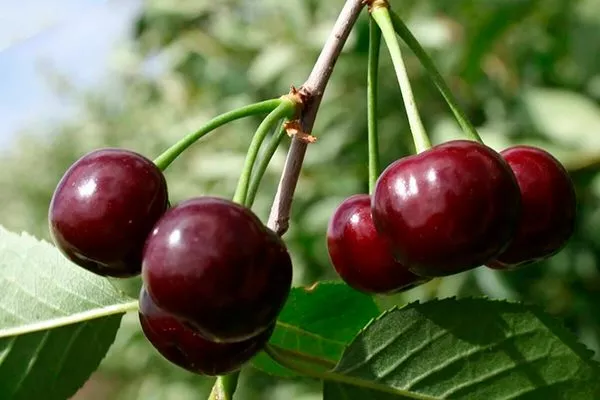
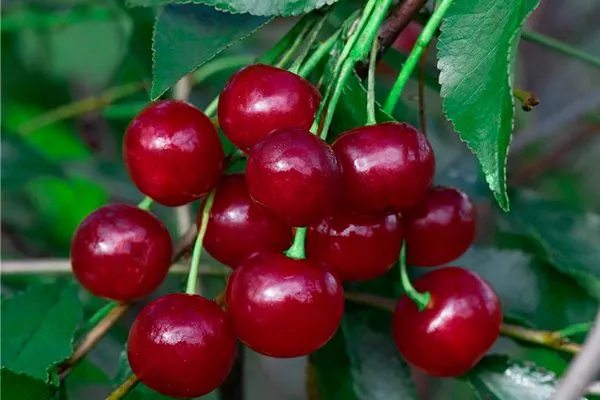
The berries have a harmonious flavor that successfully combines sweetness and a slight tartness. Sugar content is 9.5 g per 100 g of product. The unique flavor lies in its candy notes. At only 17.5% dry matter, this indicates increased juiciness. Other characteristics of the fruit:
- diameter – 0.9-1.1 cm;
- weight – from 4 to 6.5 g;
- the pulp of the drupe is juicy and tender, fleshy;
- skin color – dark burgundy;
- the color of the pulp and juice is dark red;
- shape – broadly rounded, slightly flattened on two sides;
- the skin is dense, so it does not crack during transportation, but is easy to chew;
- The stone is medium in size and easily separates from the pulp.
Use for medicinal purposes
Cherries contain a huge number of beneficial substances, but unlike other varieties, Molodezhnaya cherries are characterized by a higher concentration of coumarin and oxycoumarin. These elements are essential for blood thinning and the prevention of varicose veins and thrombosis.
This variety is recommended for arthritis and infectious diseases, but most importantly, its juice should be consumed for anemia. Because its iron content exceeds that of apples.
Main characteristics
To ensure that the cherry variety is adapted to your climate conditions and produces the desired yield, with berries that are sufficiently sweet, carefully read the main characteristics.
Application
Young cherries have excellent shelf life and transportability, making them ideal for commercial use. At home, they can be used to make juices, compotes, jams, and preserves. The pulp makes a very healthy fruit drink, liqueur, and even wine. The fruit is not only frozen but also preserved for the winter and dried.
Flowering and ripening times
This mid-late variety produces ovaries on all shoots—both old and one-year-old. However, one peculiarity is that buds do not form on the topmost buds. The bush blooms in May, and the harvest begins after July 10th. The berries ripen uniformly and consistently each year.
Drought resistance, frost resistance
It's highly drought and frost resistant—the plant only needs to be watered after planting, and then only during flowering and during drought. However, to maximize yield, water three times a year. The maximum winter temperature that doesn't harm the shoots is -35 degrees Celsius.
Climate conditions
The recommended growing region is Central Russia (Moscow breeders adapted the cherry to their region). Despite this, the variety quickly spread throughout the country, and is successfully grown in the south, central Russia, Siberia, the Urals, and elsewhere.
Productivity
The yield isn't particularly high, as a single bush can yield only 10-13 kg, or 8-10 tons per hectare. However, this doesn't discourage gardeners, as the quality of the fruit more than makes up for this shortcoming.
Fruiting periodicity
Fruiting begins depending on climate conditions: in the south, it begins in the third year after planting, while in the central zone, it only begins in the fourth. Once mature, the harvest is collected annually until the tree reaches 16-20 years of age.
Self-fertility and pollinators
The bush is completely self-fertile, so it doesn't require additional pollinators. However, gardeners have found that the presence of such plants nearby significantly increases the yield (by 60%). Cherries, which bloom at the same time, are considered the best pollinators, as are sweet cherries.
Recommended varieties:
- Turgenevskaya;
- Lyubskaya;
- Nord Star;
- University;
- Morozovka;
- Shubinka, etc.
Advantages and disadvantages
Favorable conditions for growing and planting
Seedlings take root most easily when planted in the spring, when temperatures stabilize at 14-15 degrees Celsius. They can also be planted in the fall, but only in warmer climates.
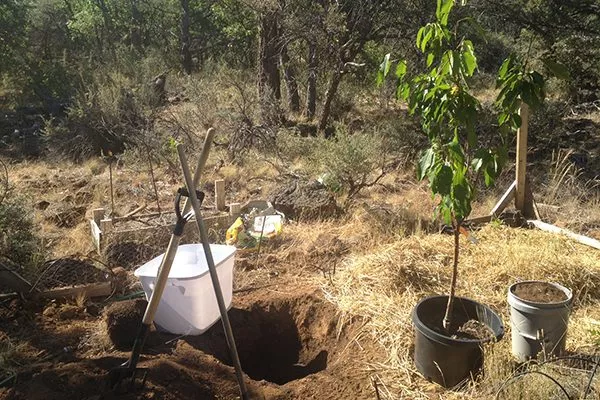
Features to consider for this variety:
- Soil. Acidity varies from 6.0 to 6.5 pH, structure is loose, loamy or sandy loam, chernozem.
- Place. The bushes prefer plenty of light, but can also grow in partial shade (for a few hours a day). Drafts and north winds are completely avoided. The optimal garden exposure is southwest or south.
- Planting diagram. The hole depth is approximately 45 cm, the diameter of the hole is at least 80 cm. The distance from other plantings, fences and buildings is 300 cm.
- Selecting a seedling. Age – 2 years, height – from 70 to 100-110 cm.
- Groundwater. They should be located at a distance of 130-150 cm from the ground surface.
- Composition of the substrate for the planting hole. Garden soil and humus in equal parts. For each hole: potassium chloride – 70-80 g (can be replaced with wood ash – 450-500 g or potassium sulfate – 85-90 g), superphosphate – 600-700 g.
If you need to deacidify the soil, add dolomite flour or lime it; if acidification is required, use acidic peat.
- ✓ The soil pH level should be strictly within 6.0-6.5 for optimal nutrient absorption.
- ✓ The depth of groundwater is at least 130 cm to prevent rotting of the root system.
The best neighbors
It's important to choose the right neighboring crops—some are beneficial to cherries, while others are harmful. A third group is neutral. The best neighbors are:
- cherries and cherries;
- grapes and dogwood;
- honeysuckle and yoshta;
- different types of currants and gooseberries;
- hawthorn and barberry;
- celery and parsley;
- garlic and onion;
- lettuce and peas;
- nasturtium and marigolds;
- rosemary and thyme;
- spinach and sorrel;
- basil and dill;
- sage and chamomile;
- mint and tansy.
The following crops are considered neutral:
- radish and rhubarb;
- beans and daikon;
- pumpkin and squash;
- watermelon and melon;
- elderberry and blackthorn;
- cucumbers and zucchini;
- beets and carrots;
- radish and turnip.
The following plants should absolutely not be planted nearby:
- pears, quince and apple trees;
- blackberry, raspberry and rose hips;
- apricots and peaches;
- bird cherry and sea buckthorn;
- almonds and serviceberries;
- horseradish and fennel;
- sunflowers and corn;
- cabbage and potatoes;
- tomatoes and eggplants;
- strawberries and cinquefoil.
To increase yields, plant green manure plants nearby – lupine, white mustard.
Care Features
Care procedures are simple—any beginner can handle them. Keep in mind a few nuances and subtleties regarding varietal requirements:
- Watering. Moisten the tree's trunk area as needed—when a dry crust begins to form on the surface. To reduce this need, apply a mulch.
- Top dressing. Apply in the fourth year after planting. In the spring, fertilize with ammonium nitrate (20 g per bush) and urea (30 g). Apply the fertilizer 10 cm deep, and spray the aboveground parts with urea as well. You can use VIEM, Izumrud, or similar fertilizers.
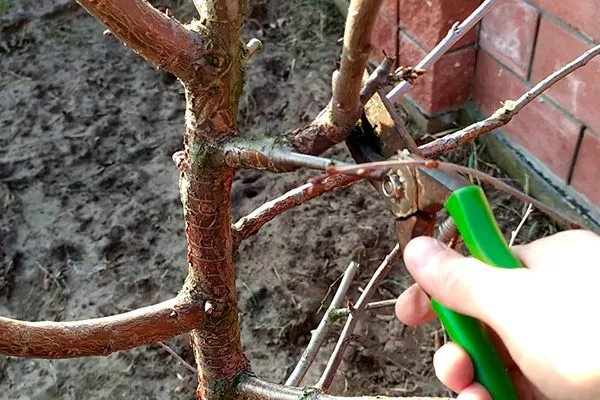
The second feeding is needed after harvest: 3 tablespoons of superphosphate and the same amount of potassium chloride per 10 liters of water. Twice a year, add rotted manure or compost, as the plant prefers organic matter (8-10 kg per bush). - Trimming. Cut out old shoots, shorten the bush by 50-55 cm at the very top.
- At the beginning of spring, add ammonium nitrate (20 g per bush) to stimulate growth.
- After flowering, spray the foliage with a urea solution (30 g per 10 l of water) to improve fruit formation.
- At the end of summer, add potassium-phosphorus fertilizers (3 tablespoons of superphosphate and potassium chloride per 10 liters of water) to prepare for winter.
Harvesting and preserving crops
To get a good harvest and enjoy the delicious taste of cherries, it's essential to harvest the fruit on time and store it properly. Harvesting is a responsible process that requires attention and care:
- The fruits should be picked when they are fully ripe to preserve all the flavor and nutritional properties.
- It is important to use the correct tools for harvesting to avoid damage to the fruit and plant.
- It is best to pick cherries in dry and sunny weather to avoid contamination of the berries.
- After harvesting, it is necessary to carefully sort the berries, removing all damaged and unripe ones.
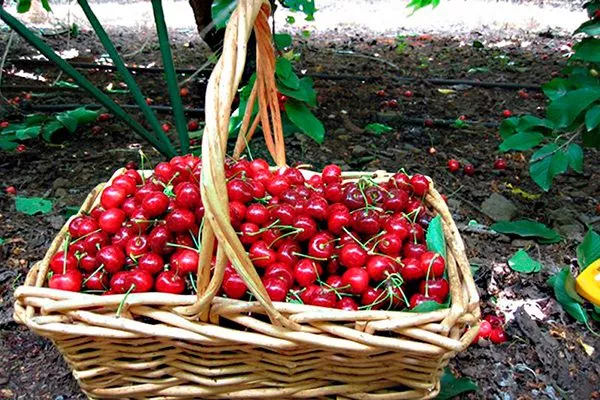
After harvesting, it's important to store the fruit properly to prolong its freshness. Fruits can be frozen, canned, or made into compote or jam. It's important to follow proper storage conditions to prevent spoilage:
- The optimal temperature range is from +2 to +4 degrees.
- It is best to store it in tightly sealed containers or bags to avoid moisture and dust.
- It is recommended to pack berries in portions so that you can easily get the required amount if needed.
- The shelf life varies from 2 to 3 weeks.
Freezing cherries is a crucial step in preparing for winter. To do this, wash the berries, dry them, and spread them in a single layer on trays or baking sheets. Then place them in the freezer until completely frozen. After this, the berries can be packaged in freezer bags and stored in the freezer.
Preparing for winter
The plant goes dormant during winter, and proper preparation will help it survive the cold period without harming its health. It's important to provide the plant with adequate shelter from frost, protect the roots from hypothermia, and provide it with the necessary nutrition.
Peculiarities:
- It's necessary to inspect the tree and remove all dead and diseased branches. Trim excess shoots to ensure proper crown formation and improve light penetration.
- To protect the cherry tree from frost and temperature fluctuations, it is recommended to cover the trunk with a special material or straw. This will help prevent the roots from freezing and protect the plant from the negative effects of the cold.
- It's important to provide your cherry tree with sufficient nutrients before winter sets in. This can be achieved by fertilizing it with complex fertilizers, which will help strengthen the plant's immune system and increase its resistance to disease.
- It's important to provide the cherry tree with sufficient moisture before winter. This will allow the plant to accumulate moisture reserves, which will be useful during the dry winter months. Apply 20-30 liters of water per bush.
Diseases and pests
Young plants are susceptible to various diseases and pests that can negatively impact the harvest:
- One of the most common diseases is moniliosis. This fungal disease manifests as brown spots on the leaves and fruit of the plant. To prevent moniliosis, regularly treat the cherry tree with special preparations.
- Another dangerous disease is cladosporiosis. This fungal infection causes the plant's leaves and fruits to wilt. To combat cladosporiosis, it's necessary to destroy the affected areas and treat the plant with fungicides.
- Among the pests that can cause damage are spider mites and scale insects. Spider mites feed on plant sap, weakening the plant and reducing the yield. Scale insects, on the other hand, penetrate cherry fruits, rendering them unfit for consumption.
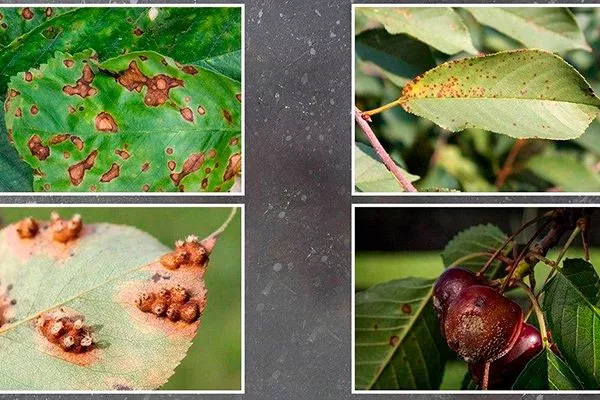
To protect the Molodezhnaya cherry from diseases and pests, it is necessary to regularly inspect the plant, monitor its condition, and take prompt measures to combat potential problems.
Reproduction
To preserve and increase the number of this variety, it is necessary to know the different methods of propagation:
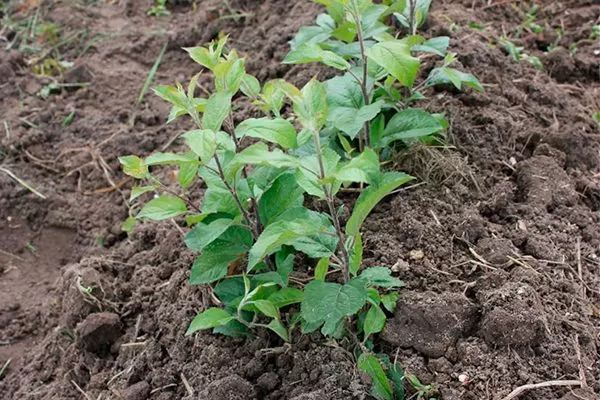
- One of the most common methods of propagating the Molodezhnaya cherry is by shoots. To do this, you need to select the healthiest and strongest shoots that have grown from the parent tree. These should then be dug up and transplanted to their permanent location.

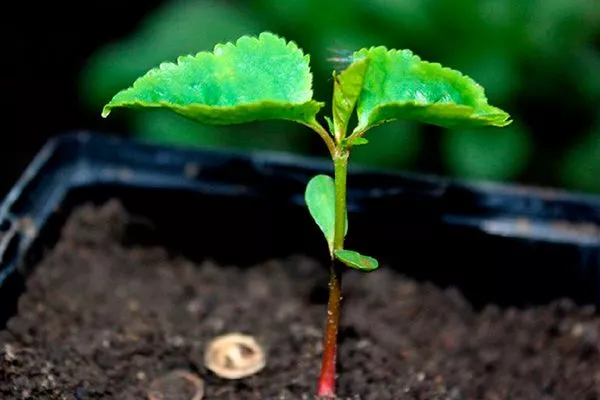
- The second method is propagation by seed. To do this, you need to pick ripe berries, remove the seeds, and sow them in the soil. After that, you need to wait for the seedlings to emerge and care for them.
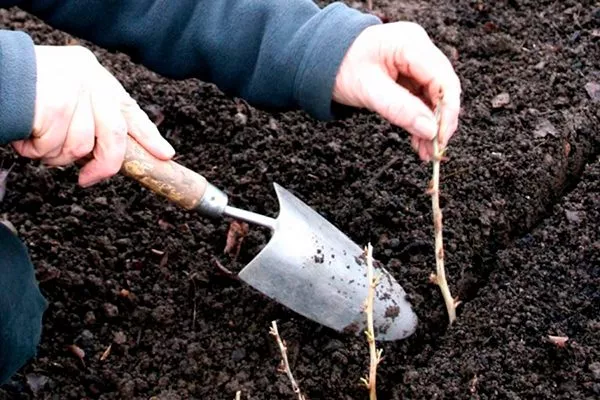
- It can also be propagated by cuttings.
To do this, select healthy, strong shoots, cut them off, and plant them in prepared soil. Afterward, water them generously and care for them to ensure they take root successfully.
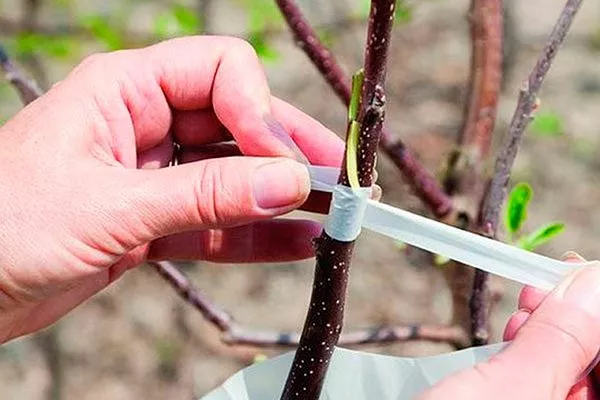
- Another method is vaccination. To do this, select a healthy rootstock and graft selected varietal branches of the Molodezhnaya cherry onto it. Then, wait until the graft takes root and begins to bear fruit.
The propagation of the Molodezhnaya cherry can be done in various ways, but the main thing is to monitor the health of the plants, care for them properly, and select the strongest and healthiest specimens.
How to determine what a cherry is missing?
The first sign that a cherry tree is lacking certain elements may be a change in leaf color. But there are other symptoms as well:
- If leaves turn yellow or yellowish, this may be a sign of nitrogen deficiency. In this case, it's necessary to fertilize the soil with nitrogen-containing fertilizer.
- If they turn yellow and the edges turn brown or spots appear, this indicates a potassium deficiency.
- If your cherry tree isn't producing abundant fruit, or the fruit is small and dull, it could be due to insufficient moisture or an uneven soil pH. It's important to water the plant regularly and monitor the soil's pH.
- If growth is slow or there's no flowering or fruiting, it's caused by a phosphorus or potassium deficiency. In this case, it's necessary to fertilize the soil with appropriate fertilizers.
- Pay attention to the overall health of the plant. If the cherry tree appears weak and dull, this may be a sign of a deficiency of micronutrients such as iron, magnesium, or zinc. In this case, a soil analysis and additional fertilization with appropriate fertilizers are recommended.
- If your cherry tree isn't blooming or blooming weakly, it may be lacking phosphorus. In this case, phosphorus-containing fertilizers are recommended to improve flowering and fruit set.
Knowing the signs and causes of nutrient deficiencies in cherries allows you to take timely action to address the problem and provide the plant with everything it needs for health and growth. Caring for your cherry tree will yield a bountiful harvest of delicious and juicy berries.
Reviews of the variety
Only with proper care and protection will the Molodezhnaya cherry tree be able to delight you with a bountiful and high-quality harvest. It's important to remember that proper cherry tree care is the key to its health and productivity. Regular fertilizing, watering, and pruning will help the cherry tree grow and develop properly. Remember that the cherry tree should be located in a sunny spot with good drainage.