
The Malutka cherry tree's compact size makes it a popular choice for planting in confined spaces. This tree boasts numerous unique characteristics and produces abundant harvests with timely care and preventative treatments against diseases and pests.
Description and characteristics of the Malyshka cherry variety
Before planting a new variety in your garden, it is recommended to familiarize yourself with its basic characteristics, such as yield, taste and commercial qualities, and ripening period.
Description of the bush and fruits
A dwarf shrub cherry variety, reaching a height of no more than 2.5 m. Distinguishing features of the plant:
- The crown is of medium density, has a spherical configuration and is easy to shape.
- The shoots are strong, powerful, colored brown, and their bark is dense.
- The leaves are pointed, thick, and dark green in color.
- ✓ The leaves have a characteristic dark green color and pointed shape, which distinguishes them from other varieties.
- ✓ The fruits have a unique sweet and sour taste with refreshing notes, which is a distinctive feature of the variety.
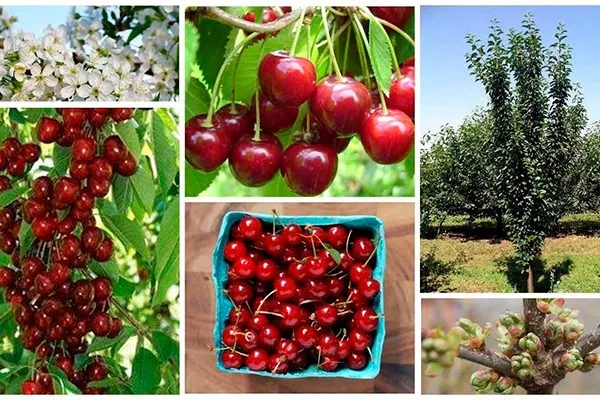
Fruit characteristics:
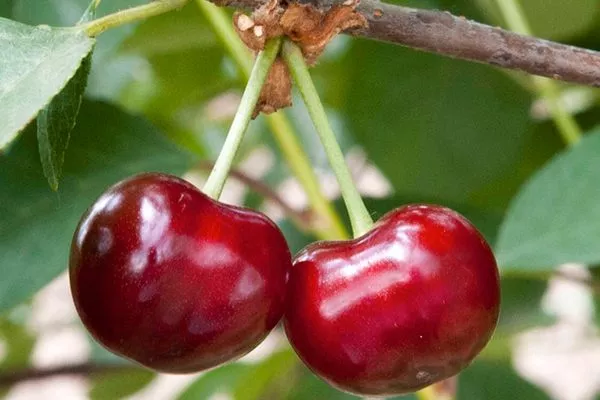
- The weight is approximately 6 g, the flesh is dense and juicy.
- They are painted in a rich red color and have a shiny, glossy skin.
- The taste is characterized by refreshing notes and a sweet and sour shade.
- The stone is large and easily separated from the pulp.
- Thanks to their dense skin, they tolerate long-distance transportation well and have a long shelf life.
- Suitable for fresh consumption or for making jam, compote and juice.
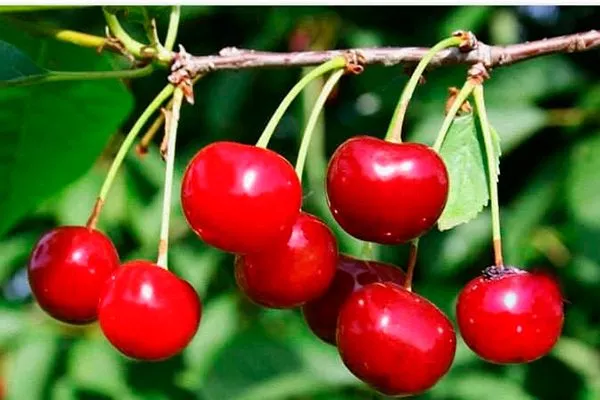
The baby plant is compact, taking up less space than taller, bushier plants. Its low bush size makes it easier to care for and harvest.
Frost and drought resistance
The crop is successfully grown in the Saratov, Sverdlovsk, Orenburg, Samara, and Voronezh regions. It is resistant to low temperatures, withstanding temperatures down to -20°C. It can survive short frosts without damage.
It has moderate drought tolerance and can be sensitive to insufficient watering during the first few years of cultivation. With frequent summer rains, the fruits become larger and juicier.
Resistance of the variety to diseases and pests
It exhibits high resistance to the common crop disease, coccomycosis. Resistance to moniliosis, anthracnose, and rust is rated as moderate. With proper cultivation practices, the shrubs are not susceptible to insect pests.
Pollinators of the variety
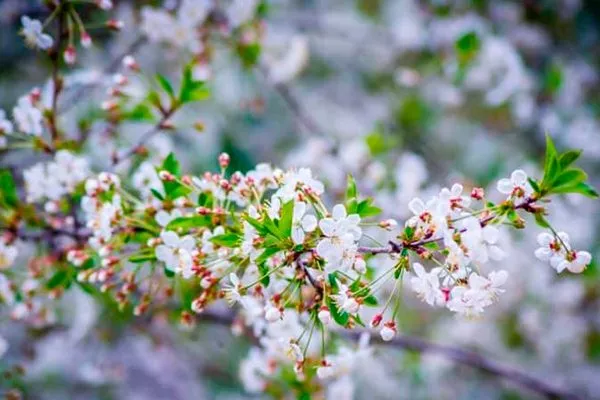
This variety is self-sterile, so when planting it, be sure to check for suitable pollinators. For the flower to develop into fruit, pollen from another cherry or sweet cherry variety must reach the pistil. Suitable pollinators include the following varieties: Vstrecha, Nochka, Turgenevka, and Igrushka.
Pollinators can be insects, particularly bees and wasps. In cold or wet weather, insects may be inactive. To prevent potential problems, plant several other varieties nearby to ensure reliable pollination and a good harvest.
Flowering and ripening period, yield
The first harvest ripens in the third or fourth year after planting. The berry harvest occurs in mid- to late June, depending on the growing region and local climate. Each bush produces up to 15 kg of juicy and flavorful berries throughout the summer.
Planting seedlings
The optimal location for planting cherries is a sunny spot protected from cold winds. Slightly elevated areas are preferable to avoid waterlogging. Make sure the chosen location allows for adequate air circulation around the cherry tree.
- ✓ The seedling planting depth should be such that the root collar is 2-3 cm above the soil level.
- ✓ The distance between seedlings should be at least 3 m to ensure sufficient air circulation and prevent diseases.
The soil should be well-drained and not flooded. The optimal soil pH for cherries is 6 to 6.5. Conduct a soil analysis and make any necessary amendments, including organic fertilizer.
Buy healthy seedlings from reputable suppliers. Choose two-year-old plants with extensive root systems.
Step-by-step algorithm:
- Prepare a planting hole in advance, approximately 60-70 cm in diameter and 50 cm deep. Remove weeds and large stones from the soil. Perform this procedure well in advance, preferably in the fall, before planting.
- Place the seedling in the center of the hole, spreading its roots out to the sides.
- Fill the hole with soil, gently compacting the soil around the roots.
- Water the seedling generously after planting.
- Provide support to prevent the seedling from leaning, especially in windy climates.
- Cover the soil around the seedling with mulch to retain moisture and suppress weed growth.
Water regularly during dry periods and monitor the soil. Apply appropriate insect and disease control measures, and monitor the condition of the leaves and fruit. Maintain the recommended distance between seedlings—usually at least 2.5 m.
Subtleties of further care
It's important to follow certain care guidelines, including timely watering, fertilizing the soil, shaping, and protecting against diseases and pests. Provide the following important care measures for the plant:
- Watering. In spring and summer, provide regular watering during the period of active growth and fruiting. During dry periods, moisten the soil deeply, but avoid stagnant water.
- Top dressing. Apply organic fertilizer (manure, compost) to the tree's trunk area in the spring before the growing season begins. Feed with mineral fertilizers high in potassium and phosphorus, such as superphosphate and potassium salt. Repeat this process every 4-6 weeks until the end of summer.
- Trimming. Perform formative pruning before the growing season begins, removing weak and diseased branches. Perform sanitary pruning, removing dried and frozen shoots. Perform autumn pruning after the harvest. Prune away unnecessary, overlapping branches and shape the crown.
- Shelter for the winter. Prepare the cherry tree for winter by removing all fallen leaves and giving it a final watering. Then, mulch the root zone with straw or dry grass. Provide protection from moles and hares. Cover the cherry tree with agrotextile or other suitable materials to prevent damage to the bark from temperature fluctuations.
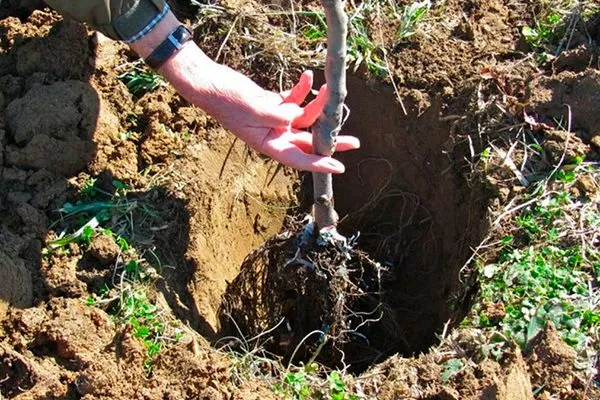
By following these recommendations, you will ensure careful and effective care of your crop, creating conditions for its health, growth, and a good harvest.
Pest and disease control
Cherry tree diseases can be caused by mineral deficiencies or excesses, contaminated soil, or excessive moisture. The table lists common diseases and pests and their control methods:
| Disease/Pest | Symptoms | Treatment/Prevention |
| Moniliosis (gray rot) | Brown-gray spots on shoots and leaves. Plant wilting. Burn-like spots on the bark. | Prune regularly to ensure good air circulation. Avoid overwatering. Treat with Bordeaux mixture in spring and fall. For severe infestation, use Zineb. |
| Rust | Orange-red swellings on leaves and shoots. Plant vigor is lost and fruit development is stunted. | Regularly remove affected branches and leaves. Water the plant at the roots, avoiding contact with the leaves. Apply preventative treatments. For severe infestation, use HOM. |
| Scab | Brown spots on berries. Leaf curling and fruit drop. | Remove affected leaves and fruit. Maintain optimal spacing between plants to improve air circulation. Treat regularly with Bordeaux mixture. |
| Sawflies | Plant wilting and berry drop. Attacks occur in June and July. | Cover the plant with netting to prevent pest access. Inspect regularly for insects. Apply insecticides as needed, such as Piriton. |
Harvesting and storage
Fruiting is characterized by a long period. Harvesting begins when the first ripe berries appear, when they acquire firmness and a rich burgundy-red color. To preserve the harvest or transport them over long distances, pick them two or three days before they are fully ripe.
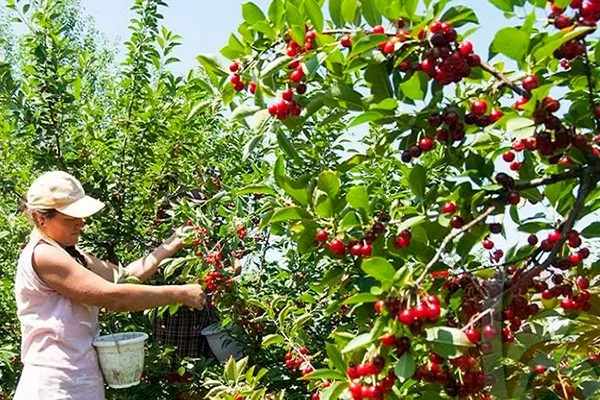
Harvest in the evening during dry weather to avoid dew and intense sun exposure. To avoid flavor degradation, avoid harvesting in rainy weather, as they may become sour or taste bland.
Advantages and disadvantages
Planting a new cherry tree variety should only be done after thoroughly examining its positive and negative qualities. This variety has the following advantages:
Gardeners' reviews
The Malutka cherry is a popular variety, gaining popularity among both novice and experienced gardeners. It has many positive characteristics, features, and benefits. Proper care is essential for a good harvest and strong immunity.