
The Loznovskaya cherry has gained popularity among both novice and experienced gardeners. It boasts a strong immune system and is appealing for its low maintenance. With proper care, the tree produces abundant harvests of large, juicy berries suitable for fresh consumption or preserves.
History of origin
It was developed thanks to the efforts of breeding experts R. V. Korneev and L. K. Zhukova. The crop was obtained by crossing various species, including Zhukovskaya and Lyubskaya. In 1997, it was included in the state register for the Lower Volga region.
Loznovskaya cherry: description of the variety
Before planting a cherry tree, it's important to study its characteristics, features, and appearance. Below is a botanical description of the Loznovskaya cherry tree.
The appearance of the tree
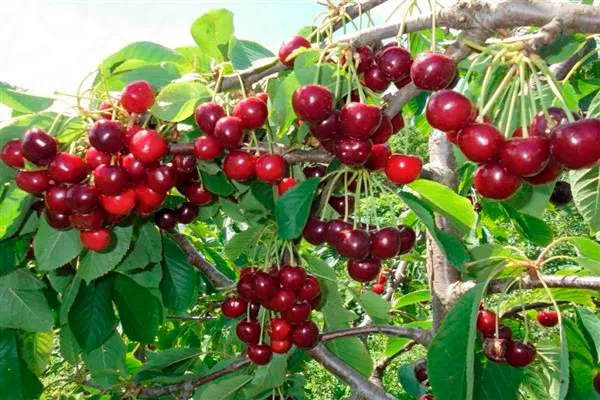
This medium-sized tree reaches 3.2 m in height. Distinguishing characteristics of the plant:
- The crown grows up to 3 m in diameter. It has a medium density and a rounded shape.
- The main branches are slightly curved, and the bark is a reddish-brown hue. The trunk and main shoots are gray-brown and have a flaky texture.
- The branches are covered with medium-sized, obovate leaves of a dark green hue. The elongated leaves have serrated edges and a rounded base.
The medium-sized, white, bell-shaped flowers are arranged in clusters of 4-6 per bud. The calyx has a pinkish tint.
Fruits and their taste characteristics
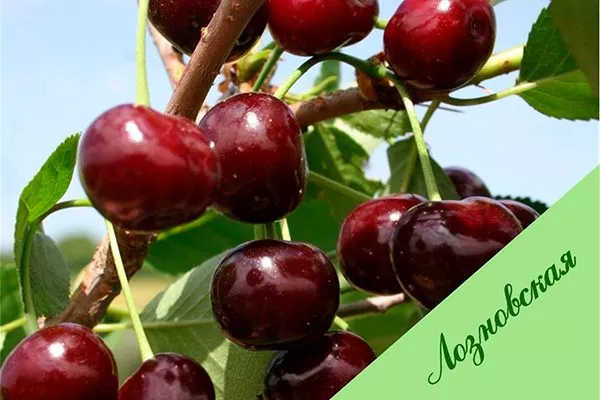
They are large in size – the weight of one berry reaches 6.7 g. They have the following characteristics:
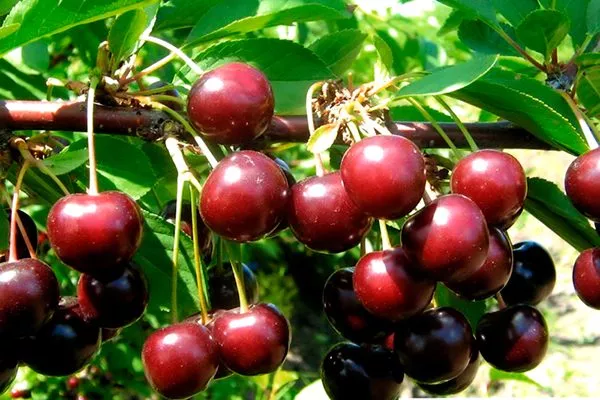
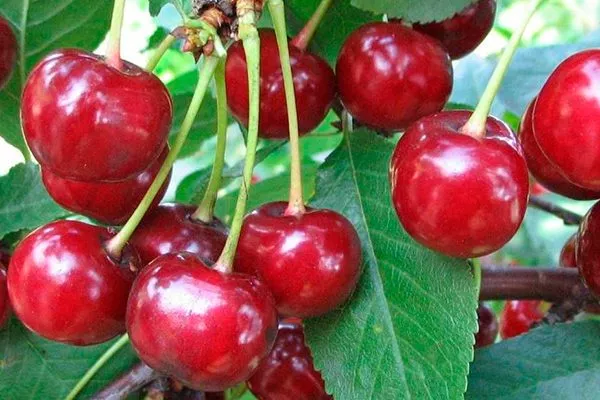
- The round fruits are colored dark red.
- The peduncle is of medium length and thickness, the seam is almost invisible.
- The stone is round in shape and small in size, and separates easily from the pulp.
- The skin is shiny, dense and thin.
Features of the variety
Loznovskaya is a versatile variety. It's suitable for fresh consumption, as well as for making various desserts, drinks, and preserves. They also make delicious jams and jellies. The berries are suitable for freezing or drying.
Analysis of the composition of the fruit shows the following content per 100 g:
- Dry matter: 12.78%.
- Sugar: 9.70%.
- Acids: 1.5%.
- Ascorbic acid: 9.64 mg.
Characteristics of the variety
The Loznovskaya cherry is a popular variety that's easy to grow. It's an ideal choice for those seeking large, juicy fruits. This is due to the following characteristics:
- Pollination and pollinators. It is self-fertile, but to ensure a more abundant harvest, pollinators are recommended nearby. Gardeners recommend the following varieties: Peskovatskaya, Kentskaya, Lyubskaya, and Zhukovskaya.
- Fruiting and ripening. It begins at the age of three to four years. The fruits ripen at the end of June.
- Productivity. It produces a significant amount of fruit. Gardeners harvest approximately 14 kg of fruit from a single tree. On average, a 1-hectare plot yields approximately 93 centners.
- Frost and disease resistance. The Loznovskaya cherry tree exhibits high tolerance to low temperatures, resisting frost damage to the above-ground parts of its shoots. It is characterized by excellent resistance to most diseases.
Advantages and disadvantages of the variety
Before planting a crop in your garden, examine its positive and negative qualities. This variety has several advantages:
Care and cultivation
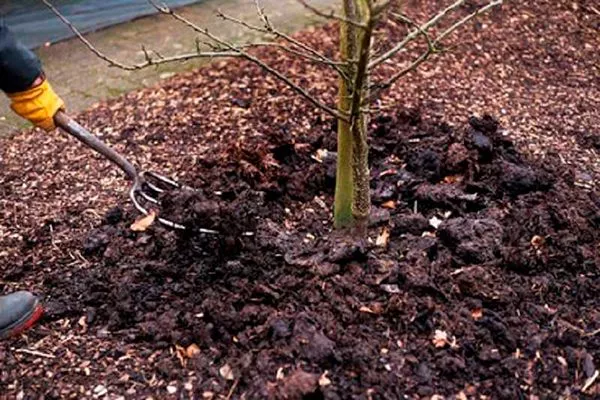
Choose sunny sites with good air circulation and protection from strong winds. The soil should be well-drained and fertile. Prepare the soil before planting. Improve its structure by adding compost or humus. Conduct a soil test to determine the pH level.
Planting recommendations:
- Purchase high-quality seedlings from reputable suppliers. Ensure the roots are healthy and avoid any plants showing signs of disease or damage.
- Dig a hole at least 60x60 cm in size. Add organic fertilizer.
- Place the seedling in the center of the hole, carefully spreading its roots. Fill the hole with soil, but do not bury the seedling too deeply. Firm the soil around the base of the plant.
- Cover the tree trunk area with a layer of mulch approximately 5-7 cm thick. This will help retain moisture, improve soil structure, and protect the roots from overheating.
- Water the cherry tree generously after planting. Monitor soil moisture thereafter and maintain regular watering, especially during dry periods. Remove weeds and prune regularly to shape the crown.
- If planting in the fall, consider protecting the plant from winter frosts using straw or special materials.
The Loznovskaya cherry tree doesn't require much time or attention from the gardener. Basic cultivation practices are essential to ensure regular and abundant fruit harvests. Care plays a crucial role in growing the plant, as its immunity depends on it.