
The Igritskaya cherry tree has numerous characteristics that make it prized by gardeners. It's easy to care for and requires minimal maintenance, but requires basic care. This ensures better growth, strong immunity, and a good yield.
History of selection and region of breeding
Created at the All-Russian Lupine Research Institute by A. A. Astakhov, A. I. Astakhov, and M. V. Kanshina, it was developed and approved for use in 2004.
Description of the Igritskaya cherry
This variety has attractive appearance and is renowned for its large berries. A detailed botanical description is provided below.
Height and dimensions of an adult tree
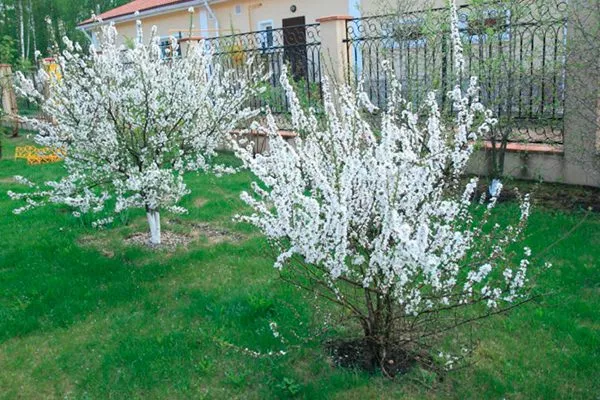
The tree is characterized by medium growth and a spreading crown with a spherical configuration. Other plant characteristics:
- Reaches up to 2 m in height.
- The drooping branches are covered with broad, medium-sized leaves that are obovate in shape.
- The smooth leaf blade is colored green.
- The flowers are small, saucer-shaped, and have loosely arranged white petals.
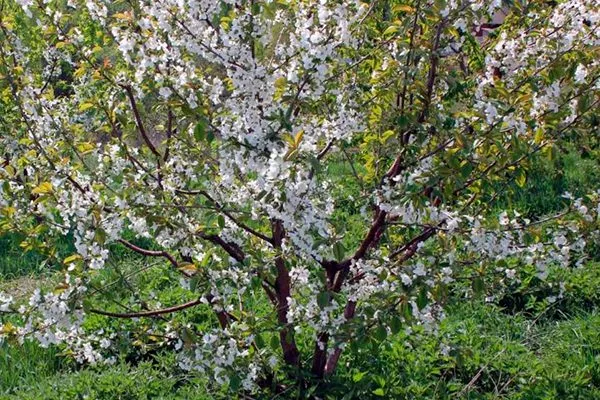
The buds are formed in threes.
Description of fruits and taste
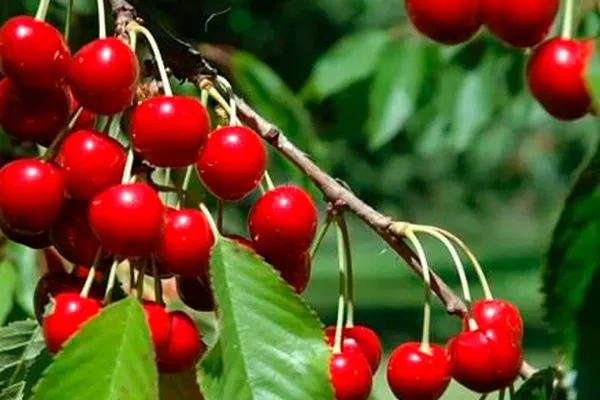
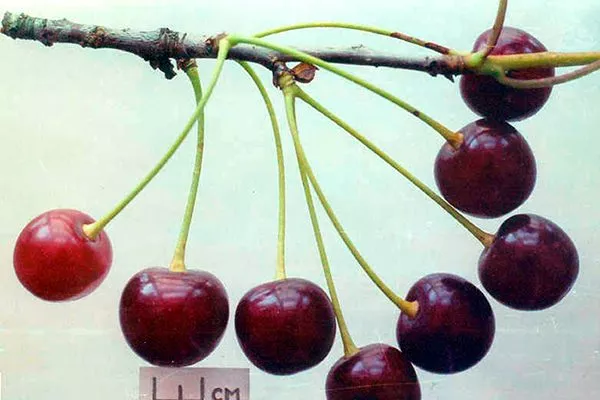
The skin of the semi-circular fruits is dark red. Distinguishing features:
- pulp – juicy, dense;
- bone – oval, easy to separate;
- weight - 4.1-5.2 g;
- breakaway – good.
Application of berries
The fruits are used for a variety of purposes. They are eaten fresh, as a dessert, a breakfast addition, or as an ingredient in fruit salads. They are also used to make compotes, preserves, jams, pies, puddings, and other sweet dishes. They are also suitable for sauces for meats or baked goods.
The berries freeze well, allowing them to be preserved for a long time and used in various dishes. Once dried, they can be used as an ingredient in tea, compote, baked goods, or as a topping for porridge.
Cherries are known for their beneficial properties. Their fruits contain vitamins, minerals, and antioxidants, which can have a positive impact on health. They can also be used to make juices, nectars, wines, and liqueurs.
Main characteristics
This is an easy-to-grow, late-ripening variety. The crop has many favorable characteristics.
Drought resistance, frost resistance
It is highly frost-resistant. It can withstand winter temperatures down to -30°C without serious damage. This property makes it suitable for growing in cold regions and ensures reliable winter hardiness even in harsh climates.
It has good drought tolerance. Although it can survive for some time without watering, regular soil care and moisture supply during drought periods can significantly improve its growth and development.
Ripening period of cherry varieties
The harvest is at the end of July. Ripening occurs five years after planting.
Productivity
The average yield of this variety is 43 centners per hectare, with a maximum of 87 centners recorded. A single plant can yield up to 8 kg of fruit. They are easily transported over long distances and store well.
Pollinator species, best neighbors
A partially self-fertile variety that produces better fruit with pollinators. To ensure a better harvest, it's recommended to plant other varieties with similar flowering times nearby. Recommended cherry varieties for this purpose include Zhuravka, Lyubskaya, Zhukovskaya, and Vladimirskaya.
Advantages and disadvantages
Gardeners recommend studying the advantages and disadvantages of this crop before planting it. It has the following advantages:
Among the disadvantages, the late onset of fruiting stands out.
Planting and caring for the Igritskaya cherry tree
It thrives in both warm regions and climates with unstable climates. Helpful tips:
- Plant the seedling in spring or fall. Spring is preferable in northern regions, allowing the plant time to strengthen its root system and prepare for winter.
- Carry out autumn planting a month before the onset of cold weather, and afterward, water generously and mulch the tree trunk area.
- The plant thrives on light, so the site should be in a sunny location. Recommendations for successful planting include proper spacing between seedlings, choosing a south-facing planting site, taking into account the groundwater level, and preferring loamy or sandy loam soil.
- ✓ The soil pH level should be within 6.0-6.5 for optimal growth of the Igritskaya cherry.
- ✓ The depth of groundwater is at least 1.5 m to prevent root rot.
Planting a seedling is not a difficult task, but for successful development, it's important to follow certain rules. Step-by-step instructions:
- Dig a hole approximately 50 cm deep and wide.
- Before planting, shorten the plant, leaving 50-60 cm, and trim off damaged or weak roots.
- Place the seedling in the center of the hole, carefully distributing the roots. Fill the hole with soil, water thoroughly, and compact it to prevent air pockets.
- Prune the top of the seedling to encourage lateral branch development. Ensure proper distribution and remove weak shoots.
- After planting, water the plant thoroughly. Thereafter, maintain regular watering, especially during dry periods.
- Cover the soil with mulch to retain moisture and reduce weed growth.
- ✓ The presence of at least 3 well-developed roots with a length of 20 cm.
- ✓ Absence of mechanical damage and signs of disease on the bark and leaves.
This plant requires careful care. The watering schedule includes four stages per season: after flowering, during the period of active fruit growth, after harvest, and one month before frost. Fertilize in the spring and fall.
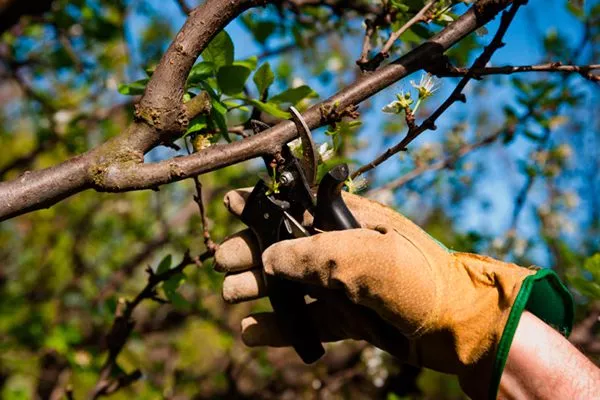
Pruning plays a key role in creating a beautiful crown, increasing yield, and removing damaged shoots. Perform the first pruning 1-2 years after planting, shortening side branches and removing internal and vertically growing shoots. Perform summer pruning as needed.
Preparing for winter
It has high winter hardiness. To ensure a successful transition to winter, take the following measures:
- Dig up the tree trunk circle, water it generously and mulch it.
- Apply phosphorus-potassium fertilizers.
- Cover the trunk with a solution containing PVA glue, copper sulfate and lime.
- When the first frosts arrive, spray the plant with a 5% urea solution.
- Cover the tree with a non-woven material that allows for breathability.
- Install a metal frame to protect against rodents.
These measures will help prepare the crop for winter, providing it with additional protection from adverse weather conditions and pests.
Diseases and pests
Characterized by strong immunity. If care instructions are not followed, problems may arise:
| Disease/Pest | Signs | Consequences | Control measures/Prevention |
| Rust | Brown or orange spots containing characteristic spores appear on the leaves. | Leaf deformation, reduced yield, especially with severe infection. | Treatment with Bordeaux mixture at the beginning of the growing season. Remove and destroy affected leaves at the end of the season. |
| Molinia | The appearance of white spots on the leaves. | Deterioration of the plant's appearance and health, reduction in yield. | Apply fungicides in conjunction with pruning of affected parts. Conduct preventative treatments in spring and fall.
|
| Coccomycosis | Brown or black spots on leaves, sometimes with fuzzy edges. | Deterioration of photosynthesis, drying and falling of leaves. | Apply systemic fungicides before flowering. Regularly prune affected branches. Remove fallen leaves.
|
| Aphid | Small insects on the underside of leaves that secrete a sticky liquid.
| Transmission of viral diseases, leaf deformation, reduction in yield. | Use insecticides, attract aphid's natural enemies (ladders, upside-down moths, wasps). Regularly inspect plants and remove affected areas. |
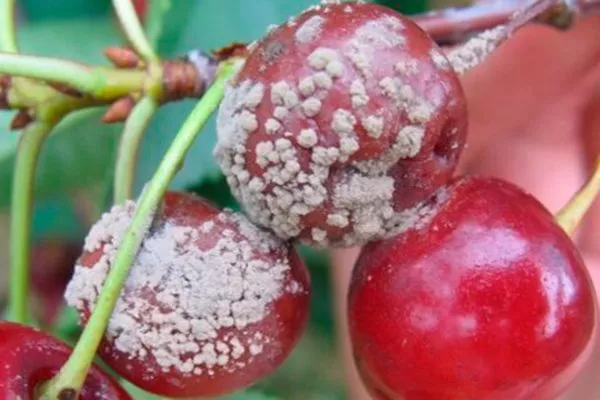
Regularly inspect the plant for diseases and insects to begin treatment promptly and save the crop from death.
Methods of reproduction
The choice of propagation method depends on the gardener's personal preference. There are several methods for increasing the number of seedlings:
- Cuttings. Cut 30-35 cm long branches from the tree and gradually bury them to encourage root development. Then transplant them to their permanent location.
- By vaccination. If you have a high-quality rootstock, graft it to obtain a plant that retains the varietal characteristics.
- By the undergrowth. Use cuttings that are at least 2 m from the mother tree.
- With bones. Select large fruits, remove the apparently healthy seeds and plant them in the ground, waiting for the seedlings to appear.
Choose the most convenient propagation method so that you are completely satisfied with the number of seedlings.
Harvesting and storage conditions
When picking berries, be careful to avoid significant damage, which will reduce their shelf life. Fresh berries should be carefully placed in a single layer on paper in wooden crates. Dried berries can be stored for up to 1 year if stored in a dark, dry place.
Reviews of the Igritskaya cherry variety
The Igritskaya cherry has become renowned for its specific qualities, including frost resistance and high yields. Many gardeners choose this variety for planting in their plots. With proper care, it can ensure strong immunity, proper development, and delicious fruit.