
With proper care, the Griot Moskovsky cherry tree performs well, delighting with a bountiful harvest each season. It's important to provide regular watering and fertilize as needed to ensure this bushy hybrid maintains robust health and produces large, juicy berries.
History of selection and region of breeding
This specimen, bred in 1959 by biologist H.K. Enikeev, is the result of a desire to create a variety resistant to severe temperature fluctuations and boasting high yields. Cloning the Griot Ostheimsky variety resulted in a cultivar with the characteristics of its parent. It grows successfully in all regions of our country.
Varietal characteristics
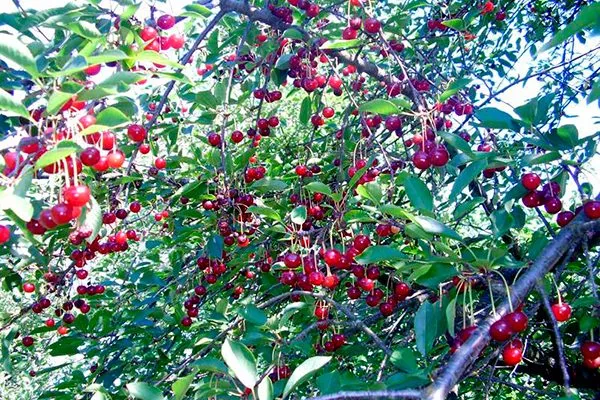
Classified as a medium-sized plant, the tree is characterized by a spreading crown and abundant foliage, giving it a dense green appearance.
Biological description of the tree
This bushy, woody plant reaches an average height of 2.5 m. Other characteristic features:
- Densely covered with dark green foliage.
- It has a spherical crown.
- The leaf blades are characterized by an elongated oval shape.
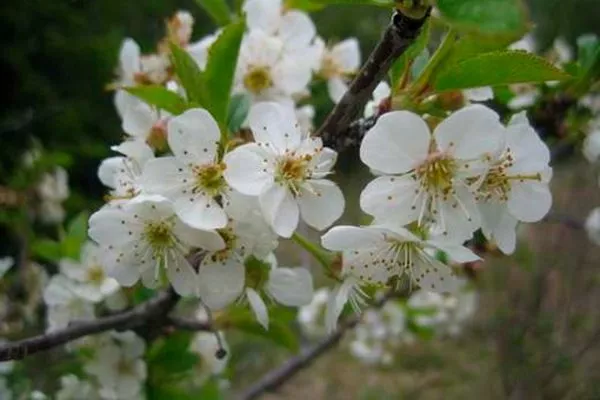
During the flowering period, the cherry tree is decorated with white flowers, collected in inflorescences that form an umbrella.
Description of berries and their uses
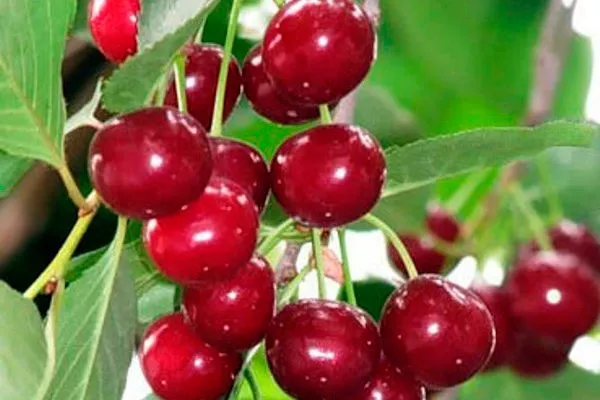
They are characterized by an average weight of approximately 3.5 g. They have many distinctive features:
- The peel is colored black and burgundy.
- The pulp is moderately dense and juicy.
- Inside is a small stone, difficult to separate from the soft part of the fruit.
- The taste is classic cherry.
- Have an equal ratio of acid and sugar.
- Characterized by a distinct aroma.
- They are used for fresh consumption and are used in the preparation of various preserves, including canning and freezing.
Main characteristics
The plant thrives in temperate climates. Best results are achieved in mild summers. Griot Moskovsky possesses numerous characteristics, making it a popular choice for both experienced and novice gardeners.
Drought resistance, frost resistance
It does not tolerate dry periods and requires regular and adequate watering. Despite its high frost resistance, experienced gardeners recommend covering young plants for the winter. If temperatures drop below -30°C, there is a risk of root freezing.
Productivity
The fruit begins to ripen 4-5 years after planting, reaching maturity in mid-July. With proper care and attention, gardeners can harvest approximately 10-16 kg of juicy cherries from a single mature bush.
Pollination features and pollinators
Self-sterile. To ensure abundant fruiting, good pollination is essential. This is achieved by having other cherry trees nearby whose blossoms open at approximately the same time.
Griot Moskovsky produces good yields when pollinated with Vladimirovskaya, Orlovskaya Rannaya, and Sklyanka Rozovaya. This combination promotes effective pollination and provides favorable conditions for a high-quality harvest.
The advantages and disadvantages of the Griot of Moscow
The hybrid has both positive and negative characteristics. It's important to study them before planting. The following advantages stand out:
Among the disadvantages, gardeners note a frequent susceptibility to coccomycosis, self-sterility, and average-sized berries. Another drawback is the unsuitability for long-distance transportation.
Planting and care
Planting guidelines include several key points to ensure successful development and fruiting. The main steps are:
- Begin the procedure in mid-April, before the buds open. Late planting can reduce survival rates.
- Choose open, well-lit areas protected from the wind.
- The soil should be loose and moist. Ensure the groundwater level is at least 1.5 meters away.
- A few weeks before planting, loosen the soil, adding organic matter and mineral fertilizers.
- Water the soil thoroughly to keep it moist.
- ✓ Watering should be done in the morning or evening hours to minimize water evaporation.
- ✓ The watering depth should reach 40-50 cm to provide moisture to the entire root system.
Step-by-step algorithm:
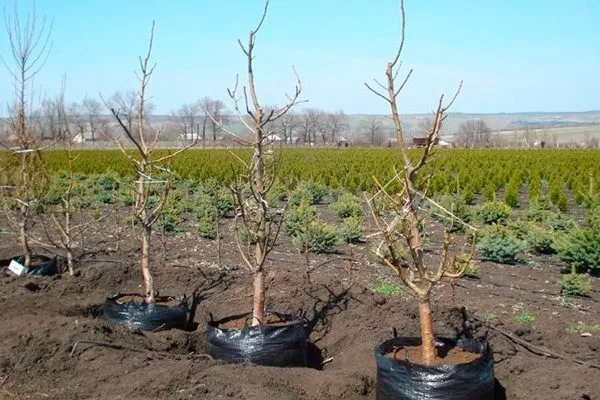
- Dig a hole measuring 60x60x60 cm.
- Add fertile soil and form a mound of earth.
- Drive a wooden stake into the center for support.
- Carefully spread the roots and position the seedling. The grafting point should be 3-4 cm above the soil surface.
- Cover the root with loose soil, compact it, and water generously.
Care measures include the following actions:
- Regular watering, especially during dry periods.
- Fertilize starting in the third year after planting. Apply nitrogen fertilizers in the spring, and use complex fertilizers during flowering. In the fall, apply phosphorus-potassium fertilizers.
- Maintaining cleanliness and looseness of tree trunk circles.
- Mulching to retain moisture and suppress weeds.
- Systematic pruning: after planting, annual crown shaping at the end of winter, sanitary pruning in the fall.
- Treating instruments with antiseptics and cuts with garden pitch to prevent diseases.
Following these rules will help you grow a healthy and fruitful tree.
Diseases and pests
It exhibits resistance to scab but can be susceptible to fungal infections such as coccomycosis and moniliosis. These diseases negatively affect the leaves of the plant, leaving swollen spots and a pale coating on the surface. This can lead to the death of the tree.
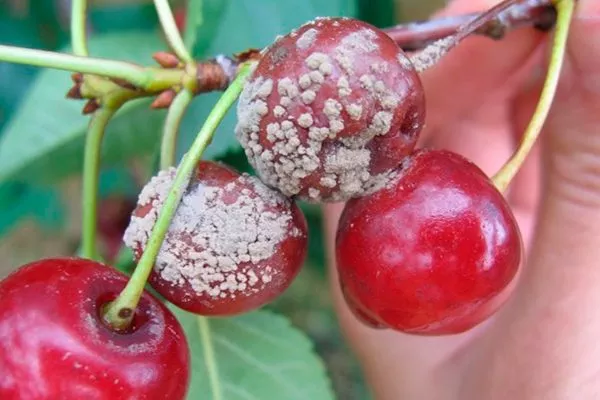
- In early spring, before the buds open, treat with copper sulfate.
- After flowering, treat with Bordeaux mixture to prevent fungal diseases.
- In autumn, after the leaves have fallen, repeat the treatment with copper sulfate.
To control the pest, use copper sulfate or Bordeaux mixture. Apply the first treatment in the spring, then again in the fall after harvest.
Collection and storage rules
The berries of this variety are too juicy for long-term storage or transportation. To prevent spoilage before processing or consumption, harvest in dry weather.
Preparing for the winter season
To successfully weather winter conditions, it's important to follow several steps:
- Treating the trunk with lime in October. This procedure is aimed at creating a protective layer on the trunk, which helps prevent damage from winter frosts.
- Watering at the roots before frost. Watering before the onset of frost allows you to better prepare for winter by providing a sufficiently moist environment for the root system.
- Sanitary pruning and removal of fallen plant debris. These measures are aimed at maintaining the health of the plant, preventing the possible spread of diseases and removing material that may become a source of infection.

Taking these procedures into account, the shrub hybrid will be ready for the winter period, providing the best conditions for winter hardiness.
Methods of reproduction
To increase the number of seedlings in your plot, use a convenient propagation method. Gardeners recommend the following methods:
- Seeds. Collect mature, healthy seeds. Clean them of any pulp and wash them. Place them in damp sand or peat. After the cold period (winter), allow them to stratify. In spring or fall, plant the sprouted seeds in the ground in a permanent location.
- By dividing the bush. Select a healthy, well-developed bush. Divide the root system into several sections. Plant each section in prepared holes filled with nutrient-rich soil.
- By layering. Select healthy, strong shoots. In the spring, before active growth begins, separate the shoots and cut them from the parent plant. Remove the lower leaves and plant the cuttings in prepared soil. Maintain an optimal moist and warm environment for the root system.
- Graft. Select a suitable rootstock from healthy cherry trees. Graft the graft onto the selected rootstock using pruning shears or another tool. Ensure a secure connection and secure the graft.
After this, provide the plants with regular watering, apply fertilizer when necessary, and keep the area clean by loosening the soil.
Reviews from fans
The Griot Moskovsky cherry tree promises consistent and abundant harvests with proper care. It continues to gain popularity among beginning gardeners due to its excellent characteristics, including frost resistance and strong immunity.