
The Miracle Cherry is a hybrid variety combining characteristics of both the sour cherry and the sweet cherry, known as "Duke." Its distinctive features include large, aromatic fruits with sweet flesh. To ensure a bountiful harvest, it's important to follow proper planting and care recommendations and understand its characteristics.
History of selection
The first Duke cherry to appear in Russia dates back to 1888. It is an innovative variety created by scientists from Donetsk. The breeders crossed the Griot Ostheimsky cherry with the latest generation of the Valery Chkalov cherry.
Description of the Miracle cherry tree
It inherited the best characteristics of both parent varieties. It boasts high frost resistance, typical of cherries, and excellent yield and sweet fruit, typical of cherries.
What size is the Chudo cherry tree?
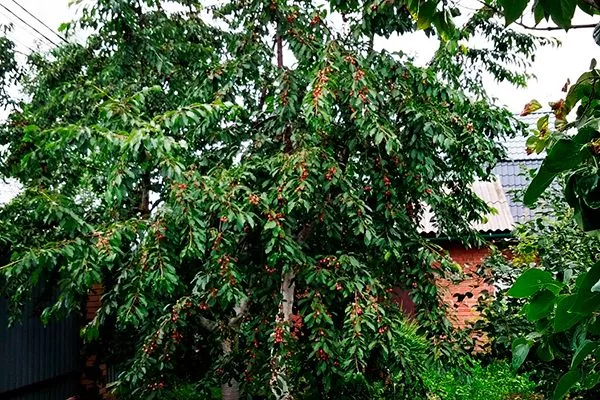
On average, it reaches a height of up to 3 m. When young, the tree forms a pyramidal crown, which over time takes on a more spreading and rounded configuration.
Description of fruits
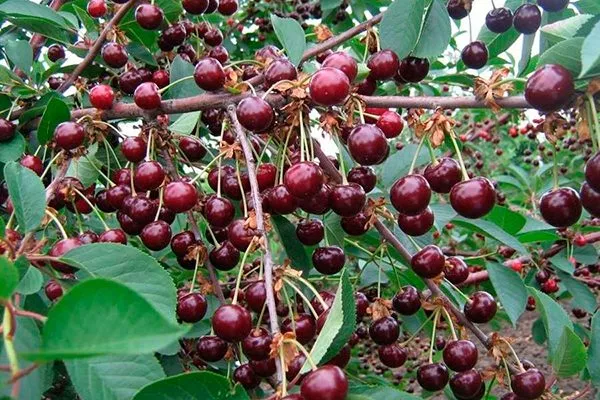
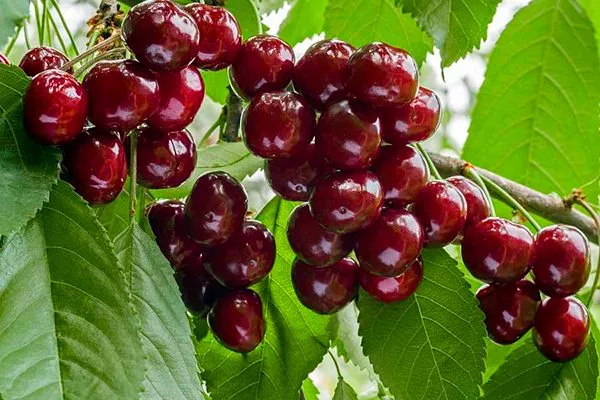
They are distinguished by their large size, reaching up to 10 g in weight. They are flat-round in shape and dark red in color. They have a dense, shiny skin. The juicy flesh, rich with cherry aroma, has a sweet, slightly tart flavor. They are rated approximately 5 on a tasting scale.
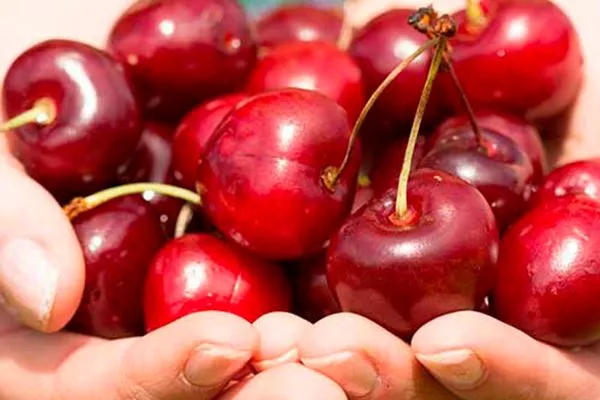
When ripe, the fruits can remain on the branches for a long time, allowing them to be picked at a convenient time. The tree tolerates bright sunlight well, preventing the berries from baking under the heat.
Main characteristics of the Miracle Cherry
Many gardeners are interested in growing cherries and sweet cherries in their plots, but due to differences in climate, soil composition, and plot size, planting both varieties isn't always feasible. In such cases, a hybrid with its distinct characteristics can be an excellent alternative.
Drought resistance, frost resistance
It exhibits high frost resistance, withstanding temperatures down to -28°C. Drought tolerance is rated as average.
For successful cultivation in the central zone, it is recommended to provide the plant with additional nutrition to strengthen its immunity; otherwise, it may not survive the long and cold winter.
Flowering and ripening period
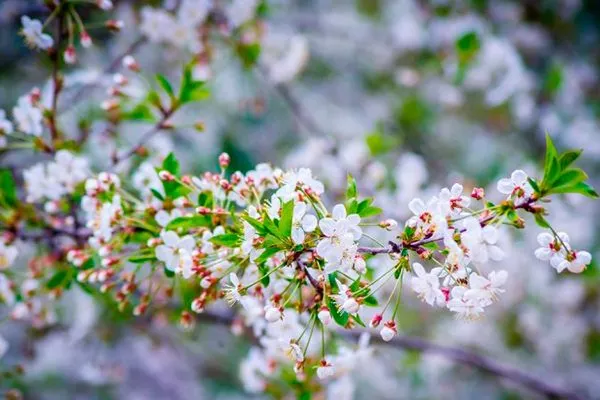
Blooming occurs with the arrival of warm spring weather. It opens its flowers earlier than the common cherry tree, but later than the sweet cherry. In southern regions, blooming occurs in early to mid-May, while in harsher climates, the process may begin in the second half of May or even by the end of June.
Pollination and pollinators
For good fruiting, it's important to ensure the presence of pollinators, as dukes are self-sterile and unable to pollinate themselves. It's recommended to have at least one suitable cherry or sweet cherry variety on your property.
The best cherry pollinator varieties:
- Youth;
- Bulatnikovskaya;
- Lyubskaya.
The best cherry pollinator varieties:
- Yaroslavna;
- Donetsk woman;
- Iput;
- Donetsk beauty;
- Sister;
- Annushka;
- Donetsk coal.
- ✓ Pollinators must bloom during the same period as the Miracle Cherry to ensure cross-pollination.
- ✓ The distance between pollinators and the Miracle Cherry should not exceed 50 m for effective pollination.
Productivity
One of the tree's distinctive features is its rapid onset of fruiting: the seedling produces its first harvest within 2-4 years of planting. Flower buds begin to form as early as the second year after planting. Once fruiting begins fully, cherry harvesting is carried out annually. The berries ripen approximately one month after flowering.
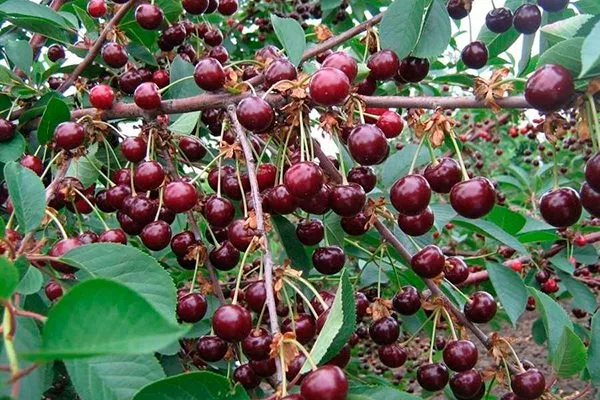
A single plant can produce 10 to 15 kg of berries. Harvesting is done during hours of reduced sun exposure, such as morning or afternoon.
To preserve the fruit's attractiveness, extend its shelf life, and facilitate transportation, it's best to pick it with the stalk attached. This depends directly on the region and the quality of pollination.
In what year after planting does the Miracle Cherry tree bear fruit?
Fruit ovaries begin to form on shoots as early as the third year. Full fruiting begins in the fourth year after planting.
Where can it be grown?
Successfully grown in various regions of Russia, cherries are highly adaptable to both southern and cold climates. They thrive best in warmer climates. The southern European part and central Russia are considered ideal regions for cultivation.
Lovers of the Chudo cherry are trying to successfully grow it in the Central Belt, the Moscow region, and even in Siberia, despite harsher climatic conditions.
Pros and cons
Before planting a crop in your garden, it's important to examine its positive and negative qualities to avoid problems. Miracle Cherry has many advantages:
Among the disadvantages, gardeners note freezing at low temperatures, self-sterility and the need for pollinators, and a tendency to quickly become dense.
Planting and care features
In the temperate climate of the Central Russian region, successful hybrid cultivation can be ensured by following the correct planting sequence. Follow these recommendations:
- When choosing a site, choose areas with good sunlight and protection from strong winds. Soil with a light, fertile structure is ideal.
- The optimal age for a seedling is 1-2 years, with hard and undamaged bark on the trunk and developed roots.
- The best time is mid-April, under favorable sunny conditions, after the threat of frost has passed. In warmer regions, fall planting is possible, provided at least one month passes before the onset of cold weather.
- The distance between adjacent seedlings or pollinators should be 5 m, and the width between rows should be 4-5 m.
- Prepare the site two weeks in advance: dig a hole 50 cm deep and 60-80 cm in diameter, add sand, compost, and potassium-phosphate fertilizer. Add lime to neutralize acidic soil.
- Before the procedure, soak the seedling roots in a solution containing growth stimulants. Apply an additional treatment with a weak solution of potassium permanganate or potassium humate to prevent fungal diseases.
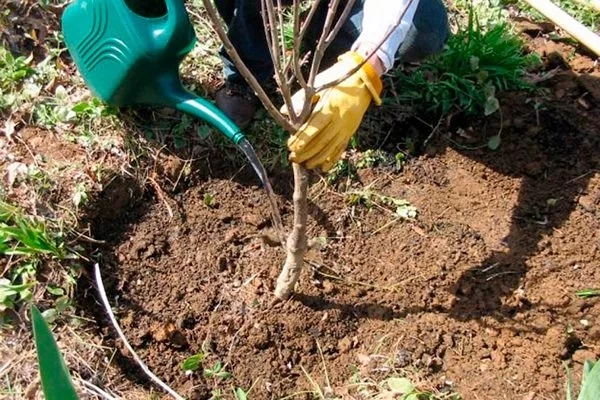
- On the day of planting, loosen the hole, water it, and after it has soaked in, add a soil mixture with fertilizer.
- Install a support for the seedling. Lower it into the hole and cover it with soil, ensuring the root collar remains at a depth of 5 cm. After the roots have spread out, add at least 15 cm of soil.
- Water the plant at the roots and add a final layer of soil on top.
- ✓ The optimal planting depth of the seedling should take into account the level of the root collar, which should be 5 cm above the soil level.
- ✓ To prevent fungal diseases, the roots of the seedling must be treated with a weak solution of potassium permanganate or potassium humate before planting.
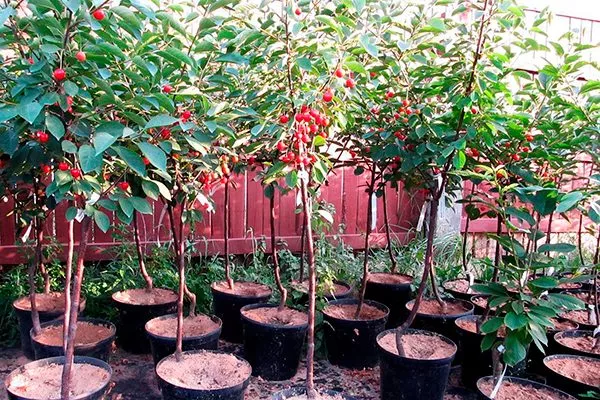
Planting and caring for cherries is simple, provided you follow basic agricultural principles. This will ensure their robust health.
Follow basic care procedures:
- Watering. Water young seedlings weekly, applying approximately 40-50 liters of water per trunk. During the fruiting season, watering 3-4 times per season is sufficient – before flowering, before berry formation in hot weather, and after harvest. In the fall, water the tree to moisten the soil and increase winter hardiness.
- Top dressing. Apply fertilizer in small amounts starting in the third year. In spring, add a small amount of urea or ammonium nitrate, and before the buds open, apply superphosphate.
After flowering, apply nitrophoska, and in the fall, fertilize again with superphosphate and add potassium sulfide. Before winter, scatter organic fertilizer under the trunk to provide additional insulation. - Trimming. Annual crown pruning is necessary to prevent overgrowth and promote compactness. In spring, trim back overgrown branches, maintaining good air circulation. Encourage the formation of new lateral branches by shortening one-year-old shoots by a third.
- Preparing for winter. In the fall, spray with Novosil or Epin-Extra to increase frost resistance. Whitewash the cherry tree trunk at a height of 1.5 m from the ground to prevent sunburn and rodent damage.
Place a layer of humus under the roots, and in colder regions, cover the trunk with spruce branches or light-colored material. Remove the covering when temperatures rise above freezing.
Take care of the crop and in return you will receive a regular harvest with high yields.
Reproduction
Miracle cherries are propagated by several methods: cuttings, seeds, and grafting. Vegetative propagation is considered the most popular. Choose the best option for you:
- Cuttings. Select healthy and strong branches, preferably one-year-old ones. It's best to take cuttings in the spring before the growing season begins. Cut off pieces about 15-20 cm long, with 2-3 buds. Treat the lower end of each cutting with a root stimulant.
Plant the cuttings in prepared soil holes in spring or early summer. The depth should be such that one bud remains above the soil surface. Maintain moderate soil moisture during the establishment period. - Graft. Select a healthy, strong tree to serve as the rootstock for the Miracle Cherry. This could be a different variety or a cherry tree with a comparable trunk thickness. Find a healthy, straight branch with a diameter that matches the rootstock.
Make a horizontal T-cut on the rootstock, dividing the trunk in half. The cut on the cherry sapling should align with the cut on the rootstock. Insert it so that the two cuts are tightly connected. Wrap the grafting site with electrical tape or a special material to secure the plants together. - Seed method. Collect ripe seeds from ripe fruits. Wash the seeds to remove any pulp and dry them. To stratify them (simulate wintering), place the moist seeds in a refrigerator or other cool place with a temperature of around 0-4°C for several weeks.
In spring, sow the seeds into the soil to a depth of about 2 cm. Keep the soil moist and wait for the seedlings to emerge.
Remember that vegetative methods ensure the preservation of the genetic characteristics of the variety, which is especially important when propagating Miracle Cherry to preserve its unique properties.
Diseases and pests
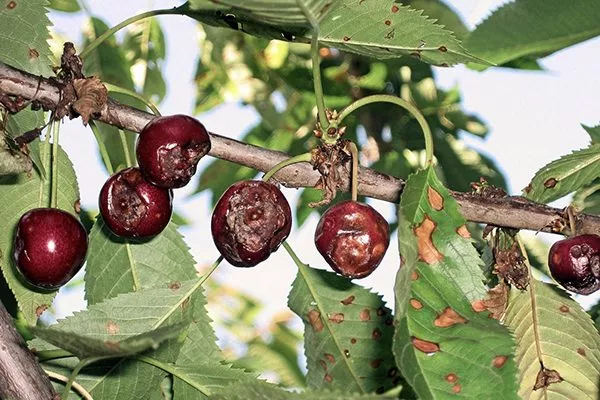
It is characterized by resistance to various diseases and attacks by harmful insects. However, some problems may arise due to the following infestations:
- Gummosis. A disease affecting the branches and trunk of a plant, accompanied by the formation of a sticky coating. It is often caused by improper pruning and excessive application of mineral fertilizers.
- Clusterosporiasis. It manifests itself as leaf spotting due to the thickening of the crown.
- Gray rot. Occurs due to excess moisture, affecting branches and berries, which can lead to the death of the fruit. Thinning the branches helps ventilate stagnant moisture.
- Powdery mildew. A whitish coating forms on leaves and berries in hot weather, leading to plant death. Timely watering and fertilizing of plants is recommended.
- Insect attacks. Insecticides such as Rovikurt, Actellic, or other chemical compounds designed to combat these pests are effective against slime sawflies, weevils, hawthorn moths, and moths.
If the foliage is infested with aphids, spray the trees with a solution of laundry soap and tobacco.
Secrets of a good harvest
In the spring, before the buds open, plant the seedling in its permanent location. Fall planting is also possible, but it's important to protect the roots from frost by burying them 30-40 cm above ground level.
Important points for successful cultivation:
- Choose a location without strong drafts, such as an area near a fence or gazebo.
- Use light, fertile, and neutral soils. Planting roots deeper than 50 cm is not recommended.
- Place the top facing south for better light.
- Be sure to prune cherry trees from the third year onward to thin out the crown and prevent it from becoming too dense. Prune vertical shoots where branches originate.
- Water moderately, avoiding overwatering the roots.
- Apply fertilizer starting in the second year, observing the dosage. Apply organic fertilizers every three years, and mineral fertilizers annually.
Reviews
Miracle is an attractive hybrid tree to grow. With proper care, this crop produces delicious fruits, but for best results, it's important to follow proper cultivation practices.