
The Assol cherry is a mid-season variety that has emerged relatively recently. It is easy to grow, has good frost resistance, and is resilient to many adverse conditions. It is self-pollinating and versatile. However, to ensure delicious berries and abundant harvests, it is important to understand the basics of cultivating this variety.
History of origin
The cherry cultivar group known as Assol was created relatively recently: in 2004, by specialists from the All-Russian Research Institute of Horticulture/Nursery. This variety was developed by a team of scientists consisting of Kh. K. Yenikeev, S. N. Satarova, and N. G. Morozova.
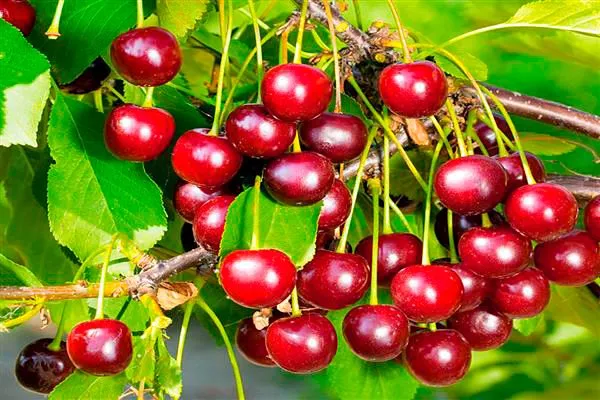
After successfully passing trials in 2010, the variety was added to the State Register of our country. This variety was zoned for the Central Region for use in fruit and berry production.
Description of the Assol cherry variety
Although Assol is zoned for the central regions of the Russian Federation, the trees also bear fruit and thrive in other regions, from the south to the north.
Parameters and description of an adult tree
This variety is medium-sized, making it easy to harvest. The tree is characterized by the following qualities:
- height - varies from 200 to 250 cm, but there are also specimens of 300 cm;
- crown shape – pyramidal-round type:
- spreading - strong;
- shoots – simultaneously drooping and erect;
- thickening – not observed;
- bark – smooth, brown and slightly brownish in color;
- leaves - inversely ovoid, elongated, dark green;
- leaf blade – the tip is pointed, the surface is wrinkled and matte, the edges are finely serrated, the size is medium;
- inflorescences – consists of 2-4 buds.
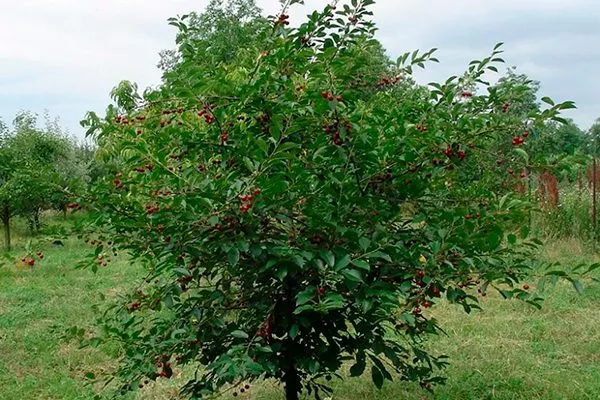
Flowers, ovaries, and fruits form on bouquet branches. The lifespan and fruiting period is a maximum of 20 years.
Fruits and their taste characteristics
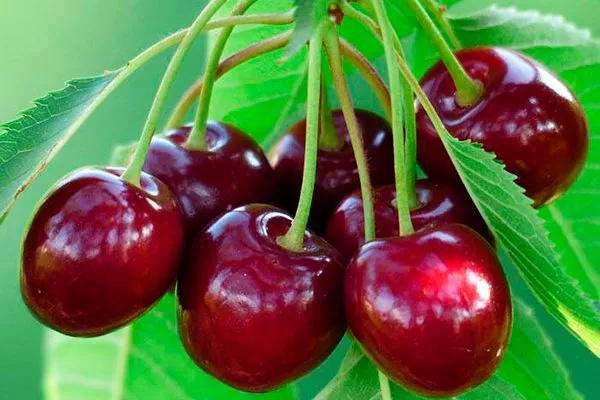
The cherries are quite sweet, with a sugar content of 10% or more and an acidity of only 1.2-1.3%. Therefore, the tasting score is 4.7 points. The dryness of the pulp is no more than 14-15%. Distinguishing features:
- size - average, since the weight varies from 4.0 to 4.2 g;
- fruit shape – rounded;
- bone – small in size, easy to separate from the pulp;
- skin and pulp color – the same, dark red;
- pulp – tender in structure, juicy, fleshy.
Main varietal characteristics
The Assol cherry variety is quite resistant to many adverse conditions, pests, and diseases. It can easily be grown in full sun—the berries will only become sweeter in the sun's rays.
Resistance to frost and drought
Since the Assol cherry is grown in central Russia, it is winter-hardy but drought-tolerant. This variety is ideal for growing in frost hardiness zone 4, which covers many regions of Russia. The tree's shoots and bark can withstand temperatures as low as -27°C to -30°C.
Like many other cherry trees, Assol easily survives long periods of drought, but yields increase significantly with regular, but not too frequent, watering.
Productivity
High yield is one of the advantages of this variety. A healthy tree typically produces 10 to 15 kg of fruit. In the first year, the expected yield is around 5-7 kg, after which the yield increases. On commercial plantations, the average yield is 44.6 centners per hectare.
A sapling takes 3-4 years to develop, and the first fruits appear in the third or fourth, sometimes fifth, year after planting. Cherry yield depends on:
- soil fertility;
- correct planting of seedlings;
- proper watering and fertilizing.
Cherries, which are juicy and soft, are not suitable for long-distance transportation. However, they can be transported over distances of 100-200 km if they are packaged in small containers, sealed, and with the stems attached.
Cherries retain their shelf life for up to 18-22 hours and up to 48 hours in the refrigerator. Assol cherries are versatile and can be used fresh as a dessert or in various preserves.
Pollination of Assol cherry
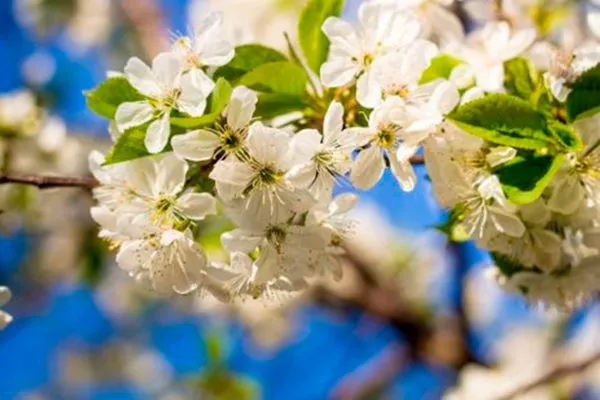
The tree blooms primarily between May 12 and 20, with a shortened flowering period. The cherry variety is self-fertile. The cherry tree's breeders note that this characteristic does not affect the yield.
Ripening period and fruiting characteristics
The Assol variety is characterized by a medium ripening period. The first normal harvest can be collected four years after planting. The first ripe cherries can be enjoyed in late June, with peak fruiting occurring in mid-July.
The berries ripen simultaneously, so the harvesting period is short. Ripe berries should be picked immediately to preserve their flesh and flavor. Cherry berries must be picked quickly, as they spoil quickly, especially in rainy weather.
Advantages and disadvantages
Gardeners are attracted by the positive characteristics of the Assol variety, which are manifested in the following:
There are also disadvantages:
Planting Assol cherries
The optimal time for planting a cherry tree seedling is the end of April or the beginning of May, when the soil and air are well warmed up, but the beginning of the growing season has not yet begun.
- ✓ Check for a certificate of conformity for the variety.
- ✓ Pay attention to the absence of mechanical damage to the bark and root system.
- ✓ Make sure there are live buds on the seedling.
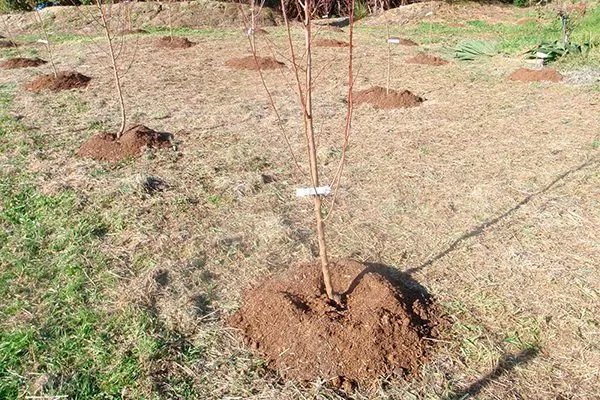
Other individual characteristics of the variety requirements:
- When choosing a location for planting a cherry tree, the following requirements must be taken into account:
- the groundwater level should not exceed 200 cm from the ground surface;
- the area should be sunny, without shading from buildings and tall ornamental trees;
- protected from northern winds;
- When planting several trees, it is necessary to leave a distance of at least 3-4 meters between them for good ventilation of the crowns.
- Cherry seedlings should be selected based on the following characteristics:
- tree age from 1 to 2 years;
- height from 100 to 150 cm;
- the presence of at least 10-15 upper shoots up to 40-45 cm long;
- root shoots at least 25 cm long.
- When preparing the planting site, dig a hole 55-75 cm deep and equal in width, increasing the hole's volume if necessary to use a special substrate on unsuitable soils. On clay soils, it is recommended to add sand or humus to improve drainage and substrate structure.
- When planting cherries in soil with a high peat or sand content, it is recommended to add some clay soil and humus/compost to the hole. Add charcoal (450 g), potassium chloride (30 g), and superphosphate (55 g) to the soil mixture.
- Before planting, it is recommended to soak the root system in a clay-manure slurry for 4-5 hours. Root stimulants can be used if desired.
Tree care: features
The care procedures are quite standard, but keep in mind some subtleties:
- Watering. During the first year of growth, Assol cherry trees require regular watering once or twice every week to week and a half. If rainfall is lacking, the trees are watered four times a month. In October, a moisture-replenishing watering is recommended – up to 60-80 liters per plant.
Particular attention should be paid to caring for the seedling during dry weather to ensure that the soil at the root depth remains moderately moist. - Feeding schedule. Superphosphate and wood ash are used for fertilization, applied around the crown twice or three times during the summer. Nitrogen-rich fertilizers are applied in early spring and after fruit set.
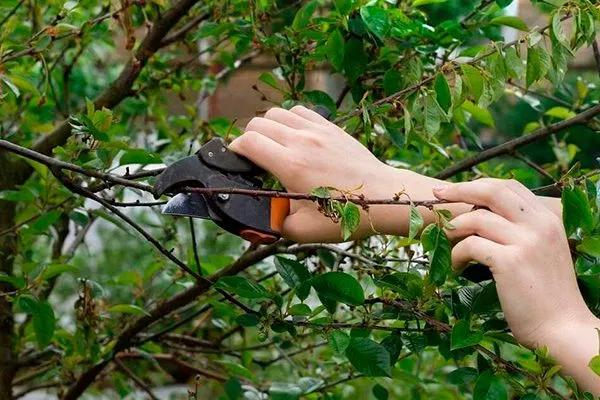
As the ovaries develop, add organic matter such as mullein, bird droppings, or charcoal. Alternatively, use complex minerals containing phosphorus and potassium. Apply the final fertilizer in August using Superphosphate. - Trimming. It's recommended to prune the Assol cherry tree in the fall, removing damaged branches and lower shoots. Formative pruning is best done in late February or early October after sanitary pruning, and the trunk should be whitewashed with lime mortar. Before the onset of frost, wrap the tree in a protective material to repel rodents.

- Preparing for winter cold. Before winter sets in, at the end of October, the process of preparing the tree for the cold season begins. With proper preparation, the plant will be able to withstand the harshest winter conditions without freezing. The main stages of preparation include:
- pruning of branches (shoots exceeding 50 cm in length must be shortened, leaving young branches intact, old and dry specimens must be removed);
- applying a layer of mulch around the trunk (hay, leaves, manure, and combinations thereof are used as mulch);
- trunk whitening;
- watering;
- When snow falls, it needs to be compacted against the tree trunk (the snow will serve as protection from the cold and help retain moisture in the ground).
- Cherry picking. Ripe cherries ripen between late June and mid-July. It's recommended to harvest the cherries gradually, once they've turned bright red. Pick the cherries from the tree by the stem and carefully place them in a basket. Afterward, place the cherries in ventilated wooden crates and store them in a cool place.
- Storage. For long-term storage, you can use the refrigerator, but it is important to keep cherries separate from other fruits and vegetables, as they easily absorb foreign odors.
The fruits can be stored at a temperature of 12 to 16 degrees for about two months, but if stored indoors the period is reduced by a third.
If you have excess berries, you can freeze them. Thawed berries are perfect for making freshly squeezed juices and desserts.
Resistance to diseases and pests
The Assol variety is resistant to scab and coccomycosis, and is rarely susceptible to moniliosis. The plant can be susceptible to other diseases, so gardeners recommend a mandatory preventative treatment in the spring.
To do this, treat the cherry tree and the area around the trunk with one of the following: copper sulfate, Bordeaux mixture, or commercial fungicides (Fitosporin, Poliram, Topsin, Horus), which are effective even in the early stages of damage.
To combat foliar insects and fly or beetle larvae that damage berries, insecticides are recommended. However, the most effective measures include early spring irrigation, leaf removal in the fall, and bark cleaning where insects live.
Reviews of Assol cherries
The Assol cherry tree isn't particularly demanding in terms of care, but proper initial planting is essential. Although self-fertile, experts recommend gently shaking the branches during flowering to distribute pollen to other flowers. This helps increase yield.