
The Alba Plena cherry tree is nicknamed the "Russian sakura" because it is native to Japan, Korea, and North China. It is an ornamental cultivar with a glandular variety, making it most often used in landscaping. Alba Plena has some characteristics that distinguish it from other cherry trees, which we will discuss below.
Who developed the variety and when?
The origin of this variety is unknown, but some say it originated in Eastern countries. Many claim that the Manchurian apricot originated in Alba Plena.
The appearance of the tree
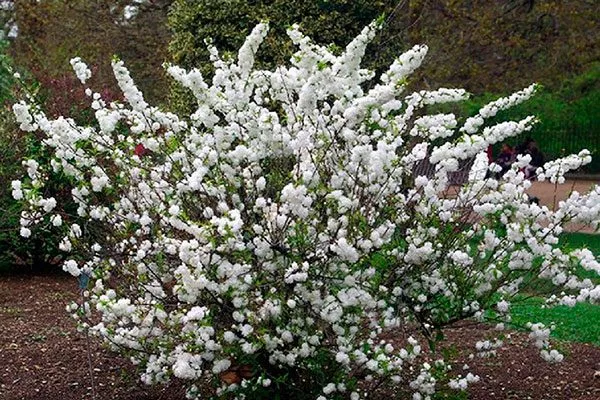
This is an ornamental shrub with a very compact size—the tree barely reaches 150 cm in height. However, the crown is quite spreading. Other characteristic features:
- crown – round;
- branches – flexible and at the same time upright;
- bark – has a smooth surface and a dark brown tint;
- leaves - oblong-oval shape, with serrated edges and a glossy surface;
- color of leaf blades – at the beginning of the growing season it is bright green, by autumn it becomes yellow with a reddish tint;
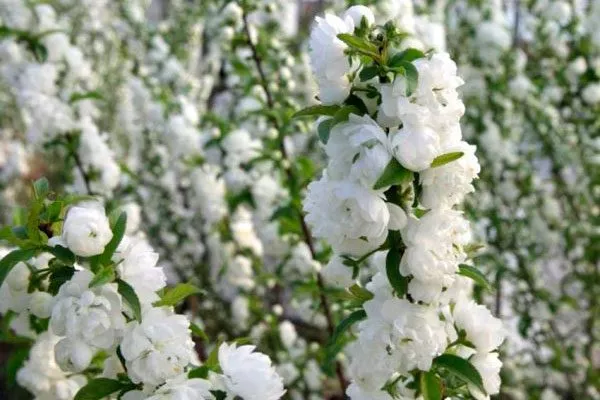
- flowers – snow-white and densely double, their shape is identical to roses;
- diameter of buds after opening – 15-25 mm;
- flowering period – 23-28 days;
- root system – It is developed powerfully, so even under strong wind loads no changes occur.
Features of fruits, their taste and characteristic traits
This cherry variety is renowned for its decorative qualities, yet it is distinguished by its small fruits. The spherical berries, dark, almost black, have a characteristic bittersweet flavor when ripe, which is why they are not eaten directly. Their aroma is delicate and sweet.
The ornamental cherry tree is not only a beautiful addition to the garden but also a valuable plant due to its fruit-bearing potential. Its berries contain concentrated vitamins A, B, and C, as well as a number of microelements that can have a beneficial effect on human health.
Eating them can strengthen the immune system, improve digestion, and maintain vitality. The berries are used fresh and also in cooking for sweet preserves and baked goods.
| Method | Success rate (%) | Time to first flowering (years) |
|---|---|---|
| Cuttings | 60-70 | 3-4 |
| Graft | 80-90 | 2-3 |
Characteristics of the Alba Plena variety
Alba Plena boasts excellent characteristics, making it a favorite among the vast majority of gardeners and landscape designers. Before planting, familiarize yourself with the variety's key features.
Self-fertility and pollinators
Cherry is a self-sterile tree, so pollinators are needed to ensure lush blooms and abundant fruit production. Any stone fruit can serve as a pollinator, as long as their flowering times coincide.
Flowering and ripening time
This crop blooms in May and June and can last, on average, just under a month. The fruits ripen around August, but gardeners don't usually harvest this showy plant.
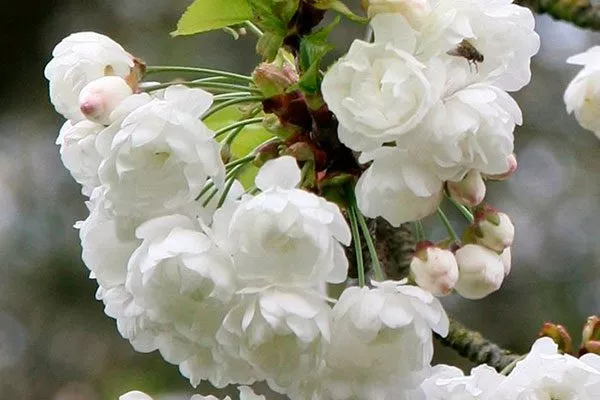
The iron cherry delights the eye with its abundant and spectacular blooms. The expected lifespan of this cherry variety is 20-35 years.
Necessary climatic conditions
Cherry trees boast their beauty in regions with mild winters. However, in the climate of central and northern Russia, where winters can be harsh and frosty, they often suffer from frost, which can damage their flower buds.
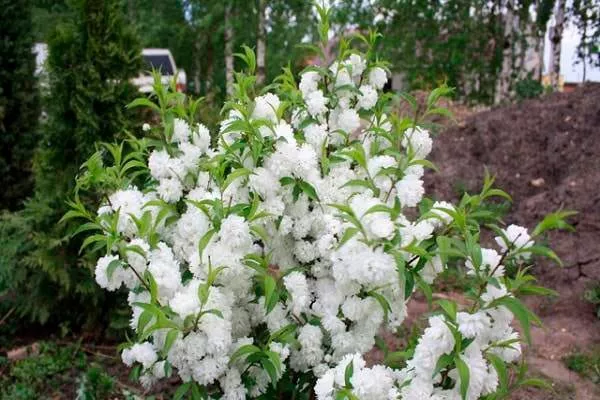
Unlike sakura, the Alba Plena cherry variety thrives in a wide variety of conditions in the Moscow region, Orenburg, Perm Krai, and even southern Siberia, rivaling its Japanese and Korean counterparts in beauty.
Winter hardiness
Despite the resistance to frosts down to -34°C, it is recommended to provide shelter to young trees in the first couple of years after planting to prevent them from freezing.
How is it different from a regular cherry?
The glandular cherry variety is highly prized by gardeners for its ornamental qualities. This shrub has won many admirers among gardening enthusiasts thanks to its distinctive beauty and compact size, making it ideal for landscaping in any area, including private gardens and public spaces.
The bushes have unique features that provide magnificent decoration throughout all seasons: vibrant flowering in the spring and equally impressive fruiting in the fall.
Other differences:
- The fruits of this cherry are small and round, with dark red, almost black skin when fully ripe;
- the berries have fairly hard flesh and often a pointed stone;
- the cherry trees ripen in August;
- the fruits are not usually eaten;
- the trees are always compact and short;
- The peculiarity of cherry is its resistance to diseases and pests.
Care and cultivation
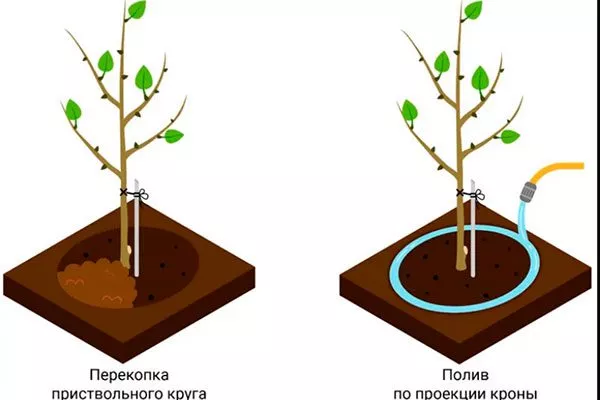
For successful growth, the plant requires ample watering: 3-5 buckets of water per bush, followed by mulching with straw or grass. It is recommended to water 2-3 times during the first week after planting to maintain soil moisture.
In the second season after planting the bush, it is important to remove weak and slow-growing branches, especially in the spring before the growing season begins and in early August – this promotes proper crown formation.
Subtleties of planting
The best time for planting is spring, because in the fall, you need to not only prepare the seedlings but also plant them before frost sets in, covering the planting site with, for example, spruce branches. Pay attention to the variety's requirements:
- Preferred seedlings are at least 55 cm tall and should be planted in warm soil.
- Avoid planting cherries in damp, low-lying areas. It's better to choose sunny, full-drainage sites.
- If the soil is acidic, add up to 0.5 kg of lime per 1 sq.m, then add organic fertilizers (compost or rotted manure).
- Planting is possible in spring in April or in autumn in early October.
- Typically, planting holes are made 60-70 cm deep and 70-80 cm wide, adding organomineral fertilizers with ash.
- ✓ Soil pH should be between 6.0-7.5 for optimal growth.
- ✓ The distance between plants should be at least 2 meters to ensure sufficient space for the root system.
Diseases and pests
The variety is completely resistant to all diseases and pests, but problems do occasionally arise. This can be caused by unfavorable climate and weather conditions, proximity to diseased crops, improper watering, or weakened plant immunity due to a lack of fertilizer.
If even one negative factor is present, carry out preventative spraying in the spring. For this purpose, you can use Quadris, Skor, Hom, Ordan, Bordeaux mixture, wood ash, Switch, etc.
Advantages and disadvantages
The positive qualities of the variety are based on the following:
There are no critical defects, but gardeners only note bitterness in the pulp of the berries.
The Alba Plena cherry tree doesn't require any special growing conditions—it's enough to plant a seedling in a favorable region. This variety can be propagated by only two techniques: cuttings and grafting. If you're looking to decorate your garden, don't hesitate to choose this glandular cherry tree—it will delight you with snow-white flowers in spring, yellow foliage in summer, and vibrant red and yellow colors in autumn.