
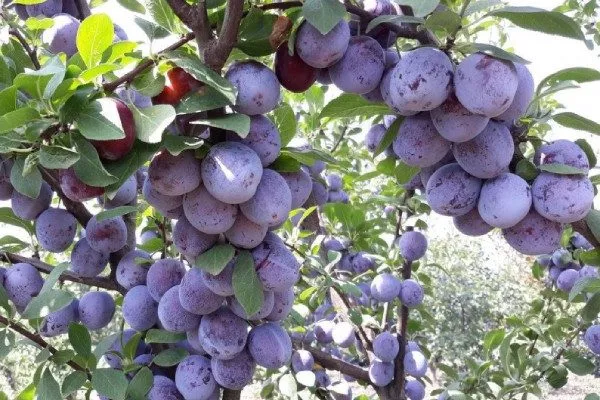
The Zarechnaya Rannyaya plum is deservedly popular among summer cottage owners due to its ease of care, long growing season, and early flowering. The plums are distinguished by their excellent flavor, and harvesting requires little effort. This variety is used in both home and professional cultivation.
How did the species appear?
The origins of this variety date back to 1986, when it was created through the deliberate crossing of three different plums. A year later, a breeding formula was developed that incorporated all the necessary characteristics and the results of scientific observations. Even then, recommendations for plum care and the optimal time for planting were known.
In 1988, the Zarechnaya plum was officially registered in the State Register as an early-ripening variety. The breeding work was carried out by geneticists G. A. Kursakov and L. E. Kursakova from the I. V. Michurin All-Russian Research Institute.
The following parent varieties were used for selection:
- The Eurasia 21 hybrid, which is distinguished by its increased winter hardiness, was obtained by crossing six plum varieties.
- Red dessert plum, known for its unpretentiousness and resistance to the conditions of the middle zone.
- A Volga beauty, valued for its commercial qualities.
Description of the Zarechnaya early plum
Key tree characteristics play a crucial role. This data significantly influences gardening planning, allows for an accurate assessment of the plant's mineral nutrient needs, and allows for a well-organized gardening schedule.
Tree
The plant is medium-sized (no more than 300 cm), making it easy to harvest and prune. Shorter varieties have dense, wide crowns. Crown growth is relatively slow. Zarechnaya Rannyaya stands out for one unique characteristic, not typical of fast-growing varieties: leaves appear before shoots.
Other varietal characteristics of the plant:
- Escapes The tree's branches are small, with brown bark and slightly curved. They are of medium thickness, with small internodal spaces. The plant's buds are also small, deep brown, and crowned with a pointed tip. They are teardrop-shaped and loosely attached to the shoots.
- Leaf blade The leaf is slightly larger than standard. It is deep green in color, oval or circular in shape, and slightly pointed at the tip. The leaf edges are smooth but finely serrated. The surface is completely smooth and reflects no light.
- Petioles Pigmented, medium-sized, but very thickened. Stipules with a greenish tint, dissected, and quickly falling off.
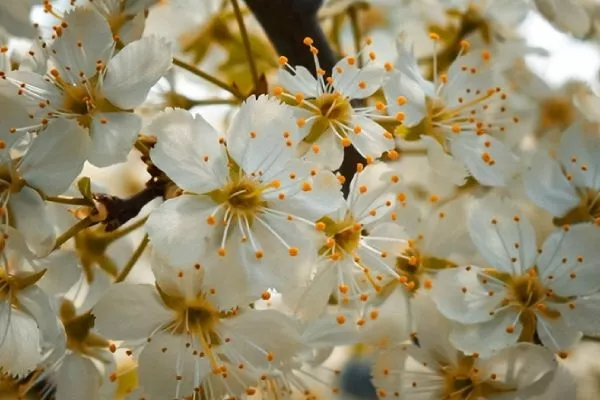
- Flowers The flowers are snow-white and medium-sized, with rounded petals. The pistil is twice as long, as the stamens are shortened. During budding, the petals take on a greenish tint. The sepals are finely serrated. The calyx is bell-shaped.
- ✓ Leaves appear before shoots, which is not typical for fast-growing varieties.
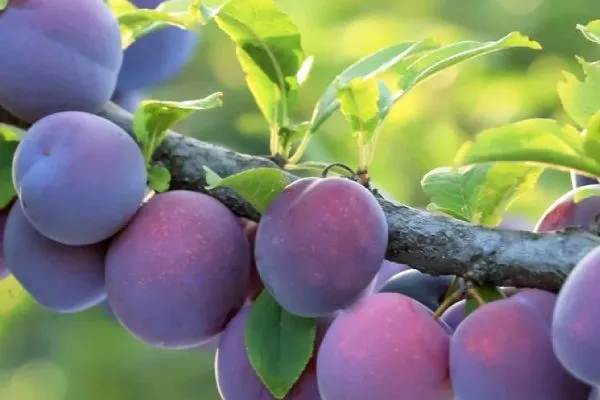
- ✓ The fruits have a rich dark purple color with a thick wax layer and weigh from 40 g to 50 g.
Fruit
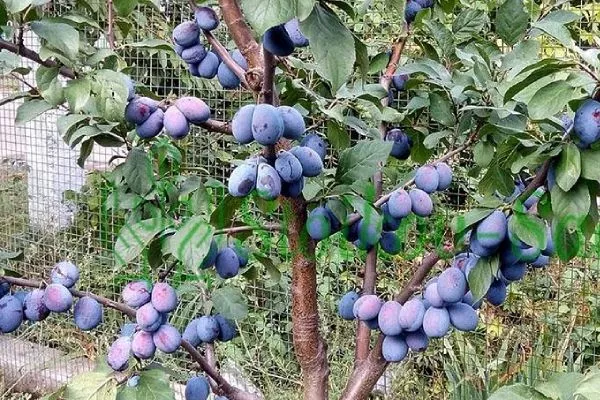
Distinctive features such as appearance, color, and shape make plums of this variety particularly attractive. Its fruits possess a number of qualities that delight consumers:
- The fruits are large, with a round-oval shape.
- At the apex the plums are slightly depressed, with a noticeable ventral suture.
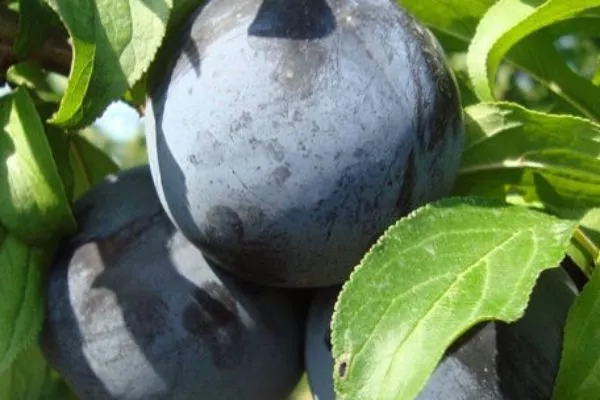
- Plum color is a rich dark purple on the outside.
- The skin is covered with a thick waxy layer. Numerous small dots are visible underneath.
- The peduncles are thickened and shortened.
- The weight of the fruits ranges from 40 g to 50 g, with some specimens reaching a weight of 65-70 g.
- The flesh is dense yet tender, very juicy. It has an amber color, more like a shade between blue and yellow.
- The stone is elongated, oval-shaped, small, and easily separated from the pulp.
- The plums have a sweet and sour taste with a slight sourness, rated by tasters at 4.5-4.7 points out of 5.
- Plums are very high in nutritional value and caloric content. They contain 7.8% sugars, 16.8% dry matter, and 1.5% acids. These fruits are rich in vitamin C (13.5 mg/100 g) and P-active substances (200 mg/100 g).
Characteristics of the variety
The Zarechnaya Rannyaya variety boasts excellent transportability, making it ideal for export and import. It is resistant to damage during refrigerated storage. In the tasting, Zarechnaya Rannyaya received high marks, a significant achievement for an early variety with moderately large fruits and a distinctive crown.
Zarechnaya Rannyaya, whose description has attracted the attention of many breeders, is classified as a table-fruit variety. This makes it popular among private gardeners and agricultural enterprises.
Drought resistance, frost resistance
Thanks to the low-temperature tolerance characteristic of one of its parent species, Zarechnaya Rannyaya copes well with winter frosts. Both the buds and the wood are equally resistant to frost, ensuring a safe harvest even during spring frosts during flowering.
There's no official data on the variety's drought tolerance, but gardeners report no problems growing it in these conditions. Just two irrigations during the summer are sufficient, as the tree quickly begins flowering and fruiting.
Pollinators of the Zarechnaya early plum
Plums are not self-fertile and can fertilize only about 4% of their own flowers without external assistance. This is a negligible percentage, highlighting the need to introduce donor plants with similar flowering times into the garden to increase the yield.
Even trees located up to 50-60 km from Zarechnaya Rannyaya can provide additional pollination. One variety is sufficient, but if two pollinators are planted simultaneously, the Zarechnaya Rannyaya plum will absorb the characteristics of both varieties simultaneously.
The best neighbors for this variety are:
- Renclode Tambovsky;
- Volga beauty;
- Etude.
To achieve maximum cross-pollination efficiency, it is recommended to plant pollinator varieties on opposite sides of Zarechnaya Rannaya.
Productivity, ripening time and fruiting
This variety is considered early-ripening—its fruits reach maturity by midsummer, in July. The harvest ripens simultaneously, and fruiting begins in the tree's third or fourth year of growth, and then it becomes annual. However, there are factors that can disrupt this regularity:
- improper agricultural management;
- sudden drops in temperature;
- exposure to pesticides or disease.
This variety's productivity is above average, but exact figures are not provided. Rough estimates can be found on gardening forums and channels:
- for young trees they amount to 13-16 kg;
- for mature people – 65-90 kg.
To ensure a high-quality harvest, this variety requires adequate potassium nutrition during fruit ripening. With proper care, each tree can bear fruit for 15-30 years.
Application of berries
The Zarechnaya Rannyaya plum is popular in both home and commercial gardening. In summer cottages, it is planted for decoration and harvest, while farmers use it for mass sales.
In the culinary world, the Zarechnaya Rannyaya plum is a popular ingredient for a variety of dishes:
- tinctures;
- puree;
- juices;
- compotes;
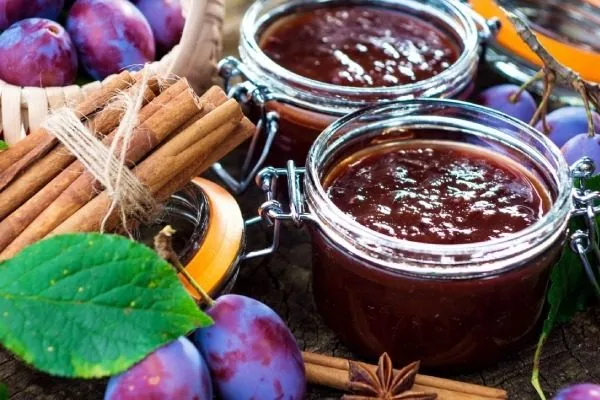
- jam;
- jams;
- jam.
Pies, buns, and rolls with plum filling become a real delicacy.
But it's not just those with a sweet tooth who can enjoy dishes made with this plum; meat lovers can enjoy it too. Eastern culinary recipes often include plums, which impart a distinctive flavor. Plums, combined with the spiciness of red pepper and aromatic Caucasian herbs, enrich the Georgian tkemali sauce.
Growing regions
Scientific experts have approved the cultivar for cultivation in private gardens in the Central Black Earth Region. However, since the plums have demonstrated resilience to hot summers and cold winters, this makes them an ideal choice for gardeners in the southern and central regions of Siberia, which have moderately hot summers and mild winters.
Zarechnaya rannyaya is popular among gardeners in the Baltics and the former Soviet Union.
Planting the Zarechnaya plum tree
This plum variety is considered easy to cultivate by gardeners. Growing it doesn't require any specialized knowledge or unusual care methods. However, it's important to consider the plant's individual needs when planting.
Recommended timeframes
The optimal time for planting plum seedlings is in the spring months. For those living in southern regions, autumn planting is possible if the purchased plum tree already has more developed roots. It's best to plant young plum trees in March or early April, or delay planting until early October.
Choosing a landing site
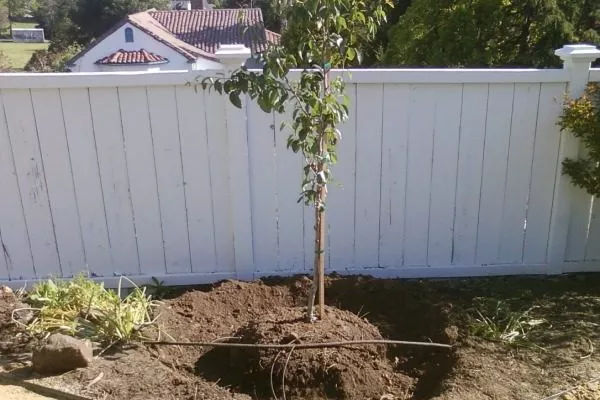
The early plum tree, Zarechnaya, is sensitive to gusts of wind and does not tolerate drafts. Therefore, it should be planted in a location protected from these factors, such as near building walls or a fence. When planted in groups, trees should be spaced at least 300-320 cm apart to prevent their crowns from clumping together and creating excessive shade—the plum prefers partial shade at most.
- ✓ The optimal depth of groundwater is at least 200-250 cm to prevent rotting of the root system.
- ✓ The distance between trees when planting should be at least 300-320 cm to ensure sufficient space for crown growth.
The Zarechnaya plum thrives in soil with a predominantly sandy or loamy composition, where the groundwater level is at a depth of 200-250 cm. The hole for the seedling should be prepared 2-4 weeks before rooting. The soil should be tilled and enriched with organic and mineral substances.
What crops can and cannot be planted next to each other?
Plum is an excellent neighbor for crops such as:
- apricot;
- cherry;
- cherries;
- peach;
- gooseberry;
- maple;
- cherry plum.
You should avoid placing plum seedlings next to plants such as:
- apple;
- black elderberry;
- pear;
- currant;
- coniferous trees;
- walnut;
- birch.
How to choose and prepare a seedling?
When choosing and preparing a seedling for planting, it should have the following qualities:
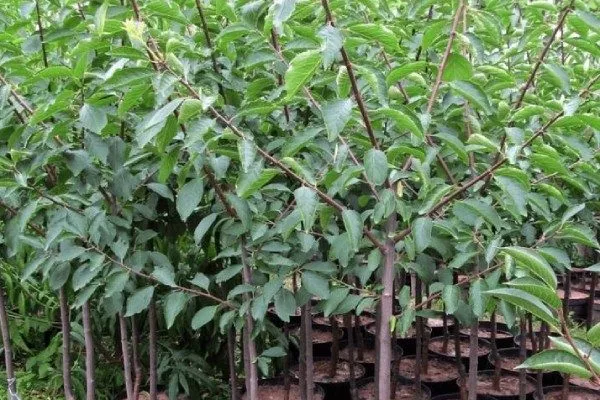
- one year of growth for spring planting, two years for autumn planting;
- height from 100 to 150 cm;
- there should be no damage on the barrel;
- absence of dry wood on the branches;
- average length of branches from 15 to 20 cm;
- A healthy, moist root without visible defects or signs of fungal infections is a key indicator of the seedling's health.
If the planting material was purchased from an official nursery, there's no need to prepare it in advance—just soak it in water for a day to moisten the plant's internal structures. In other cases, soaking it in growth promoters and antiseptics is recommended.
Landing algorithm
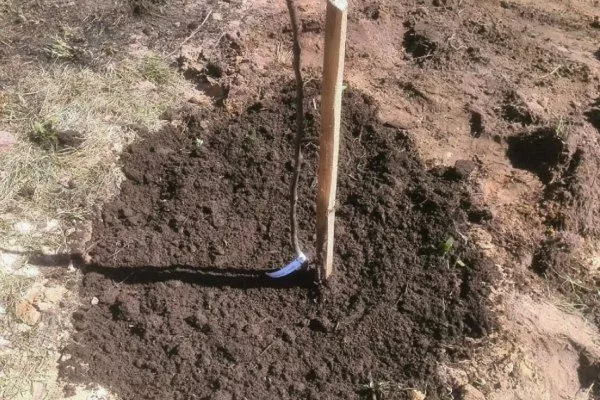
Preparation of the hole should begin no later than two weeks before the planned planting to allow the nitrogen fertilizer to dissolve in the soil. The hole should be 60-70 by 60-65 cm in size.
Step-by-step actions for a gardener:
- Dig a hole that is 10-15 cm wider and deeper than the root system.
- Place organic fertilizers, such as compost or humus, on the bottom.
- Carefully cover the top with a thin layer of soil.
- Place a stake 15-20 cm from the center of the hole to tie the young plum tree to. The support structure should remain in place for at least a year and a half, until the trunk reaches the required strength.
- Place the seedling in the center of the hole.
- Carefully straighten the roots so that they are not twisted.
- Fill the hole with soil, making sure that the grafting point of the seedling is 2.5-3 cm above the garden level so that the roots do not grow above the graft.
- Check carefully to ensure that the root system is thoroughly covered with soil and that there are no air pockets.
- Ensure the soil around the tree is thoroughly moistened so that it is slightly washed away.
Aftercare of plum
During the first year after planting, it's advisable to remove 80% to 100% of the buds. This is necessary to strengthen the tree's root system and improve its adaptation. In subsequent years, half of the fruit should be removed early in its development, before it has matured into a mature fruit.
This process, known as crop regulation, promotes the formation of larger and more abundant fruits and strengthens the tree against winter frosts.
Types of pruning
The formation of the crown on trees depends on their age:
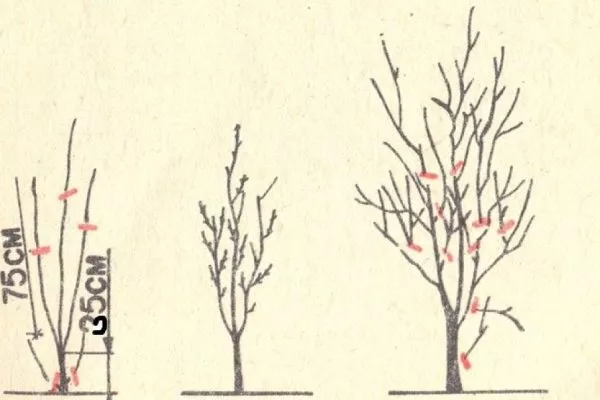
- For young seedlings, it's recommended to prune in the spring, before the leaves begin to unfurl. This will prevent disease.
- Mature plum trees should be pruned in the second half of summer, after flowering has finished.
To ensure a good harvest, it is important to prune the plum tree correctly:
- The correct crown structure for a medium-sized plum tree should resemble a bowl. During the first four to five years, the plum tree should have three to five branches, evenly distributed around the tree at a short distance from each other, with the central trunk being shortened. This approach has several advantages:
- good lighting of all parts of the tree has a positive effect on the fruit-bearing capacity, size and taste of the fruit;
- adequate ventilation of the crown reduces the risk of fungal diseases;
- The tree's easy-to-maintain height makes it easier to maintain the crown and harvest the crop.
- Sanitary pruning is carried out depending on needs. The optimal time is early spring or late fall. This involves removing all unhealthy branches from the tree.
- Maintenance pruning, which involves shortening branches to encourage fruiting, is performed on a regular basis.
Watering, fertilizing
During the first year after planting, the plant should receive regular moisture, and then it should be watered only during periods of heat and drought, as well as before winter dormancy.
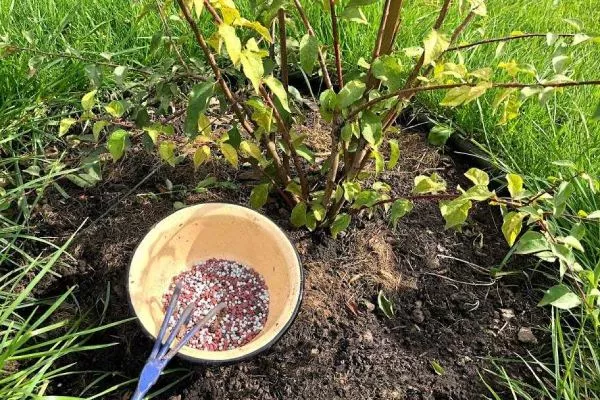
Fertilizer isn't necessary during the first two years. In the third year, you can begin applying additional fertilizer:
- add urea in spring (60-65 g per 10 l of water);
- add nitrophoska in June (90-100 g per l of water);
- Use Superphosphate in August (70-85 g per l of water).
Large-fruited varieties require potassium fertilizer. Spraying the crown with potassium humate is recommended.
Diseases and pests, methods of control and prevention
The Zarechnaya Rannaya variety has excellent disease resistance and is rarely a target for pests.
What is dangerous:
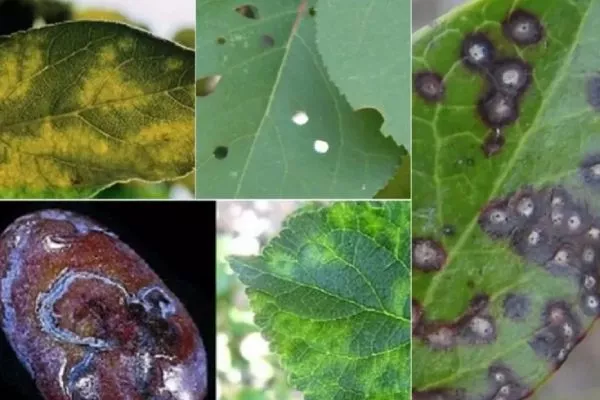
- The most common plum diseases include bushiness, clasterosporium, moniliosis, gummosis, coccomycosis, rust and scab.
- Among the pests that harm plums are hawthorn moth, plum mites, aphids, plum codling moth and ringed silkworm.
To prevent diseases, you should follow these recommendations:
- Conduct systematic monitoring of the condition of trees for the presence of pathogenic fungi.
- Carry out timely cleaning and burning of fallen leaves around trees.
- Carefully control weeds in the area around the trunk.
- Spray trees in early spring with 3% Bordeaux mixture.
To prevent parasite infestation you should:
- Remove weeds and fallen leaves.
- In autumn, dig up the ground around the tree.
- Apply lime white paint to the trunk.
- Spray trees with specialized preparations (insecticides) at the beginning of spring.
Cleaning and storage
Harvesting should begin when the fruit skins are soft and the flesh is elastic. An important sign of readiness is the easy removal of the stems. Dry weather and morning are best for this work. Harvesting begins with the lower tiers.
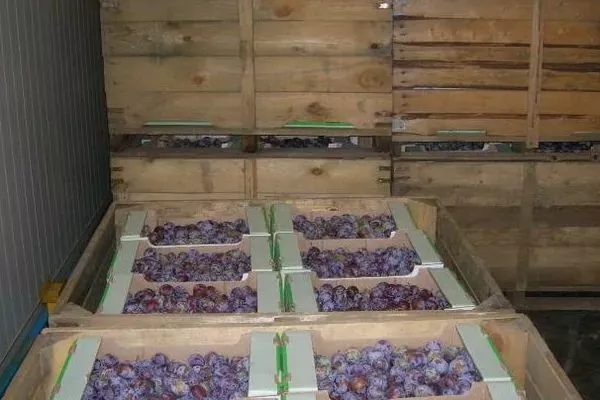
Ideal storage conditions for plums in a cellar include temperatures up to 5 degrees Celsius and humidity up to 95%. Under these conditions, plums can be stored for up to two to three weeks.
Wintering
The Zarechnaya Rannyaya plum is winter-hardy enough to survive the cold months without assistance. However, in more northern regions, it's important to take protective measures for fruit trees:
- For young plums It is recommended to use non-woven materials. A layer of mulch should be placed at the base of the plant to protect the root system from the adverse effects of low temperatures.
- For adults plum It is enough to cover the root zone with a layer of mulch.
Reproduction
To save money on seedlings, you can try propagating them yourself. This variety can be propagated using several methods:
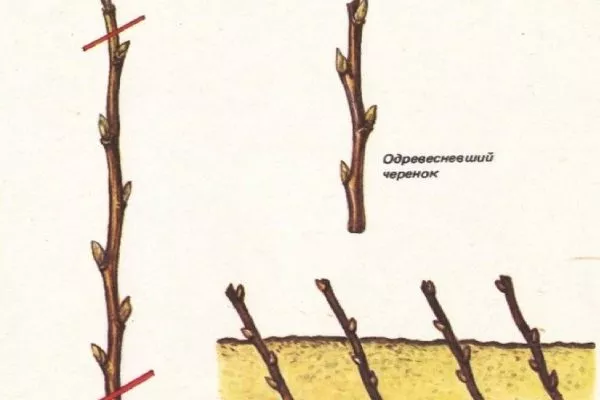
- Cuttings. The easiest way is to use cuttings from branches in the summer and root them at home until spring.
- By layering. Since Zarechnaya rannyaya forms flexible lateral shoots, they are simply bent to the ground, dug in, and replanted after a year.
Positive and negative qualities
The variety has moderate care requirements and is not overly demanding, but it still requires some care from the gardener.
The main advantages of the Zarechnaya Rannaya variety include:
Reviews
The Zarechnaya Rannyaya variety requires warmth but tolerates frosts and generously rewards care with large, sweet fruits. To keep plums healthy, it's important to regularly spray them.