
The "Yachnaya Sinyaya" plum has won the hearts of Russian gardeners for its resilience to various weather conditions and the flavor of its fruit. This variety requires little care and promises large harvests. Flowering begins in May, and by mid-August, the fruit is ready for harvest. This plum is suitable only for private gardens, as it offers few advantages for farmers.
History of the variety's creation
The fathers of the "Yaichnaya Sinyaya" plum were Yenikeev Kh.K., Satarova S.N., and Simonov V.S., breeders from the All-Russian Research Institute of Horticulture and Nursery. The final variety was obtained by crossing the "Skorospelka Krasnaya" and "Renklod Ullensa" varieties.
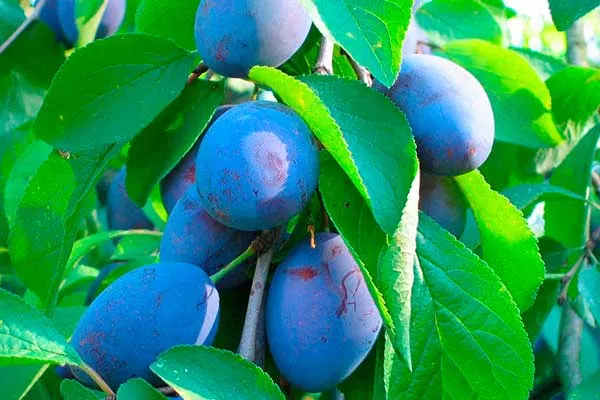
From its ancestors, the new plum inherited the distinctive fruit shape and color, as well as rapid fruiting and frost resistance. The "Yaichnaya Sinyaya" plum was accepted for state testing in 1968 and added to the State Register in 1986. The best conditions for its cultivation have been identified in the Central Zone.
The appearance of the tree
Tall, about 6-8 m tall, the Blue Egg Tree is striking in its size. Its crown spreads out to the sides, is rounded, and not too dense. The trunk bark is rough and brown.
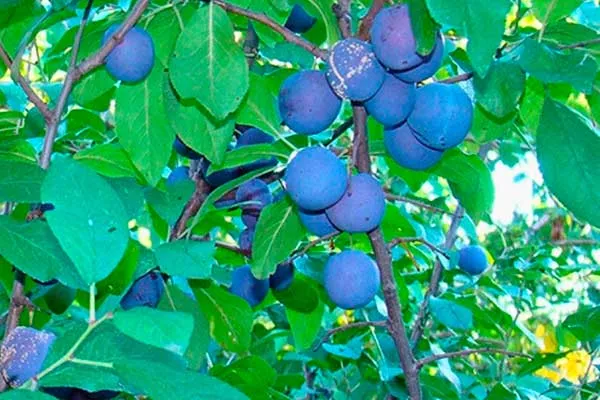
Other characteristic signs:
- The shoots have medium-length internodes and are slightly curved. They complete their growth by the end of June, and the growing season lasts until early October.
- Each peduncle produces a pair of inflorescences. The flowers of this tree are large, bright white, and the petals are open, emitting a pleasant aroma and attracting insects. The stamens and stigma are aligned.
- The leaves of the Blue Egg plant are medium-sized, ovoid, pointed at the tip, and hairless. They are green in color, with a glossy surface and light wrinkles.
- The shoots are smooth, dark and strong branches.
- The buds are small and not closely attached to the shoots; the leaves have short petioles.
Fruits and their taste characteristics
These berries weigh about 25-35 grams and are egg-shaped. They are deep blue with a slight purple sheen and covered with a thin waxy layer.
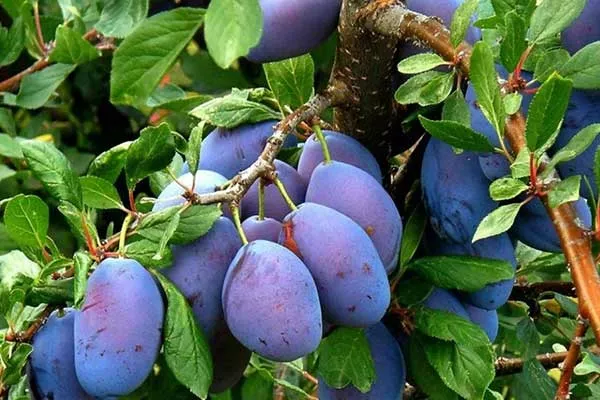
Other varietal characteristics:
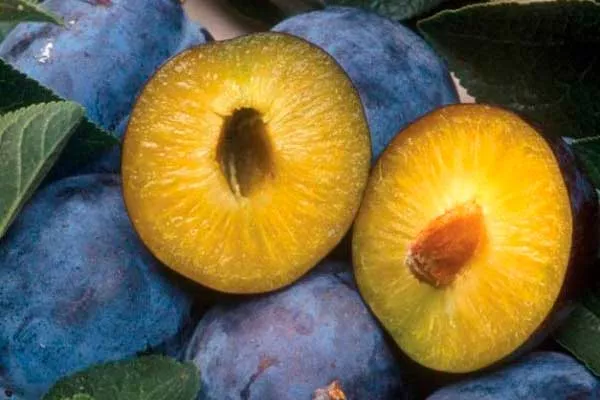
- The pulp is tender, bright yellow, richly juicy, with a high level of sugar and low acidity.
- The skin is thin, but quite strong.
- The stone is small, oval-shaped, and easily separated from the soft part of the plum.
- The peduncle is of medium length.
- The yellow flesh has a sweet dessert taste with a slight sourness, which gives the fruit a special piquant flavor.
- The aroma of these fruits is moderate.
- The chemical composition includes 16% dry matter, 2.01% free acids, 14.8% sugars, and 12.06 mg/100 g ascorbic acid. Tasters rated these berries 4.2 points.
Beneficial properties
Plum berries, both fresh and dried, especially prunes, as well as drinks made from them, including compotes and juices with pulp, have a mild laxative effect and are valued in the treatment of constipation and intestinal weakness.
This variety also has other important beneficial qualities:
- Plums help reduce blood cholesterol levels.
- These fruits are useful for kidney diseases and arterial hypertension.
- The potassium elements present in plums stimulate urination, which helps remove excess water and salts from the body.
- Potassium plays a key role in the body's functioning: it participates in the transmission of nerve signals, stimulates muscle contraction, supports heart function, and maintains the body's acid-base balance. Potassium stimulates bile secretion and urination.
- Prunes are used to treat gastrointestinal conditions associated with constipation. They are also used to treat gout, liver, kidney, and heart conditions, and to stimulate appetite and gastric acid secretion.
Plums are highly nutritious and easily digestible. These fruits promote the formation of new blood cells and cleanse the stomach.
Resistance to frost and drought
Gardeners highly appreciate the Blue Egg plum's resistance to harsh weather conditions, such as frost and lack of moisture:
- The variety has incredible frost resistance, which allows it to survive temperatures down to -30-35 degrees Celsius without loss.
- Plums are also known for their drought-resistant properties, making them an ideal choice for regions with prolonged dry periods. However, it's important to remember that prolonged drought can negatively impact the harvest.
Plum pollinators
| Name | Frost resistance | Flowering period | Ripening period |
|---|---|---|---|
| Eurasia 21 | High | May | August |
| Early-bearing | Average | April | July |
| Renclode Tambovsky | High | May | August |
| Hungarian | Average | April | July |
| Greengage | High | May | August |
| Stanley | Average | April | July |
Blue egg plums are pollinated by bees. Frosts can occur during the blossoming period, which prevents the bees from pollinating. Therefore, a good harvest is achieved when a variety of plum varieties are grown in the garden.
Young seedlings of different varieties should be planted at a distance of at least 10-12 m from each other.
Ideal pollinators for Blue Egg Plum include:
- Eurasia 21;
- Early fruiting;
- Renclode Tambovsky.
- Hungarian;
- Greengage;
- Stanley.
For pollination of this plum, you can use varieties with golden berries, such as the Golden Amber or Golden Drop plums. They promote a more intense fruit color.
Features of fruiting, productivity
The Blue Egg plum (also known as the Smolinka plum) isn't known for its abundant fruit production. A single tree can yield between 10 and 12 kg of fruit over the course of a season. The Yellow Egg plum, on the other hand, boasts a significantly more abundant harvest—up to 35-40 kg can be harvested from a single tree in September.
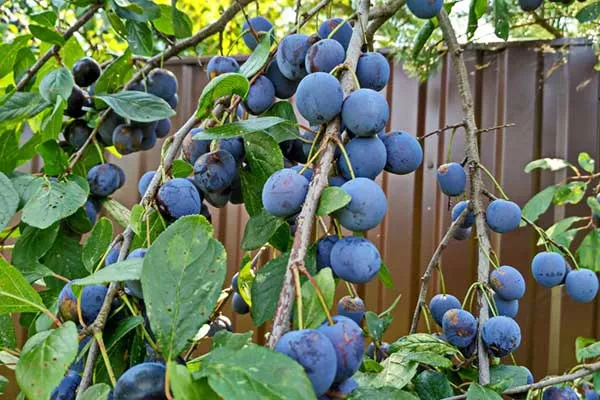
Blue plums bloom in the second half of May. The duration of this wonderful period can vary from 7 to 10 days, depending on weather conditions. Blue plums are harvested in late summer. However, if the weather is unfavorable, the harvest may shift to early fall.
Application of plums
The Blue Egg plum is an excellent fruit for freezing, canning, and drying. It's also used to make delicious preserves and jellies, as well as alcoholic beverages, juices, fruit drinks, and compotes.
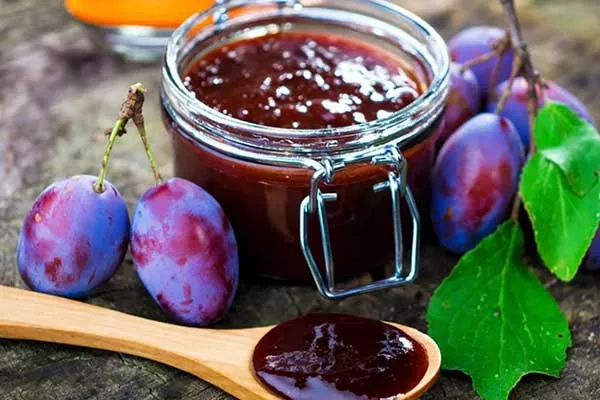
Housewives skillfully use blue plums to prepare such delicious things as marmalade, pastille, and jam.
Resistance to diseases and pests
Blueberries are susceptible to diseases, such as clasterosporium or fruit rot. Insect problems, such as aphids and pests, are also common. To prevent this, treat the crown with fungicides in the spring and remove affected parts.
- ✓ The optimal depth of groundwater should be at least 150 cm to prevent rotting of the root system.
- ✓ For planting, choose areas with a southern, southwestern or eastern exposure to ensure sufficient sunlight.
Landing and conditions
Seedlings should be planted in the spring. Sandy soils with a high humus content are ideal. Groundwater should be at least 150 cm below the surface.
Experienced gardeners recommend protecting young trees under the shelter of a garden shed. This will provide protection from winter gusts of wind and snowdrifts.
Recommended planting dates
Yaichnaya seedlings should be planted in March, before the buds begin to open. It's best to choose a warm, sunny day for planting. Planting is also possible in the fall, from September to early October, but before the cold weather sets in.
What is the best planting site?
For successful planting, choose a location that is warm and well-lit, but not subject to strong winds. The Blue Egg plum thrives particularly well on the south, southwest, and east sides of the garden.
What crops can and cannot be planted next to each other?
Avoid planting near apple, pear, currant, and raspberry trees, as this can negatively impact the development of this plum variety. However, maple makes an excellent neighbor, as it promotes increased yields.
Egg blue pairs perfectly with elderberry, which helps protect it from pests such as aphids. It is strongly recommended not to mix it with Manchurian varieties (Chinese and Amur plums) to avoid unwanted effects on garden crops.
How to select and prepare planting material?
To plant an Egg Plum, you can use a seed, a cutting, or a ready-made seedling. A more reliable method is to purchase a healthy seedling from a specialist store. It should have well-developed rootstocks and strong branches.
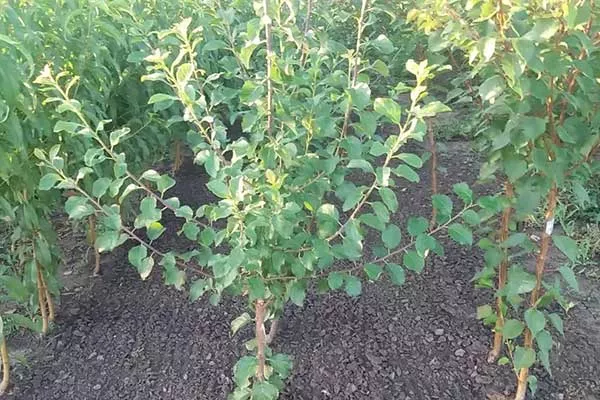
- Place the seedling in a cool, humid place to prevent the roots from drying out.
- Before planting, soak the root system in water or a rooting stimulator.
- Perform a light pruning to remove damaged and overly long roots.
Preparation for landing involves the following steps:
- To preserve the seedling, place it in a cool, damp corner of the basement to prevent the roots from drying out and to protect it from sudden temperature changes.
Alternatively, the root system can be wrapped in a plastic bag with small holes. - Before starting work, be sure to soak the root system in water and, if desired, in a root formation stimulator.
- After this, you need to do some light pruning – remove all damaged shoots and overly elongated roots.
Planting sequence
In the fall, preparations begin for planting the plum tree in its permanent location. To do this, dig the area with limestone and begin preparing the hole using a specific method:
- Dig a hole 60-70 cm deep and 70-75 cm in diameter. Remove the top fertile soil layer (about 20-25 cm) and mix it with humus or compost, and spread the remaining soil evenly along the paths in the garden.
- Place a strong stake at the bottom of the hole and add about 450-550 g of wood ash.
- Then add a soil mixture consisting of 1 part organic matter and 2 parts fertile soil, adding 350-450 g of superphosphate to the entire hole (the exact dosage depends on the level of soil fertility).
- Moisten the hole slightly and cover it with a waterproof covering material, leaving it to rest until spring.
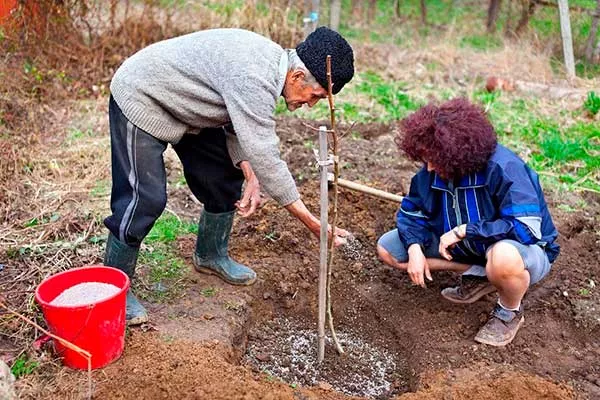
In spring, start planting:
- Thoroughly soak the seedling roots in a clay-manure mixture to promote better rooting. Growth stimulants can be applied during planting.
- Open the hole and dig it halfway, create a small mound at the bottom on which to place the seedling.
- Spread the roots in different directions and carefully cover them with soil, making sure that the root collar remains above ground level.
- Fix the seedling to the support, not too tightly, but not too loosely.
- Form a tree trunk circle and water the tree with 20 liters of water.
- Sprinkle the soil with a layer of humus or peat as mulch.
How to care for the plum tree further?
To expect a good harvest, it's necessary to carefully monitor the tree, performing a number of important maintenance tasks. The tree needs frequent watering, fertilizing, pruning, weed control, and protection from pests, including rabbits, moles, and mice.
Trimming
The procedure begins immediately after planting. At this point, several of the strongest branches are left, which will later form the main tiers of the crown. They are pruned by a third so that they do not exceed the central shoot in length.
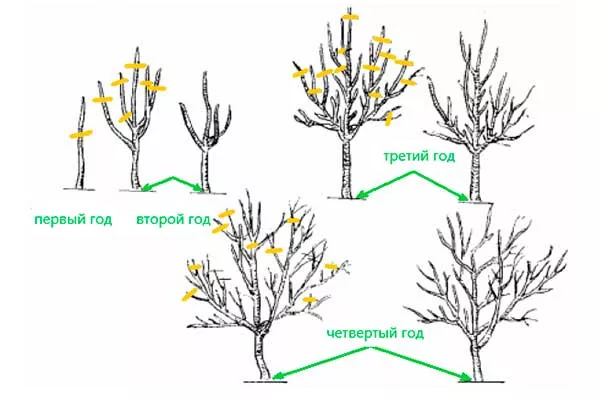
In subsequent years, pruning is aimed at creating the correct shape of the fruit tree. The main and main branches are shortened, and weak branches, those that interfere with growth, and those that hinder growth are removed. Don't forget about sanitary pruning, removing diseased and damaged areas.
Preparing for winter
The Yaichnaya plum has excellent frost resistance and requires no additional insulation. In anticipation of winter, usually in the fall, it is prepared as follows:
- produce rich watering;
- loosen the soil around the plant;
- if necessary, add potassium fertilizers;
- apply a 15-20 cm mulch layer around the trunk, using dried hay, sawdust, peat or humus;
- provide protection of the trunk from rodents using a special mesh, roofing felt or other protective materials.

Fertilizing and watering
It's important to carefully monitor the soil moisture level around the tree trunk. Watering is also important and should comply with the following guidelines:
- Young plants need about 60 liters of water per watering, while mature plants will need 100 liters.
- Water should be added in parts or by dripping, so that the soil can be saturated to a depth of 35-45 cm, but at the same time not turn the tree trunk circle into a swamp.
- During the spring flowering period and two weeks after it, it is recommended to provide increased moisture.
- During the dry summer months, watering is necessary once a month, and it is best to do it in the morning or evening.
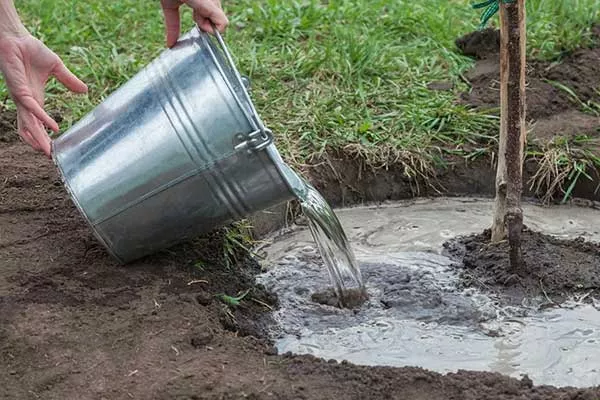
During the first two to three years after planting, no additional feeding is required. If the plant's growth is slow, nitrogen-rich mixtures such as urea or bird droppings can be used. From the third to fourth year, additional feeding becomes regular and includes:
- in spring, before budding, apply nitrogen compounds;
- in summer, during fruit ripening, use nitrogen-phosphorus-potassium preparations;
- After harvesting, apply superphosphate and potassium sulfate.
Every three years in the fall it is recommended to add organic matter – humus or compost.
Pest control
To combat diseases and pests, you need to:
- Clusterosporiasis – This is a dangerous disease that is especially common on the Egg Plum. It manifests as reddish spots on the leaves, which eventually develop into holes.
For control, it is recommended to use fungicides, and they need to be changed regularly. - Codling moth – This is another pest that attacks the egg plum. Its caterpillars damage the ovaries and can feed on ripe fruit, thereby reducing the yield.
In such cases, it is necessary to remove the old layer of bark and treat the trunk with special chemicals. - Aphids - It infests young plum leaves as early as spring. To protect against this pest, treatment with biological products is required. It is not recommended to use chemical pesticides during flowering or fruit formation.
- Fruit rot – This disease infects unripe fruits, leaving a gray, powdery layer on their surface. It is most common in humid climates.
To prevent this, remove and destroy affected branches, and spray the cut areas with copper sulfate. Fungal infections can be controlled with Bordeaux mixture.
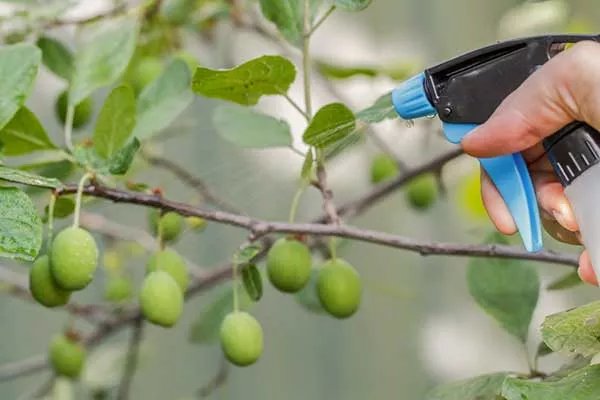
To protect the plum from pests, it is necessary to spray it with fungicides before flowering.
Methods of reproduction
Knowing how to propagate plum trees yourself will allow you to save money on buying seedlings. Furthermore, the process is effortless and enjoyable.
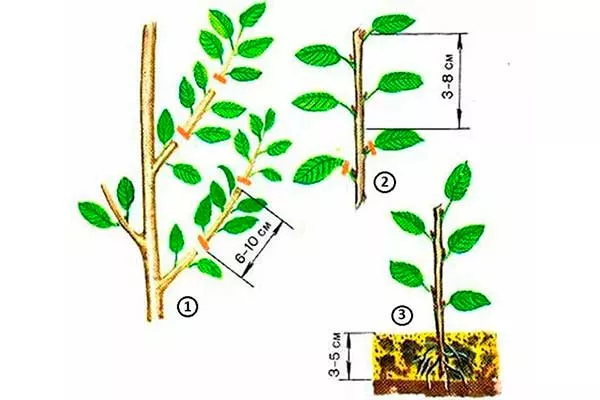
This variety can only be propagated by the following methods:
- Cuttings. Even a novice gardener can grow plum trees from cuttings. These should be taken in July, when the stems develop a reddish tint at the base.
- Root shoots. Only trees that have not been grafted are suitable for this purpose. Grafted trees produce suckers with distinct colors and shapes of shoots, buds, and leaves, while the root suckers of own-root plums are indistinguishable from the parent plant.
- By layering. This method is used in early spring, when the soil has warmed up. To do this, select a lateral shoot and press it into the ground, after digging a trench 10-20 cm wide and deep.
Positive and negative qualities
The blue egg plum is a popular variety grown throughout Europe. This crop is often found in gardens, its popularity due to the excellent taste of its fruits.
Due to these circumstances, the Blue Egg variety is not often chosen for industrial gardening.
Reviews
The "Yeichnaya Sinyaya" plum variety is self-pollinating and doesn't require additional trees to produce fruit. Its plums have excellent flavor, making them great for enjoying fresh or using in jams, marmalades, and preserves. Even novice gardeners can care for the "Yeichnaya Sinyaya" plum variety. However, don't expect a particularly large harvest.