
Growing plums in the harsh climate of Siberia and the Urals requires a special approach and the right variety selection. Winter hardiness, disease resistance, and adaptation to sudden temperature fluctuations are the main criteria when selecting seedlings for these regions. It's important to consider planting and care practices to ensure the trees thrive and produce a rewarding harvest.
The specifics of plum cultivation in Siberia and the Urals
Growing this crop requires a special approach due to frequent recurrent frosts and short summers. To ensure abundant fruit production, it's essential to consider the soil's characteristics and follow agricultural practices adapted to the region's conditions.
Which plum tree is better to plant in Siberia and which in the Urals?
There's no single correct answer to this question. With proper care, any frost-hardy plum tree can successfully survive the winter and produce a bountiful harvest.
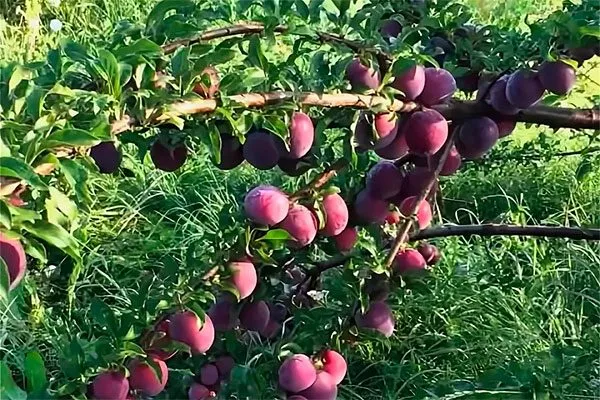
The best varieties are those that are characterized by good productivity, cold resistance, and high resistance to fungal diseases; the choice of a specific option depends on the gardener's preferences.
Due to the mountainous terrain, the Ural climate is variable, so preference should be given to varieties that are resistant to sudden temperature fluctuations, especially those that tolerate frost well.
What is plum grafted onto in these regions?
Plums are grafted onto rootstocks resistant to harsh climates. Seedlings or root suckers of Ussuri or Canadian plums are most often used.
Seedlings or sand cherry trees obtained from green cuttings are also suitable as rootstocks. These plants ensure good survival and winter hardiness of the grafted plum.
When does plum blossom in a harsh climate?
The ripening time of plums depends on the variety: most often, the fruits become ready for consumption from the end of July to the beginning of September.
Planted trees begin bearing fruit on average after three years. However, after each winter, it's essential to remove frozen and dead branches—this will prevent infection and help preserve the harvest.
How many years does a plum tree bear fruit in Siberia, in the Urals?
The plum tree begins to yield fruit 3-4 years after planting, but by the age of 20 it gradually ages and begins to dry out.
Plum varieties for Siberia
There are varieties that lack significant characteristics and are self-sterile, meaning they require a pollinator to bear fruit. These include Altai Yubileinaya, Scarlet Zarya, and Admiral Shley.
Self-fertile varieties
Breeders have developed numerous plum varieties capable of successfully growing and bearing fruit in Siberia's harsh climate. Below is a list of varieties with names and brief descriptions:
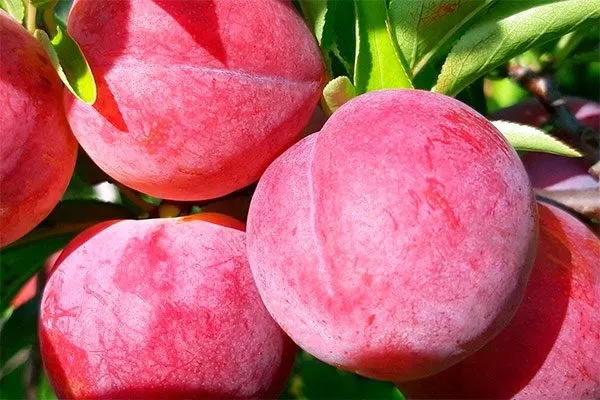
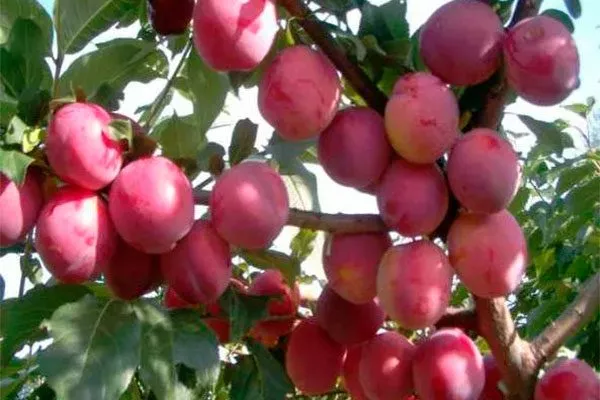
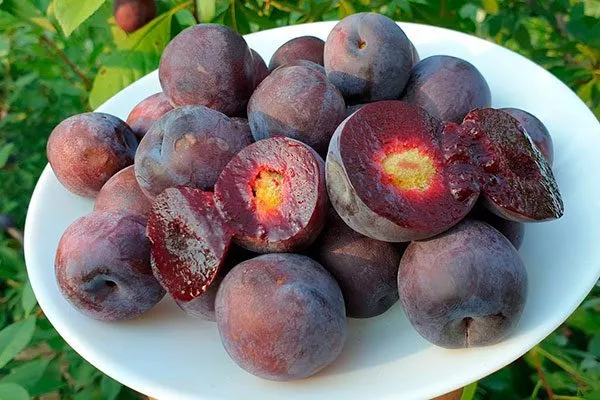
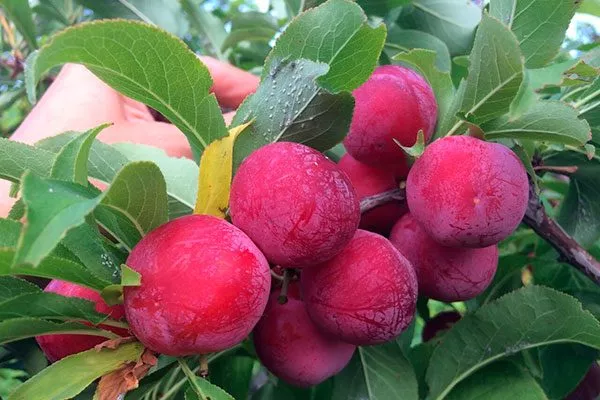
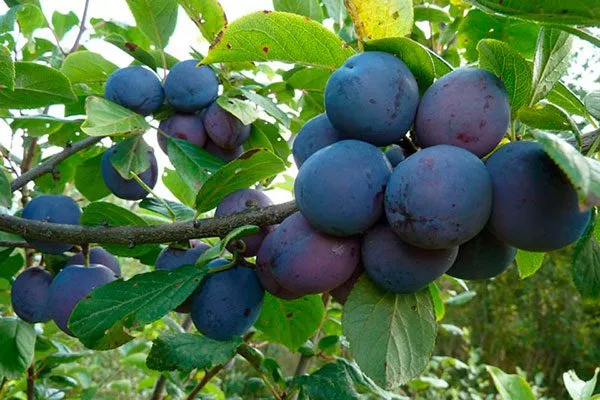
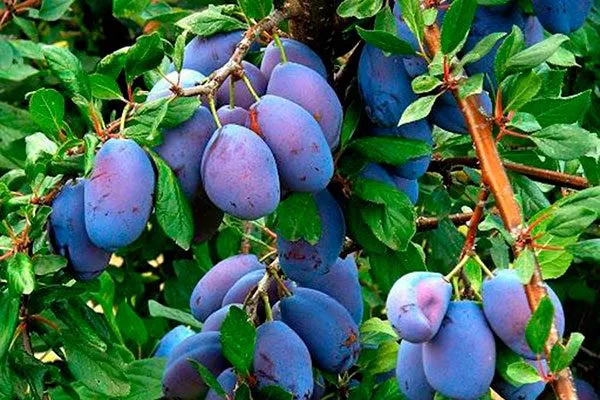
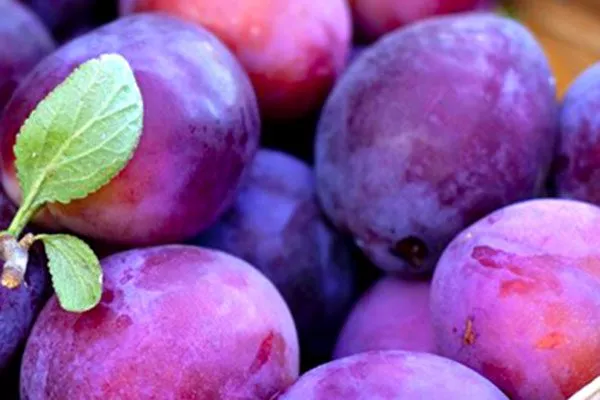
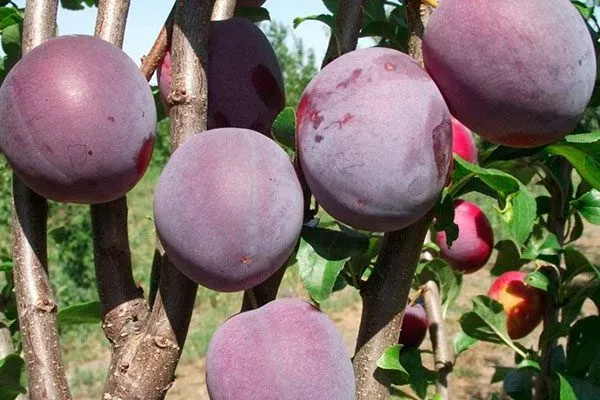
- Hungarian. Large fruits (up to 6 cm) are purple-violet in color with golden flesh. Trees reach 6 m in height, with a spreading crown.

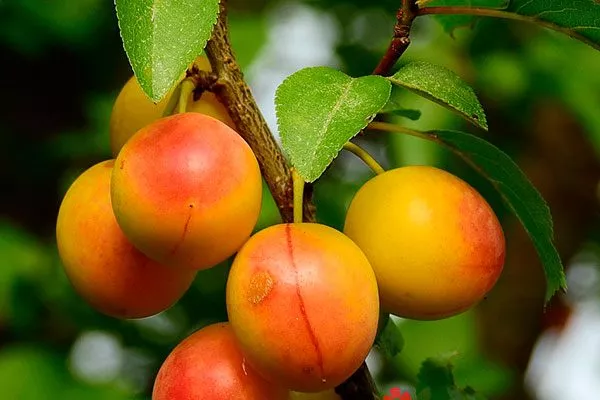
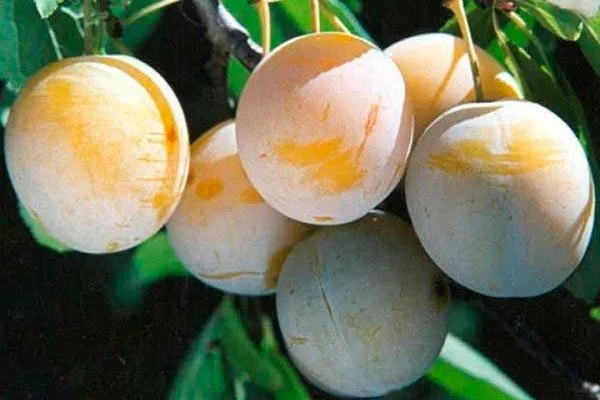
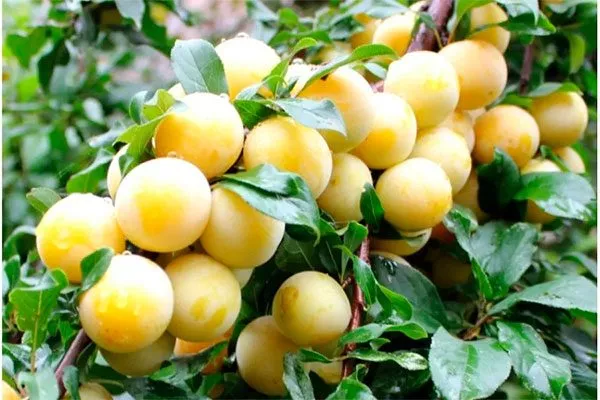
- Yellow Hopta. Small yellow plums with yellow-green flesh. Fruit yield is up to 10-12 kg per tree about 3 m tall. Ripens in late August.
- Greengage. Fruits up to 5 cm, yellow-green or blueberry-colored with amber flesh. Resistant to fungal diseases, withstands frosts down to -30°C. Trees up to 6 m tall, with a rounded crown.
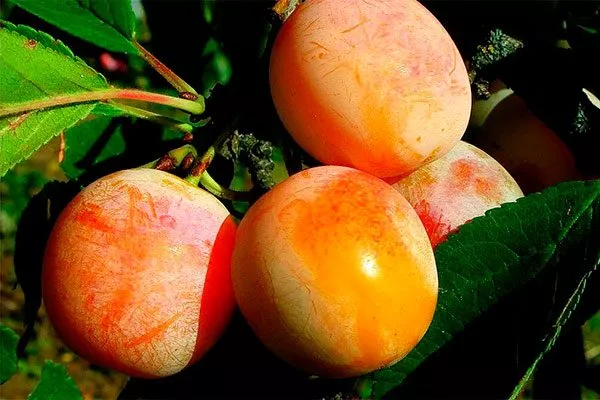
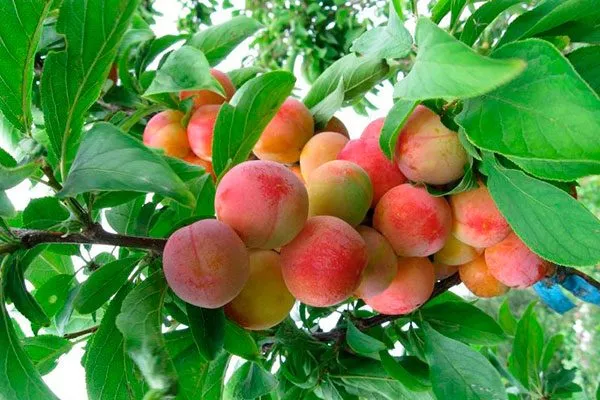
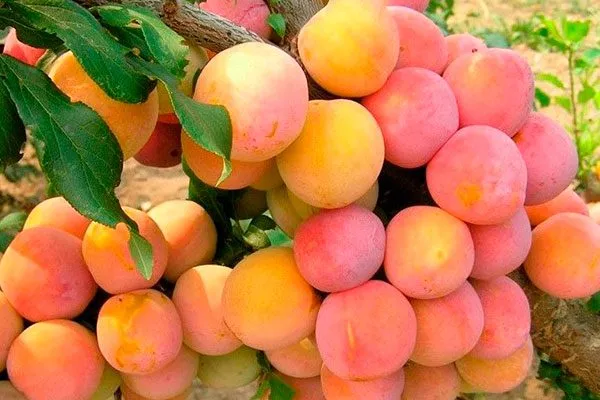
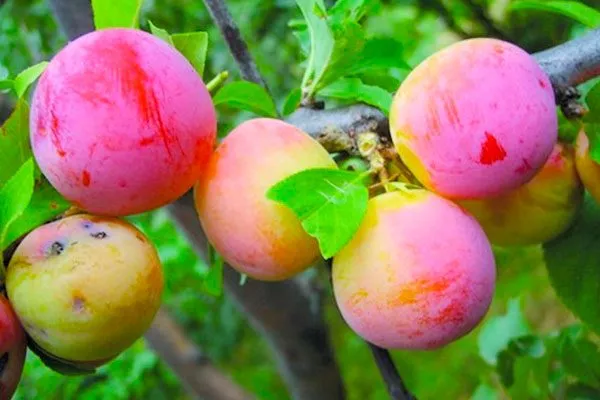
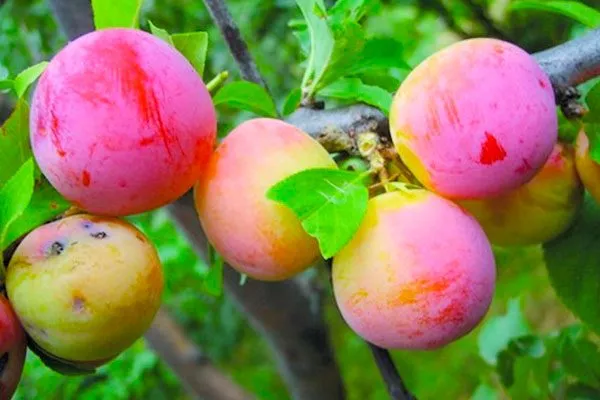
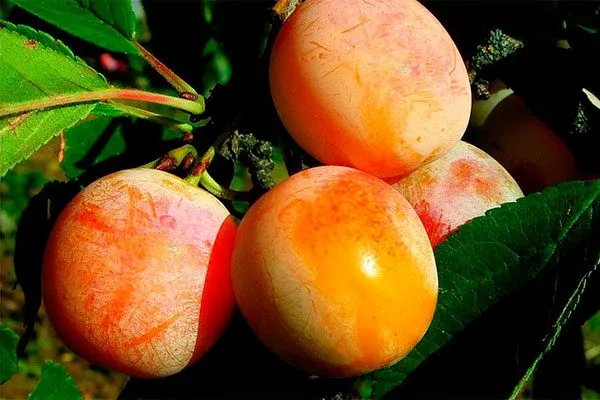
- Red-cheeked. Small (about 2.5 cm) yellow-orange fruits with red spots and light flesh.
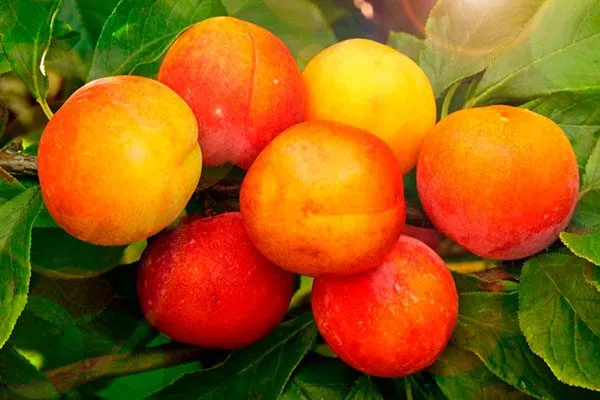
- Dawn of Altai. A small red-orange plum that ripens in early August.
- Honey. Large, greenish-yellow fruits with bright yellow flesh. This frost-hardy variety can withstand temperatures down to -30°C.
- Maynor. A Canadian variety with small, burgundy fruits. It has a pleasant flavor and good shelf life, making it ideal for winter preserves.
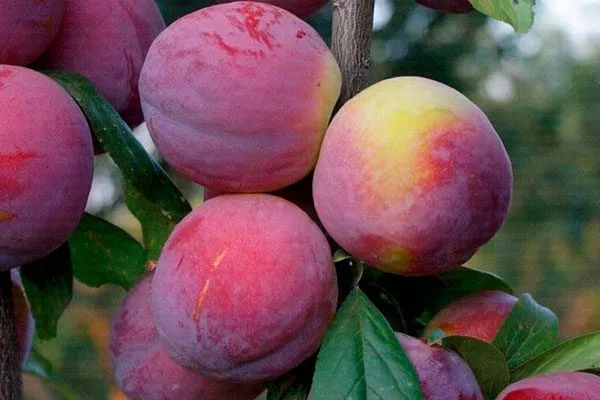
- Drooping. Dark red, medium-sized plums that ripen in late August.
- Peresvet. Small orange fruits with bright flesh. Ripens in early August.
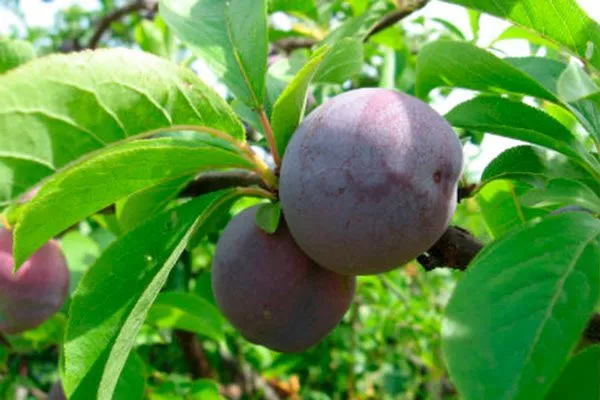
- Chemalskaya. The fruits are medium-sized, light burgundy on the outside and yellow-green on the inside. A frost-hardy variety.
- Chemal's gift. Small, peach-colored plums with yellow flesh. Ripen in the second half of August.
- Pyramidal. Small, dark-red fruits with pale yellow flesh. The tree has a narrow, pyramidal crown and is highly productive.
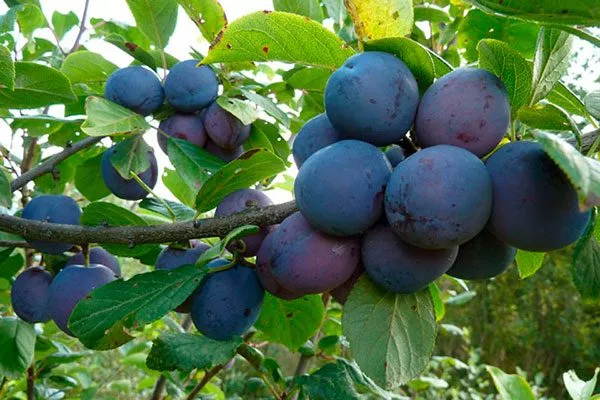
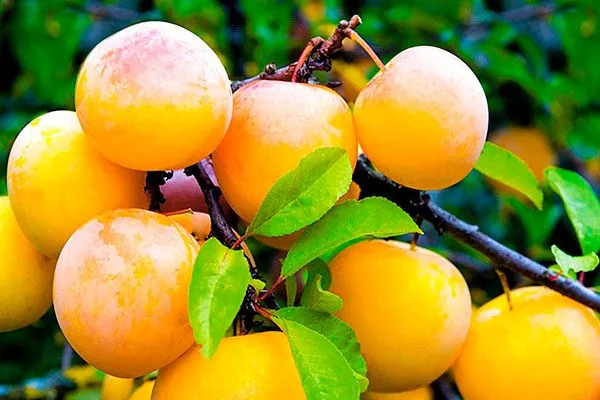
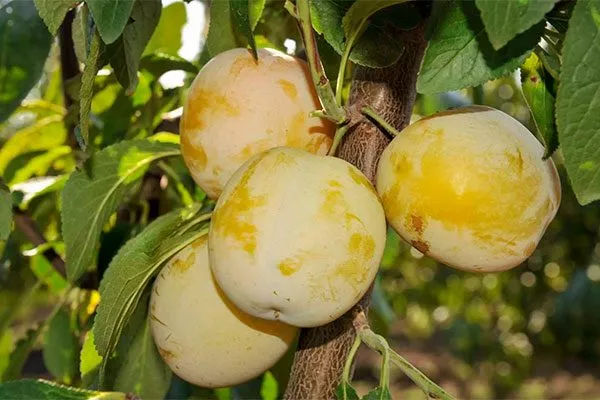
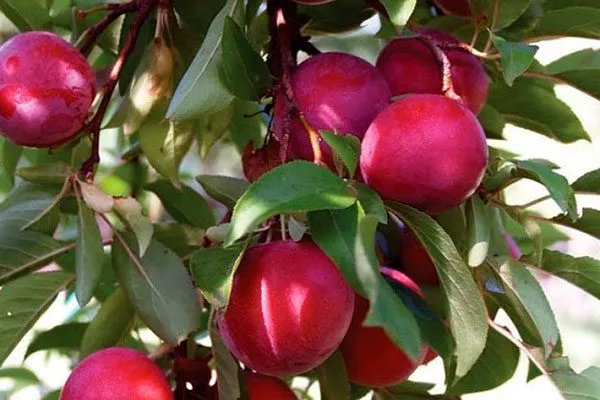
The best sweet plum varieties
Among the sweetest and most sugar-rich varieties, gardeners often highlight a few of the following. The most popular options are:
- Yellow Hopta-juicy yellow fruits with a distinct sweetness.
- Manchurian Beauty-A fuchsia plum with a bright, sweet and sour taste.
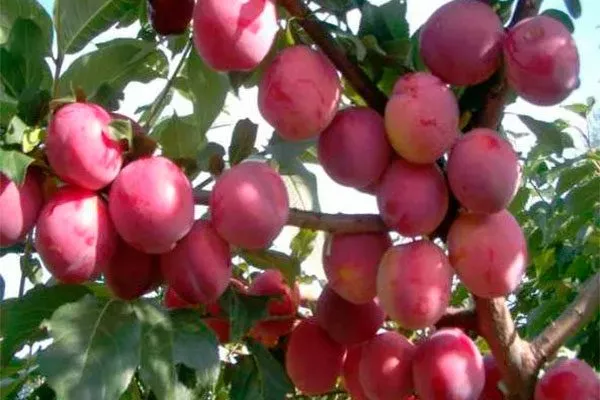
- Altai Anniversary-Pinkish fruits with a soft and pleasant taste.
- Oyuna-Pink Chinese plum, distinguished by its high sugar content.
- Baikal Amber-orange-amber fruits, very sweet.
- Morning-Round yellow plum with average frost resistance and good taste.
- Interesting-A purple, abundantly fruiting plum with a rich flavor.
- Valor-Large, dark-burgundy fruits with delicate yellow flesh. Yields up to 30 kg per tree.
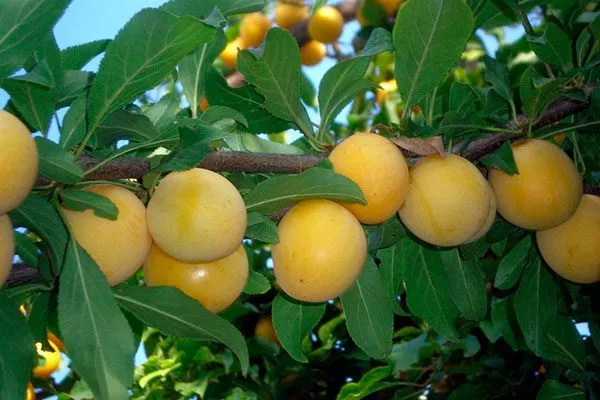
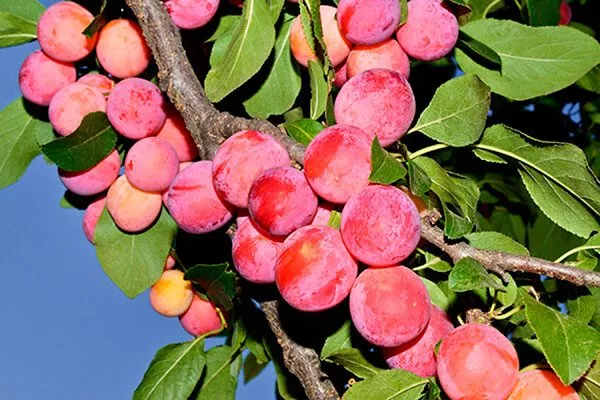
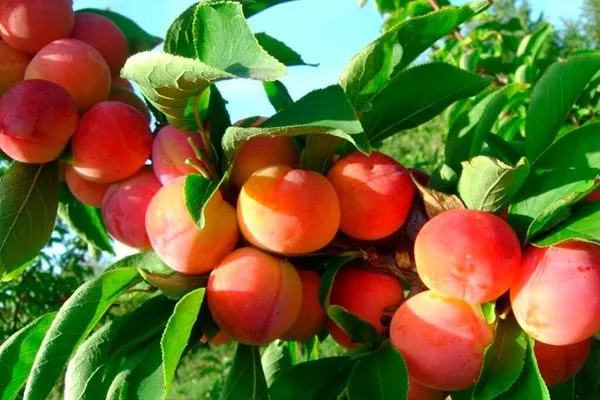
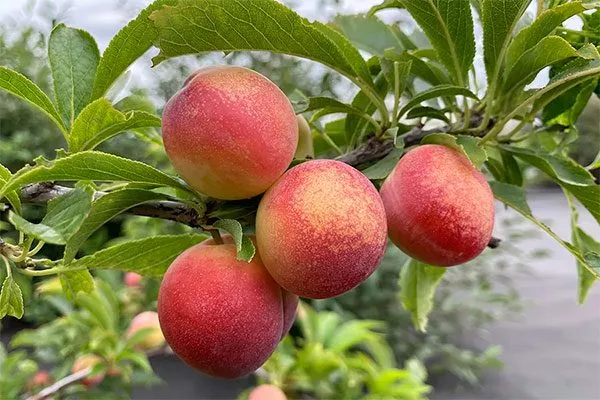
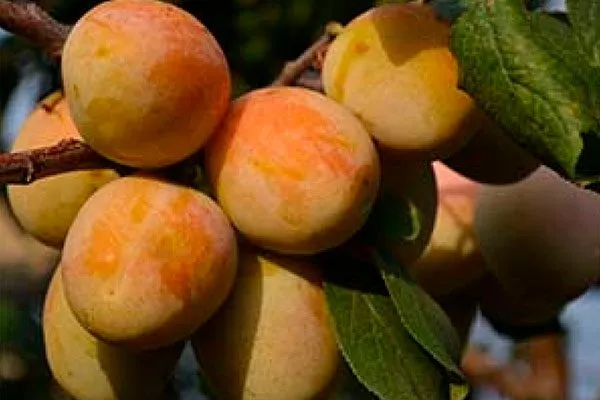
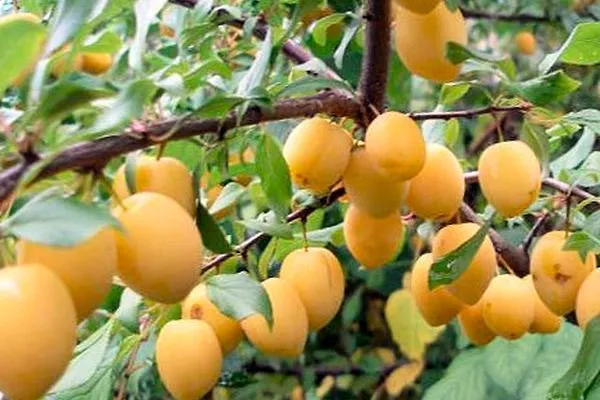
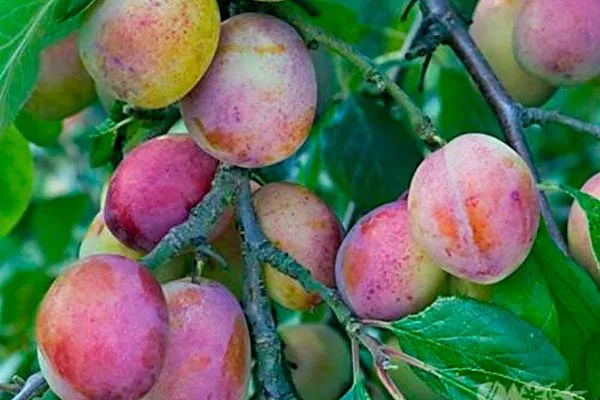
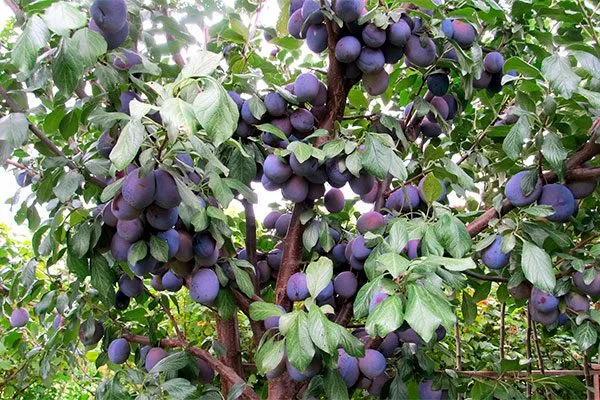
All of these varieties received high tasting scores for taste, juiciness and sugar content.
Winter-hardy
For harsh climates, it's especially important to select varieties that can withstand not only extreme frosts but also sudden temperature fluctuations. Among the most frost-resistant are:
- Honey - withstands temperatures down to -30°C.
- Early-bearing – It can withstand temperatures down to -35°C, despite its origins in central Russia.
- Bee, Maynor, Chulyma, Admiral Shley and Amateur – cherry-plum hybrids that remain viable at temperatures down to -40°C.
- Uvelskaya, Pioneer and Yellow Hopty – the most hardy varieties, capable of withstanding cold down to -50°C.
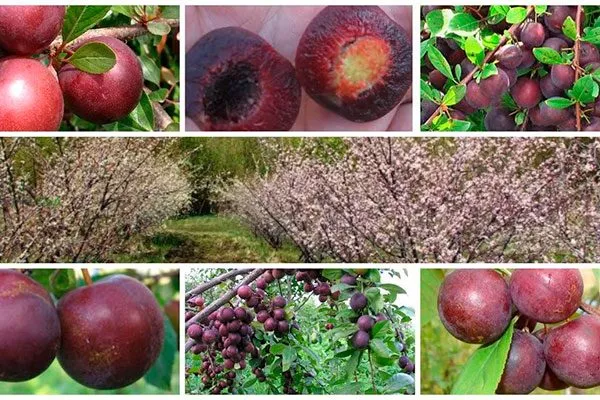
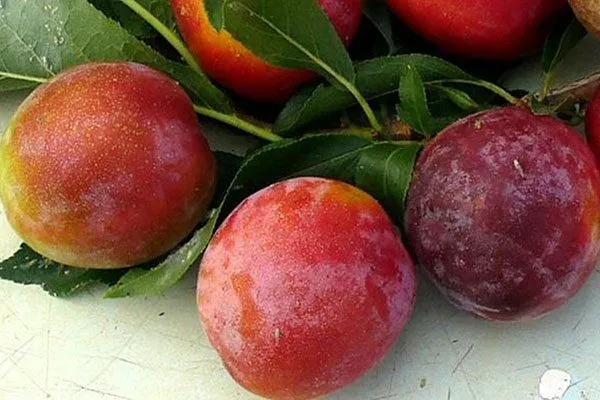
Choosing the right species ensures the trees' survival and stable fruiting even in Siberian winter conditions.
Bush plum varieties
Plum varieties include cherry-plum hybrids, characterized by a compact growth habit and high winter hardiness. These include:
- Bee;
- Chulym;
- Amateur;
- Admiral Schley;
- Maynor.
Early plum varieties for Siberia
These plum varieties produce fruit until mid-August. The most well-known and popular include:
- Admiral Schley;
- Dawn of Altai;
- Peresvet.
These varieties allow you to get fresh plums already in the first weeks of August.
The best varieties of Chinese plum
Gardeners particularly value several varieties of Chinese plum. The following varieties have become particularly popular:
- Chemalskaya;
- Chemal's Gift;
- Red-cheeked;
- Yellow Hopta.
All these varieties are characterized by a sour taste with a pleasant aroma, with the exception of Yellow Hopta, which has a sweeter taste and a rich aroma.
Varieties of Russian plum
Breeders have successfully developed plum varieties that thrive in both Central Russia and the harsh conditions of Siberia. Among them, three popular cultivars stand out:
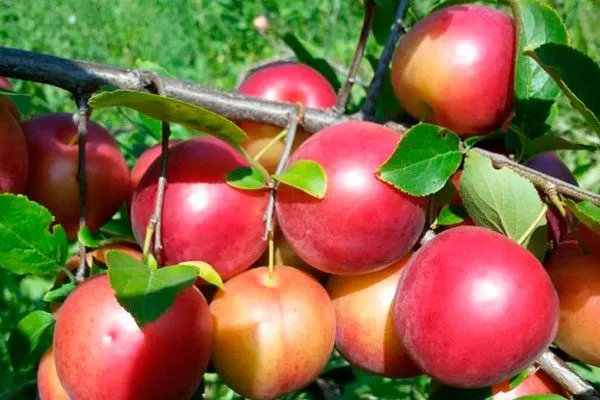
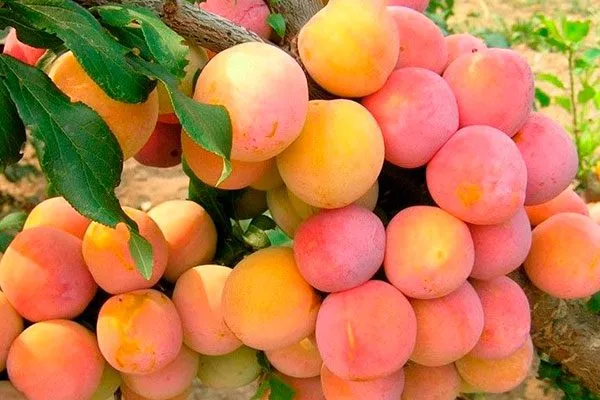
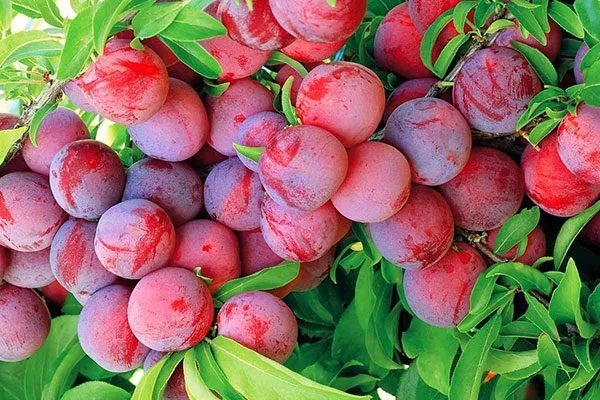
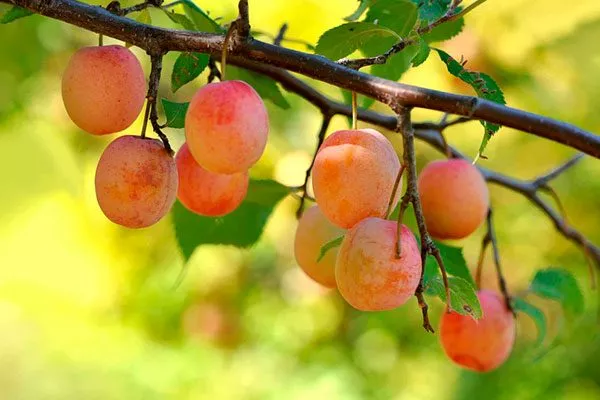
- Early fruiting. A frost-hardy, self-fertile variety with yellow and red fruits. Yields reach up to 30 kg per tree. The fruits ripen early and tolerate climate stress well.
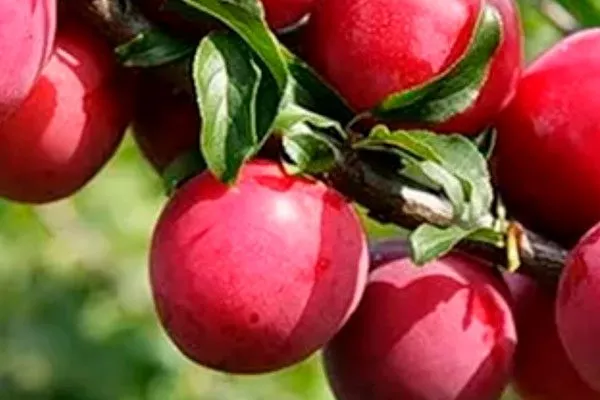
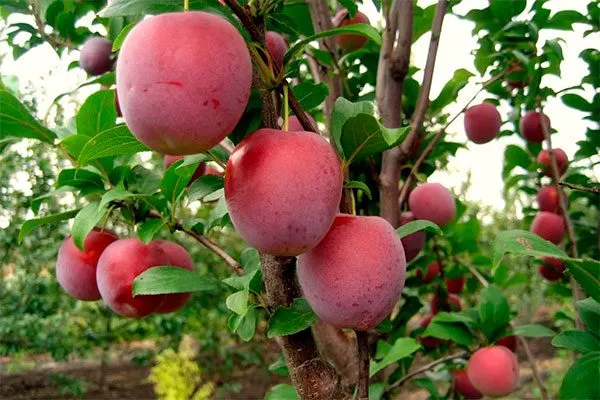
- Red ball. A disease-resistant, self-fertile variety. It begins bearing fruit three years after planting, yielding up to 18-20 kg of plums. The berries are red on the outside and yellow on the inside.
- Yakhontovaya. A vigorous, self-fertile variety that can withstand temperatures down to -30°C. Large fruits appear in late August, yielding up to 30 kg per tree. Berry color ranges from pale orange to pale green.
The best plum varieties for Western Siberia
Western Siberia is a vast, low-lying region where cold air masses linger longer than usual. Therefore, frost-hardy plum varieties, including all cherry-plum hybrids, are particularly suitable for this region.
It is important to remember that the soils of Western Siberia are often wet and sometimes marshy, so watering and moistening the soil under trees must be done with extreme caution to avoid overwatering and root rot.
The best plum varieties for the Urals
Breeders have truly done a tremendous job, allowing many popular plum varieties to be successfully grown in the cold Urals. Below are the most popular varieties.
Yellow plum varieties
There are very few yellow plum varieties suitable for the Urals. You can count them on the fingers of one hand:
- Hungarian;
- Admiral Schley;
- Scarlet Dawn.
Self-fertile plum
Most varieties grown in the Urals are self-fertile. These include:
- Pearl of the Urals;
- Snow White;
- Chebarkulskaya;
- Uyskaya and others.
Plum-cherry hybrid varieties for the Southern Urals
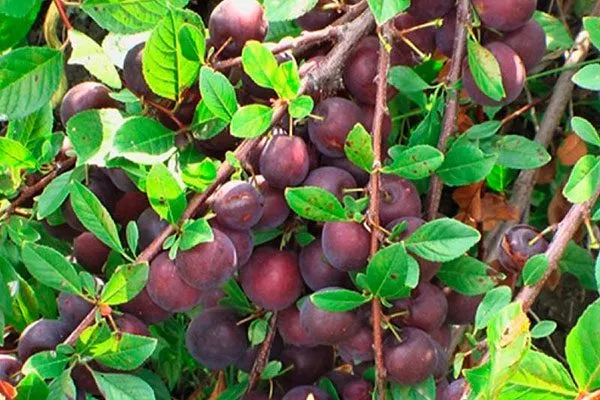
Plum-cherry hybrids common in the Urals are in many ways similar to Siberian varieties. These include:
- Maynor;
- Chulym;
- Admiral Schley;
- Amateur;
- harness;
- Opata;
- Gem.
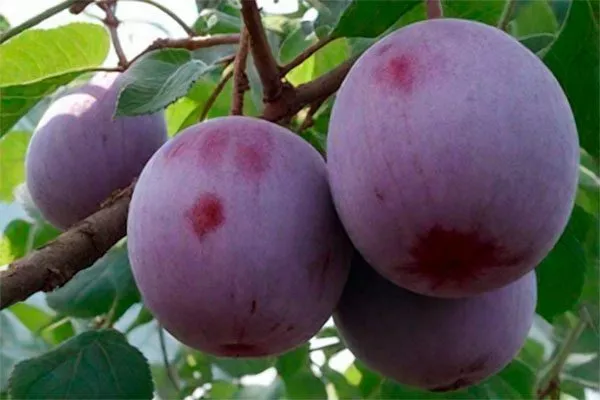
Columnar plum varieties
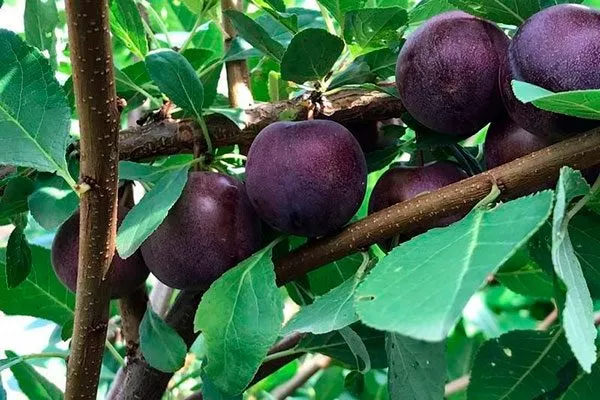
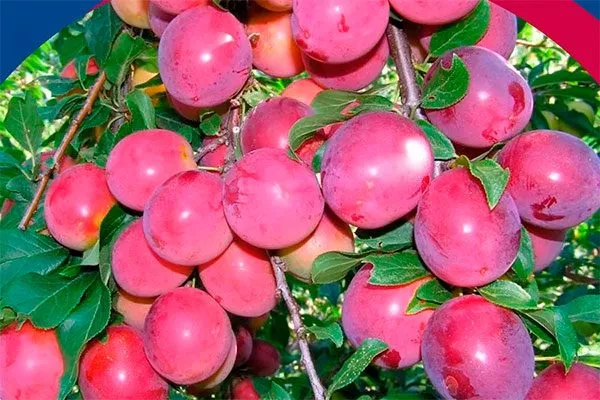
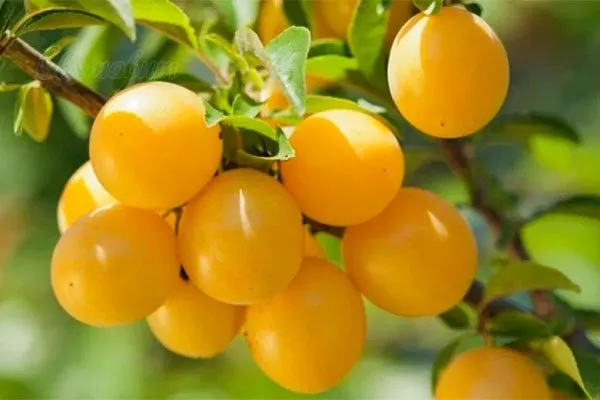
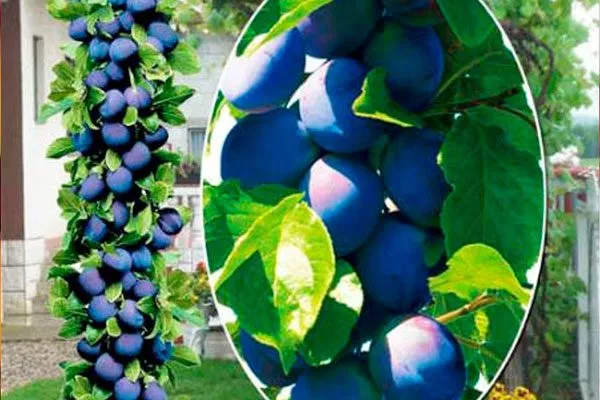
Columnar varieties are easily distinguished from regular trees by their thin, upward-facing branches and smooth bark. They are characterized by high frost resistance (down to -30°C), are short, early-maturing, and can be grown in dense rows.
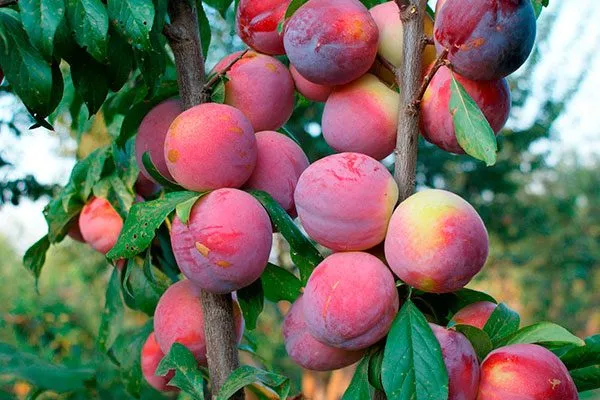
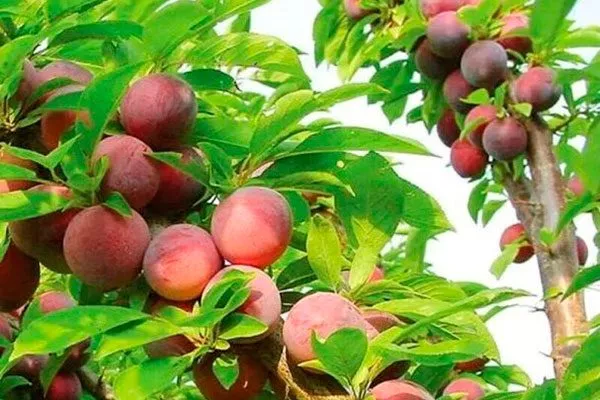
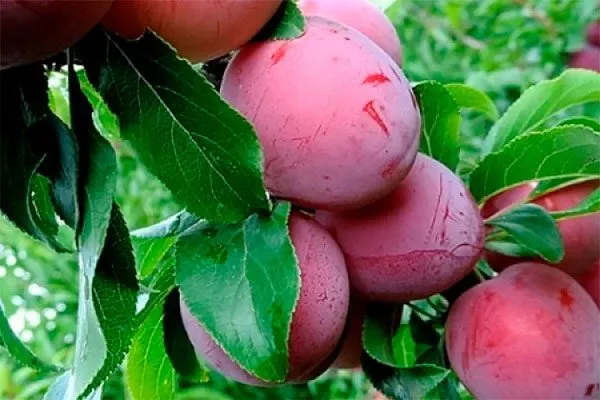
In the Urals, columnar plums are usually planted in the spring. Popular varieties include:
- Muravushka – produces a harvest of dark purple berries within a year of planting, ripening in August;
- Ruby - large red berries, harvested in early September;
- Russian - large dark red fruits, ripening at the end of August;
- Honey - golden fruits, medium size;
- Commander - large red-purple berries, self-fertile variety;
- Imperial – one of the most popular among farmers, with large dark red fruits;
- Blue Sweet - very large, dark purple berries, ripen in August;
- Olenka - bright red medium-sized fruits, self-sterile variety;
- Mirabella – large yellow plums, shaped like apricots;
- Anzhe - Dark burgundy fruits, frost-resistant tree, self-fertile variety.
Plum varieties for the Southern Urals
Sun-loving varieties are ideal. In this case, there's no pressing need for exceptionally winter-hardy varieties.
Recommended options for the south include:
- Opata;
- Pearl of the Urals;
- Pride of the Urals;
- Hungarian;
- Uyskaya;
- Chebarkulskaya.
Planting and care
Growing the crop requires special attention to selecting varieties that can withstand harsh winters and sudden temperature fluctuations. It's important to prioritize frost-hardy and disease-resistant plants, and also consider regional conditions.
When to plant a plum tree?
There's no exact time for planting plum trees—it depends on climate conditions and the onset of cold weather. In Siberia, seedlings are usually planted in late spring or fall, after the ground has cleared of snow.
In the Urals, plums are generally not planted in the spring, as spring-season varieties are rare there. This is best done in the spring, before the cold weather and snowfall.
Selecting a site and preparing the soil
The plum planting site should be well-lit, protected from drafts, and located away from low-lying areas. Follow these recommendations:
- Avoid areas with high groundwater levels – the appropriate depth should be greater than 1.5 m.
- The ideal soil for plums is loose, organically rich, sandy or sandy loam. Fertilize the soil a few weeks before planting. Overly acidic or waterlogged areas are not suitable for growing plums.
- The distance between seedlings depends on the type of tree: for tall trees with a spreading crown – at least 4 m, for low-growing varieties – at least 1.5 m.
- If the variety is self-sterile, plant a tree of the same species nearby for better pollination.
Planting – nuances for Siberia and the Urals
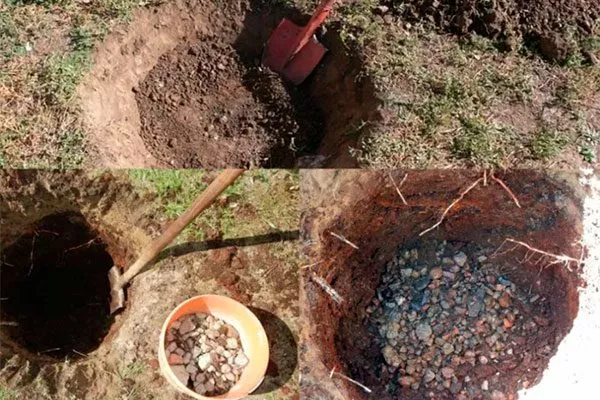
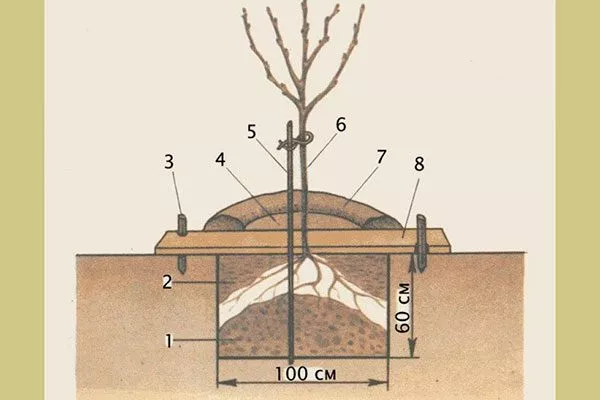
Depending on the size of the root system, dig a hole. Set the top fertile soil aside from the subsoil. Then follow these instructions:
- Drive a stake about 1 m long into the center of the hole.
- Prepare a nutrient mixture: mix 20 kg of compost, 200 g of superphosphate, 350 g of wood ash and the set aside top layer of soil.
- Pour the mixture in the form of a mound around the stake so that the root collar of the seedling rises above the ground by 6-8 cm, and the support does not exceed the height of the trunk (the distance from the ground to the branches).
- Place the seedling on a mound on the north side of the stake, carefully straightening out the roots and branches.
- After planting, compact the soil around the seedling and moisten it generously with 10-20 liters of water.
How to care?
Plum trees are short-lived: grafted trees bear fruit for about 12-15 years, while on their own roots, they can last up to 25 years. In the spring, the plants require regular rejuvenation.
Main rules
Basic care measures:
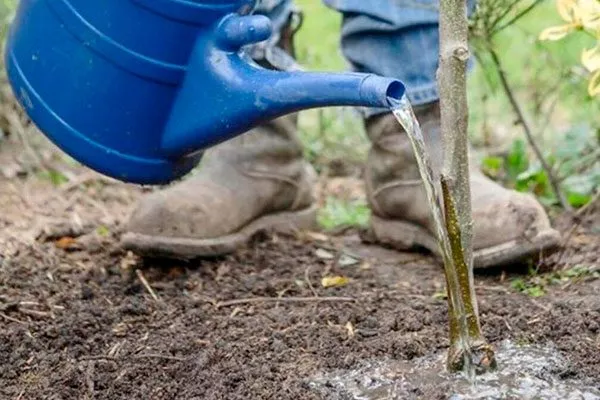
- From the second year onward, provide moderate watering. Overwatering, especially when combined with excess nitrogen fertilizer, stimulates vigorous growth, promotes the spread of aphids, weakens shoot maturation, and increases the risk of winter damping-off.
- Water young plants more frequently—2-3 times per season, stopping watering in August. Fruit-bearing trees require several waterings, especially during fruit formation, and then stop watering after harvest.
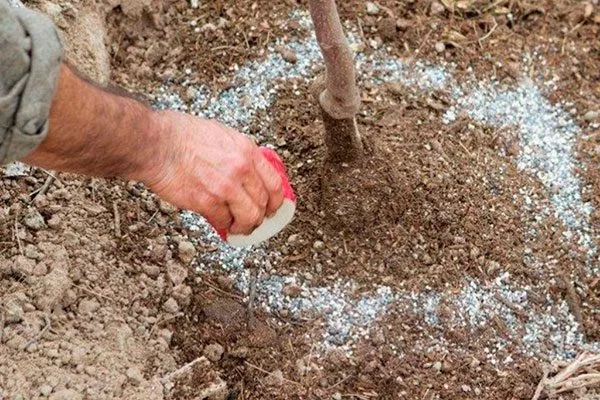
- Pre-planting soil preparation provides the tree with nutrients for 3-4 years. Once fruiting begins, apply up to 7 kg of organic fertilizer and 100 g of wood ash annually. Instead of ash, you can use 70 g of superphosphate and potassium fertilizer.
Trimming
In the spring, before the tree reaches full vigor, remove any branches that didn't survive the winter. Begin this process when the tree is still a seedling, shaping the crown properly.
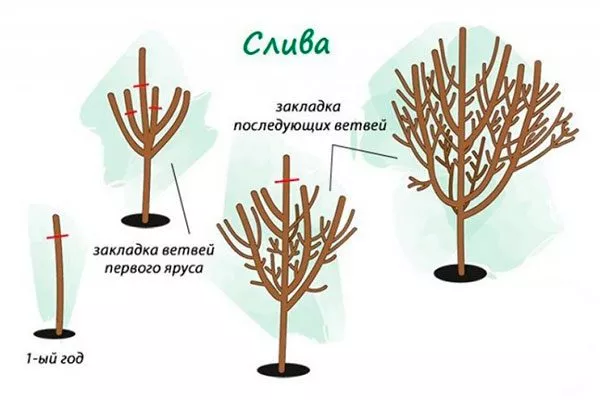
If the plant is not pruned or the cut areas are not treated with garden pitch, the risk of disease increases and the yield decreases.
How to prepare plums for winter?
Frost-resistant varieties do not require complex preparation for winter – regular feeding and abundant watering are sufficient.
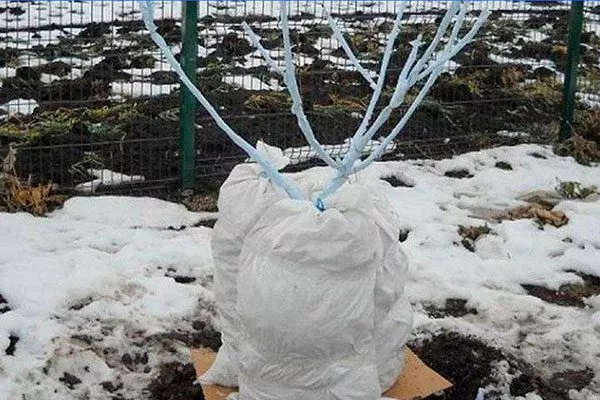
Plants grown in areas with little snow in winter require additional cover, for example, with spruce branches or agrofibre.
Pests and diseases
To protect plum trees from insects and diseases, it is recommended to treat them with insecticides and fungicides twice a year – in spring and fall. It is important to identify the tree's infestation early enough to take appropriate action.
Gum flow
Gum flow is the secretion of resin droplets on a tree trunk. If left untreated, there is a risk of infection.
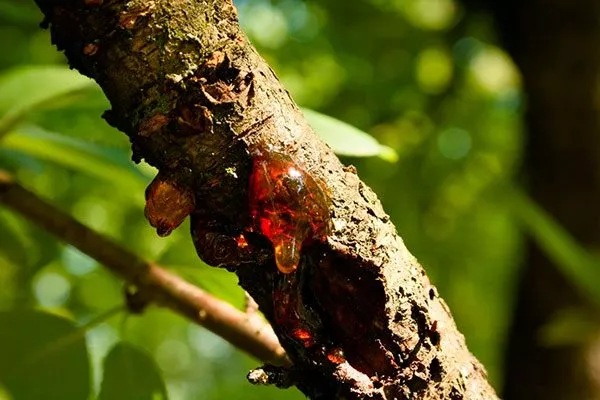
To treat the disease, carefully remove the resin and the affected area with a knife, then disinfect the area with a 1% copper sulfate solution. You can also apply fresh sorrel leaves to the wound several times, and then treat the injury with garden pitch.
Dwarfism
In the early stages of the disease, plum leaves become narrow, small, and irregular. As the disease progresses, they thicken and become brittle.
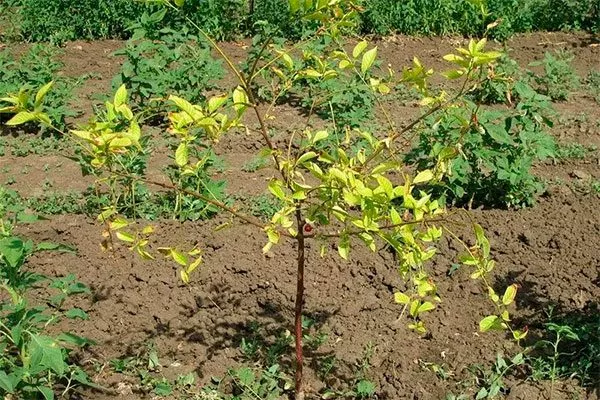
Control of this viral disease is virtually ineffective, so the optimal solution is to dig up the diseased tree and burn it outside the site to prevent the spread of infection.
Plum pockets
The disease affects the fruits, causing them to become baggy and severely deformed, while the fruits are seedless.
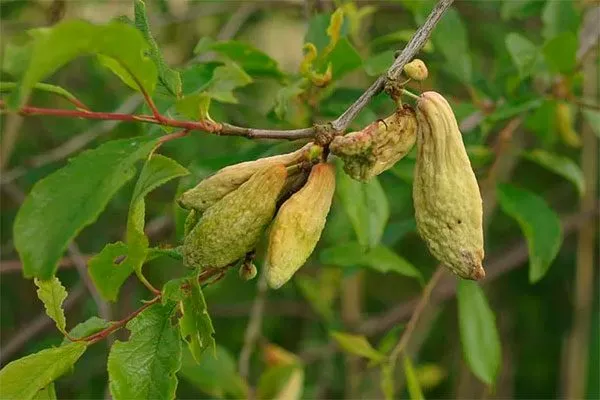
Start fighting within a certain time frame:
- early spring;
- before or during bud break.
Clusterosporiasis
Gray-brown spots appear on the leaves, which eventually dry out, forming holes and causing premature leaf drop. The disease often spreads to plum trees, which exude resin. Without prompt treatment, the tree may die.
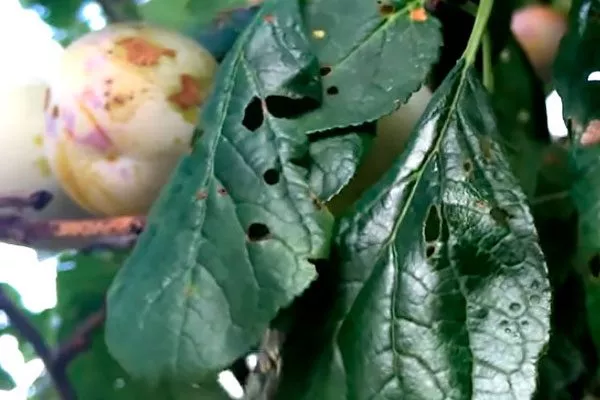
To combat the disease, use a 1-3% solution of Bordeaux mixture. Repeat this procedure several times:
- before the buds and buds open;
- after flowering;
- two weeks after the third treatment;
- three weeks before the plum harvest.
Fruit rot
In the first stage of the disease, branches and shoots appear scorched. In the second stage, rotting spots and fungal spore-bearing cushions appear on the fruit.
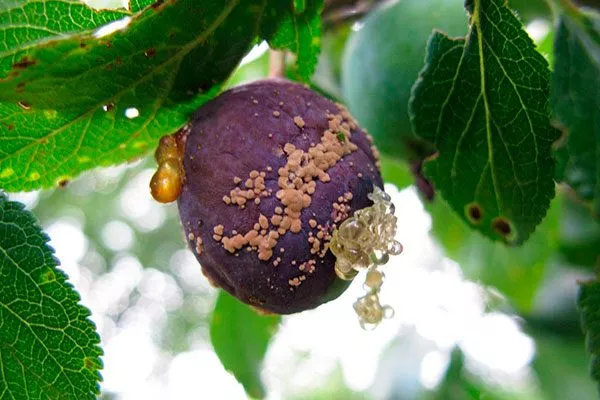
For prevention, use a 1% solution of Bordeaux mixture and a 1% mixture of iron or copper sulfate. Apply before and after flowering. Remove and destroy affected fruit, and additionally spray the trees with a 1% solution of Bordeaux mixture.
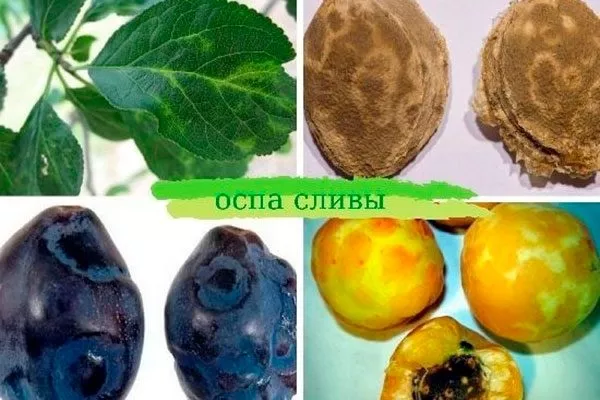
Plum pox
The disease appears as spots on the leaves that resemble rings and curved lines.
Rust
First, rusty spots appear on the foliage, then black fungal pads form. The affected leaves fall off, and the tree loses its protection.
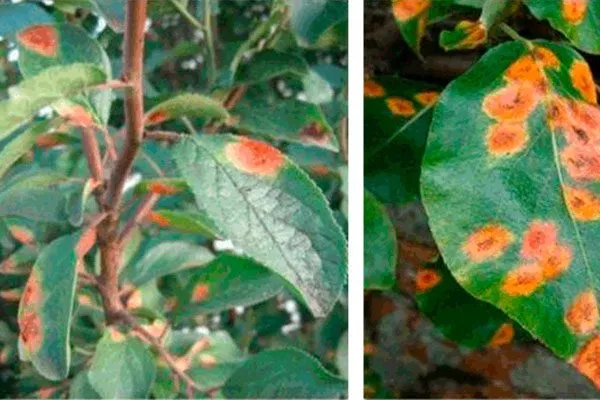
Any fungicide or a 1% Bordeaux mixture solution will effectively eliminate fungus. Start treatment in midsummer and repeat every two weeks until three weeks before harvest.
Aphid
Insects usually settle on the underside of leaves, so it is important to check for them regularly.
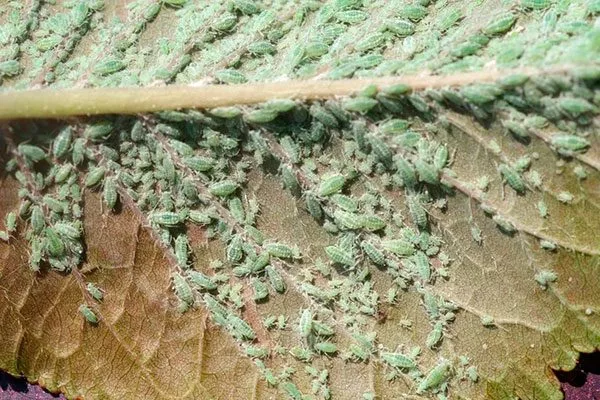
An effective way to combat aphids in the spring is to spray plants with Decis or Inta-Vir.
Plum damping off
Tissue damping-off is observed almost every year and is caused by prolonged exposure to temperatures around 0°C in the presence of a thick layer of loose snow or snow that has settled on unfrozen soil.
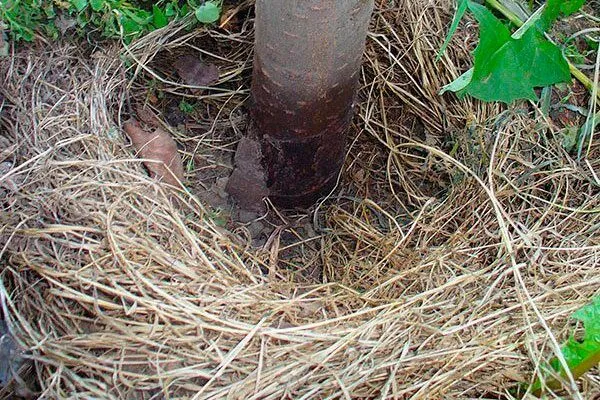
Key Features:
- This winter damage causes the bark and cambium at the base of the trunk and skeletal branches to die. In affected plants, these tissues turn brown, while the underlying wood remains healthy.
- Damping off can be focal or ring-shaped. Damaged branches and trunks initially bud and may even bloom, but then gradually wither. This damage is more dangerous than freezing—most often, the affected branches or the entire tree die.
- When frozen, the wood in the upper part of the tree darkens, and frozen branches partially or completely do not bloom, but the tree has a chance to recover.
To prevent damping off around tree trunks, freeze the soil using any available means:
- Add crushed stone to the root collar in the fall.
- Place tall (above the snow) barrels with a capacity of about 200 liters next to the tree; they can be laid on their sides with the bottom towards the trunk.
- If the snow depth is more than 1 m, use the method of Gorno-Altai gardeners: wrap the trunks with a casing made of wood, tin or pipe with a diameter of 40-50 cm up to the edge of the snow cover.
Remove branches from the trunk to this height, and cover the top of the casing with fabric or tin to prevent snow from getting inside (this is called "dry wintering"). Bury the base of the casing 10 cm into the soil.
It's effective to compact the snow (tamp down the tree trunk circles) 3-4 times after the first snowfalls, starting at a depth of 15-20 cm. However, avoid raking it away too early, as this can lead to root freezing.
Recommendations from Siberians
Experienced gardeners know how to create optimal conditions for plum fruiting and successful overwintering. There are no secrets, but it's important to follow a few simple rules to reduce the risk of frost damage in winter and protect the tree from diseases and pests in summer.
Key points:
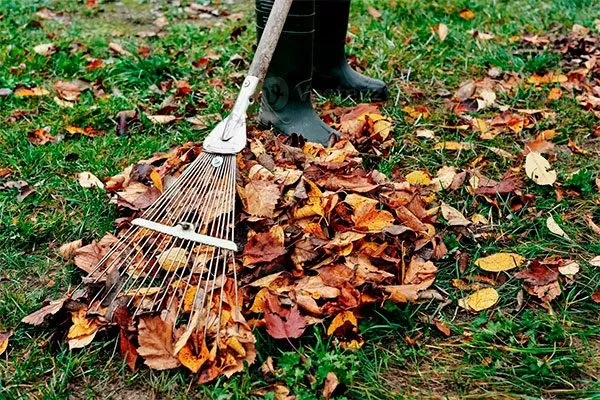
- In the fall, be sure to remove fallen leaves. Despite the belief that they retain heat for the roots, fallen leaves actually harbor pests, their larvae, and fungal spores, so collect and burn them.
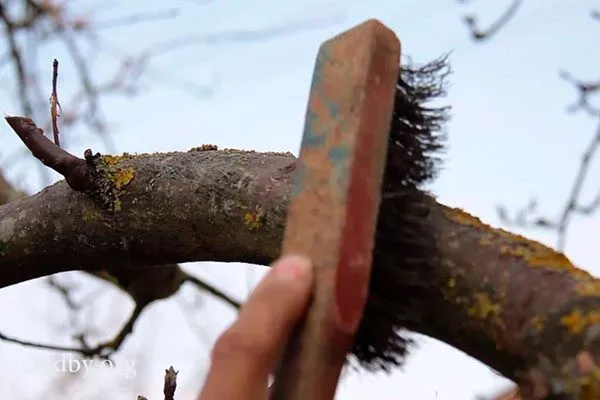
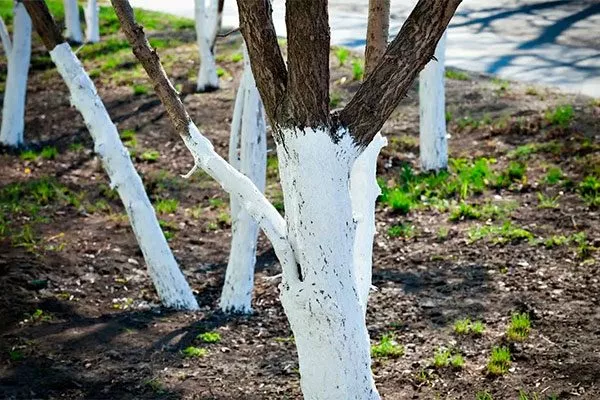
- Clean the trunk and lower branches from peeling bark, lichens and pest larvae that overwinter there.
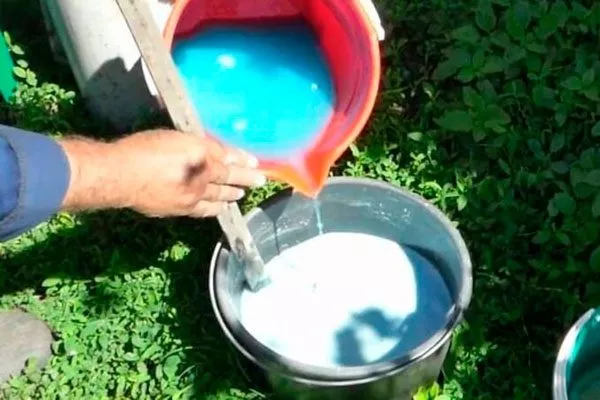
- Add a little copper sulfate to the whitewash to give it antiseptic properties – this will help kill insects.
- In the second half of the season, do not use nitrogen fertilizers, as they stimulate the growth of young shoots, which will not have time to strengthen and will die in winter.
- Whitewash the trunk immediately after the onset of warm weather to protect the tree from the sun's intense spring rays. During this period, the plant is still dormant and particularly vulnerable to sun damage, which will later need to be treated.
Reviews
Growing plums in Siberia and the Urals is a task that requires knowledge and attention to detail, but with the right selection of winter-hardy varieties and adherence to agricultural recommendations, it's entirely achievable. Taking care of the trees' health, timely pruning, fertilizing, and pest control will help you achieve a bountiful and high-quality harvest even in the coldest regions.