
The Volat plum attracts gardeners thanks to its numerous advantages, including excellent flavor, good yield, and strong immunity. This variety is ideal for both personal consumption and retail, thanks to its versatility and attractive appearance. Proper care is essential to ensure bountiful harvests of high-quality fruit.
How did the species appear?
The hybrid variety was developed by Belarusian breeders V. A. Matveyev and M. N. Vasilyeva from the Institute of Fruit Growing. The Stanley and Perdrigon plums formed the basis for this creation. Pollination was conducted in 1988, yielding 64 pits, which were planted the following year.
After a rigorous, multi-stage selection process, a seedling with improved and stable characteristics was selected. It inherited the qualities of its predecessors and even surpassed them in some respects.
The Volat plum was officially registered in 2012 after successful trials, and in 2020 it was added to the State Register of Belarus.
Growing regions
The crop shows excellent results in the European part of Russia due to its adaptation to the temperate continental climate, which is the natural environment for this variety.
It is not suitable for southern regions, as it does not tolerate dry air and lack of moisture in the soil.
Description of the tree and fruits
This is a high-yielding, medium-sized plant with a spreading, rounded crown. The shoots are covered with elongated, dark green leaves.
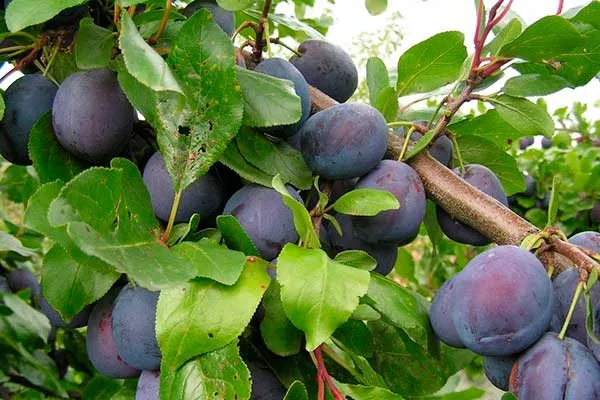
Characteristics of plums:
- Weight - varies from 60 to 70 g.
- Form - elongated-ovate.
- Pulp – dense, with a pleasant greenish-yellow tint.
Taste and uses
The fruits have a dessert-like flavor with a harmonious sweet and sour nuance. These plums are best eaten fresh.
Characteristics
To evaluate the productivity of a hybrid compared to other varieties, it's important to familiarize yourself with its characteristics. This will help determine the most favorable growing conditions for the crop to ensure maximum yield.
Frost resistance
| Name | Frost resistance | Ripening period | Pollinator requirements |
|---|---|---|---|
| Volat | High (up to -24°C) | Average (mid-September) | Partially self-fertile, requires pollinators |
| Belarusian Hungarian | Average (up to -20°C) | Late (late September) | Self-fertile |
| Stanley | High (up to -22°C) | Early (early September) | Partially self-fertile |
| Delicate | Average (up to -18°C) | Average (mid-September) | Requires pollinators |
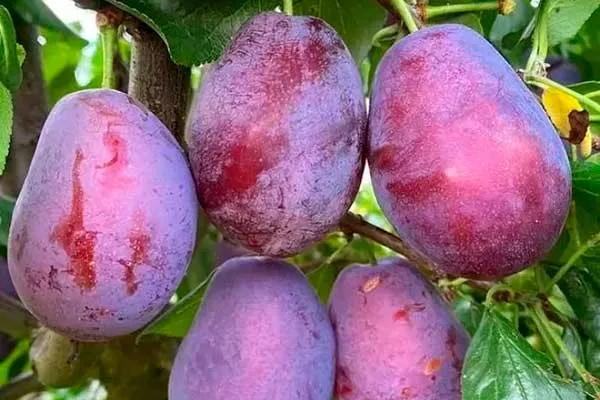
It is highly frost-resistant, withstanding temperatures down to -22-24°C. In severe frosts, down to -30°C, slight freezing of wood and fruit buds—approximately 1.5%—is possible.
Pollinators
It is partially self-fertile, but for abundant fruiting, it requires the presence of other pollinating varieties. Plant them 5-10 meters apart. Suitable neighbors include the following plums: Hungarian Belarusian, Stanley, and Delicate.
Fruiting, ripening period
The first fruits begin to form as early as 4-5 years after the tree begins growing. This variety is characterized by a medium ripening period, with fruits appearing in mid-September.
Productivity
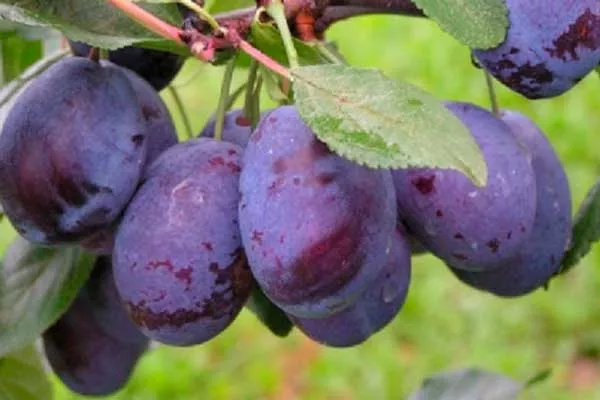
The hybrid has good productivity. Gardeners harvest an average of 20-30 kg of fruit from a single tree.
How to store?
To prolong the freshness of plums, pick them when they're technically ripe in dry, clear weather. Cut the fruits from the branches with scissors, stems included. Place them in cardboard boxes or wooden crates, layered three to four times, with paper between each layer.
Optimal storage conditions: a temperature of 2°C and humidity around 60%. Under these conditions, the fruit will stay fresh for 4 weeks. If you pick unripe specimens, leave them at room temperature for a few days before storing them in a cool place.
Features of planting a seedling
Cultivating this crop doesn't require any special skills. However, for proper growth and development, it's important to carefully follow certain requirements and recommendations. The tree's yield depends on this.
Choosing a location and timing for planting Volat plum
Plum prefers sunny or semi-shaded areas with well-drained soil. Consider the following factors:
- The plant needs sufficient sunlight to thrive, so choose a location where it will receive 6-8 hours of sunlight per day.
- The tree does not tolerate strong winds, so give preference to places protected from them.
- The plant grows quickly and requires sufficient space for the root system, so avoid proximity to large buildings.
- ✓ The optimal soil acidity for the Volat plum should be within the pH range of 6-7, which is critical for the absorption of nutrients.
- ✓ The distance between pollinator trees should be 5-10 meters to ensure effective cross-pollination.
In temperate climates, plant seedlings in spring or fall—before flowering in April or in the second half of September. Do not transplant young trees after the leaves have emerged to prevent them from drying out.
Preparing the soil for planting the Volat plum
Clear the area of weeds and stones, as the plant needs free access to oxygen and nutrients in the soil.
Follow these steps:
- Use special test kits to determine the soil pH. Volat prefers neutral or slightly acidic soil with a pH of around 6-7.
- To achieve optimal acidity, add additives such as lime to raise the pH or sulfur to lower it.
- Loosen the soil to a depth of about 30 cm to allow roots to penetrate and absorb nutrients. Add compost or humus to enrich the soil with nutrients and improve its structure.
Soil quality plays an important role in the development and fruiting of the plant, so pay sufficient attention to this issue.
Rules for planting Volat plum in the garden
When purchasing seedlings, pay attention to their quality. Container-rooted plants take root better. Check the condition of the shoots and root ball.
Step-by-step algorithm:
- Cut the main conductor by 1/3 and, if there are side branches, shorten them to 15 cm.
- Dig a hole measuring 60x80 cm.
- Add a little fertilized soil to the hole, then place the seedling, spreading out the roots. Make sure the root collar is level with the ground surface.
- Fill the hole with the remaining soil, compacting it lightly around the trunk to avoid air pockets.
Water the plant generously. This will help establish contact between the roots and the soil.
Caring for the Volat plum
To ensure high productivity, it's important to give the variety a little attention and care. With standard agricultural practices, it will reward you with generous harvests and high-quality fruit.
How to water?
During the first month after planting, water the plant regularly to prevent the root system from drying out. Do this once a week, using about 20 liters of water per seedling. After this, reduce watering to twice a month.
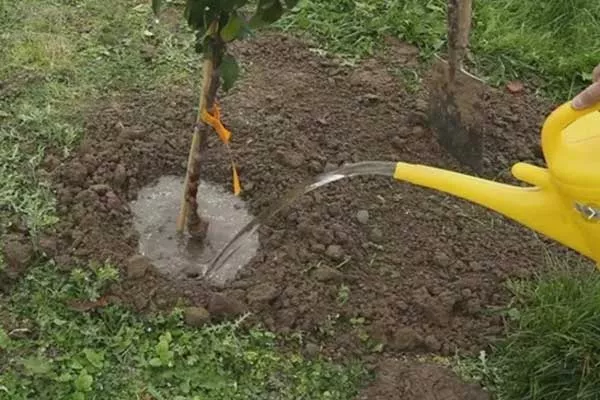
Water mature trees only during prolonged droughts. Apply water during and after flowering, and while fruit set is underway. Stop watering two weeks before harvest to prevent the fruit from becoming waterlogged and losing its sweetness.
Everything you need to know about feeding
Fertilize your plum tree three times per season, starting in the second year after planting. Follow this schedule:
- In spring, during active vegetation Use urea in the amount of 30-80 g per 10 liters of water.
- After flowering Use nitroammophoska – 50 g per 10 l of water.
- At the stage of fruit formation Superphosphate in the amount of 40-100 g and potassium sulfide 25-60 g per bucket of water are effective.
Apply dry granular mineral fertilizer to the tree's trunk, working it into the soil to a depth of 3-5 cm, then water generously. Adjust the fertilizer dosage depending on the plum tree's age.
Pruning and preparation for winter
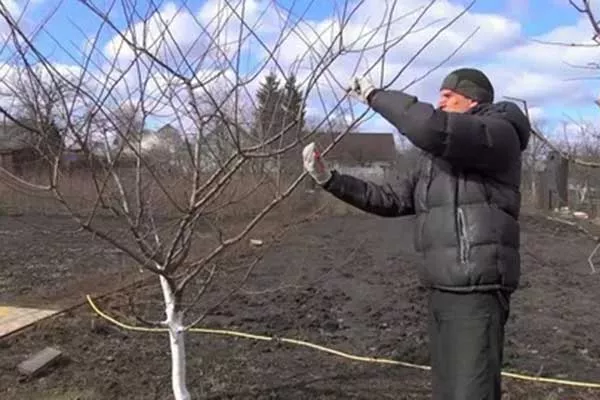
To properly shape the crown during the first 3-4 years, prune in the spring. Then follow these instructions:
- Next year, select three strong branches growing in different directions and pinch them back to 20 cm. Prune the remaining shoots to a ring to form the lower tier of the crown. Shorten the main stem so that its growing point is 20 cm above the side shoots.
- In the third year, select three more lateral branches, which should be 20 cm higher than the previous ones, forming a second crown tier. Shorten the main stem so that it is 20 cm higher than the upper lateral branches.
For the Volat variety, sanitary pruning is recommended in spring and fall, before and after the growing season. This includes removing broken, damaged, and crowded branches. After each pruning, treat the wounds with garden pitch.
Autumn care focuses on preparing the tree for winter. After fruiting has completed, provide maximum care:
- Apply mineral and complex organic fertilizers to provide the tree with all the necessary nutrients.
- Even if the soil is moderately moist, provide the tree with sufficient water.
- Digging up the soil around the tree trunk, combined with fertilizing, will help create reliable drainage and provide the root system with nutrients during the winter.
- Perform a moisture-charging watering at the end of October to provide the tree with moisture for the winter period.
- Insulate the tree trunk with roofing felt and sprinkle it with sawdust to protect it from frost.
- Apply potassium-phosphorus fertilizers in early October to strengthen the root system.
To protect the root system from freezing, cover the trunks with roofing felt and sprinkle with sawdust for the winter.
Pest and disease control
The plant has a strong immune system, but in some cases it can suffer from problems. Most often, the development of diseases and insect attacks are associated with improper care:
| Disease/Pest | Symptoms/Signs | Reasons | Methods of control |
| Clusterosporiasis | The appearance of brown spots on the leaves, which can lead to their falling off. | High humidity, cold weather. | Preventative treatments with Bordeaux mixture or copper sulfate. Removal of affected parts. |
| Fruit rot | Fruit rot, gray spots appear. Fruit becomes soft and watery. | Increased humidity, diseases of other plants. | Removal of diseased fruits, application of fungicides Topaz or Skor. |
| Moniliosis | Flower drop, fruit wilting, brown spots appear. | Overwatering, high temperature. | Spraying the tree with fungicides, removing the affected parts of the plant. |
| Aphid | Leaves curl, sticky secretions appear, and growth is weakened. | Lack of natural enemies, high temperature. | Use of insecticides, such as Actellic, Fufanon, or folk remedies (soap, garlic infusion). |
| Codling moth | The presence of holes on the fruits, damaged specimens, emerging scale insects. | The presence of adults laying eggs in fruits. | Collection and destruction of affected fruits, spraying with insecticides. |
| Sawfly | Holes appear in the leaves – they curl and dry out. | Damage caused by larvae that feed on leaves. | Treatment with insecticides, collection and destruction of caterpillars, treatment of the tree before flowering. |
To successfully combat diseases and pests of the Volat plum, it is important to carry out regular preventative treatments and carefully monitor the condition of the plant.
Methods of reproduction
There are two main methods for increasing the number of seedlings in the garden: vegetative (grafting, planting green cuttings and using root shoots) and sexual (propagation by seeds).
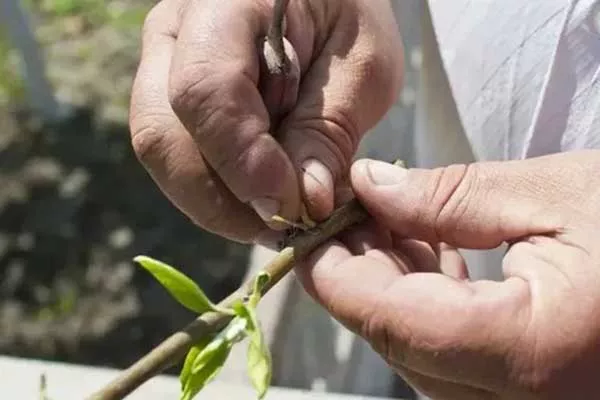
The most effective method is grafting, using frost-hardy plum varieties, sometimes cherry plum or blackthorn, as rootstock. Root suckers help maintain the purity of the variety and are taken from the best specimens.
Seed propagation method:
- Use only ripe fruits without damage or disease.
- Remove the pulp from the seeds, rinse under running water, and soak for 3-4 days, changing the water daily. Dry the seeds and prepare for storage.
- The next step is stratification. Mix the seeds with a moist substrate and place them at a temperature of 1-10°C for 5-6 months. Once they sprout, move them to a cooler location until the warmer weather arrives in spring.
Plant the seedlings in mid- to late spring. In the fall, the resulting seedlings are ready for grafting onto selected plum or cherry plum varieties.
Propagation by root cuttings:
- Harvest them in the fall by digging up the roots of a young tree at least 1 m from the trunk. The cuttings should be about 1.5 cm thick and no more than 15 cm long.
- Store the prepared material in a cellar or bury it to a depth of 50 cm, covering it with peat and sand on top.
- By mid-spring, plant the cuttings, cut to 10 cm lengths, in sandy-peat soil, placing them vertically or at a slight angle and covering them with 4 cm of sand. To speed up rooting, stretch the plastic film, creating a greenhouse-like environment.
- The cuttings should not be allowed to dry out, so moisten them daily. During the growing season, feed the cuttings with diluted humus or nitrogen fertilizer, and in the fall, keep them warm by covering them with sawdust or fallen leaves.
In the spring, the cuttings will be ready for planting, resulting in varietal seedlings about 150 cm tall with a formed rhizome.
Positive and negative qualities
Before planting, carefully study the advantages and disadvantages of the crop to avoid unpleasant situations.
The hybrid has many advantages:
Among the disadvantages of Volata, some gardeners note the need for pollinators and the need for regular preventative treatments against pests and diseases.
Reviews
The Volat plum is suitable for both experienced and novice gardeners, as planting and care require little knowledge or experience. It tolerates severe frosts, bears fruit despite temperature fluctuations, and produces generous harvests. This is possible provided proper agricultural practices are followed.