
Plum Vesta is one of varieties that are ideal for gardeners, seeking a reliable and productive plant for their garden. This cultivar has proven itself an excellent choice for colder regions thanks to its high winter hardiness and consistent fruiting. It attracts attention with the quality of its fruit, which combines sweetness and aroma.
History of origin
This modern variety was developed in Yekaterinburg at the Sverdlovsk Horticultural Breeding Station. It is ideal for growing in the Urals and Western Siberia thanks to its high frost resistance, withstanding temperatures down to -50°C.
Introduction to the variety
Vesta is a versatile indoor plum. The tree is medium-sized, reaching 3.5 m, with a spreading, moderately dense crown. The bark is brown or gray. The branches are thin and fragile, which can lead to rapid fruit drop.
The appearance of the tree
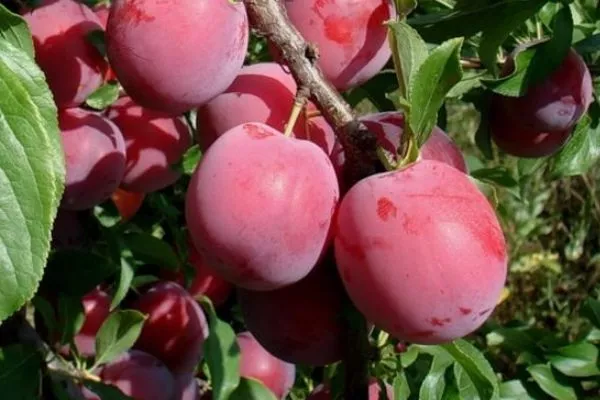
The plant has dense foliage with oblong, light-green leaves. They are hairless. The root system is robust but shallow, which creates some difficulties during cultivation: it does not tolerate prolonged droughts well.
Fruits and their taste characteristics
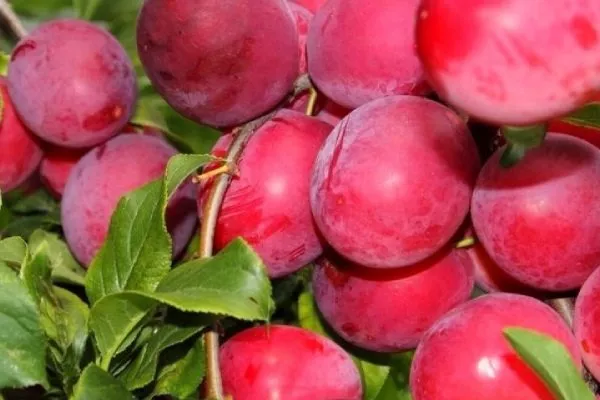
The fruits are round in shape, weighing between 20 and 25 grams. The skin is bright red, and the flesh is yellow. The pit is easily removed. Vesta has received high marks for its flavor: a distinct aroma and a pleasant sweetness without tartness.
Beneficial properties
The pulp is rich in vitamins and biologically active substances: carotene, vitamin C, B vitamins, anthocyanins, flavonols, pectin and fiber.
Regular consumption of fruits has a positive effect on health:
- strengthens the immune system;
- removes excess fluid;
- regulates water-salt balance;
- stimulates the gastrointestinal tract and improves appetite;
- supports vision;
- normalizes the functioning of the nervous system;
- reduces stress levels and improves sleep.
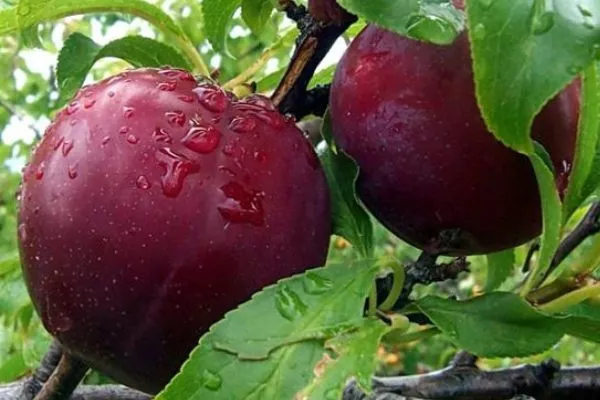
Plums help replenish vitamin and mineral deficiencies, promoting recovery from illness. They contain P-active substances that have decongestant and antibacterial effects and strengthen capillaries. Dried plums have an antipyretic effect.
Usage
The fruits are eaten fresh and dried, and are widely used in cooking, winemaking, and various preserves. They are used to make delicate jams, delicious preserves, jellies, and marmalades. They are ideal for desserts, sauces, and fillings for baked goods, as well as various beverages: juices, compotes, wines, and liqueurs.
Self-fertility and pollinators
The Vesta variety is self-sterile, so to ensure a good harvest, plant pollinator varieties nearby, such as Scarlet Dawn, which is considered one of the best options.
Ripening period and yield
This mid-early variety is harvested for the first time as early as mid-August. It is characterized by regular fruiting and high productivity—an average of 20-25 kg is harvested per tree per season.
Location and soil requirements
To ensure normal development and good fruiting, choose a site with fertile, neutral soil. If necessary, reduce acidity by adding lime or dolomite flour (200 g per square meter).
Subtleties of planting
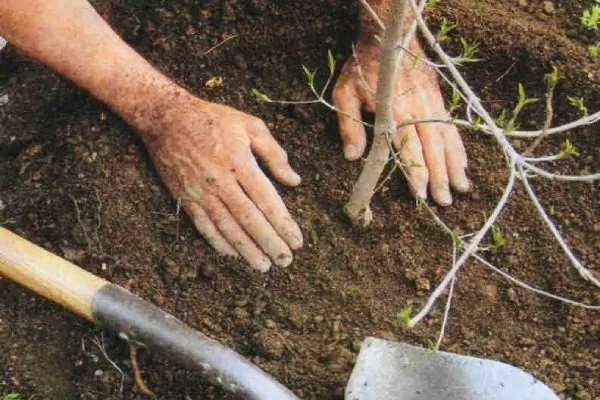
For successful cultivation Carefully prepare the planting material and adhere to certain requirements. Step-by-step algorithm:
- Select 1-2 year-old seedlings with a well-developed root system. Branches and roots should be free of damage, rot, and signs of disease.
- Soak the plant in water for 2-3 hours. This will help the plant transplant more easily and root faster.
- If necessary, trim any overly long or damaged roots and remove any rotted areas. Treat the plant with a growth stimulant, such as Kornevin, to improve root growth.
- Prepare the hole 2-3 weeks before planting the seedling. It should be approximately 60-70 cm in diameter and 50-60 cm deep.
- Place a drainage layer (pebbles, crushed stone or coarse sand) on the bottom if the soil is clayey.
- Mix fertile soil with compost, rotted manure, wood ash, and superphosphate (100-150 g per hole). This will create a nutrient-rich layer that will support the young tree during the early stages of growth.
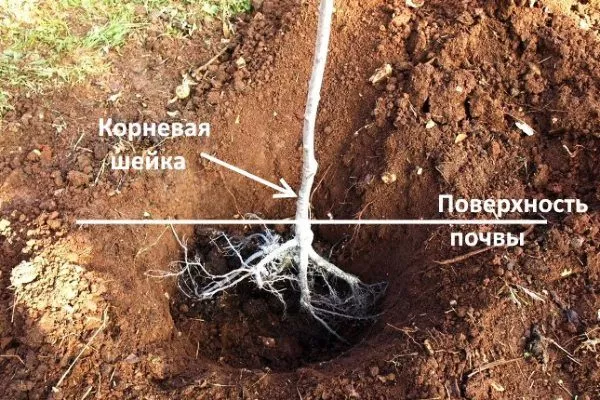
- ✓ The seedling planting depth should be such that the root collar is 5-7 cm above ground level, which will prevent it from rotting.
- ✓ The size of the planting hole should be at least 60-70 cm in diameter and 50-60 cm in depth to provide sufficient space for the development of the root system.
Place the plant in the hole so that the root collar is 5-7 cm above the soil surface. Spread the roots out and carefully fill them in. Firm the soil around the hole to eliminate any air pockets.
Care and cultivation
Caring for the crop involves several important aspects that will help ensure the tree's health and high yield. Follow standard agricultural practices.
Watering
Plum trees require regular watering, especially during periods of active growth and fruiting. Water them 1-2 times a week during dry weather. The soil should be evenly moist, but don't overwater.
Apply water at the roots to avoid contact with foliage and fruit. Use warm, settled water. Reduce the frequency of watering during heavy rainfall. During spring flowering and summer, when fruit is growing, increase the volume, as more moisture is required for fruit development.
Top dressing
In early spring, before active growth begins, apply nitrogen fertilizers, such as ammonium nitrate. Apply 30-40 g per square meter of trunk area. In June-July, after flowering, use potassium-phosphorus fertilizers to improve fruit formation and ripeness.
Use complex fertilizers with an NPK ratio (e.g., 10-10-10). After harvest, organic fertilizers (rotted manure, compost) and complexes with high phosphorus and potassium content are effective. This will prepare the tree for winter and improve the root system.
Trimming
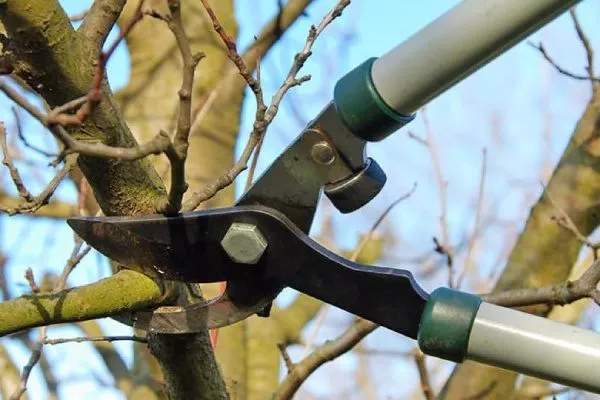
In the first year after planting, prune the seedling, leaving 3-4 main branches to form the base of the crown. Pruning will help the plant develop evenly and promote better fruiting in the future.
Next, follow these recommendations:
- Pruning should be done in late winter or early spring, before the sap begins to flow. Remove diseased, damaged, and crossing branches. This will improve crown ventilation and reduce the risk of disease.
- Perform light pruning in summer, removing excess or over-growing shoots to allow light and air to reach the fruit.
- Remove dry and damaged branches after harvesting.
Other events
Mulch the tree's trunk with organic materials (peat, straw, rotted sawdust) to retain moisture, improve soil structure, and prevent weed growth. If the tree is young and unstable, tie it to a stake for support. This will prevent damage.
Diseases and pests
The plant rarely suffers from diseases, but if it is affected by gray mold, remove and destroy the damaged parts, and treat healthy areas with Skor or Raek before and after flowering. Learn more about plum diseases and their treatment. Here.
Plum aphids can be a problem for Vesta. To control them, use Fitoverm, Actellic, and Inta-Vir. For prevention, use Karbofos, Fufanon, or Kemifos.
Positive and negative qualities
Before planting a seedling, carefully consider the advantages and disadvantages of the variety to avoid potential difficulties. This variety has many advantages:
The disadvantage is self-sterility, so to obtain a good harvest it is necessary to grow pollinators nearby.
Reviews
The Vesta plum variety is an excellent choice for both beginner and experienced gardeners. Its high winter hardiness, excellent yield, and delicious fruit make it a valuable addition to any garden. With proper care and following all recommendations, this plum will reward you with abundant harvests and high-quality fruit.