
The Moskovskaya Hungarian plum is one of the most beloved varieties of domestic plums among Moscow region gardeners, and has remained popular for decades. Its trees produce their fruit later than other varieties, but it is very shelf-stable and transportable. The fruits are resistant to cracking, rich in vitamins, and ideal for canning.
How did fruit originate?
The Hungarian Gypsy (another name for this variety) was approved for use in 1947 after successfully passing state testing. It was bred (by open pollination of the domestic Hungarian) by the All-Russian Institute of Selection and Technology of Horticulture and Nursery (VSTISP).
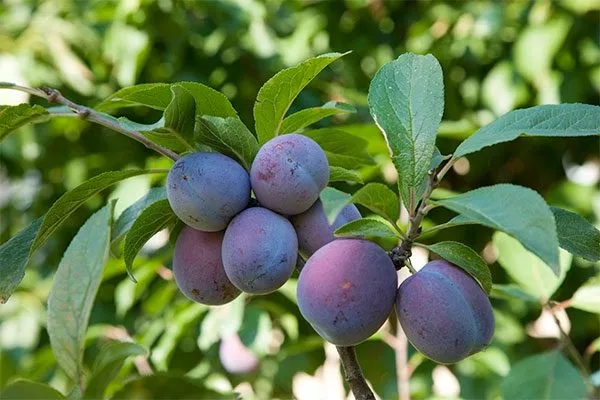
This late-ripening plum variety became widespread in the Moscow region, having been specially bred by local breeders for its climate. It was widely grown not only in dachas but also in collective farm orchards located in the Leninsky District (20 km from the capital).
The appearance of the tree
The fruit tree variety "Vengerka Moskovskaya" is characterized by rapid growth and a tendency to produce abundant basal suckers. The trees are medium-sized.
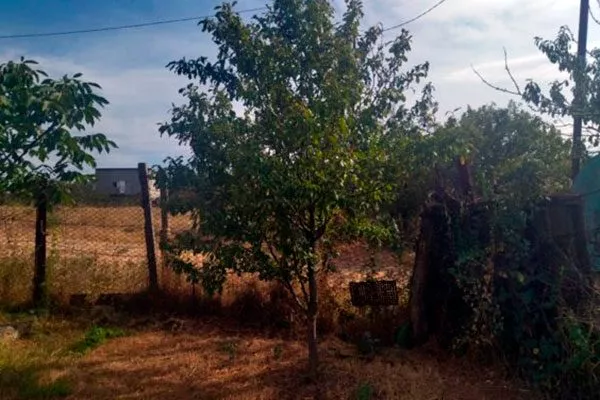
Their external features are as follows:
- height from 2.5 m to 4 m;
- dense and spreading crown, having a round-spherical shape;
- straight branches covered with reddish bark that droop toward the ground;
- The leaves are elongated, green, and medium-sized.
Flowering and fruiting occur on one-year-old shoots and on bouquet branches. Covered with numerous white flowers, the tree looks quite decorative.
Fruits and their taste characteristics
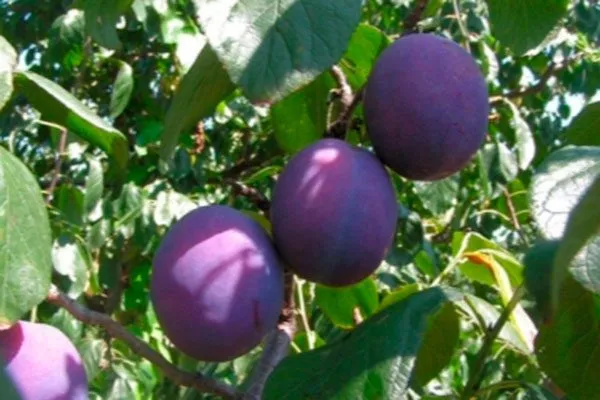
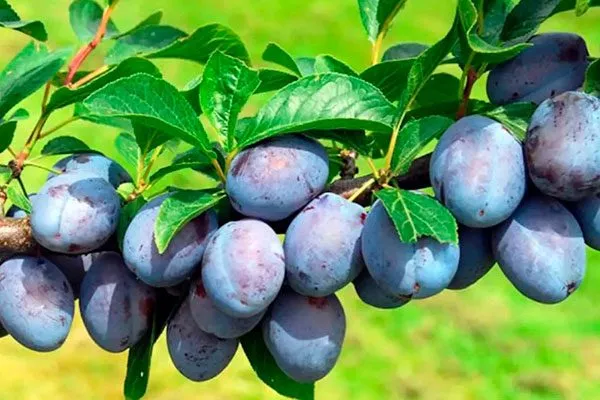
The harvest of the Moskovskaya Hungarian variety is not particularly beautiful or large-fruited. The fruits have the following characteristics:
- size - smaller than average;
- weight - 15-28 g (most plums on the tree weigh no more than 20 g);
- asymmetrical round-oval or ovoid shape;
- pronounced abdominal suture;
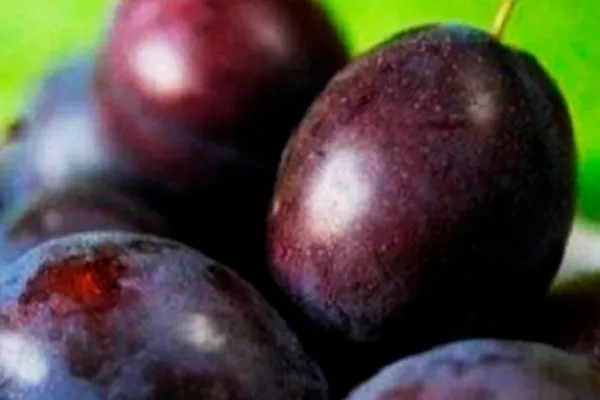
- rough skin, dark purple in color and covered with a thick layer of bluish waxy coating;
- dense, hard, but quite juicy pulp, distinguished by its yellow color with an amber tint;
- an elongated oval stone of medium size, easily separated from the pulp.
Despite the lack of commercial appeal and dessert taste, the fruits have other advantages:
- resistance to cracking in damp climates;
- the ability to ripen while stored, having been collected in an unripe state;
- increased shelf life;
- excellent transportability;
- rich in vitamins, in particular high content of vitamin P;
- the presence of healing properties (in folk medicine, the fruits of the Hungarian fig are used to reduce blood pressure and bad cholesterol levels, strengthen blood vessel walls, cleanse the kidneys, and solve the problem of constipation).
Application
The Moscow plum harvest is rarely eaten fresh. Its primary use is whole-fruit canning. Thanks to its dense flesh, the fruits do not overcook or lose their shape. They look beautiful in jars of compote. They are also suitable for making jam, wine, and liqueurs.
Self-fertility and pollinators
This variety is renowned for its high self-fertility. The trees bear fruit abundantly every year without the need for cross-pollination. Gardeners often plant them as a pollinator for other plum varieties. To improve the flavor and yield of the Gypsy Hungarian plum, the Red Skorospelka plum is grown alongside it.
Ripening period and yield
This fruit variety is classified as a late-ripening cultivar. It blooms late (in late May or early June). It produces fruit starting at 6-8 years of age. Fruit ripens uniformly after September 15. Gardeners can obtain 20-35 kg of fruit from a single tree.
Growing regions
The State Register designates this variety for cultivation in the climatic conditions of the Central Region. It has shown good results growing in the following regions of the country:
- Moscow;
- Bryansk;
- Vladimirskaya;
- Ivanovskaya;
- Kaluga;
- Ryazan;
- Smolensk;
- Tula.
Frost resistance
The Hungarian Moskovskaya plum tree is characterized by average winter hardiness and drought tolerance. Without shelter, it overwinters at temperatures down to -20°C. It has a good ability to recover from frost damage.
Landing rules
To ensure that the Hungarian Gypsy sapling you purchased from a nursery takes root well in your garden and begins to develop properly, and eventually bears fruit abundantly, plant it correctly and follow the advice of experienced gardeners.
Recommended timeframes
Plant the Hungarian plum "Moscow" in your garden in the spring after warm weather sets in and the soil has warmed. The optimal time is mid-April. Daytime temperatures should reach 17°C.
Site requirements
Make sure you choose a suitable location in your garden for growing fruit crops. It should meet the following requirements:
- be sunny;
- windless;
- protected from drafts;
- located in the southern or southwestern sector of the garden plot;
- located not in a lowland, where it is damp and cold, but on a hill;
- with groundwater occurring at a depth of 1.5 m;
- with light loamy soil, moderately loose, moisture- and air-permeable, fertile, with neutral acidity (plum does not tolerate acidic soils, sandstones and dense clays).
Selection and preparation of seedlings
When visiting a nursery, choose a strong, two-year-old plum tree sapling free of disease, damage, or other defects. Its ideal height is 1 m. The roots should be well-developed. Rotten or damaged parts should be carefully trimmed off with a knife.
Place the plum tree roots in a bucket of water and leave them overnight. If desired, you can add Kornevin to the water. The next day, begin planting your fruit tree.
Technology of planting operations
Dig a planting hole in your garden in advance. Ideally, do this in the fall. It's acceptable to do this 2-3 weeks before the planned planting date of the Hungarian Moskovskaya plum tree to allow the soil to settle.
Give the hole dimensions:
- diameter - 60-80 cm;
- depth - 50-60 cm.
Line the bottom of the planting hole with crushed stone or broken brick. Fill it one-third full with a mixture of garden soil and humus (2:1), enriched with superphosphate or another mineral fertilizer. Mound the soil into the hole. Install a sturdy stake in the center to support the plum tree.
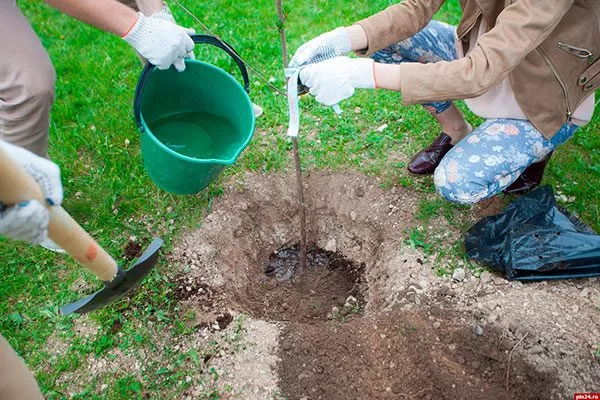
Plant a fruit tree by following these step-by-step instructions:
- Place the seedling on a mound of soil mixture so that its root collar rises 3-5 cm above the ground surface.
- Spread the roots out. Cover them with the top layer of fertile soil, not mixed with fertilizer.
- Firm the soil around the trunk. Create a mound of soil around the edge of the trunk circle. This will prevent water from spreading when watering the plum tree.
- Tie the seedling to the stake using synthetic rope.
- Water the plant using 40 liters of warm, settled water.
- Mulch the tree trunk circle with a layer of humus or non-acidic peat.
If you have purchased several seedlings, plant them according to the following pattern:
- row spacing - 3 m;
- the distance between trees is 3 m.
Care instructions
Care for your Hungarian Gypsy plum tree properly so that it remains healthy, looks decorative, and provides you with abundant harvests for many years to come.
Watering schedule
In spring, water the plum tree three times at the following times:
- during flowering;
- during the period of formation of fruit ovaries;
- 3 weeks before harvesting.
Use 30 liters of water per 1 square meter of the tree's trunk circle. During drought, water the soil more frequently—once every 3-4 weeks. Mulch with organic matter to retain moisture.
Don't forget to loosen the soil where fruit trees grow. This promotes better moisture, air, and nutrient supply to the roots. While loosening, remove weeds, as they harbor insect pests and pathogens.
Top dressing
Fertilize your plum tree starting at age three. Use three types of fertilizer:
- organics (cow manure, compost, humus, peat) - apply once every 2-3 years during autumn digging of the tree trunk circle;
- mineral compositions, rich in nitrogen, potassium, phosphorus and other nutrients - apply several times a season annually, use them in the form of an aqueous solution or dry;
- green manure (green manure) - plant under the plum tree once every 3 years to saturate the soil with nutrients and ensure better root development of the tree.
In early spring, after the plum tree's first leaves appear, fertilize it with organic or mineral fertilizer. At this time of year, nitrogen-rich fertilizers are essential for the formation of green mass. These fertilizers should also contain potassium and phosphorus.
At the beginning of flowering, plum trees require more potassium. For fertilizing, use a potassium fertilizer (such as potassium sulfate) in combination with urea. When the fruit begins to ripen, fertilize with nitrophoska. After harvesting, use superphosphate in combination with potassium sulfate.
Trimming
Every year in early spring, before the buds open, perform sanitary pruning of the Hungarian Moscow plum. This involves removing all unnecessary branches:
- dry and broken branches (they need to be cut down to the base);
- frozen shoots;
- parts of the tree affected by diseases and pests.
Fruit trees also require formative pruning. Follow these recommendations from experienced gardeners:
- Immediately after planting the plum tree, shorten its main shoot (if buds appear on the newly planted tree, carefully pick them off);
- for the first 3 years, remove only dry and broken branches;
- from the age of four, shape the crown by shortening the plum shoots by 2/3 of their length;
- to shape the crown, use semi-skeletal branches instead of skeletal ones;
- if a branch dies, cut it off so that the resulting void can be filled with young branches;
- shoots growing inside the crown, vertical and located at an acute angle to the trunk;
- Try to give the crown of the Hungarian tree a sparse, tiered shape.
Use pruning shears to prune young, thin branches, and remove thicker shoots with a saw. The tool used for this procedure must be sharp and disinfected to prevent the risk of splitting the bark and wood and introducing infection into the plant.
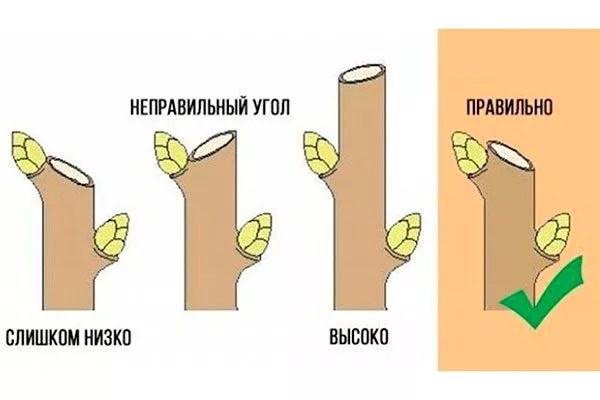
To treat pruning wounds, use garden varnish. Disinfect the cuts with copper sulfate and lime beforehand.
Preparing for winter
In temperate or southern climates, mature plants overwinter without protection. In central regions, insulating the area around the trunk with peat and sawdust (10-15 cm thick) is sufficient. Young seedlings require more protection from frost. Wrap their trunks with agrofibre or burlap.
Before the cold weather sets in, protect your plum trees from rodents and hares. To do this, in the fall, tie trees with low-growing shoots with natural thorny materials:
- spruce branches;
- juniper branches;
- raspberry shoots remaining after pruning.
Diseases and pests
The Moscow Hungarian is moderately resistant to fungal infections. Under unfavorable growing conditions, it is susceptible to the following diseases:
- rust;
- scab;
- powdery mildew;
- spotting.
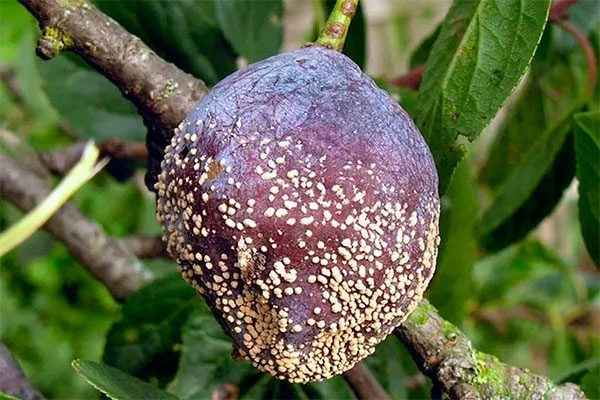
If preventative care is neglected, plum trees will suffer not only from fungi but also from insect infestations. Gardeners consider the following pests to be their most dangerous enemies:
- aphids;
- leaf roller;
- sawfly;
- codling moth.
To prevent fruit crop diseases and pest infestations, carry out sanitary measures promptly and regularly:
- remove mummified fruits, insect nests, and parasite cocoons from branches (they are usually found in cracks in the bark);
- perform sanitary pruning of the tree annually;
- do not allow its crown to become dense;
- remove weeds growing under the plum tree;
- collect and remove plant waste, fallen fruit, and dry leaves from the garden;
- Carry out preventative treatment of the plum twice a season (before the plant awakens in the spring and when the inflorescences bloom on it), using copper sulfate with a concentration of 1%, the insecticidal preparation Skor, biofungicides (for example, Fitosporin-M).
Inspect your plum tree regularly to detect the first signs of disease or pest infestation. If a problem is identified, begin treating the fruit tree immediately. Use the same products you used for preventative crown spraying.
Collection and storage
Begin harvesting in the second half of September. It's acceptable to remove slightly unripe plums from the branches for longer storage. Do not leave fruits showing signs of spoilage or rot on the tree. They should be destroyed immediately.
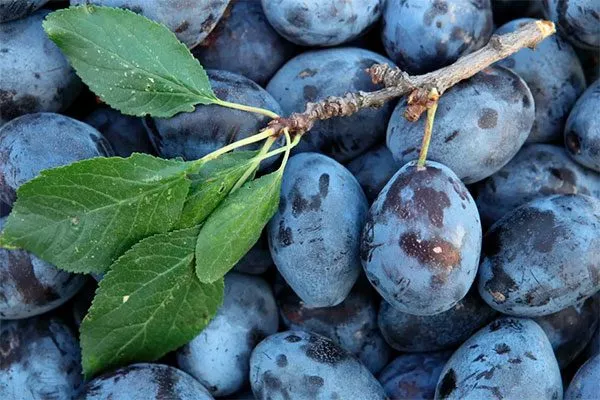
To ensure maximum shelf life of the crop, follow these conditions:
- During harvesting, try not to damage the wax coating on the plums (this is a natural preservative that helps plums last longer);
- separate the fruits from the branch together with the stalk;
- pick slightly unripe fruits (they will reach a ripe state during storage, and their shelf life will be extended due to the time spent ripening the harvest);
- place plums in wooden boxes in no more than 3 layers;
- Place layers of plums between parchment paper.
The shelf life of harvested fruits depends on their storage conditions:
- 7-10 days - at home at room temperature;
- 3-4 weeks or longer - in the refrigerator or in the cellar in boxes.
Advantages and disadvantages
The Moscow Hungarian plum has become popular with Moscow gardeners due to its following advantages:
Reviews
The Hungarian Moskovskaya plum is an excellent late-ripening variety of domestic plum, ideal for growing in the Moscow region and other central regions. It is prized for its ease of cultivation, good winter hardiness, and high yield. Although the fruits are not particularly attractive in appearance or dessert flavor, they are excellent for whole-fruit canning.