
The Hungarian plum is the most popular plum variety. Many gardening enthusiasts claim that this group of plums represents the pinnacle of varietal achievement. The fruits of the Hungarian plum are used in a wide variety of culinary recipes.
History of origin
The Vengerka plum is not a single cultivar, but rather a broad plum family comprising numerous varieties. Among these, the Vengerka Korneevskaya variety, developed by renowned breeder R. V. Korneev in collaboration with L. N. Zhukova back in 1991, deserves special attention.
Breeders used the Bogatyrskaya and Volgogradskaya plums as the basis for their creation. Official recognition and inclusion of the variety in the Register of Breeding Achievements of the Russian Federation only occurred in 2002, after extensive variety testing.
The appearance of the tree
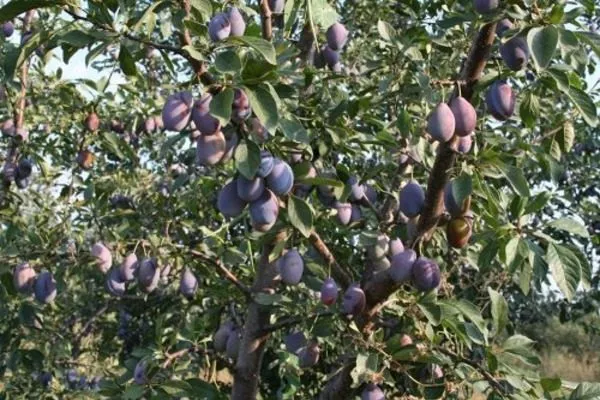
The tree has a round crown, fairly wide and not particularly dense, reaching a height of 300-400 cm (medium size). The trunk is gray-brown, while fresh shoots are curved and decorated with glossy dark brown bark.
Other varietal characteristics:
- The branches deviate from the trunk at an angle.
- Medium-sized brown buds, resembling a cone, are located along the shoots at an angle of 45 degrees.
- The leaves are elongated-ovate, medium-sized, and have a rounded base. The leaf blade is serrated, with the inner side being light green and the outer side considered a deeper green. The leaves droop slightly on the branch. The short petiole is covered with hairs.
- The flowers are solitary, small, and white, sometimes gathered in clusters of 2-3. During flowering, the tree impresses with its decorative qualities.
- ✓ Cone-shaped buds, located at an angle of 45 degrees.
- ✓ Bright yellow fruit pulp with uncolored juice.
Fruits and their taste characteristics
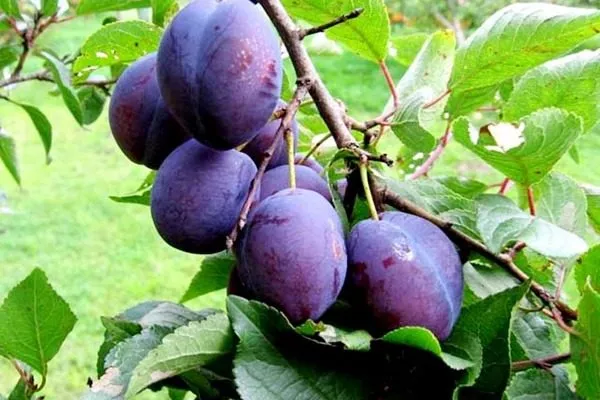
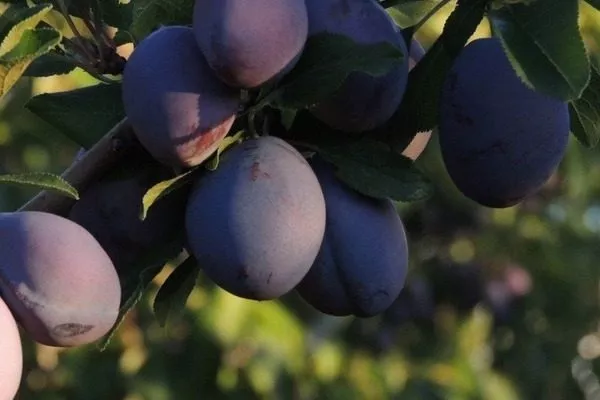
The plums are quite large, larger than average, weighing an average of 33 grams each. They are oval in shape and reach a diameter of 31-33 mm and a height of 42-43 mm. The plums are purple-brown in color, with a firm, waxy coating.
Other features:
- On the surface of the skin you can see many small dots.
- There is a deep and narrow pit with a pointed apex, as well as a barely noticeable seam.
- Medium-sized stalk, straight.
- The inner flesh is bright yellow and sweet. The juice is uncolored.
- The pit is saber-shaped, medium-sized, loosely fitting, and slightly elongated. The pulp-to-pit ratio is 93.5% and 6.5%, respectively.
- The plum's shape is uniform. Its color ranges from purple to brown, making it particularly attractive.
- The plum tastes sweet, but at the same time, thanks to the content of 6.51% ascorbic acid, there is a slight sourness.
- Plums contain 19.75% dry matter, 14.07% sugars and 0.93% other acids.
Characteristics of the variety
The Hungarian Korneevskaya variety is characterized by increased fruiting and a stable harvest. It is also highly transportable. However, the length of fruiting depends on the type of seedling used.
Resistance to frost and drought
It has good drought tolerance, but only if grown in fertile and not too acidic soil. This allows for very infrequent watering.
Overall, the variety is frost-hardy, but at temperatures below -20°C, the wood may freeze. Spring frosts also pose a risk, as they can damage fruit buds.
Self-fertility and the need for pollinators
The variety is self-pollinating, meaning it doesn't require additional nearby plants for successful pollination. Insects are sufficient.
Productivity
A mature tree can produce up to 30-35 kg of plums, or 116 centners per hectare. During heavy harvests, the branches may not be able to support the weight of the fruit, so they often require support.
Flowering, fruiting and ripening time
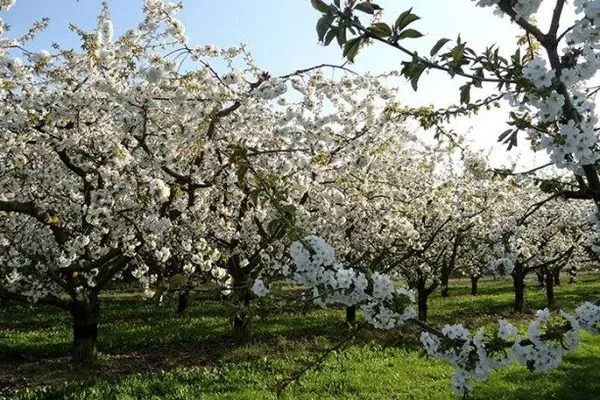
The buds begin to bloom in the first half of May, and the harvest reaches maturity by mid-August and continues until September 10-12, depending on weather conditions.
Fruiting on trees planted from one-year-old seedlings occurs in the third or fourth year. The tree's lifespan depends on the rootstock variety onto which it was grafted:
- The plum tree, which is grown on the cherry rootstock, is characterized by its low growth and relatively short lifespan – up to 15 years.
- If the Hungarian plum is grown on the rhizome of an apricot or a common plum, it will grow taller and extend its life to 20 years.
Uses of plums
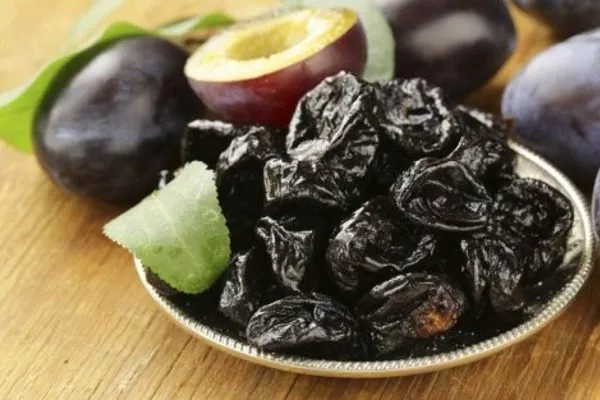
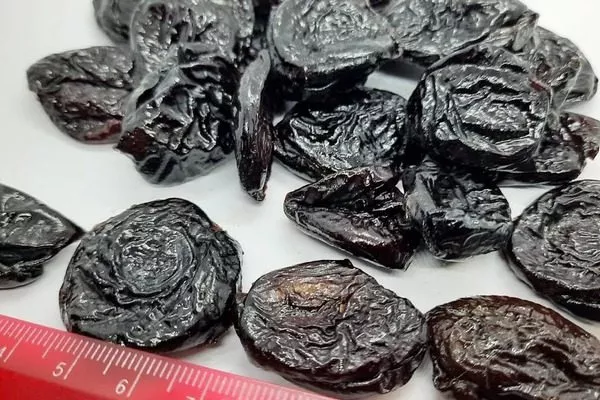
The fruits can be used as a stand-alone dessert, in confectionery and beverage production, and for direct consumption. Their main advantage is the ability to be made into prunes.
Where can it be grown?
Plums can be grown in various regions of Russia:
- Central Federal District, including Moscow Oblast;
- Voronezh region;
- Lipetsk and Belgorod regions;
- Oryol region;
- Kursk and Tambov regions/
The Hungarian Korneevskaya variety is recommended for intensive gardens due to its early productivity.
Landing features
This variety can be grown both in the fall (for regions with a mild climate) and in the spring. It is recommended to select seedlings between one and two years old. The plant prefers sunny, wind-protected areas, such as near building walls or fences. The ideal soil type is loamy, well-aerated, and nutrient-rich.
Features of planting work that you need to know:
- Seedlings planted in spring successfully take root and develop by the end of summer, which provides them with resistance to winter frosts.
- ✓ Soil pH should be between 6.0-7.0 for optimal growth.
- ✓ The groundwater depth must be at least 1.5 meters to prevent root rot.
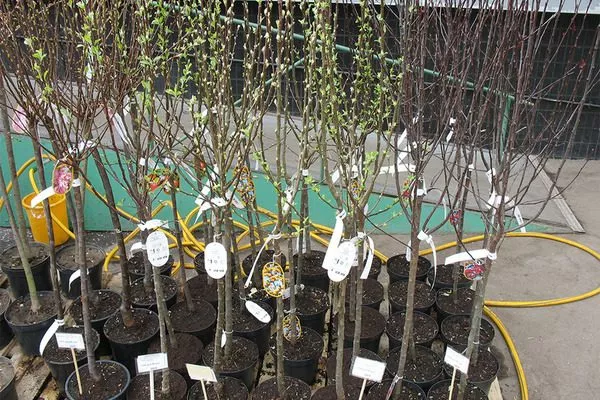
- When choosing planting material, choose healthy, strong seedlings with well-developed roots. Branches and bark should be undamaged, and the seedlings themselves should show no signs of rot or other diseases.
- For successful gardening, carefully prepare the planting site. The soil should be light and rich in nutrients, which promotes rapid rooting and growth, as well as strengthens the plant's immune system.
Therefore, before starting work, thoroughly loosen the area and fertilize it with organic matter. Do this 3-4 months in advance, or at least a couple of weeks in advance. - It is equally important to choose the right size and depth of the hole: the width parameters are 70-80×70-80 cm, and the depth is from 70 to 90 cm.
- A week before planting, place a mixture of soil from the top layer of the hole, peat or compost, and superphosphate in the hole.
- When planting a tree, you should choose a calm, not cool day when the air temperature is between +10 and +15 degrees, and the ground has already warmed up completely.
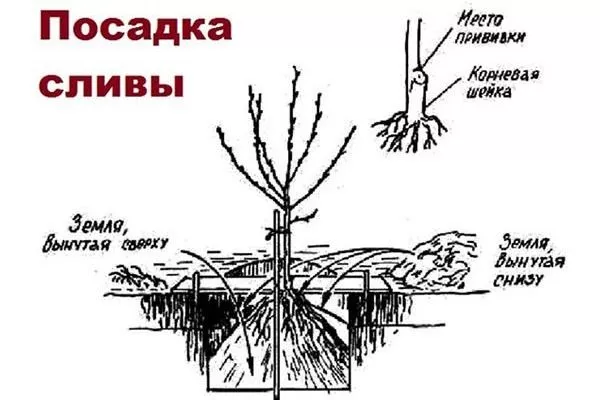
- Carefully distribute the root system along the bottom of the hole and fill it with soil, then compact it thoroughly. The root collar should be 4-5 cm above the garden level.
- The distance between seedlings and other plants should be from 150 to 200 cm, and when creating a garden between plum trees, it is advisable to leave from 200 to 300 cm.
- As a support, install a peg, which is first driven into the middle of the hole.
- After planting, the seedlings must be watered with plenty of water, approximately 30 liters for each tree.
- At the end of the procedure, it is recommended to mulch by laying a 12-15 cm layer of grass.
Care tips
In order for a fruit tree to delight you with abundant fruit every year, it is necessary to pay due attention to it and care for it wisely.
Top dressing
In early spring, young trees need to be given a boost by adding nitrogen fertilizer. When the tree reaches maturity (6-8 years), potassium sulfate is added to its nutrition. After the harvest, in the fall, superphosphates are added to the soil.
Trimming
Regular autumn pruning of plum trees promotes faster and better growth and increases yield. The tree is first pruned in the spring, in March in the south or April in the north. Damaged and dead branches are removed, and the crown is shaped.
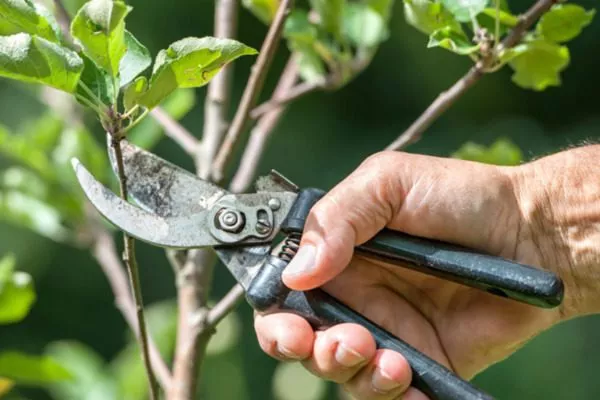
Experts recommend pruning all shoots by about a quarter before bud break. After pruning, treat the cuts with garden pitch. The tree's height is regulated by shaping, limiting it to 280-300 cm, which promotes increased fruiting.
Watering
The Hungarian Korneevskaya variety has excellent drought resistance, but young plants require regular and systematic watering.
Rules:
- During the fruit ripening period, in hot and dry weather conditions, it is recommended to increase the amount of water for plums to 25 liters per tree, while at other times 10-15 liters is sufficient.
- It is best to water early in the morning or late in the evening.
- In autumn, when the ambient temperature drops, you need to do a moisture charge by adding about 40-50 liters of water.
Wintering
The Hungarian Korneevskaya variety tolerates winter cold well in southern regions. In areas with harsher climates, where temperatures can drop to -20 degrees Celsius, it is recommended to protect the tree's root system with straw, humus, or spruce branches. Burlap and other similar materials can also be used. Seedlings should be completely covered.
To protect plum trees from pests and rodents before winter, in October-November, whitewash the trunks and lower branches. Repeat this procedure in the spring to provide additional protection against insect pests.
Methods of control and prevention of diseases and parasites
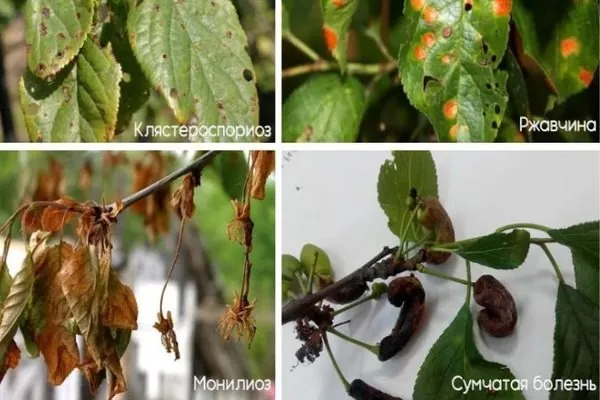
The variety is resistant to diseases/pests, as it has a strong immune system, but there are cases when the crop is exposed to certain pathogens:
- klyasterosporiosis – fungus that attacks flowers and buds requires treatment with fungicides;
- moniliosis, causing rot in the trunk and branches of the plum, is treated with the chemical Fitolavin or a mustard solution for spraying;
- coccomycosis, A fungal disease that becomes active in rainy conditions and requires treatment with fungicides. During the period of bud formation, the use of Horus is recommended.
To prevent diseases, it is important to carry out preventative measures in a timely manner: spray plums in the spring and fall using urea, whitewash the trunk and install trapping belts.
Storage of the harvest
Plums withstand long-distance transport well thanks to their strong skin. However, to ensure safe transportation and long-term storage, the fruits should be picked from the trees before they are fully ripe, that is, at the technical stage of ripeness.
Preservation features:
- Before sending plums to storage, a selection is carried out: only healthy and strong fruits without visible damage are chosen.
- Plums are placed in large boxes or containers with holes to ensure constant ventilation.
- It's important to prevent plums from sticking together and for the top layers of fruit to not weigh down the lower ones. Therefore, paper or dry sand/straw are often placed between the rows.
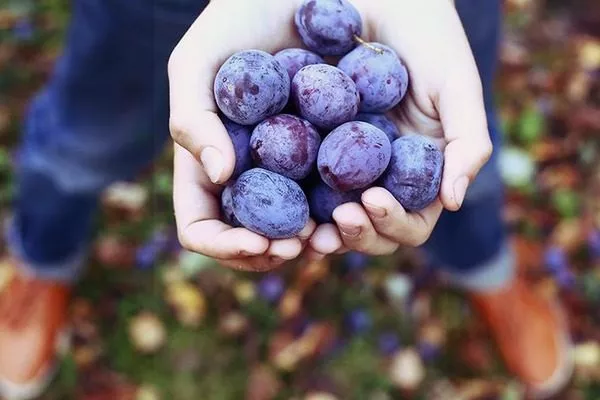
If you follow these tips, plums can be stored for up to two to three months.
Positive and negative qualities
Hungarian Korneevskaya is a unique variety with a number of advantages and some limitations.
Advantages:
Flaws:
Reviews
The Hungarian Korneevskaya plum variety offers reliable protection against most diseases common among fruit trees and is virtually immune to pest attacks. It's important to follow the planting and post-harvest care recommendations to ensure a fruitful and consistent harvest.