
The Vega plum is a popular variety that attracts gardeners thanks to its high-quality fruit and excellent winter hardiness. It combines an attractive appearance with an excellent flavor, making it ideal for both fresh and processed use. Proper care is essential to ensure bountiful harvests.
The origin of the plum
Developed at the Sverdlovsk Horticultural Breeding Station in 1960, it was developed by N. I. Gvozdyukova and M. G. Isakova. It was obtained by crossing two varieties, Early Red and Comet.
Features of wood
The plant has a spreading, but not overly dense, crown, reaching a height of 2.3 to 3 meters. The shoots are covered with large, rich green leaves. The foliage has a smooth surface and slightly pointed tips.
Varietal characteristics of fruits
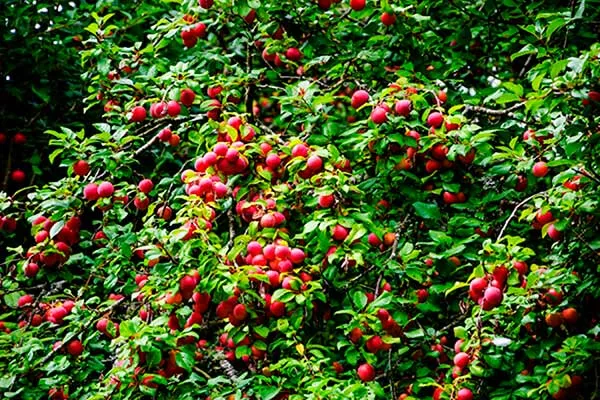
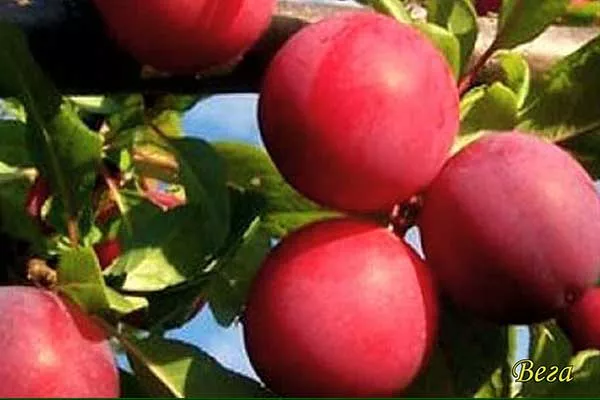
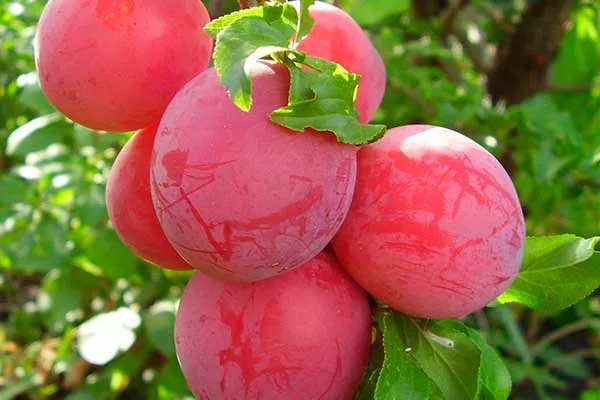
The fruit is ovoid or broadly ovoid in shape, with a distinctive dark red color and a waxy coating. The thin skin conceals juicy, moderately firm, yellow flesh. The flavor is blandly sweet, rich in sugar. The stone is small and easily separated from the flesh.
Characteristics of the variety
The crop has many positive qualities, making it a favorite choice for both novice and experienced gardeners. Explore the variety's distinctive features.
Pollination
Vega is a self-sterile variety, so it requires a pollinator to produce fruit successfully. The Ural Red plum is the optimal choice.
- ✓ The distance between the Vega plum and the pollinator should not exceed 50 meters for effective cross-pollination.
- ✓ Make sure that the pollinator blooms at the same time as Vega to synchronize the pollination processes.
Productivity, ripening time and fruiting
Fruiting begins as early as the second year after planting, with fruit appearing annually, providing a stable harvest. In terms of ripening time, it is a late variety: flowering occurs from mid-May to early June, and the plums ripen from late August to the first ten days of September.
Beneficial properties
The pulp is rich in vitamins and biologically active substances: carotene, vitamin C, B vitamins, P-active substances (anthocyanins, flavonols), pectin and fiber.
Regular consumption of plums has many positive effects on the body:
- strengthens the immune system;
- removes excess water and regulates water-salt balance;
- stimulates the gastrointestinal tract and improves appetite;
- maintains eye health and improves vision;
- normalizes the functioning of the nervous system, reduces stress and improves sleep;
- replenishes the lack of vitamins and minerals, strengthening the body, especially after illnesses.
Thanks to their P-active compounds, the fruits have decongestant and antibacterial properties and strengthen capillaries. Dried fruits have an antipyretic effect.
Scope of application of berries
Plums are eaten fresh and dried. They are popular in cooking, winemaking, and various preserves. The fruit is used to make exquisite jams, preserves, jellies, and marmalades.
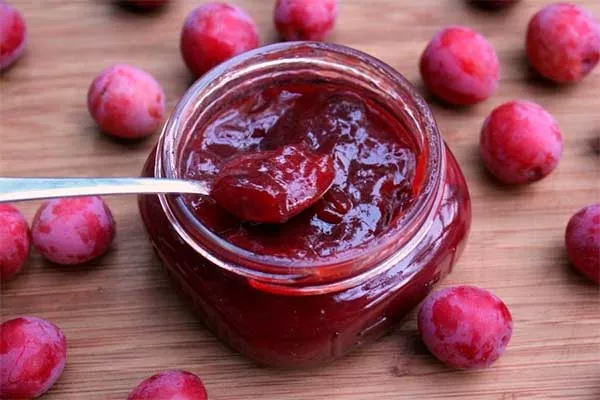
The aromatic and delicious fruits are ideal for desserts, sauces, and baked goods. They can also be used to make a variety of drinks, including juices, compotes, wines, and liqueurs.
Cold resistance
The crop has excellent winter hardiness, which allows it to successfully withstand low temperatures and be grown in regions with harsh winters.
Planting a plum tree
Vega is a winter-hardy and high-yielding variety that requires careful planting and timing. To ensure the plant takes root well and begins bearing fruit on time, it's important to follow these important recommendations.
Planting season
The time for planting a seedling depends on the region's climate. In temperate and northern climates, it's preferable to plant the tree in the spring, when the soil has warmed but the buds have not yet opened (usually in April). This allows the plant to adapt and grow stronger before the cold weather sets in.
In southern regions, this procedure can be carried out in the fall, until mid-October, so that the plant has enough time to take root before the onset of frost.
Landing site
Choose a sunny, well-lit site protected from strong winds. A south or southwest-facing location is ideal, as it will provide the seedling with plenty of light and warmth.
Avoid lowlands and ridges with stagnant water, as excess moisture can negatively affect the root system.
Required soil
The plant prefers fertile, well-drained soils with a neutral or slightly acidic pH (5.5-7). Light loamy or sandy loam soils are ideal for planting.
Algorithm of actions
Two to three weeks before planting, dig a hole 50-60 cm deep and 70-80 cm in diameter. Place a drainage layer (crushed stone or gravel) at the bottom to prevent water stagnation.
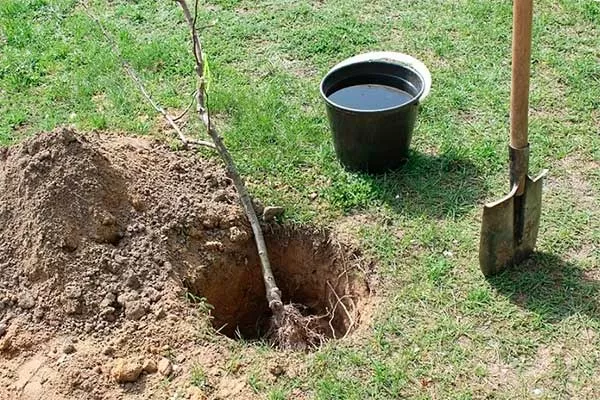
Step-by-step instructions:
- Add a mixture of humus (10-12 kg), superphosphate (200 g) and potassium sulfate (80 g) to the hole, mix thoroughly with the soil.
- Place the seedling in the hole so that the root collar is 5-7 cm above ground level. Gently straighten the roots.
- Fill the hole with soil mixture, gently compacting it around the roots. Do not cover the root collar.
- Moisten the plant generously with 20-30 liters of warm water for better rooting.
Mulch the tree trunk circle (5-7 cm layer) with humus or peat to retain moisture and protect the roots from overheating.
Growing
Vega attracts gardeners with its high yield, winter hardiness, and excellent flavor. To obtain a bountiful harvest, the tree requires proper care, which includes a number of agricultural practices.
Watering
Moisture is one of the key factors for successful crop cultivation. It's important to maintain optimal soil moisture levels, especially during periods of active growth and fruiting. Apply settled, warm water (up to 22°C) to the roots.
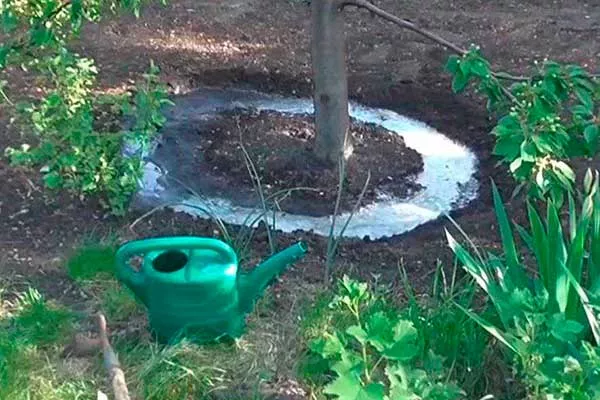
Water mature trees every 10-14 days, more often in hot weather. Avoid overwatering to prevent root rot. Mulch the root zone to help retain moisture and prevent overheating.
Fertilizers for plums
Proper nutrition plays a crucial role in the growth and development of fruit trees. Apply the first fertilizer in the spring, during bud break, using nitrogen fertilizers (such as urea).
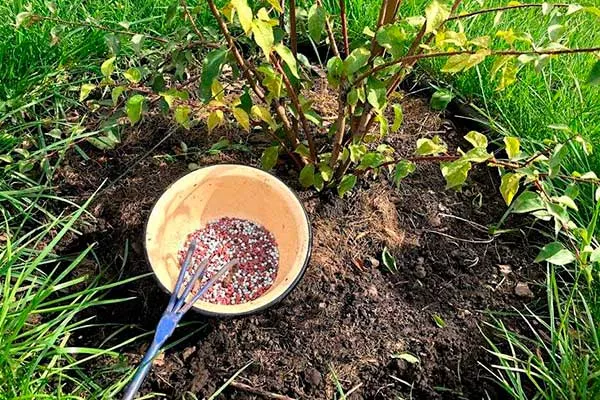
At the end of flowering, apply complex mineral fertilizers containing phosphorus and potassium to improve fruit development. In the fall, after harvesting, apply organic matter, such as compost or humus, to enrich the soil with nutrients for the winter.
Features of pruning
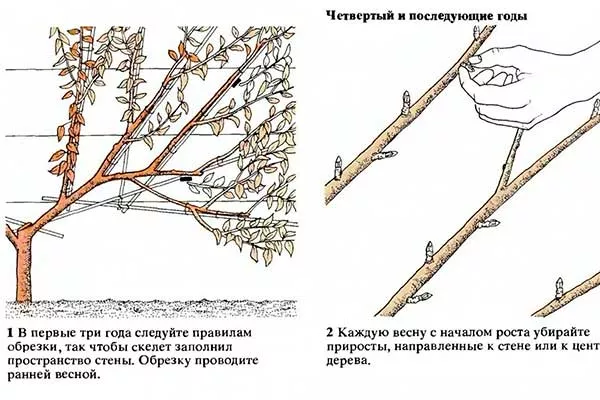
Pruning the plant promotes crown formation and improves air circulation, which reduces the risk of disease. When the plant is 1-2 years old, shape the main branches and remove damaged shoots. Subsequently, prune diseased, crossing, and weakened plants annually in the spring.
Diseases/pests
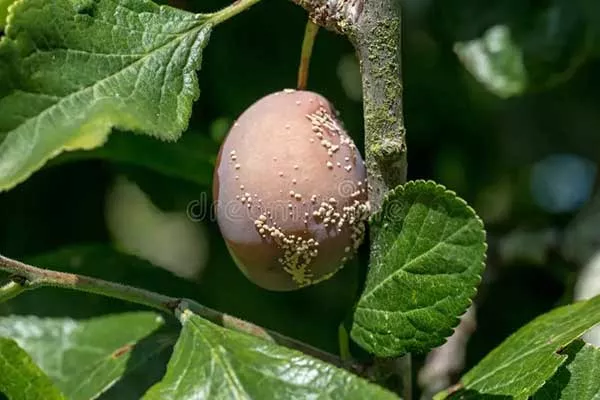
Despite its strong immunity, the plant can be susceptible to certain pests and infections. The most common diseases are moniliosis and clasterosporium. Inspect the trees regularly and remove damaged fruit and leaves. If infestation occurs, apply fungicides.
- In early spring, before the buds open, treat the tree with a 3% solution of Bordeaux mixture to prevent fungal diseases.
- During the growing season, at the first signs of pests, apply insecticides according to the instructions, at intervals of 10-14 days.
- In the fall, after the leaves have fallen, carry out sanitary treatment of the tree and the trunk circle with a 1% solution of copper sulfate.
Pests that threaten plum trees include aphids, plum loopers, and codling moths. To combat them, use insecticides and natural remedies, such as herbal infusions or soaps. Treat trees regularly in spring and fall to prevent insect infestations.
Positive and negative qualities
Before planting a crop in your garden, carefully consider its advantages and disadvantages to avoid potential difficulties in the future. Vega has many advantages:
Among the disadvantages, some gardeners note the need for a pollinator for good fruiting, late ripening periods, sensitivity to lack of moisture, a tendency for the crown to become dense, the risk of damage by certain pests, and soil quality requirements.
Reviews
The Vega plum is characterized by strong immunity, good productivity, and an attractive appearance. These qualities make it ideal for gardeners of all skill levels. Following standard agricultural practices will allow you to reap a bountiful, high-quality harvest with minimal effort.