
The Ural Golden plum is the best choice for both novice and experienced gardeners. Its frost resistance, consistent yields of large, sweet fruits, and ease of care make it an ideal choice for those looking to grow in challenging climates. With proper and timely care, productivity can be increased.
History of the variety's creation
This Chinese variety was created by crossing two species: Kyzyl Pioneer and Yellow Hopty. It was developed by breeders M.K. Kadirovich and G.F. Mamedaga Ogly at the Ural Federal Agrarian Research Center of the Ural Branch of the Russian Academy of Sciences. It was officially approved for use in 2004.
Description of the plant
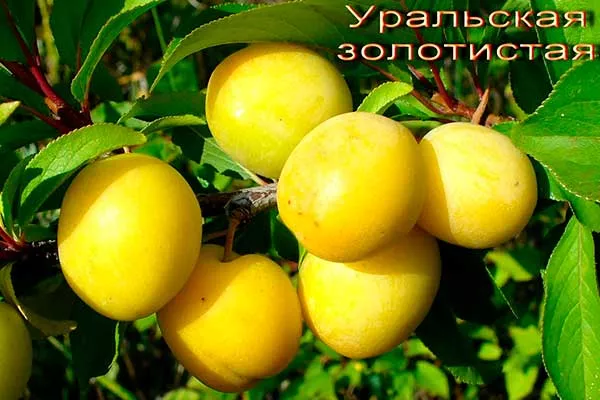
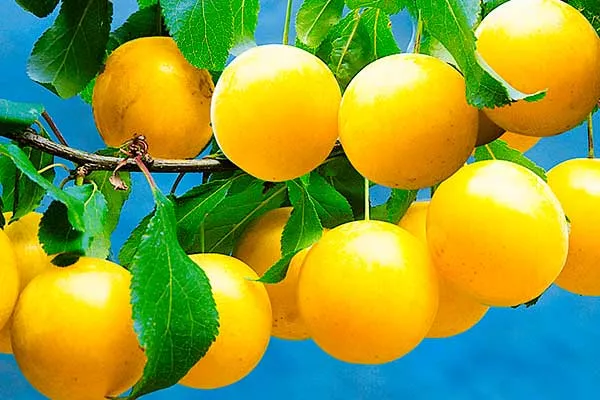
This medium-sized tree reaches up to 3.5 m in height. It has a spreading, medium-density crown. The shoots are straight, dark red, and pubescent. The leaves are ovate, elongated, pointed at the tip, green, and have a double-serrated margin.
Fruit characteristics
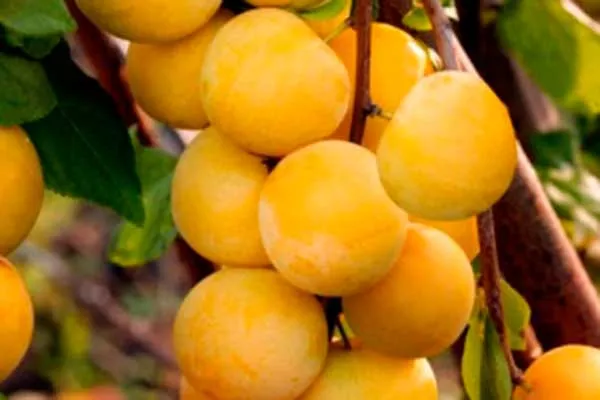
The plums are round, weighing approximately 16.4 g. The skin is thin and elastic, and the inside contains juicy, tender yellow flesh. Plums contain 14.2% dry matter, 10.2% sugar, 1.45% acid, and 4.5 mg vitamin C.
Taste qualities and methods of use
The fruits are sweet with a slight tartness, making them an excellent choice for fresh consumption and for various desserts. The variety has a tasting score of 4.5 points.
Fruits are used in a variety of ways, depending on taste preferences and culinary needs. Here are some popular methods:
- They are used to make jam, preserves and marmalade.
- Homemade compotes are prepared that preserve the freshness and aroma of the fruit.
- They are ideal as a side dish or as a stand-alone appetizer with a piquant taste.
- They are added to pies, cakes, buns, strudels, puddings, and other desserts. They impart a sweet and rich flavor to the dough.
- They are dried to produce prunes, which are popular as a healthy snack or an ingredient in baked goods, salads, and meat dishes.
- They make sauces that are served with meat dishes. They are especially popular in Asian cuisine.
- Used for making liqueurs, cordials and homemade wine.
- Fresh plums are an excellent base for making vitamin cocktails, smoothies and freshly squeezed juices.
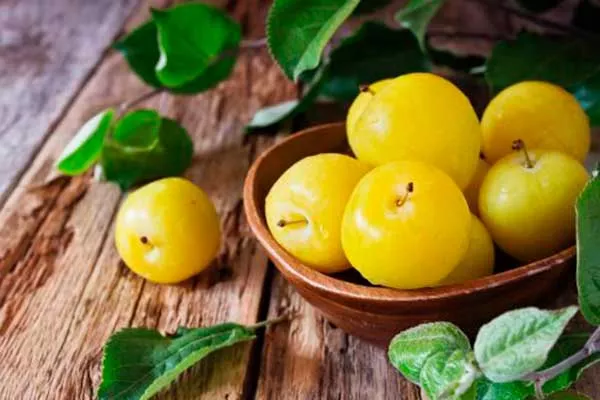
Fruits are frozen for long-term storage and winter use. They are versatile and easily combined with a variety of foods, making them a popular culinary ingredient.
Key Features
The distinctive characteristics of the Uralskaya Zolotistaya plum allow for the development of an effective tree care plan, which promotes its health and abundant harvest. The plant boasts many unique varietal qualities.
| Name | Frost resistance | Flowering period | Productivity |
|---|---|---|---|
| Ural golden | High | May | 135 c/ha |
| Ural Red | Average | May | 120 c/ha |
| Ural yellow | High | May | 130 c/ha |
Drought resistance, frost resistance
The plant is frost-resistant, as it was bred specifically for cultivation in northern regions. It tolerates warm climates well, but requires regular watering in dry conditions.
Plum pollinators
The flowering period is early—in May, the tree is covered with fragrant inflorescences. Pollinators are essential for a good harvest. The best neighbors are the subspecies Ural Red and Ural Yellow. The fruits ripen at a moderate rate.
Productivity and fruiting
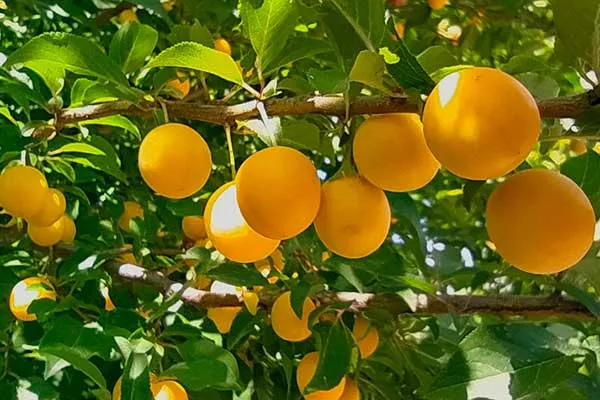
A distinctive feature of this variety is its high productivity. The first plums appear 3-4 years after planting. They are large and sweet. On average, 135 centners of plums are harvested from a 1-hectare plot.
Rules for planting crops
Growing a plum tree requires adherence to a number of conditions and rules. Let's look at the key aspects to consider when cultivating and caring for this variety.
- ✓ The optimal soil acidity for the Ural Golden plum should be between pH 6.0 and 7.0. Testing and adjusting the soil acidity is essential before planting.
- ✓ The groundwater depth should not exceed 1.5 m. If the water is too close to the surface, it can lead to root rot.
Selecting a site and preparing the soil
Choose sunny or partially shaded areas. The soil should be fertile, well-drained, and neutral in pH. Conduct a soil analysis and apply fertilizer if necessary.
It is important to protect the plant from cold winds and frost, so it is better if the site is located near fences, hedges or other structures.
Planting and fertilization rules
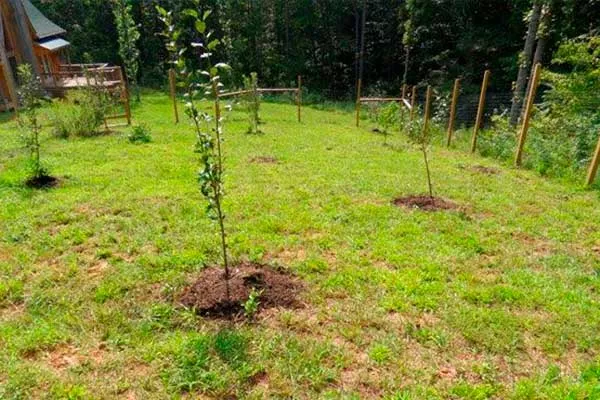
The optimal time to plant plum trees in the ground is autumn or early spring, when the plant is best established. Space the seedlings approximately 4-5 m apart to ensure they have ample space to grow and develop. When planting, deepen the root system by 5-7 cm, then water thoroughly.
Care
Caring for the crop is not particularly difficult, so even a novice gardener can easily handle it. It's important to follow simple agricultural practices to improve productivity.
Trimming
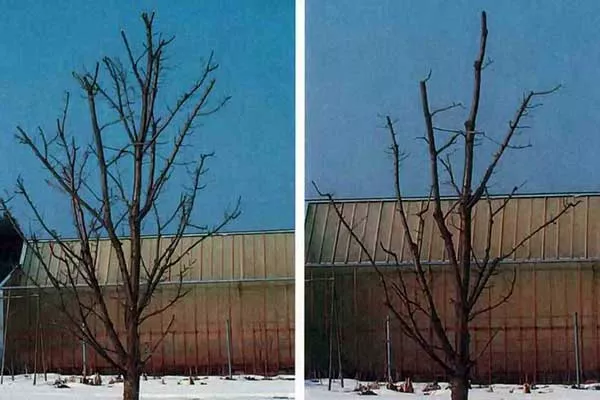
Pruning is important for shaping the tree's crown and maintaining its health. Perform this procedure in early spring, before the sap begins to flow. Remove weak and damaged branches, as well as those growing inward. Formative pruning will help ensure good light and ventilation, which reduces the risk of disease.
Watering
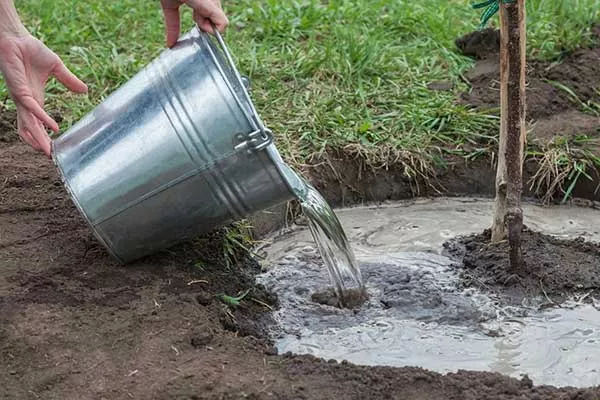
The crop requires regular watering, especially during periods of active growth and fruiting. Carefully monitor the soil and avoid both overwatering and drought.
Top dressing
Fertilize in spring and fall. In early spring, use nitrogen-rich fertilizers to stimulate growth, and in mid-fall, use potassium-phosphorus fertilizers to prepare the tree for winter.
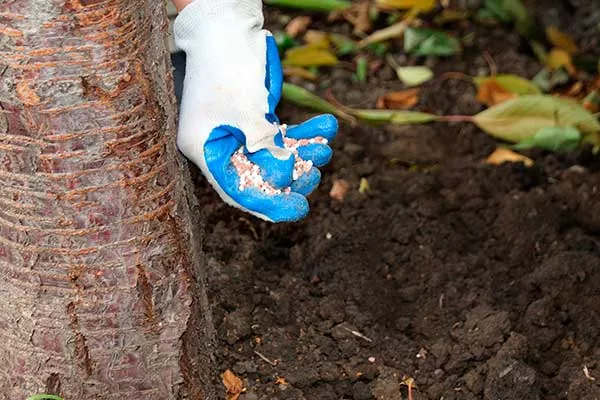
Use both organic and mineral fertilizers, such as humus, compost, superphosphate and wood ash.
Shelter for the winter
To protect young seedlings from frost and cold winds during the winter, cover them with burlap, agrofibre, or special winter covers.
Mulch the base of the tree with a layer of humus or sawdust, which will help retain heat in the roots and protect them from frost.
Reproduction
The Ural Golden plum is a popular variety known for its frost resistance and abundant fruit production. There are several ways to increase the number of seedlings in your garden, preserving the plant's valuable characteristics.
The main methods of plum propagation:
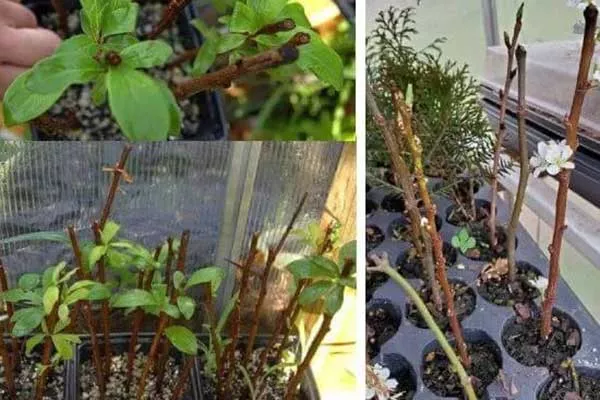
- Cuttings. Select one-year-old shoots 15-20 cm long and cut them in early summer. Root the cuttings in a greenhouse or in moist soil, creating optimal conditions for root formation. This method allows you to quickly obtain new plants while maintaining the varietal characteristics.

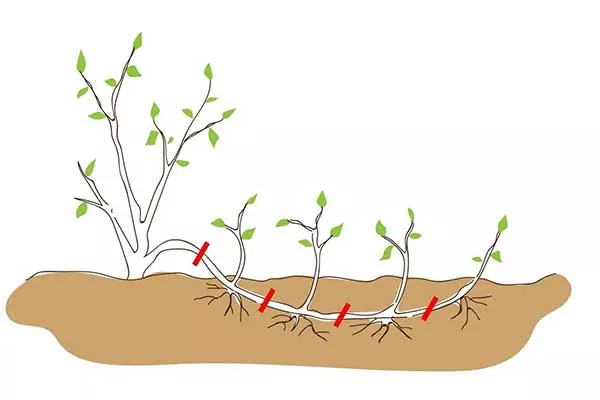
- Rooting by layering. Select young shoots, bend them to the ground, and cover them with soil. After a few months, when roots have formed, separate the cutting from the mother plant and transplant it to its permanent location.
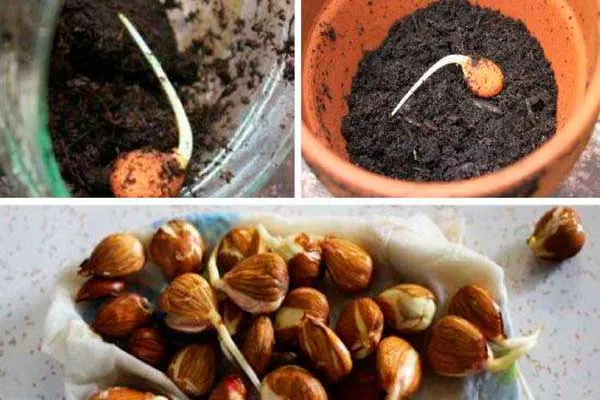
- Seed method. This propagation method requires more time and effort, but it produces new plants. Prepare the planting material in advance: soak and stratify it to simulate winter conditions. Then, plant the seeds in the soil, where they germinate and develop into young plants.
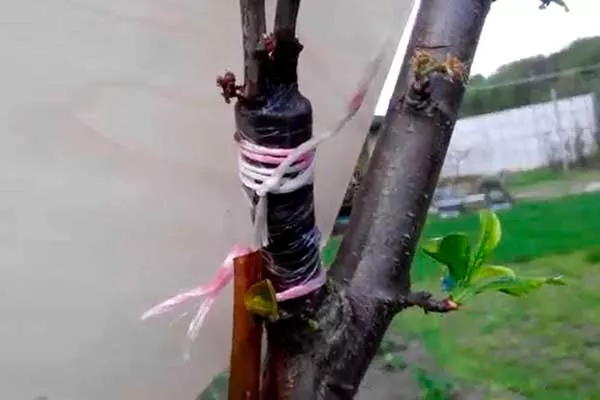
Please note that this method may lead to loss of varietal characteristics. - Graft. This procedure is used to improve plant characteristics. Combine the crop with more disease- and pest-resistant rootstocks. This method preserves all the best qualities and accelerates growth.
| Method | Time to first fruiting | Preservation of varietal qualities |
|---|---|---|
| Cuttings | 3-4 years | High |
| Rooting by layering | 4-5 years | High |
| Seed method | 5-7 years | Low |
| Graft | 2-3 years | High |
Each of these methods has its own characteristics and requires a specific approach. The choice of propagation method depends on available resources and the desired result.
Protection from diseases and pests
The Ural Golden plum has a strong immune system, but if not properly cared for, it can be susceptible to certain problems. It's important to address these issues promptly:
| Disease/Pest | Causes/Symptoms | Treatment methods |
| Fusarium wilt | Wilting and yellowing of leaves, drying of shoots. | Use of fungicides (Previkur, Topsin). Removal of infected parts of the tree. |
| Ascochytosis | Gray-brown spots on leaves and fruits, bitterness. | Treatment with Bordeaux mixture or copper sulfate. Removal of affected areas. |
| Powdery mildew | White coating on green mass, decreased yield. | Spraying with fungicides (Topaz, Strobi). Using sulfur and soap solutions. |
| Cladosporiosis | The appearance of brown spots on the leaves and their premature fall. | Fungicide (Hom) is effective. Remove damaged parts. |
| Plum leaf roller | Bending and curling of leaves, appearance of caterpillars. | Use of insecticides (Actellic, Karbofos) during the period of active reproduction. |
| Plum codling moth | Worms inside fruits, rotting. | Removal of infected fruits, treatment with insecticides before flowering and during fruit formation. |
| Aphid | The presence of sticky secretions on the leaves, curvature of the shoots. | Spraying with soap solution or insecticides (Fitoverm, Confidor). |
Positive and negative qualities
The undeniable advantages of the Uralskaya Zolotistaya variety make it particularly attractive among other northern fruit crops. Key benefits:
Among the disadvantages of this variety, some gardeners note the need for pollinators.
Reviews
The Ural Golden plum is one of the most popular varieties, especially in northern regions. It attracts gardeners with its high frost resistance, abundant fruit production, and superb flavor. It's important to understand the characteristics of this cultivar, its cultivation techniques, and its benefits to strengthen your immune system and ensure bountiful harvests every year.