
The Cistena plum is a unique variety that has captured the attention of gardeners with its excellent taste and decorative appearance. It attracts not only with its abundant blooms but also with its relatively easy care. With minimal care and simple farming practices, you can grow high-quality fruit, strengthen your immune system, and increase productivity.
Selective origin
It has been known for a long time and is considered a classic American variety. There are several theories about its origin, and according to one, the Cistena was created by crossing the Pissard plum with the sand cherry.
The concept of plum and its features
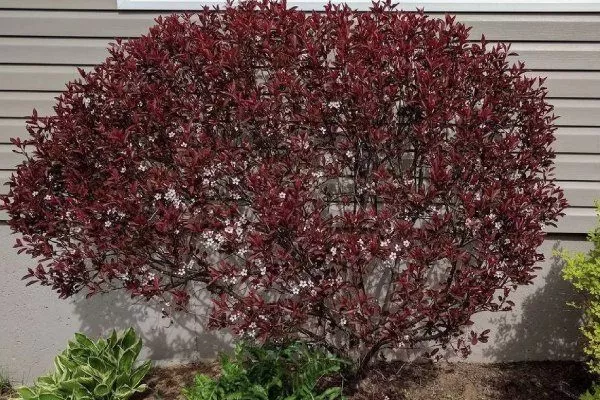
Gardeners appreciate this plant not only for its delicious fruits but also for the attractive color of its leaves, shoots, and bark. This variety is often grafted onto standard trees, which gives it an even more decorative appearance.
The appearance of the tree
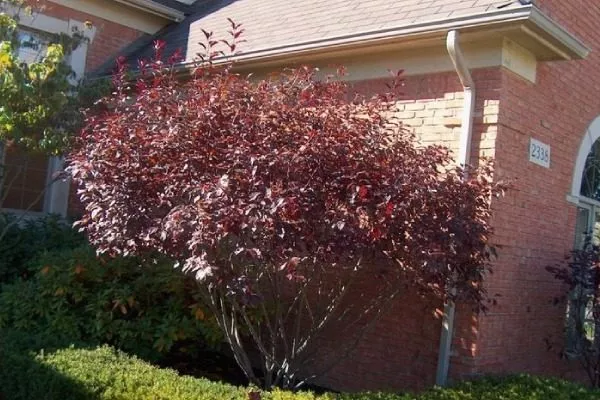
This low-growing plant doesn't exceed 2-2.5 meters in height. Its crown is dense and wide, with branches growing irregularly in different directions. Unlike columnar varieties, Cistena has a spreading habit.
Other features:
- Escapes – covered with shiny dark red bark.
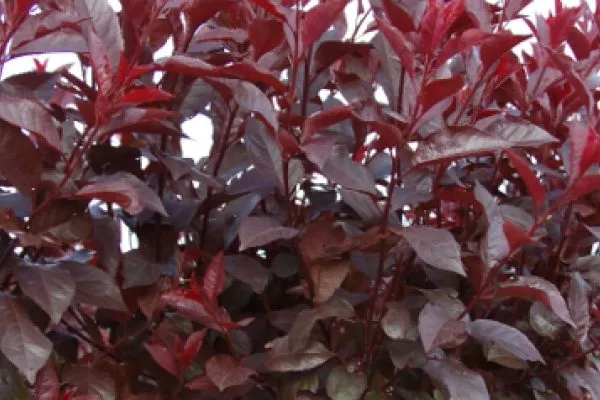
- Leaves - Elongated, dark red, varying from brown to purple, arranged alternately, with serrated edges, and ranging in shape from obovate to acute elliptical.
- Flowers - They attract with their bright aroma and unusual coloring: initially light pink, they gradually turn white with red dots in the center. They are solitary, simple, and up to 2.5 cm in diameter.
- ✓ The leaves of the Cystena plum have a unique dark red color with variations from brown to purple, which distinguishes it from other varieties.
- ✓ Flowers change color from light pink to white with red dots in the center, which is a distinctive feature of the variety.
Fruits and their taste characteristics
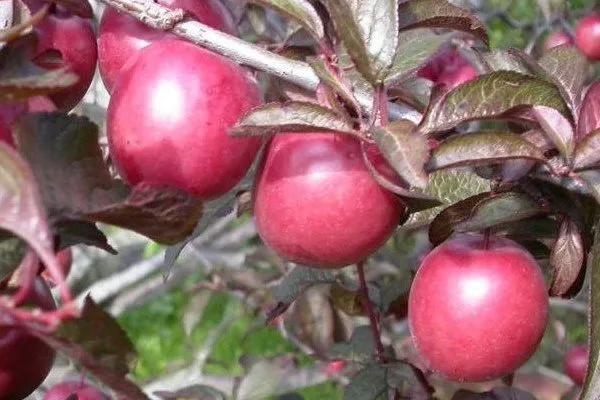
The fruits are small, up to 2 cm in diameter and weighing 25-35 g. The flesh is juicy, slightly green, with a sweet and slightly tart flavor. They can be stored for 1.5-2 months without losing their flavor or commercial qualities.
Application
Cistena is prized not only for its flavor but also for its ornamental qualities, making it popular in landscape design. Thanks to its compact size, spreading crown, and vibrant dark-red leaves, the tree is often used to create color accents in gardens and parks.
In cooking
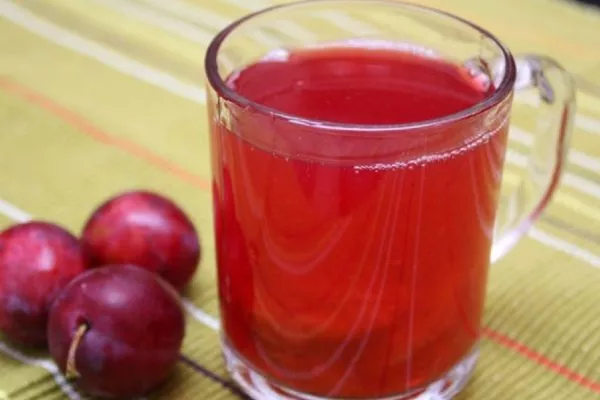
The fruit is eaten fresh and used to make a variety of preserves, including jams, jellies, and marmalades. Thanks to its juicy flesh and distinct flavor, plums are ideal for baking, pies, desserts, and fruit salads. The fruit is also used to make flavorful compotes and sauces.
In landscape design
This medium-sized ornamental plant is ideal for most gardens thanks to its abundant spring blooms and vibrant appearance. It is used to create both formal and informal hedges thanks to its dense canopy.
Ripening period and yield
Cistena begins to bear fruit approximately 3-4 years after planting. After flowering in May, a few ovaries appear at the ends of the branches, which ripen within 50-60 days. The fruit harvest period lasts from early to mid-autumn.
Productivity is quite good – up to 15 kg of fruit can be harvested from one tree, which is significantly inferior to other varieties.
Growing principle
Both novice and experienced gardeners can handle this crop. The planting process doesn't require much time or effort. The key is proper and thorough preparation, which determines the final result.
Selection and purchase of planting material for plum Cysten
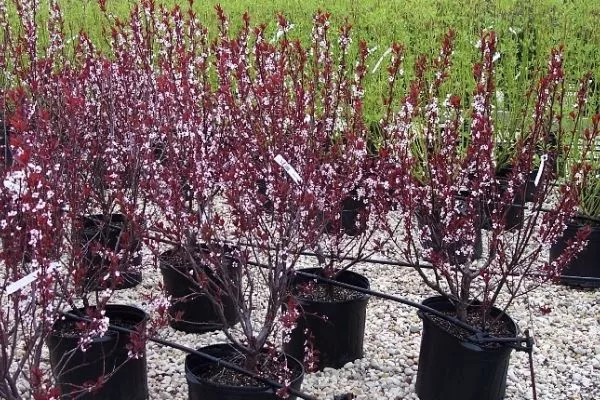
Purchase seedlings only from specialized garden centers or nurseries that specialize in plant propagation. Young trees are often sold in plastic pots with slow-release fertilizer added, allowing for easy removal without damaging the roots.
Taller seedlings are often sold with a root ball wrapped in wire mesh. Before purchasing, be sure to inspect the planting material: the shoots are reddish-burgundy. The branches should be strong and healthy, without visible damage or signs of disease. The soil in the container should be clean and moist.
Choosing a location and soil for planting the Cistena plum
The plant prefers sunny locations, which allows the shoots and foliage to fully reveal their beauty. Planting in light shade is acceptable, especially if it occurs during midday.
Helpful tips:
- Choose a place protected from strong winds and drafts.
- The groundwater level should be low, since the plum does not tolerate moisture close to the roots.
- The tree thrives in fertile soils, preferably loamy soils with good water and air permeability. The soil should be neutral or slightly alkaline, though a slight increase in alkalinity is acceptable.
- Before planting, carefully prepare the selected area: dig thoroughly to a depth of about 40 cm.
- ✓ The optimal soil acidity for the Cystene plum should be within the pH range of 6.5-7.5, which ensures the best absorption of nutrients.
- ✓ The distance between seedlings when planting should be at least 3 meters to ensure sufficient space for the growth of the root system and crown.
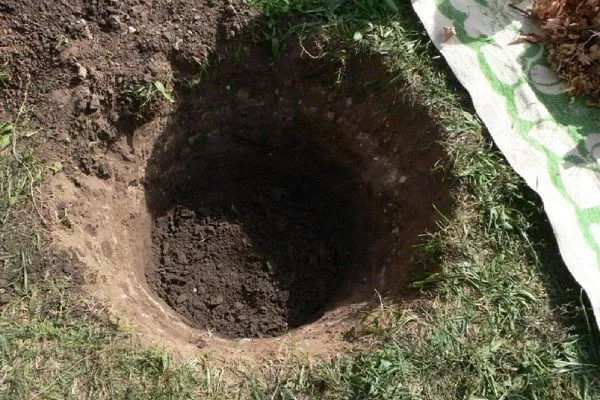
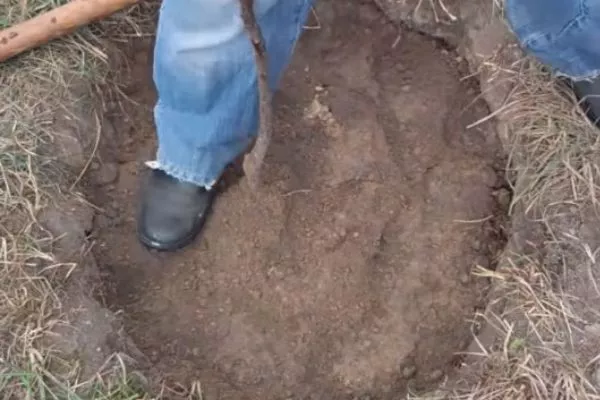
Prepare the holes in advance, preferably in the fall (at the very least, 2 weeks before planting), digging holes twice the size of the seedling’s root system.
Planting technology of plum Cystene
Plant seedlings in spring or fall, but gardeners recommend spring planting, especially in temperate climates, so that the plant has time to take root and grow strong before winter.
Step-by-step instructions:
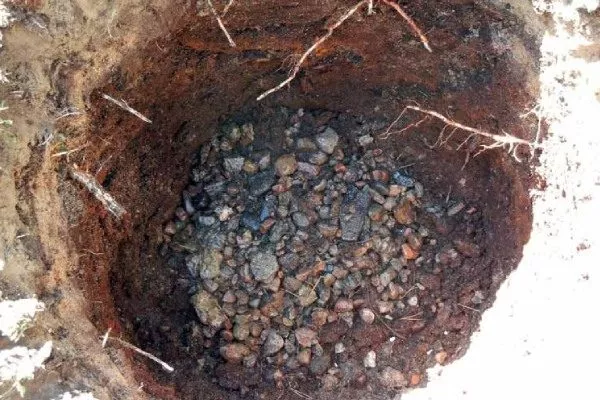
- Place a drainage layer at the bottom of each hole, especially if the groundwater level is close. Broken brick or small stones are suitable.

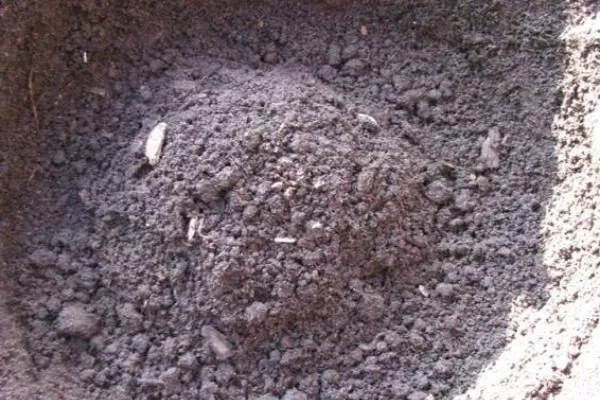
- Create a small mound of fertile soil. If you purchased bare-root seedlings, soak them in water.
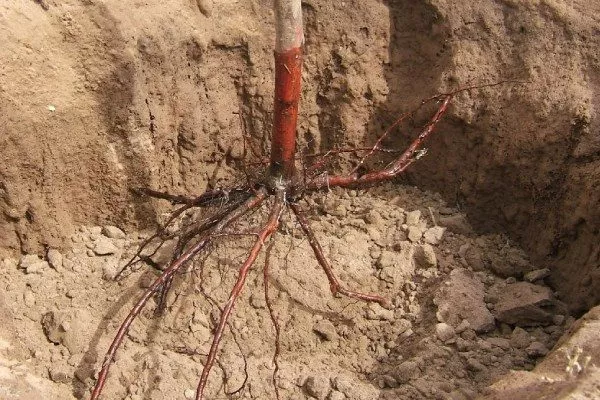
- Carefully place the plants into the prepared holes. If they were grown in containers, water them thoroughly to facilitate removal, and place them in the hole along with the root ball.
- Fill with soil so that the root collar is 4 cm above the surface, pack tightly so that there are no voids.
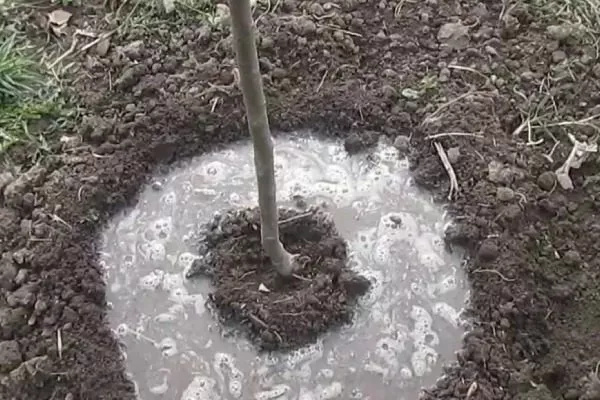
- Water generously and mulch with peat or sawdust to prevent excess moisture evaporation.
Plant care
Caring for your crop won't require much time or effort. Simply follow these simple agricultural practices:
- Watering. Cistena isn't particularly demanding when it comes to moisture, but regular watering is necessary, especially for young trees. Water the soil approximately 4-5 times during the growing season.
Water thoroughly once in the fall before winter. After planting, water the seedlings 1-2 times a week, and in hot weather, up to 3 times every 7 days. - Top dressing. Apply organic fertilizers every three years, combining them with loosening the soil around the tree trunk. Apply mineral fertilizers every two years: nitrogen fertilizers in the spring, and phosphorus and potassium fertilizers in the fall.
- Trimming. The crown is formed by shortened shoots placed close together. Regular pruning is important, especially if the seedlings are planted as a hedge.
Perform sanitary pruning annually in the spring, removing damaged and broken branches. Perform formative pruning once a year, removing weak or overcrowded specimens and shortening shoots.
In southern regions, no shelter is required. If the plant grows in colder climates, insulate it by mulching with sawdust and fallen leaves, and wrap the trunks with thick material or pine branches to protect them from rodents.
Diseases and pests
Cystena has a good immune system, but if improperly cared for, it can suffer from coccomycosis, moniliosis, and fruit rot. The most common pests are flea beetles and aphids.
Propagation of plum Cysten: the most common methods
You can increase the number of seedlings in your garden yourself using appropriate methods. This plant, like other members of the Rosaceae family, can be propagated by both seed and vegetative means. It's important to choose the most suitable method for you.
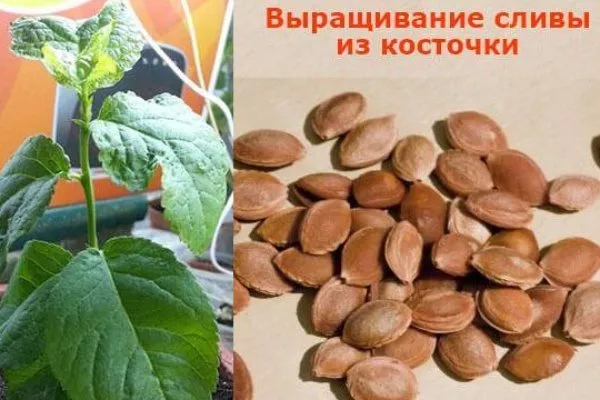
With a bone
Wait until the fruits are fully ripe, then remove the pits. Wash and dry them thoroughly, then wrap them in a damp cloth and place them in the refrigerator for stratification from mid-autumn to early March.
Next, follow the rules:
- In March, plant the seeds in prepared pots with nutritious soil.
- Further care includes regular watering, fertilizing and ventilation until the seedlings appear.
- In the fall, when the seedlings grow and become stronger, plant them in a greenhouse for further growth.
After another year in the greenhouse, transplant the trees to a permanent location or use them as rootstock to produce a plum hybrid.
Root suckers
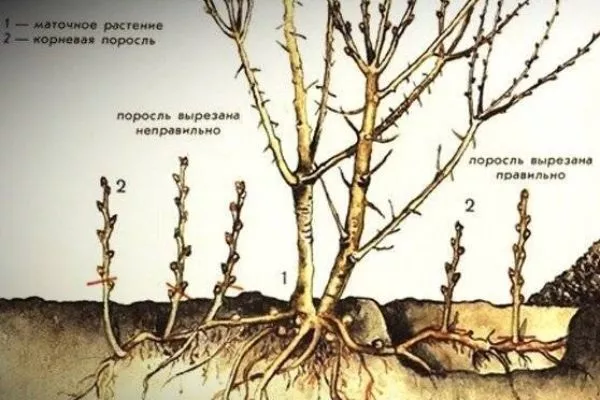
This method of propagation is the most common, as plum trees produce a large amount of usable shoots. Helpful tips:
- Choose a strong and healthy shoot that is located at a sufficient distance from the mature tree.
- Carefully dig up the root of the selected specimen and cut it off from the mother plant approximately 20 cm from the trunk using a shovel or knife.
- Carefully remove the cutting from the soil. To prevent infection, treat the cut surfaces with garden pitch.
After this, plant the cutting in its permanent location. If the shoot is too small, wait until it gains strength.
Green cuttings
This method ensures a high survival rate for young seedlings. Perform this procedure in June. Cut the planting material early in the morning or on a cloudy day.
Step-by-step instructions:
- Select strong, healthy shoots from a young tree and cut cuttings 30-40 cm long. Using a sharp knife, trim the bottom and remove the leaves at the bottom, leaving only the petiole. Make the top cut just above the top leaf.
- Place the cuttings in a container of water for a while. Then, tie them together and soak them overnight in a rooting solution, such as Heteroauxin.
- Prepare a container with peat and sand, water it generously, and compact the surface. Root the cuttings at a 45-degree angle, planting them down to the first leaf, leaving 5-7 cm between them.
- Cover the container with a transparent dome and place it in a place protected from direct sunlight.
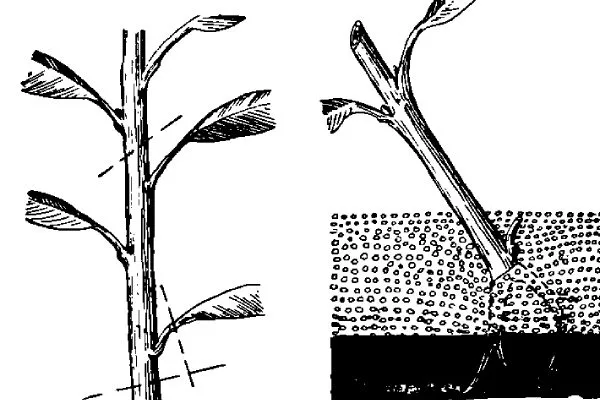
Store them in a basement or bury them in a trench, covering them with sawdust. Next spring, plant the cuttings in a greenhouse and grow them for two years.
By vaccination
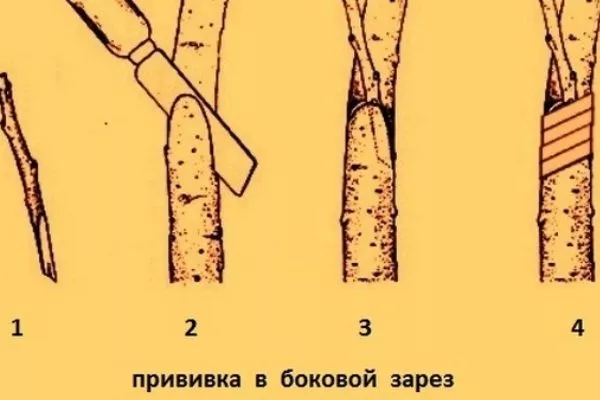
You'll need a rootstock and a scion. There are several methods of grafting. One is bud grafting. Make a T-shaped cut on the rootstock, then carefully peel back the bark. Cut a bud with a strip of bark from the varietal scion, then insert it into the cut. Press the bark down firmly, and wrap the grafting site with tape.
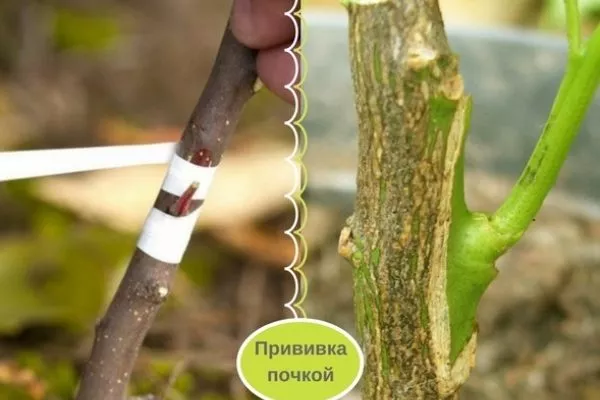
A popular method of grafting is using scions: use a sharp knife to make a cut in the rootstock up to 2.5 cm long and 1.5 cm deep. Cut the bottom of the scion at an angle to match the cut in the rootstock. Place the scion in the cut and wrap it in budding film.
Advantages and disadvantages
Before planting a crop on a plot, carefully study its positive and negative qualities to avoid possible difficulties.
Cistena has many advantages:
Among the disadvantages, some gardeners note:
Reviews
The Cistena plum is a good choice for those looking to decorate their garden and enjoy juicy, sweet fruits. Despite some care nuances, this variety deserves attention due to its varietal characteristics. By following the planting and care recommendations, you can grow a healthy and high-yielding tree.