
The Top Giant plum will generously reward you with delicious fruit. This variety has many positive qualities, making it easy to grow even for novice gardeners. It's easy to maintain, but requires following some important guidelines. With proper care and a little attention, you'll reap abundant and bountiful harvests every year.
Botanical characteristics
The variety's name speaks for itself: its distinctive feature is its large fruits. The trees require special attention and specific growing conditions. With proper care, they can delight with a bountiful and high-quality harvest.
| Name | Tree height | Leaf shape | Flower color |
|---|---|---|---|
| Tree | 4 m | Lanceolate | White |
| Leaves | Not specified | Lanceolate | Not specified |
| Flowers | Not specified | Not specified | White |
| Fruit | Not specified | Not specified | Not specified |
Tree
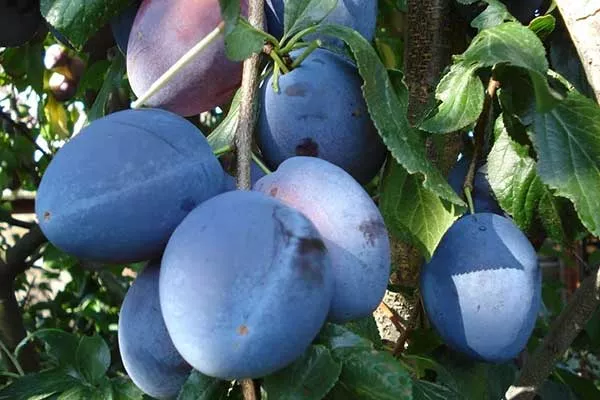
Medium-sized plants do not exceed 4 m in height. The canopy is medium-dense, ensuring good sunlight penetration. Strong and vigorous shoots require no additional support, even with a bountiful harvest.
Leaves
They are usually small, lanceolate, and have serrated edges. The outer surface is more intensely colored than the inner surface. The foliage is moderate, and the edges are curved inward.
Flowers
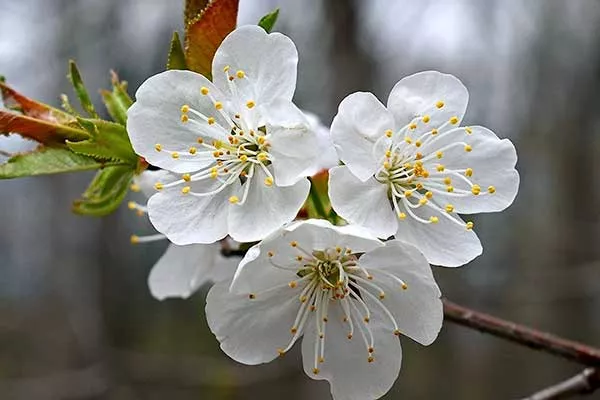
Large, white flowers, they can grow singly on branches or form clusters of varying sizes.
Fruit
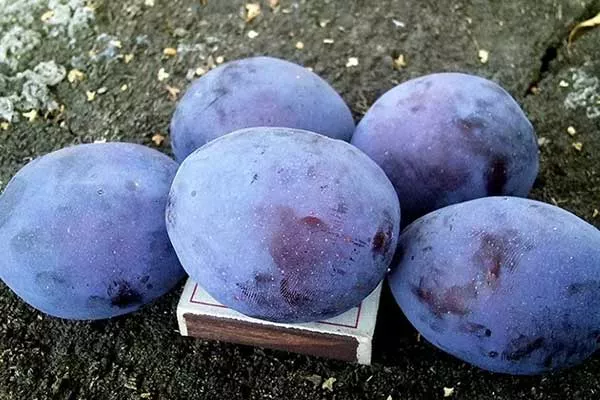
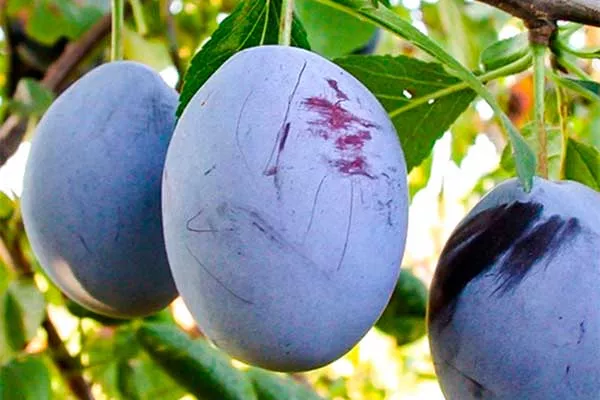
The fruits are ovoid, with a noticeable bloom on the skin. Their color ranges from yellowish to reddish or purple.
Distinguishing characteristics:
- The weight often exceeds 100 g.
- The pulp is juicy, rich yellow in color, and the stone separates with moderate difficulty.
- Thanks to their good transportability, plums can be stored for a long time and withstand long-distance transportation without the risk of damage.
The taste of the fruit can hardly be called cloyingly sweet; it lacks a bright sweetness, while there is no sourness.
Peculiarities
The Top Giant variety has excellent varietal characteristics. The trees are resilient to stress even during heavy fruiting, and the juicy, rich-flavored flesh makes this variety attractive to consumers.
Frost resistance
This variety has low frost resistance, so the trees require special care and attention during winter. Prolonged exposure to low temperatures can cause fruit size reduction.
Before the cold weather sets in, prepare the plant: spread wood ash or manure around the trunk. If necessary, wrap it with spruce branches, humus, or peat, and whitewash it. After the snow falls, pile a snowdrift around it for additional protection.
If chemical treatment is used, complete it a month before the onset of cold weather. Cover young seedlings completely for the winter.
Pollinators
Top Giant is a self-pollinating variety, but for improved flavor, plant cherry plum, plum, or other varieties nearby. It's important that their flowering and budding periods coincide.
Fruiting, ripening period and yield
The variety begins bearing fruit in the third year after planting, and the harvest is in August. In regions with moderate and cold climates, the harvest period shifts to the second ten days of September.
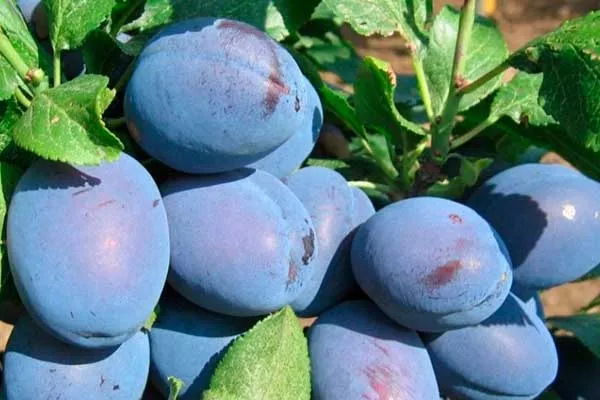
This variety has excellent productivity. With proper care, a single tree can produce up to 60 kg of fruit.
Regions for cultivation
The plant thrives in the Moscow region and central Russia. It overwinters well in the Urals and Siberia, but in regions with short summers, it may not have time to fully fruit.
How to store and use the fruit?
After harvesting, store plums in a cool, dark place at 0-5°C. This will help preserve freshness and prevent rotting. Provide moderate humidity to prevent drying out. The optimal level is 85-90%.
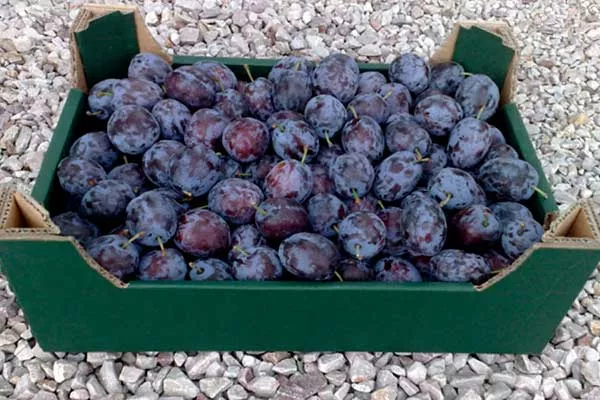
Place the fruit in ventilated plastic containers or boxes. Remember to stack them in a single layer to prevent damage. Check the fruit regularly for rot or damage and remove any damaged fruit.
The fruits are great for snacking and adding to salads. Their sweet flavor and juicy flesh are perfect for summer meals. They are used to make jams, compotes, and jellies, preserved in syrup, and added to baked goods. Plums make delicious marinades and fruit drinks.
Subtleties of planting
Growing the crop is a simple process, but it does require following certain guidelines. There are several key aspects to consider.
Choosing a location
The tree prefers sunny, well-lit areas, requiring 6-8 hours of sunlight per day. Helpful tips:
- Give preference to places where it will receive sufficient sunlight.
- The plant grows well in areas with good air circulation.
- Avoid planting the seedling near high fences, building walls, or other obstacles that may impede air movement.
Choose level sites with well-drained soil, as this variety does not tolerate flooding or standing water. Avoid low-lying areas or areas with poor drainage.
Soil preparation
Thoroughly clear the soil of weeds and other plants. Then dig to a depth of about 30 cm, remove any remaining roots and stones, and level the surface.
Next, follow these steps:
- To enrich the soil, add mineral and organic fertilizers. A complex fertilizer containing nitrogen, phosphorus, and potassium works well. For organic matter, choose humus or compost.
- After applying fertilizer, re-cultivate the soil: loosen or loosen it deeply. Firm the soil surface to avoid creating depressions.
- Dig a hole 60 cm deep. The distance between rows should be 3 m, and between seedlings – 2 m.
- ✓ The optimal planting depth for a seedling should be at least 60 cm to ensure stability and proper development of the root system.
- ✓ The distance between trees should be at least 3 m, and between rows - 4 m to ensure sufficient space for growth and access to sunlight.
Complete the preparation by watering the area to achieve optimal soil moisture.
Planting method
To successfully grow the Top Giant plum, follow these important recommendations. Step-by-step instructions:
- Place the seedling vertically in the hole.
- Carefully straighten the roots.
- Fill the hole with soil, compact it tightly and moisten it.
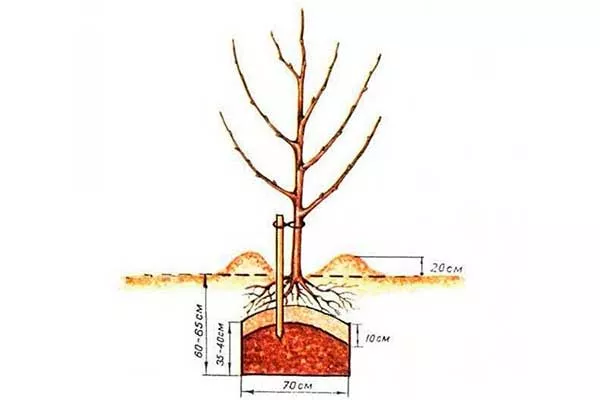
If carried out correctly, the procedure will ensure successful plant development and a good harvest.
Caring for the Top Giant plum
Caring for the crop is crucial to ensuring its health and fruiting. Without proper care, the plant may encounter problems that negatively impact the quality and quantity of fruit.
Watering
The tree does not tolerate overwatering. To maintain optimal water balance, water the plant frequently but moderately. The amount depends on weather conditions: on hot days, water daily, ensuring sufficient moisture.
Drip irrigation is a great option because it distributes water evenly across the root zone, preventing flooding.
Top dressing
Organic fertilizer is the main source of nutrients for the plant. Use compost or humus, incorporating it under the plant's root system. Mineral compounds containing nitrogen, phosphorus, and potassium are beneficial, promoting vigorous growth and improving fruit production.
Apply mineral fertilizer twice a year – in spring and fall. To do this, dissolve the fertilizer in water and pour it under the roots. Monitor the plum tree's condition and its response to the fertilizer: if the leaves turn yellow or become sunburned, adjust the dosage.
Protection from diseases and pests
Top Giant is susceptible to various diseases and pests. To protect the plant, monitor its condition and take appropriate measures:
- Moniliosis. Affects fruits, flowers, and tree branches. To prevent the disease, regularly treat the tree with copper-based products or fungicides.
- Plum fly. They lay eggs in fruit, which can cause spoilage. To prevent damage, spray trees with insecticides in early summer.
- Plum ground beetle and horsefly. They feed on leaves and fruits. Insecticides or mechanical methods, such as hand picking, can help control pests.
| Method | Efficiency | Period of application |
|---|---|---|
| Insecticides | High | The beginning of summer |
| Mechanical harvesting | Average | As pests appear |
| Fungicides | High | Before flowering |
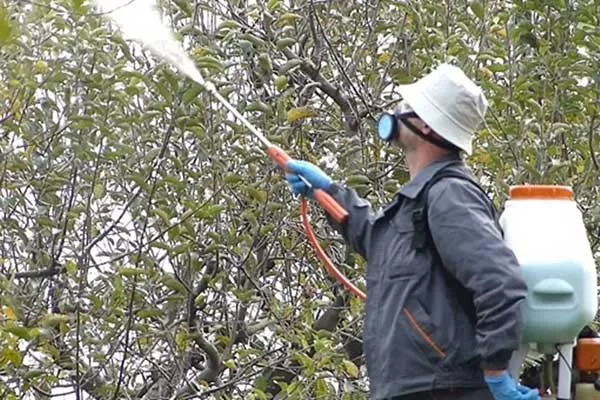
Despite possible diseases and pests, the variety demonstrates high resistance to them, which simplifies care and protection.
Pruning the Top Giant plum tree
The main pruning period is in the spring, before the plant begins active growth. During this period, remove all dried or damaged branches, as well as those that shade others and block sunlight.
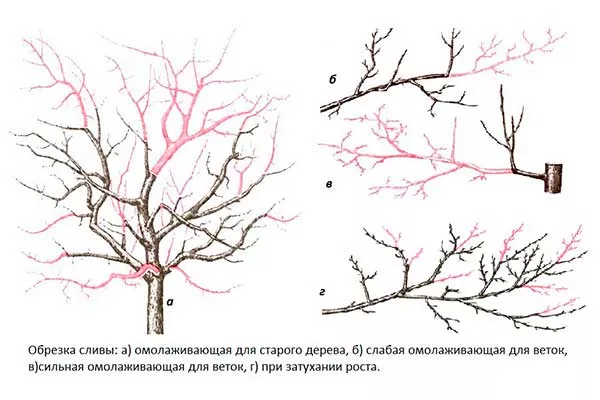
Follow these recommendations:
- The tree has an erect growth habit. Therefore, remove only broken and misdirected branches, avoiding excessive pruning.
- Perform moderate pruning to maintain a healthy crown. This will ensure adequate light and airflow, reducing the risk of disease and pests.
- Use sharp gardening tools to make neat cuts. After pruning, treat the areas with horticultural wax or glue to prevent rot and infection.
Frequent and severe pruning can negatively impact growth and yield. Therefore, adjust the amount of pruning based on the plant's condition and needs.
Positive and negative qualities
Before planting a crop, carefully study the advantages and disadvantages to avoid possible difficulties.
Reviews
The Top Giant plum is one of the most popular varieties, recognized for its large, sweet fruits and good productivity. It is characterized by early fruiting and disease resistance, making it an ideal choice for both experienced gardeners and novice amateurs. It is important to learn the planting guidelines and provide proper care.