
The Svetlyachok plum attracts gardeners with its striking appearance and good productivity. Its low maintenance and adaptability to a variety of climates have earned it popularity among both amateur and professional growers. It's important to understand its key characteristics and ensure proper care.
History of selection
Developed by a group of breeders from the Michurin All-Russian Research Institute, including G. A. Kursakov, R. E. Bogdanov, L. E. Kursakova, and G. G. Nikiforova, it was obtained by crossing Volzhskaya Krasavitsa and Eurasia 21. Breeding was completed in 2004, and in 2011, following variety testing, it was added to the State Register of Breeding Achievements of the Russian Federation.
The concept of a plum
A houseplant, the Firefly is prized for its competitive qualities. It's popular among both novice and experienced gardeners due to its many positive attributes.
Characteristics of the tree's appearance
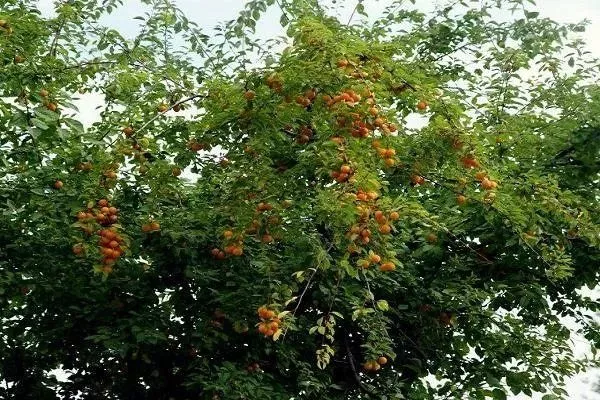
The plant is medium-sized, with a spreading, upright crown of medium density. Distinguishing features:
- Escapes – Thin, straight, brownish-brown in color. A pubescent surface is visible.
- Leaves - Elongated, elliptical in shape, medium-sized. They have a matte, smooth surface and serrated edges. Color: dark green.
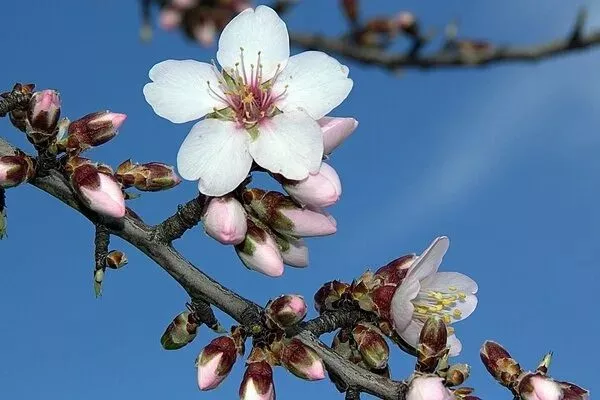
- Flowers – white, small, with stipules that fall off early.
- Petioles – pigmented, medium length.
Description of fruits
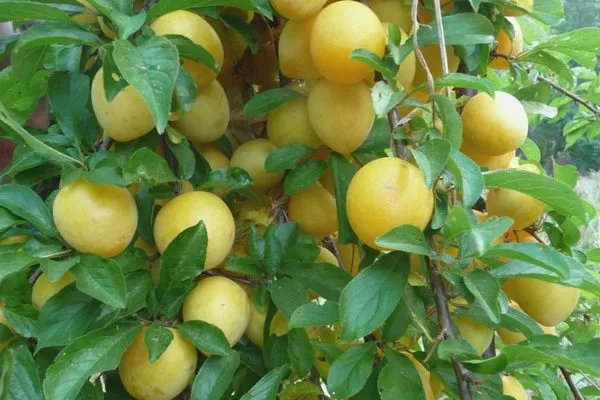
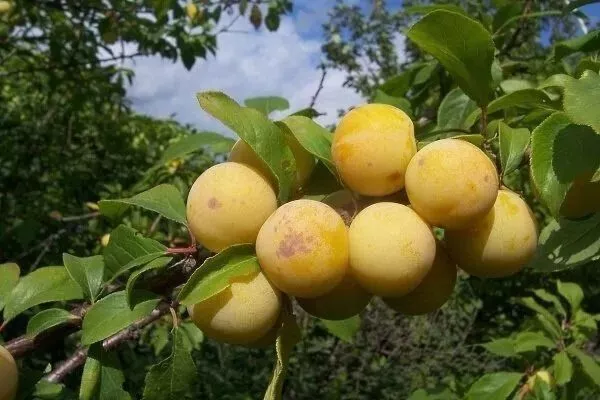
The fruits are broadly round and yellow in color. The weight of a single plum ranges from 37 to 40 g. Other characteristics of the fruit include:
- There are barely noticeable grey subcutaneous dots on the surface.
- The skin is of medium thickness, smooth.
- The pulp is juicy, yellow in color, and the stone separates easily.
- The taste is sweet and sour.
- Contains 14.05% dry matter, 13.0% sugars, 0.97% acids and 6 mg/100 g ascorbic acid.
- Tasting score: 4.3 points.
The fruits are versatile: they can be eaten fresh or processed into jams, compotes, and marmalades. They have average transportability and good shelf life.
Drought resistance, frost resistance
Characterized by high frost and drought resistance, the tree can withstand temperatures down to -20 to -22°C and copes with recurrent spring frosts.
The plant thrives in prolonged hot weather, provided it is watered regularly. However, it is sensitive to drafts and excess moisture, especially stagnant water.
Productivity and fruiting
Firefly begins bearing fruit in the fourth year after planting. Flowering begins early, in mid-April, and the harvest begins in early autumn. Productivity is excellent – under favorable conditions and proper care, a single mature tree yields approximately 60 kg of ripe fruit.
Ripening time and harvest
This crop ripens early and produces fruit regularly. Depending on the weather, harvesting can last until the second ten days of September. Store the fruit indoors or in a cellar, where it will retain its marketability and flavor for 15-25 days.
Pollination, flowering and pollinators
During the flowering period, which occurs from May 10th to 20th, the crown is covered with a multitude of snow-white flowers. This variety is partially self-fertile, so to increase its yield, it requires pollinators with similar flowering periods. Ideal companions include 'Renklod Urozhny', 'Renklod Kolkhozny', and 'Mayak'.
Transportability
For long-distance transport, harvest the fruit approximately one week before it's fully ripe. Ripe specimens are not suitable for transport, as they can quickly lose their integrity and marketability.
Susceptibility to diseases and parasites
Young plants, under three years old, are most susceptible to disease. However, the variety is resistant to diseases such as rust and moniliosis. Mature trees have thick bark, making it difficult for pests to survive the winter, and most of them die.
Growing regions
This mid-season plum variety has become quite popular and has significantly expanded its growing geography in recent years. It is widely cultivated in the Central Black Earth Region, including Lipetsk, Kursk, Oryol, Tambov, Voronezh, Belgorod, and Moscow Oblasts.
Landing
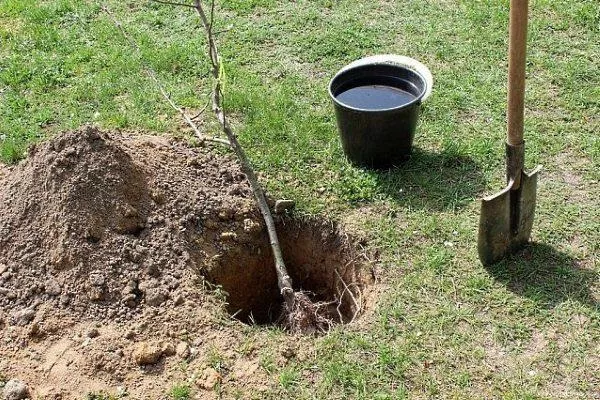
Firefly is very popular among gardeners. For successful cultivation, it's important to provide favorable conditions that will help the young seedlings grow strong.
Rules and terms of planting
Planting times vary by region. Consider climate conditions when choosing the right time. In southern regions, autumn planting is preferable, as the plant doesn't waste energy on foliage production and can focus on rooting.
Choosing a suitable location
The plant prefers well-lit areas with direct sunlight. Trees do not tolerate strong winds, so locations with sheltering structures are desirable.
The plant should not be exposed to cold moisture. Therefore, choose slightly elevated areas to prevent the influence of fog and groundwater.
Growing in marshy areas is not advisable, as the crop does not tolerate excess moisture and is susceptible to fungal diseases. Groundwater should be at least 1.5 meters from the soil surface.
Preparation of planting material
Selecting planting material is one of the key steps in plant cultivation. Choose young plants, 1-2 years old. Pay attention to the condition of the roots.
Carefully inspect the seedling for mold, infections, or signs of pests. If any of these signs are detected, do not purchase it. Purchase planting material from reputable suppliers or specialized nurseries.
Technology of planting operations
Once all preparatory work is completed, proceed to planting. Follow these instructions:
- Dig a planting hole 70 cm in diameter and 50 cm deep.
- In a separate large container, mix 10 kg of humus, 15 g of potassium fertilizer, 60 g of phosphorus fertilizer and 200 g of wood ash.
- Place the prepared mixture at the bottom of the planting hole and sprinkle with a small amount of soil.
- Place the seedling in the hole. If the roots have dried out, soak them in a bucket of water for 2-3 hours.
- Carefully spread the roots along the bottom of the hole, cover the seedling with soil, leaving the root collar a few centimeters above the ground.
- Water the plant generously with warm water, lightly loosen the soil, and cover with a layer of mulch. Use sawdust, straw, or peat, making sure the layer is no thicker than 10 mm.
Aftercare
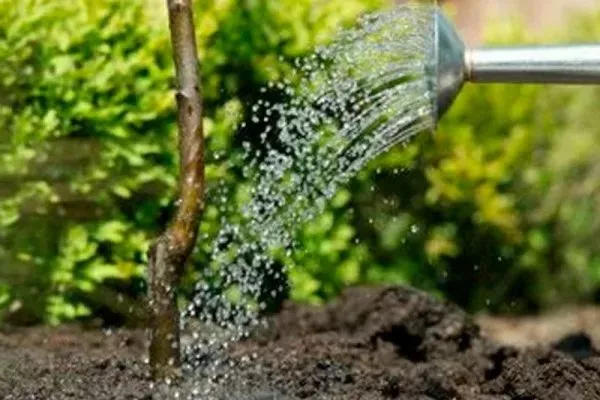
Firefly is not demanding when it comes to growing. It can be successfully grown in a garden without constant attention or care. To achieve good yields, careful attention to the plant is necessary.
Watering frequency
Plum trees require regular watering. One seedling requires 30 liters of water. During the first few weeks after planting, water every three days. Once the plant has established itself, reduce the frequency to once every five days. Before winter and for mature trees, watering once a week is sufficient.
Top dressing
Plum Firefly requires multiple applications of fertilizer at different stages of growth.
In the early stages:
- The first year after planting: use nitrogen-containing compounds.
- Spraying the crown: carry out using a urea solution.
- Summer feeding: includes nitrophoska - for a young seedling, 30 g dissolved in 12 liters of water is enough.
- Mineral fertilizers: The final stage is a mixture of potassium sulfate and superphosphate in equal proportions - add to the ash and dissolve in 10 liters of water.
For mature trees the feeding scheme is as follows:
- Before flowering: Add a nutrient solution of urea and potassium sulfate, dissolving the mixture in water.
- At the stage of fruit ripening: Use a complex fertilizer consisting of 40 g of nitroammophoska and 30 g of urea, dissolved in 10 liters of water.
- After harvesting: A mixture of 30 g of potassium sulfate and 40 g of superphosphate (per 10 liters of water) is effective.
The consumption rate per plant is 20 liters. Additionally, add potassium-containing fertilizer during annual soil digging.
Pruning and crown shaping
When growing a plant, sanitary pruning is an important aspect. This procedure helps prevent the crown from becoming too dense, which in turn reduces the risk of diseases and pests. Perform formative pruning throughout the plant's life.
Prune away unwanted shoots on skeletal branches, remove inward-growing branches, and trim young growth near buds. Pruning stimulates leaf and fruit growth, promoting a bountiful harvest.
Caring for the tree trunk circle
After each watering, loosen the soil to prevent oxygen starvation of the roots. Remove new growth promptly. Mulch the soil after each treatment, using 10 kg of compost.
Protection against parasites and diseases
Despite its strong immune system, the firefly can be susceptible to adverse effects. Failure to follow these recommendations may result in the following problems:
| Disease/Pest | Signs | Treatment |
| Rust | A bacterial disease that causes rusty spots on the leaves. Without treatment, the leaves fall off, and frost resistance decreases. | In the initial stages, use a 1% solution of Bordeaux mixture. As the condition progresses, use Profi, Abiga-Peak, and Pronoz. |
| Clasteoporosis | A fungal disease that appears as large spots (up to 5 cm) on foliage with a pink border. It spreads rapidly. | Treat affected leaves with a 1% Bordeaux mixture during bud break. For severe infestations, a 3% solution is effective. Apply three times before fruit ripening. |
| Dwarfism | A viral disease that slows tree growth and development. Leaves remain small and thin. | Dig up and burn the affected plant. Clean your tools before pruning. |
| Barkwood | Small bark-feeding beetles target young plants. | To destroy the colony, carry out sanitary pruning and use chemicals: Aktara, Vector, Confidor. |
| Goldtails | Small white butterflies that are dangerous to budding plants. The larvae feed on green matter. | Before flower stalks appear, spray with Karbofos (60 g per 7 liters of water). For one young tree, 2 liters of solution is sufficient. |
For successful cultivation, carry out regular preventative measures:
- Remove spoiled fruits and collect fallen fruits in a timely manner.
- Follow the watering schedule, adjusting it depending on weather conditions.
- Harvest your crops in a timely manner.
- Remove old and damaged bark, treat cut areas with protective antibacterial agents.
- Weed the tree trunk area regularly.
- Use biological and chemical preparations for prevention.
- Loosen the soil frequently.
- Attract birds to your garden.
Follow the instructions carefully when fertilizing trees.
Preparing for winter
Includes several key activities. Follow these recommendations:
- Remove diseased and damaged branches, treating the cut areas with ship tar.
- Make sure the soil around the tree is clear. Weed if necessary.
- Feed it to provide it with nutrition during the winter.
- Water the plant generously and loosen the soil to improve air access to the roots.
- Whitewash the trunk to protect it from sunburn and frost.
- Cover the tree trunk area with a layer of mulch made from straw, peat or sawdust to protect the roots from the cold.
Use covering material for additional insulation.
Tips and recommendations for growing
When growing a plum tree, it's helpful to keep a few things in mind. Follow these suggestions:
- When planting a seedling, insert a stake into the hole, placing it 15 cm from the trunk. Secure it with soft cloth or rope for support.
- To make fertilizing easier, make furrows or small holes 80 cm from the trunk. Apply liquid fertilizer into the prepared holes.
- Consider the climate conditions of your region to ensure successful cultivation.
- If you plan to grow a lot of plums, keep general-purpose products on hand for emergency treatment in case of diseases or pests.
- If you have a bountiful harvest, dry the fruits, as they contain a lot of vitamins and sugars.
By following these guidelines, you can grow a healthy and well-maintained plum tree.
Methods of reproduction
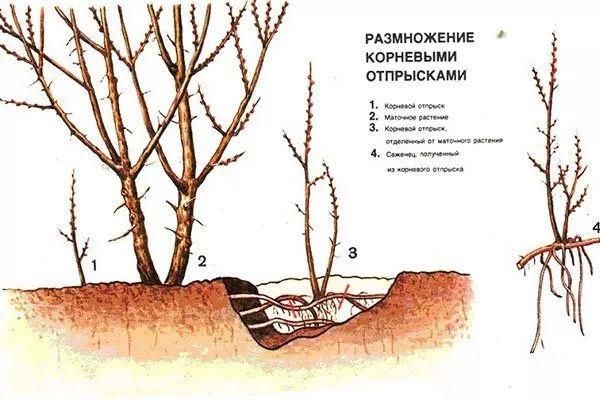
There are several different methods for increasing seedling numbers, each with its own advantages. Choose the best option:
- Seed material. Use the seed of a ripe fruit. Rinse it, dry it, and refrigerate it to stratify until spring. Plant it in the ground at the end of April. Once the seedlings emerge, water them regularly.
- Graft. This method requires the preliminary cultivation of a frost-hardy rootstock or blackthorn seedling. This procedure is carried out in early spring, when the sap begins to flow.
- Root shoots. Dig the seedling at least 1 m from the parent root. Plan to replant it in the fall (mid-October) or early spring. After planting, follow the care instructions, including adding nutrients in the spring to stimulate growth.
Many gardeners prefer to purchase ready-made seedlings from nurseries. When purchasing, carefully inspect the roots—they should not have any hard spots or blemishes, as using infected material can lead to infection of other trees in the area.
Positive and negative qualities
The Svetlyachok plum variety has a number of significant advantages and some disadvantages that are important to consider before growing in the garden. Advantages of this cultivar:
Some gardeners note self-sterility and excessive tree growth as disadvantages. These factors should be taken into account when growing.
Reviews
The Svetlyachok plum is an attractive choice for those seeking a variety with high yield potential and excellent flavor. It's easy to grow for novice gardeners who want to save time on care. With minimal care and adherence to agronomic recommendations, impressive results can be achieved.