
The Startovaya plum is an excellent choice for beginning gardeners, as it requires little time and effort to maintain. Thanks to its tolerance to adverse conditions, this variety will yield generous and abundant harvests, provided proper cultivation practices are followed.
History of selection
The variety was created by crossing two varieties—Eurasia 21 and Volzhskaya Krasavitsa. The work was carried out by breeders from the Michurinsk Research Institute: T. A. Pisanova, G. A. Kursakov, R. E. Bogdanov, and G. G. Nikiforova. It was officially registered in 2006.
Introduction to the variety
The Startovaya variety is highly productive and popular among gardeners. The fruits have a sweet taste and distinct aroma. The trees are disease-resistant and virtually pest-free.
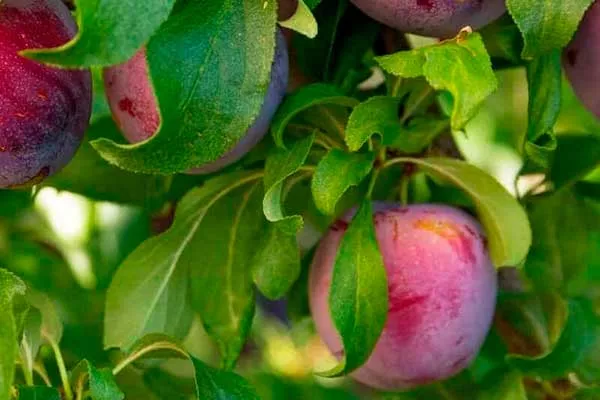
Characteristics of appearance
This medium-sized plant forms a dense, wide, oval-shaped crown. Distinguishing features:
- Escapes – medium thickness, slightly curved, brown in color with a reddish tint and a gray coating on which numerous lenticels are visible.
- Leaves - deep green in colour, with a wrinkled texture, a pointed tip and a wide oval shape with fine ribs along the edges.
- Kidneys – conical, silvery in color.
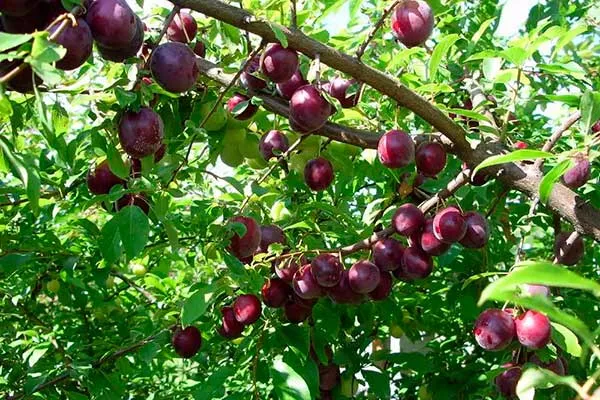
During the flowering period, large bell-shaped flowers with white petals appear on the shoots, and the anthers are located below the pistil.
Fruit characteristics:
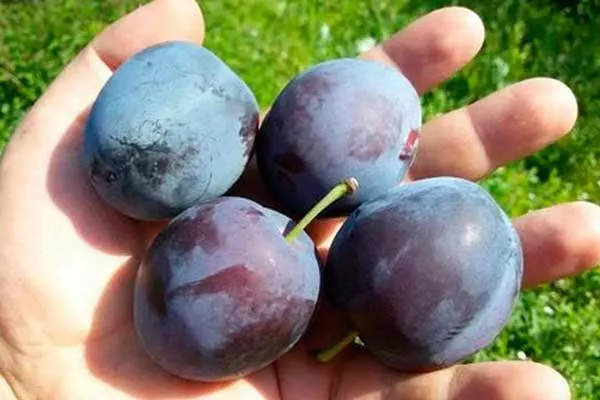
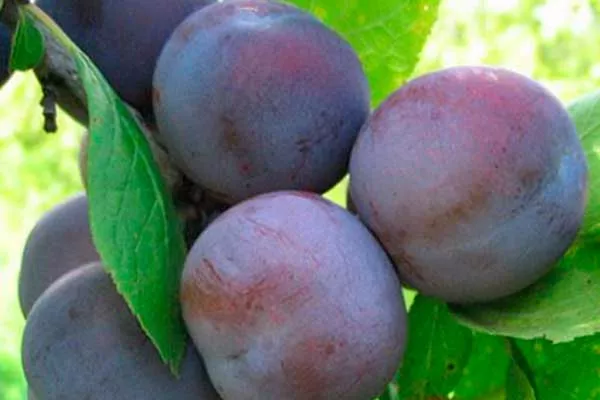
- Weight - varies from 50 to 52 g.
- Form - oval.
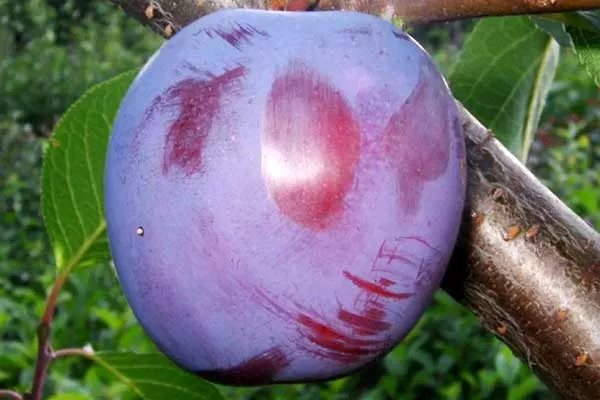
- Shade – Rich purple colour with a dark red finish.
- Peel - medium in thickness, with a pronounced waxy coating, which gives the fruit a good marketable appearance and high transportability.
- Pulp – juicy, yellow, easily separated from the large elongated stone.
Taste qualities
Ripe plums have a pleasant flavor, rated 4.7 out of 5 by tasters. The fruit offers a harmonious balance of sweetness and slight tartness. The fruit's dry matter content is 16.23%, acidity is 2.45%, and sugar level is 8.52%.
Drought resistance, frost resistance
The plant is frost-resistant and requires no covering during mild winters. It thrives in warm conditions and tolerates heat well, but requires additional watering during such periods.
Plum pollinators
This is a self-fertile hybrid, but produces only a small number of ovaries. To increase yield, plant pollinators nearby. The best options for this role are the parent varieties – plum Eurasia-21 and Volzhskaya Krasavitsa.
Productivity and fruiting
It is distinguished by its early ripening and good productivity, reaching approximately 61 centners per hectare (up to 50 kg per tree). Plums have a shelf life of approximately 3 weeks. The first fruiting occurs 4–5 years after planting the cutting or 6 years after planting the seed.
Application of plums
This versatile variety is grown by both amateur gardeners for home use and large estate owners for fresh sale. Farmers use the fruit to produce a variety of products, including wine, candied fruit, jam, compotes, and mousses.
Fruits are frozen without losing their flavor, making them an excellent choice for preserves.
Resistance to diseases and pests
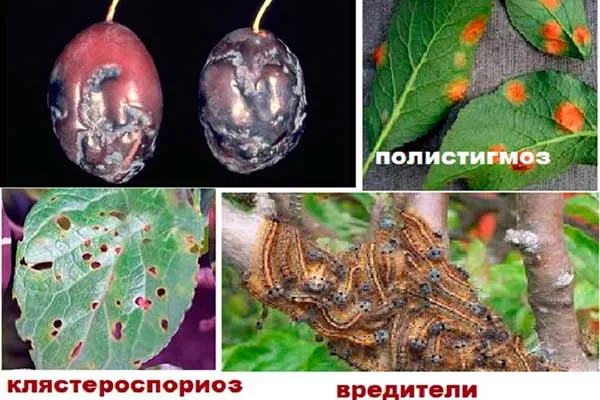
Characterized by strong immunity, it requires no fungicide or insecticide treatment. This makes the plant less labor-intensive to care for and an attractive option for environmentally friendly cultivation.
Landing features
The trees tolerate a variety of climates well, requiring minimal care to produce a high yield. However, to achieve generous harvests, it's important to adhere to certain cultivation guidelines.
Recommended timeframes
Plant the seedling in late March or early April (the second or third ten-day period) or from September to mid-October, before frost sets in. In autumn, plants are less susceptible to root damage, and it's easier to find high-quality planting material during this period.
Choosing a suitable location
Plums grow best in loamy soil. The optimal soil pH should be between 6.5 and 7, which can be easily tested with litmus paper by placing it on a handful of damp soil after rain.
- ✓ The soil pH level should be strictly within the range of 6.5-7. Testing with litmus paper is mandatory.
- ✓ The depth of groundwater should not exceed 2 meters to prevent root rot.
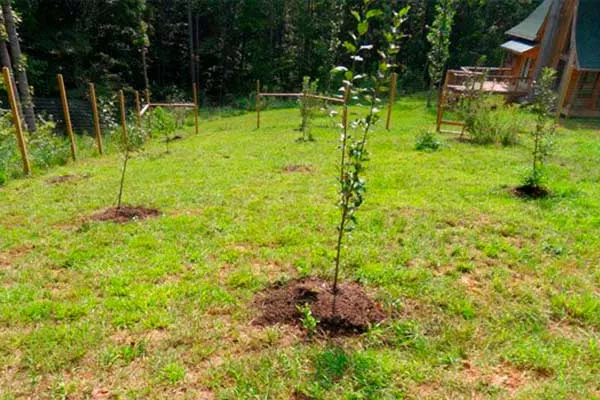
Avoid growing this variety in areas with a groundwater level above 2 meters, as it is sensitive to excess moisture. Choose sunny sites protected from northern winds. In these conditions, Startovaya's fruits will be sweet and juicy.
What crops can and cannot be planted next to each other?
It's advisable to plant a compatible variety next to one to ensure good pollination. The seedlings should bloom at the same time, so avoid growing varieties that bloom at different times.
Avoid planting plums near cherries, sour cherries, pears, or walnuts. However, they do well next to apple trees and berry bushes such as raspberries and currants.
Selection and preparation of planting material
The variety is easy to grow from a seed or cutting, but seed planting is a more economical and simple option.
Follow these recommendations:
- Crack the pits, remove the seeds, and soak in warm water for 70-120 hours, changing the water daily. Store in a clean glass container.
- Six months before planting, stratify the seeds in damp sand at a temperature of -10 to 12°C.
- Replant the cutting in another location after two years.
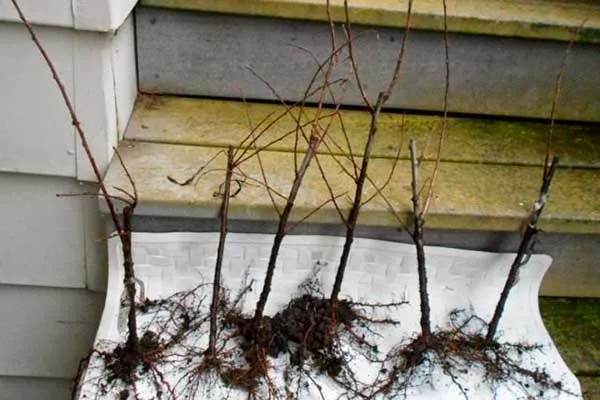
Various types of seedlings are available on the market: grafted onto seed rootstocks, own-rooted, and grown from root suckers, cuttings, or layering. Choose plants that provide a stable harvest and tolerate frost well.
Suitable for planting are annual and biennial plants with 3-5 main roots 25-30 cm long. Pay attention to the age and branching, height, trunk diameter, and length of the main branches. The table lists the main parameters:
| Age | Branching | Height | Barrel diameter | Length of main branches |
| 1 year | Unbranched | 1.1-1.4 m | 1.1-1.3 cm | |
| 1 year | Branched | 40-60 cm (trunk height) | 1.2-1.4 cm | 10-20 cm |
| 2 years | Branched | 40-60 cm (trunk height) | 1.6-1.8 cm | 30 cm |
The trunk diameter of branched grafted seedlings is measured 10 cm above the grafting site.
Landing algorithm
When cultivating seeds, wait until they germinate during stratification, and prepare a sufficient amount of well-drained soil and compost. Follow these recommendations:
- As soon as the roots become visible, plant the planting material in a pot or directly onto the site, having first dug a hole.
- In the center of the hole, form a mound of soil, place the seed there, carefully straighten the roots and cover it with soil.
- For spring planting, prepare the holes in the fall, when it's easiest to buy seedlings, as there's a wide selection at the market. Keep them covered until planting time. If you decide to plant plums in the fall, dig the holes a month before planting.

Maintain a spacing of 3-4 m between trees and 5-6 m between rows. Holes should be 70-80 cm in diameter and 70 cm deep. When digging the hole, set the top layer of soil to one side and the subsoil to the other. If the soil is peaty or sandy, add clay to a depth of 10 cm.
Fertilizing the crop is essential. Prepare the following:
- humus and compost – 20 kg;
- peat – 20 kg;
- Superphosphate – 20 g;
- urea – 50 g;
- potassium sulfate – 50 g.
This mixture will help the plum tree root better. Add 400 g of nitrophoska and 200 g of wood ash (or slaked lime or dolomite flour).
If the soil is highly acidic, add saltpeter, lime, and ammonia to enrich the soil with nitrogen. For heavy soil, loosen the bottom of each hole to a depth of 20-25 cm and mix 20 kg of fertilizer into the top layer.
Drive a 1.1 m (3.5 ft) wooden stake into the center of the hole and place the eggshells inside, filling them two-thirds full with a mixture of soil and fertilizer. If the mixture isn't thick enough, add some soil from the top layer.
Step-by-step algorithm:
- Carefully place the seedling into the hole, spreading out the roots. The root collar should be 3-4 cm above the soil level.
- Fill the hole with regular soil without fertilizers, compacting it thoroughly to protect the roots from air and prevent them from drying out.
- Make a mound of bottom soil around it.
Aftercare of plum
Caring for the crop is crucial for obtaining a bountiful and high-quality harvest. Standard agricultural practices promote the formation of juicy and sweet fruits.
Trimming
Proper crown shape, which should be maintained from the moment of planting, increases productivity. Follow this process:
- In the first year, shorten the trunk to a height of 1-1.2 m.
- For two-year-old plums, cut strong branches to 25-30 cm.
- In the third year, reduce the upper growth by 30 cm and the lateral growth by 15 cm.
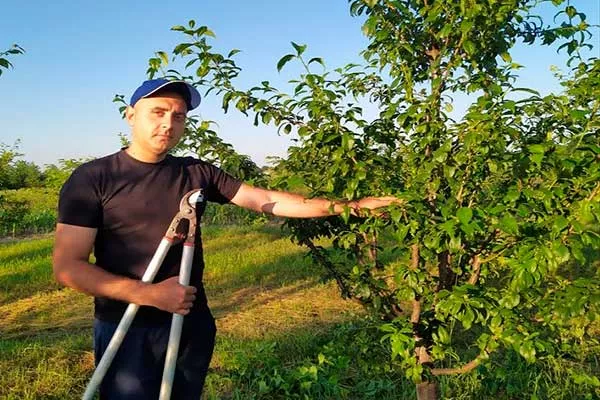
As a result, the plum tree should have 5-6 branches growing at a 50-degree angle. Maintain a cup-shaped crown and control branch density to avoid insufficient light for fruit buds and fruiting.
Watering
The plant thrives with adequate moisture, so water regularly. Watering is especially important in spring, as the soil dries out quickly in warm weather.
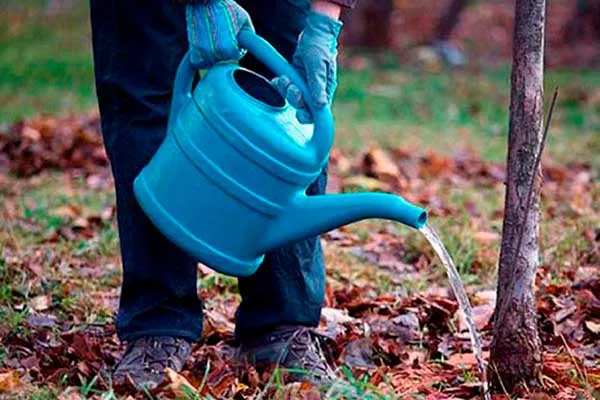
- The first watering should be carried out immediately after planting, using 30-40 liters of water.
- During the first month, water every 3-4 days, then reduce to once a week.
- Use mulch to conserve moisture and reduce the frequency of watering.
For established trees, watering once a week is sufficient. Young seedlings require 50-60 liters of water, while fruiting specimens require about 100 liters.
Preparing for winter
The starter tolerates mild winters well and doesn't require insulation, but in northern and northwestern regions, provide insulation. To protect against frost, whitewash the trunk.
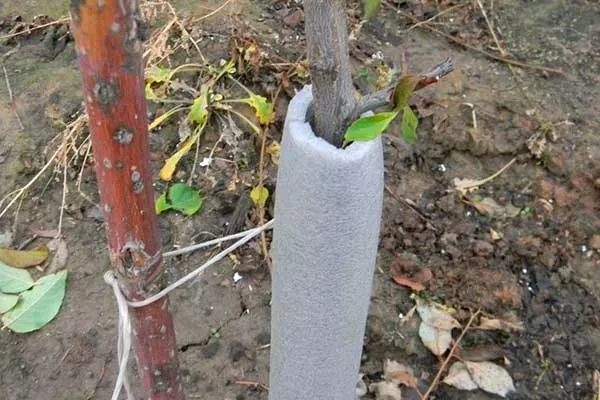
Place several bags around the young tree and secure them with soil. If frosts are severe, add several layers of burlap. For a mature plant, mulching with compost is suitable.
Cover the tree trunk with plastic sheeting to minimize the impact of precipitation. After the first snowfall, create a snowdrift around the trunk for additional insulation.
Top dressing
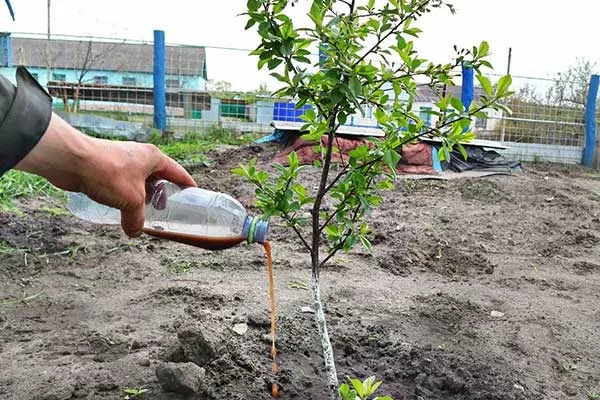
Fertilize the crop three times a year: in spring, summer, and immediately after harvest. Use urea to improve growth and development, and superphosphate to strengthen the root system and increase fruiting. Wood ash is effective – it helps provide the plant with essential micronutrients.
Protection from rodents
Dig a chain-link fence 40-50 cm deep and 60-70 cm in diameter around the tree. This approach will not damage the root system while providing reliable protection. Alternatively, set traps.
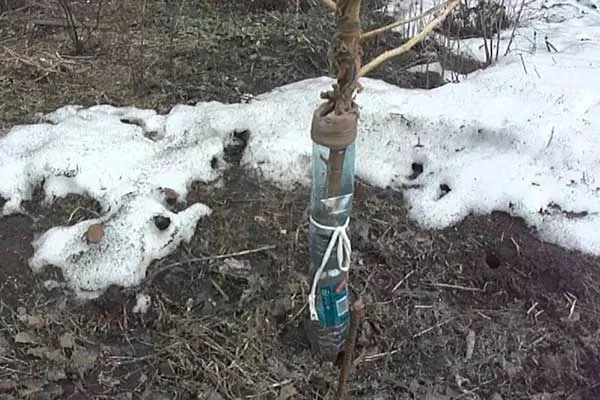
Depending on the type of rodent, vegetables and greens, bread fried in vegetable oil, or lard can be used as bait. Specialized pest control products, such as Ratobor, can help.
Diseases and pests: methods of control and prevention
Despite its strong immune system, plums can be susceptible to various challenges. It's important to address the problem promptly:
| Disease/Pest | Signs | Treatment | Prevention |
| Fusarium wilt | Wilting and yellowing of leaves that dry out. | Fungicides (Previkur, Strobi, Topsin). | Compliance with agricultural technology, ventilation. |
| Ascochytosis | Gray-brown spots on leaves and stems, bitterness of fruits. | Bordeaux mixture, copper and iron sulfate. | Removal of plant debris, good air circulation. |
| White rot | Wet spots at the base of the stem, resembling a web. | Preparations (Hom, Ordan, Topaz). | Ventilation, elimination of diseased plants. |
| Viral mosaic | Mosaic pattern on leaves, deformation of fruits. | Removal of affected plants. | Use of healthy planting material, control of insect pests. |
| Aphid | The leaves curl up and sticky secretions appear. | Insecticides (Aktara, Confidor), folk remedies. | Regular inspection, use of insecticides. |
| Slime bug | White or yellowish spots on leaves, plums falling off. | Insecticide treatment, removal of infected parts. | Inspection of plants, regular treatment. |
| Fruit caterpillar | They eat holes in fruits. | Insecticide treatment (Fitoverm). | Removal of carrion, pruning, use of traps. |
Methods of reproduction
There are several methods for increasing the number of seedlings. Let's look at the main ones:
- Cuttings. Cut green or woody cuttings during the active growth period (summer or spring). Root 15-20 cm long cuttings in a special rooting mixture or water until roots appear, then transplant them into the soil.

- By layering. Select healthy branches and bend them toward the ground, then bury them in the soil, leaving the tip above the surface. The branch will root, after which you can separate it from the mother plant.
- By vaccination. Graft a seedling or cutting onto rootstock to improve growth and fruiting. This method requires certain skills and experience.
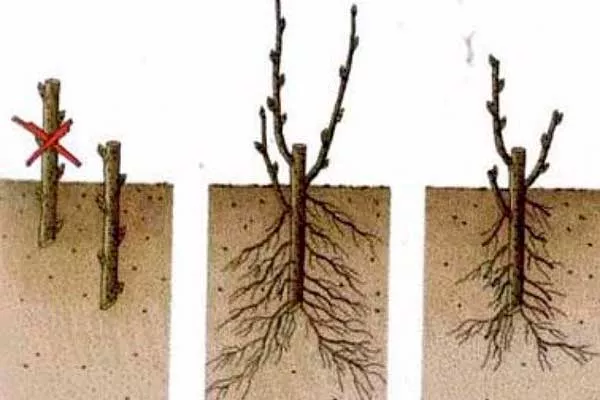
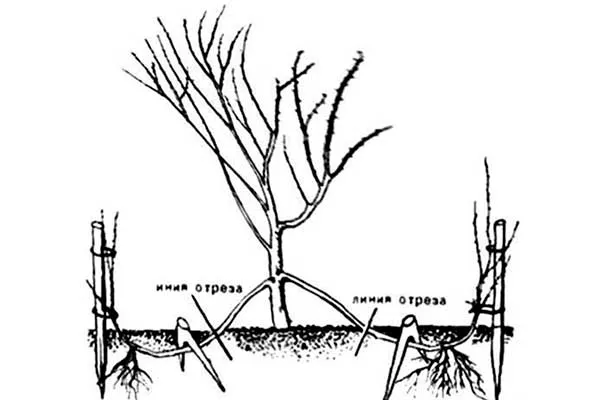
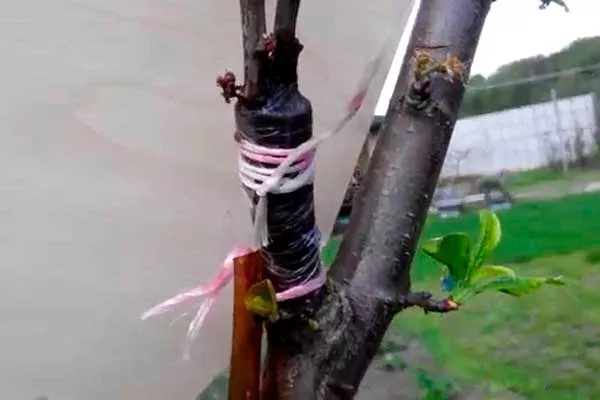
Choose the most suitable method for you to increase the number of plums in your garden.
Positive and negative qualities
Before cultivating a variety, carefully study its advantages and disadvantages to avoid potential difficulties. Startovaya has many advantages:
Some gardeners consider the conditional self-fertility of the crop to be a disadvantage.
Reviews
The Startovaya plum has gained popularity thanks to its excellent varietal characteristics. It boasts early fruiting and good productivity, making it an ideal choice for both experienced and novice gardeners. It adapts to various climates and is tolerant of both low and high temperatures. Proper care is key.