
Aphids are one of the most common and harmful pests, capable of seriously damaging plum trees. They weaken plants, reduce yield, and can cause disease. To maintain a healthy orchard and ensure a bountiful harvest, it's important to recognize aphids early and choose the right control methods.
Plum aphid and other pest species
Among the many varieties of aphids that harm garden and vegetable plants, the plum pollinated aphid is especially dangerous for stone fruit crops such as plum, cherry, sweet cherry, cherry plum, apricot and peach.
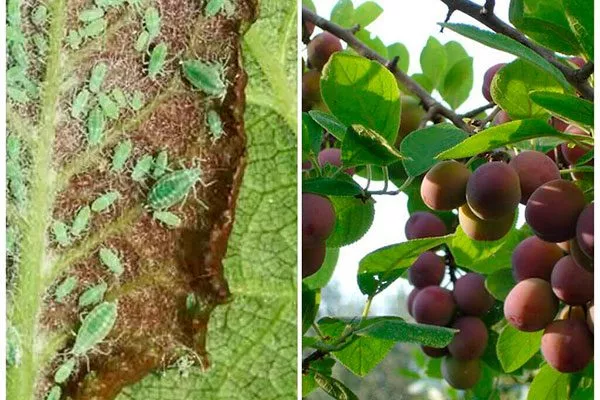
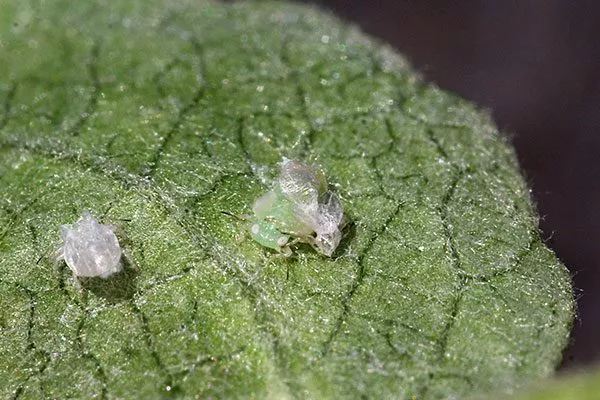
These small, grayish-green insects inhabit young shoots, flower and leaf buds, and the undersides of leaves. During a massive infestation, the pests completely cover the affected areas of the plant, forming a dense layer of living insects and whitish, shed skins.
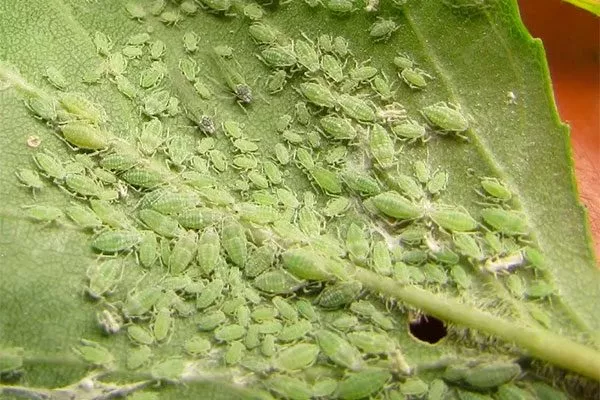
In a single warm season, plum aphids can produce up to 10 generations. Their eggs overwinter not only in tree bark but also on nearby grasses—primarily cereals and reeds.
Harm of the parasite:
- Green plum aphids become noticeable only when they are widespread, while the black cherry variety, which also attacks other stone fruits, is easier to spot. It can develop up to 14 generations per season and causes the curling and death of young shoot tips, stunting the tree's growth and development.
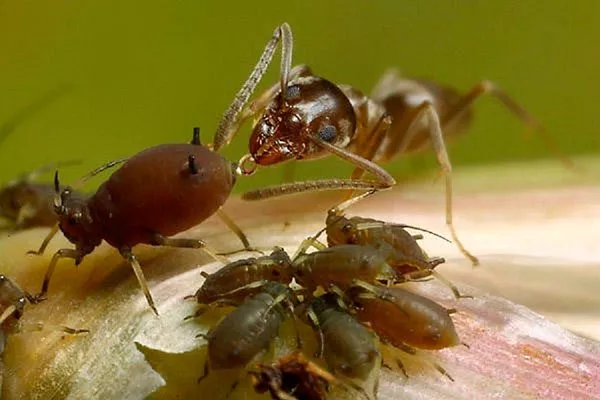
- The danger of aphids lies in their rapid spread: winged individuals actively fly to new plants, and wingless ones are carried by the garden population of ants, which feed on the sweet secretions of aphids.
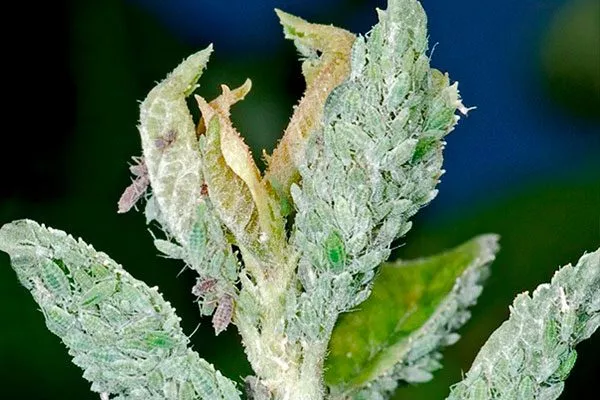
Pest infestation can seriously weaken trees and deprive gardeners of their harvest. Only a comprehensive approach can achieve maximum results: adherence to agricultural practices, timely preventative measures, and regular treatment of not only the plum tree but also neighboring plants that may harbor or harbor aphids.
Causes and signs of damage
Ants are the primary "shepherds" of aphids in the garden. These insects feed on the sweet secretions of aphids—honeydew—and therefore actively protect their colonies from natural enemies, as well as transport them to new tree sites.
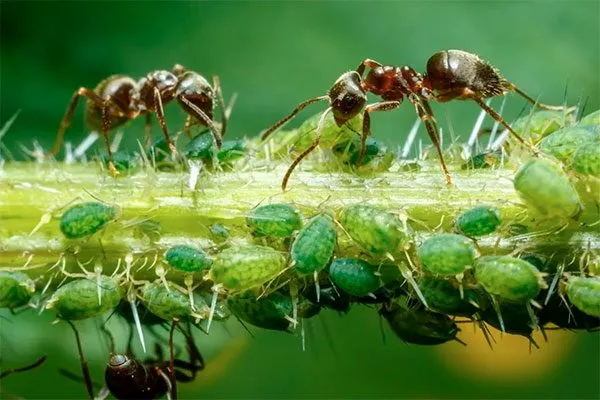
To ensure a constant food source, ants promote the spread of aphids. If you notice ants actively crawling along the trunks and young shoots of your plum tree, this is a warning sign that requires immediate action.
The following signs indicate the presence of aphids on plums:
- twisting and deformation of young leaves;
- weakening of shoots, slowing of their growth, subsequent drying out;
- yellowing of leaves and the presence of a sticky coating on their surface;
- underdeveloped, deformed and drying fruits;
- general weakening of the plant and increased susceptibility to fungal diseases;
- decrease in crop yield.
If timely measures are not taken, aphids can cause serious plant damage and, in severe cases, even death.
Features of plum processing
Plum aphid control should be carried out in stages, depending on the time of year and the severity of the infestation. If you haven't noticed a massive infestation, but only a few individuals, there's no need to resort to chemical treatments.
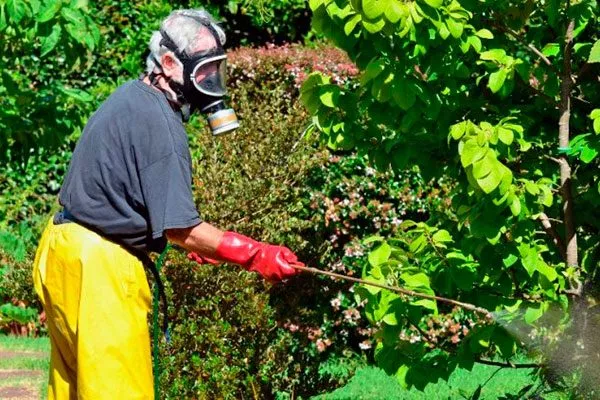
On young seedlings, aphids can be removed manually or using folk methods - soap solutions, ash and herbal infusions.
Carrying out the processing step by step:
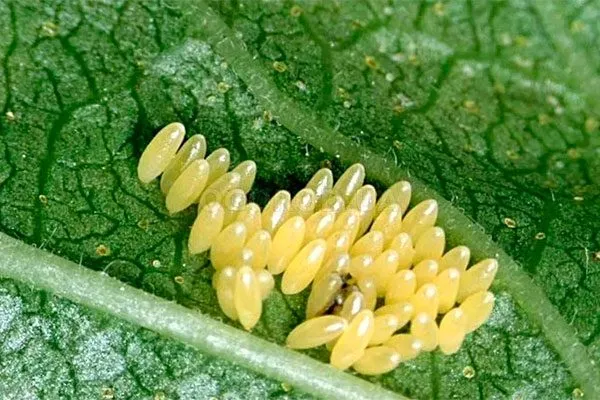
- RAnney in the spring, before the buds open. At this time, insects are not visible, but if the shoots were heavily infested last season, there is a high probability that aphid eggs remain under the bark or at the base of the buds.

- Nand the "green cone" stage, when the larvae begin to hatch. It is at this moment that they are most vulnerable, and the colonies have not yet had time to spread en masse.
- IN flowering phase: when the buds are just beginning to open or have almost fallen. This stage is necessary if control measures were missed in the spring or proved ineffective.
- Summer periodDuring fruit formation and light infestation, it's preferable to use gentle, safe folk remedies to avoid the accumulation of harmful substances in the harvest. Synthetic products are permitted, but not later than 30 days before harvest.
- Autumn processing. Effective after harvest. Use ready-made insecticides or a 5% urea solution. It is effective against aphids and simultaneously reduces the risk of scab infestation.
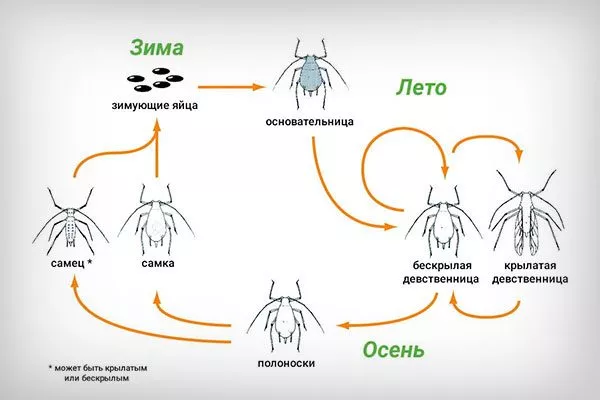
Always spray in dry, windless weather, preferably in the morning or evening to avoid burns from drips on the leaves. Pay special attention to young shoots, the undersides of leaves, and the soil around the tree trunks, as this is where pests most often hide.
Folk methods of fighting aphids
Not all traditional treatments act instantly, but they are safer and gentler. This is especially important when treating young shoots that are sensitive to harsh chemicals.
Soap solution
In some cases, plain water can help get rid of aphids—regularly washing the plants will wash the pests off the leaves. However, this method is labor-intensive and ineffective over large areas, especially if done daily. To enhance the effect and speed up the process, it's better to use a soap solution.
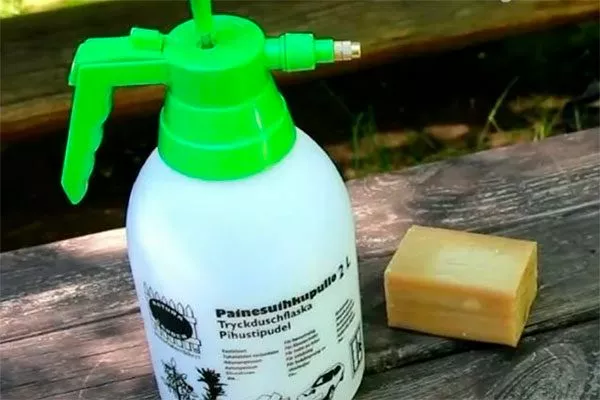
To prepare the solution, dissolve 100 g of grated laundry soap and 80 ml of liquid soap or unscented dishwashing liquid in 10 liters of water. Spray the plants in the morning or evening. Repeat the treatment after rain or when the soap film disappears from the plant surface.
Red pepper
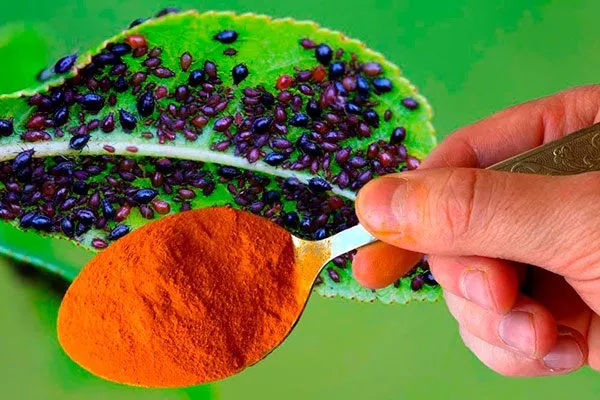
Grind 7-9 hot peppers, pour 1 liter of water over them, and add 20 grams of grated laundry soap—this will help the solution adhere better to the leaves. Let the mixture sit for 24 hours, then strain and apply to the plants.
Vinegar
Another effective, strong-smelling aphid repellent is vinegar. To prepare a solution, dilute 50 ml of vinegar in 10 liters of water.
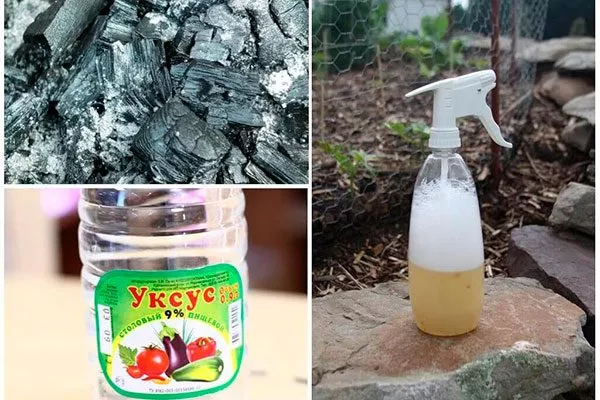
Treat affected trees several times in a row with an interval of 3-4 days between treatments.
Garlic
Garlic has a pungent odor that effectively repels aphids, making its infusion one of the most effective folk remedies. To prepare, follow these steps:
- Chop 100 g of garlic.
- Pour in 5 liters of water.
- Let the mixture sit for two days, then add another 5 liters of water.
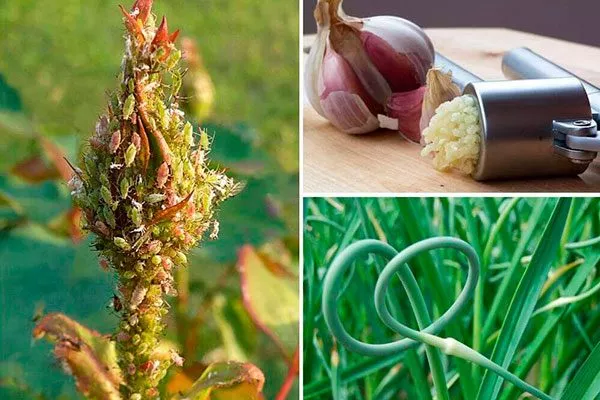
You can immediately spray the affected trees with the resulting solution.
Pine needles
Collect 1 kg of pine needles and pour 4 liters of boiling water over them. Let the mixture steep for a week, stirring daily.
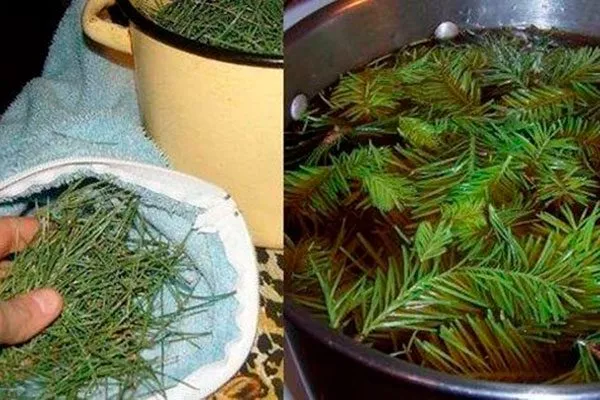
After steeping, strain the mixture and dilute it with water in a 1:1 ratio. Spray the plants with the resulting solution.
Infusions of tops
In summer, herbal infusions such as wormwood or celandine are often used to treat trees. To prepare the solution:
- Take 1 kg of finely chopped fresh grass.
- Pour in 10 liters of clean water.
- Let the mixture sit for 24 hours, then bring to a boil.
- After cooling, strain the infusion, dilute with water if necessary and use to spray trees.
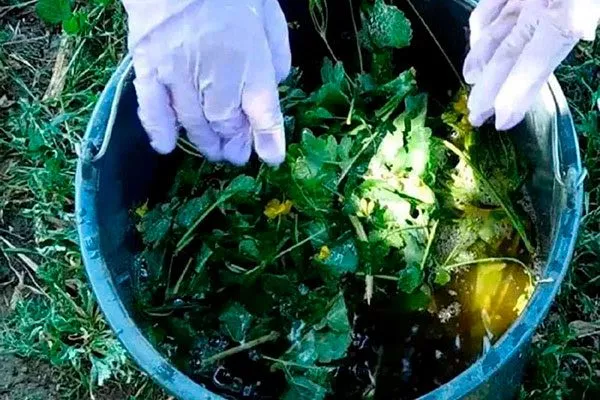
Essential oils
An effective and pleasant-smelling way to control aphids while also repelling mosquitoes. Add a few drops of essential oils to 1 liter of water. The following are good choices:
- rosemary;
- carnation;
- thyme;
- peppermint;
- lavender;
- basil;
- eucalyptus;
- fir.
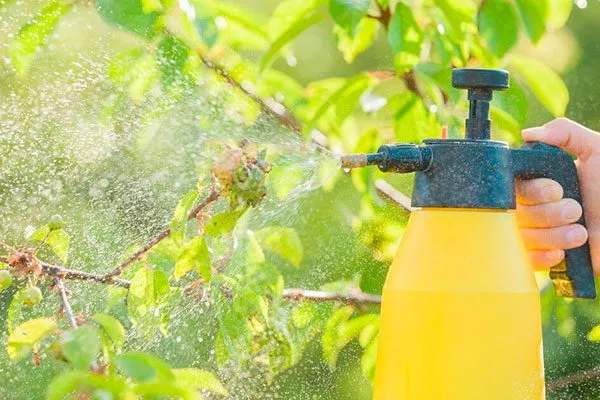
Treat the plants with the resulting aromatic solution using a spray bottle.
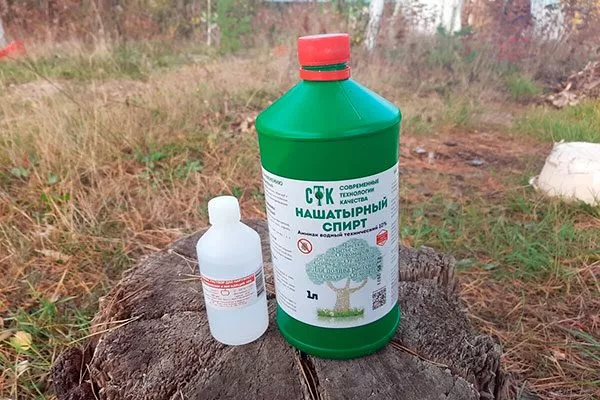
Ammonia
To prepare a working solution, take 10 liters of water and add 50 ml of alcohol. Stir the mixture thoroughly and use immediately to treat the leaves.
Wood ash
A simple and effective method for controlling aphids is a wood ash infusion. Follow the instructions:
- Dissolve 200 g of ash in 5 liters of water.
- Let it sit for 12 hours.
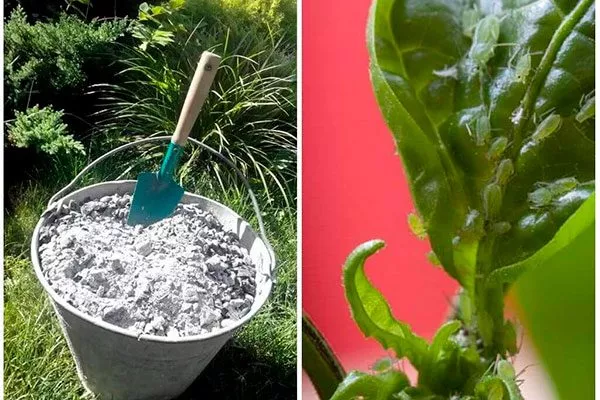
Pour the solution into a spray bottle and spray it on the plants.
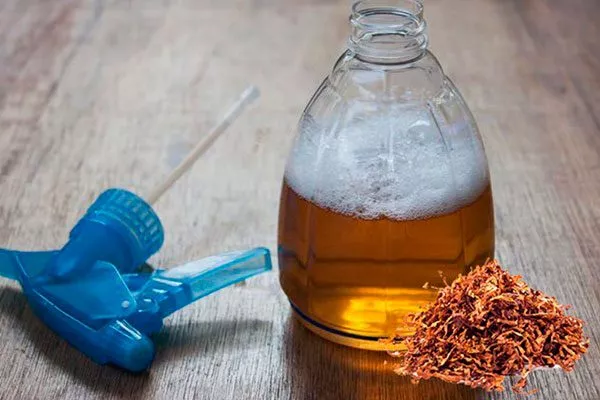
Tobacco leaves
Pour 5 liters of water over two handfuls of dried leaves and let steep for 24 hours. Strain the solution and then use it to treat your plants.
Sorrel
This plant is equally effective in fighting pests. To prepare an infusion, follow these steps:
- Take 500 g of sorrel roots.
- Pour in 1 liter of water and bring to a boil, but do not boil.
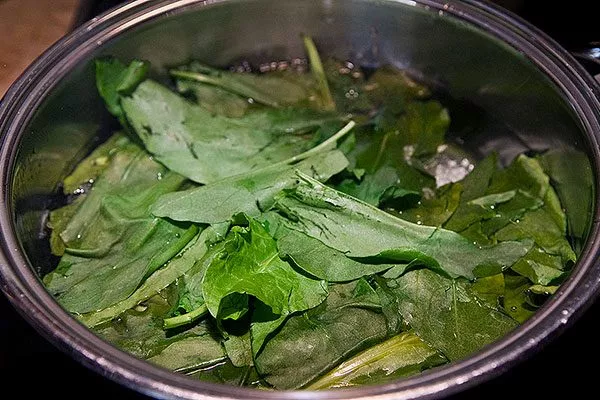
After cooling, dilute the solution with water before use.
Birch tar
This product has a strong aroma that effectively repels aphids. An infusion made from it is recommended for treating plants with newly emerged aphid colonies.
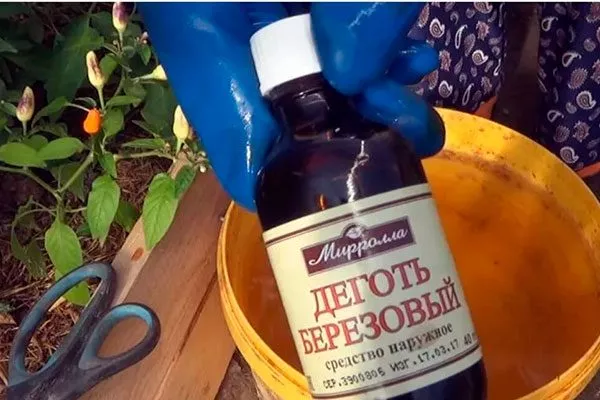
To prepare the solution, dilute 10 ml of tar in a 10-liter bucket of warm water. Use the resulting solution to water the tree trunk area.
Professional aphid control products – chemicals and biological preparations
Specialized aphid control products come in both chemical and biological varieties, with the latter being safer for both humans and the environment. When rapid pest control is required, these are the preferred methods.
Bitoxybacillin
This bacterial product is suitable for use at any stage of plant development. Harvesting can begin within five days of application. It effectively controls aphids on plum trees.
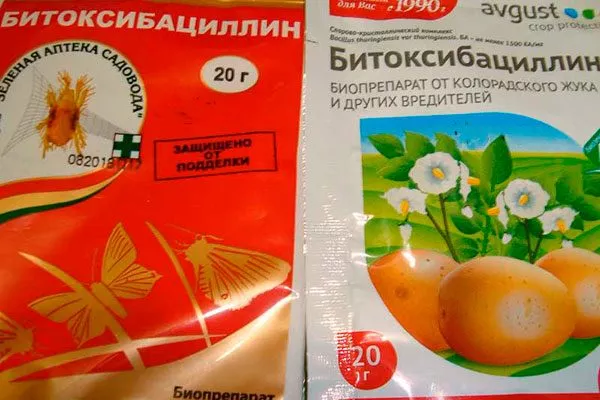
To prepare the solution, follow these steps:
- Dissolve the powder in a small amount of water at a temperature of 15-20°C.
- Bring the total volume to 5 l.
- Strain through cheesecloth and spray on trees.
Kinmix
This product is highly effective and environmentally safe. It can be applied several times during the season, but it's important to keep the solution fresh at all times.
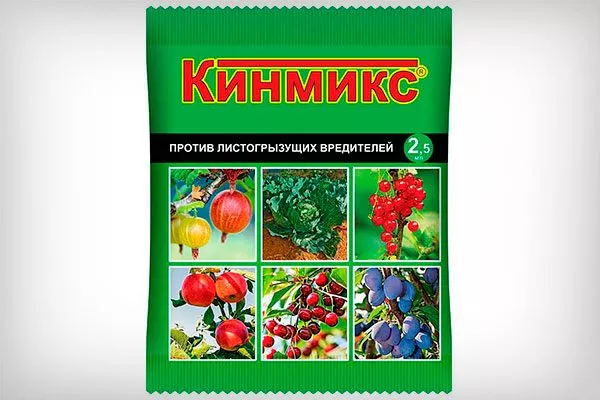
Preparation of solution:
- Mix the contents of one ampoule (2-2.5 ml) with 1 liter of water.
- Bring the volume up to 10 l, stirring constantly.
Spray the plum twice: before flowering and immediately after it finishes – approximately 3 liters of the prepared solution per tree.
Spray in dry, windless weather, preferably in the morning or evening, at a temperature of +20-25°C.
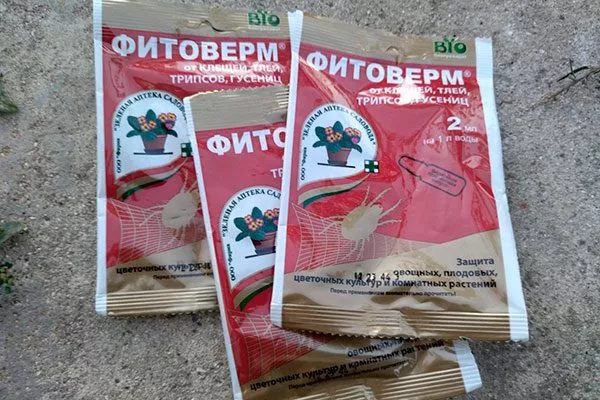
Fitoverm
A biological insecticide and acaricide whose effectiveness increases at elevated temperatures. The solution concentration depends on the crop being treated and is specified in the instructions for use.
Biotlin
This is a modern product for protecting plums from aphids and other pests. It penetrates the plant and kills the insects that feed on the sap.
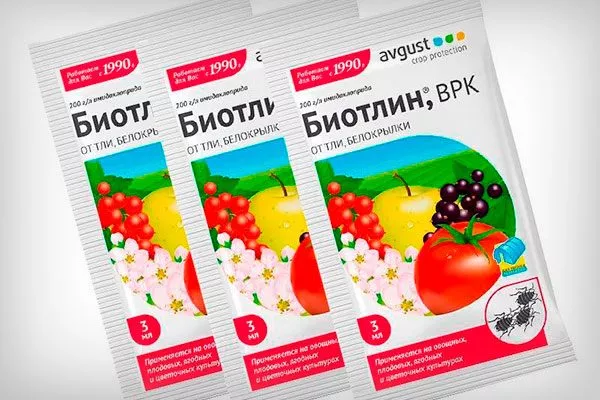
To treat, dilute 3 ml in 10 liters of water and spray trees, preferably before flowering. If necessary, repeat the treatment after 10-14 days.
The product works quickly – aphids begin to die within a few hours of treatment. Protection lasts for up to 2-3 weeks.
BI-58
The product is highly effective. To protect trees from aphids, just one treatment per season is sufficient. The product is suitable not only for plums but also for other fruit trees, shrubs, vegetables, and flowers.

Aktara
An insecticide with intestinal and contact action that remains effective in all weather conditions and provides long-lasting protection.
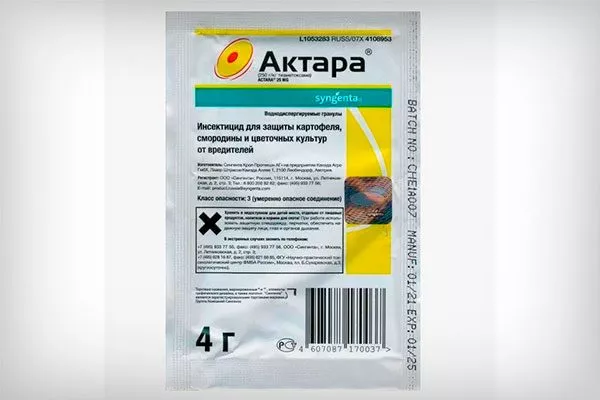
Preparation of solution:
- Pour the contents of the ampoule (2 ml as a base, in case of severe infestation – 4-5 ml) into 0.5 l of warm water.
- Gradually add liquid to a volume of 10 liters, stir thoroughly.
- For better adhesion to the surface of the leaves, add a little laundry soap or shampoo.
Use the working solution immediately—its effectiveness drops within 1 hour of preparation. Spray only on the entire green area—both sides of the leaves and shoots, especially in areas where pests congregate.
Inta-Vir
This insecticide effectively combats not only aphids but also the ants that facilitate their spread. It can be applied to plants during the following periods:
- before flowering;
- after harvesting.
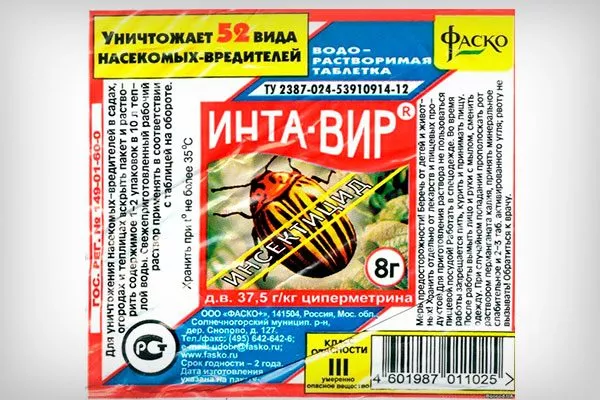
It is not recommended to use the drug during the flowering period or active vegetation.
Cypermethrin
If you thoroughly treat the plum tree, not missing any areas, the aphids can be killed immediately. However, regardless of the extent of the infestation, do not increase the dosage of the treatment on your own.
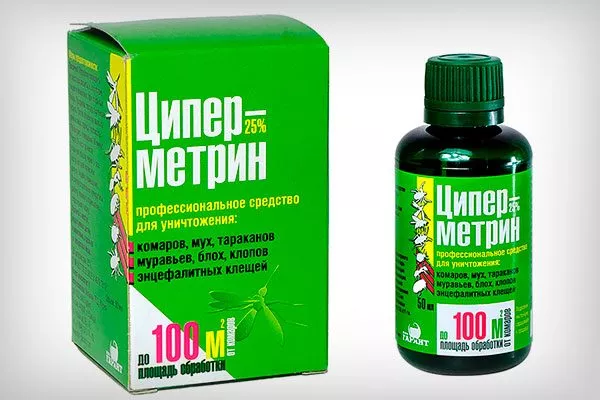
Preparation of working solution:
- Dilute the emulsion in water (room temperature).
- Concentration for aphid control: 200-300 ml.
- Use the solution within 8 hours of preparation – after that it loses its activity.
Spark
The product is available in various forms: ampoules, solutions, and tablets, allowing you to choose the most convenient option and the right dosage. Each package includes detailed instructions for dilution and spraying.
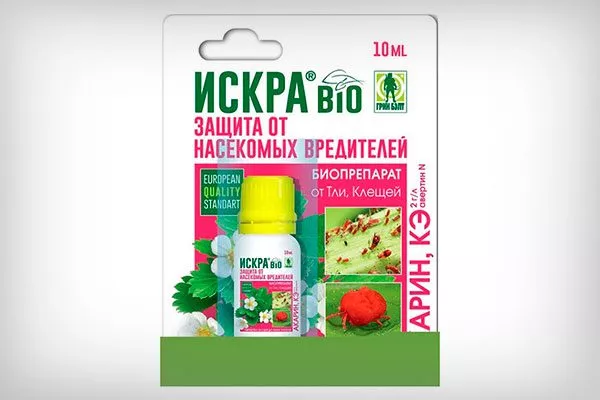
If aphids haven't yet spread extensively, a single treatment is often sufficient. The protective effect lasts for about 20 days, after which it's recommended to repeat the treatment.
Decis
A fast-acting insecticide that effectively kills a variety of insects, including aphids. Dilute 1 g (approximately one package) in 10 liters of water – this is enough to spray 2-5 mature plum trees.
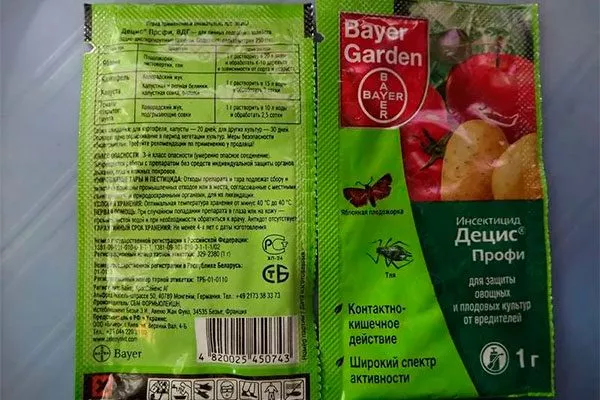
Apply the product to the entire crown: the surface and underside of leaves, shoots—especially where aphids congregate. Repeat treatment is usually not necessary, but if it is necessary, do it no sooner than 10 days after the first application.
Fufanon
An organophosphorus insecticide is widely used to protect plum orchards from aphids. After treatment, the product maintains its protective effect for about two weeks. The toxic substance penetrates the insects' bodies, causing paralysis of the nervous and digestive systems.
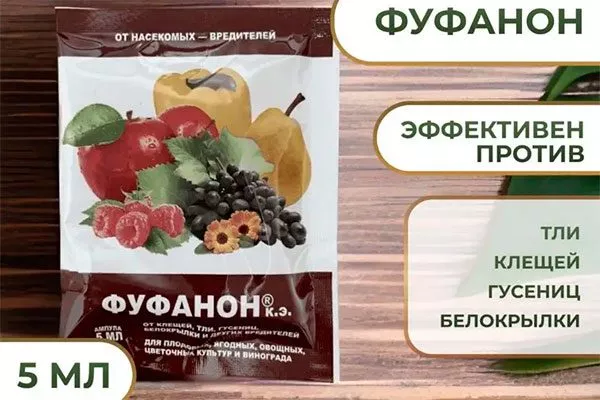
Spray the solution evenly, thoroughly wetting all infected leaves. Spray the tree for the last time no later than three weeks before harvest.
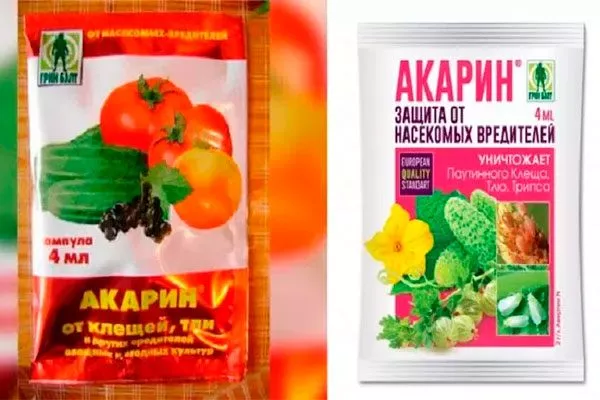
Akarin
This biological product effectively controls aphids on plum trees. It works by contact and intestinal action, quickly suppressing the pests. To treat, prepare the solution according to the instructions and spray it evenly over the trees, focusing on the leaves and shoots.
Tanrek
A systemic contact and stomach insecticide based on imidacloprid. Effective against aphids, whiteflies, thrips, and other pests on fruit, vegetable, and ornamental crops. Dissolve 3 ml of the product in 10 liters of water. Stir the concentrate until completely homogeneous.
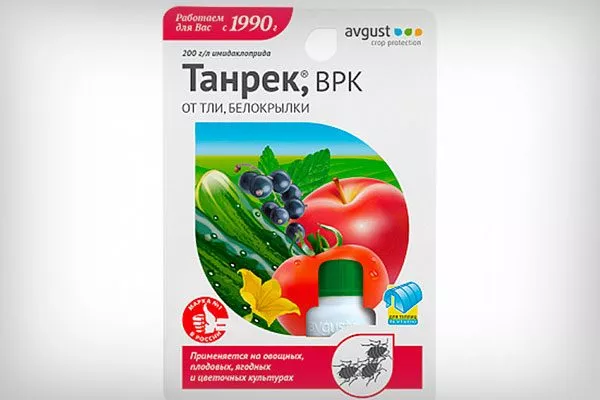
Treat the tree before or after flowering. Schedule the procedure for morning or evening, choosing dry, calm weather free of wind and dew.
Entobacterin
A bacterial preparation in powder form containing toxic protein crystals and bacterial spores (more than 30 billion per 1 g), which effectively affect the intestines of pests, causing their death.
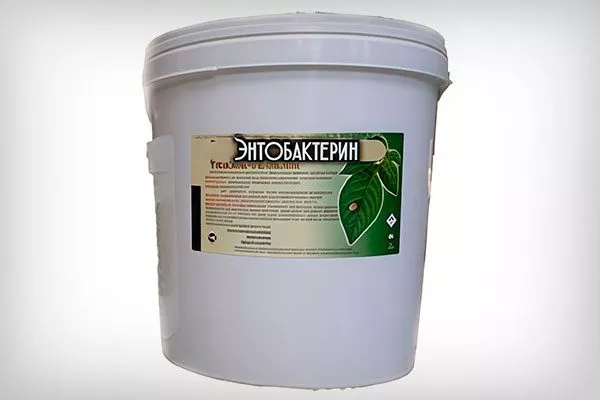
After treatment, insects that have landed on the plant either die quickly (within 10-12 hours) or stop feeding and subsequently die due to internal bacterial infection.
Preparation of solution:
- Dilute 10 g of powder in 1 liter of warm water (for a light infestation, use 5 g per 1 liter).
- Stir thoroughly until completely dissolved.
- Pour into a sprayer and use immediately - the solution does not store.
Spray the plants evenly, covering all areas of the plum tree, including the undersides of leaves and shoots. Two treatments are usually required to completely eradicate the aphid population.
Arrow
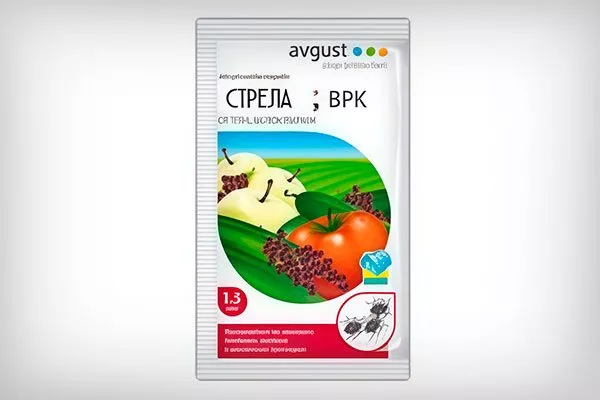
An effective insecticide against aphids on plum trees. It works by contact and stomach action, quickly killing the pests. For treatment, dilute the product according to the instructions and spray thoroughly on the trees, covering the leaves and shoots.
Commander
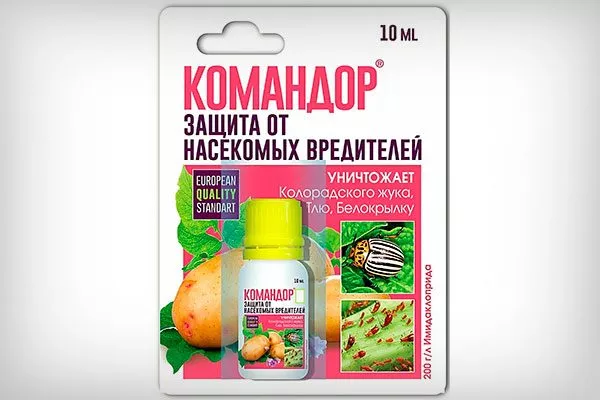
This is a fast-acting insecticide with both systemic and contact effects. To prepare the working solution, pour 2 liters of water into a sprayer, add 1 ml of the product, and mix well.
Fufanon-Nova
An organophosphorus-based, broad-spectrum, stomach-contact insecticide and acaricide with high efficacy and low toxicity. The product is hazardous to bees, so it should not be used during flowering.

First, dilute the ampoule contents in 1-1.5 liters of water, then bring the total volume to 10 liters. Use 11.5 to 13 ml of the product. Wait 20 days after Fufanon-Nova treatment before harvesting.
Preventive measures
To control aphids on plants, you can use their natural enemies. Use other methods to prevent pest attacks.
Plants for repelling
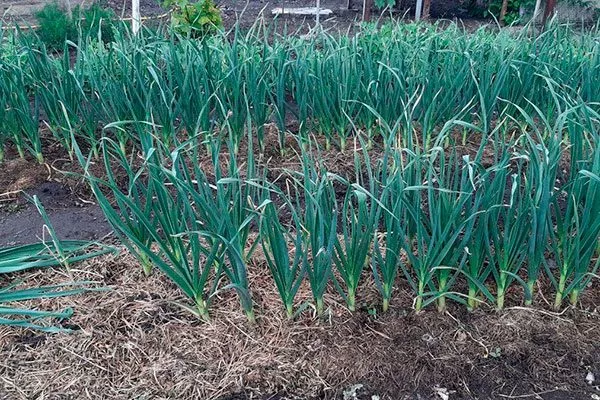
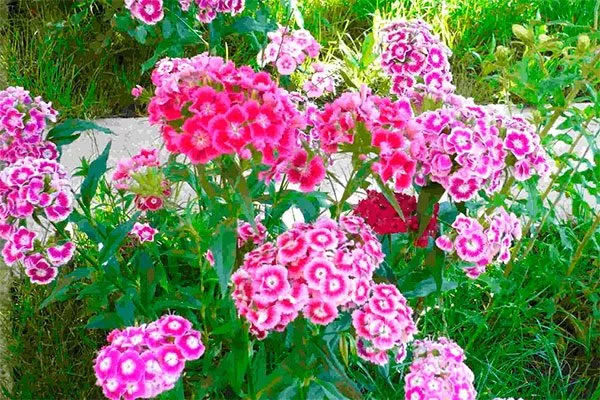
To make the area less attractive to aphids, plant aromatic herbs with a strong scent around the plum tree. Marigold beds or onions, mustard, coriander, and garlic are often planted nearby.
Insects and birds
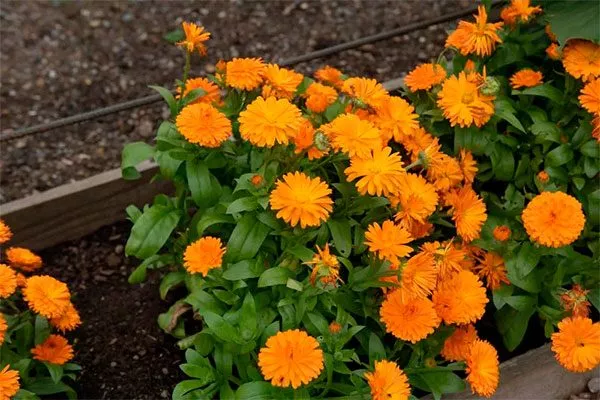
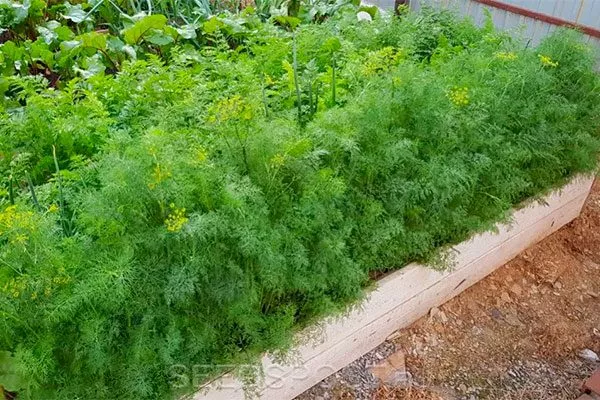
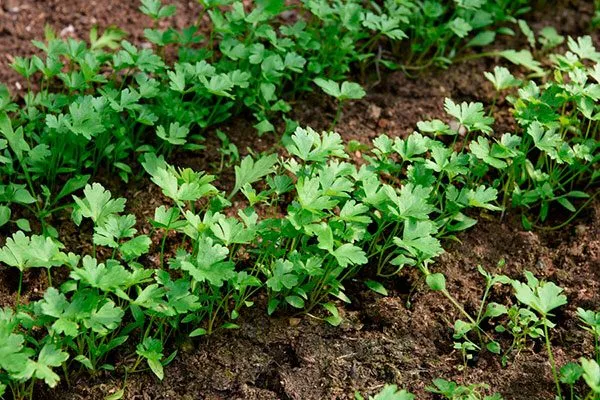
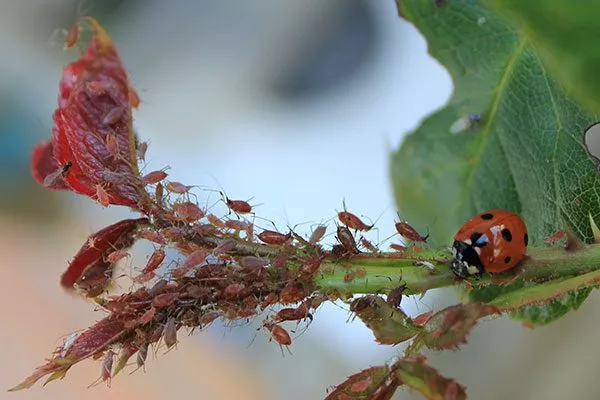
Beneficial insects such as ladybugs, ground beetles, and lacewings can also help combat aphids in your garden. To attract them, grow herbs such as:
- calendula;
- dill;
- parsley;
- cloves.
You can also attract birds to your garden—tits, linnets, and sparrows—they quickly destroy aphids and prevent pests from spreading. To achieve this, hang feeders and waterers in the trees and refill them regularly. The birds will become accustomed to the readily available food and will visit more often.
Other events
To protect plants from aphids, it's helpful to follow the advice of experienced gardeners. Key recommendations:
- In spring and autumn, be sure to prune trees and burn damaged branches immediately.
- Monitor the soil around the tree to ensure it doesn't dry out. To conserve moisture, it's best to mulch the area around the tree trunk.
- Do not allow weeds to grow around the plum tree.
- Avoid anthills in your garden as ants can help spread aphids.
- As a preventative measure, treat trees with insecticides immediately after bud break in the spring.
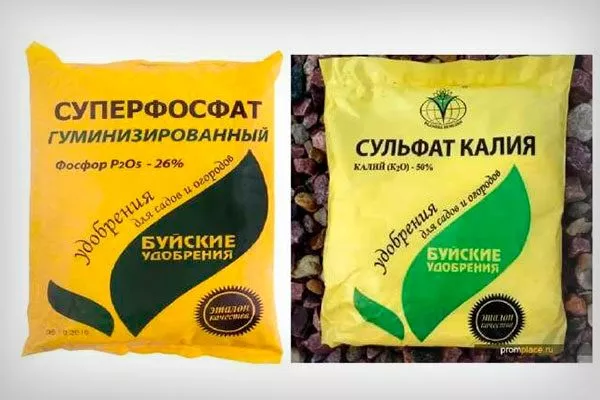
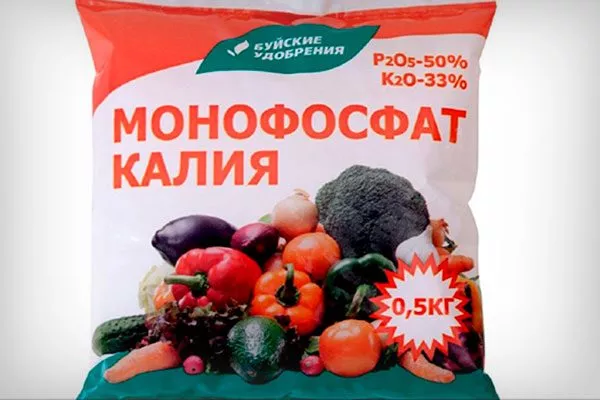
It's crucial to strengthen the crop by increasing its resistance to insects. To do this, apply potassium-rich fertilizers, such as:
- 20 g of potassium humate per 10 liters of water.
- a mixture of 10 g of superphosphate and 5 g of potassium per 10 liters of water;
- 30 g of potassium monophosphate diluted in 10 liters of water;

Controlling plum aphids requires a comprehensive approach—a combination of preventative measures, folk remedies, and, when necessary, specialized treatments. Regular care, careful monitoring of the tree's condition, and timely treatments will help protect the garden from pests and ensure a healthy and bountiful harvest.