
Plum grafting helps produce varieties with strong immunity and good productivity. Grafted trees have many positive characteristics. There are many methods for grafting a tree, but each requires careful attention and adherence to specific guidelines.
What is the purpose of vaccination?
Plum grafting produces a crop with improved varietal qualities. This technique is often used to rejuvenate trees.
Improving the characteristics of the variety
Often, a planted plum tree turns out to be a wild one: its fruits are small and sour, and the yield is inconsistent. But you want a real, homegrown plum. Grafting is an excellent way to transform an ordinary tree into a cultivar with excellent flavor and attractive fruit.
By grafting a cutting from a proven variety onto a strong and stable rootstock, you can obtain a tree that combines the best qualities of both parts – the strength and endurance of the rootstock and the varietal qualities of the scion.
Tree regeneration
If an old plum tree has stopped bearing fruit, it can be "revived" by grafting. This method is often used to renew a mature plant or to propagate a variety you want to preserve.
Simply prune and graft a fresh cutting of the desired variety. In just 2-3 years, you'll have a full harvest, taking advantage of the old tree's strong root system.
Strengthening the immune system
Sometimes the crop suffers from diseases such as moniliosis, clasterosporium, and gummosis. These can destroy the crop within a few years. However, by choosing the right rootstock and scion, you can increase the plant's resistance to these diseases.
Some rootstocks develop a strong root system that better tolerates frost, drought, and other stressful conditions. This also improves the tree's overall immunity. Grafting makes the plum tree more resilient and vigorous.
When to graft a plum?
Plum grafting can be done at almost any time of year, except winter. The main thing is to consider the current and expected weather.
In the spring
The most favorable time for plum grafting is spring. During this period, active sap flow begins, allowing the tree to quickly repair damage to the bark and cambium, actively grow shoots, and strengthen.
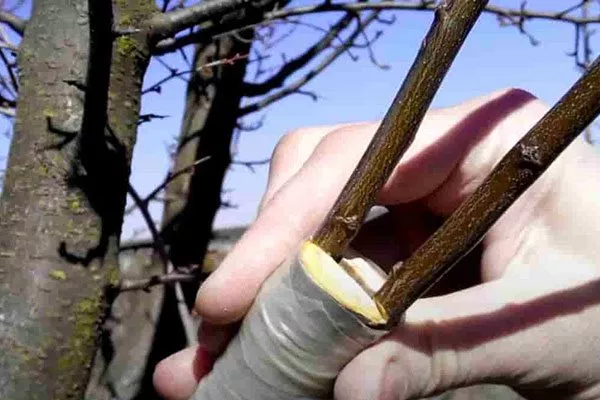
The timing of grafting depends on the climate of the specific region. The main conditions are stable above-zero temperatures and the absence of severe night frosts. Typically, the optimal time is from the first ten days of March until mid-May.
In summer
Summer grafting is considered more challenging for beginners due to the specific techniques and weather conditions. However, it offers important advantages:
- a strong, well-ripened scion is used;
- There is no risk of freezing of tender young shoots - they will begin to grow only next spring, which reduces the likelihood of damage in winter.
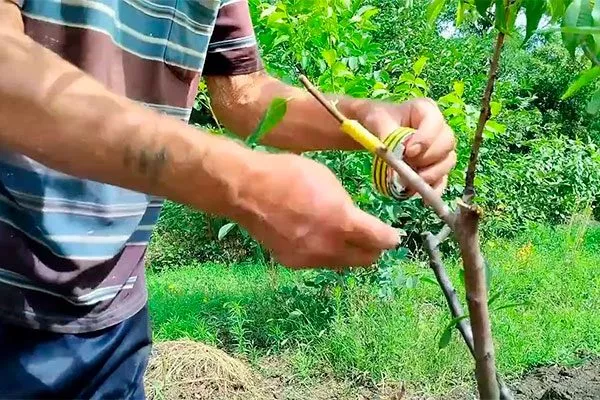
Grafting done in summer leaves minimal scars at the graft site and looks neater. This method is especially useful if the spring grafting was unsuccessful—summer offers a second chance. When done correctly, the survival rate reaches 80-90%. The optimal time for the procedure is June to July.
In the fall
In autumn, plum trees are grafted from early September to late October. During this time, sap flow slows, but there are still enough nutrients for the scion to take root.
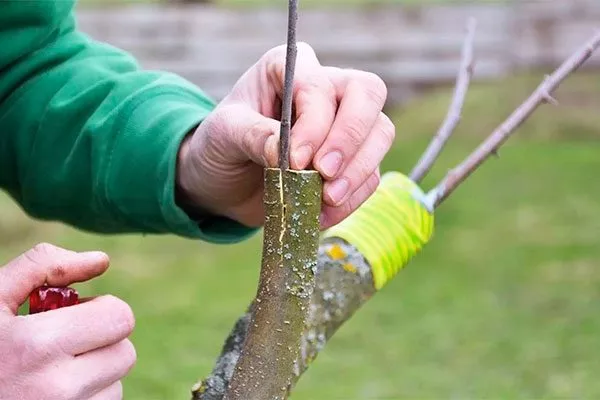
The main danger when performing the procedure in the autumn is early frosts, which can destroy fragile grafts.
What can a plum be grafted onto?
Plum trees are not the only trees that can be grafted onto this crop; apricot, cherry plum, or cherry are also used as rootstocks. Grafting cherries onto plums is considered particularly difficult—the process is labor-intensive, has a low survival rate, and requires experience and patience.
Plum on plum
Intraspecific grafting is the most reliable way to achieve a successful result. Grafting plums onto plums helps:
- increase crop yields;
- preserve varietal characteristics;
- effectively propagate the crop.
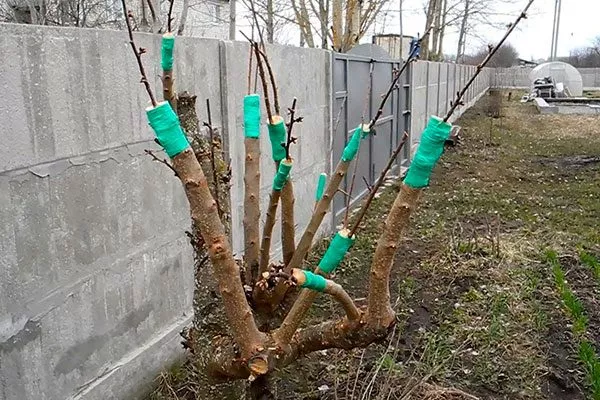
Often, several varieties are combined on one tree, which allows for diversification of the harvest and saves space on the plot.
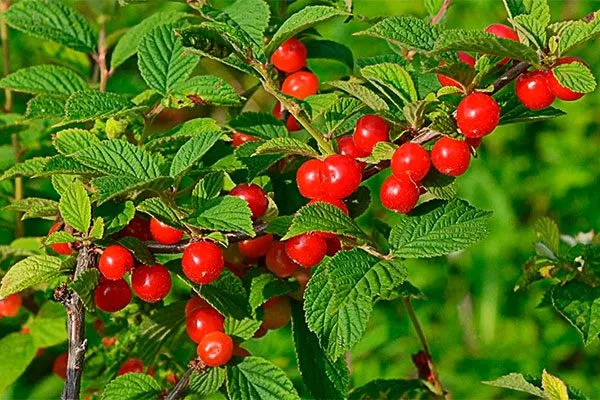
On felt cherry
Grafting plums onto cherries is a common method for growing low-growing, early-ripening fruit trees with high cold tolerance. The survival rate reaches 80-85%.
For apricot and peach
Many gardeners and horticulturists successfully graft plums onto apricots, despite the intergeneric differences between the two crops. The survival rate in this case is approximately 60-65%.
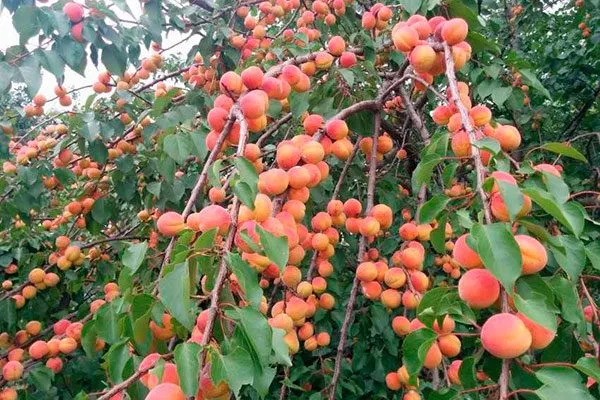
The result is worth it – you get large, juicy fruits with a unique aroma, which is especially pronounced if you replace the apricot rootstock with peach.
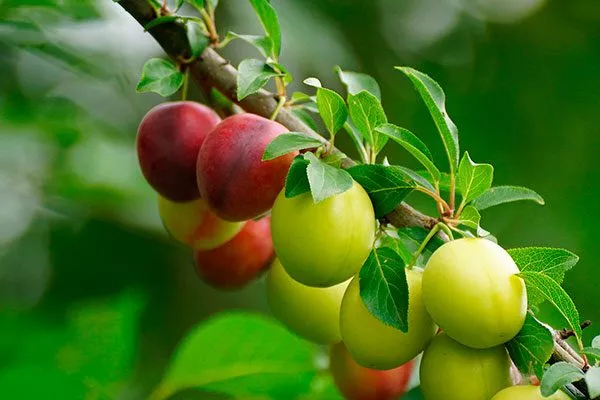
For cherry plum
Plum is easy to graft onto cherry plum, as it is a closely related subspecies. The rootstock should be a healthy tree 2-5 years old, with no bark damage or signs of disease.
On the apple tree
Pome and stone fruit crops don't thrive when grown together on the same root system. Although grafting plums onto apples using the copulation method is technically possible, it doesn't produce long-term results and is ineffective in terms of yield.
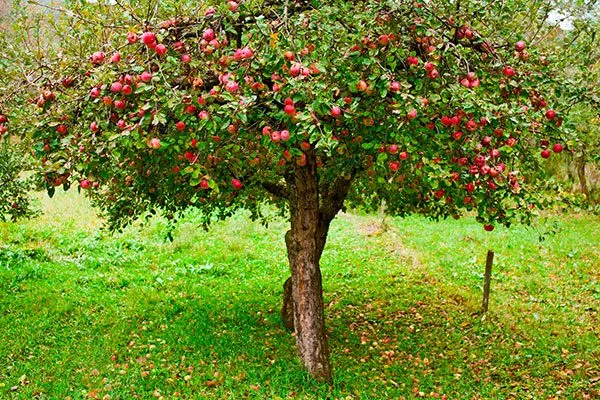
Significant differences in growth rates and nutritional requirements quickly lead to scion suppression. For the same reason, grafting plum onto pear, quince, or hawthorn is not recommended.
Grafting plum onto blackthorn
Blackthorn is a close relative of the plum and a very easy-to-grow wild plant. It is an excellent rootstock for gardeners seeking to increase the frost resistance of their plum trees. Plum cuttings grafted onto blackthorn root very well.
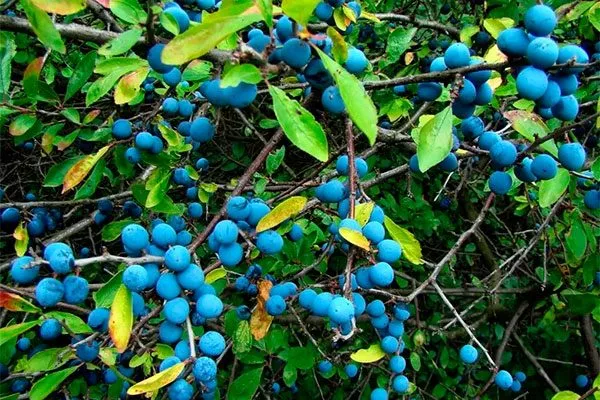
Thanks to this rootstock, the plum's frost resistance increases significantly - even in the harshest winters, grafted plants remain unharmed, while other varieties can freeze completely.
Is it possible to graft a plum onto a wild plum tree?
Wild plum can also be used as a rootstock. Such grafting is usually successful, and the resulting tree is characterized by increased resistance to adverse weather conditions, sudden temperature changes, and precipitation.
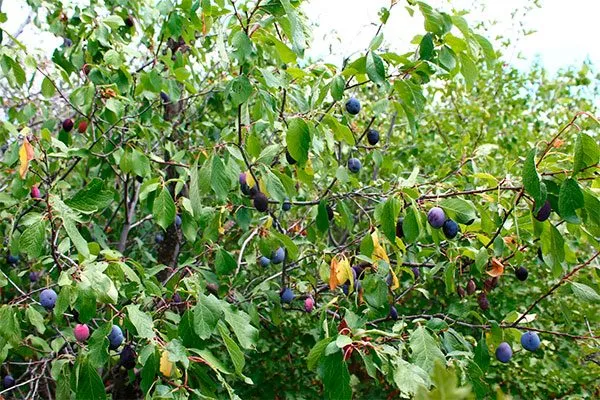
The wild plant takes root well and does not require high precision when grafting, which allows beginners to gain valuable practical experience.
Is it possible to graft a plum onto a bird cherry?
Grafting plum onto bird cherry is possible—the scion often takes root and produces leaves. However, bird cherry is unable to provide adequate nutrition to the scion, causing the leaves to turn yellow early, wilt, and fall off.
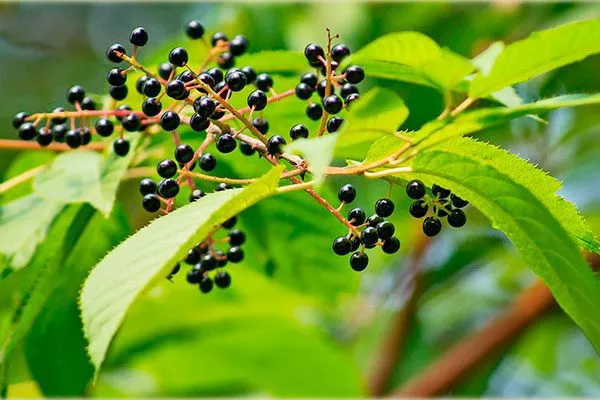
As a result, it will not be possible to achieve full growth of plum on such a rootstock.
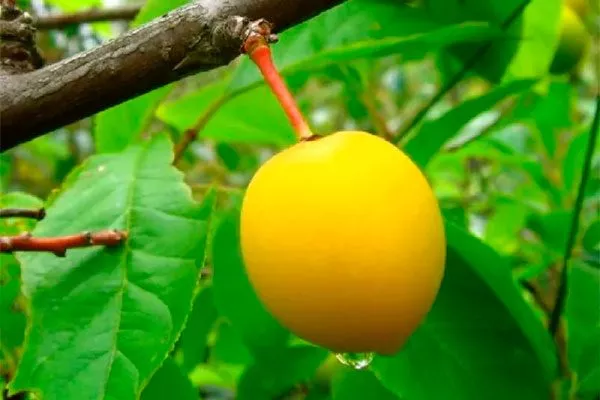
Grafting blue plum onto yellow plum
Since both the rootstock and the scion are plum, if all stages are carried out correctly, grafting is almost always successful.
What can be grafted onto a plum tree?
The crop can serve as a rootstock for grafting other stone fruit crops, to which it belongs. The most popular options are listed below.
Grafting apricot onto plum
Apricots are often grafted onto plums, as the latter is more resistant to cold and adverse weather conditions. Grafting increases the apricot's hardiness and frost resistance, and allows the tree to begin bearing fruit one to two years earlier without reducing yield.
Peach on plum
The plant's low maintenance plays an important role in this case as well. Peach cuttings grafted onto plum trees have a high chance of taking root.
Peach trees on plum rootstocks become resistant to adverse climatic conditions and many diseases, suffer less from pests, and their fruits become larger and tastier.
Apple trees for plums
Cuttings from pome fruit trees, such as apples, rarely take root on stone fruit trees. The success rate of such grafting is only about 1%, and most often it ends in failure.
In those rare cases where grafting an apple tree onto a plum tree was successful, the results remained unpredictable, and there is no reliable information about them.
Cherry plums on plums
Cherry plum thrives on plum rootstock. In cases where plum growth is poor, cherry plum is often grafted onto it, as it is characterized by greater resilience, low maintenance, and high yield.
In addition, cherry plum on plum rootstock begins to bear fruit 1-2 years earlier than when grown from a seed.
Cherries for plums
Cherry can be successfully grafted onto plum if all timing and rules are followed, which ensures a high survival rate.
This type of grafting significantly improves the quality of the fruit – they become larger, and their taste is richer and more expressive.
Blackthorn on plum
The graft will definitely take, as blackthorn is a close relative of the plum. However, there's no point in grafting the frost-hardy and resilient blackthorn onto the more sensitive plum—it won't increase its winter hardiness or yield.
Therefore, they usually do the opposite: graft plum cuttings onto a strong and frost-resistant blackthorn rootstock.
Pears for plums
The pear, like the apple, belongs to the pome fruit family. Therefore, the same restrictions and considerations discussed earlier regarding apple trees apply to grafting pears onto stone fruit trees.
Cherries for plums
Grafting is possible and has a reasonable chance of being successful, although the fusion of the scion and rootstock is complicated by differences in their wood. Cherry trees grafted onto plum rootstocks thrive, while crown grafting can produce a tree with two types of fruit.
What can be grafted onto a wild plum?
Wildings are typically plants grown from root suckers of ungrafted trees or from seeds. They are highly resistant to weather changes, tolerate frosts well, and are undemanding regarding soil composition. They are often used as rootstocks, with very successful results.
The following are grafted onto wild stock:
- plum;
- cherries;
- apricot;
- peach.
Any of these grafts will increase the tree's resistance to adverse conditions and make it more unpretentious.
Necessary equipment
Whether you're planning to graft a plum onto a cherry or another tree, you'll need a special set of tools. Prepare the following:
- a sharp knife without burrs on the blade;

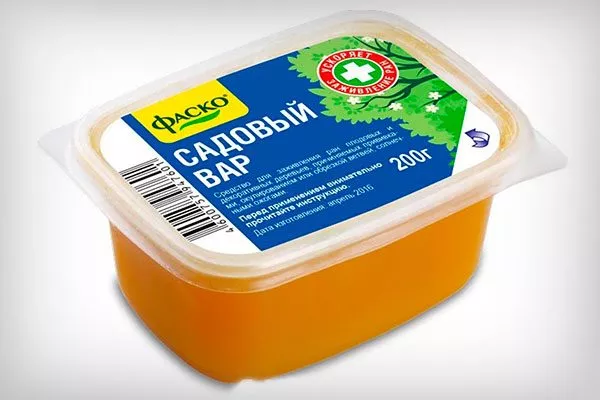
- garden var;
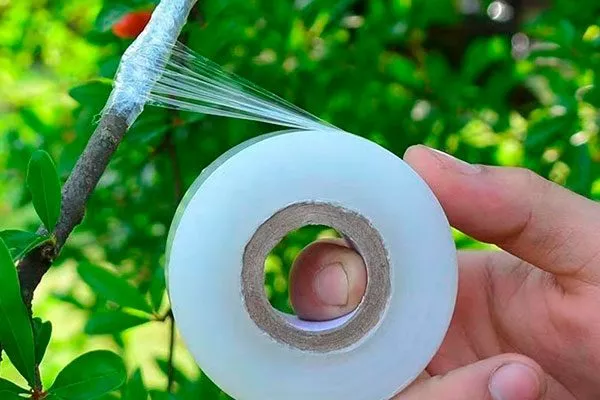
- binding materials – electrical tape or twine;
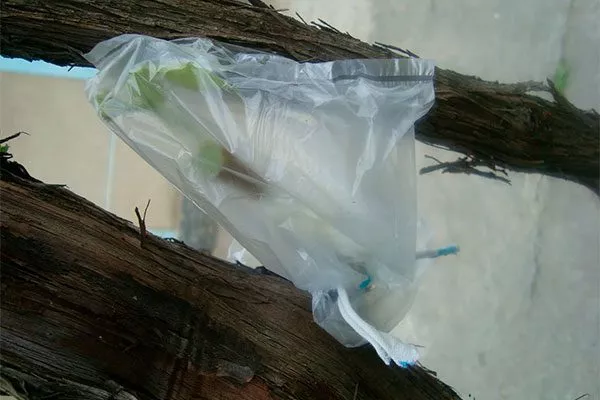
- covering material - film or plastic bag.
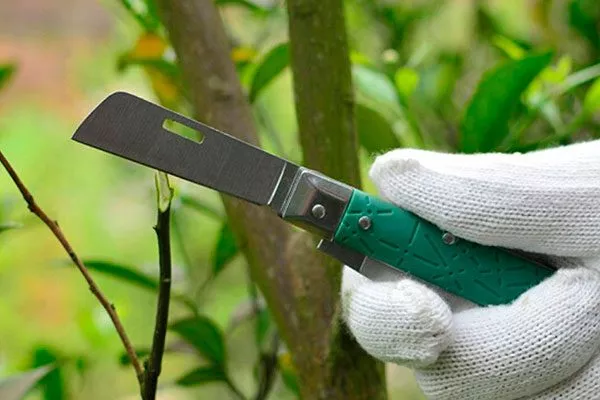
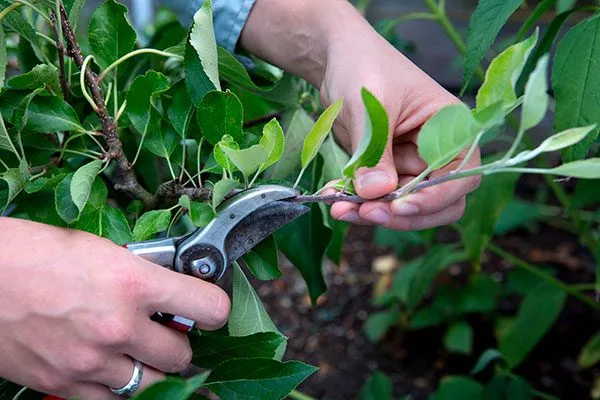
Properly preparing cuttings requires a high-quality cutting tool. A budding knife with a straight, unbeveled blade or a special grafting shears is considered ideal.
Preparing for plum grafting
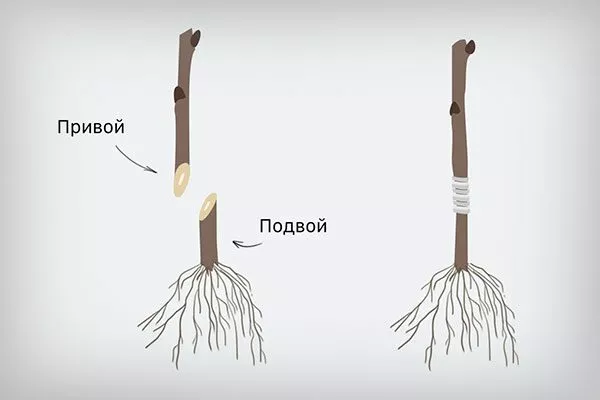
Careful preparation is essential for grafting to increase the chances of a successful fusion between the scion and rootstock. It's important to prepare all the necessary tools and materials in advance, as well as select healthy, high-quality scions and rootstock.
Selecting rootstock and scion
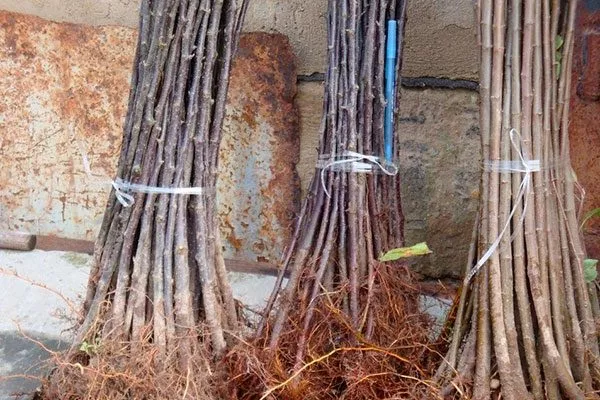
Not every scion is suitable for grafting, and not every tree makes a good rootstock. The best solution is winter-hardy, regionally appropriate rootstocks that are adapted to local conditions and ensure high survival rates.
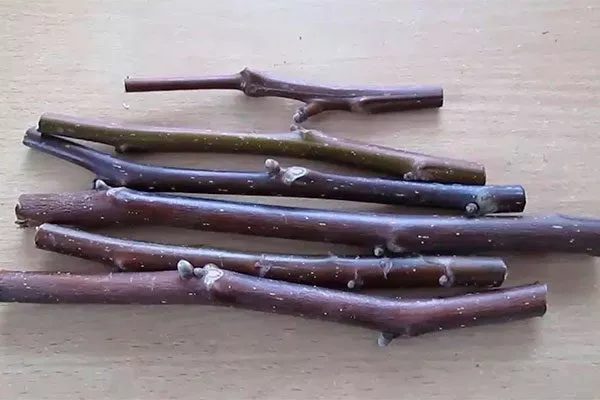
Select scions from healthy, high-yielding trees with proven varietal qualities. Optimally, use cuttings with 2-3 well-developed buds. It's important that the scion and rootstock are compatible.
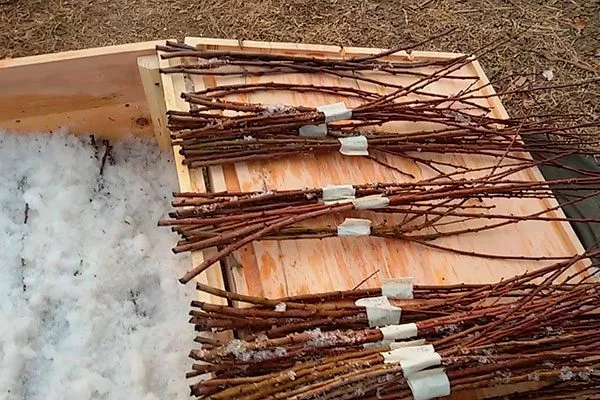
Harvesting and storing cuttings
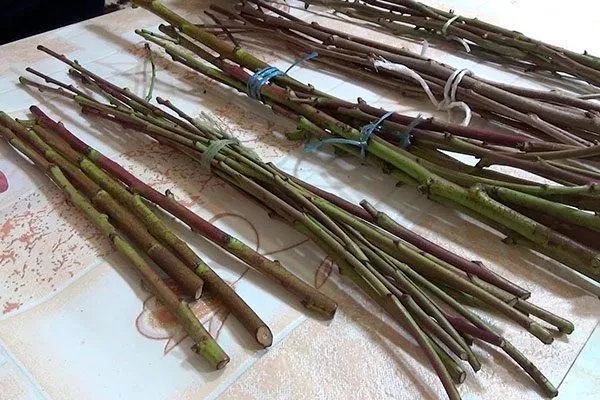
Properly prepared scions are key to successful grafting, accounting for approximately half the result. For spring grafting, scions can be taken on the day of the procedure, but they are more often prepared in advance—in late fall or early winter, before severe frosts set in.
Key recommendations:
- For summer grafting, prepare the planting material a day or two before the procedure.
- The best cuttings are one-year-old, well-ripened shoots from the current year, especially from the sunny, outer side of the crown. These branches are strong, with well-developed buds and maximum vitality.
- The optimal portion of the shoot to choose is the middle section—it offers a balanced balance of thickness, strength, and number of buds. The tops are often immature, and the base can be too thick and rough.
- The ideal cutting is 15-20 cm long, no thicker than a regular pencil, and has 3-4 live buds.
- Use sharp pruning shears or a knife to cut just below the bottom bud—about 1–2 cm. If the cutting is too long, divide it into several pieces with good buds.
- Tie the cuttings into bundles and label them with the variety. Wrap them in a damp cloth, coconut coir, or moss. Keep the cuttings in a cool place with a temperature between 0 and 4°C (32 to 40°F).
Plum grafting methods
There are several ways to perform the procedure. The main thing is to adhere to certain requirements.
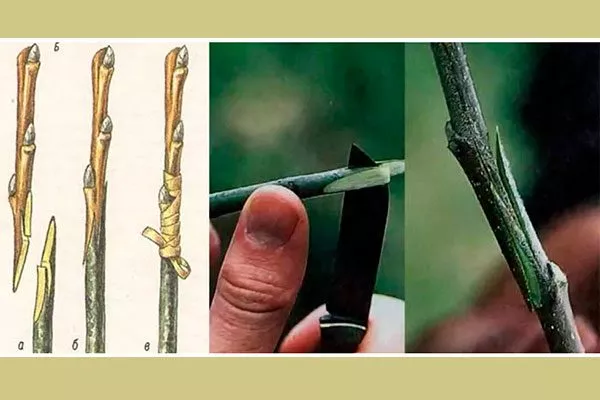
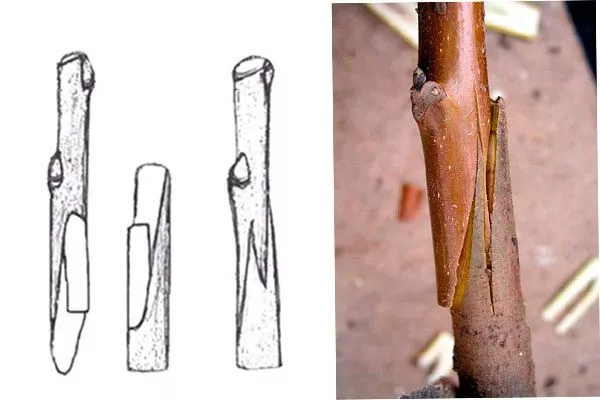
Copulation
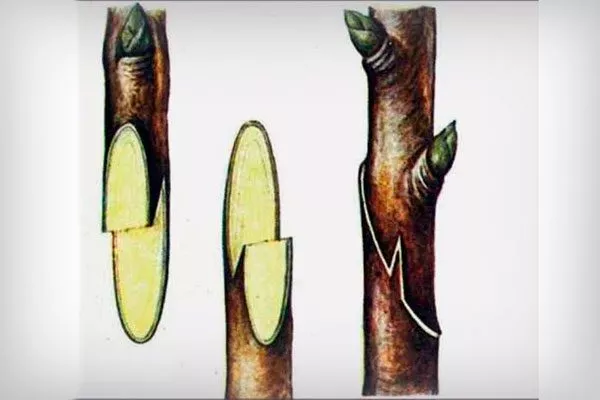
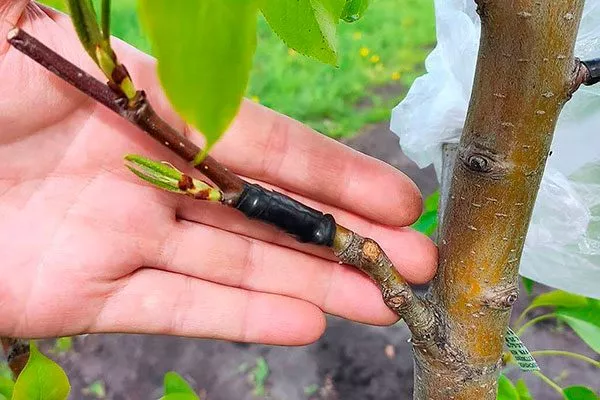
Plum grafting is done by copulation when the rootstock and scion are approximately the same thickness. This method is simple, but requires care and precision.
Step by step process:
- Make oblique cuts on the rootstock and scion, approximately 3-4 cm long.
- For better fusion, use improved copulation - make an additional cut (tongue) in the middle of the cut, which fixes the parts together.
- Place the cuts tightly together, making sure to connect the cambial layers.
- Carefully wrap the grafting site with grafting tape.
Budding
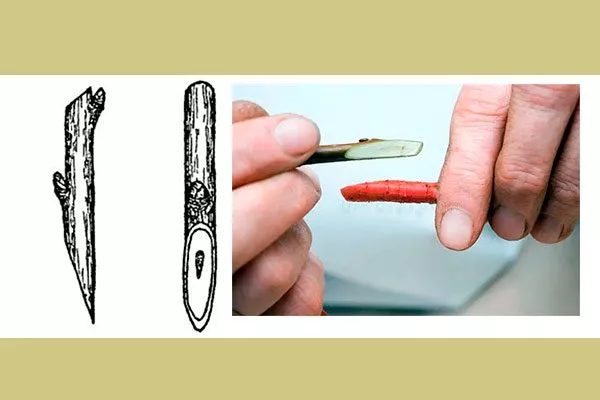
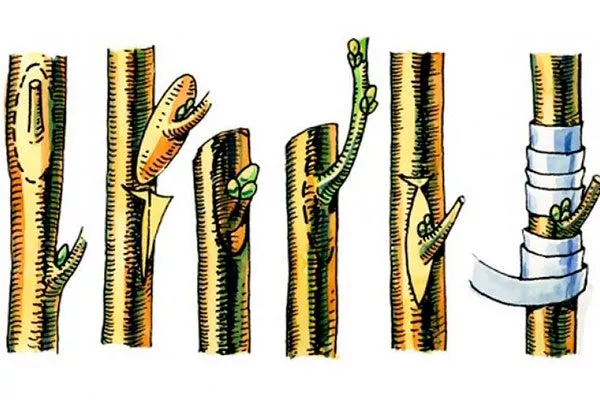
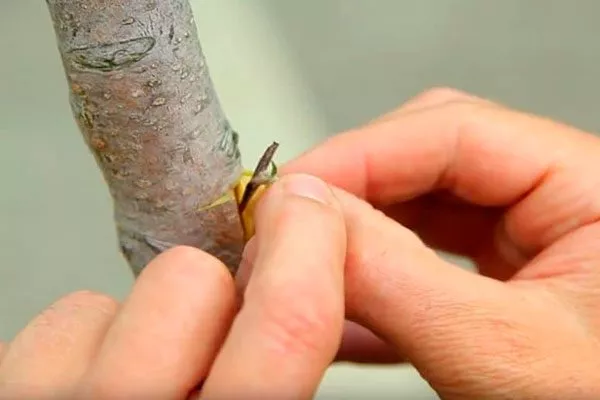
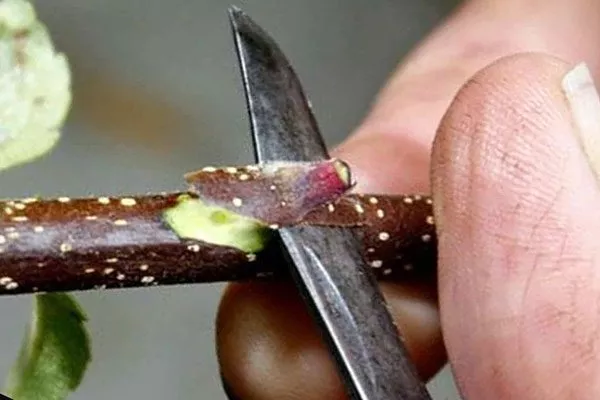
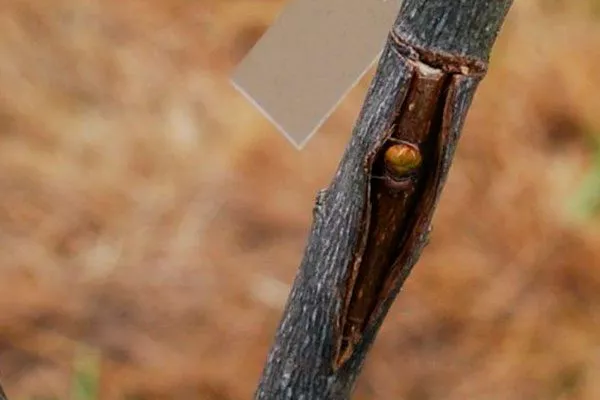
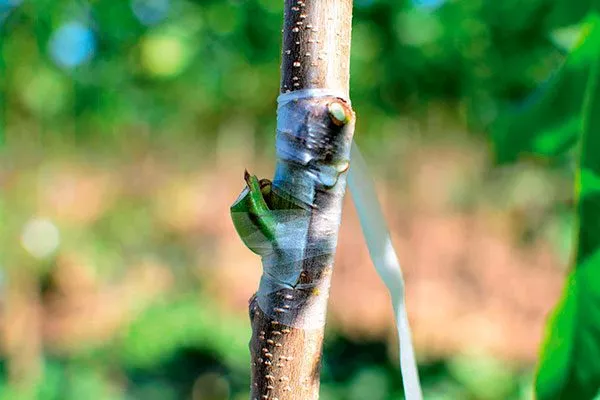
Perform this procedure in the summer, during the period of active sap flow, when the bark peels off easily. This method is considered convenient and economical.
Execution process:
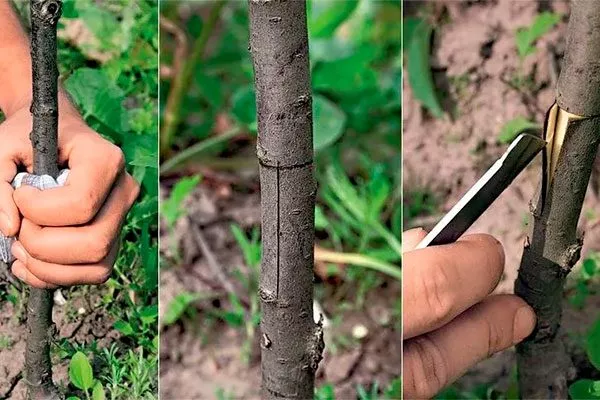
- Make a T-shaped cut in the bark of the rootstock.
- Carefully lift the edges of the cut.
- From the cutting, cut out a shield with one well-developed bud - this is the scion.
- Insert the shield under the bark of the rootstock, like in a pocket, completely covering it with bark.
- Carefully wrap the grafting site, leaving the bud open.
Cleft grafting
This is the simplest method, used when the rootstock is significantly thicker than the scion. It's especially suitable for rejuvenating old trees or re-grafting.
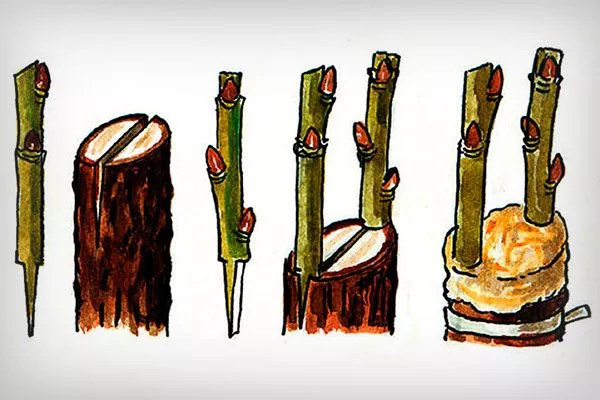
Step-by-step instructions:
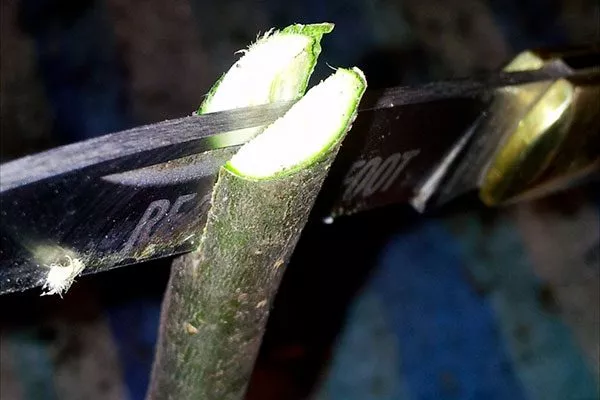
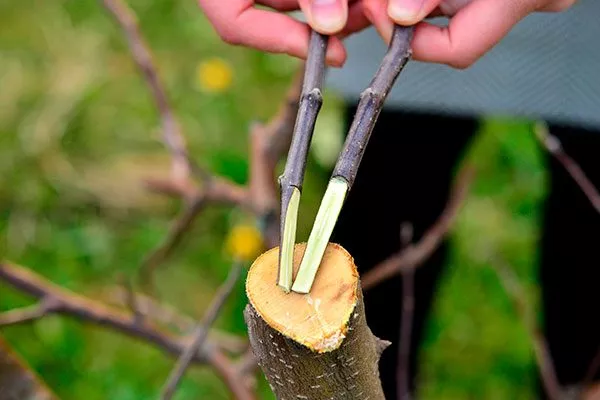
- Cut the rootstock and split it along the trunk to a depth of 3-5 cm.
- Trim the lower end of the scion cutting into a wedge shape on both sides.
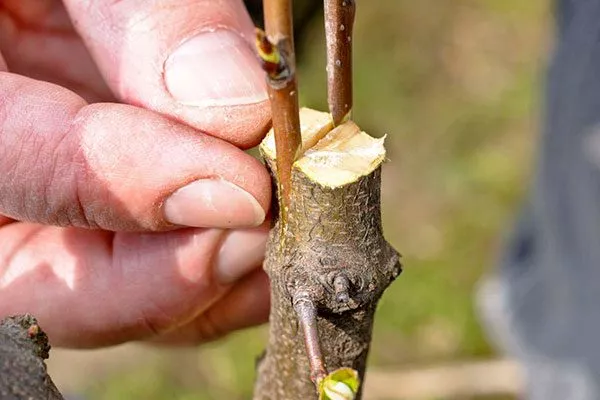
- Insert the scion into the cleft so that one of its cut sides coincides with the cambium of the rootstock.
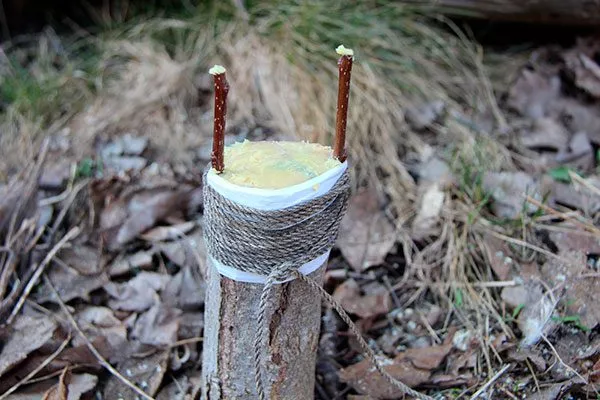
- Press the gap tightly and secure it with electrical tape or rope.
- Be sure to cover all open cuts with garden pitch.
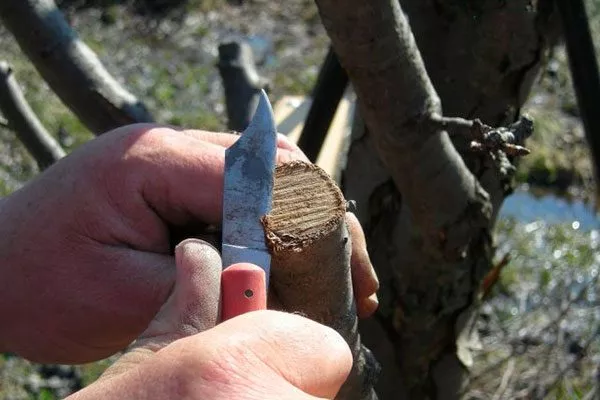
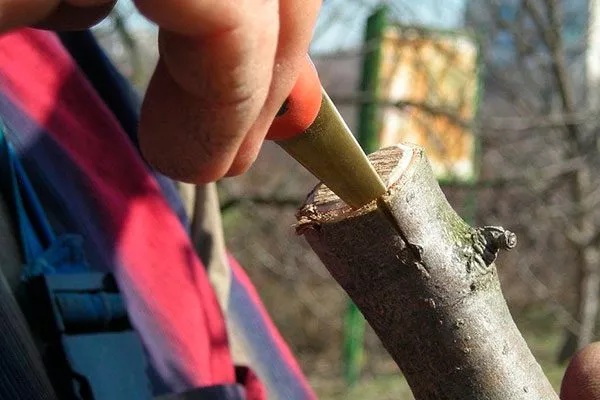
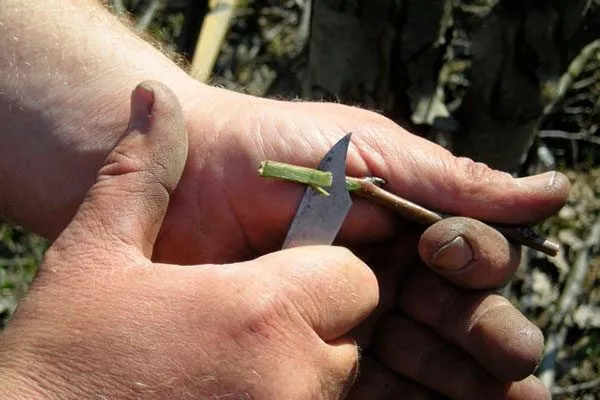
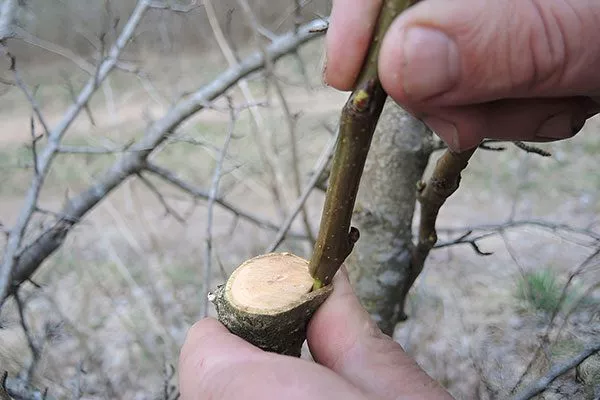
Bark grafting
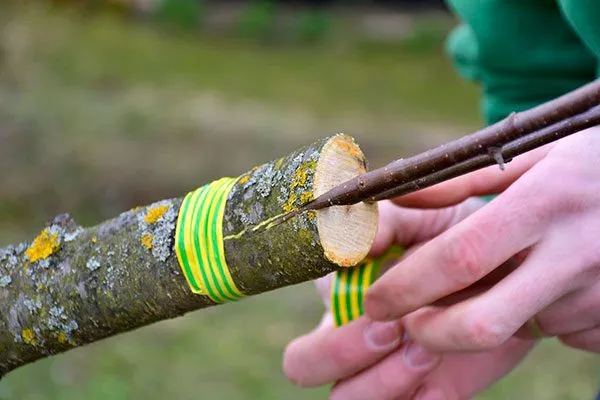
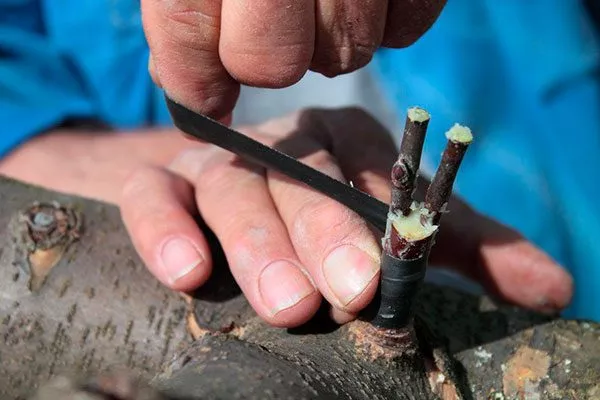
This method is an alternative to cleft grafting and is suitable if the rootstock is mature and significantly thicker than the scion, but you don't want or can't split the thick trunk. Grafting is effective in the spring, during the period of active sap flow, when the bark peels off easily.
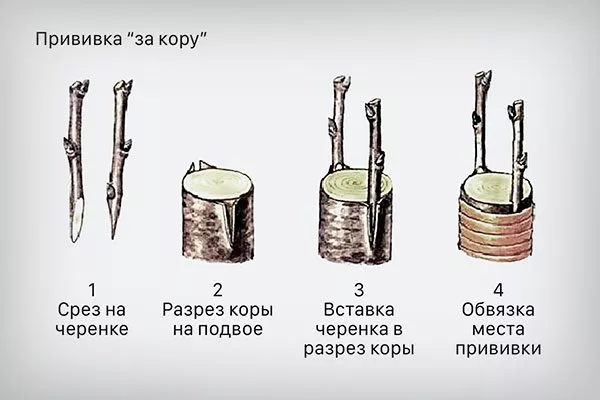
Follow these steps:
- Carefully cut the rootstock trunk or branch across.
- Make a vertical cut 3-4 cm long in the bark (if the bark is thick and old, you can simply insert the cutting behind the bark – it will press it down).
- Carefully peel back the bark, being careful not to damage the inner layer. If the bark tears, it's best to make another cut.
- Sharpen the scion into a wedge shape on one side and insert it under the bark, as if “hiding” it inside.
If the rootstock is thick, you can insert 2-3 cuttings at once around the circumference.
- Wrap the grafting site tightly with tape and cover the cut on top with garden pitch.
Ablation
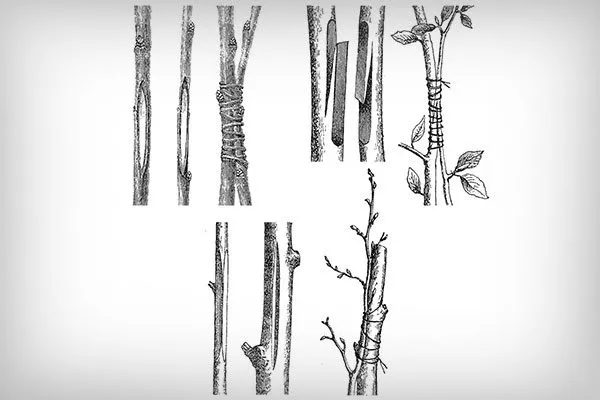
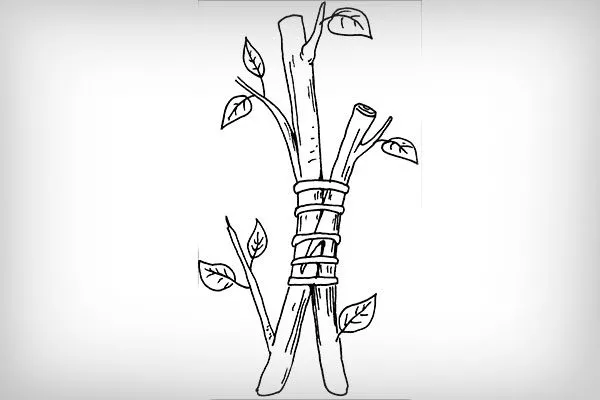
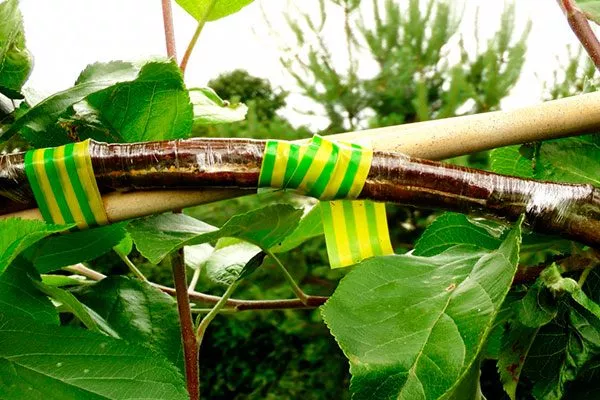
A popular grafting method in form gardening. Although rarely used to improve fruit flavor or treat trees, it remains effective for plums. Ablactation can be performed from May to September.
Step-by-step algorithm:
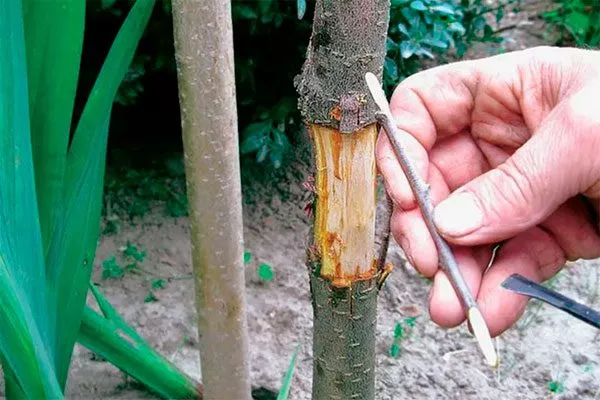
- Remove the bark from the scion and rootstock, cut off the old wood.
- Make cuts of equal length and tightly join the branches so that the cambial layers match.
- Tie the grafting site with twine and treat it with garden pitch, being careful not to apply it inside the wound.
By bridge
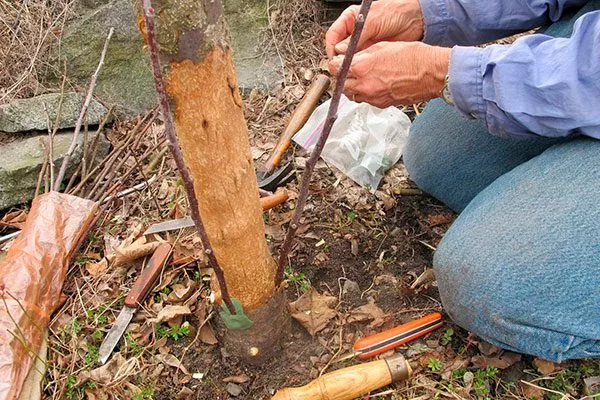
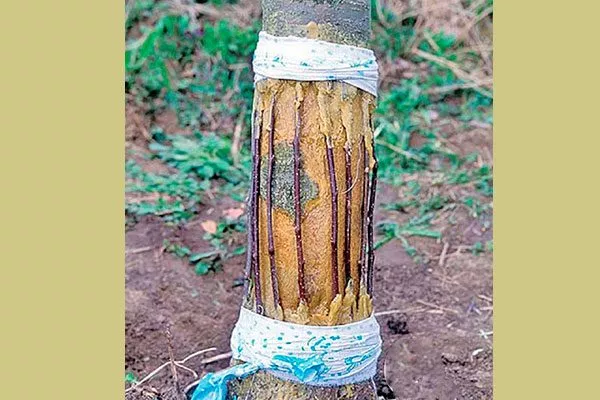
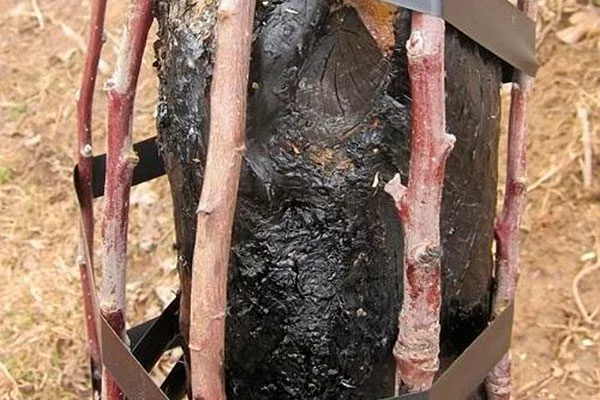
This is an effective way to restore trees with bark damage caused by rabbits, burns, or frostbite. A simpler method can be used for minor damage. Young trees will require two cuttings, while mature trees will require about eight. The best time for this procedure is May.
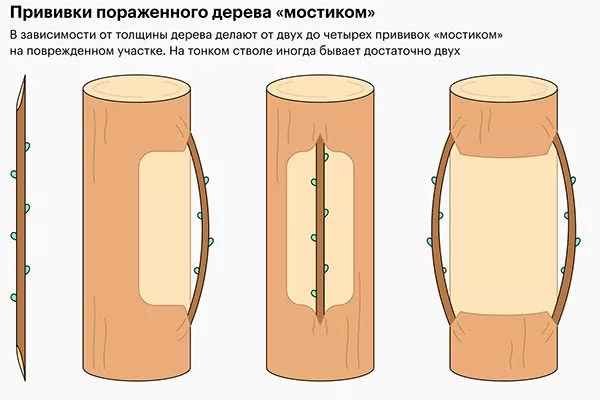
Follow the instructions:
- Clean the graft site by trimming the edges of the bark with a disinfected knife.
- At the ends of each cutting, make cuts approximately 3 cm long.
- Make vertical T-shaped cuts on the bark of the rootstock on both sides of the grafting site.
- Insert the cutting behind the bark, bending it into an arc - do not place it upside down, so as not to worsen the condition of the scion.
- Secure with twine or tape.
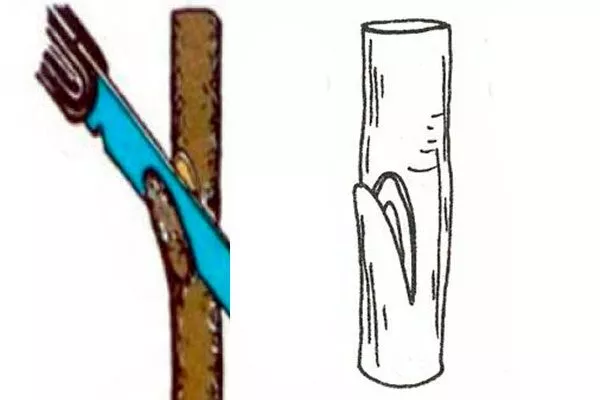
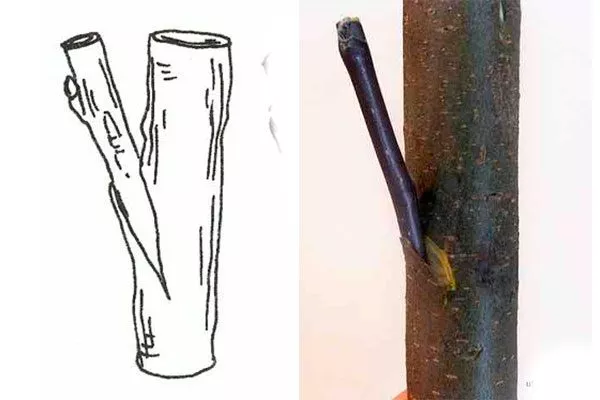
How to graft a plum into a side cut?
The method is suitable for rootstocks of any thickness, but branches up to 3 cm in diameter work best. The optimal time for the procedure is early spring.
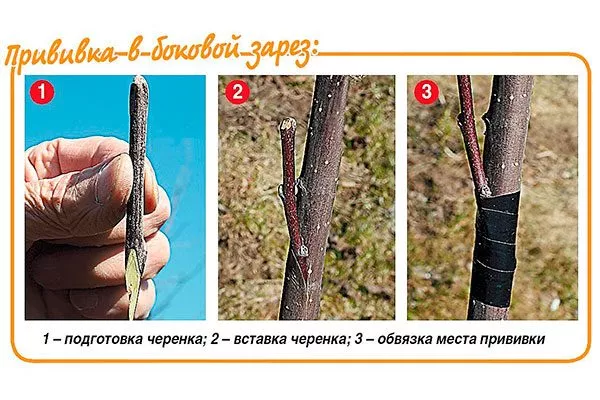
Step-by-step algorithm:
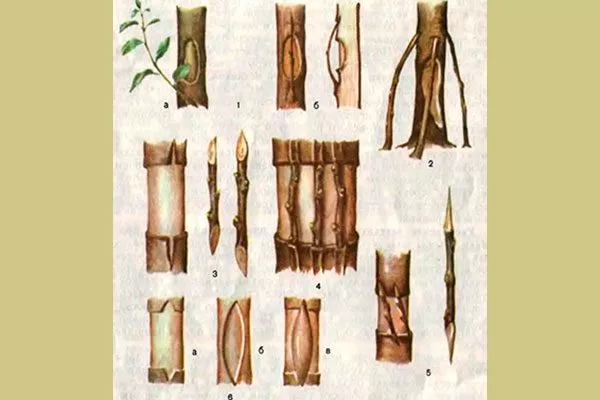
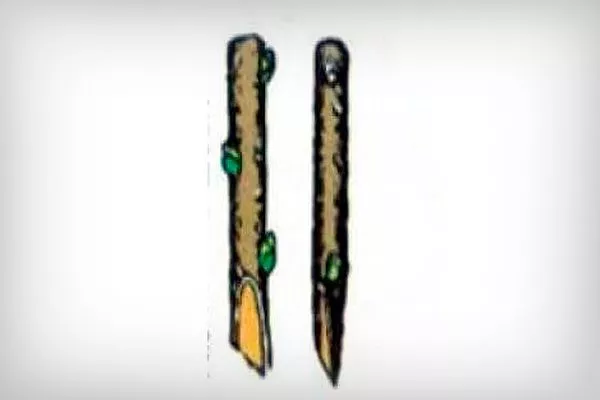
- On the lower part of a cutting with 2-3 healthy buds, make a diagonal cut approximately three times the diameter of the cutting itself. Make the same cut on the opposite side.
- Cut the top of the cutting approximately 1 cm above the top bud.
Make a 30-degree angle cut on the side of the rootstock, cutting into both the bark and the wood. The cut should match the size of the cut on the scion. If the branch is thick, graft from two opposite sides.
- Insert the scion into the cut, carefully aligning all layers of wood to ensure tight contact.
- Tie the junction with a suitable material and cover the top of the cutting with garden pitch.
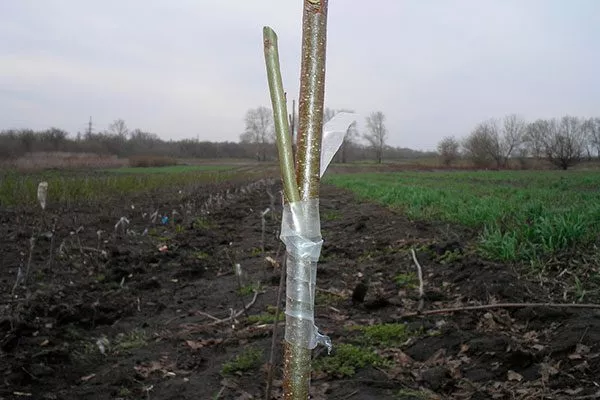
Step-by-step instructions for grafting plum trees
Before beginning the procedure, inspect the tree—the rootstock should be healthy, undamaged, and with active sap flow. Clean the trunk or branch of dirt and excess moisture. Make clean cuts, avoiding jagged edges. If using the "by the bark" method, the bark should peel off easily.
Follow the rules:
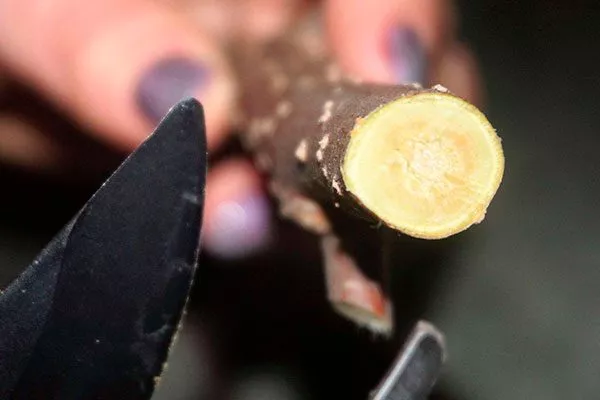
- Preparing the scion. Use only fresh, viable cuttings with 2-3 well-developed buds. Make cuts with a sharp knife at a 30-45 degree angle. The cut surface should be smooth.
- The union of rootstock and scion. Success depends not only on the evenness of the cut but also on the precise alignment of the cambial layers—they ensure fusion. Press the scion firmly against the rootstock and tie it tightly with electrical tape to prevent any shifting.
- Treatment of the vaccination site. Carefully coat all exposed cuts with garden pitch, plasticine, or candle wax. This will protect against drying out, moisture, and infection.
Caring for a grafted plum tree
Proper care of the grafted tree is crucial, especially in the first weeks after the procedure. Regularly inspect the graft site, keep it clean, and protect it from drying out or damage.
Monitoring the survival rate of grafting
The first thing to remember is not to jump to conclusions. The survival of a spring graft is usually assessed after 2-3 weeks, and sometimes even after a couple of months.
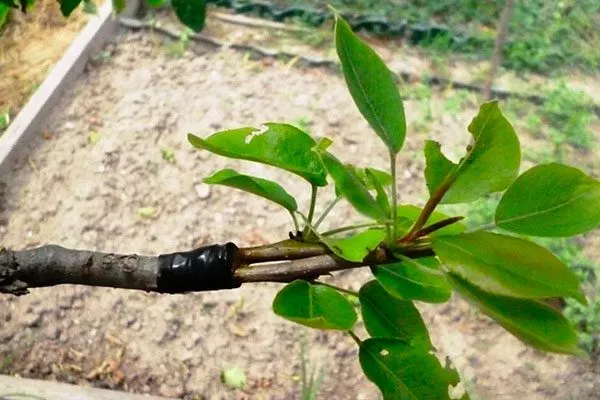
Signs of a successful process:
- the buds on the cutting begin to swell or show growth;
- the bark remains elastic and does not darken;
- the cut does not dry out or darken.
With summer budding, the buds may either dry out by fall and the wound will heal, or they may fuse and become dormant until the following spring. Sometimes the buds remain dormant, in which case they are awakened by making a cut in the bark above the bud.
After 40-50 days, depending on weather conditions, remove the bandage. If the bandage cuts into the bark, loosen it slightly, but it's best to wait until it's completely fused.
Watering and fertilizing
After grafting, the tree becomes especially vulnerable. It requires thorough care. Follow these basic guidelines:
- maintain moderate soil moisture;
- do not allow it to dry out in hot weather;
- carry out the first feeding 2-3 weeks after grafting;
- Use soft nitrogen fertilizers.
Pruning and crown shaping: beautiful means healthy
Grafting is just the first step. Next comes the important stage of structuring the tree. Follow these basic rules:
- Once established, prune to ensure proper growth balance so that branches develop in the desired direction and not in a chaotic manner.
- Remove shoots that compete with the scion, especially those growing below the graft site.
- Make sure the crown isn't too dense. The scion's growth should be directed upward and outward, toward light and air.
Common mistakes when grafting plum trees and useful recommendations
When a gardener is just starting out, they often encounter certain challenges. The main ones are:
- Wrong timing. Each region has its own optimal window for grafting. Delaying spring grafting will reduce your chances. Grafting during a hot summer period is also a mistake. Stick to a time when sap is actively flowing, but there's no risk of overheating or frost.
- Poor quality of cuts. Uneven, jagged cuts, damaged bark, or a dull tool will all reduce survival. Use a sharp knife or pruning shears.
- Neglect of cutting treatment. Using garden varnish is essential. Open cuts lose moisture and become a breeding ground for infection. Apply the varnish generously and evenly.
Which rootstock is better?
Numerous studies conducted by experienced breeders and gardeners have allowed us to systematize practical results and conclude that plums can be grafted onto the following rootstocks:
- plums of various types (Ussuri, Chinese, Canadian);
- cherry plum;
- blackthorn;
- blackthorn;
- felt cherry.
All of the plants listed above have proven themselves to be reliable rootstocks. In addition, there are specialized clonal rootstocks developed to improve the qualities of plum trees.
Questions and Answers
Many gardeners encounter various difficulties when grafting plum trees. To help overcome common problems and avoid mistakes, we've compiled answers to the most frequently asked and important questions.
What to do if the deadline is missed?
If you've missed the deadline for grafting, don't panic. Wait and prepare for the next suitable season—spring or summer, when sap flow is more active.
In some cases, it is possible to graft in the fall, but it is important to take into account local climate conditions and the weather forecast so that the cuttings have time to take root before frost.
Is it possible to graft a freshly cut cutting in the spring?
Successful grafting is only possible before the buds begin to swell. If they have already budded, and the scion has not yet established itself and is not receiving sufficient nutrition from the rootstock, this leads to the depletion of the plant's internal reserves and the rapid death of the scion.
How to graft a broken plum tree in spring?
Carefully remove damaged branches to avoid damaging the bark. Thoroughly clean all wounds and bruises and treat with garden pitch.
If the central core is broken but the bark at the fracture site is intact, try to stabilize the trunk with a splint. If the trunk is completely broken, saw off the remainder and graft the tree onto the stump.
When can I immediately cut cuttings for grafting plum trees?
The "cut and graft" approach is effective in late spring or summer. For this, use only the bud grafting method.
Why are the best cuttings harvested in the fall?
Harvesting the scion in the fall ensures its winter hardening and ensures its dormancy. This prevents rapid bud development on a weak scion.
Plum grafting is a process that requires precision and technical know-how, but with the right approach, it guarantees excellent results. The choice of method and timing directly impacts success, so following these recommendations will help avoid mistakes and ensure a strong fusion between the scion and rootstock.