
Breeders have created a huge number of plum varieties. This diversity, from which one can choose the one best suited to a specific climate, has made plums one of the most widespread crops. This article presents a list of the best varieties, along with descriptions, cultivation guidelines, and ripening times.
Table of early ripening of plum varieties
In the table, the varieties are classified according to ripening time:
| Early ripening (July – early August) | Mid-season
(August) | Late-ripening (late August – September) |
| Zarechnaya | Smolinka | President |
| Kabardian | Bogatyrskaya | Bluefree |
| Aprimira | Imperial | Gigantic |
| Chachak | Soviet Greengage | Angelina |
| Nenko | Renclode Kharitonova | General's |
| Early-bearing | Beloved from Mliev | White greengage |
| Honey yellow | Kazan | Ochakovskaya yellow |
| Morning | Red-fleshed | Immune |
| Firefly | Romain | Top Hit |
| Starting | Souvenir of the East | Grossa di Felicio |
| Common Hungarian grass | Joy | |
| Eurasia | Sorceress | |
| Peach | La Crescent | |
| Egg blue | Stanley | |
| Kroman | Adyghe prunes | |
| Yakhont | ||
| Ballad |
Now let's learn more about each variety.
| Name | Ripening period | Productivity | Disease resistance |
|---|---|---|---|
| Starting | end of July | high | disease resistant |
| Aprimira | July 15th | high | disease resistant |
| Zarechnaya | July 21-31 | high | disease resistant |
| Kabardian | mid-to-late July | up to 120 kg | Not susceptible to fruit rot and clusterosporium |
| Chachak | the second half of July | high | susceptible to insect attack |
| Nenko | the first days of August | high | rarely affected by diseases |
| Early-bearing | the first days of August | irregular | disease resistant |
| Honey yellow | end of July | high | resistance to frost, drought and disease |
| Morning | beginning of August | up to 50 kg | average |
| Firefly | end of July | regular | high performance |
Starting plum
Found in gardens in the central and black soil regions, this vigorous, medium-sized tree tolerates both low and high temperatures. The first fruits appear five years after planting. Although self-fertile, the plum produces very few ovaries. To increase yield, Volzhskaya Krasavitsa and Eurasia plums are planted nearby.
The fruit ripens in late July. They are burgundy, large, weighing up to 60 grams, with yellow, watery, and sweet flesh. The skin is very thick, allowing the fruit to be transported over long distances without risk of losing its marketable appearance. The plant does not require preventative treatment with fungicides or insecticides, as it is resistant to diseases and insects.
Aprimira
Also known as "apricot plum," this tree is a hybrid of apricot and plum. It is a low-growing, fast-growing tree, averaging 1.5 meters in height. Fruiting begins in the second year, but to encourage fruit formation, nearby varieties that bloom at the same time—in the second half of April—are planted.
The hybrid's advantage is its high frost resistance, making it suitable for cultivation in the Far East and the Leningrad Region. However, its drought tolerance is low and it requires regular, abundant watering.
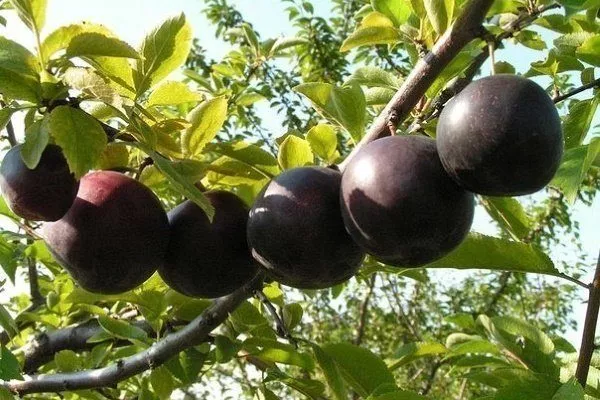
The fruits begin to ripen on July 15th. The yield is high. The plums are large—at least 50 g—green-yellow with purple spots and light-yellow, sweet flesh, with apricot aromas.
They transport well. Ripe fruits are not prone to falling or cracking.
Zarechnaya plum
It is cultivated in the central black soil regions. The tree is easily recognized by its curved branches. The first fruits are harvested after four years. Volzhskaya Krasavitsa, Etude, and Tambovsky Renklod are planted as pollinators.
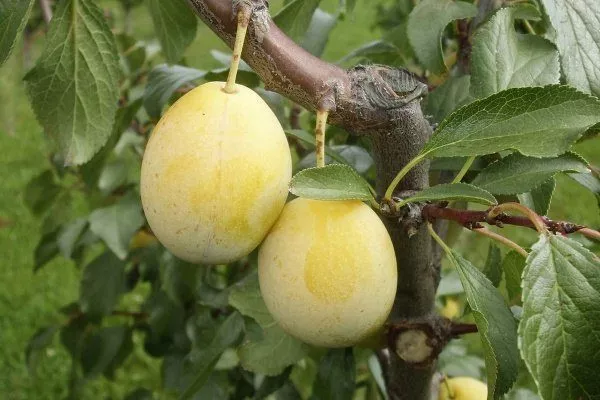
The harvest is from July 21st to 31st. The plums are large with juicy, sweet flesh. The purple fruits are evenly distributed across the crown, preventing them from becoming smaller and branches from breaking under their weight.
Plums are frost- and drought-resistant and resistant to major diseases. The fruits are easy to transport and retain their flavor for a long time. They are often used for preserves, such as jams, compotes, and preserves.
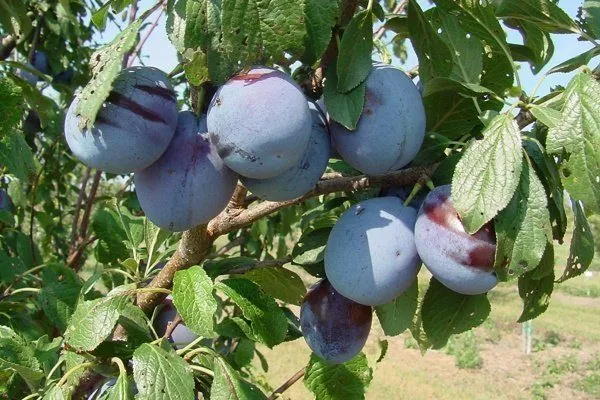
It is not recommended to dry such plums, because their thick skin will make them hard.
Kabardin plum
This variety is self-fertile, so it doesn't require additional pollination. It's grown only in warmer regions; it's frost-intolerant, but can withstand short-term temperatures down to -10°C.
The dense crown and the tree's height (up to 6 m) make harvesting difficult. It produces its first fruits in the fourth to fifth year. The fruits ripen in mid- to late July, yielding up to 120 kg per tree. Harvesting must be done quickly, as ripe plums fall quickly.
They don't have a long shelf life, but are transportable. The fruits are burgundy-red, large, weighing up to 50 g. They may be covered with a gray bloom and spots. The flesh is firm with a sweet and sour taste.
The taste and size of the fruit are affected by weather. In cold or dry summers, the fruit becomes sour and becomes significantly smaller. Yields drop during rainy weather and low temperatures. This plum is resistant to fruit rot and clasterosporium.
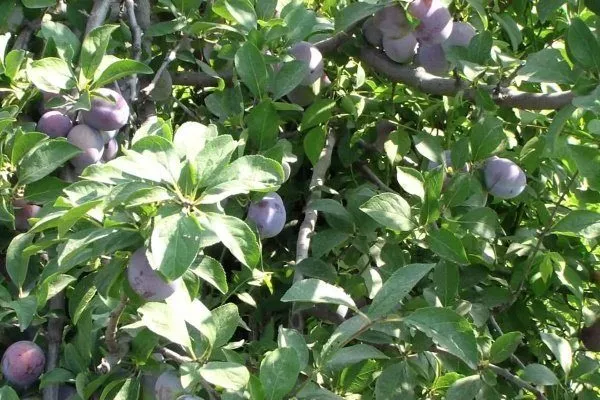
Chachak
A Serbian-bred variety with many names. After "Čačakska," various other names are added: "Krasavitsa," "Rannyaya," "Naiboliya," and "Best." The tree reaches up to 3 meters, grows very quickly, and is frost-resistant, though young seedlings can freeze in low-lying areas with damp soil. The buds are damaged by spring frosts.
The first fruits appear after 2-3 years. Plum trees such as Nenka, German, Voloshka, and Čačakska Lepotika should be planted nearby. Young trees produce fruit annually, while older plums yield once every two years. They are harvested in the second half of July. The fruits are large, weighing up to 60 g. The skin color depends on the air temperature; the hotter the temperature, the more purple it becomes.
The fruits may be covered with a bluish or pinkish bloom. When overripe, the yellow-green flesh loses its sweet and sour flavor. Plums should be treated with insect repellents as a preventative measure.
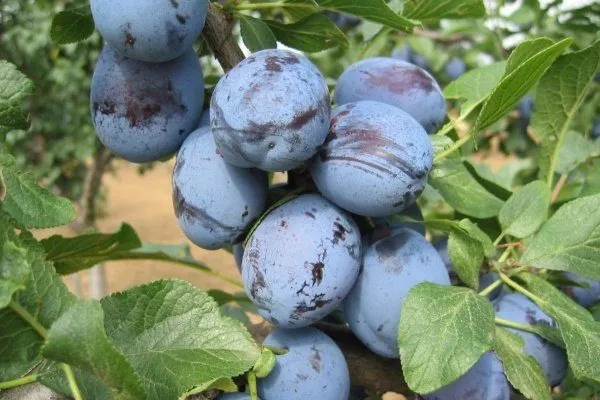
Nenko
A Ukrainian variety. It is frost-tolerant, so it is grown in various regions. The tree grows approximately 3 meters tall. The leaves grow strictly upright. The first fruits appear after two years and ripen in early August, or in late July in southern regions.
The fruits are large, up to 60 g, barrel-shaped, purple-burgundy with a thick waxy coating. The flesh is yellow with a sweet and sour taste. The fruits retain their attractive appearance and flavor during transportation. The variety is rarely affected by diseases.
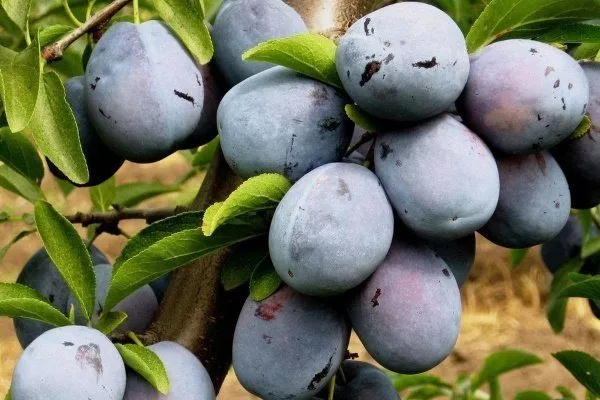
Early-ripening plum
Belonging to the Chinese variety, this cultivar was developed by Russian specialists. It is cultivated by Siberian and Far Eastern gardeners and grows well in temperate climates. The tree is low-growing, with a spherical crown.
The first fruits appear in the third year, but fruiting is irregular. This highly frost-hardy variety can withstand temperatures down to -40°C, and the buds are resistant to spring frosts. The root collar may rot, but only in areas where frosts alternate with thaws in winter. The plant is also drought-resistant.
For pollination, Krasny Shar and Russkaya plums, a hybrid cherry plum, are planted. The fruits ripen in early August. They are medium-sized, weighing up to 28 g, with thick yellow skin. On the sunny side, an orange or red blush develops. The flesh is yellow, juicy, and sweet and sour with a melon flavor. This plum is disease-resistant and rarely suffers from pests.
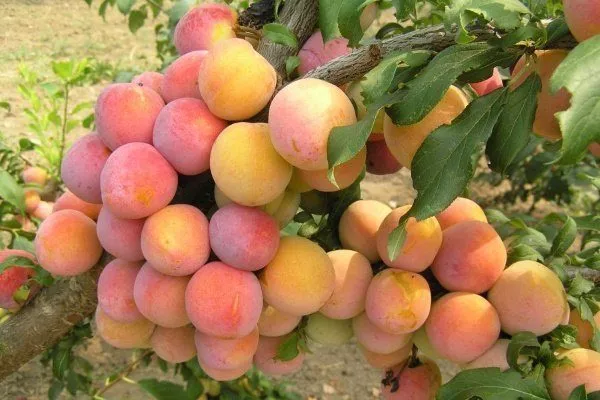
Her life expectancy is 21 years.
Honey yellow or white
It is one of the largest trees, reaching a height of 7 meters. Its crown is sparse, as few branches are produced. However, this does not affect its yield. It is cultivated throughout the world and can grow in colder regions. The first fruits appear in the fourth year, but to promote fruit set, nearby plants are planted with Hungarian Donets'ka and Renclode Karbysheva.
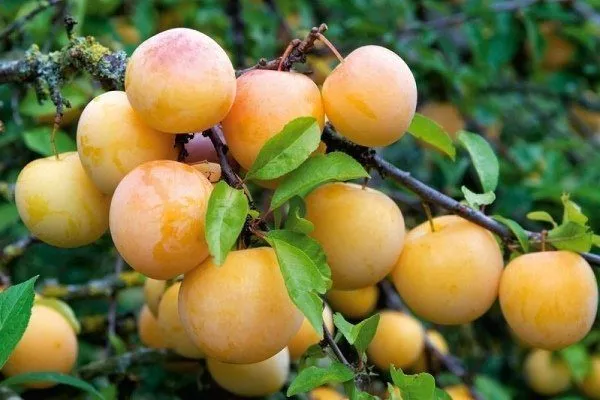
The fruit ripens in late July. The plums themselves are large—up to 50 g—pale yellow with a rich white bloom. An orange blush appears on the side of the fruit when exposed to the sun. The flesh is amber, sweet, and honey-like, with a honey aroma. The fruit is easy to transport, and the yield is high. The advantages of this plum include its resistance to frosts down to -30°C, drought, and disease.
Morning
A Russian plum variety with intermittent fruiting. The first fruits appear in the fourth year, but every four years the plum goes dormant and bears no fruit. The yield is high, reaching up to 50 kg, but the ripening period is prolonged.
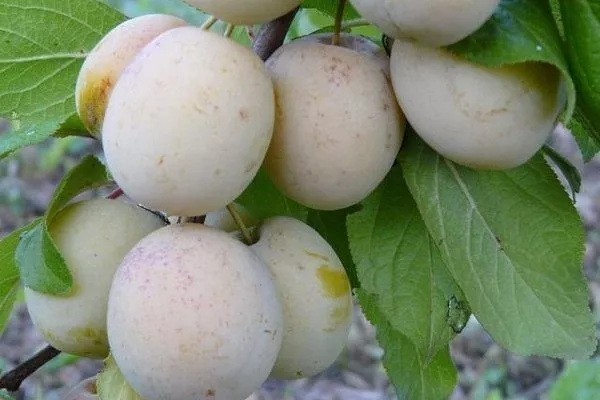
The first ripe fruits are harvested in early August. They are medium-sized, greenish-yellow in color, and covered with a white bloom. The side of the fruit facing the sun quickly develops a blush. The variety does not require pollinators. It has moderate winter hardiness and resistance to diseases and pests.
Firefly
A new plum variety, suitable for growing in the Central Black Earth Region. The tree grows up to 5 meters tall. Fruit appears in the fourth year. To ensure fruit set, contemporaneous varieties are planted nearby. Fruiting is regular.
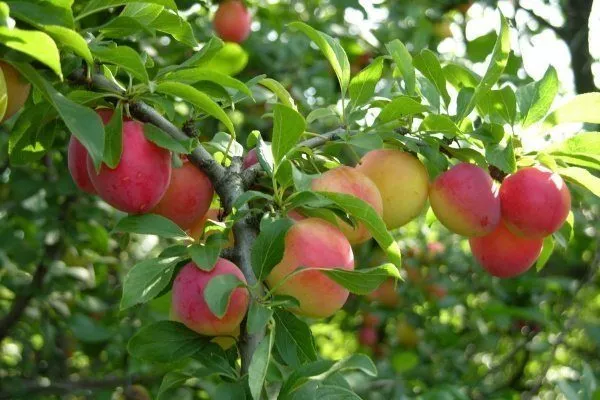
The fruits are large, yellow-green, and thin-skinned, making them difficult to transport. The flesh is juicy and has a dessert-like flavor. Ripening time is late July. They have excellent winter hardiness and drought tolerance.
Smolinka
This variety was developed by Russian breeders. The tree is tall, reaching up to 5.5 meters. It is suitable for cultivation in the central region of Russia. Its frost and heat resistance are average. The plant begins to bear fruit in the fourth or fifth year. This self-sterile variety requires pollinators. The best varieties are "Yachnaya Sinyaya," "Vengerka Moskovskaya," "Siny Dar," "Sverkhrannyaya," "Opal," "Skorospelka Krasnaya," "Utro," and "Volzhskaya Krasavitsa."
- ✓ Resistance to specific diseases typical for the growing region.
- ✓ Requirements for soil composition and pH.
- ✓ Need for pollinators and compatibility with other varieties.
- ✓ Adaptation to climatic conditions, including frost and drought resistance.
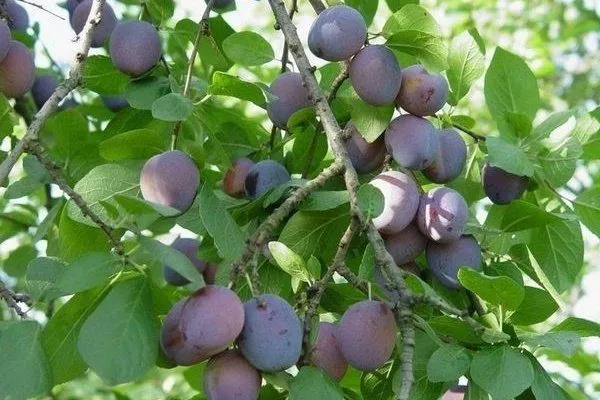
The fruits ripen from mid-August. The yield is high, up to 20-40 kg, but it doesn't bear fruit every year. A good harvest is reaped every 3-4 years. The fruits are dark purple, large—35 g—with a dessert flavor.
Ripe fruits fall off quickly, so harvesting should be done immediately. The fruits are transportable. It has moderate disease resistance, but is immune to clasterosporium (shot hole).
Bogatyrskaya
This variety was developed by Soviet specialists and is intended for cultivation in the Volgograd region. The tree is medium-sized with crooked branches that extend from the trunk at an acute angle. When pruning, it is recommended to leave horizontal branches, as vertical or acutely angled branches easily break under the weight of the fruit.
Fruiting begins 4-5 years after planting a one-year-old seedling. The plum bears fruit annually and does not require pollinators. The harvest ripens around the twenties of August. The plums are dark purple and large, weighing 30-60 g. Ripe plums take on a black tint. Yields are high, with up to 80 kg harvested per tree.
The fruits are transportable and can be stored in cool conditions for up to 20 days. This variety also boasts high frost resistance and resistance to diseases such as moniliosis (fruit rot), clasterosporium, and pests.
This variety is recommended for grafting onto felt cherry, apricot, cherry plum, and blackthorn. Its lifespan depends on the rootstock and ranges from 15 to 30 years.
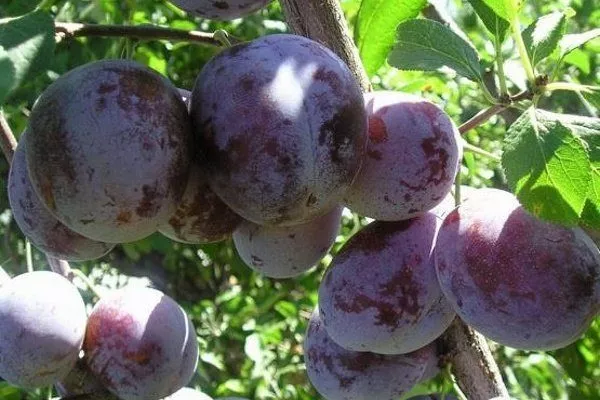
With a large harvest, the fruits become smaller.
Imperial
This columnar plum variety is becoming increasingly popular with gardeners because it requires much less space. It is grown in the Kuban region and gardens in the Ciscaucasus region. It also thrives in the central part of the country, but requires additional care. The tree resembles a narrow pyramid and reaches a maximum height of two meters.
It is frost-resistant, but seedlings under three years old are more sensitive to cold weather and need to be insulated for the winter. It does not tolerate drought and heat well, as most of its roots are close to the soil surface, and during dry periods the tree cannot independently extract moisture from deep within the soil. In hot summers, it needs frequent watering. This columnar plum is noted for its early fruiting, with the first fruits appearing in the second year after planting.
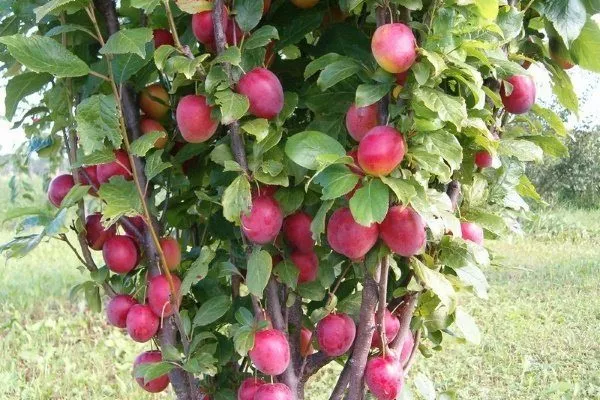
The Imperial plum requires pollinators—Stanley and Bluefree in southern regions, and Renklod Altana in colder climates. The plums ripen in mid-August, and ripe fruit does not fall off. They are pink in color, sometimes with a purple tint. There are also Imperial plums with brown fruit, which taste identical to the pink ones.
The fruits are large, weighing 55 g. The flesh is golden in color with a honey flavor. The yield is up to 12 kg per tree. The average lifespan of a plum tree is 15 years. From the age of 10, yield begins to decline, and trees aged 13-17 may not produce any fruit at all.
Beloved from Mliev
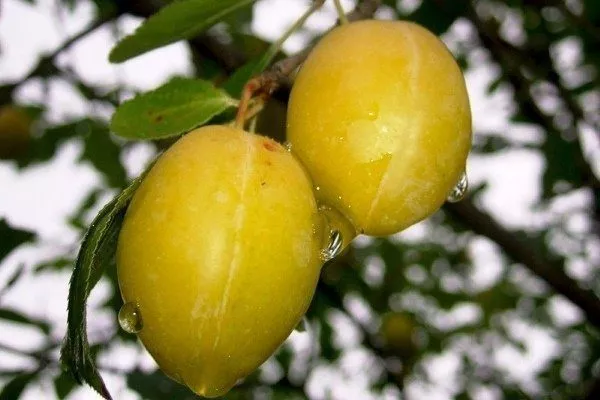
This large-fruited variety, with fruits weighing up to 90 g, ripens in late July and early August and is resistant to shedding. The tree is medium-sized and has a compact crown. To promote fruit set, plant Rencloda Altana, Ulensa, or Čačakska varieties nearby.
The color of the fruit depends on how much sunlight it receives. Those grown in the shade remain light green, while those bathed in sunlight acquire a bright lemon hue. The flesh has a fibrous texture and a pleasant flavor. Plums have good winter hardiness and disease resistance. Plums are more susceptible to insect infestations, so preventative treatments are essential.
Kazan
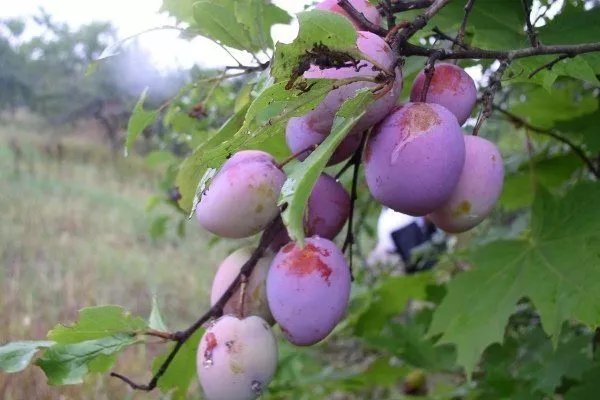
This variety was developed by Tatar breeders. The tree is medium-sized, with the first fruits appearing after three years. Fruit is harvested starting on August 10th, and the plum bears fruit regularly. To promote fruit set, nearby varieties include Sverkhrannyaya, Skorospelka Krasnaya, and Tatarskaya Zheltaya.
The fruits are dark red and large. The pulp contains a large amount of ascorbic acid. The yield is high, reaching up to 18 kg. The variety is winter-hardy, with average drought and disease resistance.
Red-fleshed plum
Thanks to its high adaptability and good survival rate, it is widely distributed, from southern to northern regions. The tree grows up to 4 meters tall and is highly frost- and drought-resistant. Other plum varieties—Ussuri, Skoroplodnaya, Russkaya, and cherry plum hybrids—are essential for planting nearby, otherwise a harvest will not be achieved.
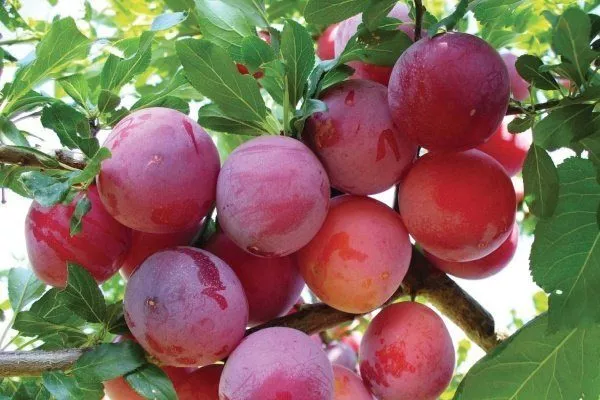
Ripening times vary depending on the growing region. The warmer the climate, the earlier the fruit is harvested, starting in mid-August. Yields are good, reaching up to 20 kg. The fruits are fleshy and dark red. The flesh has a strong plum aroma. The skin has a sour, bitter taste. The fruits are easy to transport. This plum is resistant to fungal diseases, but is not resistant to gummosis.
Romain
A seedling of the Red-Fleshed Plum, but unlike it, it produces larger fruits, up to 25 g. The tree has decorative foliage with a red tint. It bears fruit regularly, ripening from August 10th. The fruits are red with a light bloom. The flesh is also a rich red and has a pleasant almond flavor.
Souvenir of the East
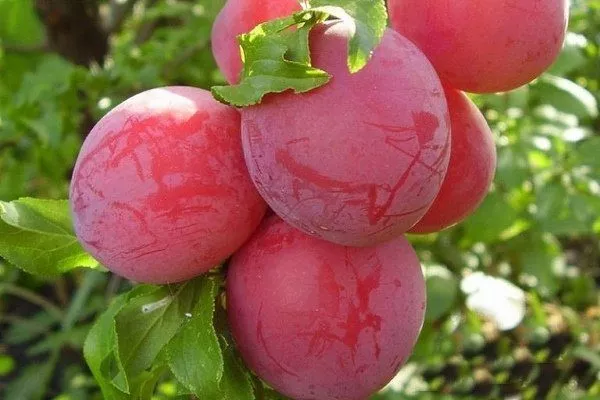
Cultivated in central Russia, the tree is short, no more than 2.5 meters, and highly frost-resistant. It is prone to rot during spring thaws. When grown in cooler climates, experts recommend grafting it onto more frost-resistant specimens.
Plums require additional pollination; the Gigant plum and cherry plum are considered the best for this purpose. This large-fruited variety is harvested in mid-August.
The fruit's color changes as it ripens. Initially, they are orange, then acquire a darker burgundy hue. The dark orange flesh is very aromatic and has a dessert-like flavor. Yields are high—up to 45 kg. The plum is susceptible to pinhole spot.
Common Hungarian grass
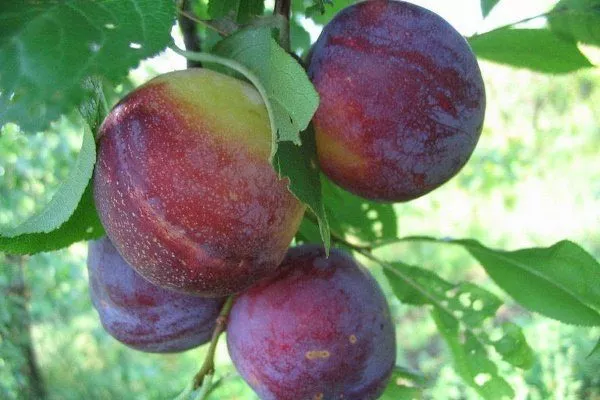
Also known as Ugorka, Domashnyaya, and Moldavskaya, it is grown in warm regions, such as the Kursk and Voronezh regions. In cool climates, it freezes in winter. The tree is a vigorous grower, reaching up to 6 meters. Fruiting occurs annually, but late. The first fruits can be enjoyed after 8 years.
This is a self-fertile variety, but to increase yield, it can be paired with Anna Shpet, Italian, or Renclode Altana plums. Yields are record-breaking—up to 150 kg. The fruits are almost black with a bluish bloom and brown spots; the small ones weigh no more than 20 g. If the summer is rainy, they crack. This variety is suitable for producing prunes. It exhibits resistance to diseases and insect pests.
Royal Rouge or Red Nectarine
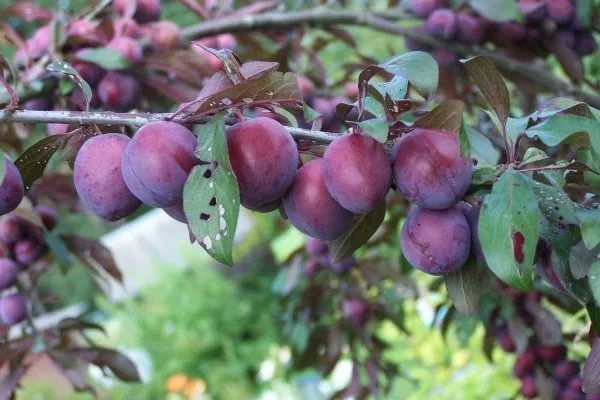
Better known in Russia as the Peach plum, French breeders introduced this plum to the world. It is grown in southern Russia and other countries—Moldova, Armenia, Georgia, Azerbaijan, and Ukraine.
This tree is a late-bearing one; the first fruits can be tasted only after seven years. It is a short tree, and the sapling grows and spreads very quickly. Large, yellow-green fruits with a rosy tint are harvested in late July to mid-August.
In warmer climates, the flesh is sweet and sour; when grown in cooler climates, the plum develops a tart flavor. Harvesting is inconsistent, and the fruits do not fall off when ripe and are easy to transport. The variety is moderately winter-hardy. Pollinators include the Renkloda and Vengerka varieties.
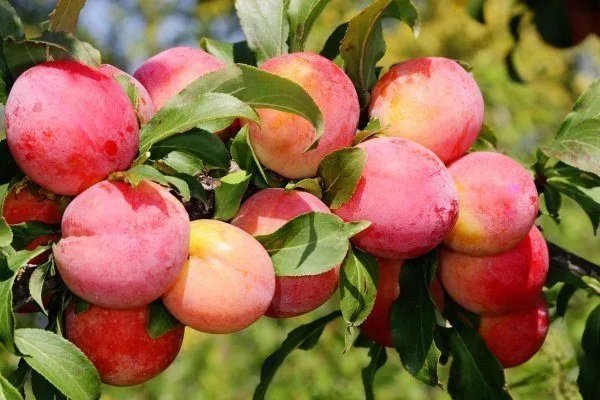
Egg blue
Plum is cultivated in temperate climates. It is a self-fertile variety. The fruits are dark blue with a purple tint, small in size, up to 35 g, and covered with a white bloom. The flesh is sweet. Their shape resembles eggs, hence their name.
The tree grows up to 6 meters. It can withstand temperatures as low as -35°C (-35°F) without damaging shoots or buds. However, it tolerates drought quite well; during dry periods, it requires generous watering. The ripe fruit harvest (up to 12 kg) occurs in mid- to late August. This variety is susceptible to insect attacks and holey spot.
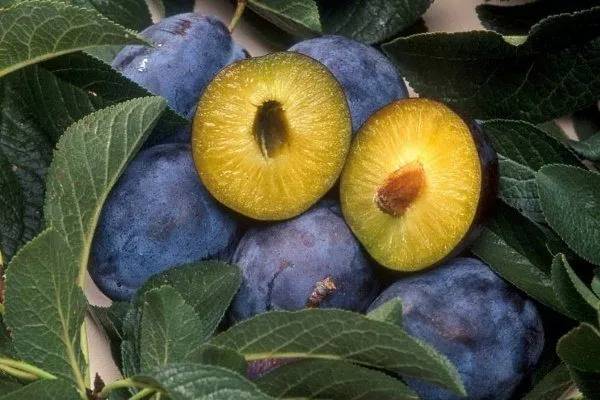
Kroman
This variety was developed in Belarus and has adapted well to central Russia. The tree is medium-sized and has a sparse crown. The first fruits appear in the fourth year, and they ripen from August 1st to 15th.
Large fruits form in abundance on the branches. They are a rich blue color with sweet flesh. The plum is resistant to clasterosporium.
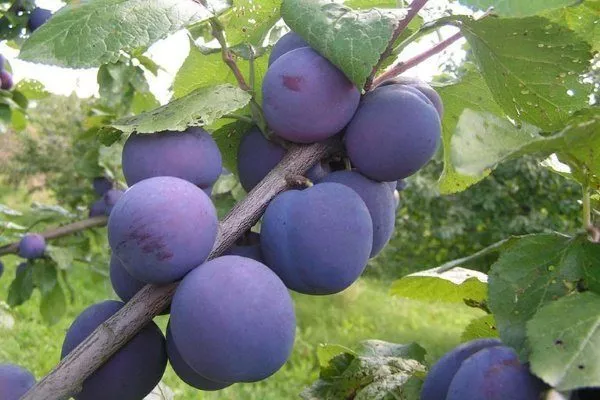
Eurasia (or Eurasia 21)
It is cultivated by gardeners in the central part of Russia and the Leningrad region. The tree's branches grow quickly, but its trunk does not. Therefore, it is highly prone to breakage in strong winds. It reaches a height of 6 meters.
The first fruits can be harvested after 4-5 years. For pollination, be sure to plant nearby Mayak, Volzhskaya Krasavitsa, Skorospelka Krasnaya, and the Renkloda varieties—Soviet and Kolkhozny. The plum is frost-hardy, but has a long ripening period.
Ripe fruits are harvested by the end of July, with the last ones being collected by the 20th of August. The fruits are small, weighing up to 30 grams, burgundy with a bloom, and orange flesh. Ripe fruits fall off. If the soil is not moist enough, they crack and are difficult to transport. Plums are resistant to many diseases and insects, but are susceptible to holey spot.
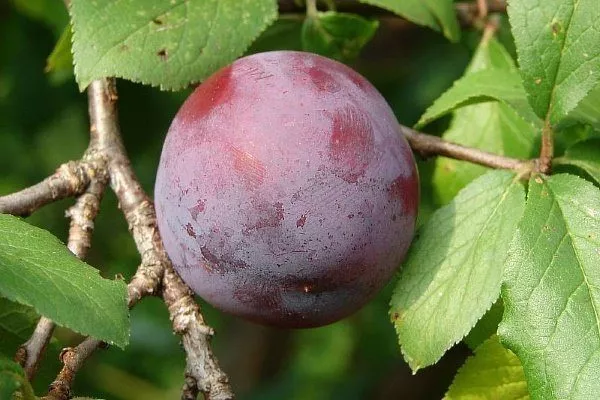
President
A variety native to the shores of Foggy Albion (England). It thrives in the temperate climate of Europe. The tree is characterized by rapid growth and a tendency to spread. The branches initially grow upward, but as fruiting begins, they extend horizontally toward the ground.
The plum tree begins bearing fruit in its fifth year. It is drought- and frost-resistant, surviving temperatures down to -25°C. It is a self-fertile variety.
A mature plum tree can yield up to 40 kg of fruit. The maximum yield is 70 kg. The fruits are large, over 50 g, and some can weigh up to 100 g. The skin is purple-violet and covered with a noticeable bloom. The taste is excellent, but depends on weather conditions. In dry summers and cold Septembers, the fruits become sour and tough. They are transportable and retain their marketable appearance.
It has no innate immunity to diseases, so it needs to be fertilized annually.
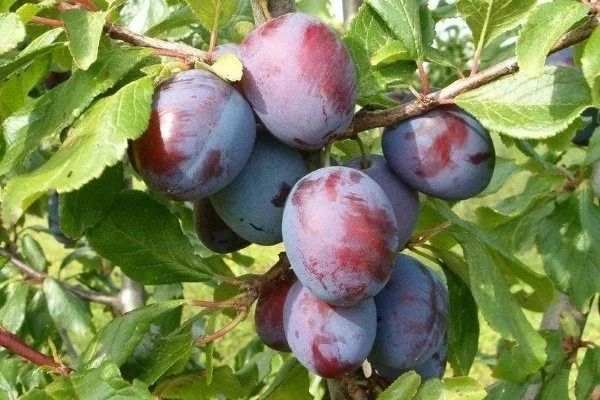
The President plum's weak point is its branches. They can break under the weight of the fruit, so additional supports are installed to prevent this.
Bluefree
This variety was developed by American breeders. It produces well in the south-central regions and in the north of the southern regions, as it is frost-resistant but has only moderate drought tolerance. It is virtually immune to fungal diseases and is resistant to scab, wood diseases, and bark diseases.
It begins bearing fruit in the fourth year. Pollinators such as Amers, Stanley, President, Opal, and Anna Shpet are planted nearby. The fruits are large, up to 70 g, with specimens weighing up to 100 g. However, the size and weight depend on the number of ovaries on the tree. If there are many, the fruits become smaller. The harvest is collected annually. The fruits ripen in late September to early October.
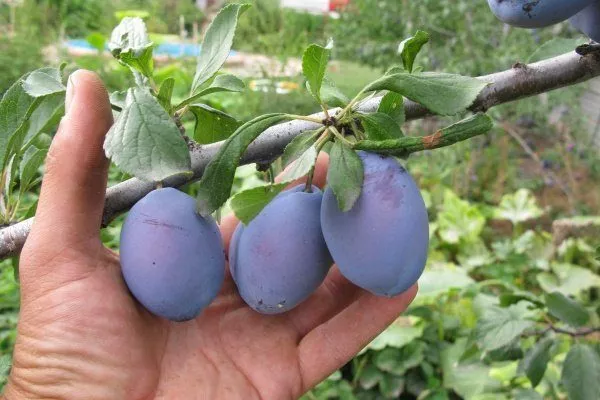
Remarkably, the black-purple coloring appears long before ripening—a misleading feature for many inexperienced gardeners. Ripe fruits have yellow flesh with a honey-like flavor.
Gigantic
Another variety from American breeders, it thrives in virtually all regions, even in northern parts of the country, provided it receives winter shelter. The tree grows up to 4 meters in height.
It begins bearing fruit in the fourth year and does not require pollinators. This winter-hardy variety can withstand temperatures down to -34°C. The fruits ripen by the end of August or the beginning of September.
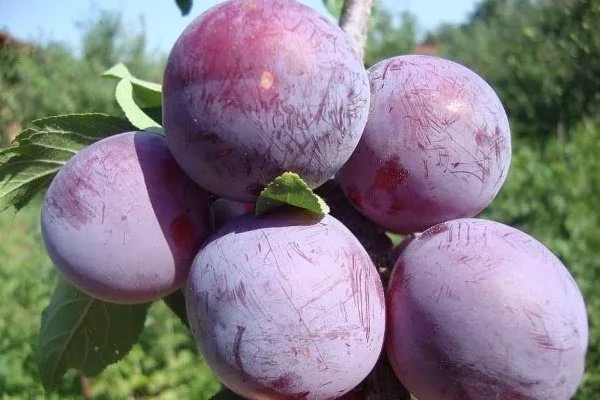
The yield is high, reaching up to 45 kg. The fruits are large—60 g—and shaped like an inverted egg. The skin is pinkish-red with a bluish bloom. The fruits are transportable. Disadvantages include susceptibility to moniliosis and low drought tolerance.
Angelina
An Italian selection with long-storing fruit. The plant resembles cherry plum in appearance. This is understandable, as the breeders crossed Chinese plum and cherry plum. The tree is vigorous, grows vigorously, and has average frost resistance. In the Central Black Earth Region, the plum dies after bearing fruit three times. It grows well in the same regions as cherry plum.
The first fruits appear in the third year. To ensure fruit set, pollinators must be planted—Black Amber, Ozark Premier, and cherry plum. Ripening occurs in mid- to late September. A tree yields up to 60 kg, and it bears fruit regularly. The plums are large, weighing up to 120 g each, but averaging 60-90 g. They are dark purple with a silvery sheen.
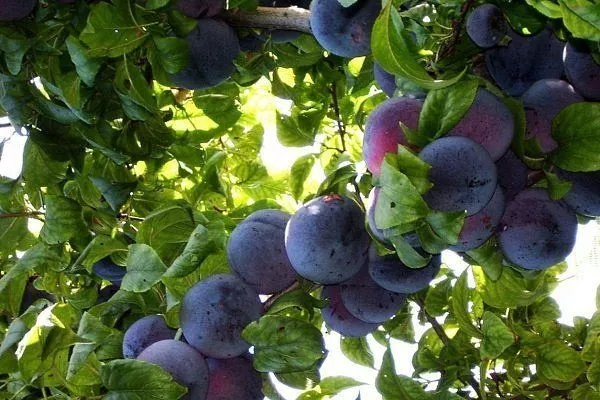
They can be stored in the refrigerator for up to 3 months. To extend their shelf life, it is recommended to harvest them unripe. Resistance to pathogens is average; plums are susceptible to fruit rot, rust, and clasterosporium.
General's plum
The fruit of the labors of Far Eastern specialists. This variety was bred for cultivation in Siberia and the Far East, and therefore boasts increased frost resistance. It is distinguished by its miniature size, but with proper care, it produces an annual harvest.
The plum tree resembles a shrub in appearance and is undemanding regarding soil composition. The first fruits appear after three years. To encourage fruit set, Ural Red Plum is planted nearby. The fruits are large, weighing up to 40 g. The skin color depends on the growing location. It can be a rich yellow or orange, while the barrels are tinged with red or cherry red.
The flavor is sweet and sour with honey notes. The fruits ripen in early to mid-September and are resistant to shedding. This variety holds the record for longevity, keeping for up to a month without losing flavor.
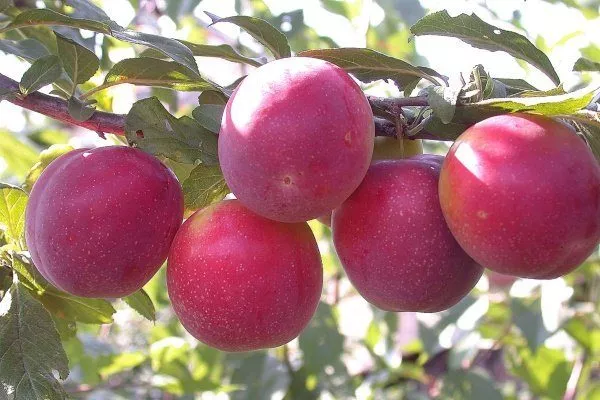
Ochakovskaya yellow or white
Cultivated in warm regions, it does not tolerate frost. It thrives in temperate climates, but requires winter protection. It is a medium-sized tree, distinguished by its multi-stemmed form.
Fruiting begins after four years, but occurs intermittently. Pollinating helpers are planted nearby: Moskovskaya or Pulkovskaya Hungarian, and Krasnaya Skorospelka. The fruits ripen late, in the third ten days of September. Yields are low.
The fruits are prone to dropping and cracking. They are light yellow with a white bloom, weighing up to 26 g on average. The flesh is yellow-green, aromatic, sweet, and has a hint of spice. Among the downsides, they are susceptible to pinhole disease, and are often infested by plum aphids.
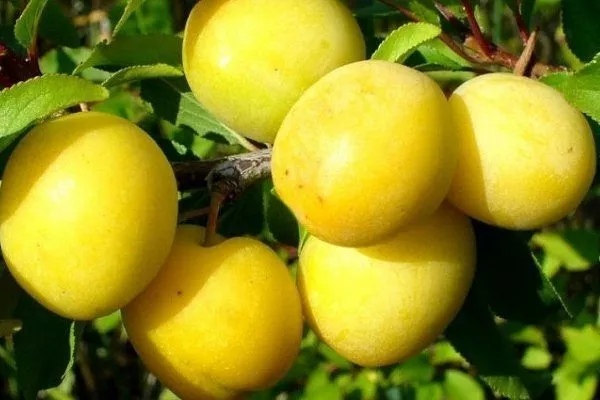
Immune
Also known as Ussuriyskaya 18-3, this variety was developed by an Altai specialist. The tree is medium-sized, with a paniculate crown. It has good winter hardiness, but does not tolerate sudden temperature fluctuations and is prone to damping off.
The fruits are small, up to 12 g, and yellow. The skin is not bitter. They ripen from August 15th. The variety requires regular watering and is not drought-resistant.
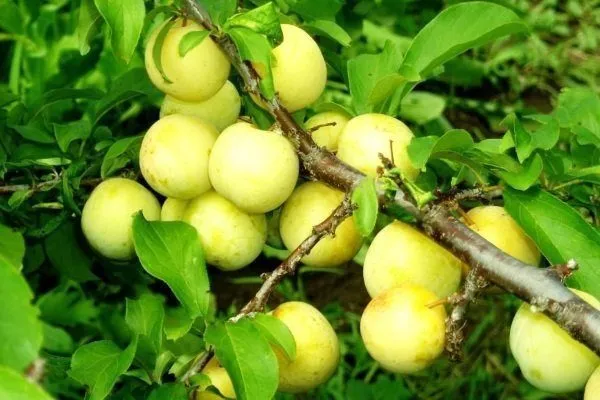
Adyghe prunes
The name indicates that the fruit is well suited for drying and making prunes. The tree grows to a height of up to four meters and is characterized by high frost and drought resistance and high yield.
This self-fertile plant does not require pollinators. It does not produce fruit every year; it requires a dormant period. The fruits are large, up to 45 g, and deep blue. The skin is thick and bitter. The flesh is yellow-green and grainy. This late-ripening variety is resistant to fungal diseases.
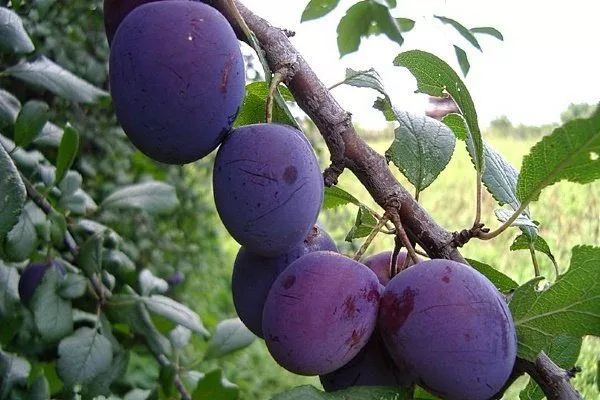
Yakhontovaya
This variety is cultivated in the central region. During the first years of its life, the seedling requires shelter, even in the southern regions. The tree grows quickly and is resistant to heat and frost, including recurrent frosts. The first fruits appear after three years. Subsequently, it produces fruit regularly.
The large fruits, up to 70 g, are bright yellow with a speckled blush and dessert-flavored flesh. They ripen in late August. The plum is resistant to diseases and insects.
Ballad
A highly frost-hardy variety. The tree is medium-sized. It produces a regular crop with high yields. It does not require nearby pollinators.
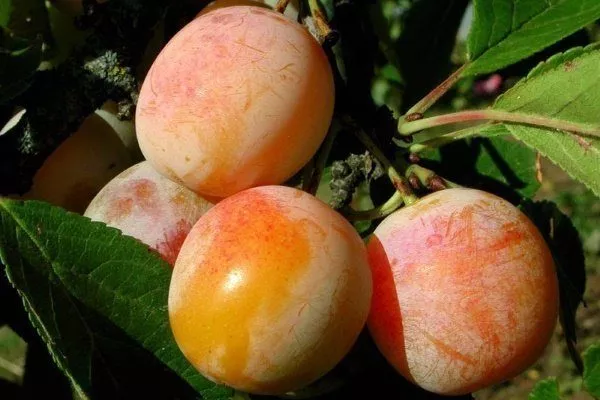
The plums ripen between September 1st and 10th. They are large, reddish-purple with white spots and sweet greenish-yellow flesh. The plum is resistant to gray mold and spotting.
Top Hit
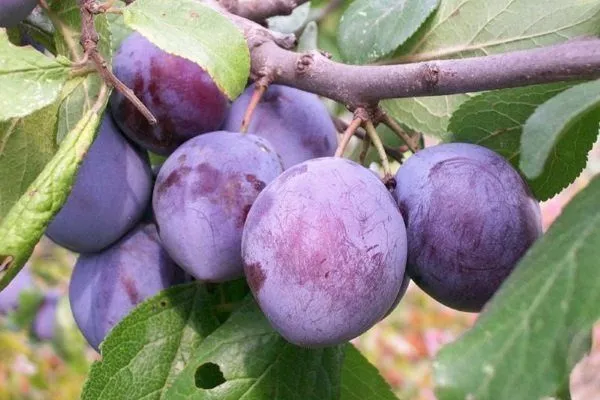
A German variety distinguished by its very large fruits, weighing up to 100 g. They are elongated and egg-shaped. The fruits are a rich purple color and covered with a thick layer of bloom. The flesh is juicy.
The tree is tall with a spreading crown. It produces its first fruit in the fourth year, and fruiting is regular. The fruit is transportable, and the yield is high. Ripening is late—late September or early October. The variety is winter-hardy and resistant to sharka and various fungal diseases.
Grossa di Felicio
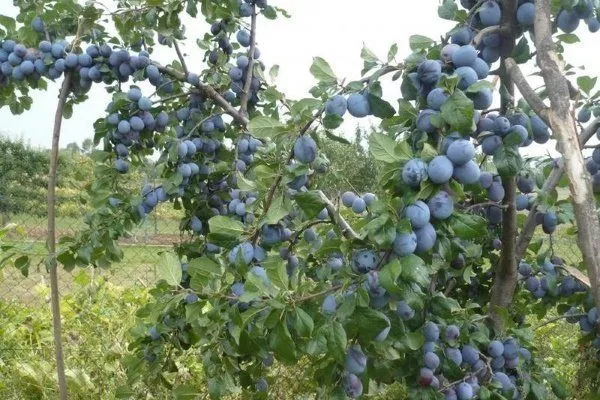
A frost-sensitive plum tree. The tree grows up to 6 m tall. Large, purple fruits with a waxy coating are harvested starting around September 10.
The crop requires pollinators; the best varieties are President and Sugar. Yields are average, but the variety is disease-resistant.
Joy
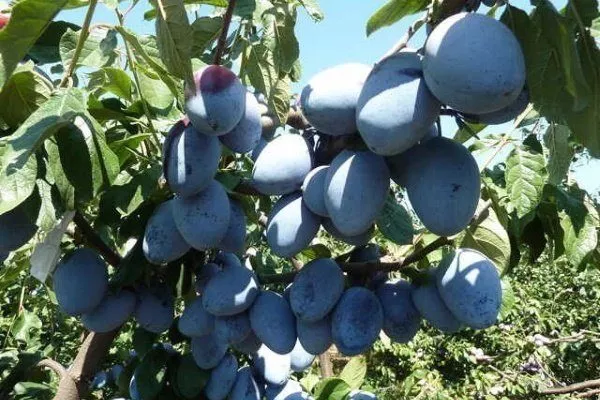
Cultivated in temperate climates, this relatively low-growing tree produces fruits that ripen by the end of August. They are large, weighing up to 35 g, and dark red with a dessert-like flavor. This plum has good winter hardiness.
Sorceress
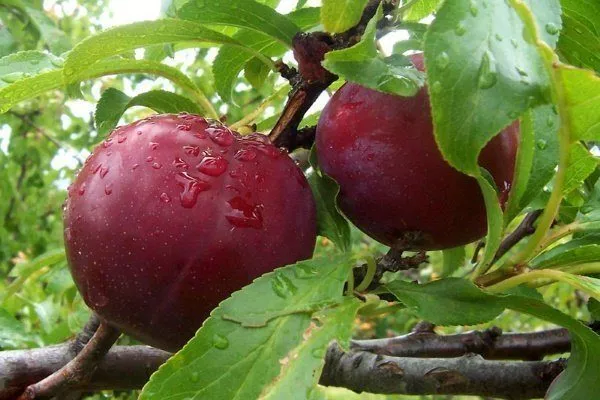
A Russian variety. This medium-sized tree can be identified by its sparse and drooping branches. The first fruits appear in the fourth year. This plum is winter-hardy.
It has average drought tolerance and therefore requires watering. The fruits ripen by early September. They are large, weighing up to 70 g, and purple with a thick bloom. The plum is resistant to diseases and insects.
La Crescent
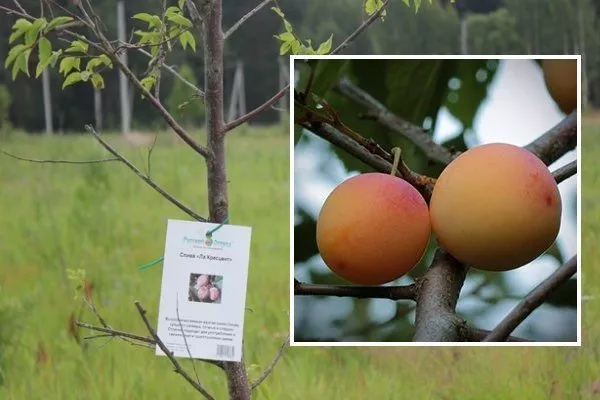
This highly frost-hardy variety is also self-fertile, eliminating the need to plant other varieties nearby. The tree reaches a height of 6 m. In early September, it bears large, yellow fruits with a burgundy blush, weighing up to 60 g. The flesh is juicy and has an apricot aroma.
A waxy coating covers not only the fruit but also the shoots. The fruit is difficult to transport, and when shipped long distances, it loses its attractive appearance. Plums have good adaptability and are resistant to powdery mildew and late blight, but are susceptible to bacterial blight.
Stanley
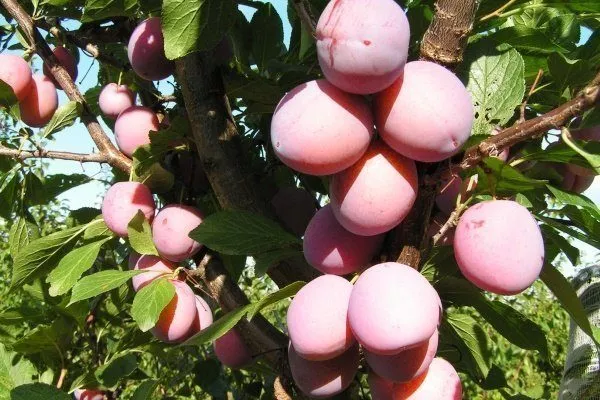
Also known as Stanley, this is an ancient variety bred by American specialists. It has adapted well to the southern regions of Russia and the North Caucasus. The trees are medium-sized, growing up to 3 meters tall, with a sparse crown. They begin bearing fruit in the sixth year, and produce a harvest annually. This is a high-yielding variety, yielding up to 60 kg.
The plums ripen in late August. They are large, dark purple, and have yellow, grainy, aromatic flesh. They are frost-hardy down to -34°C and are resistant to diseases such as plumbago and spotting, but are susceptible to gray mold. Drought resistance is average.
Plum trees suffer from attacks by plum aphids. During prolonged droughts, the fruit loses flavor and falls off. To prevent this, regular watering is necessary. Plum trees are also picky about soil. They require fertile, mineral-rich soil. Fertilize annually.
Greengage
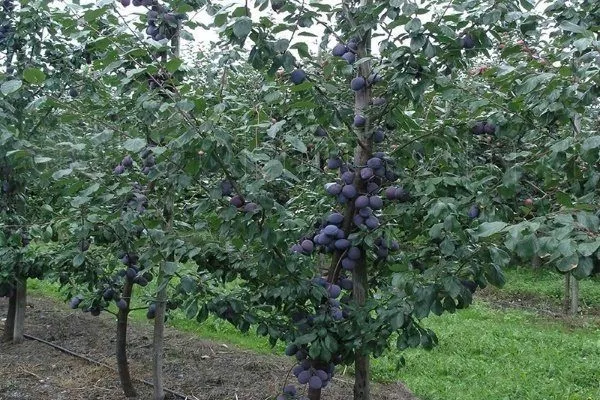
Renclode - this group includes many varieties that can be recognized by the following characteristics:
- tree 4-6 m high;
- the first fruits are produced in 3-4 years;
- productivity is high, from a 25-year-old tree you can collect up to 100 kg of fruit;
- ripening times vary - some are early ripening, others late ripening, but they are most often harvested at the end of August;
- fruits have a characteristic spherical shape with a flattened tip, juicy pulp and a dessert taste;
- color palette from yellow to dark red tones;
- the skin may have cherry-colored specks;
- The wax coating is abundant, but it is easily washed off with water.
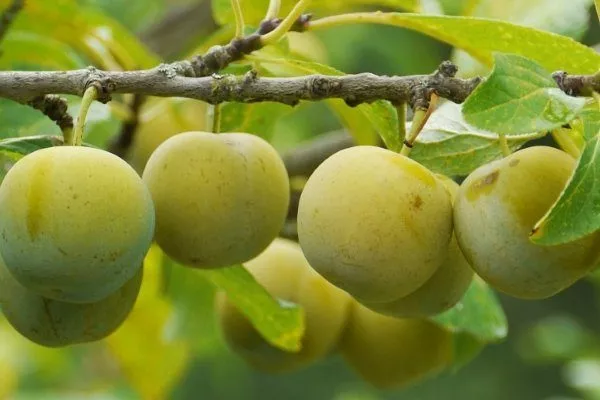
Greengage is cultivated in areas with mild winters—the Kursk, Rostov, and Volgograd regions. Experts recommend grafting it onto more frost-resistant varieties. Greengage is propagated by seed. With proper care, it is disease-resistant.
Greengage Kolkhozny
An early-ripening variety. The fruits ripen in mid-August. The fruits are yellow-green in color, small, up to 20 g. The yield is good, up to 40 kg. The flesh is a delicate lime color, juicy and sweet. Overripe fruits fall off quickly.
This self-sterile variety is planted alongside 'Renklod sloe,' 'Skorospelka,' 'Eurasia 21,' and 'Vengerka Moskovskaya.' The tree bears fruit regularly.
A highly frost-resistant variety, it can withstand temperatures down to -25°C. If it freezes, it recovers within two years. The flowers tolerate spring frosts well. This plum is susceptible to fungal diseases.
Soviet Greengage (blue)
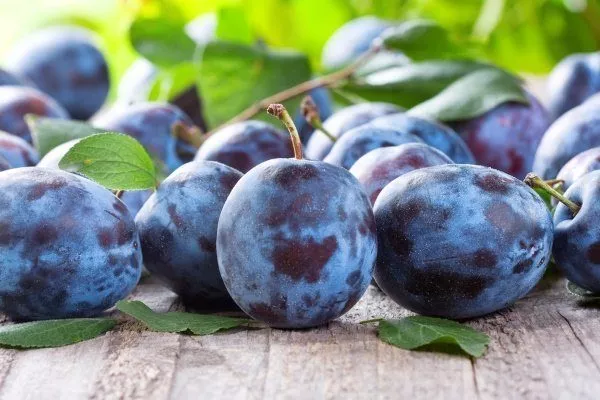
It grows well in the Central Black Earth Region. It is a self-fertile tree (about three meters tall) and is resistant to severe frosts down to -30°C. The first fruits form in the fifth year. The plums ripen in mid- to late August.
Yields increase with tree age from 15 to 60 kg. The fruits are inky purple, covered with a bluish bloom, with yellow, sweet flesh. When frozen, the flesh becomes mealy and crumbly, but retains its flavor. The variety is susceptible to polystigmosis.
Renclode Kharitonova
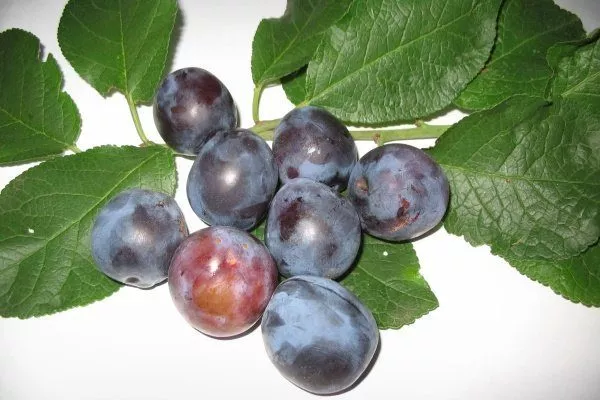
This is a new variety. The tree grows up to 5 m. The first fruits appear after four years, and the tree yields about 25 kg. They are medium-sized, like the previous ones, and are colored an inky purple.
Overripe fruits can be identified by a thick waxy coating. The flesh is light green and sweet. A disadvantage of this variety is the poor winter hardiness of the wood.
Greengage White
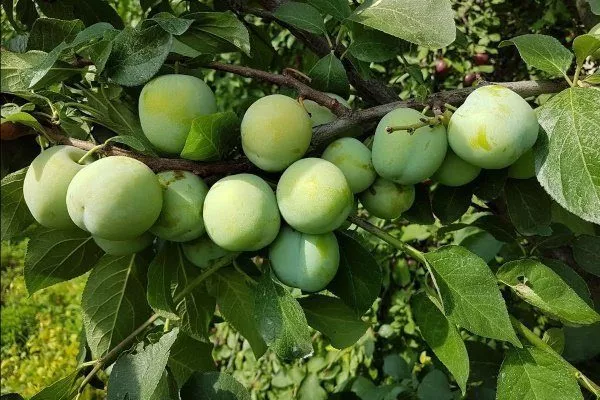
They are easily recognized by their unusual appearance. They are large, matte white, with virtually colorless flesh that has a subtle pale lemon or greenish tint. The flesh is juicy, sweet, and very aromatic, but preserves made from these fruits are unappetizing, so they are usually eaten fresh.
The tree bears fruit every three years, reaching a height of no more than 4.5 meters. Pollinators are planted nearby; the best varieties are considered to be Renkloda's Green, Altana, and Vengerka Donetskaya. The plum can withstand not only temperatures as low as -34°C but also prolonged dry periods. Ripening occurs in late August.
Giant varieties
"Giant" is a name used to describe many plum varieties with very large fruits. A single fruit can weigh up to 250 g, with an average weight of over 100 g. All trees of this variety are robust and easily support a bountiful harvest. When planted from a two-year-old seedling, the first fruits will appear in three years. If the variety is grown from a seed, the fruiting period increases to five years.
The fruits transport well, retaining their flavor and attractive appearance. They can be any color—yellow, burgundy, or purple—and are covered with a light, easily rubbed-off bloom. Light-colored plums generally have a sweet taste, while dark-colored plums have a slight tartness.
Flavor can change due to weather conditions, often not for the better. Sweetness is lost due to excess or insufficient soil moisture, poor lighting, or due to gardener errors.
The Giant plum cannot boast of frost resistance, suffers greatly from spring frosts, and is susceptible to fungal diseases and insect attacks.
Burbank
Burbank is a member of the Giant family. Its distinctive feature is its very large fruits, weighing up to 250 g. This American variety is winter-hardy and resistant to moniliosis. Fruiting begins in the fourth year and is regular. The fruits are burgundy or purple with a faint, barely noticeable bloom and dark red, aromatic flesh. They are suitable for making prunes. They are harvested in late July.
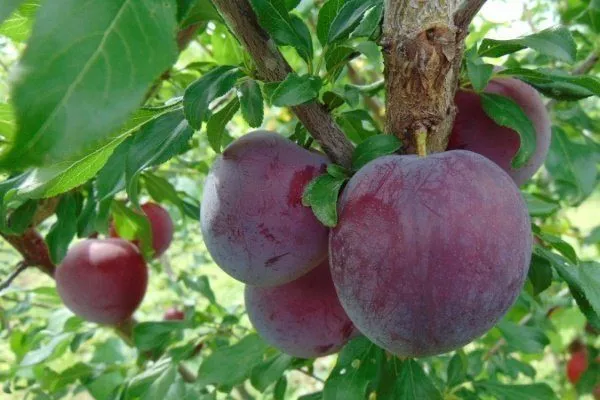
Knowing the characteristics of plum varieties helps when choosing new trees for your plot. Each variety has its own characteristics, ripening time, and climate preferences. The quality and quantity of the harvest depend largely on choosing the right variety for a given location.