
The Smolinka plum is a popular variety with numerous advantages and excellent varietal characteristics. Its delicious fruits and excellent productivity will delight even the most demanding gardeners. With proper care and attention, this plant will be a beautiful addition to any garden and a source of beneficial vitamins.
Who developed the variety and when?
Created at the All-Russian Selection and Technological Institute of Horticulture and Nursery through the efforts of breeders H. K. Yenikeev and S. N. Satarova.
It was developed by crossing the Renklod Ullensa and Ochakovskaya Zheltaya varieties. It was officially approved for use in 1990.
The appearance of the tree
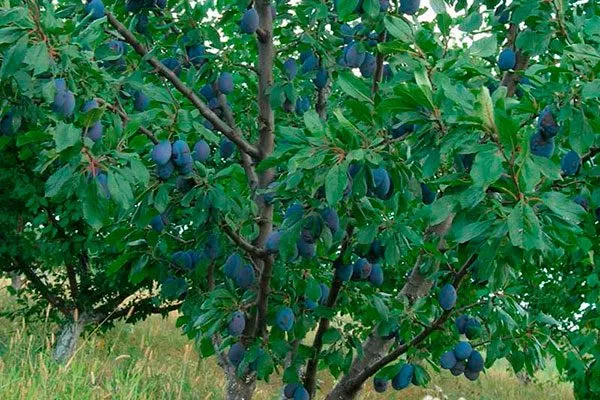
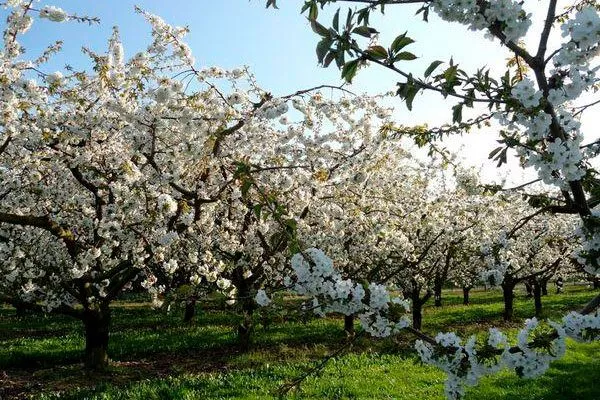
A tall tree, reaching 5-5.5 m, with a rounded-pyramidal crown that can be sparse or medium-dense. The shoots are slightly curved, with medium-length internodes. The branches are covered with rounded-wedge-shaped leaves with a smooth surface, dark green in color. The flowers are large, saucer-shaped, and white.
Fruits and their taste characteristics
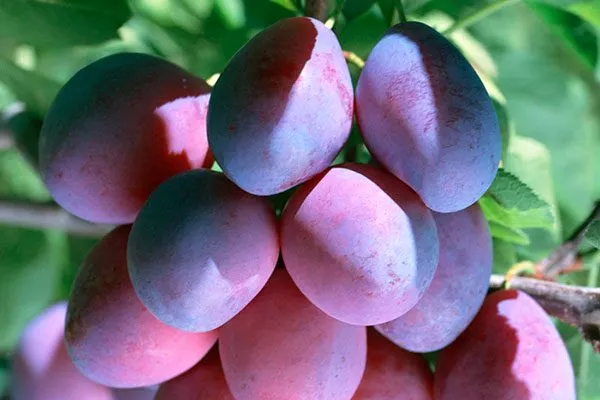
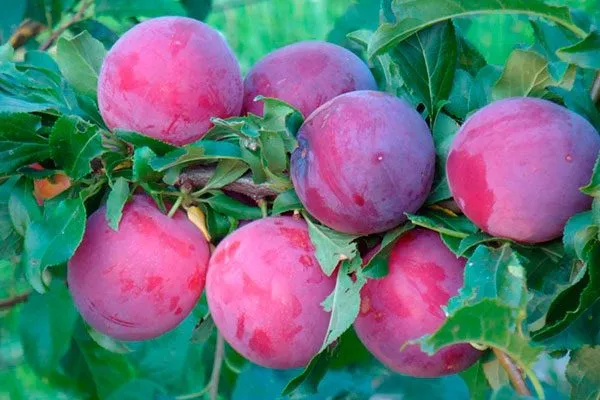
The fruits are large, weighing approximately 35 g. They are oval-ovoid or round-oval in shape. Distinguishing features:
- Color – dark purple, with a median ventral suture.
- Peel - thin but dense, covered with a thick waxy coating of a bluish tint.
- Pulp – yellow-green, tender, moderately dense, with a harmonious sweet and sour taste.
- Bone - medium size, separates from the pulp moderately.
Self-fertility and pollinators
| Name | Disease resistance | Flowering period | Soil requirements |
|---|---|---|---|
| Smolinka | Average | April-May | Fertile, well-drained |
| Volga beauty | High | May | Fertile, moderately moist |
| Early ripening | Low | April | Light, sandy |
| Hungarian Moscow | Average | May | Fertile, well-drained |
Smolinka is a self-sterile variety, so it requires additional pollinators. The following varieties are ideal companions: Volzhskaya Krasavitsa, Skorospelka Rannyaya, and Vengerka Moskovskaya.
Ripening period and yield
It's a mid-early variety: in central Russia, the fruit is harvested in mid-August. It has good productivity, yielding approximately 20-40 kg of fruit per tree.
Resistance to soil and climatic conditions
Smolinka has average heat resistance, so in very dry regions it is better to choose other varieties for cultivation.
- ✓ Requires the presence of pollinators for fruiting.
- ✓ Average heat tolerance, requires additional watering in dry regions.
Winter hardiness is quite good, but the plants need to be covered for the winter. Before covering, whitewash the trunks and tie them with spruce branches. Many gardeners use nylon wrapping.
Landing
Preparation for the event begins long before the actual planting of the seedling and involves several stages. It's important to follow certain recommendations to properly organize the work process and ensure high quality.
Recommended timeframes
Prepare the planting hole in the fall if you plan to plant the seedlings in the spring, and vice versa - in the fall for spring planting.
Many gardeners believe that the optimal time is April, before bud break. For fall planting, complete the cultivation procedures by mid-October.
- ✓ The depth of groundwater must be at least 1.5 m to prevent water stagnation.
- ✓ The optimal time for planting is April, before the buds open, or until mid-October for autumn planting.
Choosing a suitable location
Choose sites with groundwater at least 1.5 meters deep. Closer water tables can lead to stagnation, impeding aeration and air access to the roots. Slopes, plains, and slightly elevated areas with good sun exposure are suitable.
Choose sheltered areas near fences and protected from the wind. If you plant in the shade, the yield will be low, and the leaves may turn pale due to lack of sunlight.
Selection and preparation of planting material
Seedlings suitable for planting must meet certain requirements. Pay attention to the following criteria:
- annuals or biennials;
- height – 1-1.4 m, trunk size 40–60 cm;
- developed rhizome 25-30 cm long;
- the presence of 3 or more main branches 15-30 cm long;
- The bark should be flexible, free of rot and dry shoots.
Purchase planting material from reputable suppliers who care about plant quality and adhere to proper harvesting and processing procedures. After purchasing, wrap the rhizome in a damp cloth to prevent it from drying out. If the trees were purchased in advance, bury them.
The day before planting, treat the seedling: immerse it one-third in a weak solution of potassium permanganate, then coat the roots with a mixture of clay and manure in a 2:1 ratio. After this, let the roots dry for several hours.
Direct landing
Prepare the planting hole in advance. Follow these instructions:
- Remove the top 20 cm of soil.
- Dig a hole 50-60 cm deep.
- Mix the soil with superphosphate, potassium salt, humus, and compost. If the soil is clayey, add river sand; if it's sandy, add powdered clay.
- Place a mound of soil with fertilizer into the planting hole.
- Cover the hole with waterproof film.
- Insert a support stake 150-170 cm high at a distance of 15-20 cm from the center of the hole to support the seedling in the first years.
- Place the tree on the prepared mound inside the hole, carefully spreading out the roots, and cover the rhizome with soil so that the root collar is 3-5 cm above ground level.
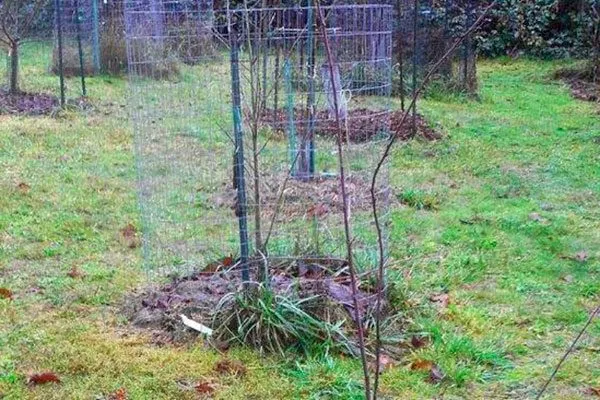
- Compact the soil, then step back about 30 cm from the trunk and dig a shallow trench about 10 cm in diameter. Pour 40-50 liters of water into this hole immediately after planting.
Care
The Slavyanka plum is grown using standard agricultural practices. However, given its unique characteristics, it requires a little extra attention during cultivation. Standard agricultural practices are essential.
Types of cuttings
Pruning is important for crown formation, increased yield, and tree health. Follow these recommendations:
- To create the correct crown shape, perform formative pruning. Do this in early spring, before the sap begins to flow. Remove all damaged, diseased, and crossing branches. Leave 3-5 main scaffold branches evenly spaced around the trunk.
Form the crown into a bowl-shaped form to ensure good lighting. - After harvesting, in late summer or fall, remove old and weak branches to encourage new growth. Shorten young shoots by one-third of their length to encourage lateral branching.
- To control the size and shape of the tree, prune as needed throughout the year. Remove overly long or inward-growing branches. Trim the tops to limit growth.
- Perform sanitary pruning at any time of year. Remove diseased and damaged branches.
Watering and fertilizing
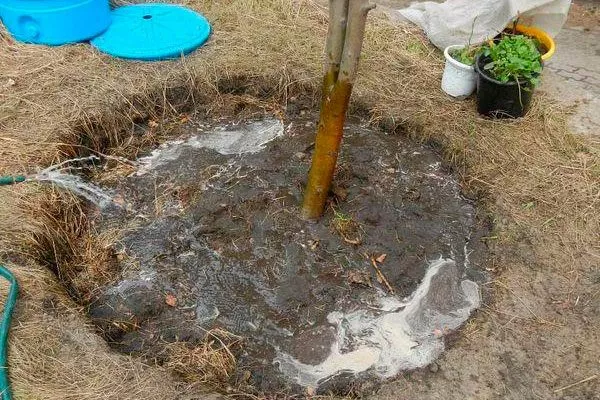
Provide regular watering, especially during flowering and fruit formation. Water the trees 1-2 times per month, ensuring deep soil moisture. Increase the frequency during hot and dry months.
Fertilizers:
- In the spring (before flowering). Use organic matter, such as compost or rotted manure (5-10 kg). Add complex mineral fertilizers containing nitrogen (ammonium nitrate).
- In summer (after harvesting). Apply potassium and phosphorus fertilizers (superphosphate and potassium salts) to support fruiting and prepare for winter.
- In autumn. Fertilizing with phosphorus and potassium helps the crop prepare for winter. Apply phosphorus fertilizer (approximately 40 g of superphosphate).
Caring for the tree trunk circle
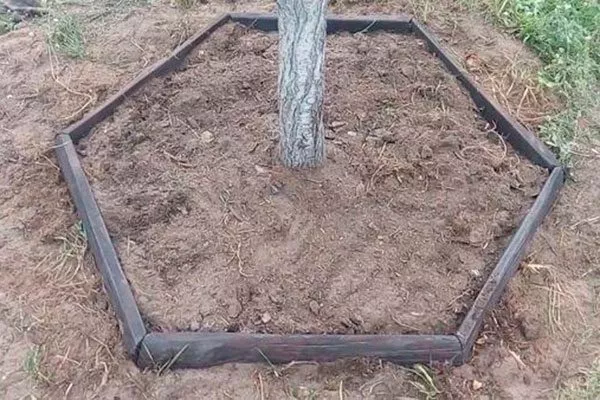
To protect the plant from frost and other negative influences, special care is needed for the soil around the plant. In the fall, mulch it with organic fertilizer and sawdust. This helps the root system survive the cold season without freezing and reduces stress on the plant.
Protection from adverse factors
Includes measures aimed at preventing damage, disease, and stress to the tree. Here are the main aspects:
- During winter, wrap the trunk and lower branches with agrofibre or special insulation. Cover the root zone with a layer of mulch (straw or sawdust) to retain soil heat.
- Treat trees with insecticides early in the growing season. Set sticky traps to control pest populations. Plant insect-repellent plants (such as garlic or calendula) nearby.
- Apply preventative fungicide treatments in early spring and fall. Use healthy, high-quality seedlings.
- Water regularly, especially during hot and dry months. Use drip irrigation to conserve water. Mulch helps retain moisture in the soil and protects the roots from overheating.
- Install fences around the tree to prevent damage from animals. Be careful when using garden tools to avoid damaging the bark.
These measures will help protect the Smolinka plum from negative factors and ensure its healthy growth and fruiting.
Reproduction
The most common method for increasing the number of seedlings in a garden is cuttings. Follow these instructions:
- Cut off a healthy shoot.
- Leave it in suitable climate conditions for 2-3 months until it germinates.
- Plant the cutting in a prepared container with fertile soil so that it forms a healthy root system.
Transplant the seedling into open ground in the spring so that it can more easily adapt to the new environment.
Diseases/pests
If improperly cared for, the variety can be susceptible to various diseases and pests, which can negatively impact its health and yield. The main problems you may encounter during cultivation are:
- ClusterosporiasisHoles appear on the leaves, and the fruit may have brown spots. Use fungicides such as Hom or Rovral during bud break and after flowering.
- Moniliosis. Flowers and branches are drying out, and brown spots are appearing on the fruit. Remove the damaged areas and spray the tree with fungicide solutions, such as Fundazol or copper sulfate.
- Gomoz. The bark exudes resin. Treat the affected areas with a copper sulfate solution and cover them with an antibacterial ointment.
- Fruit rot. The fruit is affected, becoming soft and rotten. Remove affected plums completely and apply fungicides to healthy areas.
- Codling moth. They leave holes in the fruit. Apply insecticides such as Actellic or Karbofos during and immediately after flowering.
- Thick-legged. They eat holes in the leaves. Inta-Vir or similar insecticides are effective.
- Sawfly. It damages the green mass and causes worms. To control larvae, treat with Bitoxibacillin.
- Aphid. The insect causes the leaves to curl and turn yellow. A soap solution or specialized insecticides will help treat the problem.
To combat diseases and pests, follow preventative measures: regularly inspect plants, prune affected areas, and maintain optimal conditions for crop growth.
Positive and negative qualities
Before purchasing a seedling, carefully consider the advantages and disadvantages of this variety. Gardeners highlight the following key advantages of the Smolinka plum:
Reviews
The Smolinka plum has gained popularity among gardeners thanks to its remarkable characteristics. Abundant fruiting, early ripening fruits with excellent flavor, and high disease resistance make it an attractive choice for growing in the garden. The key is to follow the care recommendations and pay a little attention.