
The plum sawfly can significantly reduce yield and fruit quality, causing significant damage to fruit crops. The larvae damage ovaries and young plums, leading to the loss and destruction of a significant portion of the crop. Early detection of signs of infestation and timely implementation of effective control measures are the key to successful orchard protection.
Types of pests and damage caused
The damage caused by sawflies can be estimated statistically: one insect can damage up to six fruits. During periods of mass reproduction, especially under unfavorable conditions, these parasites can destroy 60% to 80% of the harvest, primarily affecting the strongest plants.
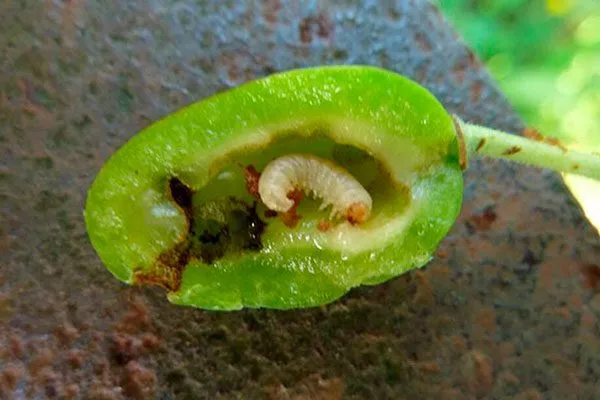
Yellow plum sawfly
The pest feeds not only on plums, but also on cherries, cherry plums, sweet cherries, apricots, and blackthorns. It gets its name from the yellow-light-brown coloration of its abdomen, thorax, and head, as well as its yellow antennae and legs. Females are larger than males—about 6 mm versus 5 mm.
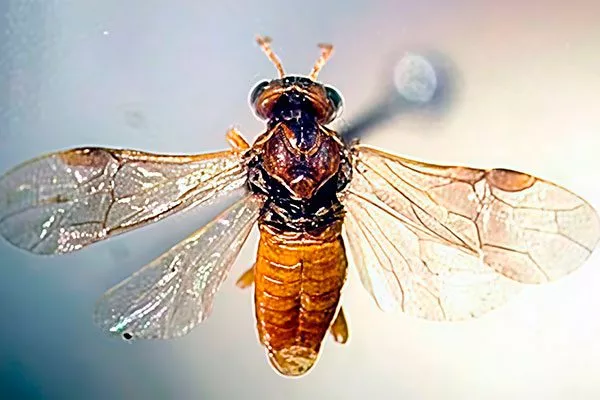
The flight of yellow sawflies coincides with the flowering of early cherry plum and plum varieties. They are just as dangerous to crops as black sawflies. Adults live in colonies, building web nests on leaves, and pupation occurs in the soil.
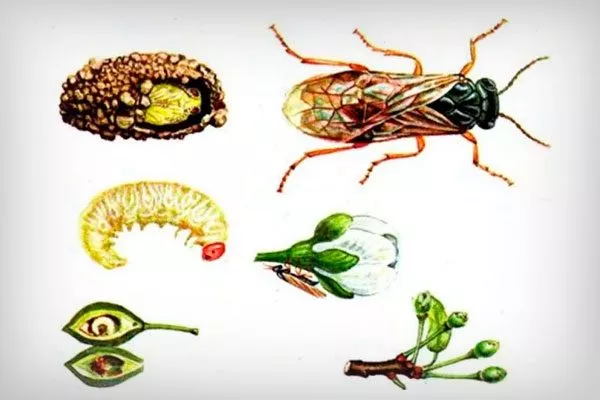
Black plum sawfly
It appears during the swelling of plum buds, before the petals open. As soon as the flowers begin to take on a pinkish hue, shiny black insects emerge from the soil.
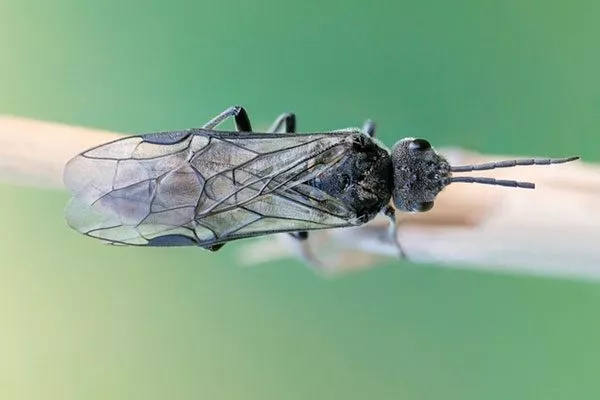
Key Features:
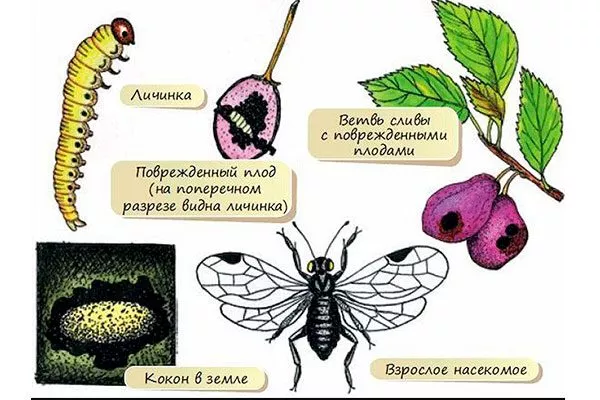
- Adult sawflies have membranous wings with brown veins that are translucent in the light. The larvae—false caterpillars, yellow or pale green—overwinter in the soil, hidden in cocoons.
- Pupation occurs in the spring, when the top layer of soil (up to 5 cm deep) warms up to +8°C and above.
- At favorable temperatures (above 15°C), females lay one egg at a time, up to 30 eggs, into cuts on the buds. The larvae emerge as the ovary begins to form and penetrate the fruit in search of food.
- First-generation larvae feed on the ovary pulp, while second- and third-generation larvae feed on the fruit tissue around the seed. Damaged fruits fall off.
Signs of appearance and conditions of development
Plum sawflies initially concentrate on early-blooming plum varieties. Mass flight and egg-laying by females occur during the flowering period, when air temperatures are above 10°C.
Distinguishing characteristics:
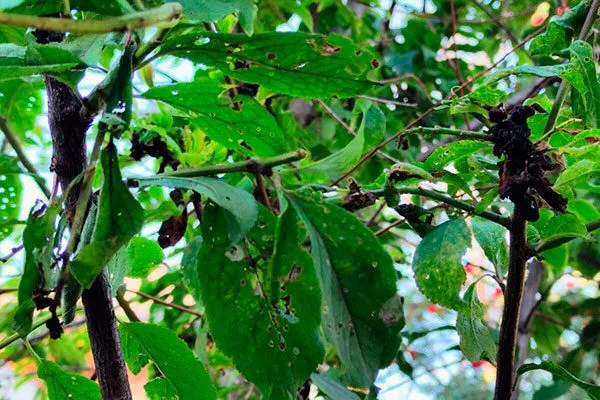
- Small, rusty-brown, raised spots appear where the insects lay their eggs. When the population is high, a single flower bud can contain up to seven eggs.
- The larvae hatch at the end of flowering and penetrate into the ovaries, where they can be found.
- During the feeding period, which lasts 3-4 weeks, one larva damages up to six ovaries, which soon fall off.
How to get rid of the pest?
Various methods can be used to combat pests, from mechanical and biological to chemical. However, to achieve good results, it is important to strictly adhere to certain requirements: timely treatment, correct dosage of products, and consideration of weather conditions.
How and when to process?
Spray the crop annually – plan for spring. Follow these recommendations:
- First, thoroughly loosen the soil under the trees, and only then begin treating the plants.
- The optimal time is from the moment flying adult insects appear.
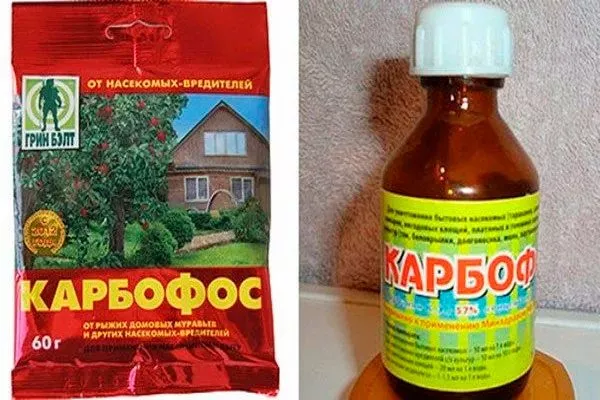
- Repeat the procedure before flowering begins, using preparations such as Karbofos or Chlorophos.
- The final treatment should be carried out after flowering using Chlorophos and other insecticides.
Mechanical methods of control
Methods include physical action on the pest and its larvae to reduce the population without the use of chemicals. The main methods are:
- Shaking pests. In the morning, when insects are less active, spread cloth or plastic under trees and shake the branches. Collect and destroy fallen sawflies.
- Collecting fallen fruitPlum sawfly larvae develop in fallen fruit. Regularly harvesting and removing wormy plums significantly reduces the pest's numbers.
- Manual bark peelingInsects can overwinter under loose bark. In the spring, before bud break, carefully scrape off the loose bark and burn it to kill overwintering sawflies.
- Installation of trapping beltsPlace trapping belts made of burlap, paper, or cardboard on tree trunks. Larvae descending into the soil to pupate are trapped in the belt.
- Digging up tree trunk circlesIn the fall, dig up the soil under the trees to disturb the overwintering sites of sawfly pupae and reduce the emergence of adult insects in the spring.
These measures are particularly effective when applied systematically and in combination with agronomic and biological methods of protection.
Use of insecticides
Insecticides are the most effective way to control plum sawflies. Apply the spray two to three days before flowering, and repeat the treatment five to seven days after.
Popular remedies:
- Karbofos – contact insecticide-acaricide with a broad spectrum of action, included in many preparations;

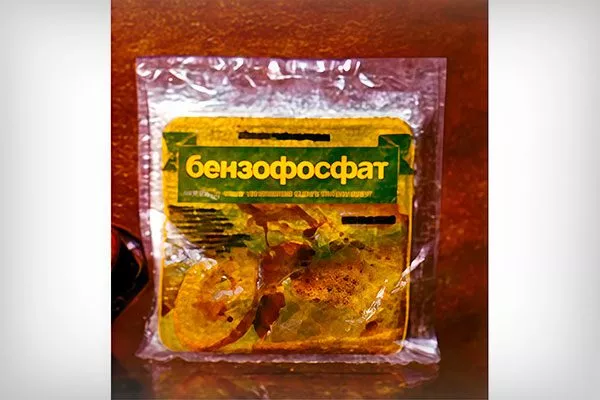
- Benzophosphate – organophosphorus insecticide-acaricide with intestinal-contact effect;
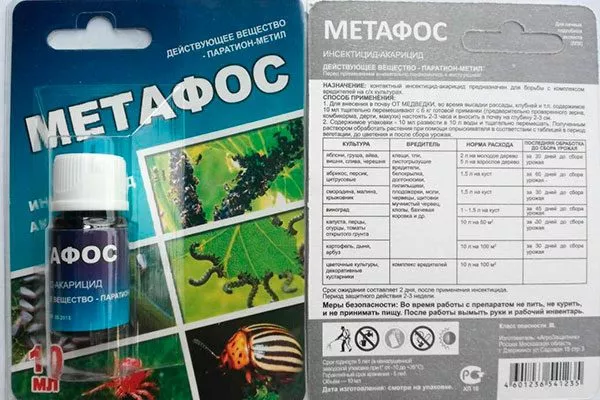
- Metaphos – contact insecticide with acaricidal action, the active substance of which is parathion methide;
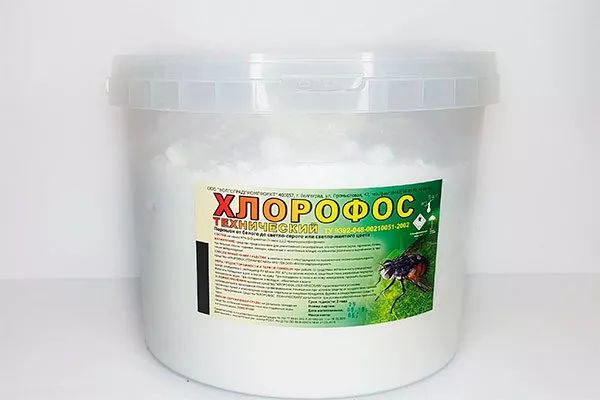
- Chlorophos – an insecticide with a contact-intestinal effect, widely used against harmful insects on various plants;
- Phosphamide – systemic and contact insecticide-acaricide, safe for warm-blooded animals;
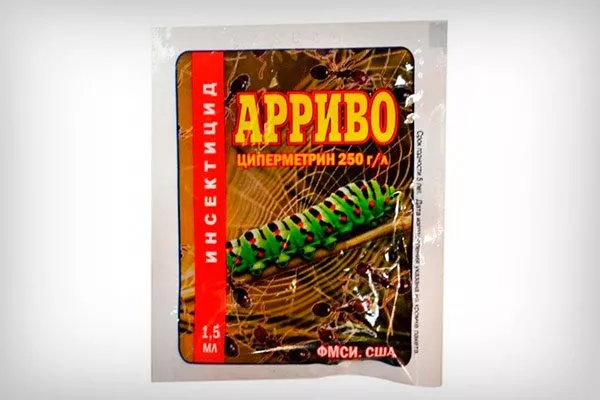
- Arrivo – a broad-spectrum insecticide with contact and intestinal action, containing the active ingredient cypermethrin;
- Virin-Diprion – a viral preparation for the destruction of pests on all plants, including trees;
- Aktara – an insecticide from the neonicotinoid group, highly effective against most pests;
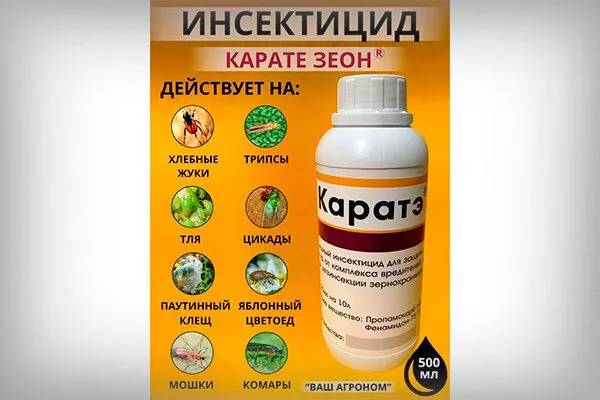
- Karate - intestinal-contact pyrethroid insecticide-acaricide with high efficiency at low doses, contains lambda-cyhalothrin;
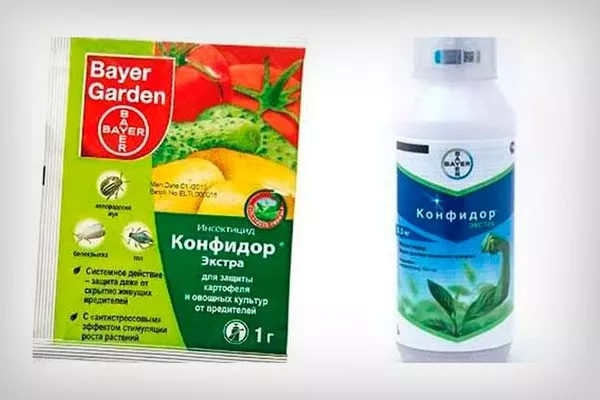
- Confidor – a systemic insecticide with contact and intestinal action for the control of gnawing and sucking pests, the active substance is imidacloprid;
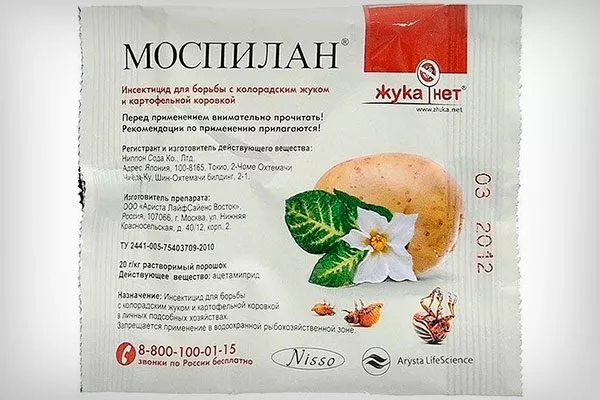
- Mospilan – systemic insecticide with contact and intestinal action;
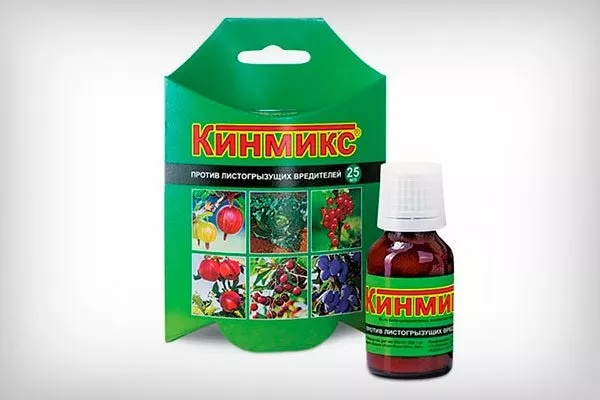
- Kinmix – broad-spectrum pyrethroid insecticide with high efficiency;
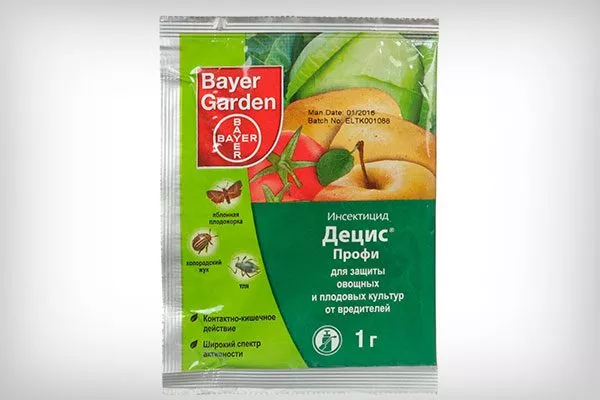
- Decis - A garden contact-intestinal insecticide that blocks the pest's digestive system and contains deltamethrin.

Use of herbs
Plum sawflies can be controlled with herbs. Natural infusions and decoctions are particularly effective, repelling the pest or inhibiting its growth.
Some common methods:
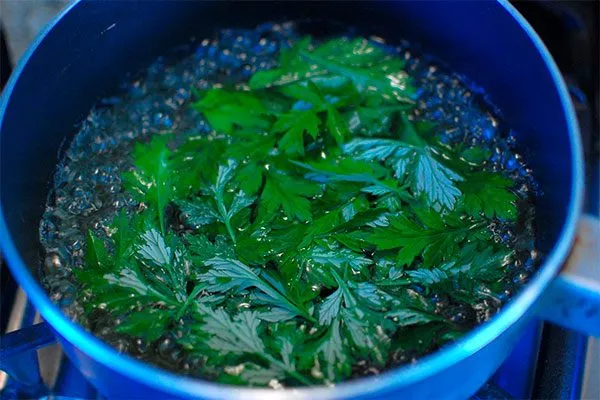
- Infusion of wormwood. Grind the herbs, add hot water, let steep for 24 hours, and strain. Spray the resulting solution on trees to repel insects.
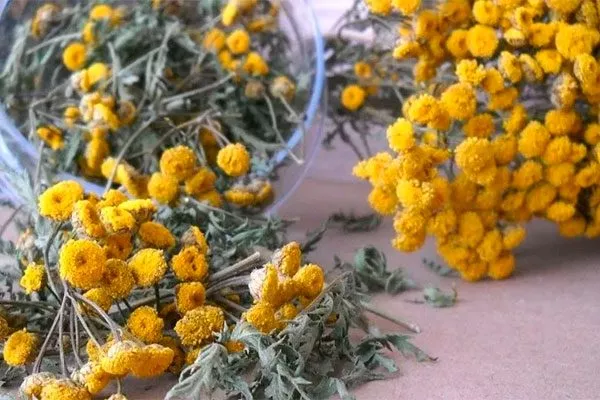
- Tansy decoction. Boil tansy flowers in water, then strain and use to treat leaves and branches. This remedy has insecticidal properties.
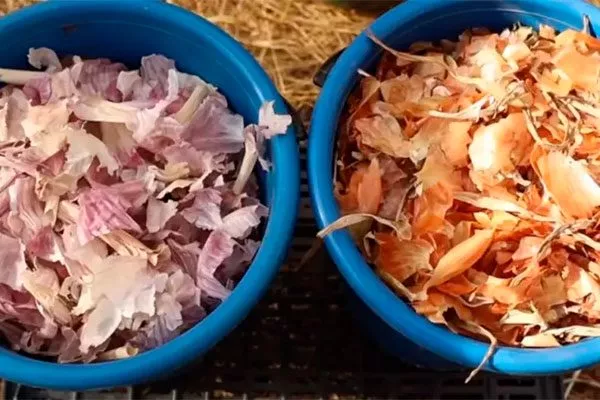
- Infusion of garlic or onion peel. Pour boiling water over chopped garlic heads or peels and leave for 1-2 days, then use for spraying.
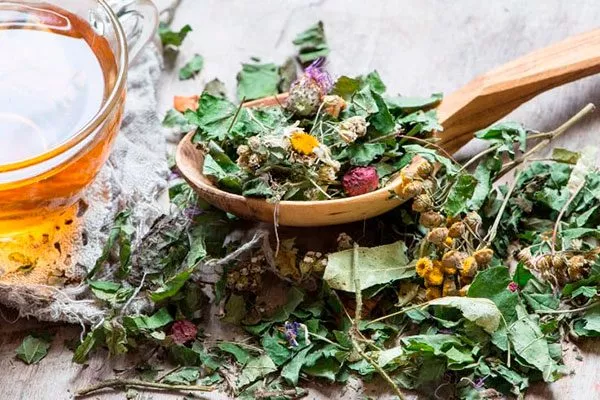
- Combined herbal infusions. Prepare remedies from chamomile, mint, nettle and horsetail – they also help repel sawflies.
Prevention tips
The plum sawfly is a serious pest that can significantly reduce fruit yield and quality. To prevent its widespread proliferation and spread, it's important to take preventative measures in advance. Timely care and following simple rules will help protect trees and preserve a healthy harvest.
Prevention recommendations:
- Regularly loosen and dig the soil under plants in the fall and early spring to destroy overwintering larvae.
- Remove and destroy fallen fruit and damaged ovaries to reduce pest numbers.
- Monitor the condition of the crown: thin out branches in a timely manner to improve ventilation and reduce humidity.
- Maintain the health of your crops with proper watering and fertilizing – strong plants are better able to resist pests.
- Use trapping belts on tree trunks to prevent adult migration.
- If sawflies are detected, promptly treat them with insecticides or biological preparations within the recommended timeframes.
- Plant repellent plants nearby, such as mint, tansy, or garlic – they repel pests naturally.
- Practice crop rotation and avoid planting plum trees in the same location for more than 4 years in a row.
Understanding the signs of plum sawfly infestation and systematically implementing preventative and curative measures will help minimize damage. A comprehensive approach, including agronomic practices, biological methods, and the proper use of insecticides, will help maintain healthy trees and ensure a bountiful, high-quality plum harvest.