
The plum codling moth is dangerous to the tree's immune system. Successful control requires a comprehensive approach: using pheromone traps to control populations, applying chemical and biological treatments at strictly specified times, and implementing agronomic and preventative measures. Timely measures guarantee abundant harvests.
Description of the pest and its development cycle
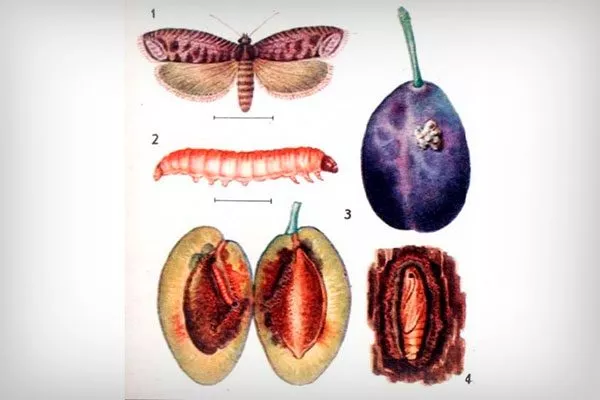
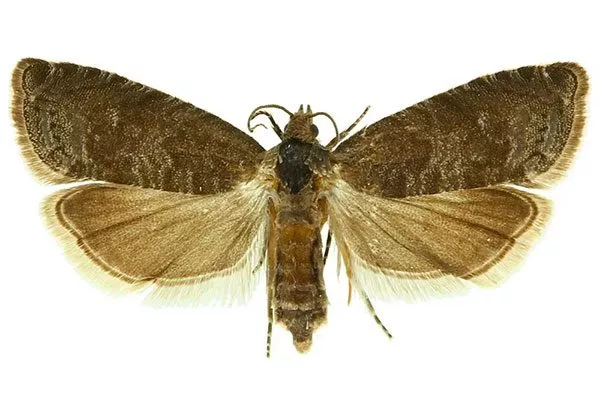
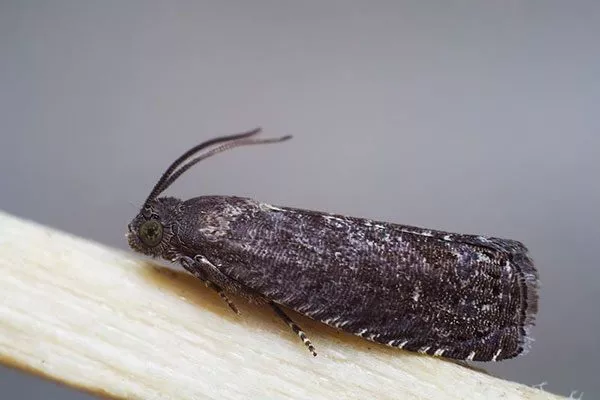
This is a small and inconspicuous moth with a wingspan of up to 8 mm. It is active at night and hides in tree foliage during the day, making it difficult to spot.
Key Features:
- The moth's coloration is grayish-brown, which makes it almost invisible against the background of bark and branches.

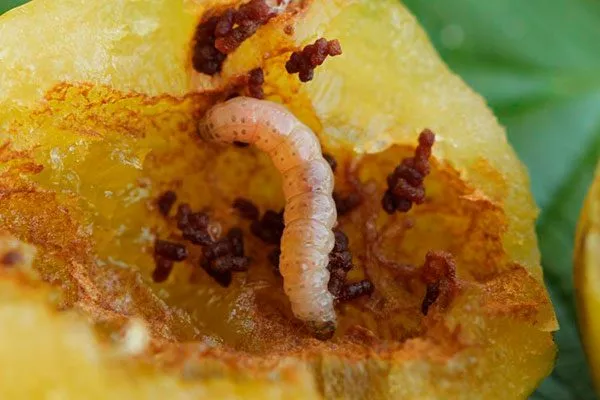
- Plum codling moth caterpillars grow up to 1.2-1.5 cm.
- Butterflies are highly fertile – each female is capable of laying from 40 to 120 eggs during her lifetime.
- The development of the pest occurs in four stages: egg, caterpillar, pupa and adult butterfly.
- With the arrival of spring, when temperatures warm up to 15°C, adults begin to emerge from their pupae. They fly primarily at dusk, hiding in the tree canopies during the day.
- Females lay eggs on leaves or fruit buds. After 7-14 days, caterpillars emerge and immediately burrow into the fruit. Depending on climate conditions, one to three generations of the pest can develop per season.
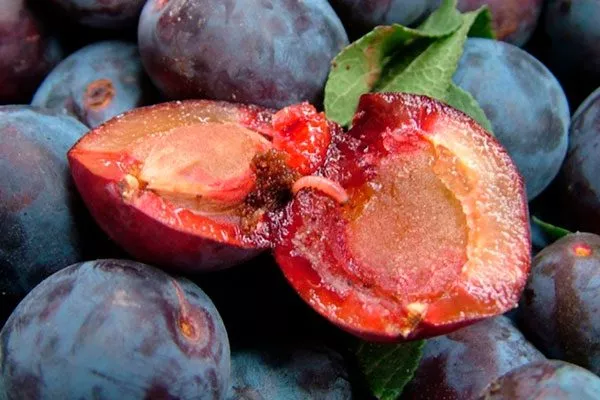
Why is the codling moth dangerous?
The plum codling moth is a persistent and one of the most dangerous pests. It can cause serious damage not only to plums but also to other stone fruit crops. Fruit damage can reach 30-90%, and in some cases, 100%.
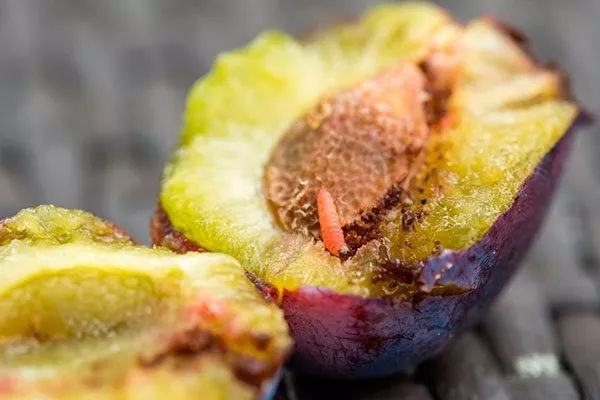
Fruits infested by caterpillars stop growing, ripen prematurely, rot, and fall off. The insect attacks both early and late-ripening varieties. Fungal infections easily enter the fruit through the holes left by the caterpillars, significantly reducing the quality and shelf life of the harvest.
The economic threshold of harmfulness is:
- period of ovary formation – 5% of fruits with egg-laying;
- the period of active flight of butterflies – 10 males caught in a pheromone trap in one week.
Signs of codling moth infestation on trees
Small holes surrounded by a brown rim appear on the surface of affected fruits. Inside, tunnels filled with caterpillar excrement are easily visible. Damaged plums turn yellow prematurely and fall off.
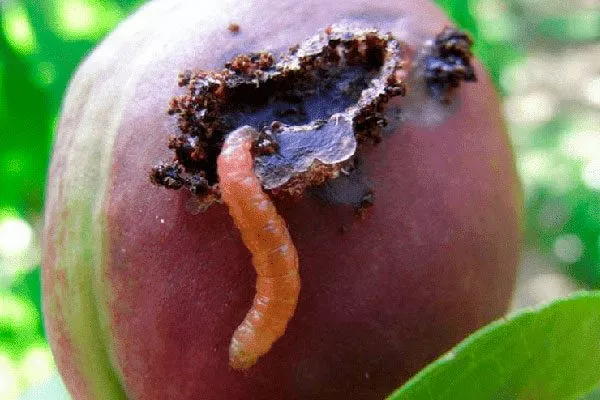
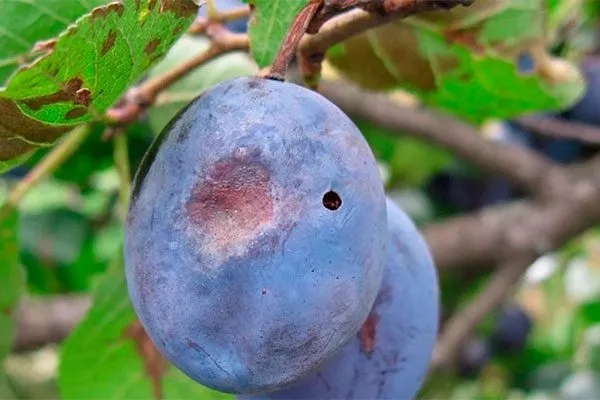
Wormholes spoil the appearance of fruit and facilitate the penetration of fungal infections, such as fruit rot. Furthermore, damaged fruit emit ethylene, accelerating the overripening and spoilage of adjacent fruit.
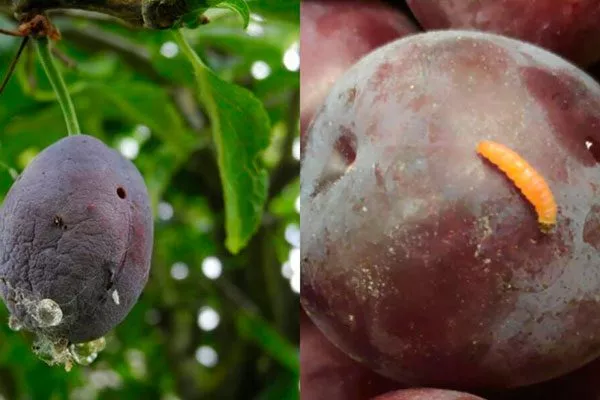
Additional signs of infection:
- the presence of cobwebs and excrement on the bark;
- bites on leaves;
- the appearance of grey-brown butterflies during flight.
Timing and schedule of garden treatments against codling moth
Codling moth control is often ineffective because treatments are applied too late—when the larvae have already penetrated the fruit. Follow these recommendations:
- To prevent damage to the ovaries, perform the first procedure early, during egg-laying. This way, the hatched caterpillars die immediately after hatching, before they can penetrate the fruit.
- Determining the onset of egg-laying is difficult: the butterflies are active at night, are inconspicuous, and their eggs are small and almost blend in with the foliage. Look for the blooming of the white acacia trees—it coincides with the onset of egg-laying.
- To accurately determine the timing, you can use pheromone traps, such as the Ulovista. These are cardboard traps with a sticky bottom and a bait that imitates the scent of a female codling moth. Males detect the pheromones from up to 50 meters away and are drawn to the trap.
The main purpose of such traps is not to kill all males, but to monitor the onset of flight in order to precisely time the first treatment. This is usually carried out 10-14 days after the first individuals are detected. - Since egg-laying occurs over a long period of time, a single treatment is not sufficient. A second spraying is necessary two weeks later. Modern insecticides, when used correctly, leave no chance for the caterpillars—they don't have time to penetrate the plums and produce the next generation.

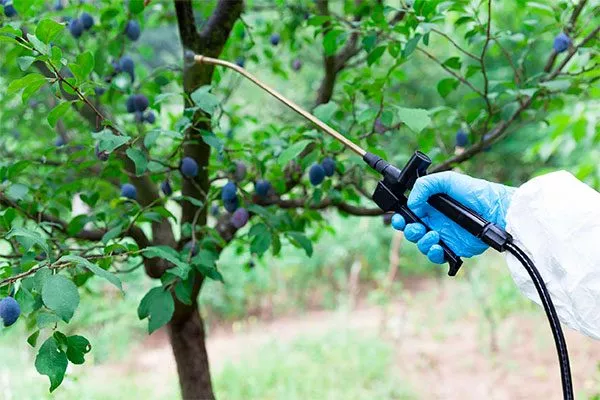
Methods of combating codling moth
To prevent mass infestation, specialized medications must be used. To achieve a lasting effect, these procedures will need to be repeated several times.
Chemicals against codling moth in the garden
The plum codling moth can cause serious damage to crops, so timely treatment of trees is a key step in protecting your orchard. To effectively eradicate the pest, use chemical insecticides that kill the caterpillars before they penetrate the fruit.
Frequency of treatments:
- dabout the beginning of flowering – to destroy pupae that have overwintered in cracks in the bark and under fallen leaves;
- h10-14 days after the end of flowering – During this period, caterpillars begin to emerge from the eggs and actively feed on the ovaries;
- during the period of active fruit growth – Perform the procedure no later than 20 days before harvest.
To combat plum codling moth, use preparations based on:
- pyrethroids;
- organophosphorus compounds;
- neonicotinoids.
Insecticides affect the caterpillars' nervous system, causing paralysis and death within 24 hours. To prevent pest resistance, alternate products with different active ingredients.
Application of insecticides:
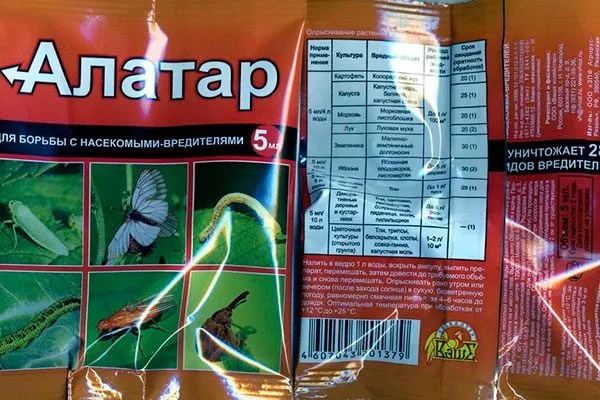
- Alatar. A combination insecticide based on malathion and cypermethrin, it effectively combats a wide range of pests, quickly paralyzing caterpillars and providing long-lasting protection. Directions: 5 ml per 4-5 liters of water. Consumption: 1 liter of solution per 10 square meters of crown.
- Kinmix. This beta-cypermethrin-based product has contact and stomach action, quickly killing insect pests, including codling moths. Application: 2.5 ml per 10 liters of water. Consumption rate is similar to Alatar.
- Fufanon-Nova. An organophosphorus insecticide containing the active ingredient malathion, it effectively controls caterpillars and other pests and is characterized by rapid action. Dilute 10 ml in 10 liters of water. Spray evenly over the entire crown.
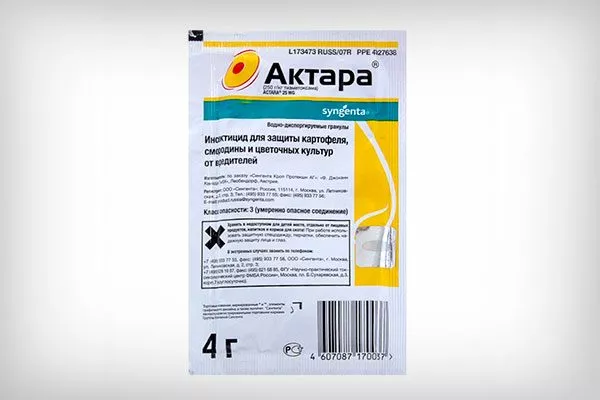
- Aktara. A systemic neonicotinoid insecticide based on thiamethoxam that penetrates and protects plants from within, guaranteeing high effectiveness against caterpillars and other pests. Dissolve 1.2 g in 10 liters of water. Use only in the morning or evening, in calm weather.


Biological means of garden protection against codling moth
Biopreparations are a safe alternative to chemicals, especially suitable for small gardeners and those who practice organic farming. They act selectively, do not harm bees or beneficial insects, and do not accumulate in fruits.
Popular remedies:
- Fitoverm. Based on avermectin, it causes paralysis in caterpillars. The effect appears within 6-8 hours, and the protective effect lasts up to 20 days. Dilute 4 ml per 1 liter of water; apply 1 liter of solution per medium-sized tree..
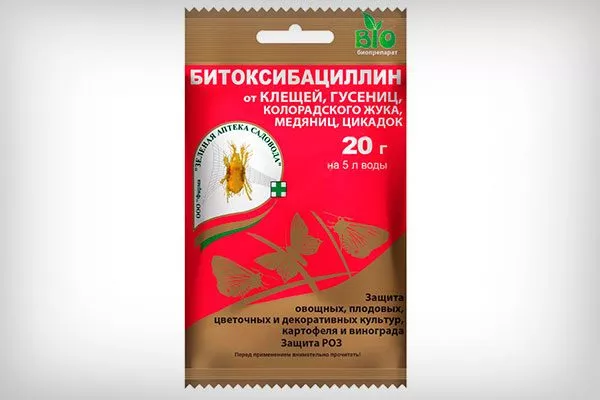
- Bitoxybacillin. Contains bacteria that attack the caterpillars' digestive system. Effective in the early stages of infestation. Add 50-100 g to 10 liters of water, repeat the spraying after 7-8 days.
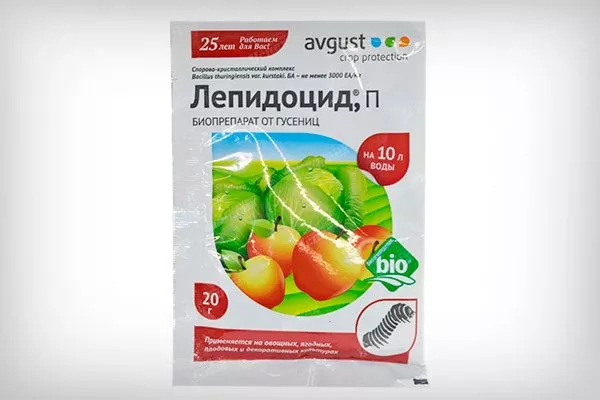
- Lepidocide. Particularly effective against young larvae. Dissolve 20-30 ml in 10 liters of water. Repeat treatment after 7-10 days.

Features of use:
- Treat the crop during the period of mass flight of butterflies and the appearance of caterpillars;
- the interval between sprayings is 7-10 days;
- For better adhesion of the preparation to the leaves, add green soap to the solution (1-2 tablespoons per 10 liters of water).
Biological products are most effective at temperatures above 18°C. Their effectiveness is significantly reduced in colder weather. They protect plum trees from pests without risking harm to the environment or human health.
Folk methods of combating codling moth
Natural remedies can be useful as a preventative measure and as a way to control pests, especially in an organic garden. Popular remedies include:
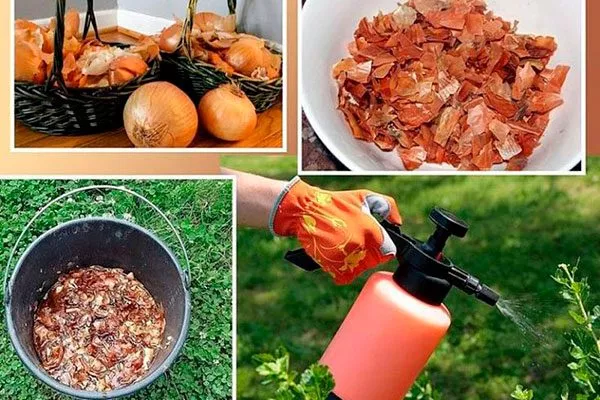
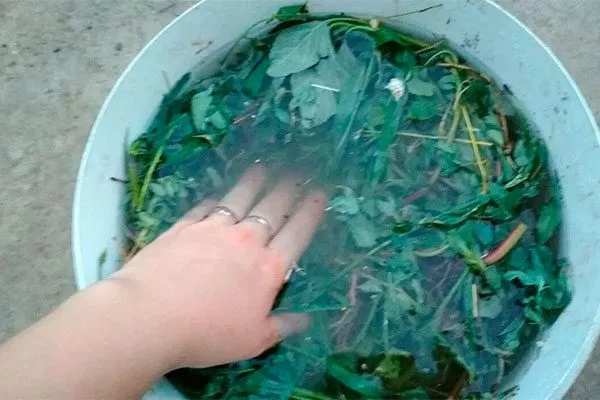
- Onion infusion. Dissolve 30-50 g of green laundry soap (regular soap without bleaching additives) in 10 liters of water, and add 100 g of finely chopped onions with tops. Let the mixture steep for 20-24 hours. Spray the trees at the beginning of flowering, repeating the treatment every 4-6 days until the end of the butterfly season.
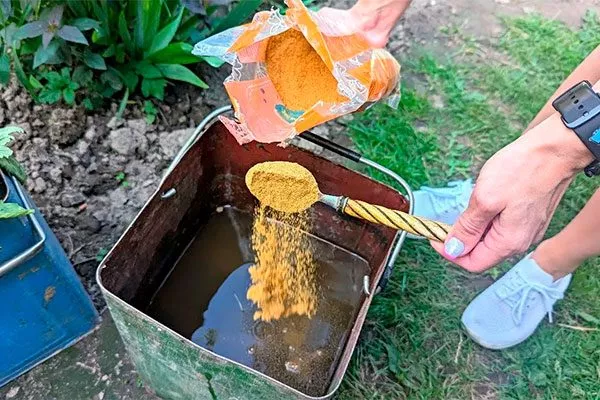
- Mustard infusion. Dissolve 100 g of mustard powder in 10 liters of hot water and let it steep for 24 hours. Spray the trees during the fruit set stage, repeating the procedure every 3-4 days.
- Infusion of marigolds. Grind all the above-ground parts of the marigolds and brew them like tea: 500 g of the mixture per 10 liters of boiling water. After cooling, strain. Use the infusion undiluted in the spring, dilute it with water in a ratio of 1:3 in the summer, and 1:2 in the fall. This remedy effectively combats a wide range of pests, from caterpillars and codling moths to ants and aphids.
- Tomato tops infusion. Harvest dried tomato tops in the fall. In the spring, pour 2 kg of dried tomato tops into 10 liters of hot water and let steep for 10 hours. After straining, dilute the solution with water twice as much before use. Store the concentrate in a sealed container for up to 3-4 weeks, using it for multiple treatments.
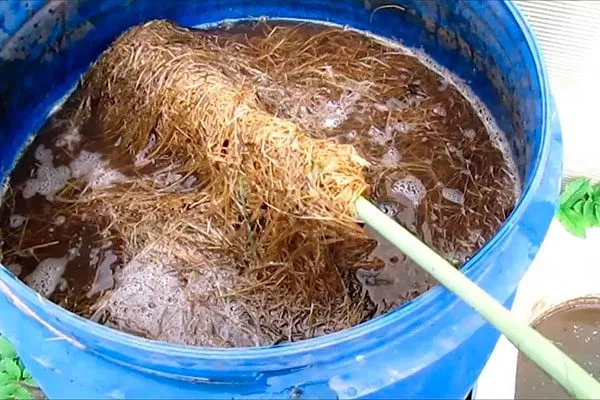
- Hay infusion. Pour boiling water over finely chopped rotted hay and let it steep for 2-3 days (for 10 liters of infusion, use about 1/3 of the hay). Before use, filter and dilute with water in a ratio of 1:3. Spray the trees with the resulting solution.

Folk remedies don't provide complete protection and therefore require systematic use. For increased effectiveness, combine them. For example, use tansy decoction with trapping belts, and tobacco dust infusion with hand-picking caterpillars.
Mechanical methods of protecting trees from codling moth
Physical methods can reduce plum codling moth populations by 30-40%, but only if used systematically. Consider other pest control methods as well.
Catching butterflies
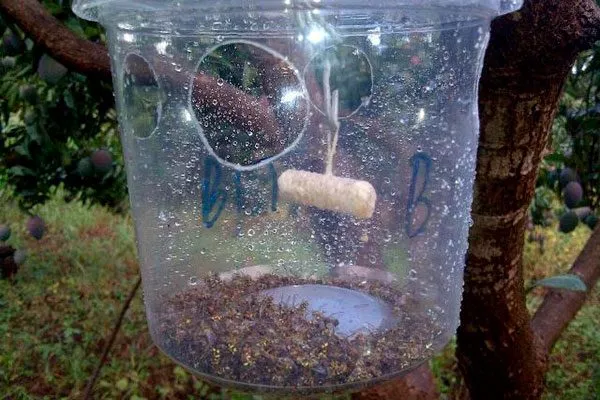
Codling moths are active at night, so catching them with a net is pointless. To catch them, use fermentation—the moths are attracted to the smell of kvass, fermented compote, or yeast solution. Pour bait into containers and hang them in tree canopies.
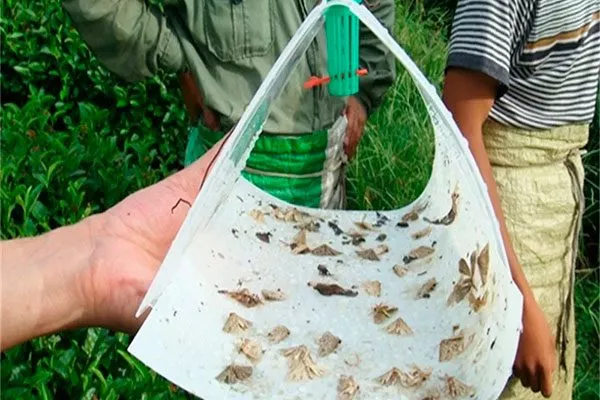
Check the traps daily and change the liquid every 2-3 days to maintain an attractive scent.
Catching caterpillars
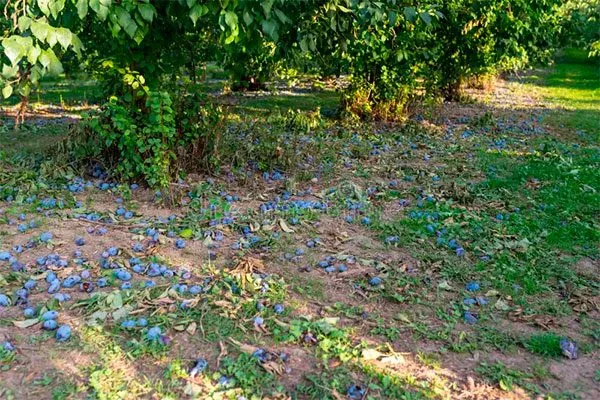
Plum codling moth caterpillars emerge from damaged fruit and attempt to climb back up the tree to invade healthy fruit. Therefore, it's crucial to collect fallen plums—damaged and fallen plums—daily to prevent the pests from escaping and spreading.
Key recommendations:
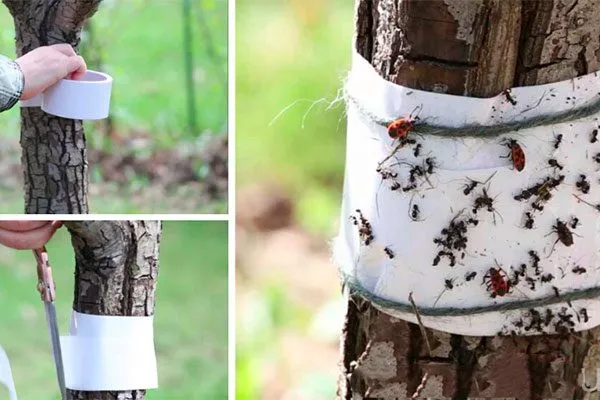
- To protect your crops, install "barrier tapes" on tree trunks—sticky trapping belts that keep out caterpillars and ants that spread aphids.
- To kill caterpillars crawling up the trunk, use homemade trapping belts made of fabric or newspapers soaked in organophosphorus compound (OPC) insecticides: Karbofos, Fufanon-Nova or Aliot.
- To reduce the number of overwintered pests, wrap trapping belts made of corrugated cardboard around the trunks in several layers at the end of summer, protecting them from moisture with polyethylene film on top.
Caterpillars entering pupation are trapped between layers of cardboard. Remove the traps after sustained frosts in November-December and burn them.
Common mistakes gardeners make
When protecting plum trees from pests, it's important not only to use the right methods but also to follow proper treatment procedures. Unfortunately, many fruit growers make common mistakes that reduce pest control effectiveness and increase the risk of crop loss:
- Violation of processing deadlines. Spraying during flowering harms bees, and applying insecticides too late does not protect the fruits from damage.
- Using the same drug. Continuous use of a particular insecticide leads to pest addiction and a decrease in the effectiveness of the product.
Only the integrated use of chemical, biological, and mechanical methods ensures sustainable results. For example, after chemical treatment, it's best to follow up with biological treatments to maintain the effect, while trapping belts can help control pest activity. - Ignoring preventive measures. The absence of trapping belts and the untimely removal of fallen fruit increase the risk of infection and spread of codling moth.
- Insufficient soil care. Many people forget that regular loosening and mulching of the soil disrupts the insect's pupation cycle, helping to reduce its numbers. Neglecting these measures weakens the garden's defenses.
Prevention of codling moth – all methods
Plum codling moth caterpillars feed not only on plums but also readily attack apricots, pears, cherries, and other fruit trees in gardens. To prevent the spread of the pest and eliminate it at an early stage, use the following methods:
- Removing old barkRemove dead bark from tree trunks twice a year—in spring and fall. This helps remove the caterpillars' cocoons, where they spend the winter. Remove the removed bark from the garden and burn it.
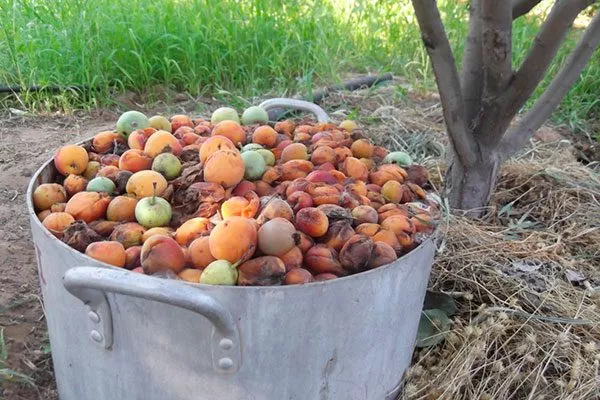
- Daily collection of fallen fruitsCollect damaged fallen fruit daily, gently shaking the tree beforehand. This will prevent the caterpillars from returning to the tree and continuing their destructive activity.
- Planting flowering plants and tomatoesPlant repellent plants in the garden, such as tansy, marigolds, and nasturtiums. They attract insects that are natural enemies of the codling moth. Tomatoes also have a repellent aroma. Place the beds between rows of fruit trees.
- Using adhesive trapping beltsPlace sticky tape around the trunks to trap caterpillars attempting to climb back into the tree after dropping fruit. Replace these traps regularly.
- Placement of butterfly trapsTo reduce butterfly numbers, use homemade apple syrup-based bait. Directions: Boil 100 g of dried apples in 2 liters of water for 30 minutes, then add 200 g of sugar and 20 g of yeast.
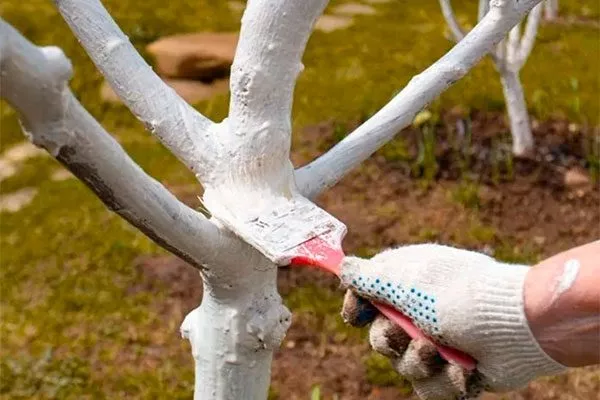
Once the mixture begins to ferment, pour it into containers and place them around the garden. The scent attracts butterflies, which land on the surface of the liquid and are unable to fly away. - Whitewashing tree trunksIn early spring, whitewash trees with lime containing copper sulfate to protect them from pests and diseases.
- Crop rotationAvoid planting new fruit trees near old infested areas to reduce the risk of spreading the pest.
- Top dressingTo boost plant immunity, apply root and foliar feeding. Potassium fertilizers strengthen the cell walls of plums, making them less accessible to caterpillars.


Plum codling moth control requires a comprehensive approach and attention to detail. Only a combination of timely treatments, preventative measures, and proper agricultural practices can minimize crop losses.
Which method to choose to destroy codling moth?
The choice of pest control method depends on several factors: the size of the garden, personal preference for the use of chemicals or biological products, the availability of time and resources, and the degree of infestation.
Key recommendations:
- For small or eco-friendly gardens. It's better to use biological insecticides (such as Fitoverm or Bitoxibacillin), traditional methods, and mechanical techniques (trapping belts, collecting fallen insects). These are safe for the environment and beneficial insects, but require regular application and attention.
- For large and commercial areas. Chemical insecticides are recommended, with alternating applications to prevent pest resistance. It's important to adhere to application timing and dosage to avoid harming crops and bees.
The plum codling moth is one of the most dangerous pests, capable of significantly reducing yields and degrading fruit quality. Controlling this pest requires knowledge of its biology, timely application of effective methods, and the correct selection of pest control products. There are many ways to eliminate the insect, ensuring bountiful harvests in the future.