
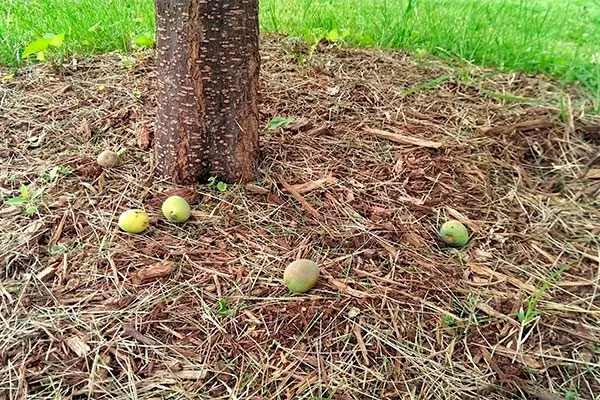
Plum fruit drop and cracking are common problems faced by both novice and experienced gardeners. These issues can significantly reduce yields and ruin the experience of growing your favorite tree. Understanding the causes of plum fruit problems will help you take timely action and maintain a healthy garden.
Causes and solutions to the problem
Many gardeners notice plums falling from the trees long before they're fully ripe. This phenomenon causes disappointment and anxiety, especially when expecting a bountiful harvest of ripe, flavorful fruit. Cracking is also common, and there's a reason for this.
Nutrient Deficiencies: The Key to the Problem
One of the main reasons for premature fruit drop in plum trees is a lack of nutrients in the soil. A deficiency of nitrogen, potassium, and phosphorus disrupts the tree's nutrition, preventing the ovaries from receiving the resources they need for normal growth and causing them to fall off.
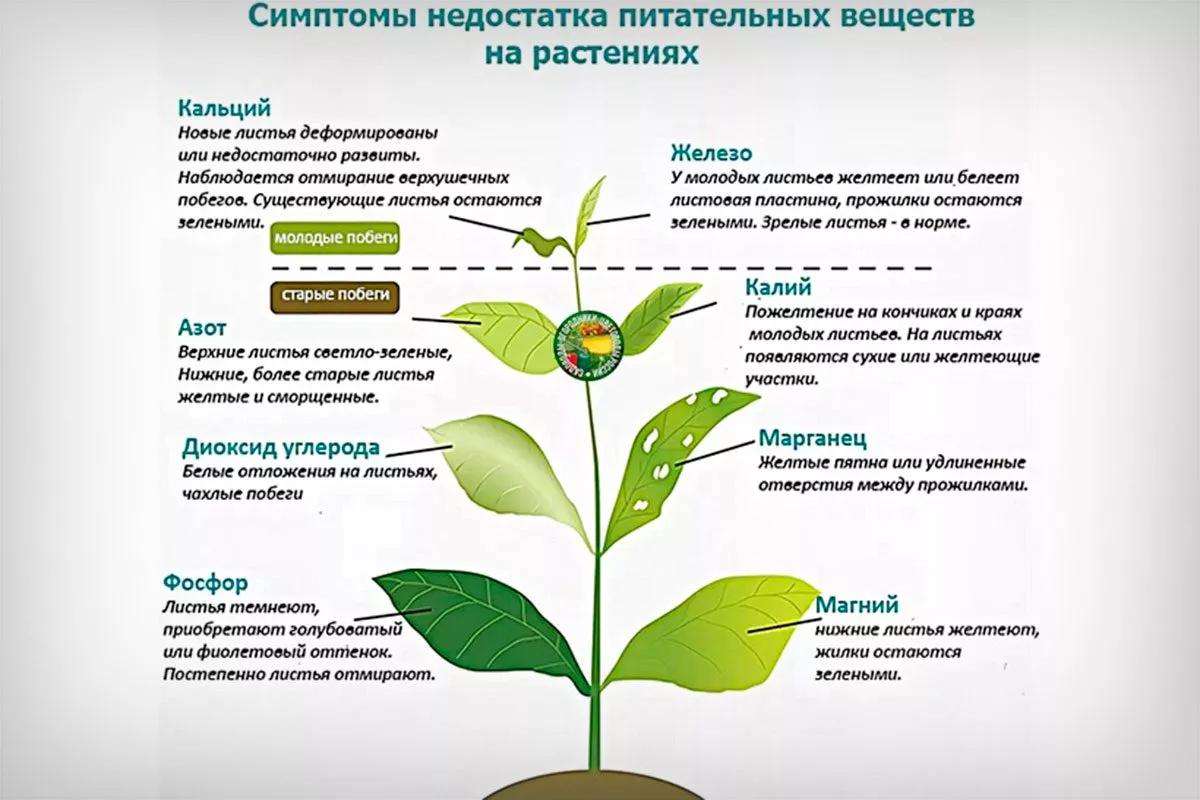
Regular fertilizing, including both organic and mineral fertilizers, will help correct the situation – they will strengthen the tree and increase its yield.
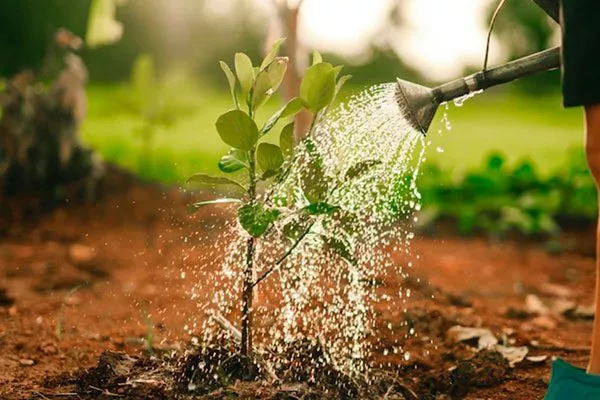
Incorrect watering: moisture balance
Plum trees are sensitive to water imbalances, and both under- and over-watering can cause fruit drop. Insufficient watering can cause the tree to become stressed, causing it to drop unripe fruit.
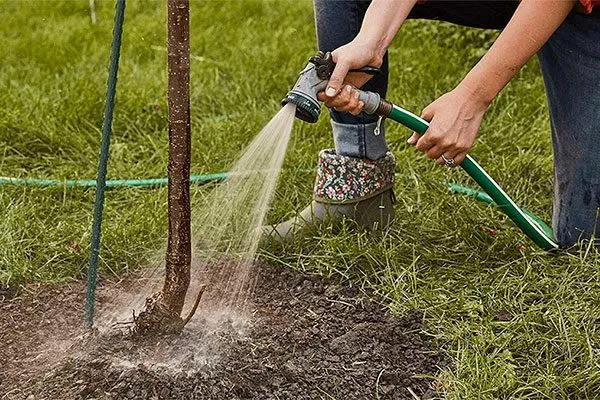
Excessive moisture is also harmful – it causes root rot and interferes with nutrient absorption. To avoid these problems, it's important to ensure timely watering and even soil moisture down to the root depth, especially during dry periods.
Diseases and pests: a threat to crops
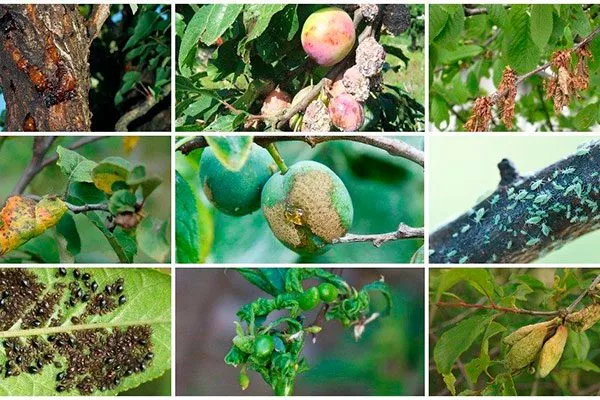
The reason for plum fruit falling is often diseases and pestsDiseases such as moniliosis and fruit rot attack ovaries and fruits, causing them to drop prematurely. Insect pests, including the plum moth and aphids, also damage young fruits, depriving the tree of some of its yield.
Climate conditions: the influence of weather
Sudden weather changes often cause damage to plum ovaries and unripe fruits. Mechanical damage to the fruits, causing them to fall, can be caused by:
- spring frosts;

- gusty wind;
- hail.
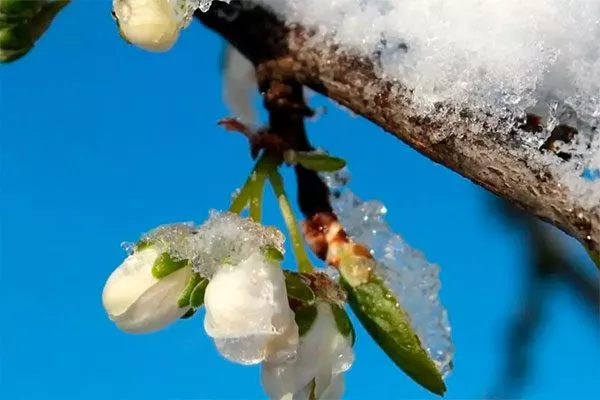
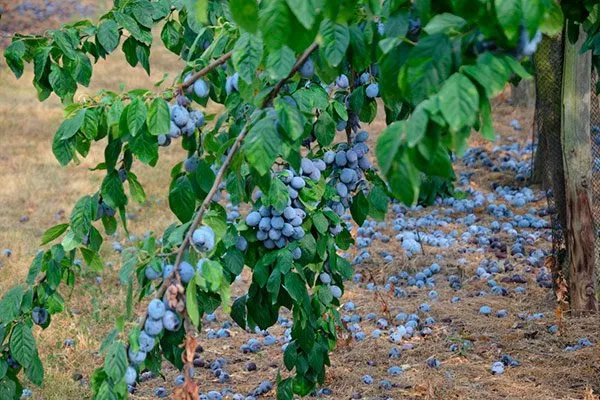
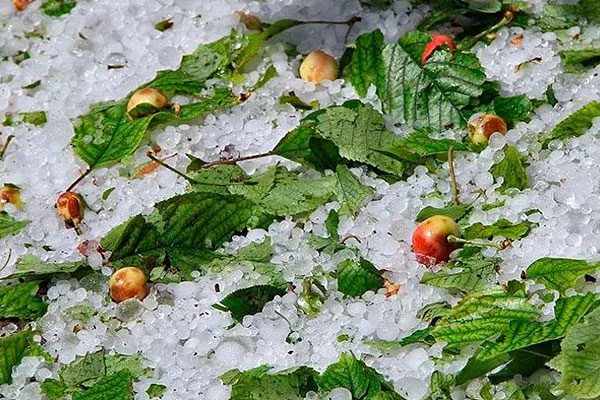
Hot, dry weather also has a negative impact on the tree, causing stress and fruit drop.
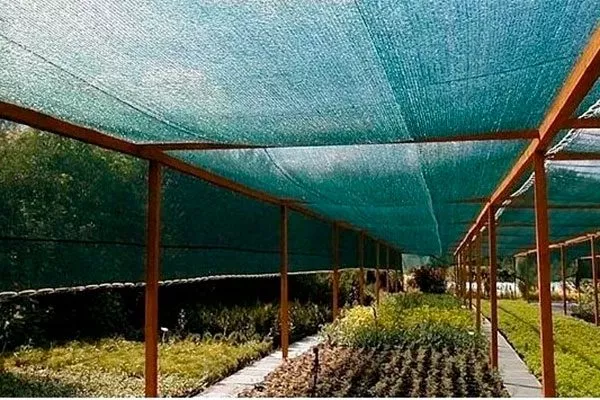
The following protective measures will help reduce the risks:
- installation of wind protection screens;
- application of covering material;
- timely watering in hot weather.

Incorrect pruning: impact on fruiting
Mistakes in plum pruning can weaken the tree and cause fruit drop. Excessive branch pruning or improper crown shaping disrupts the balance between growth and fruiting, reducing the tree's stability.
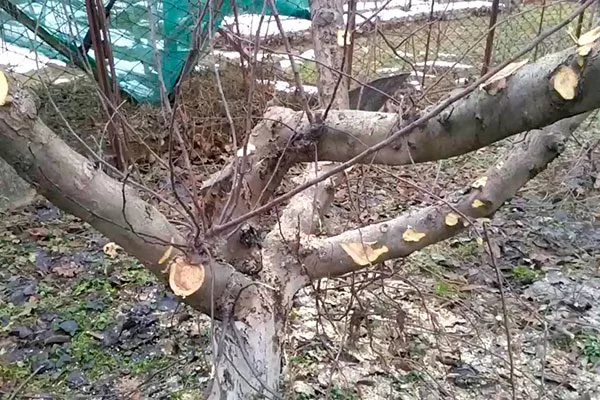
Correctly performed, moderate pruning, which improves illumination and ventilation of the crown, helps strengthen the tree and promotes fruit retention.
Natural process: load regulation
Sometimes fruit drop is a normal self-regulation mechanism used by the tree to reduce excess load. When the fruit is overloaded, the plant will spontaneously shed some of the fruit to ensure the full development of the remaining fruit.
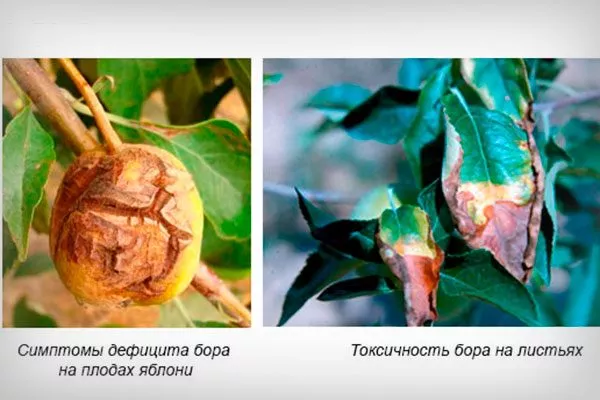
Boron deficiency
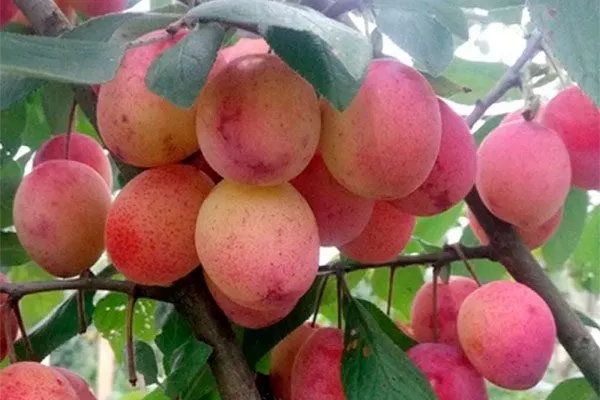
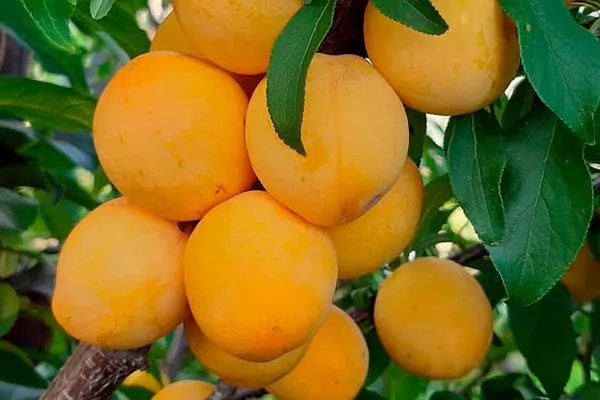
Boron deficiency is another common cause of fruit drop, especially in yellow-fruited plum varieties. A deficiency of this micronutrient disrupts pollination and ovary nutrition, leading to premature fruit drop.
Pollination problem
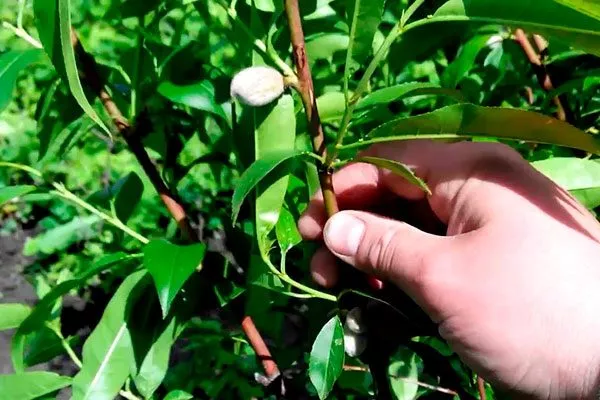
Disruption of the pollination process is another possible reason for plum ovary shedding.
If the tree does not have enough pollen from suitable varieties, the developing fruits do not develop and soon fall off.
Plant pollinator varieties nearby, such as:
- Mirabelle Nancy;
- Anna Shpet;
- Kirke.
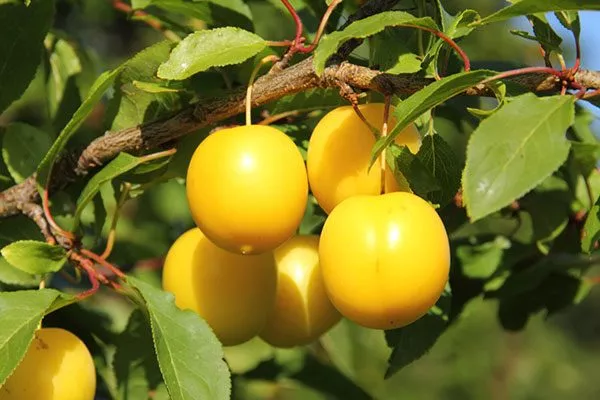
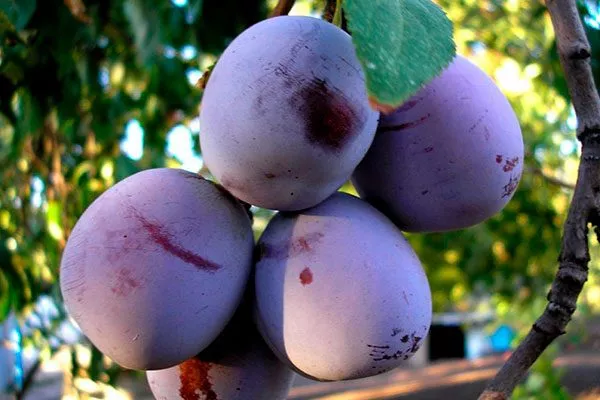
Some gardeners graft pollinator branches into the crown or hang flowering branches in jars of water directly from the tree during flowering. If suitable varieties are grown in adjacent plots, this also promotes proper pollination.
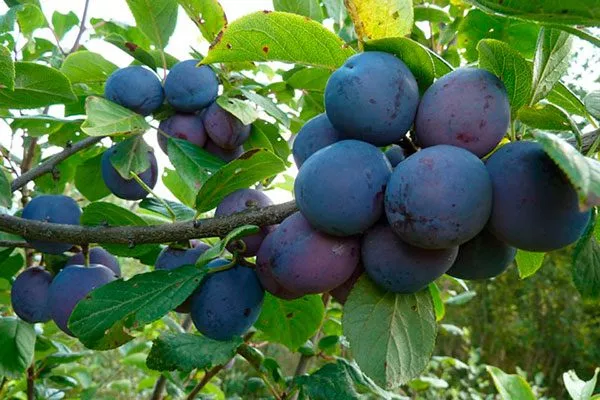
When growing self-fertile plums, there's no need for additional "neighbors," as these trees are self-pollinating. Such varieties include:
- Moscow Hungarian (Tsaritsyn);
- In memory of Timiryazev;
- Morning.
Freezing
One of the reasons for fruit drop can be the tree's exposure to cold, especially after spring frosts. This problem can be identified in the spring: if the flowers turn brown and appear wilted, they have been damaged by the cold.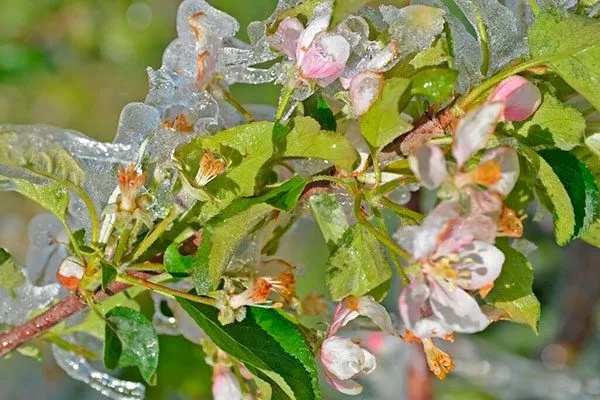
Plum trees produce more flowers than they need, but to minimize the risk of damage, it's best to choose varieties adapted to your region's climate. This increases plant resilience and improves the chances of a consistent harvest.
Prevention
Plum fruit drop is a common problem that can significantly reduce yield and cause frustration for gardeners. To minimize the risk of premature fruit drop and ensure healthy fruiting, it's important to take a number of preventative measures.
Key recommendations:
- Ensuring a balanced diet. Regularly feed the tree with mineral and organic fertilizers, including microelements, including boron.
- Optimal watering regime. Water the plum tree evenly, avoiding both excess and lack of moisture, especially during periods of drought and flowering.
- Frost protection. If there is a risk of recurrent frost, water the tree around the perimeter and use covering materials or smoke screens (with caution).
- Prevention and treatment of diseases. Regularly inspect the tree for signs of fungal diseases and treat it with fungicides in a timely manner.
- Pest control. Conduct preventative spraying with insecticides and attract beneficial pollinating insects.
- Maintaining proper pruning. Shape the crown to ensure good ventilation and lighting, avoiding excessive removal of branches.
- Ensuring high-quality pollination. Plant pollinator varieties nearby or use artificial pollination to increase fruit set.
- Load regulation. If there is an excessive harvest, thin out the ovaries in a timely manner so that the tree can better nourish the remaining fruits.
- The right choice of variety. Choose varieties that are adapted to your region's climate to improve frost and stress tolerance.
Plum fruit drop and cracking are the result of a combination of factors: weather conditions, poor agricultural practices, diseases, and pests. To minimize crop losses, it's important to closely monitor the tree's condition, properly manage its care, and promptly address any issues.