
The Alyonushka plum is a favorite among many gardeners in our country. This is due to its numerous varietal characteristics. It boasts good frost resistance and a compact tree size. When blooming profusely, the plant becomes a true garden highlight. Proper and timely care will ensure bountiful harvests throughout the season.
History of selection
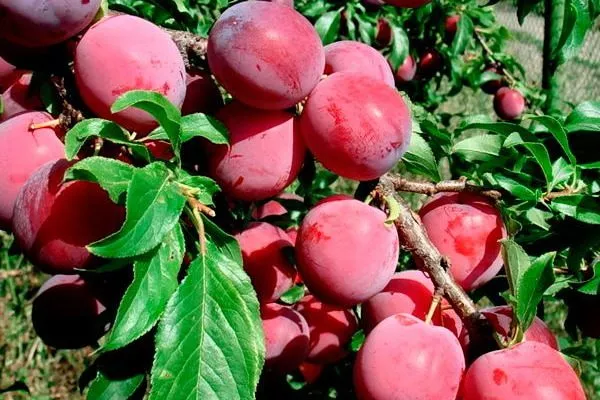
Developed at the All-Russian Research Institute in the Oryol Region, it was created by crossing Chinese plums: Krasny Shar and Kitayanka. Breeders G. B. Zhdanova and A. F. Kolesnikova worked on the variety in 1977, but it was not added to the State Register until 2001.
Introduction to the variety
Alyonushka is a striking example of the Chinese plum, standing out from the crowd. With proper planting and care, it will delight with beautiful blooms and produce abundant harvests of juicy, round fruits each year.
Description of the tree
This is a medium-sized variety, reaching a height of no more than 2-2.5 m. It is characterized by the following characteristics:
- The plant develops a not too dense pyramidal crown with thick, straight branches located at an angle.
- The trunk and branches are colored reddish-brown.
- Weakly defined internodes.
- The leaves are large, bright green, oval with a pointed end, collected in groups on petioles.
Characteristics and purpose of fruits
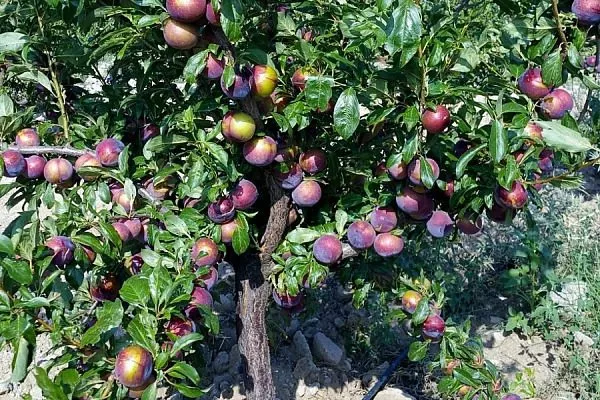
The fruits are beautiful and perfectly round. When fully ripe, the skin is dark red, almost burgundy. The plums weigh 30-35 g and measure 4.4 x 3.8 cm, yet they are virtually uniform in appearance.
Other distinctive features:
- The orange flesh is juicy and has an excellent sweet and sour taste, receiving a tasting score of 4.3 out of 5.
- The seeds are easily separated from the pulp.
- The fruits do not crack when ripening, which makes them good for transportation.
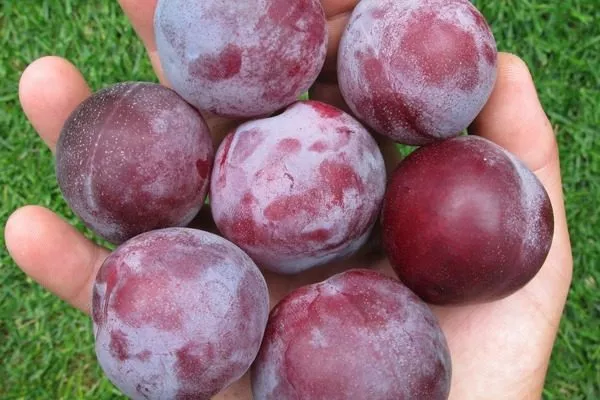
Dessert plums are excellent for eating fresh and make delicious compotes and jams.
Beneficial properties
Vitamin C supports the immune system, while vitamin A improves vision and skin health. The pulp contains antioxidants, which help protect cells from free radicals and reduce the risk of chronic diseases. Fiber improves digestion and maintains bowel function.
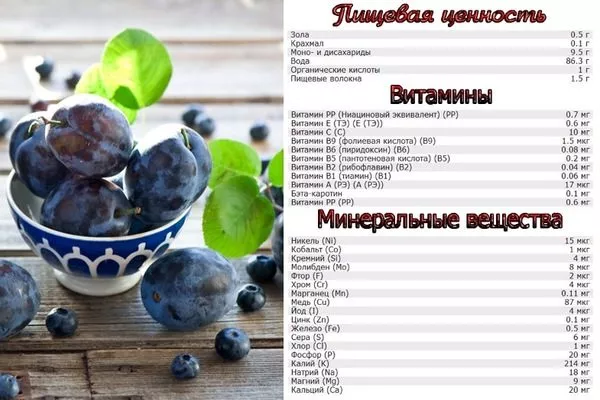
They contain minerals, including potassium, which regulates blood pressure, and magnesium, which is important for cardiovascular health. Eating fruit normalizes metabolism.
Productivity
The plant bears fruit reliably every growing season, requiring no dormancy period. Productivity is good: up to 20 kg of fruit can be harvested from a single tree. On an industrial scale, yields reach approximately 147 centners per hectare.
Fruiting, beginning of flowering and ripening time
The first harvests are already reaped in the third year after planting. Fruiting is regular and annual, unaffected by weather conditions. This is an early-ripening variety.
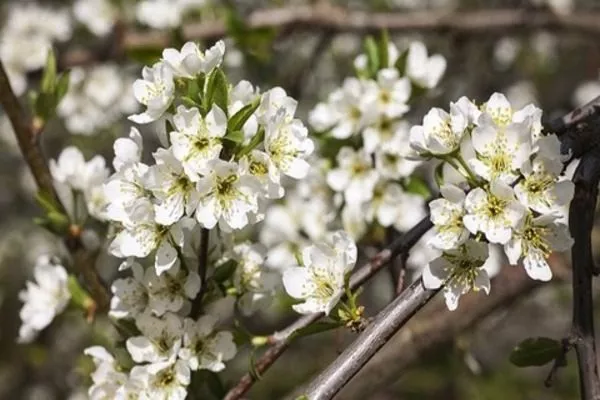
Flowering begins in early May, even before the leaves appear, and is so profuse that the crown looks like a snow-white cloud. Flower buds form at the ends of the fruiting branches and form clusters of three lush white flowers.
Self-fertility and pollinators
Alyonushka is a self-sterile variety. To increase yield, plant other trees with similar flowering times nearby. The Skoroplodnaya plum makes an excellent neighbor. Various varieties of cherry plum are also suitable.
Application of berries
The fruits are eaten fresh and used for processing. They are ideal for winter preservation – plums are used to make jam, preserves, compotes, and other desserts.
Drought and frost resistance
When growing the crop, it's important to avoid both excess and insufficient soil moisture. The plant is fairly drought-resistant but requires regular watering. Plum tolerates low temperatures well, but it's best to cover young seedlings for additional protection.
Resistance to diseases and pests
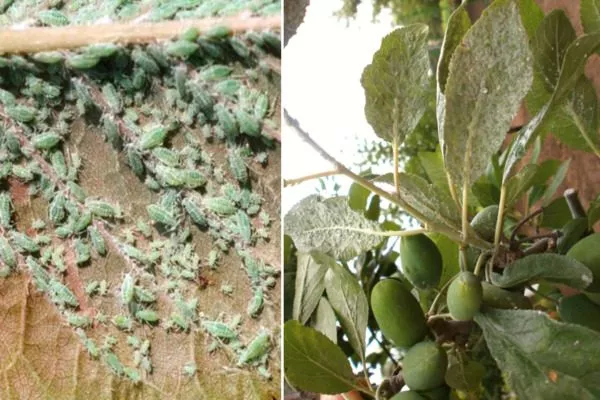
The Alyonushka variety has increased resistance to common stone fruit diseases, such as moniliosis and holey spot (clasterosporium). However, among pests, aphids cause the most damage to young shoots and leaves.
Landing features
Growing this plant isn't particularly difficult, but it does require some important considerations. Even a novice gardener can handle the task, as this variety is easy to grow and requires minimal care.
Recommended timeframes
The beginning of active sap flow, when the soil has already warmed up but the buds on the trees have not yet opened, usually in late April or early May. This is especially important in regions with cold winters.
How to choose a site for planting?
Choose an open, sunny location on all sides. The main requirement when choosing a site is the absence of low-lying areas where water can accumulate, so place the seedling on an elevated surface. This will help prevent rotting and decay of the root collar during heavy rains and snowmelt.
What crops can and cannot be planted next to each other?
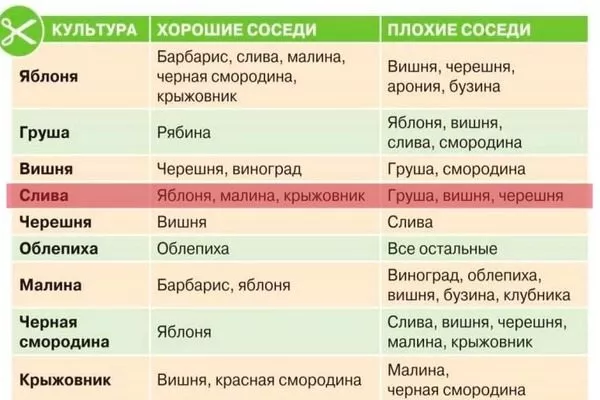
Plant some berry bushes near Alyonushka, such as black currants, raspberries, and gooseberries. Sweet cherries and sour cherries are not suitable neighbors, as are pears, walnuts, hazelnuts, birches, and poplars. Avoid placing tall trees nearby, as they will create shade.
Selection and preparation of planting material
When purchasing planting material, it's important to consider several key points. Pay attention to the following criteria:
- Age. One- or two-year-old seedlings are best for planting. They take root more easily and begin bearing fruit sooner.
- Root system. The roots should be well-developed, flexible, and moist to the touch. There should be no signs of drying out, mold, or damage. If they are dry, soak them in water for a few hours before planting.
- Trunk and branches. Smooth, without cracks or growths. The bark should be free of damage or spots indicating disease. The presence of viable buds is essential.
- Graft. It should be well healed, without cracks or tears.
Further preparation includes the following steps:
- Soak the root system in a rooting stimulant (such as Kornevin) or plain water for 2-4 hours. This will speed up the plant's survival.
- If the seedling was purchased from a nursery or store, treat the root system with a solution of potassium permanganate or a fungicide to prevent fungal diseases.
- If the tree has overly long or damaged branches, trim them back, leaving the main shoots. This will help distribute the plant's energy evenly between the root system and the above-ground part.
A well-prepared seedling takes root faster and adapts better to a new location.
Planting sequence
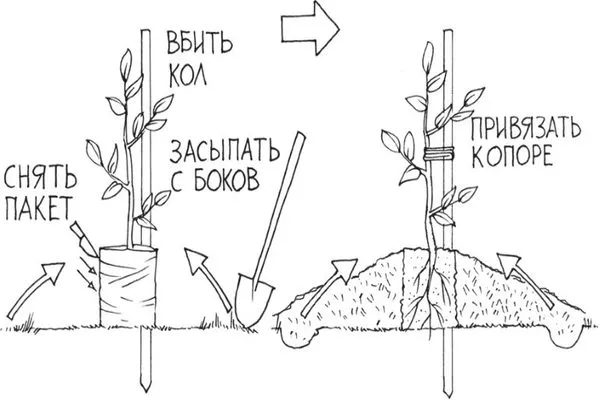
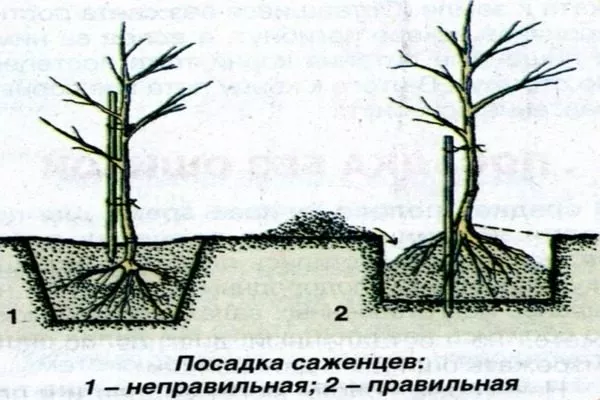
Two weeks before planting, prepare a 40x50 cm hole and install a stake. Then follow these instructions:
- Place the seedling in the hole, carefully spreading out the roots. If the root system is closed, replant it along with the root ball.
- Fill the remaining space with nutrient soil, compacting it gradually to avoid the formation of voids.
After planting, water the crop and mulch the area around the tree trunk.
How to care for the plum tree further?
Caring for the Alyonushka plum is crucial for achieving high-quality yields. By caring for the plant, you can ensure not only a good harvest but also a long life. It's important to follow simple agricultural practices.
Watering and fertilizing a fruit-bearing tree
The plant requires regular watering, especially during dry periods. Water it every 2-3 weeks, and reduce the frequency during periods of frequent rainfall.
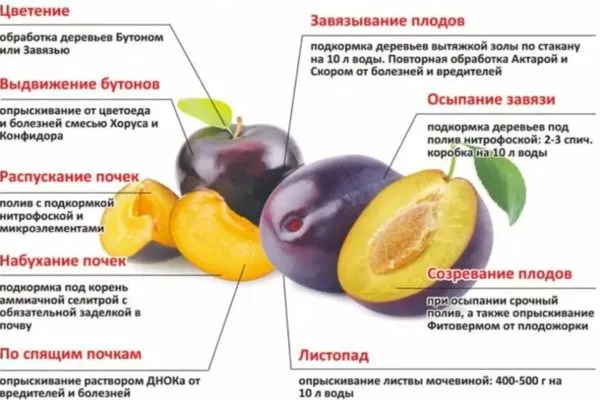
Start fertilizing three years after planting. Follow these recommendations:
- In early spring, before budding, fertilize with nitrogen-rich fertilizers. Use urea at a rate of 20 g per square meter.
- Apply foliar fertilizers during flowering. Boric acid or Zavyaz are effective.
- At the beginning of flowering, use complex fertilizers containing phosphorus, potassium, and microelements. Wood ash is suitable for this period – 200 g per 10 liters of water.
Phosphorus and potassium fertilizers are useful after fruiting for root growth and strengthening. Sprinkle them (20 g per 1 sq. m) or dissolve them in water (10 l).
Plum pruning
This is an important care element that promotes healthy crown formation and increased yield. Follow these helpful tips:
- Prune annually, starting in the third year after planting. Prioritize removing dead, diseased, and damaged branches, as well as those growing inward to ensure good ventilation.
- Perform formative pruning in early spring, before the sap begins to flow. Shorten shoots to encourage branching and larger fruiting units. Ensure even branch distribution to avoid crowding.
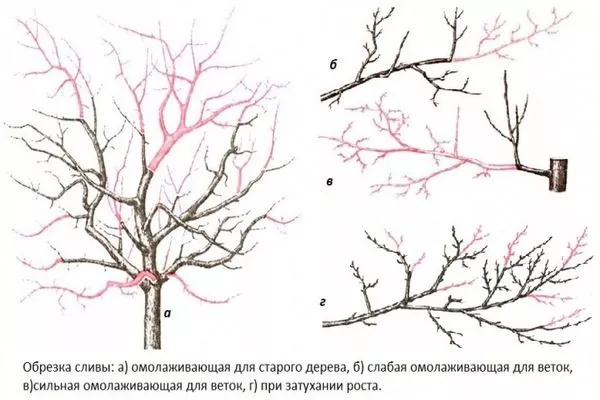
In the fall, begin sanitary pruning, removing all excess shoots and frozen branches. Pruning not only improves growth and fruiting but also protects the tree from diseases and pests.
Preparing for winter
This includes several important measures to ensure the tree's health and protect it from adverse conditions. Mulch the area around the trunk using layers of humus or tree bark, which helps retain moisture and protects the roots from the cold.
Cover the base of the trunk and the roots of the seedling with spruce branches or special covering materials to protect them from frost.
Protection from rodents
Pests can damage the bark and root system, negatively impacting the plant's health. Wrap the base of the trunk with protective netting or fabric to prevent pests from reaching the bark. Ready-made repellents that use scents are also effective.
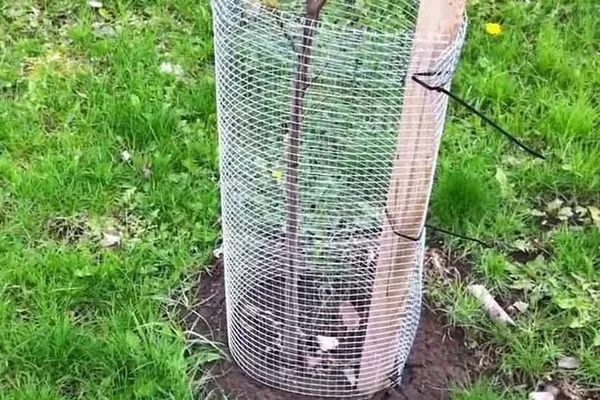
Regularly inspect the area around the tree and remove debris or other hiding places that may attract rodents. Using traps or specialized equipment will help control small mammals.
Methods of control and prevention of diseases and parasites
The crop is renowned for its strong immunity, but if improperly cared for, it can be susceptible to certain difficulties. The table lists common problems:
| Disease/Pest | Treatment | Prevention |
| Coccomycosis | Spray with copper-containing preparations (copper sulfate, Bordeaux mixture). | Collect leaves in the fall and burn them. Keep the tree trunk area clear of weeds. |
| Gum flow | Treat the trunk with a 1% copper sulfate solution and seal the wounds with garden pitch. Remove severely affected shoots. | Whitewash the trunk, insulate it for the winter, preserve the old bark and protect it from sunburn. |
| Smallpox (sharka) | Burn all damaged plums. | Treat trees promptly against pests that spread the disease. |
| Aphid | Folk remedies such as a solution of ash and soap and marigold infusion can help. Chemical treatments are also effective: spraying the underside of the leaves with a 15% solution of Karbofos. | Weed the tree trunk area regularly and destroy anthills. |
| Plum codling moth | To combat pests, use products such as Fitoverm, Fufanon, Karbofos, or Iskra Bio. Folk remedies that can help include an ash-soap solution or an infusion of pine needles. | Clean away dead bark. In spring and fall, apply Malathion as a preventative measure. Remove debris from the ground around the tree. |
| Black and yellow sawfly | Infusions of pine needles or wormwood can help with treatment. For severe infestations, use Entobacterin or Lepitocide. | In the fall, dig up the tree trunk area and treat the soil against pests twice – in the spring and fall. |
Harvesting and storage
Harvest in dry weather, a few days after rain or watering, paying attention to the ripeness of the fruit. For storage, the fruit should be technically ripe and slightly firm. Harvest with the stems attached to extend the shelf life.
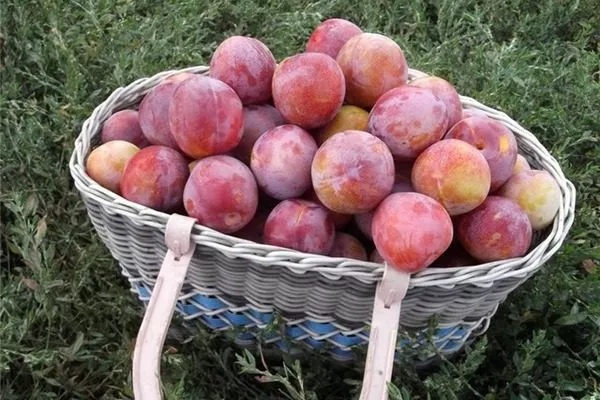
Harvest by hand, using a ladder and pruning shears to avoid damaging the fruit. They will stay fresh for up to two months at 85% humidity and temperatures between 0°C and 2°C.
Positive and negative qualities
Before planting a crop, study its advantages and disadvantages. Alyonushka has many advantages. It also has disadvantages.
Reviews
The Alyonushka plum is a great choice for beginning gardeners, as it doesn't require any special growing conditions. Its flavor and consistent yields make it attractive to both fresh fruit lovers and home-canned fruit enthusiasts. For best results, it's important to pay attention to care and select the right growing conditions.