
The Shedevr plum-apricot is a particularly valuable hybrid that combines the benefits of both parent species. This rare variety, also known as Prunus armeniaca, is the result of crossing a peach, plum, and apricot, and is distinguished by its unique characteristics and exquisite flavor.
Origin of the hybrid
The development of the Shedevr plum-apricot variety began over ten years ago in a scientific laboratory specializing in fruit crop breeding. Researchers conducted numerous cross-pollination experiments and selected the most promising hybrids for further cultivation.
The project's main goal was to create a fruit tree that would produce increased yields, be resistant to diseases and pests, and boast exceptional fruit flavor. Scientists achieved significant success through meticulous breeding and the use of cutting-edge technologies.
After years of research and testing, the apricot plum was officially registered in 2020 and introduced as a new variety.
Features of wood
This columnar plant normally does not exceed 200-250 cm in height. However, under favorable conditions, its growth can reach up to 450-500 cm.
The tree's crown is compact, making it ideal for limited space in garden plots. The branches are short and thin, and branch outward.
Varietal characteristics of fruits
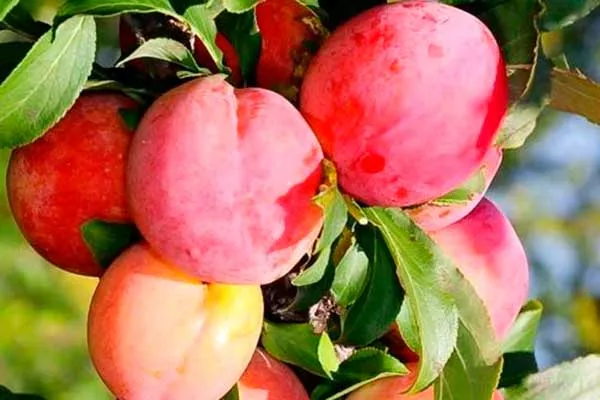
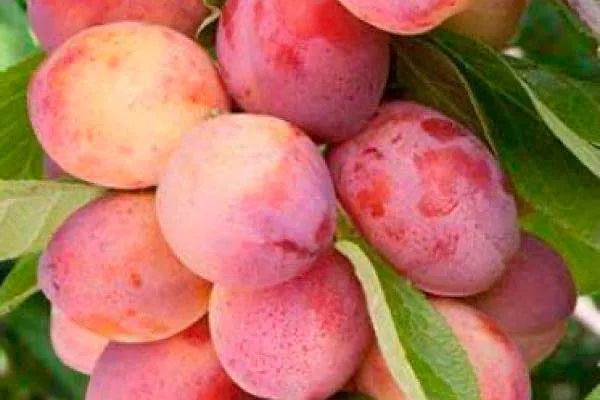
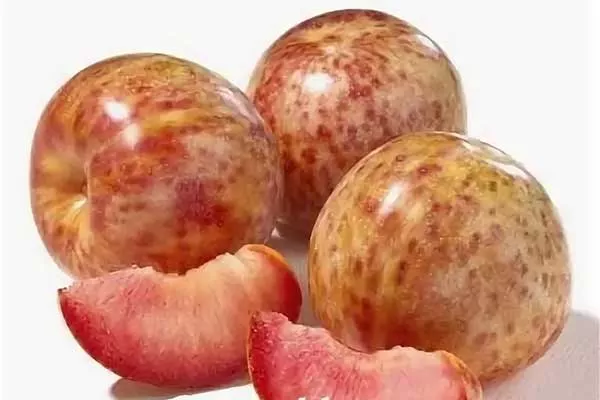
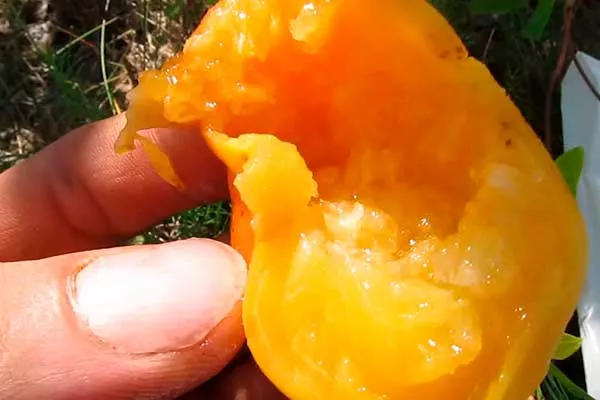
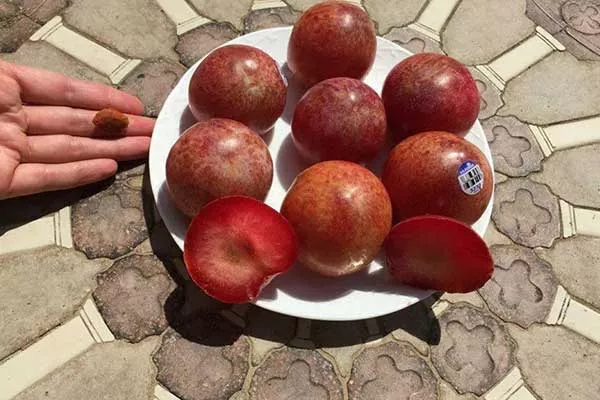
Apricot plums are massive, weighing between 80 and 95 grams. They have an attractive red-yellow color. The skin is smooth and shiny, the flesh is tender and very juicy, and the flavor is reminiscent of both original varieties—the sweetness of apricot and the juiciness of plum.
Subtleties of taste
This variety impresses with a unique aromatic palette, harmoniously combining hints of apricot and plum. Its aroma leans more toward apricot, making it appealing to lovers of fruity combinations:
- The fruits have a refined sweetness, harmoniously balanced with a slight tartness, and are full of juiciness. The flavor has hints of nectarine or peach.
- Ripe fruits emit a rich fruity aroma that extends a considerable distance from the tree.
It's not just the taste that makes the Shedevr plum-apricot unique. It also contains vitamins, minerals, and antioxidants that strengthen the immune system and promote overall health.
Ripening and fruiting
The apricot plum tree begins to bear its first fruit as early as the third or fourth year after planting. August is the time for mass plum picking. In southern climates, the Shedevr can ripen slightly earlier, as early as mid-July, thanks to warmer temperatures.
Other characteristics
This variety produces abundant fruit each year, making it an attractive option for gardeners. It's self-pollinating, greatly simplifying the growing process and guaranteeing a bountiful harvest even without nearby fruit trees.
Peculiarities:
- Excellent productivity: This variety is known for its fruitfulness. Under favorable conditions and with proper care, it produces consistently high yields. Typically, a single tree can yield around 20-30 kg of berries, sometimes even more.
- Winter hardiness: The apricot plum has sufficient frost resistance and is able to survive winters from -25°C to -34°C.
- Self-fertility: This is a self-pollinating variety, making it easy to propagate. However, to increase the number of formed ovaries and improve the quality of the fruit, it is recommended to have another plum variety in the garden, which will act as an ideal pollinator.
The fruits have a long shelf life and are easy to transport, so farmers plant this variety for their gardening business.
Scope of application
This masterpiece will grace any garden or backyard. Its graceful flowers and unusual fruits will add a special atmosphere to any space.
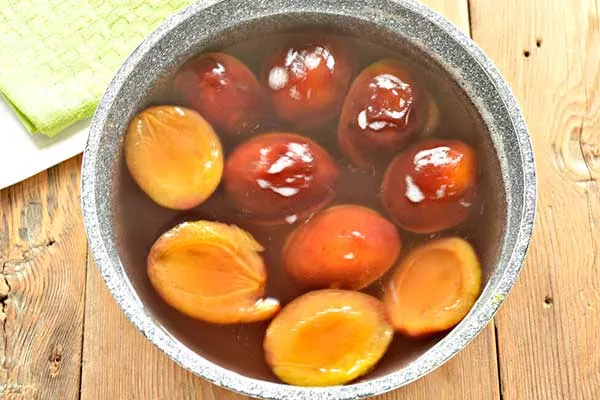
The berries are ideal for eating fresh, but they can also be used as a delicious addition to any dish:
- Desserts. One of the most popular uses for Shedevr is in desserts. This fruit, with its sweet flavor and aroma, is an excellent ingredient for pies, cupcakes, muffins, and other sweets.
- Canning. To preserve the flavor of plum-apricot for many months, you can try preserving it in the form of jam, preserves, or compote.
- Drinks. The pulp produces delicious juices, and winemakers use the fruit to make liqueurs and wine.
- Sauces. The fruits fit perfectly into the menu of meat dishes, giving them an exquisite taste and aroma.
The variety is suitable for freezing, but it is not used for drying, as the pulp is too juicy.
Resistance to diseases and pests
Masterpiece is distinguished by its increased resistance to a variety of diseases and pests. It demonstrates good resistance to cladosporiosis and moniliosis, the most destructive fungal infections that can affect plums.
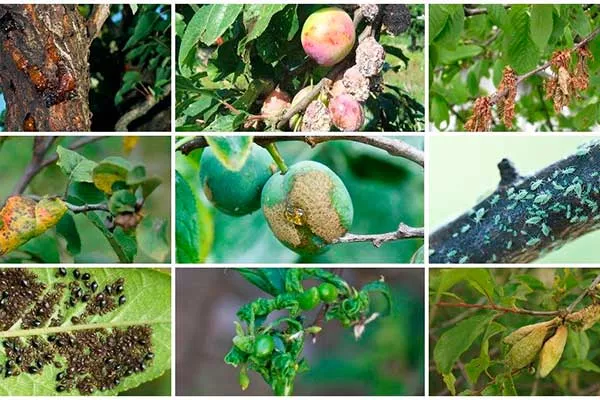
This variety is not particularly attractive to insect pests, particularly spider mites and aphids, which often damage other plum varieties. This makes plant care much easier and is a significant advantage for gardeners.
Planting and care
Growing the apricot plum variety isn't difficult, but it does require a certain technique. This variety tolerates low temperatures and wind damage, making it suitable for growing in areas with harsh weather conditions.
- ✓ To ensure optimal growth and fruiting of the Shedevr plum-apricot, it is necessary to maintain the soil pH in the range of 6.0-7.5.
- ✓ The distance between trees should be at least 3 meters to ensure sufficient space for the growth of the root system and crown.
How to choose a landing site?
Particular attention should be paid to the garden's location. The following points are important for this variety:
- Adequate light is essential for successful growth. The Masterpiece plant thrives in bright conditions, receiving at least 7-8 hours of direct sunlight daily. Insufficient light can result in smaller fruits and a duller flavor.
- The next aspect is protection from wind gusts. The plant is quite fragile and is susceptible to damage to branches and fruit in strong winds. In areas prone to frequent gusts, it's advisable to create artificial protection, such as a fence or a row of trees.
- It's equally important to consider soil moisture levels. Masterpiece prefers moderately moist soil with good drainage. Avoid areas with excessively dry or overly wet soil.
- The most important factor is the quality of the soil. Garden soils with a neutral or slightly acidic pH are ideal. Fertile soils rich in organic matter are preferred.
- When choosing a site, consider the proximity to other trees. This variety is capable of self-pollination, but if other plum or apricot trees are grown nearby, you can expect a more generous yield.
Remember that the planting location should be convenient for regular care and watering. Avoid areas with high groundwater levels and hard-to-reach spots.
Soil preparation
Before planting apricot plums, conduct a thorough soil analysis in the proposed area. This will determine the soil's pH, organic and mineral content, and structural composition.
The data obtained will help to make all necessary adjustments:
- If the soil pH is higher than acceptable, it is recommended to use limestone or add ash material for deoxidation.
- If the soil is light in composition and does not retain moisture well, compost, humus or other organic materials should be added to improve the structure and water retention capacity.
- To ensure effective drainage and prevent waterlogging, create a raised embankment. This will promote root development.
- Consider the specific terrain and weather conditions where you will be planting. For example, in areas with cold winters and variable climates, it is recommended to install a winter protective layer to prevent damage from frost and excess moisture.
Planting seedlings
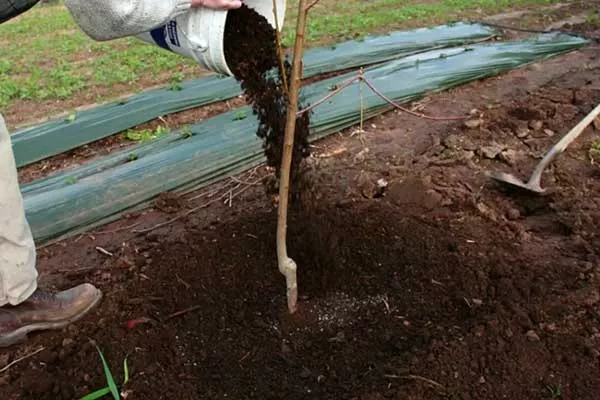
Before the procedure, it's advisable to prune the plant's root system to stimulate its active growth. The procedure follows a standard procedure:
- Dig a hole approximately 60 x 60 x 60 cm (+10 cm) in size.
- Carefully loosen the soil at the bottom.
- Add organic matter (for example, humus or compost) to the resulting space in a layer of up to 7-9 cm to provide the soil with nutrients.
- Separately prepare a soil mixture of soil and organic matter in equal proportions.
- Fill the hole and form a mound.
- Carefully place the tree roots in the hole, then carefully fill them with the same substrate and lightly compact them.
- Moisten the planting.
Watering and fertilizing
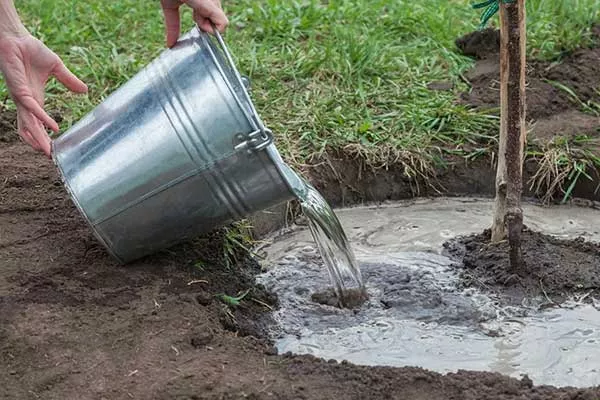
During the season of rapid fruit development and ripening (from spring to summer), the Shedevr tree requires regular watering, which should be done every one to two times a week. This is essential during the first year after planting. Subsequently, watering the soil three times per season is sufficient.
Peculiarities:
- It is important to prevent over-watering of the soil and the formation of stagnant water, which can cause root decomposition and the appearance of diseases.
- When the tree enters its winter dormancy period (fall and winter), watering levels should be significantly reduced. While in spring and summer the tree requires about 30-40 liters of water, in early fall, 10 liters is sufficient.
- Avoid leaving the Shedevr plum-apricot tree without water before the onset of frost to prevent the formation of an ice crust, which can damage the root system. Moisture-recharging irrigation uses approximately 60-70 liters of water.
- For watering, it's preferable to use room-temperature water. Ideally, rainwater or specially treated water that has been left to stand in the sun for a couple of days is ideal.
Agrochemicals are an integral part of the effective cultivation of the Shedevr plum-apricot variety. A key aspect is the selection of appropriate fertilizers that meet the needs of this plant:
- Before the start of the spring growth period, it is advisable to use fertilizers with a high nitrogen content, which promotes intensive development of shoots and green mass.
- When the time comes for the fruits to ripen, it is necessary to switch to phosphorus-potassium mixtures, which have a positive effect on the quality of the fruits and strengthen the plant’s protective functions.
- In early spring, apply nitrogen fertilizer at a rate of 30 g per square meter to stimulate shoot growth.
- During the flowering period, add phosphorus-potassium fertilizers (20 g per square meter) to improve the quality of the fruit.
- In autumn, apply organic fertilizer (compost or humus) in a 5 cm layer around the trunk to prepare for winter.
Apply the products according to the package directions. Masterpiece doesn't require special attention to nutrients, so moderate fertilization will be sufficient to maintain its health and produce a bountiful harvest. The key is to plant it in the most fertile soil possible.
Trimming
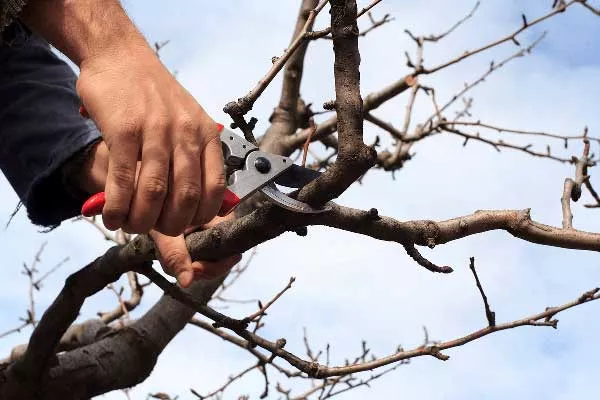
The main task when pruning Shedevr is to remove damaged, diseased, or dead branches. These elements can become a source of infection and weaken the plant's defenses. Additionally, some shoots must be removed to ensure the full ripening of the main fruit.
Rules
To ensure the procedure is beneficial and not harmful, follow these recommendations:
- When performing work, it is necessary to use only sharp and disinfected tools to prevent infection of the tree.
- First, all damaged and dead branches are removed. Next, the shoots that grow directly from the root system are treated. It's important to preserve the tree's structure and main branches.
- Removed parts should be disposed of to prevent the spread of diseases and pests.
- It is advisable to treat the areas after pruning with an antiseptic to prevent possible infection.
Proper pruning improves the quality of the harvest and extends the tree's lifespan. However, improper pruning can harm the plant and reduce its fruiting.
Cutting off shoots
Spring pruning occurs before the tree begins to actively grow. The main goal of this operation is to remove weak, frost-damaged, or abnormally growing branches.
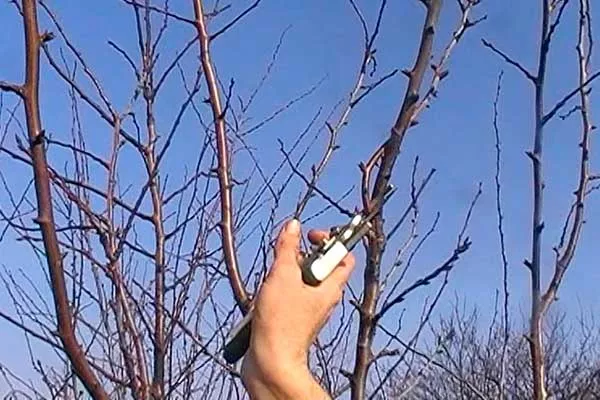
When pruning shoots, you should follow several basic rules:
- removal of old branches for rejuvenation;
- leaving several healthy branches on each branch and shortening them to the desired size;
- stimulating the uniform distribution of shoots in the tree crown;
- ensuring the treatment of cut areas after pruning with special gardening products.
Crown formation
Crown formation of the Shedevr plum-apricot can be carried out using various methods, in accordance with the expected appearance and functional characteristics of the plant.
- One of the most popular methods is standardization. This involves removing the lower branches, leaving only one or two at a height of approximately 60-65 cm above the ground, and then pruning the top to give the crown the desired shape, such as rounded or conical. This approach to crown formation makes tree care and harvesting easier.
- When creating a low, yet branched crown, several main branches can be left evenly spaced. In this case, all side branches should be removed, leaving only those needed. It's also important to prune the tree's top to encourage the development of side branches and ensure even growth.
- Creating an elegant crown to decorate a garden plot involves shaping it into a fan shape. To do this, select several key branches, held at an angle of approximately 45 degrees to the main trunk. All auxiliary branches should be removed, leaving only the main branches.
In addition, it's necessary to carefully prune the tree's crown to encourage the development of lateral branches and achieve the desired crown shape. This method can be applied to the crown of the Shedevr plum-apricot variety not only on young trees but also on trees with an already established crown.
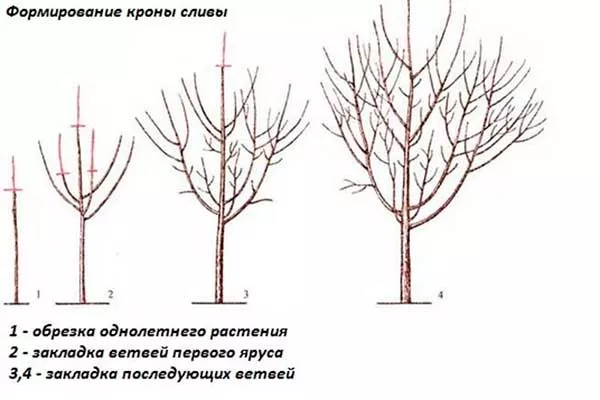
Systematic pruning helps maintain the crown in perfect condition, improves its illumination and productivity, and allows you to control its size.
Reproduction
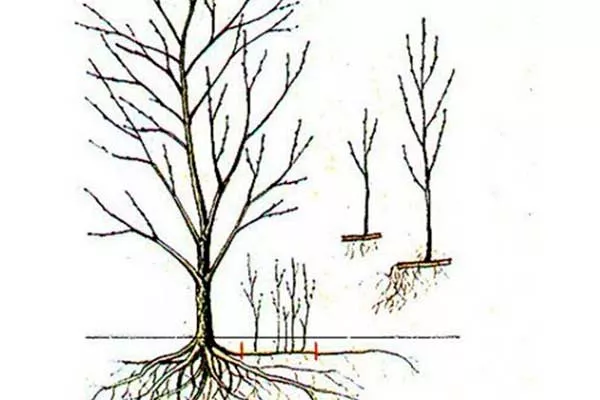
To increase the number of Shedevr plum-apricot trees, two propagation methods can be used, both of which will accurately preserve the characteristics of the mother plant:
- By shoots or layering. These elements, growing from the tree's root system, can be used as follows:
- dig up the shoots and immediately transplant them to a permanent location;
- bend it to the ground and secure it, and when the branch takes root, transplant it.

- Cuttings. To do this, you need to cut a young shoot 15-20 cm long and insert it into the ground to a depth of 10 cm. The time for planting cuttings is spring or early autumn.
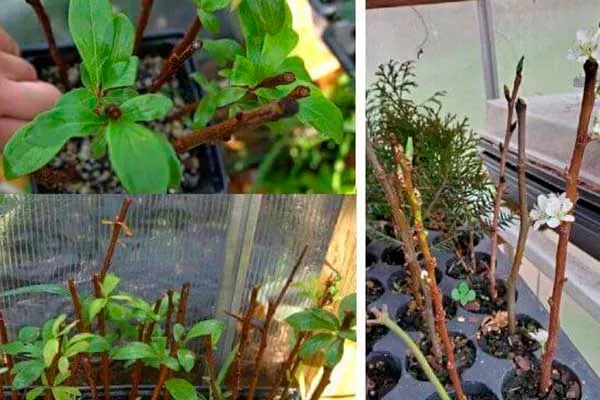
To ensure successful rooting, it's important to monitor the plant's nutrition, maintain adequate moisture, and protect it from pests. These measures will ensure the growth of healthy and strong Shedevr plum-apricot trees.
Positive and negative qualities
Masterpiece is a unique variety that combines the strengths of both parents:
Gardeners did not identify any significant deficiencies.
Reviews
The Shedevr plum-apricot variety is an excellent choice for amateurs who value not only the quality of the fruit but also the attractiveness of the trees themselves. This variety offers the opportunity to enjoy fresh fruit early in the season. This tree is gaining more and more fans thanks to its stunning fruits, which harmoniously combine the sweetness of a plum with the tenderness and freshness of an apricot.