
Leaf curling and yellowing are common problems faced by gardeners when growing plum trees. These symptoms can indicate various health issues, from nutrient deficiencies and improper watering to pest and disease infestations. It's important to take prompt action to maintain the health and productivity of the tree.
Diseases as a cause
Plum trees often suffer from various diseases and therefore require regular care. To select the appropriate treatment, it is necessary to accurately determine the specific infections affecting the plant.
Rust
A common disease that typically develops in late spring and becomes noticeable by mid- to late summer. It is caused by a fungus that overwinters on fallen leaves or on diseased parts of branches that remain on the tree.
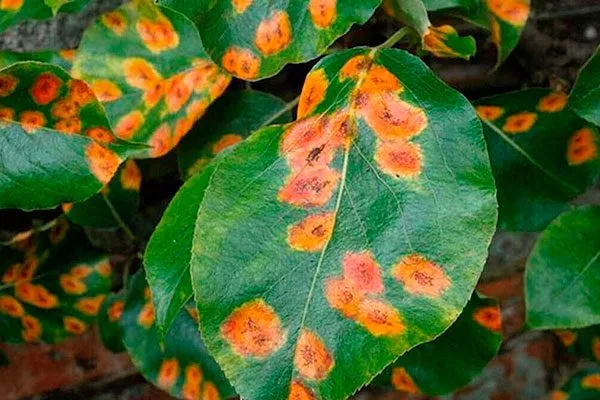
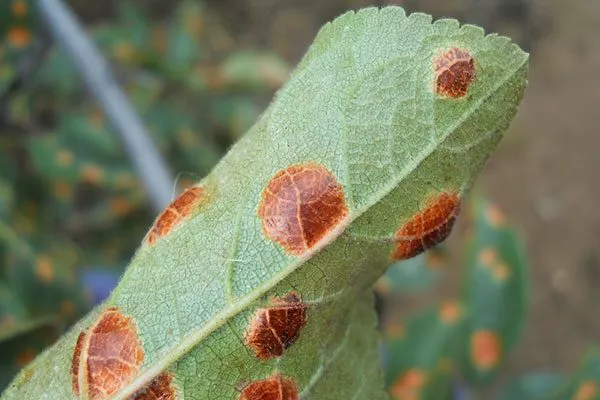
The characteristic signs of rust are angular, pale yellow-green spots on both sides of the leaves. Over time, these spots turn bright yellow, and orange-red fungal spores form on the underside.
To prevent illness, follow these recommendations:
- In the spring, spray trees with fungicidal preparations, such as those containing copper or sulfur.
- In regions with early outbreaks, it's important to control the disease from the start of the season, continuing treatments until mid-summer. In more favorable zones, where the disease manifests itself later, preventative treatments are advisable after harvest.
- Regularly remove and burn fallen leaves and prune affected branches in the fall to prevent the fungus from persisting into the following season.
Non-infectious and infectious types of chlorosis
Viral plant diseases, including infectious chlorosis, are currently untreatable. Symptoms of non-infectious chlorosis include:
- paleness or yellowing of leaves, most often between the veins (chlorosis of the interveinal space);
- the leaves become lighter, but the veins remain green;
- leaf blades may become thin and weak;
- plant growth slows down, flowering and fruiting deteriorate.
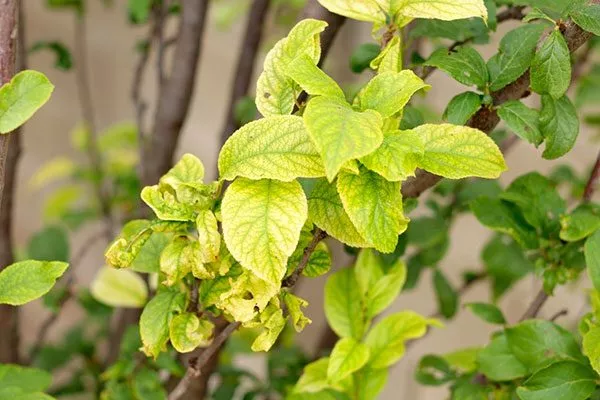
Symptoms usually appear gradually and most often in spring or early summer.
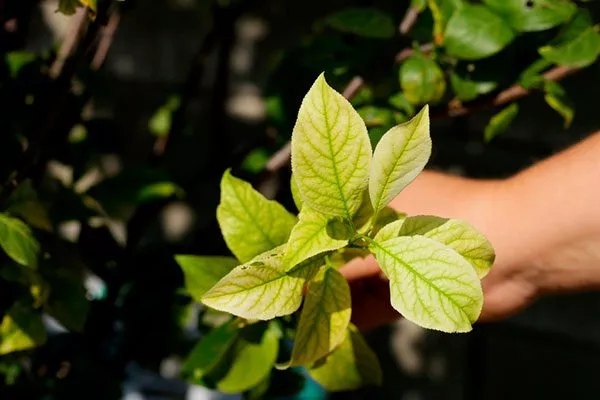
Signs of infectious chlorosis:
- light or yellow areas on leaves, often along with veins (vein chlorosis);
- the edges of the leaf blade may have a rim of a different color;
- slow growth of shoots, shortening of internodes (short-node).
Effective measures:
- regular treatment with insecticides, especially during the period of insect activity (spring and early summer), to eliminate the possibility of infection;
- use of sticky traps and other methods of controlling pest numbers on the site;
- planting repellent plants near fruit trees (for example, calendula, marigolds, mint) that repel insects;
- removal of weeds that can serve as intermediate hosts for viruses and pests;
- timely removal and burning of infected shoots and plants to prevent the spread of the virus;
- disinfection of gardening tools, especially after working with suspicious plants;
- selection of resistant varieties that are less susceptible to viral infections.
Comprehensive adherence to these measures helps to significantly reduce the risk of plums becoming infected with viral diseases.
Verticillium wilt
A dangerous fungal disease caused by a pathogen of the genus Verticillium. Infection most often occurs through the soil. It attacks the vascular system of plants and can remain undetected for a long time, causing serious damage.
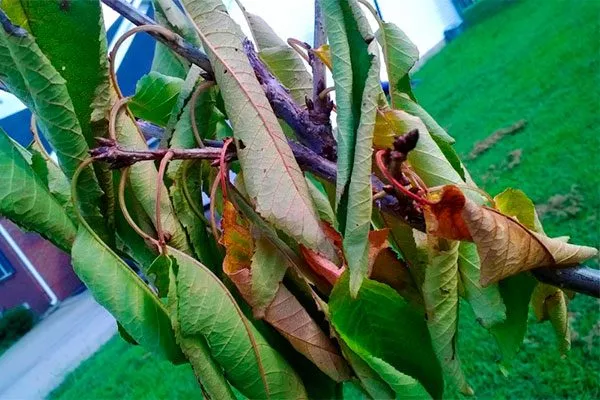
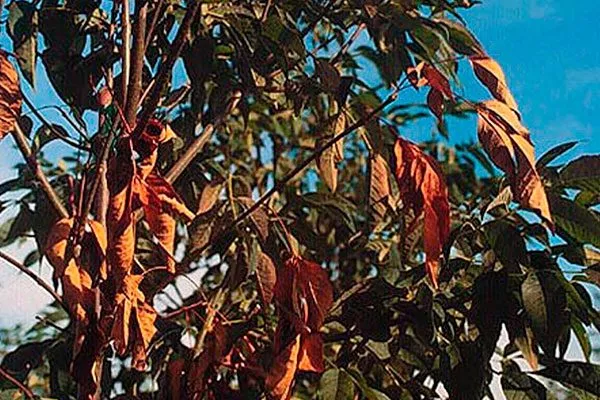
Symptoms:
- At the initial stage, young shoots suffer - they quickly wither and die;
- Signs of marginal necrosis appear on the leaves - first the edges dry out, then the entire leaf blade dies and falls off prematurely;
- The lesion begins from the lower tier to the upper one, gradually covering the entire infected branch.
Control measures:
- Treat with copper-containing products, such as Bordeaux mixture. Four to five treatments are sufficient.
- Use biofungicides – Gliocladin or Fitosporin-M.
- Chemical agents such as Maxim or KS are effective.
Prevention:
- compliance with crop rotation;
- removal of plant debris after the season;
- collection and destruction of infected parts.
Leaf curl
A dangerous disease that can significantly reduce yield and even lead to the death of the tree. It is infectious in nature and requires prompt intervention.
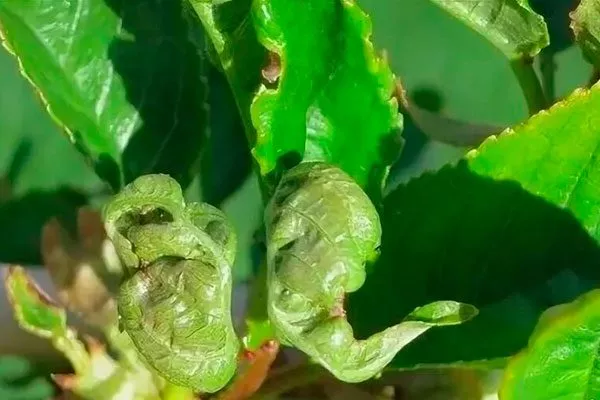
Possible causes of the disease:
- fungal infections;
- nutritional imbalance;
- plum aphid infestation;
- freezing.
Main symptoms:
- change in leaf color;
- bending and deformation of foliage;
- slowing down of shoot growth;
- general depression of the plant.
At the first sign, immediately begin treatment with fungicides to prevent the spread of the disease.
Methods of control:
- removal of infected trees or branches;
- processing of neighboring plants and soil;
- use of high-quality protective equipment.
For prevention, clean the area in the fall and carry out regular sanitary pruning: remove dry, damaged and infected branches.
Coccomycosis
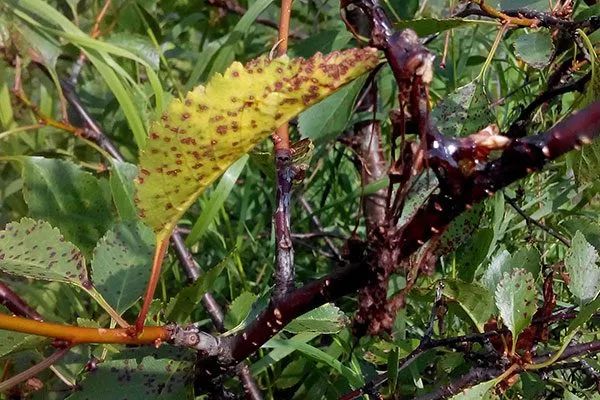
One of the most dangerous fungal diseases of plums. It primarily affects leaves, but in advanced stages, the disease also affects shoots and fruits. It develops most rapidly in warm and humid weather, usually beginning to appear in mid-summer.
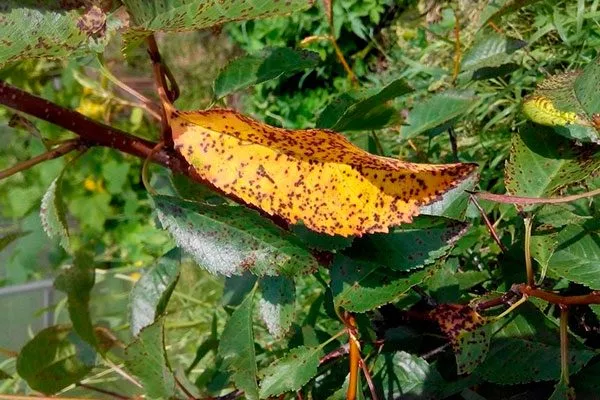
Signs of the disease:
- small reddish-purple or rusty-brown spots appear on the upper side of the leaves, which gradually grow and merge;
- a bumpy white-pink coating forms on the underside of the leaf - this is a cluster of fungal spores;
- the leaves begin to darken and then fall off prematurely;
- The fruits stop growing, become soft, wrinkle and dry out.

Control measures:
- collect and burn all fallen leaves, remove and destroy affected shoots;
- carry out a two-stage treatment: first with Strobi, then with Horus;
- water the soil around the tree trunks with a solution of the biofungicide Alirin-B.
If the disease is detected at an early stage, treatment with 3% Bordeaux mixture or copper oxychloride solution may be sufficient.
Preventive measures:
- Remove and burn plant debris annually in the fall;
- in spring and autumn, carry out preventative spraying with copper-containing preparations;
- perform regular sanitary pruning of trees;
- maintain looseness and cleanliness of the soil in the tree trunk area;
- avoid over-watering the soil and dense plantings;
- Give preference to varieties that are resistant to fungal diseases.
Plum pox (sharka)
A dangerous disease that is spread primarily by aphids, but can also be transmitted through infected tree tissue in contact with healthy plants.
Routes of infection:
- insect vectors;
- contact with infected tree parts (e.g. through garden tools or grafts);
- use of infected planting material.
Symptoms:
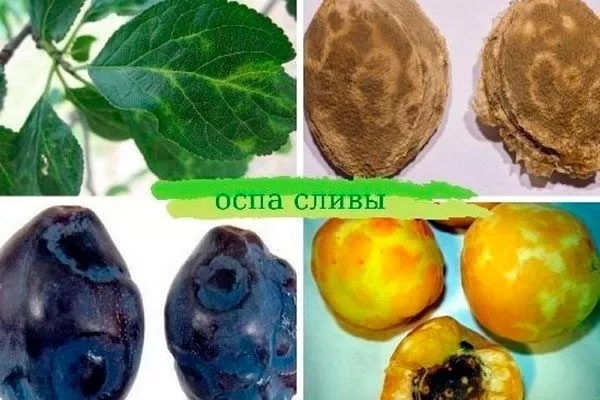
- curling and wrinkling of leaves;
- the appearance of yellow incomplete rings on leaves and fruits;
- formation of gray sunken spots on plums;
- gradual rotting and complete loss of the crop.
Control measures:
- use of healthy planting material;
- immediate removal and disposal of infected trees;
- use of insecticides to destroy aphids and other virus carriers;
- treatment of equipment after contact with suspicious plants.
Other negative factors
Plum leaf curl isn't always due to infection. It's often caused by other adverse external factors that weaken the plant and cause physiological stress. Insects are also a common cause.
Aphid infestation
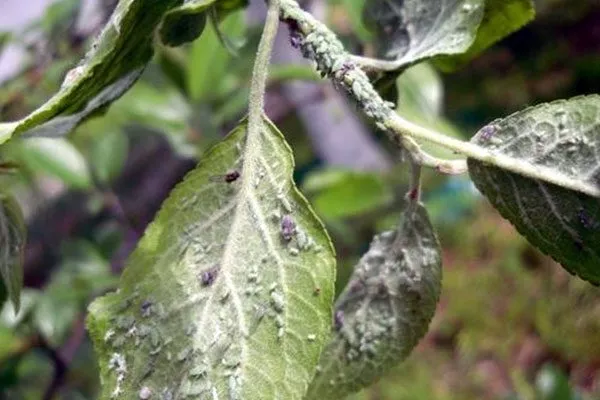
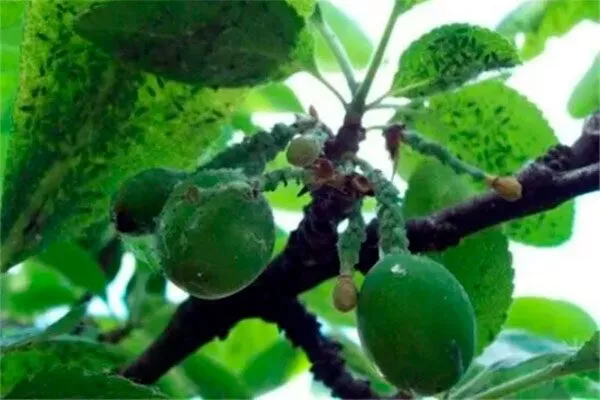
Aphids are one of the most dangerous pests. These tiny parasites feed on the sap of young shoots and leaves, depleting the plant and slowing its development. Aphid colonies multiply rapidly and can cause serious damage in a short time.
Signs of damage:
- twisting and deformation of shoots;
- drying and premature falling of leaves;
- the presence of a sticky coating that can become the basis for sooty mold.
Control measures:
- At the first signs of aphids, treat the plant with Bordeaux mixture or other insecticides (for example, Actellik, Fitoverm, Iskra-Bio, Confidor).
- For a small number of pests, use a soap solution or infusions of garlic, onion, or tobacco.
- Repeat treatments at intervals of 7-10 days.
Prevention:
- regular inspection of trees in spring and throughout the season;
- removal and burning of dried, affected shoots and foliage;
- planting aromatic herbs (dill, mint, calendula) next to the crop;
- whitewashing the trunks in spring and autumn helps to destroy overwintering larvae;
- using insecticidal belts on trunks to protect against ants that carry aphids;
- balanced plant nutrition, especially with sufficient amounts of potassium and phosphorus, which boost immunity.
The temperature is too low
Use covering materials such as agrofibre, spunbond, or burlap to protect the plant from frost. They provide air circulation while retaining heat, reducing cold stress.
If the plum is grown in a container or pot, move it to a room with above-zero temperatures. Note: the plant requires light, so place it near a window or provide supplemental lighting with phytolamps.
Lack or excess of moisture
To combat moisture stress, ensure your plum tree receives regular and adequate watering. Watering is especially important during hot weather and low humidity. Maintain stable soil moisture, never allowing it to dry out.
But overwatering is just as dangerous. Stagnant water in the soil can lead to root rot, impaired plant respiration, and, as a result, yellowing and leaf drop. Therefore, watering should be moderate and balanced.
Follow these recommendations:
- pour out water as the top layer of soil dries out;
- mulch the tree trunk area with straw, bark, and sawdust to retain moisture and prevent the roots from overheating;
- During dry periods, water less often, but generously, so that the water penetrates deeply;
- Avoid performing the procedure in the evening in cold weather - this may cause hypothermia of the root system.
Overflowing root
One possible cause of plum tree leaf curling and yellowing is an overcrowded root system. When roots fill the entire pot or reach dense soil, they become overcrowded.
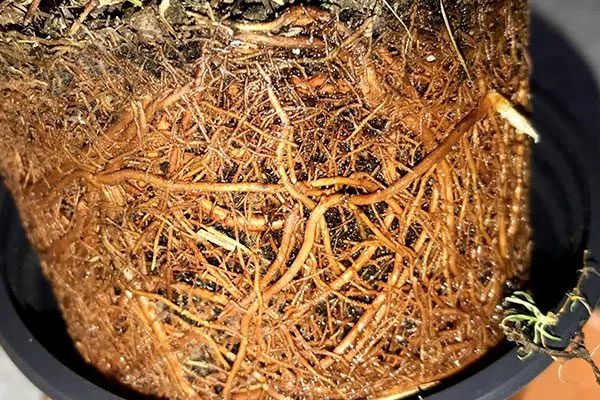
Under such conditions, they begin to deform, curl, and lose their ability to effectively absorb moisture and nutrients. This leads to the plant's weakening: the leaves lose turgor, turn yellow, and curl.
What to do:
- Replant the plum tree into a larger container or create more space in the ground. This is especially important for plants grown in tubs or tight holes.
- When moving, choose a container 20-30% larger than the previous one, with drainage holes.
- Use a high-quality, loose and nutritious substrate - it should allow moisture and air to pass through well.
- After replanting, provide the plant with regular watering, but avoid overwatering.
- Maintain the health of the tree with scheduled fertilizing: use organic or mineral fertilizers containing nitrogen, potassium and microelements.
- When growing in open ground, loosen the soil in the trunk area and ensure that there are no dense clay layers around the roots.
Damaged root system
Plum roots are the basis of its life, and any disruption to their functioning immediately affects the appearance and health of the tree.
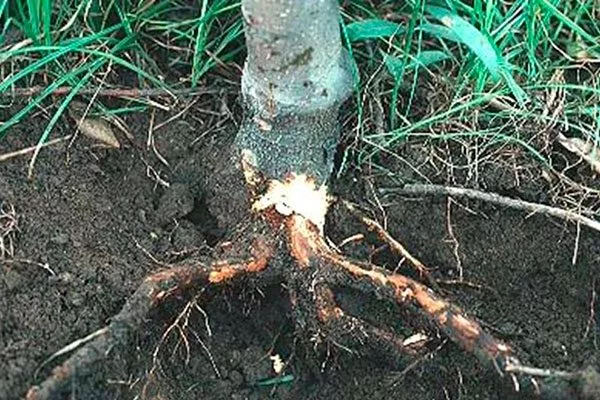
Main reasons:
- Mechanical injuries. They occur during transplantation, digging, loosening the soil or careless pruning of shoots, when the integrity of the roots is damaged.
- Rotting due to overwatering. This most often occurs in heavy, poorly drained soils or with overwatering.
- Frost cracks and freezing. In severe winters, with insufficient shelter, partial or complete death of small and medium-sized roots is possible.
- Damage caused by fungal diseases. Diseases such as fusarium, verticillium wilt or root rot gradually destroy the root system, disrupting the plant's nutrition.
- Pest attack. Wireworms, mole crickets, and cockchafer larvae damage roots, especially in young trees.
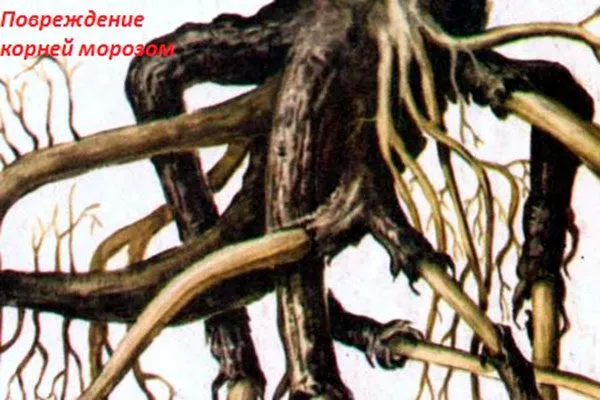
Signs of root damage:
- curling and yellowing of leaves;
- wilting with sufficient watering;
- slow growth, weak flowering and fruit formation;
- the appearance of black or brown spots on the leaves;
- weakened or unstable position of the tree in the soil.
How to get out of this situation:
- Improve drainage – when planting plum trees, ensure that excess water drains away using sand, gravel, or a special drainage layer.
- Do not overwater, especially in cool weather.
- When replanting, make sure that the roots are not bent or cut too short.
- Regularly loosen the soil around the tree to allow air to reach the roots.
Nutrient imbalance
This often causes ovaries and fruits to fall off before they are fully ripe. This problem is caused by a deficiency or excess of micro- and macronutrients in the soil, which are essential for adequate nutrition of the tree and fruit production.
Main reasons:
- Deficiency of nitrogen, potassium and phosphorus. A particularly critical deficiency is phosphorus, which is essential for flowering, fruit set, and ripening. A deficiency can cause widespread fruit drop, even among healthy fruit.
- Incorrect use of fertilizers. Excessive or insufficient application of fertilizers, as well as their untimely use, can lead to an imbalance in the tree’s nutrition and suppression of fruiting.
- Dense crown and pruning errors. When the crown grows strongly, most of the resources are spent on supporting massive branches, as a result of which there may not be enough nutrients for the development of fruits.
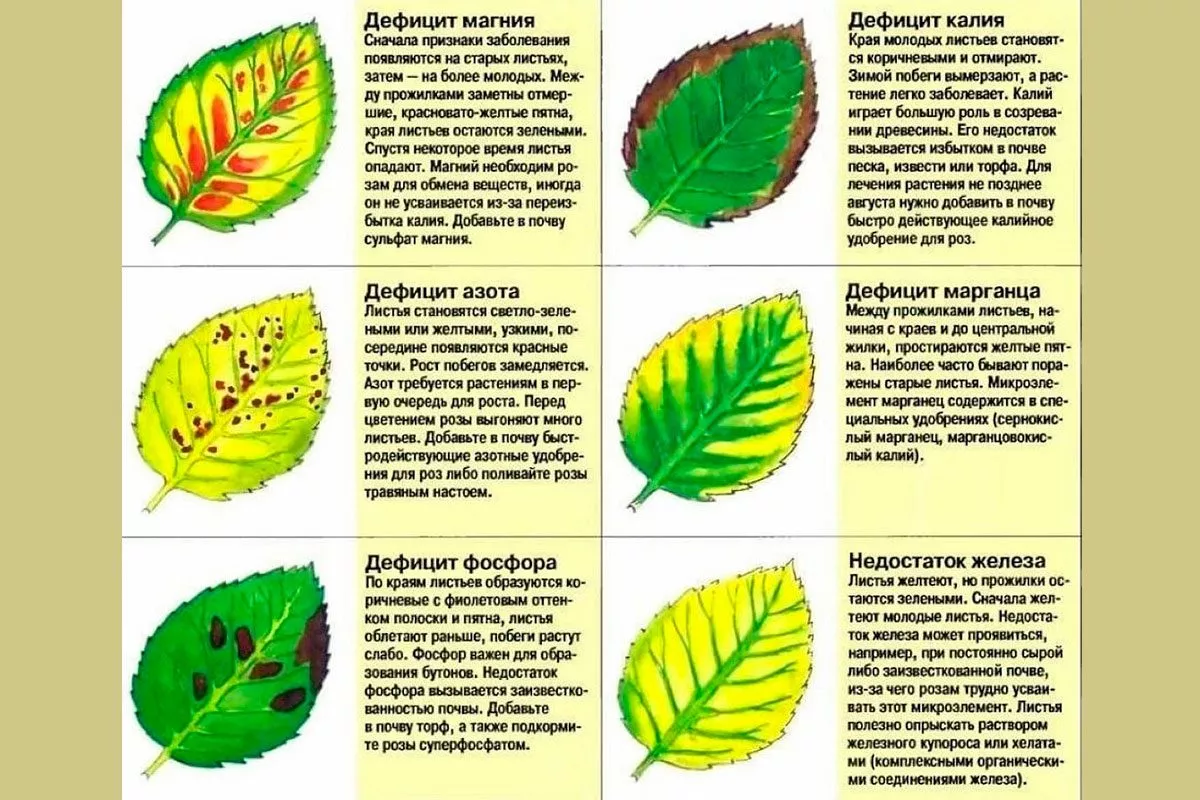
During the active growth and fruiting phase, use nitrophoska and other complex fertilizers. Apply them to furrows around the trunk circle and work them into the soil. In spring and fall, rotted manure or compost (8-10 kg per square meter) is effective to improve the soil structure and enrich it with humus.
Effective methods for solving the problem
If the curling of the leaves is caused by damage to the root system, carefully dig up the young tree, remove broken or rotten parts of the root and transplant the plant to a suitable location with improved conditions.
Adjusting care depending on the cause:
- the lack of moisture is replenished by regular but moderate watering;
- overwatering is eliminated by temporarily stopping irrigation and improving drainage;
- if there is a lack of minerals, use appropriate fertilizers, taking into account the stage of plant development;
- If there are only a small number of pests (for example, aphids), it is enough to manually remove the affected leaves along with the insects and destroy them.
Effective remedies for curling and yellowing of plum leaves:
- Actellic, Confidor, Iskra. They act quickly and kill a wide range of pests. However, they must be used strictly according to the instructions and no earlier than 30 days before harvest.
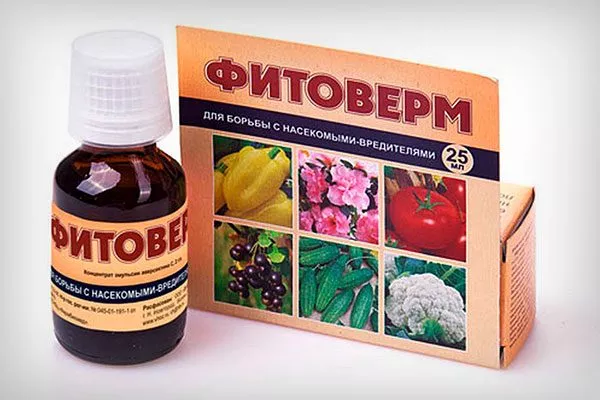
- FitovermIt begins working within 24 hours, completely destroys pests within a week, and the protective effect lasts up to 3 weeks. However, it quickly washes away in rain and requires re-treatment.
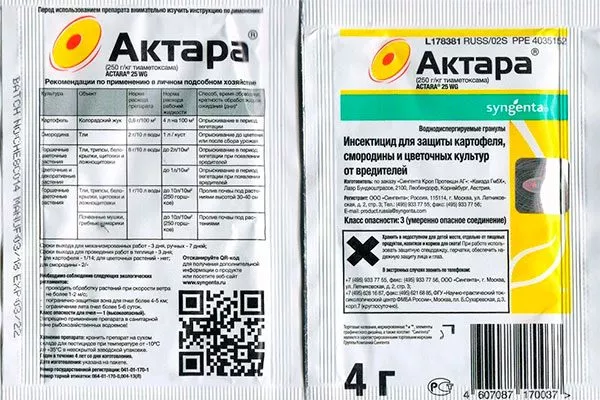
- Actarine (or Aktara). Effective against aphids and other pests. Insects stop feeding within 4-6 hours after treatment and die within 2-3 days.

Any changes in plum tree leaves, such as curling or yellowing, indicate a disruption in the tree's normal development. To keep the plant strong and productive, it's important to promptly identify the cause of these symptoms and take the necessary measures. Regular attention and preventative measures will help ensure a long life and a bountiful harvest.