
Skoroplodnaya is a prominent representative of the Chinese plum species (Juylinka, Kitayka, or cherry plum). This variety is well known to Russian gardeners. It has been grown throughout Russia for over 60 years and is prized for its winter hardiness, early fruiting, attractive appearance, excellent flavor, and suitability for commercial cultivation.
How did the species appear?
The early-fruiting plum is an achievement of Soviet breeding. It was developed by staff at the All-Russian Scientific Research Institute of Fruit Growing (VSTISP) by crossing the Ussuriyskaya Krasnaya variety with the American plum Claymax.
The authorship belongs to the scientists:
- Enikeev H.K.;
- Satarova S. N.
In 1960, the fruit variety they developed was submitted for state variety testing. In 1965, it was approved for cultivation in private farms and on an industrial scale.
Characteristics of plum
This plum variety shares a number of characteristics with all Chinese plum varieties. Julingka trees are highly adaptable to a variety of climates, making all its varieties so popular among gardeners in Russia, Ukraine, and Moldova.
The appearance of the tree
The Skoroplodnaya plum is low-growing and quite decorative, especially during its flowering and fruiting season. The tree's external characteristics are as follows:
- medium height (the average height of the Chinese tree is 3 m, its maximum “growth” is 3.5 m);
- the crown is fan-shaped or round-spreading, of medium density and foliage;
- shoots are reddish-brown in color, bare;
- leaves: elongated, obovate, light green, medium thick, without pubescence, with a wavy surface and a double-toothed edge;
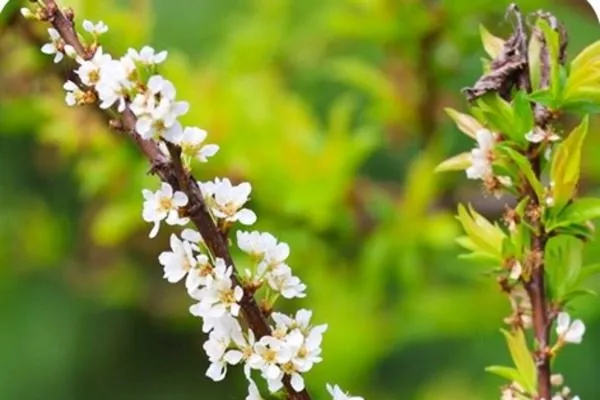
- Flowers with closed petals of white color, characterized by the shape of a cup.
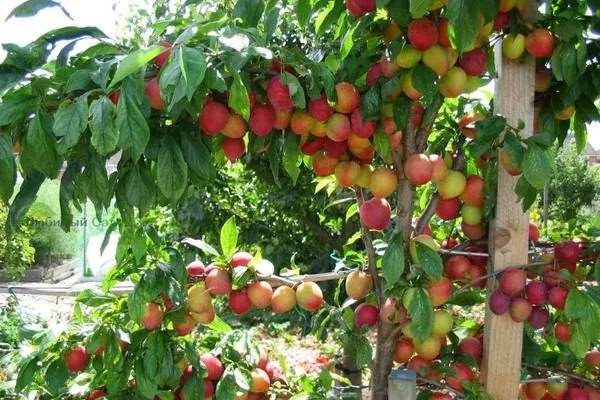
The cultivar of julingka flowers and bears fruit on bouquet branches. Its lifespan is 21 years.
Fruits and their taste characteristics
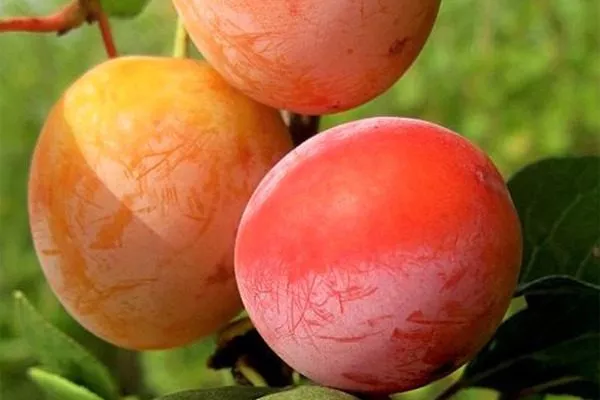
The fruits of the Skoroplodnaya variety are beautiful and have high consumer qualities. Their characteristics include:
- average size (weight - 20-28 g);
- rounded shape with a small funnel at the base and the presence of a poorly developed abdominal suture on the side;
- fairly thick and dense skin of a yellow color, partially hidden under a red blush (on the sunny side it is more intensely colored);
- the presence of a waxy coating on the surface of the skin;
- pulp: medium-dense, yellow, fine-fibered, very juicy and aromatic;
- a large stone, round-oval in shape, difficult to separate from the pulp.
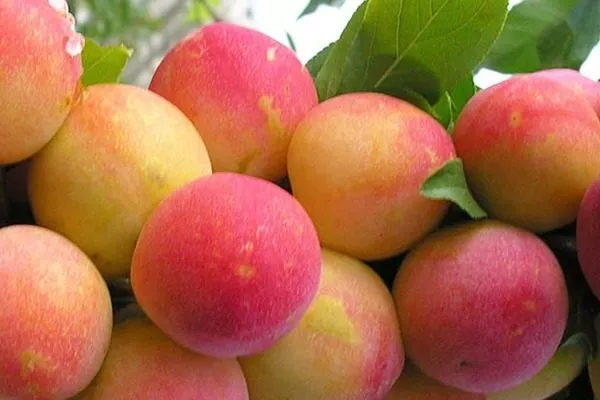
The plums of this variety have excellent flavor. Their flesh is sweet and tart with an apricot flavor. Its sugar content is average. The tasting score is 4.4-4.5.
The excellent taste of the Chinese Skoroplodnaya is due to its balanced chemical composition, the content of which is as follows:
- sugars - 8.78%;
- acids - 2.21% (100 g pulp contains 10-10.3 mg of vitamin C);
- dry matter - 13.5%.
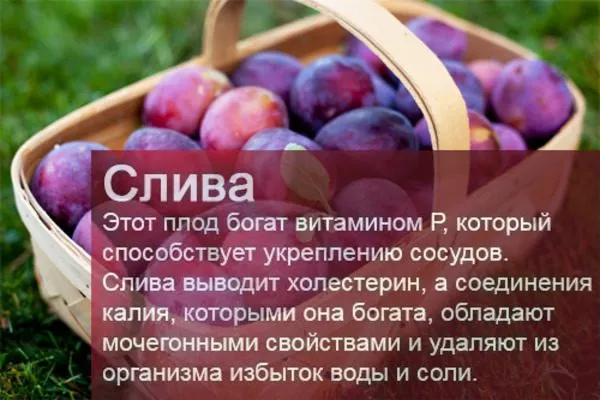
The harvest is quite shelf-stable and moderately transportable. It contains many vitamins and other beneficial substances.
Application
The fruits have a versatile use. They are suitable for fresh consumption, all types of processing, and home cooking. Housewives make compotes, jams, and preserves from them, and they can also be used as a pie filling.
Self-fertility and pollinators
The Chinese apple tree is self-sterile. To produce a harvest, it must be planted next to an early-blooming pollinator. Experienced gardeners plant the following crops near the Chinese apple tree:
- plum Red ball;
- cherry plum hybrids.
Ripening period and yield
This fruit tree variety is characterized by early flowering, occurring in the second week of May, and a mid-early ripening period. The first fruits ripen between August 7 and 14. The tree produces fruit over the course of several weeks.
This variety lives up to its name. It's very early-bearing, beginning to bear fruit at three years of age. Its yield is 9 kg per tree.
Where can it be grown?
Since 1965, the early-ripening plum has been approved for cultivation in the following regions of the Russian Federation:
- Central, in particular for the Moscow region;
- Central Black Earth (for the Oryol region);
- Far Eastern (for Primorsky Krai).
Gardeners successfully grow it almost everywhere. Trees of this cultivar are found in the Leningrad Region, the Far East, and even Siberia.
Drought resistance, frost resistance
The Chinese variety is renowned for its excellent winter hardiness. The trees can easily withstand temperatures down to -40°C. Their shoots are only slightly damaged by frost. The flower buds are also cold-resistant, being relatively unaffected by spring frosts and harsh winters.
The early-ripening variety also boasts good drought tolerance, with its performance above average.
Growing rules
If you're interested in growing Chinese plums in your garden, learn about the intricacies of choosing a location and the rules of cultivation. Plan your planting of Skoroplodnaya plums for spring or fall:
- In the middle zone, do it in April, before the buds open, or in early October
- in the south - in autumn (October, first weeks of November).
Choosing a landing site
To grow Skoroplodnaya, select a sunny, windless location, protected from drafts, in the southern or southwestern sector of the garden. You can plant the plum tree near a house or outbuilding. The building will protect it from gusts of wind. It should not cast a dense shadow on the tree.
Avoid planting Chinese cabbage in lowlands. It does not tolerate waterlogged soils. The optimal groundwater level is more than 1.5 meters. The crop will grow well on a hill, mound, or a homemade embankment.
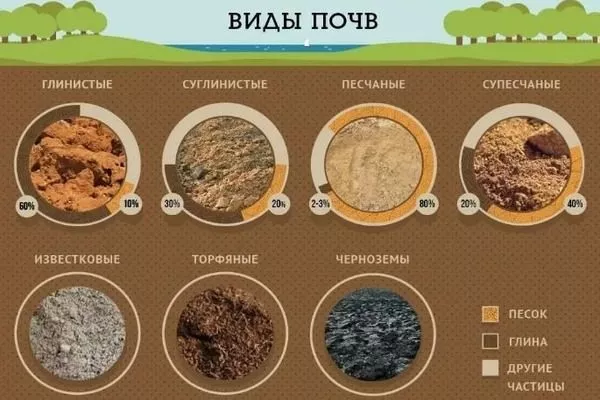
Plums aren't particularly picky about soil composition. They thrive in any soil except acidic or heavy clay. Loamy or sandy loam soils with the following characteristics are best:
- loose;
- air and water permeable;
- fertile;
- with a pH of 4.5-7.5.
Peculiarities of choosing a seedling
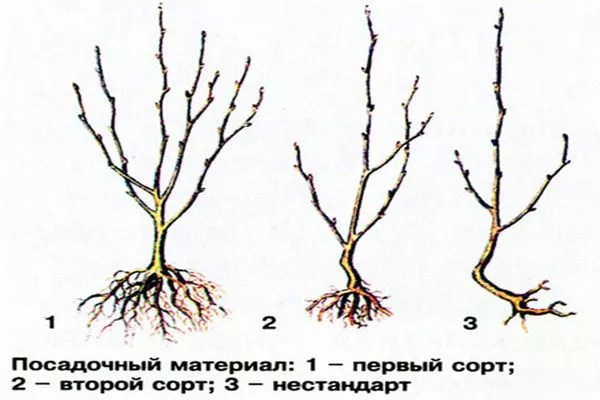
When purchasing seedlings from a nursery, choose specimens with the following external characteristics:
- strong;
- height up to 1 m;
- no signs of disease;
- the grafting site of the seedling should be located in its upper part;
- free from damage and defects;
- with a well-developed root system (root length - 20-30 cm) and healthy leaves;
- aged 1-2 years.
Planting activities
Prepare for planting in advance. Dig a 60x60x60 cm hole in the selected area 2-3 weeks in advance. This will give the soil time to settle.
Mix some of the soil removed from the hole with compost (2:1). Fill the planting hole one-third full with the resulting mixture. Add 200 g of superphosphate and 500 g of wood ash. Form a mound of soil at the bottom. Place a wooden stake nearby to support the seedling.
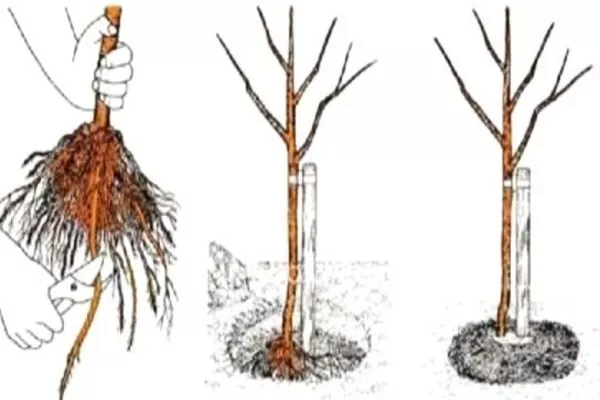
Plant Chinese plum step by step:
- Water the hole. Wait until the moisture is completely absorbed into the soil.
- Place the seedling on a mound made from garden soil mixed with fertilizer.
- Cover its roots with soil. Make sure the root collar isn't buried. It should be a few centimeters above the root collar.
- Compact the soil around the trunk.
- Create a mound of soil around the tree's trunk. This will prevent water from spreading during watering.
- Water the seedling generously.
- Tie it to a stake.
- Mulch the area around the tree trunk with sawdust, humus or peat.
If you plan to plant several plum trees, maintain a distance of 3-4 m between them.
Requirements for crop care
This early-ripening variety is easy to care for. Proper pruning, watering, fertilizing, and disease protection are all it takes to reap bountiful harvests every year.
Trimming
Immediately after planting the plum tree, prune it just above the bud, shortening the main shoot by about a third. After this procedure, the seedling should be 76 cm tall. This will promote better growth and development of the plum tree.
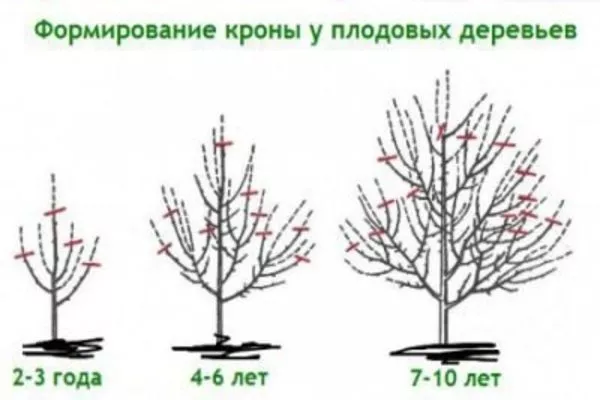
For the first 3-5 years after planting, perform formative pruning of the fruit tree. In the early years, do this only during the dormant period, when sap is not flowing (early spring, before buds swell), and then in the summer or fall. Shape the crown according to these rules:
- select the 4 strongest branches of the plum tree, which will become the frame (skeletal) branches and will ensure the balance of the crown shape;
- cut each of them, leaving 1-2 buds on the branch;
- in the third year of the tree’s life, when it already has a set of strong lateral shoots, start creating a larger “skeleton”;
- distribute the branches evenly around the trunk, giving the crown the shape of a vase (this ensures maximum penetration of sunlight inside, promotes healthy growth of the plant);
- then, every year, shorten the trunk by 30-60 cm, controlling the “growth” of the plum and stimulating the growth of shoots;
- For mature Chinese plums, formative pruning should be limited to shortening perennial skeletal shoots, trimming young branches, and removing branches growing inward and protruding far beyond the crown.
- When carrying out the procedure, ensure the preservation of the main trunk and frame shoots with 2nd and 3rd order branches.
Perform sanitary and thinning procedures annually. You can combine these with formative pruning. Before the sap begins to flow, remove damaged, frost-damaged, and diseased branches.
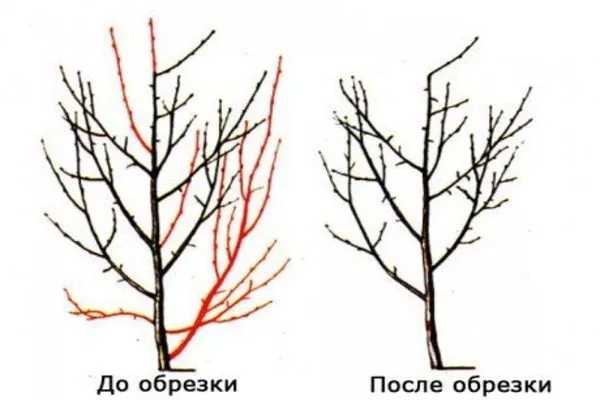
For pruning, use a sharp and disinfected tool:
- pruning shears - for young thin branches;
- saw - for thick shoots.
This will prevent the bark and wood from splitting and the tree from becoming infected. Apply garden pitch to the cuts. Disinfect them first with copper sulfate and lime. Apply the pitch to older branches immediately, and to younger branches after 24 hours.
Watering
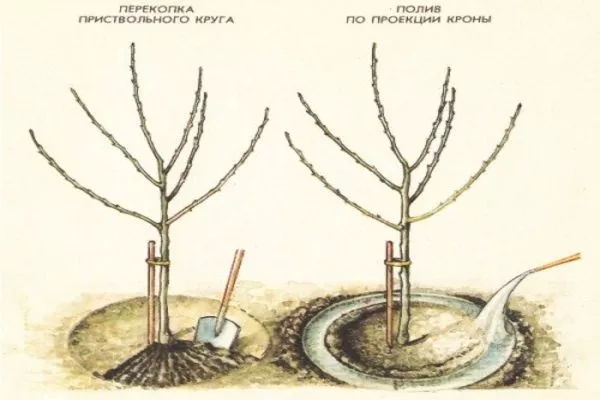
Water the Chinese cabbage variety Skoroplodnaya, following the rules:
- frequency of the procedure: once every 10 days;
- the water consumption rate is 20 liters per 1 plant or 10 liters per 1 sq. m of julingka planting;
- moisten the soil in the area around the tree trunk to a depth of 40 cm;
- use warm water that has been left to stand in the sun;
- water the plum early in the morning, while there is still no scorching sun rays;
- in a dry autumn, carry out moisture-charging irrigation, using 30-35 liters of water per tree (this measure will increase the frost resistance of the crop and ensure its successful wintering);
- After watering, loosen the soil and remove weeds in the tree trunk circle;
- Mulch the moistened soil under the Chinese cabbage with peat or mown grass.
Top dressing
The Skoroplodnaya plum, like all fruit-bearing crops, requires fertilization. Supplemental nutrition helps restore the tree's strength. Without fertilization, the plant's health will suffer. A lack of nitrogen and potassium causes mosaic foliage, and its yield will be significantly reduced.
Start fertilizing your plum tree when it reaches three years of age. Follow the fertilization schedule:
- in early spring, add humus or compost (the consumption rate is 7-8 kg per 1 plant) and ash (100 g), evenly distributing the nutrient compositions in the trunk circle, or water the Chinese orchid with ammonium nitrate dissolved in water (20 g per 3 l);
- before and after flowering, feed the fruit crop with a complex mineral fertilizer or use a solution of potassium nitrate (30 g per 10 l of water), using 8 l per 1 tree;
- In the fall (after the harvest has already been collected), add a phosphorus-potassium compound to the soil while digging it (the application rate is 120 g per 1 sq. m); Superphosphate is suitable for this purpose.
Diseases and pests
The Chinese Skoroplodnaya variety is characterized by relative resistance to diseases and pests. Its trees are almost immune to clasterosporium, but are susceptible to fruit rot (moniliosis), marsupial disease, codling moth attacks, aphids, and mites.
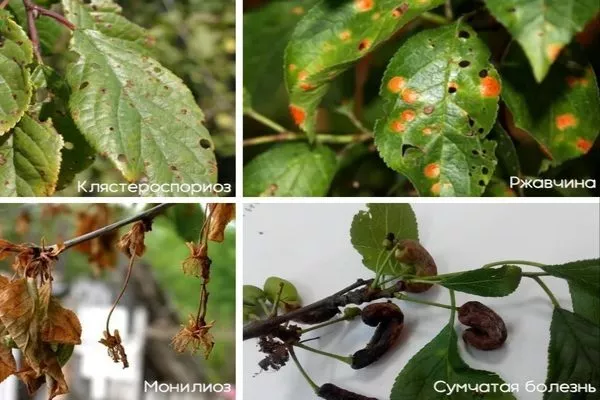
Sanitary measures will help you prevent fruit crop diseases and pest infestations:
- removal of mummified fruits, nests and cocoons of parasites from branches (they are usually found in cracks in the bark);
- annual sanitary pruning of trees;
- preventing thickening of its crown;
- removing weeds growing under the plum tree;
- collection and burning of plant residues, fallen fruit, and dry leaves outside the garden;
- Preventive treatment of plums before the crop awakens in spring and during flowering with a solution of copper sulfate (1%), the insecticidal preparation Skor, biofungicides such as Fitosporin-M and Fitoverm.
Inspect your Chinese pea regularly to detect any early signs of disease or pest infestation. If a problem is identified, begin treating the fruit tree immediately.
To combat moniliosis, use the following remedies:
- Bordeaux mixture (1%);
- Horus (3 g per 10 l of water, consumption of medicinal solution is 1.5-4 l per 1 tree).
Spray the diseased plum tree with them several times, keeping an interval of 10-12 days between treatments.
To destroy pests, use medications and folk remedies:
- Kinmiks or Karbofos (before bud break), Fitoverm, tobacco infusion - against aphids;
- copper sulfate solution - against ticks;
- Actellic, Iskra, Aktara, Fitoverm biopreparation, wormwood infusion, chamomile decoction, ash water with soap added to it - against codling moth.
Wintering of trees
Despite their excellent frost resistance, young plums and Samoplodnaya trees growing in harsh climates require proper winter preparation. Follow these steps to ensure the plant survives the cold season:
- After autumn digging of the soil and removal of fallen leaves, carry out moisture-recharging watering;
- cover the trunk and thick branches with a layer of garden whitewash, to obtain which mix lime (3 kg), copper sulfate (400 g), casein glue (50 g) and water (10 l);
- tie the branches together and wrap them with moisture- and breathable non-woven material;
- wrap the trunk with several layers of burlap and attach a polymer mesh on top of it to protect the bark from rodents;
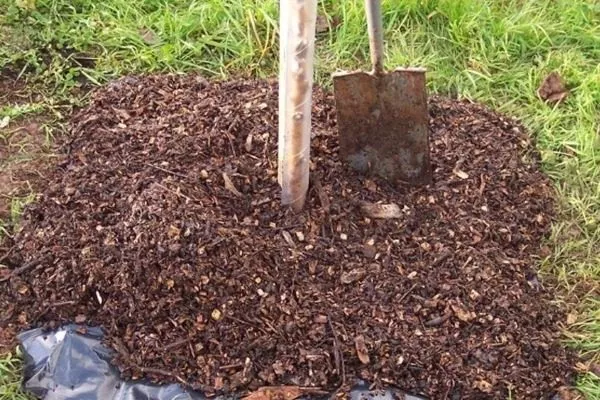
- mulch the area around the trunk of the Chinese tree with humus (layer thickness - 10 cm);
- To retain heat in the soil and better protect the roots from freezing, pile fallen snow on top of the mulch.
Methods of reproduction
If you want to propagate the Chinese plum Skoroplodnaya, do it in one of the following ways:
- Sowing seedsPrepare seed from ripe fruit. Wash it, soak it in water for 2-3 days, and then dry it. Stratify the seeds the day before planting. Plant them in the garden in mid-spring, spacing the holes 10 cm apart. Plant them 6-7 cm deep.
If you plant seeds in the fall, mulch the planting with compost or humus (layer thickness – 4-5 cm). - By vaccinationUse a one-year-old cherry plum or julingka seedling as a rootstock. Cut the grafting shoot from a Skoroplodnaya tree. Graft it in the second half of spring.
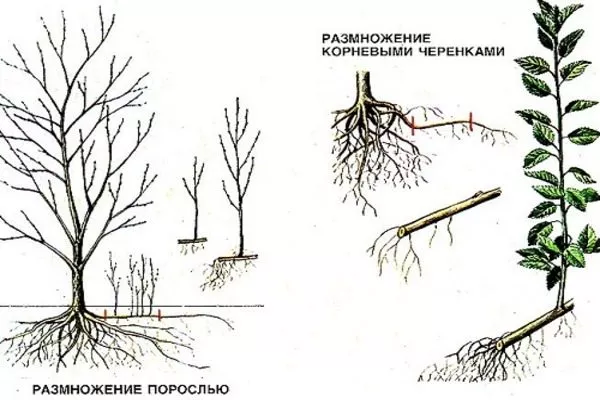
- Root shootsIn the fall, cut the root that connects the shoot to the mother plant. In the spring, dig it up and plant it in your garden.
- Root cuttingsIn spring, dig up the soil 1 m from the trunk of the Chinese plum tree. Expose its roots. Take root cuttings (1.5 cm thick and at least 15 cm long). In early May, plant them in a soil mixture made by combining garden soil with sand and peat. Water the planting site and cover with plastic wrap.
Water the seedlings and feed them with slurry. When they reach 1.5 m in height, transplant them into the garden.
A distinctive feature of the Chinese apple tree is that it reproduces well by seed sowing. This method yields a high percentage of cultivated plants.
Positive and negative qualities
Skoroplodnaya is loved by domestic gardeners for its many inherent advantages:
The variety is not without its disadvantages:
Reviews
Skoroplodnaya is a popular Chinese plum variety among gardeners, developed by Russian breeders 60 years ago. It remains popular today due to its early maturity, excellent winter hardiness, early fruiting, beautiful fruit appearance, and exceptional flavor.