
The Blue Bird is a fruit tree created by Russian scientists. This plum is winning the hearts of gardeners in southern and central Russia thanks to its high productivity, attractive fruit appearance, and excellent flavor, as well as its ability to tolerate low temperatures.
History of the variety
The variety was developed at the All-Russian Research Institute of Horticulture and Vegetable Growing (VNIISPK), a long-standing scientific organization specializing in horticulture in our country. It studies crops and creates new varieties adapted to the climate of central Russia.
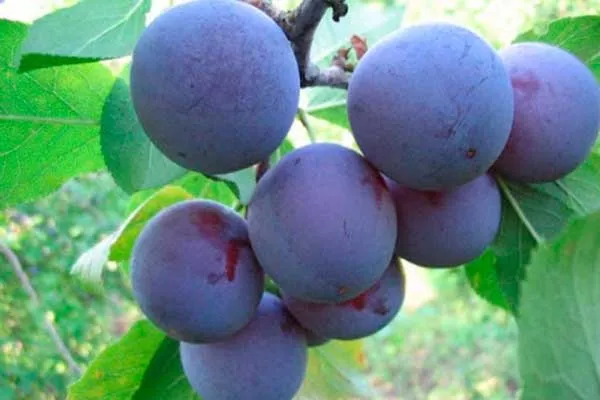
To create the Blue Bird, a cross between the Kabardinskaya Rannyaya and Vengerka Kavkazskaya varieties was used. The experiments were conducted at the Crimean Experimental Breeding Station.
The variety was developed by scientists S. N. Zabrodina and G. V. Eremin. In 1997, after completing the variety testing period, "Sinyaya Ptitsa" was added to the state register, where it was recommended for cultivation in the North Caucasus.
Features of wood
The tree is a medium-sized variety. Its crown is broad and not too dense. The branches are brownish in color and have no sharp curves. The leaves are rich green, large, wrinkled, and matte.
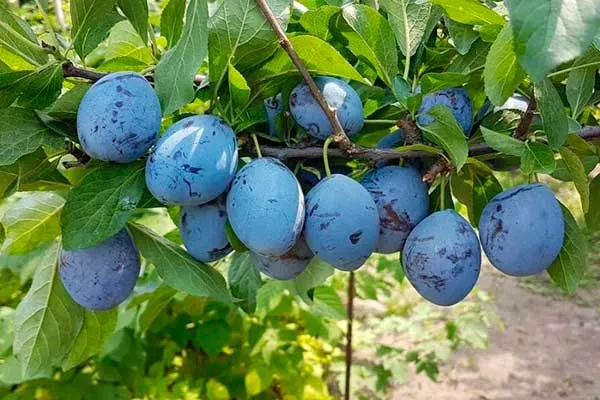
Varietal characteristics of fruits
The pulp has a sweet and sour flavor, with a tasting score of 4.6. The fruit contains dry matter (15.6%), sugars (10.8%), acids (0.7%), and vitamin C (5%).
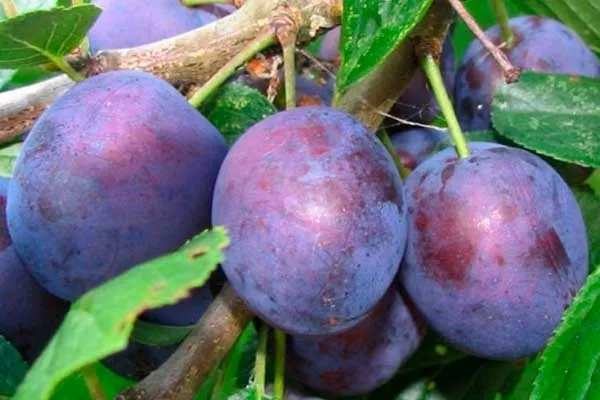
Fruit characteristics:
- the shape of the fruit is broadly oval;
- the average weight of the fruit is about 30-50 g;
- the fruits are of the same size;
- their color is classic blue;
- there is a pronounced waxy coating on the surface;
- the plum pulp is dry, greenish-yellowish in color;
- the bone is easily separated from the soft part.
Subvarieties of Bluebird
| Name | Ripening period | Fruit color | Fruit size |
|---|---|---|---|
| Early | end of June | deep blue | about 3 cm in diameter |
| Golden | mid-July | blue with a golden tint | at least 4 cm in diameter |
Bluebird is divided into two sub-varieties: early and golden. The first ripens earlier than the second, with the harvest ready by the end of June. The golden variety is ready to eat around mid-July.
Differences:
- Early. The fruits of this variety are distinguished by their deep blue hue and small size, approximately 3 cm in diameter. The flavor is sweet, rich, and slightly tart. This early variety is an excellent choice for fresh eating or for making homemade juices and preserves.
- Golden. It's characterized by a blue color with a golden tint, and slightly larger fruits—at least 4 cm in diameter. The flavor is sweet and moderately tart. It's also versatile in use.
Characteristics of the variety
When choosing a suitable variety for planting, several key parameters are taken into account: the plant's resistance to dry winds and low temperatures, as well as the ability to self-pollinate or the lack of this ability.
Resistance to cold and drought
The variety is characterized by an average level of resistance to dry periods, which allows for a rich harvest with standard watering.
However, it is distinguished by good winter hardiness. Provided a protective layer is applied, the tree can survive even the harshest winters.
Pollination
The plum tree is partially self-pollinating, allowing it to produce fruit even without a donor tree. However, to maximize productivity, it is recommended to grow it near plum varieties that bloom at the same time, such as Smolinka, Yakhontovaya, or Orlovskaya Mechta.
Productivity, ripening time and fruiting
Flowering begins in the last days of April, and the fruits reach full maturity in the second half of August. Plums are known for their consistent fruiting, consistent across the years. However, it's important to note that seasonal weather conditions and the quality of care can significantly impact harvesting time in any given year.
The first fruits can be harvested as early as the fifth or sixth year of tree growth, after which the harvest will be formed annually.
Each tree can yield 30-35 kg per season. The harvested fruit has excellent long-term storage properties.
Culinary uses of berries
Bluebirds have a unique flavor and aroma, making them an indispensable ingredient in the culinary arts. They add a unique flair to dishes.
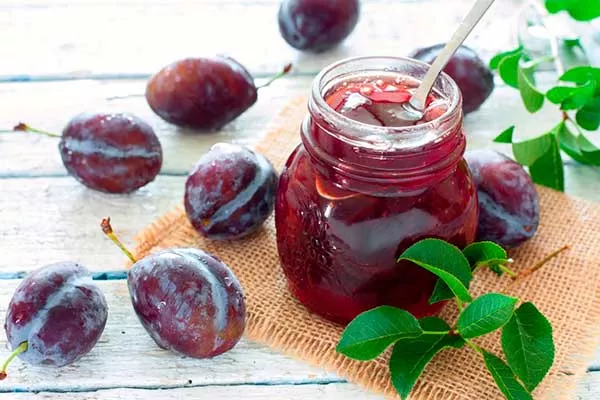
There are several culinary uses:
- Compote. Bluebird plums are ideal for making a fragrant compote. Their flavor is especially enhanced when mixed with hot water and sugar. However, it's best served chilled.
- Jam. Due to their attractive color and delicate texture, plums are an excellent ingredient for sweet winter desserts. They can serve as a base for jam or be mixed with other fruits, adding a vibrant color. Bluebird jam is the perfect accompaniment to toast, pancakes, or ice cream.
- Pies and pastries. Bluebird is often used as a filling for pies and pastries. Their sweet aroma imparts a distinctive richness and aroma to baked goods. The combination of the sweet dough and slightly tart filling creates a unique flavor that will delight all guests.
- Sauces for meat dishes. They give them a special sweet and sour note, are served with meat and fish, and can serve as a visual decoration for salads.
- Desserts. Plums are the perfect ingredient for a variety of sweets. They can be used to make custards, muffins, and much more. Sweet and juicy plums complement other ingredients beautifully, creating a true masterpiece of flavor.
Beneficial properties
Bluebird is not just an attractive fruit, but also a source of health. Its berries are rich in antioxidants, as well as vitamins A, C, and E, making them an indispensable ally in maintaining the body's well-being.
These berries have a number of important qualities that make them an indispensable ingredient for a healthy diet:
- The fiber present in plums promotes proper functioning of the gastrointestinal tract and helps lower cholesterol.
- It's a rich source of dietary fiber. It helps regulate digestion, strengthen intestinal muscle contractions, and prevent constipation. Dietary fiber helps lower cholesterol levels and prevent the development of cardiovascular disease.
- Plums are rich in vitamins and minerals. They are rich in vitamin C, a powerful antioxidant that protects the body from the damaging effects of free radicals.
- Plums contain vitamin K, B vitamins, potassium, iron, magnesium, and other important micronutrients. Their effects are multifaceted.
- Bluebirds maintain visual acuity due to the vitamin A they contain. Vitamin A is critical for maintaining optimal eye health and helps prevent age-related eye diseases, including cataracts and retinal degeneration.
- Fruits promote weight loss and maintain stable blood sugar levels. Their low glycemic index and low calorie count make them an ideal choice for weight loss and sugar control.
Where to grow?
This variety is recommended for the North Caucasus and Lower Volga regions, along the shores of the Black and Caspian Seas, and in the Krasnodar and Stavropol regions. It is also frequently planted in the Rostov region. However, attempts to cultivate it in more northern climates have been unsuccessful.
Landing features
The crop develops and bears fruit depending on how carefully the place for its planting was chosen and the site was prepared.
Optimal timing
The planting time is determined by the weather conditions in the specific region. In southern regions, planting is done in the autumn months, after the leaves have fallen. This allows the young tree time to develop its root system before the onset of cold weather.
In cooler regions, work is carried out in early spring, when the soil has warmed enough for root establishment. It's important to complete all work before the first leaves appear on the trees.
Which site should I choose?
Plum trees prefer to grow in sunny locations in the southwest-facing part of the garden. Plum trees do not tolerate stagnant water, so planting them in low-lying areas is not recommended. The water table should be at least 150 cm deep.
This variety is versatile, but it's not suitable for acidic soils. If the soil is acidic, it's recommended to use dolomite flour or wood ash (approximately 550-650 g per square meter) before planting.
- ✓ The depth of groundwater should be at least 150 cm to prevent rotting of the root system.
- ✓ The optimal soil pH for the Bluebird plum is 6.5-7.0. Using dolomite flour or wood ash to adjust the acidity is essential.
Desirable and undesirable neighborhoods
For a plum tree to develop well, it should be placed at a distance of at least 500-600 cm from hazel, birch, poplar, fir, pear and cherry.
Plum pairs perfectly with a number of trees, including apple and beech. It can also be planted next to other plum varieties or cherry plum.
Working with planting material
For planting, you should choose a healthy, undamaged seedling, which can be purchased from specialized nurseries or gardening centers.
Before planting, it is necessary to carefully examine the root system of the seedling: if the roots have dried out, they should be soaked in clean water for 3-5 hours.
The landing process
To ensure successful growth of the Blue Bird plum, prepare the soil in advance by digging a hole several weeks before planting. If you plan to plant the tree in the spring, it's best to do the preparatory work in the fall.
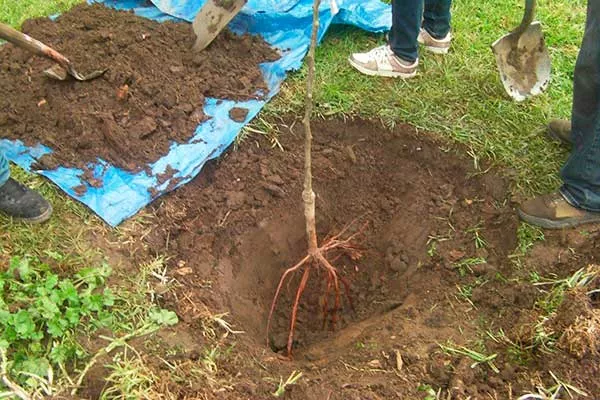
The planting process includes the following steps:
- Dig a hole with a diameter of 70-80 cm and a depth of 60-70 cm in the chosen location.
- Mix fertile topsoil, compost fertilizer and peat in equal proportions.
- Place some of the substrate into each hole and water generously.
- After the soil mixture has settled, add the remaining soil mixture and then place the seedling in the hole.
- Distribute the root shoots evenly and cover with soil.
- Water the tree generously and form a trunk circle around it, mulching it with peat.
Aftercare of plum
Gardening practices determine the fertility of trees. During periods of drought, special attention is paid to artificially hydrating plants using warm water. Watering is especially critical during budding and fruit ripening. On average, a tree requires five to six irrigations per season. Young trees require 6-8 liters of water, while mature trees require up to 10-12 liters.
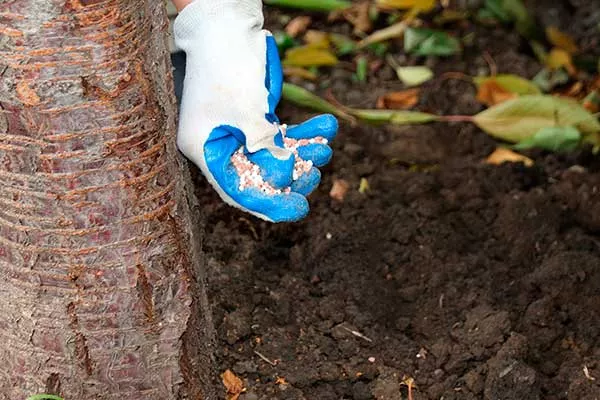
During the season, three additional feedings are necessary:
- the first - before the flowers begin to form;
- the second - during the ripening of the first fruits;
- the third - after harvesting the fruits.
The first time, urea, potassium, and superphosphate are used for nutrition. These components are dissolved in water and applied to the roots. For the second and third applications, urea is excluded from the mixture.
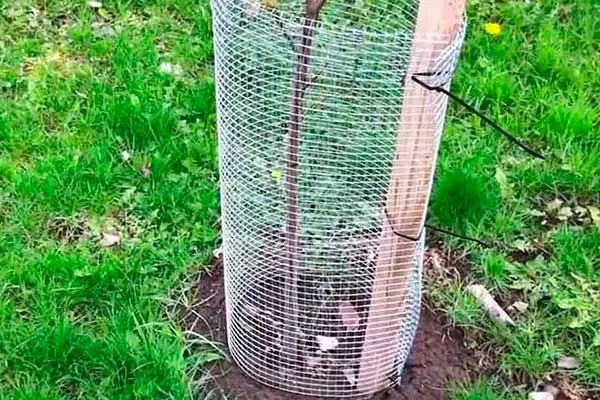
Bluebird is quite frost-resistant, but to protect it from freezing temperatures, it's recommended to cover only young seedlings. For this purpose, use special insulating materials or burlap layered with spruce branches. Additionally, a snowdrift can be used in winter.
Features of pruning
Pruning of the sanitary plum is essential in spring and fall. Although the crown of this tree does not expand significantly, its branches often become intertwined, which interferes with the normal flow of light and oxygen.
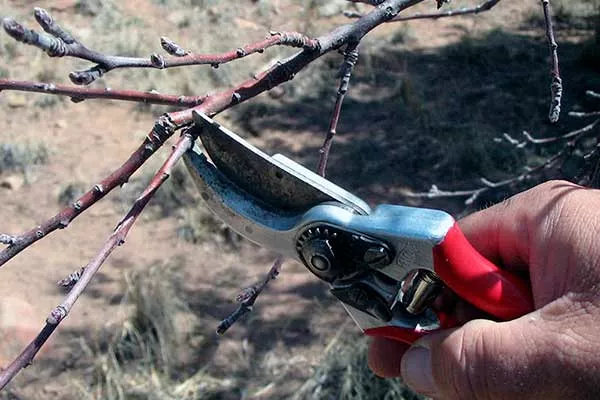
With age, the crown becomes more abundant, the stems lengthen and weaken, which can lead to their breakage under the weight of the fruit.
Features of seasonal pruning include:
- Spring pruning usually takes place in March-April, while autumn pruning takes place from September to October;
- the procedure is carried out before the buds appear and promotes the formation of the crown and skeleton of the tree;
- in autumn, only dead or pest-infested branches are removed;
- If the top of the tree exceeds 200 cm in height, it is also recommended to cut it back.
Methods of control and prevention of diseases and parasites
Plums are naturally resistant to diseases such as moniliosis, polystigmosis, and clasterosporium. Preventative treatments help reduce the risk of infection and pests.
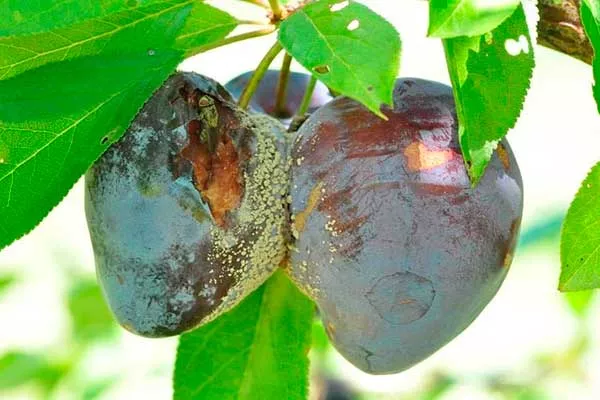
If this isn't done, the plum tree is susceptible to other problems. Treatment methods and preventative measures:
- Gum flow. Symptoms: Cracks appear on the trunk, oozing resin, and infected branches die. Control: Clean and disinfect damaged trees with copper oxychloride. Preventative measures: Avoid mechanical damage to the trunk and branches, remove dead bark, mold, and lichen, and clear away fallen leaves.
- Rust. Symptoms: Raised, reddish spots appear on the leaves, which enlarge over time. Control: Remove affected leaves and treat trees with Bordeaux mixture.
- Codling moth. The caterpillars of this pest eat plums, leaving tunnels. Control methods include removing affected fruit and spraying with Karbofos. Preventative measures include cultivating the soil around the trunk, removing fallen leaves and fruit, and using Nitrofen.
- Plum aphid. This pest lives on the underside of leaves, causing them to curl and die. Control methods: spray the tree with benzophosphate.
Harvesting and storage rules
When the berries reach maturity, they begin to fall from the branches. To preserve as much of the harvest as possible, plastic film is placed under each plant when the berries reach their deepest color. Two weeks later, the shoots are gently shaken to release the fruit.
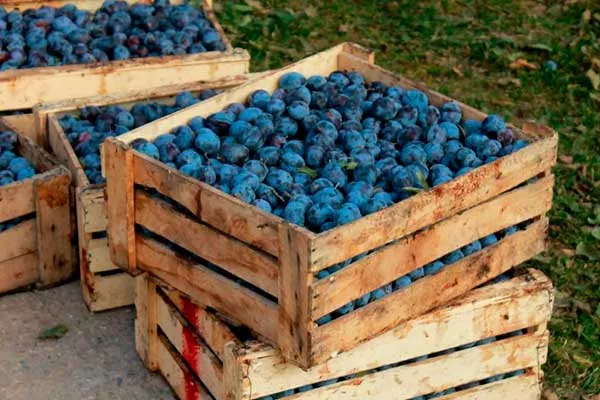
For long-term storage, it's best to place whole plums in small, low-sided containers lined with a single layer of paper. They can be stored in the refrigerator for up to three days. To extend their shelf life, it's recommended to either freeze the berries or send them for further processing.
Methods of reproduction
To ensure the preservation of varietal characteristics, two main propagation technologies are used:
- Cuttings. In this method, cuttings are collected in the fall, grown in a greenhouse or at home until spring, and then, when the weather becomes consistently warm, they are transplanted to their permanent location.
- Layered. This method is considered the simplest and most reliable. To do this, the outer branches are bent down and covered with soil, securing them in place. After they develop roots, the young plant is cut from the mother plant and replanted separately.
Positive and negative qualities
Gardeners highlight the following advantages of the Blue Bird variety:
The disadvantages of this variety include the need for frequent pruning to shape the bush and prevent branches from intertwining with each other.
Reviews
The Sinyaya Ptitsa plum is an ideal choice for gardening in Russia, valued for its winter hardiness, self-pollination, and regular fruiting. The fruits of this variety are versatile and have a sweet flavor. This plum is ideal for both home gardens and commercial production.