
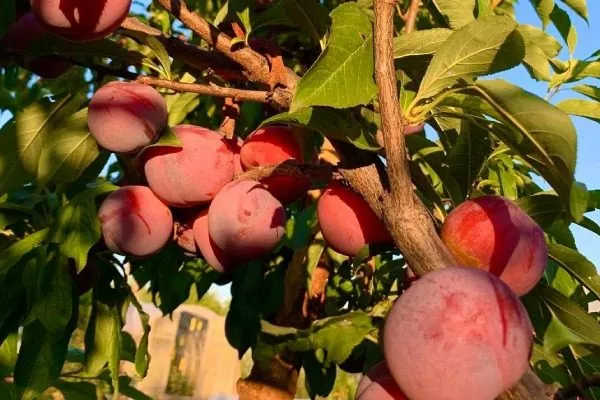
Sharafuga Velvet Sunrise is the ideal solution for those seeking to grow delicious and healthy fruit in their garden. This self-fertile variety is renowned for its increased resistance to diseases and pests and requires little cultivation.
History of origin
The creation of a unique hybrid of plum, apricot, and peach was the achievement of American breeder Flod Zeiger. This scientist proposed the theory that all stone fruit plants could be crossed.
To experimentally confirm his idea, Zaiger carried out this procedure, which took him 30 years. He pollinated the plants manually, resulting in a plant incapable of seed reproduction.
Features of the variety
The Sharafuga fruit, with its mysterious and slightly frightening name, is a hybrid that combines the genomes of plum, peach, and apricot. This fruit combines the best traits of each of its parents.
Plum, peach and apricot, being the ancestors of Sharafuga, have passed on their characteristics to it:
- The thorns on the branches are reminiscent of the plum tree's kinship, and the softness and texture of the fruit's skin also reflects this species.
- The shape and size of the leaves, as well as the color of the bark, indicate apricot in the hybrid genome.
- The fruit's pit resembles that of a peach, thanks to its recognizable pattern.
Sharafugi's taste is reflected in each of its ancestors.
In the USA, where this fruit was created, there are several varieties:
- Bella Cerise and Bella Royale – intended for commercial use;
- Bella Gold – This is a variety recommended for growing at home, with yellow fruits;
- Velvet Sunrise – with purple plums.
The hybrid is distinguished by its early productivity, beginning to yield fruit as early as the third or fourth year after planting. The fruits are excellent for fresh consumption and can also be used to make preserves, jellies, and compotes.
The appearance of the tree
This plant is native to southern Brazil, where it can grow 1-4 meters in height. Cultivated trees have distinct varietal characteristics:
- Sharafuga Velvet Sunrise has straight, tightly fused leaves, painted in a rich dark green color, as well as graceful velvety flowers, which are characterized by a lilac-purple tone.
- The bush has a slender pyramidal shape.
- The root system is powerful and very developed, as are the branches.
- The crown of the bush is dense, but not excessively spreading.
- The skeletal branches and trunk are covered with a smooth crust that has a reddish sheen.
- The shoots are also reddish in color and covered with thorns. They grow 50-70 cm annually.
- The leaves are medium-sized and lanceolate, with slightly curled edges, like those of a peach.
Description of fruits
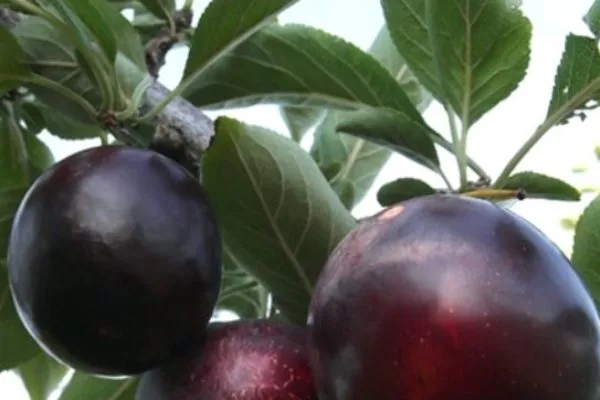
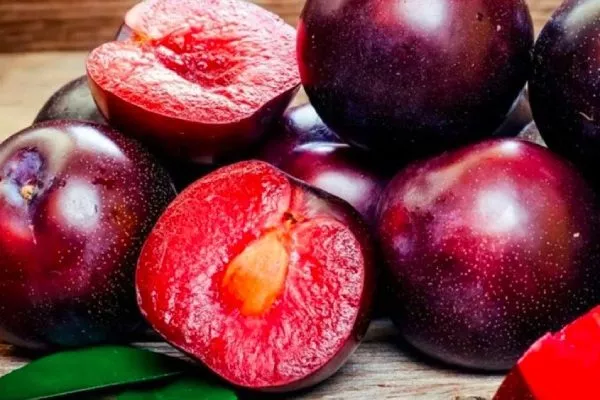
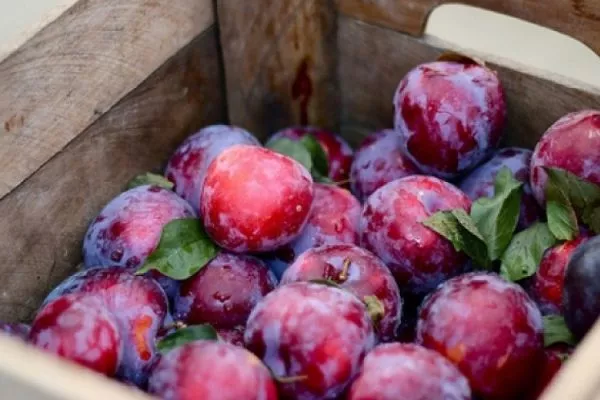
Sharafugi Velvet Sunrise berries are characterized by an unusual purple hue. They are attached to the tree by a small stalk. They are large, weighing between 70 and 150 grams and measuring 8-10 cm in diameter.
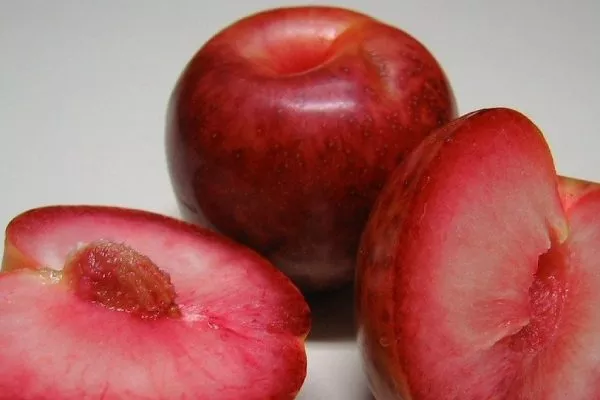
The fruit's shape resembles an apricot, while its texture is more like a plum. The flesh is firm, pinkish-red in color, with prominent golden or reddish veins.
Taste qualities
The fruit's flavor depends on its ripeness. Unripe plums have a faint plum aroma, while ripe ones have an abundant apricot flavor. The flesh can be either sweet or tart, but is always juicy and pleasant to the taste.
Productivity
The Sharafugi Velvet Sunrise variety produces impressively large fruit. Gardeners report that a single tree can yield up to 25 kg of berries. The peak yield occurs around ten years old, when the tree can produce up to 40 kg of fruit per season.
Flowering and ripening period
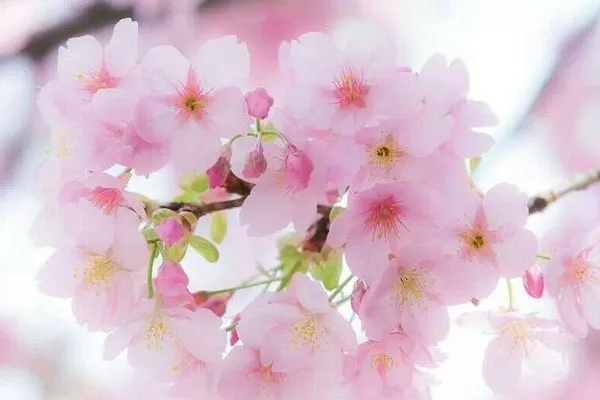
The Sharafuga Velvet Sunrise decorates the garden during its flowering period. This variety is characterized by large, snow-like flowers that densely cover the tree's branches. In central Russia, flowering begins in May, and in the southern regions, as early as April.
This variety is characterized by early maturity: harvesting can begin in late July. Fruiting ends in late autumn. It is recommended to harvest the fruit at the technical maturity stage, when it still retains its firmness.
Sharafuga Velvet Sunrise's frost resistance, disease and pest resistance
This hybrid is renowned for its resistance to low temperatures. It can withstand winter cold in the central region, withstanding temperatures as low as -26°C. Furthermore, the plant easily survives short-term frosts down to -30°C and spring temperature fluctuations as low as -3°C.
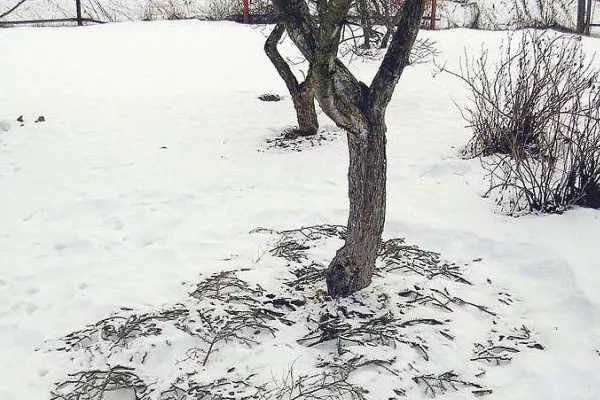
Sharafuga Velvet Sunrise is resistant to pests and diseases. However, strict adherence to a preventative plan helps maintain this variety's robust immunity.
Storage quality and reproduction characteristics
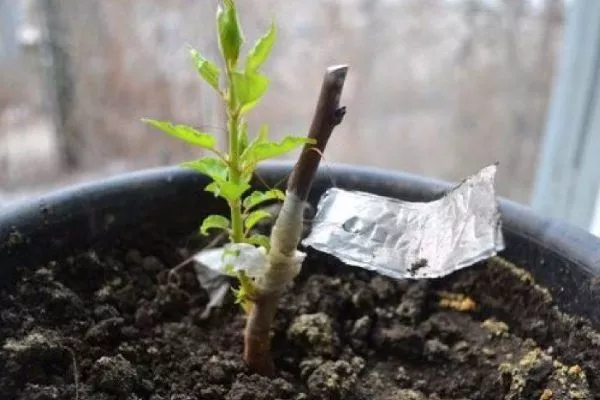
Velvet Sunrise can be propagated using either cuttings or seeds. Flowering begins in April and continues until August.
It is distinguished by its good resistance to damage and its ability to be transported. Its fruits do not burst or lose their turgor, maintaining their freshness and aroma for 12-15 days. It is important to prevent damage to the waxy film on the fruit during harvesting, as this ensures their long shelf life.
How to grow correctly?
Despite its preference for warm climates, Sharafuga thrives in temperate climates. When growing this crop, follow the same principles as plums, peaches, and apricots. It performs particularly well in cool climates.
- ✓ The optimal soil pH for Sharafuga Velvet Sunrise should be between 6.0 and 7.0. Outside this range, the plant may not absorb the necessary nutrients.
- ✓ The distance between trees when planting should be at least 3 meters to ensure sufficient space for the growth of the root system and crown.
Selecting a seedling
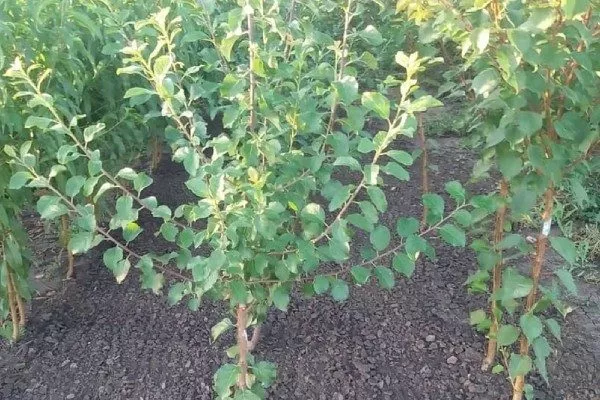
When choosing a plant, pay attention to several key aspects:
- the preferred age of the seedling is from one to two years;
- a developed and strong root system is necessary;
- It is important to rule out the presence of any damage or signs of disease.
Selecting a territory
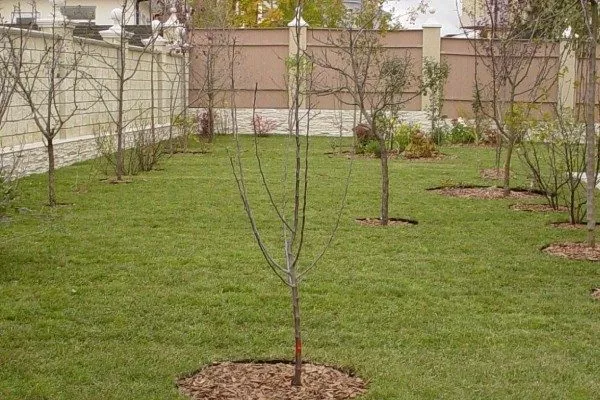
Sharafuga requires a bright location, but sheltered from strong winds. A space protected by building walls or other greenery is ideal. The best conditions for growing this hybrid are a level landscape or a slightly elevated area.
Other features:
- It's important to ensure that the chosen area doesn't accumulate cold air and moisture, which can lead to the development of fungal infections. Therefore, avoid planting seedlings in low-lying areas.
- Sharafugi requires fertile, well-drained soil with good moisture content. Ideally, it should retain air and moisture. It's also important that the soil be rich in nutrients. The hybrid thrives best in loamy, black earth, or sandy loam soils.
- If the soil profile is acidic, it needs to be corrected by liming. Apply 300-350 g of slaked lime per square meter of soil.
Site preparation begins well in advance. After selecting a suitable location, it must be dug deeply. Organic matter, such as humus, compost, or composted manure, is used for fertilization.
Additionally, add mineral fertilizers: 30-40 g of potassium salts and 65-75 g of superphosphate. The soil should be loosened and all weeds removed.
Planting Sharafugi in the garden
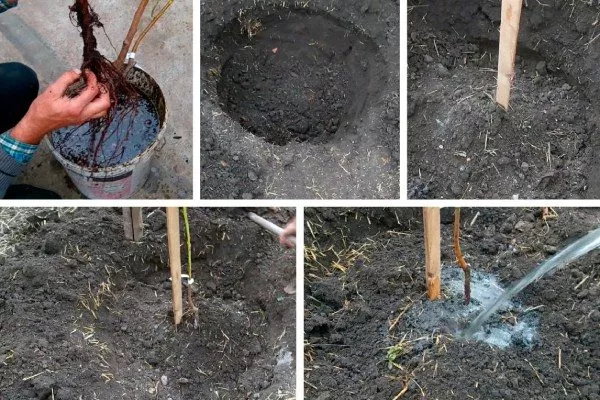
A few weeks before planting, prepare a hole for each future seedling. This will allow the soil to settle slightly, allowing you to accurately determine the depth to which the seedling should be planted.
Algorithm of actions:
- Dig a hole slightly deeper and wider than the plum tree's root system. Line the bottom of the hole with broken brick, gravel, medium-sized pebbles, or expanded clay mixed with river sand for drainage.
- Place a stake in the center of the hole to support the young tree. It should be 50-75 cm above the ground.
- Fill the hole to half its height with a layer of fertile soil, which consists of equal parts of prepared soil, peat and organic matter, and add wood ash (literally 200 g per hole).
- Carefully place the roots of the seedling on the created mound.
- Fill the hole with the remaining substrate, compacting the soil.
- Tie the trunk of the seedling to the support.
- Water generously.
Watering
A bountiful harvest depends on careful plant care. This includes regular watering and fertilizing at the right time. Pruning and protection from diseases and pests are also important.
Irrigation features:
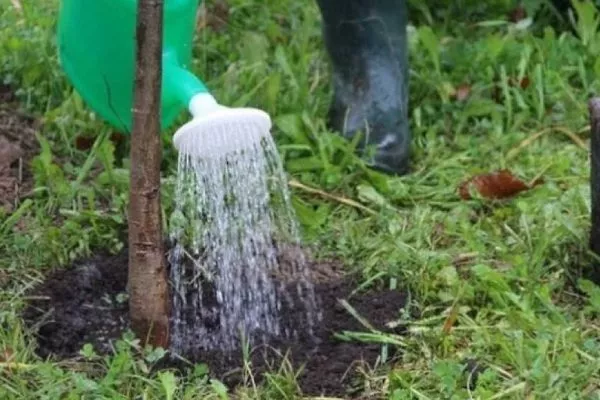
- It is important to keep the soil moist, using only warm water.
- Sharafuga does not tolerate either dry periods or excessive waterlogging.
- During hot, dry summer periods, water frequently – as soon as the top layer of soil begins to dry out.
- If spring and summer are rainy, watering should be reduced. If there is no spring rainfall, 1-2 waterings are recommended.
- One method of watering is sprinkling. To do this, a sprinkler system must be installed on the site.
An alternative method is to dig a trench 500-550 cm from the tree trunk, 15-20 cm deep, and fill it with water so that it reaches the roots to a depth of about 100 cm. This method prevents overwatering and drying out.
Fertilizer
Fertilizing trees is essential for their healthy growth and a rich harvest of ripe, juicy fruits, especially when it comes to hybrids of peach, plum, and apricot:
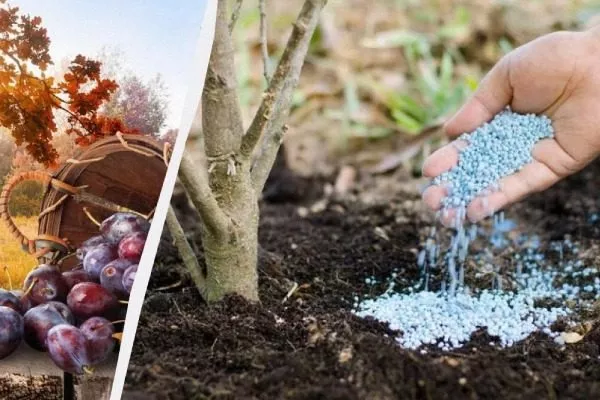
- The plant is fed throughout the growing season. In spring, nitrogen-based fertilizers are preferred, applied immediately after the snow melts.
- In summer, potassium and phosphorus fertilizers are used to stimulate fruit growth and accelerate ripening. These are recommended for application in early June and late July.
- In the fall, after the harvest is complete, Sharafugu should be supplied with organic matter, which will ensure a high yield for the following season.
Other events
Autumn soil care includes removing fallen yellow leaves and dying fruits from the surface of the soil, digging the soil and compacting it.
Sharafuga is characterized by rapid growth, reaching shoots up to 80 cm in length during the season. Regular pruning is important. This is done in early spring and fall:
- To maintain shrub hygiene, remove damaged or broken branches, as well as old, dead ones. It's recommended to prune no more than 2 cm of healthy wood. To prevent infection, treat the cut areas with an antimicrobial agent and protect them with garden glue.
- Formative pruning helps prevent the bush from becoming crowded and promotes free air circulation between the branches. It is recommended to begin pruning immediately after the second year after planting.
The process of tree formation involves a number of steps:- Cut the trunk to a meter in height.
- Remove all lower branches.
- Shorten the side branches, leaving no more than five shoots growing at an angle of at least 60 degrees from the trunk.
- In the third year after planting, reduce the length of the skeletal branches to 50 cm and cut back the lateral branches.
- From the tallest skeletal shoots, select the strongest and healthiest ones.
- Subsequently, it is necessary to continue trimming the lateral branches and reduce the length of one-year shoots by half.
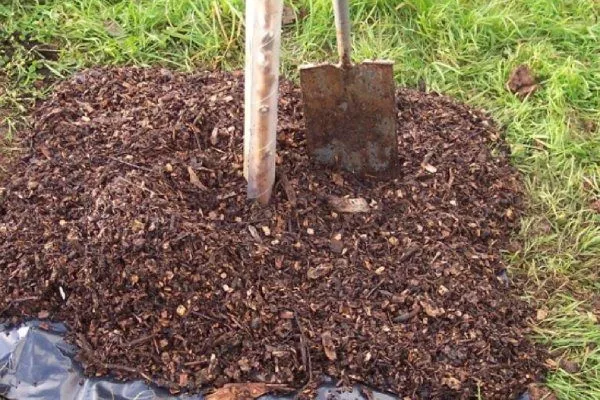
An effective tree care method is to cover the soil around the trunk with organic materials such as freshly cut grass, compost, rotted manure, or hay. This helps reduce moisture evaporation, enrich the soil with nutrients, and improve its structure.
Harvesting and using Sharafugi
Velvet Sunrise is harvested in August-September, when the fruits reach full ripeness. You can determine when it's time to harvest by the following criteria:
- when the skin color acquires a rich purple tone;
- the pulp becomes tender and juicy;
- the fruit is easily separated from the stem with slight pressure.
Ripe fruits should be carefully cut with pruning shears or twisted off by hand, being careful not to damage the branches. It is recommended to harvest Sharafuga in dry weather. Store in a cool place for up to two weeks.
This fruit is rich in vitamins, minerals, fiber, and pectin, and has a pleasant taste and aroma. Therefore, it has a wide range of uses:
- Sharafugu can be eaten fresh as a dessert, frozen for long-term storage, or used to preserve jams, preserves, and marmalade.
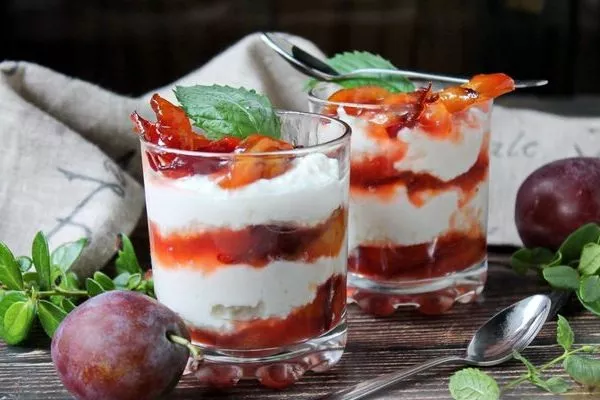
- Use plums in cooking to impart a unique flavor to dishes. Add them to yogurts, syrniki (syrniki) and pancakes, use them as a filling for pies and muffins, and make syrups, compotes, and kissels.
- Sharafuga can also be used to make drinks—tea, tincture, even wine. This requires both the fruit itself and its leaves, which, thanks to their beneficial compounds, impart a refined aroma to the drink.
To ensure maximum shelf life, pick the fruit before it's fully ripe. You can then let it ripen on a windowsill. This variety tolerates long-distance transport well without compromising quality.
Methods of control and prevention of diseases and parasites
Sharafuga is resistant to many pathogens, but it is not immune to pest infestations. Among the diseases that are particularly common is leaf curl, a disease common to peach. Pests that can attack this tree include the plum moth, fruit leaf roller, and sawfly.
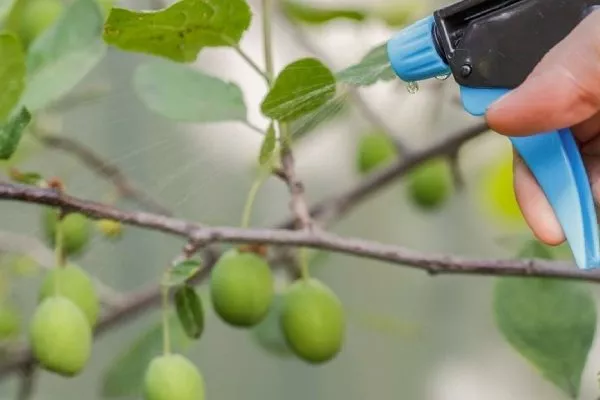
- In early spring, before the buds open, treat the tree with a 3% solution of Bordeaux mixture to prevent fungal diseases.
- After flowering, treat with an insecticide against plum codling moth and other pests.
- In the fall, after harvesting, repeat the treatment with Bordeaux mixture to destroy the overwintering stages of pests and diseases.
To protect the plant, the following measures are recommended:
- treating the tree with fungicides and insecticides before the buds begin to open;
- whitewashing the trunk and large branches to protect against burns and prevent rodent attacks;
- removing debris around the tree where pest pupae may be located;
- cleaning damaged tree bark.
Infusions of garlic, onion peels, nettle, and other herbs such as chamomile, string bugle, and wormwood can be used to combat pests and diseases. Copper sulfate and Bordeaux mixture solutions are also effective.
Positive and negative qualities
This variety does not require special care, but it does not tolerate a lack of water and has certain soil requirements.
Advantages:
Flaws:
Reviews
Sharafuga Velvet Sunrise is a unique fruit tree that is becoming increasingly common in Russian gardens. This hybrid is frost-hardy, allowing it to grow and bear fruit even in the coldest parts of the country. However, to preserve young trees during the cold season, insulation is recommended to ensure their survival.