
The Rubin plum produces delicious and aromatic fruits used in a variety of culinary recipes. Thanks to its early maturity, compact size, and good productivity, this variety deserves the attention of both experienced and novice gardeners. With proper care, it will produce good results and generous harvests.
Introduction to the variety
Plums are not only delicious but also healthy. They contain many vitamins and minerals essential for maintaining health.
Compound:
- Vitamins. Vitamin A supports healthy skin and vision, vitamin C strengthens the immune system, and vitamin K promotes normal blood clotting.
- Minerals. Potassium helps maintain normal blood pressure, magnesium is important for muscle and nerve function, and iron is necessary for hematopoiesis.
- Antioxidants. Contains flavonoids, polyphenols and anthocyanins, which have antioxidant properties and help protect the body's cells from damage.
- Dietary fiber. High fiber content improves digestion and prevents constipation.
Plums are rich in malic and citric acids, which help maintain energy levels.
- ✓ The leaves have a characteristic emerald hue with a slight glossy sheen.
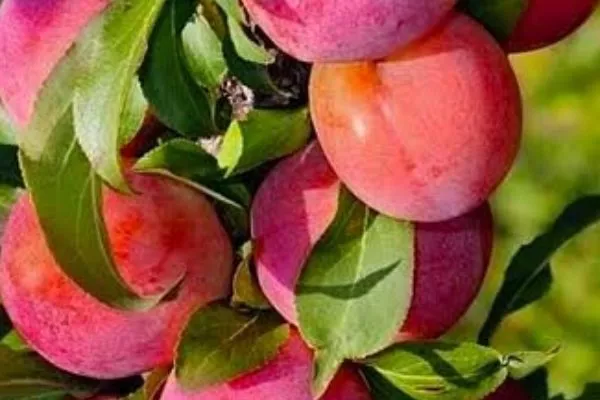
- ✓ When fully ripe, fruits acquire a deep red color without spots.
The appearance of the tree
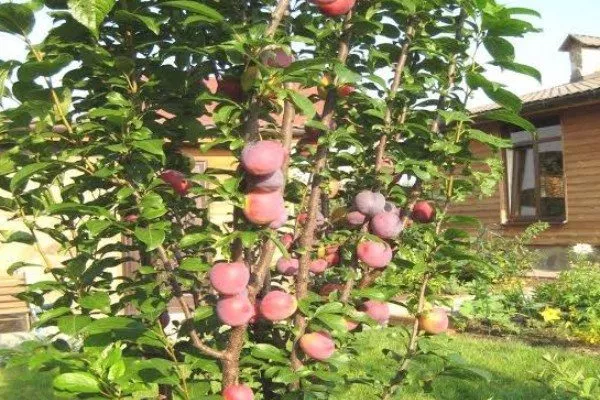
Rubin is a low-growing and aesthetically pleasing variety. The plant grows up to 2 meters in height, with a columnar crown that is characterized by its density and compactness.
Fruits and their taste characteristics
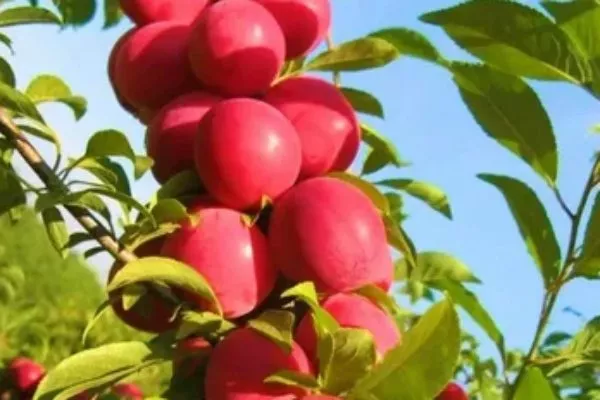
The fruits are oval-shaped, weighing between 45 and 60 grams. They can be pinkish-purple or deep red, depending on the stage of ripeness. The yellow flesh is sweet with a slight tartness and a vibrant aroma.
The plum's tasting score is 4.8 out of 5, demonstrating its high taste and quality. The pit is small. This variety is ideal for fresh consumption, desserts, dishes, and juices.
Ripening period and yield
This is an early-bearing variety, beginning to bear fruit as early as 3-4 years after planting. The fruit ripens in early September, and the tree yields very high amounts of fruit, ranging from 6 to 12 kg.
Care and cultivation
The plant prefers sunny sites with good drainage. Avoid low-lying areas where water can accumulate and areas with heavy shade.
- ✓ The soil pH level should be strictly within 6.0-7.0 for optimal nutrient absorption.
- ✓ The depth of groundwater is at least 1.5 m to prevent rotting of the root system.
Step-by-step algorithm:
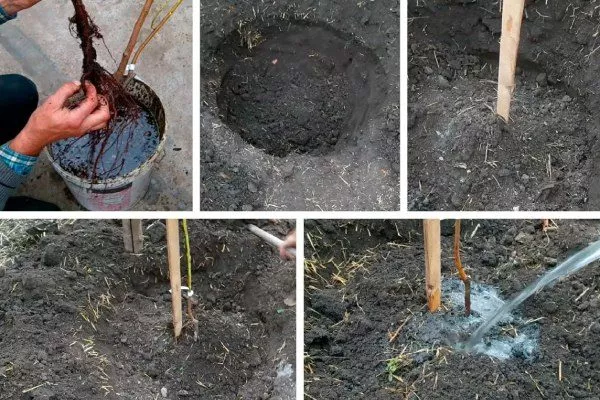
- Prepare the soil in advance by amending it with organic fertilizer. Neutral or slightly acidic soil is suitable. If it's heavy, add sand to improve drainage. Ideally, plant the seedlings in the fall or early spring.
- Dig a hole 50-60 cm in diameter and 40-50 cm deep. Place a drainage layer of expanded clay or gravel on the bottom.
- Add compost or humus, complex mineral fertilizer to the hole.
- Place the seedling's root system in the hole, carefully spread the roots, and cover with soil. Make sure the root collar is level with the soil surface. Water well.
To ensure accelerated growth and development, ensure timely care. Follow simple agricultural practices:
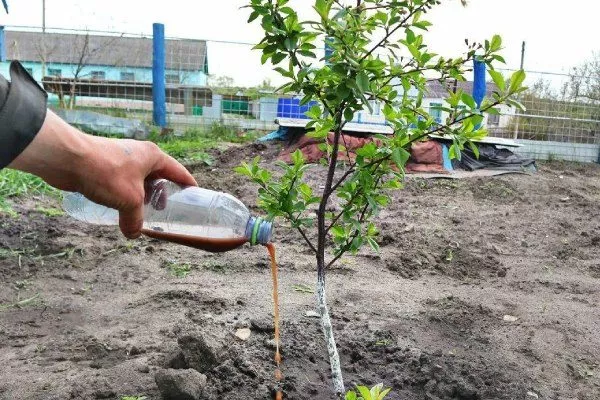
- Watering. Plum trees require regular watering, especially during flowering and fruiting. Water as needed, but avoid stagnation.
- Trimming. In the first year after planting, remove all damaged or weak branches. Shape the crown in the future by removing unnecessary or crossing branches.
Prune in late winter or early spring before the sap begins to flow. Remove old, diseased, or crossing branches, and thin the crown to improve air circulation. - Fertilizer. Fertilize your plum tree in the spring using organic fertilizers or complex mineral mixes. Apply additional fertilizers throughout the season depending on the plant's condition.
- Mulching. Place a layer of mulch around the trunk to retain moisture and prevent weed growth.
- Protection from pests and diseases. Inspect the tree regularly for problems. Apply preventative treatments with fungicides and insecticides if necessary. Remove fallen leaves and fruit to prevent the spread of diseases.
Advantages and disadvantages
Before planting a crop, it's important to carefully consider its positive and negative qualities. The Rubin plum has many advantages:
Among the disadvantages, gardeners note:
Reviews
The Rubin plum variety has gained popularity thanks to its excellent characteristics and delicious fruit. Combining a compact tree size with high yields and aromatic fruit, it is an ideal choice for gardeners seeking the optimal balance of beauty and productivity. Proper and comprehensive care is essential.