
Moniliosis can significantly reduce productivity and even lead to the death of the plant. This fungal disease is extremely dangerous for plum trees; it spreads quickly, affecting flowers, shoots, and fruit. It requires prompt detection and a comprehensive approach to control. Special measures will help maintain the health of the orchard and save the future harvest.
What is moniliosis?
This disease spreads rapidly and can quickly destroy a significant number of trees in an orchard. It is caused by pathogenic fungi of the genus Monilia. The disease is also known as monilial blight and fruit rot.
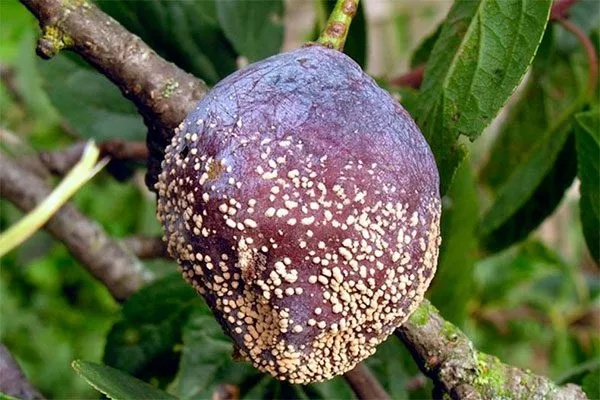
Features of the disease:
- This fungal infection affects not only plums but also other fruit crops. The pathogen overwinters in the soil and on plant debris, and reactivates in the spring to infect trees.
- The disease primarily affects plums, causing rot to appear on them, which quickly increase in size, covering the entire fruit.

- Spores form on the surface and are easily carried by the wind, which contributes to the widespread infection of garden plants.
- Fallen fruits contaminate the soil, creating a new source of infection that can persist until the next season.
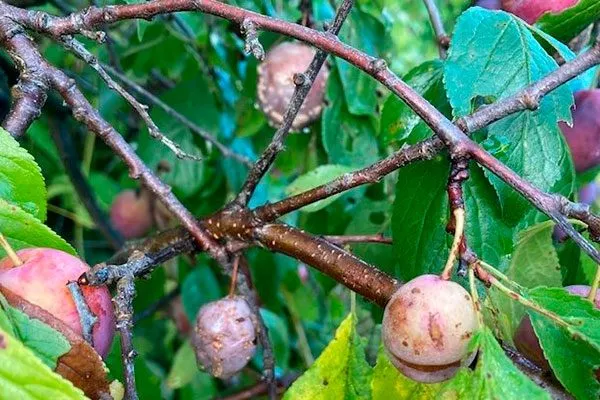
Symptoms and signs of moniliosis on plums
There are two forms of the disease, each affecting specific parts of the plant. The symptoms depend on these:
- Monilial burn. The fungus attacks young shoots, leaves, and flowers. They first darken, then begin to dry out, but do not fall off, remaining on the branches. The damaged areas resemble burn marks.
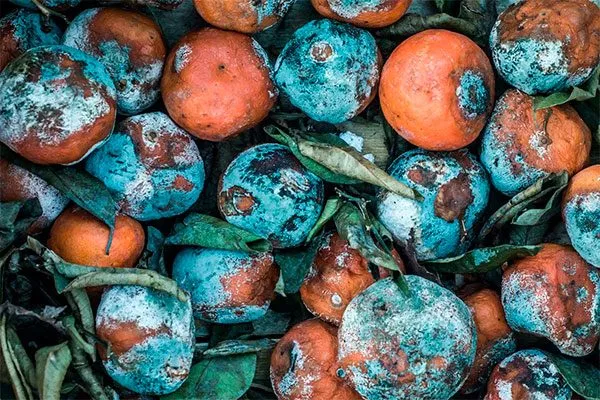
- Fruit rot. Brown spots appear on plums, quickly growing in size and covering the entire surface. Light gray or yellowish pads—spore clusters—form on these spots.
Affected fruits gradually shrivel, some fall off, and the remaining ones become mummified. If conditions are not favorable for the fungus to develop, the fruits darken to a bluish-black hue.
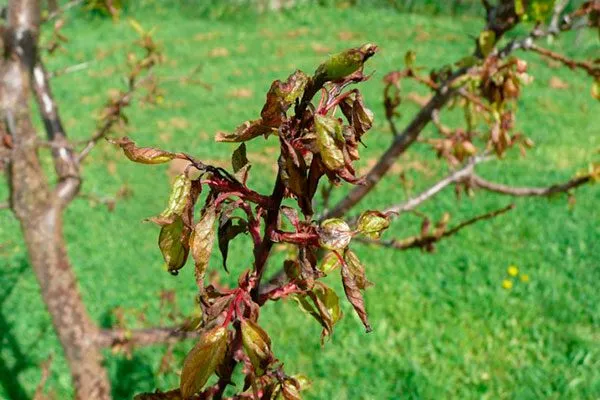
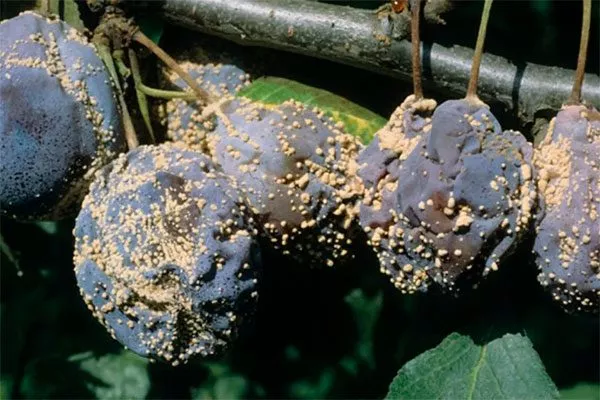
The development of moniliosis is facilitated by temperatures between 24-26°C (minimum threshold: 15°C) and high humidity of 75% or higher. The incubation period for the disease is 10 to 15 days.
What factors influence the spread of moniliosis?
Fruit rot is a fungal disease whose pathogen can survive the winter on infected fruit, whether it remains on the tree or has fallen to the ground. The infection persists in the tissue of already diseased trees.
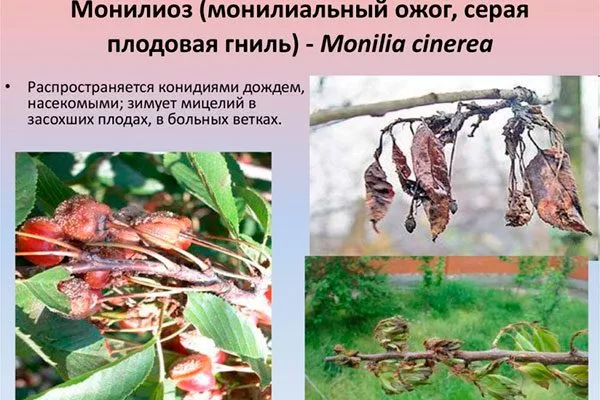
The disease develops due to dried plums, damaged fruit, and when the crop is grown indoors. Most often, the infection enters the fruit through the stem.
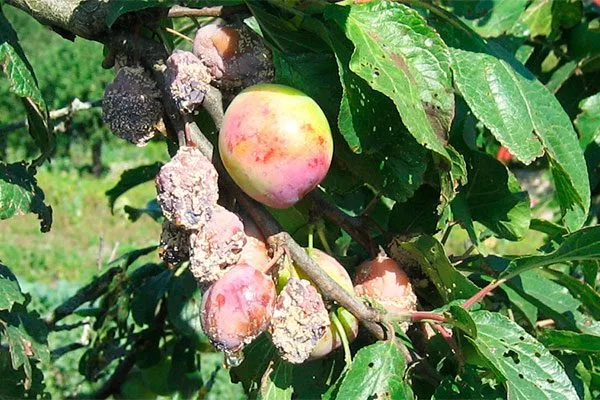
The spread of the disease is facilitated by damp weather, insects (such as the fruit goose), birds, and wind. These factors allow the fungus to travel significant distances, making it significantly more difficult to identify the original source of infection.
Why is fruit rot dangerous?
Moniliosis makes plums unfit for consumption and can cause serious damage to orchards. The disease not only reduces yields but, in severe cases, completely destroys the crop and even leads to the death of the trees. The disease weakens the plants' immune system, making them more vulnerable to other infections.
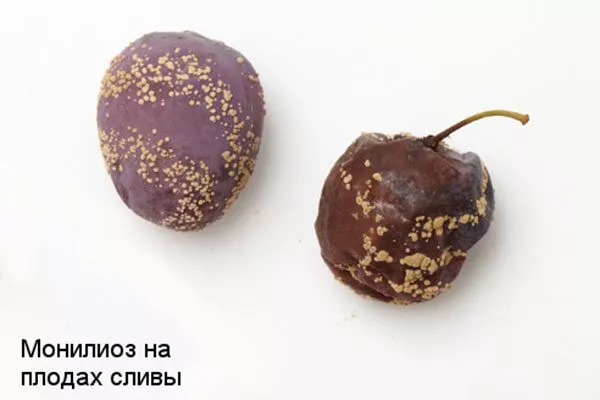
Moniliosis poses a particular danger during storage: if even one infected fruit is harvested, the infection will quickly spread to the entire crop. Due to the fungus's high resistance to adverse conditions and the difficulty of treatment, regular preventative measures are essential.
Moniliosis is widespread throughout Russia. Particularly severe infections, with up to 100% crop losses, have been recorded in the northwestern and central regions, the Southern Urals, Siberia, Altai, and the western part of the North Caucasus.
When to treat trees?
To effectively protect your garden from moniliosis, it's important not only to recognize the disease early but also to develop a proper preventative treatment plan. Monilia fungus is active throughout the warm season and can spread rapidly, especially in humid weather.
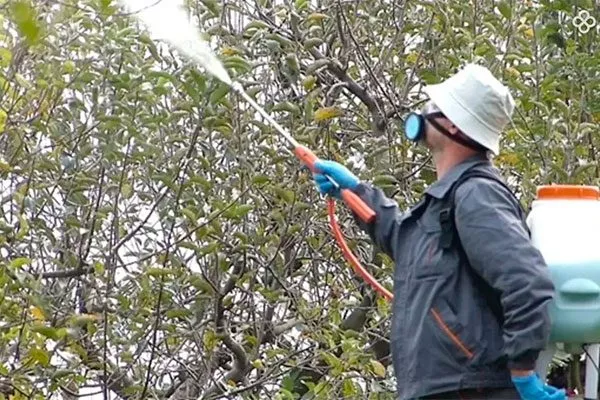
To minimize the risk of infection, it is recommended to carry out five preventative sprayings per season:
- Early spring, when buds are just beginning to open and the first leaves appear. This helps destroy overwintering spores.
- Immediately after flowering ends. During this period, the fungus has the opportunity to penetrate through dead flower parts.
- When the ovaries reach the size of a pea, this is the period of active growth and vulnerability of the fruit.
- 2-3 weeks before harvest. Helps protect fruits from infection during the final stages of ripening.
- In late autumn, after the leaves have fallen, it helps destroy any pathogens remaining on the bark or in cracks and prepare the tree for winter.
Following this regimen significantly reduces the likelihood of developing moniliosis and helps maintain the health of fruit trees for many years.
How to fight moniliosis?
Moniliosis is especially dangerous after a warm winter, as the fungus does not tolerate temperatures below -20°C. If the winter was mild, there is a high risk of the pathogen surviving in plant debris and on trees.
Therefore, at the first signs of disease, it is necessary to begin treatment immediately, otherwise the infection will quickly spread to other plants in the garden.
Overcoming moniliosis is challenging, so a comprehensive approach is required. Effective control includes:
- compliance with agricultural recommendations;
- regular care of plantings;
- implementation of preventive measures;
- use of both folk remedies and proven fungicides.
Chemical and biological preparations against moniliosis
Treatment with special preparations is considered one of the most effective and widely used methods for combating moniliosis. Certain preparations demonstrate superior effectiveness.
Tsiram
An odorless chemical product that is resistant to environmental influences. Its active ingredient is zinc dimethyldithiocarbamic acid. It is recommended to use the product after flowering has ended.
Tsiram was originally developed to protect plants from Alternaria and Anthracnose, but it has also proven effective against Moniliosis. One of its advantages is its economical use.
Abiga Peak
This product is designed to protect plants from a wide range of fungal and bacterial diseases. It is resistant to external factors and remains effective even at low temperatures—treatments can be carried out at temperatures as low as +9°C. The active ingredient is copper oxychloride.
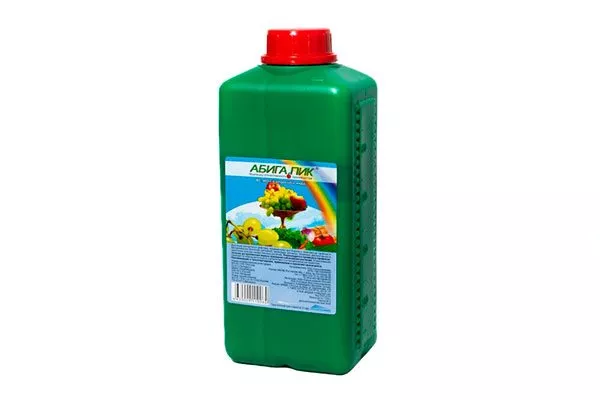
The product guarantees high effectiveness, but it is important to adhere to the restrictions on the number of treatments per season. Abiga-Peak is classified as a hazard class 3 substance (moderately hazardous), so personal protective equipment must be used when handling it.
Fitosporin-M
This product is deservedly considered one of the most effective biofungicides. It is versatile and capable of protecting plants from a wide range of diseases, including:
- fruit rot;
- brown rust;
- phomosis;
- lag rot and other infections.
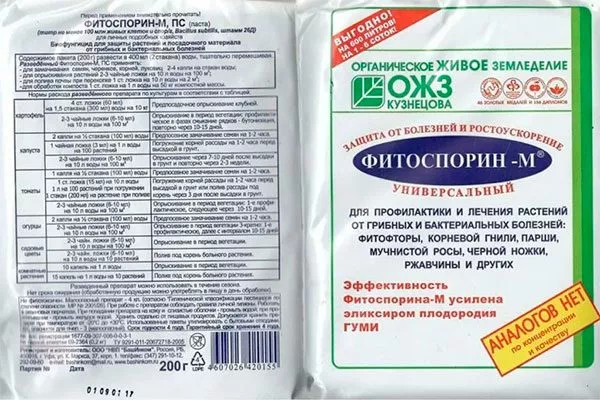
The product is available in various forms – liquid, powder, and paste – allowing you to choose the most convenient application option.
The product is based on the bacterium Bacillus subtilis, which actively suppresses pathogenic fungi. Treatment can be carried out at any stage of plant development. However, it's best to schedule the treatment for the evening, as sunlight reduces the product's effectiveness.
Hom
The active ingredient is copper oxychloride. It is classified as a Class 3 hazard for humans, animals, and bees. The product is highly resistant to heat and light.
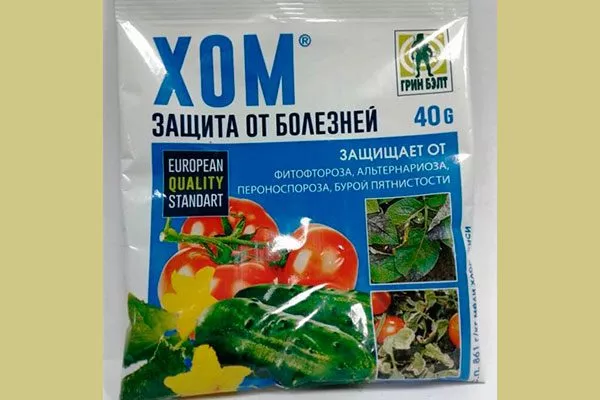
Hom has a broad spectrum of action and is not limited in the number of applications per season. Its drawback is that it is easily washed away by rain and requires relatively high consumption.
Horus
A systemic fungicide containing cyprodinil as its active ingredient. It has a broad spectrum of activity and is economical to use.
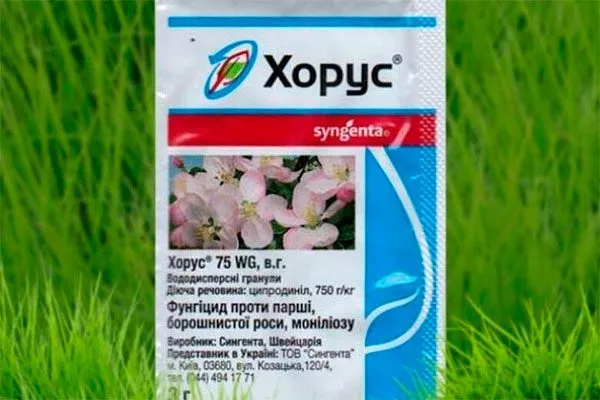
It works effectively even at low temperatures and high humidity, and is characterized by rapid action on pathogens. However, Horus is not recommended for use on plants older than five years.
Topsin-M
The product guarantees rapid and long-lasting action, and also stimulates tree growth. It helps trees recover from mechanical damage. The active ingredient is thiophanate methyl. The product combines well with most acaricides and insecticides.
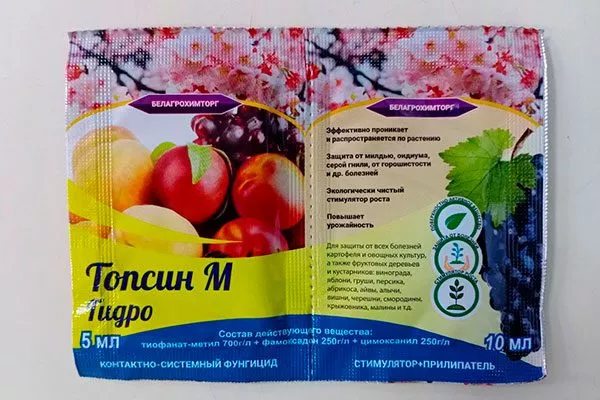
The effectiveness of Topsin M is significantly reduced at temperatures below -15°C. Furthermore, pathogens can quickly become resistant to the product, requiring rotation with other fungicides to prevent resistance.
Skor
A systemic fungicide with a long-lasting preventative and pronounced therapeutic effect. It spreads rapidly throughout all plant tissues, producing a rapid effect, but visible results appear after approximately 20 days.
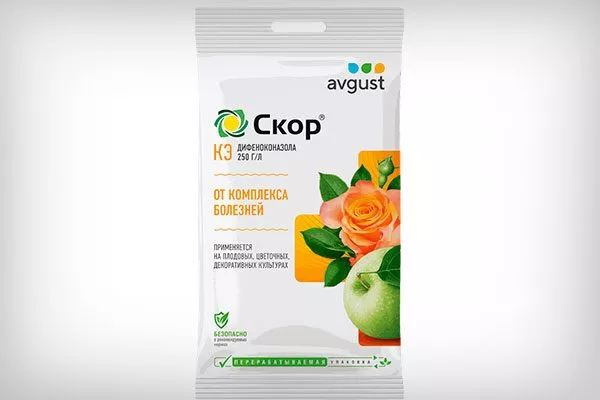
The product is effective in all weather conditions and helps increase crop yields. The main disadvantages of Skor include:
- significant expense;
- relatively high cost.
The drug's effectiveness decreases at temperatures below -12°C. It belongs to hazard class 3.
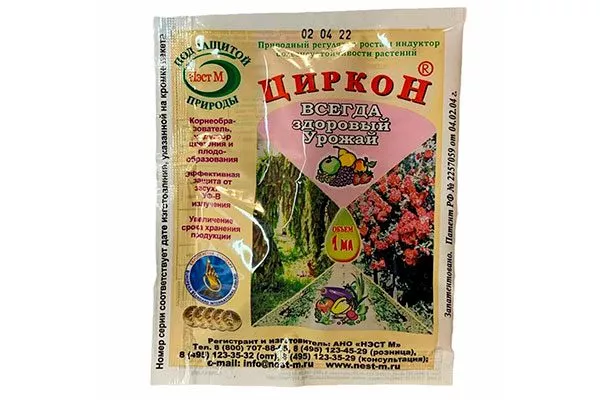
Zircon
It is a biostimulant and is used exclusively for the prevention of fungal diseases. It accelerates plant growth and improves crop quality, as well as maintains plant health in adverse conditions.
Topaz
A systemic fungicide containing penconazole as its active ingredient. It can be applied during both flowering and fruit ripening. Its effectiveness is unaffected by humidity, precipitation, or sudden temperature changes. It is characterized by low consumption and rapid action.
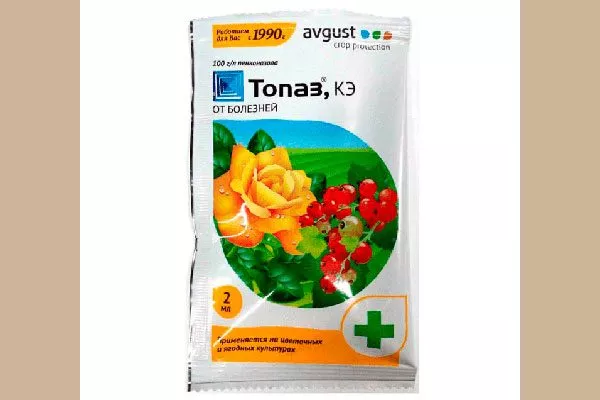
Among the disadvantages:
- high cost;
- potential danger to bees.
Topaz can be used in mixtures with other pesticides.
Rayok
This systemic fungicide is highly effective against fungal diseases of fruit crops. It actively penetrates plant tissue, providing reliable protection at all stages of development.
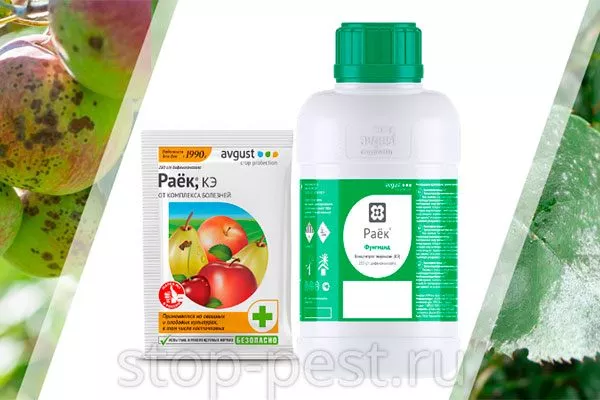
To prepare a working solution, dilute the product in water according to the manufacturer's instructions. Apply in several stages to maximize plant protection:
- when the buds begin to open;
- during flowering;
- during the period of ovary formation;
- when the fruits reach about 2 cm in diameter;
- before harvesting.
Mikosan-B
The biological product stimulates the production of enzymes in plants – glucanases, chitinases, and chitosanases, which significantly increases their resistance to moniliosis and adverse environmental conditions.
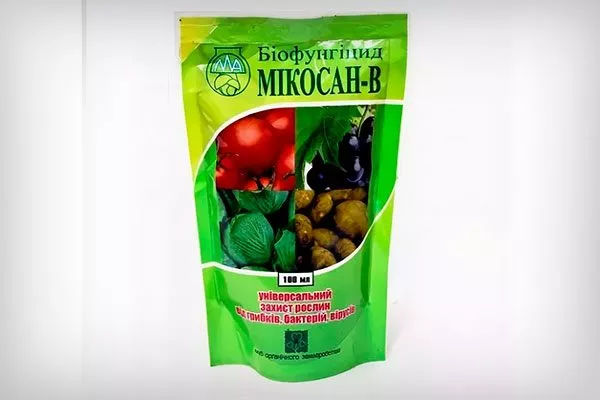
The product is effective not only for treating fruit rot, but also for its prevention, protecting crops from a variety of diseases caused by phytopathogenic fungi.
The main active components of the drug:
- polysaccharides;
- glucans;
- oligochitin.
One of the key advantages of this biological product is its complete safety for plants at all stages of development, including fruiting. After treatment, fruits can be consumed within 24 hours. The product poses no danger to humans, fish, bees, pets, or soilworms.
PhytoDoctor
This biofungicide boasts a broad spectrum of activity, effectively combating fruit rot, root rot, fungal diseases of grain, and other diseases. It is based on the spores and cells of the Bacillus subtilis bacteria, as well as biotoxins, antibiotics, and phytohormones, which enhance its protective properties.
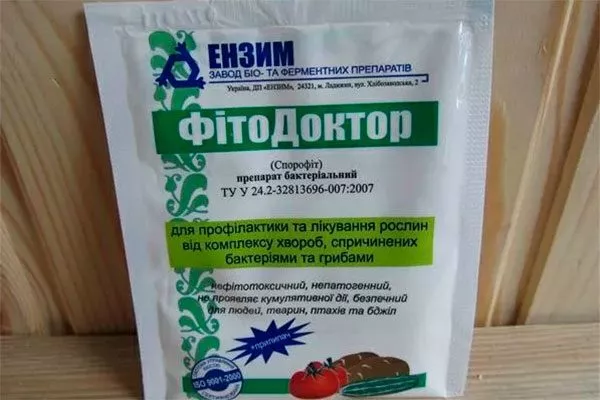
Apply at temperatures no lower than 15°C. FitoDoctor is primarily used to prevent fruit rot. Its safe formula allows for use both before and during harvest, and plums can be consumed immediately.
Fitolavin
This is not a fungicide, but an antibiotic, but it is equally effective against fungal diseases, particularly against moniliosis. To prepare a working solution, dilute 20 g of the product in 10 liters of water.
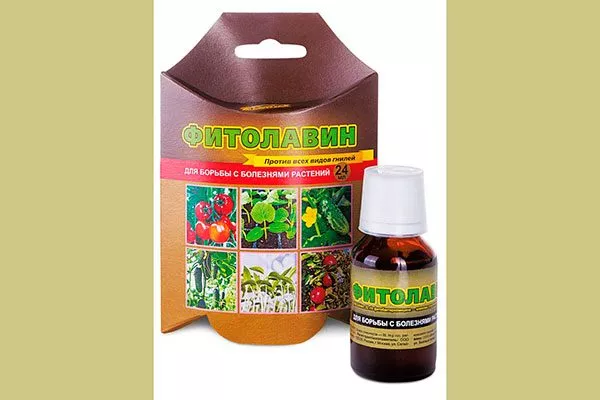
Treat trees at least five times during the following periods:
- when buds appear;
- during flowering;
- in the phase of ovary formation;
- when the fruits reach about 2 cm in diameter;
- when the fruits reach 4-5 cm in diameter.
Folk remedies for combating moniliosis
Home remedies are only suitable for preventing fruit rot and are ineffective once the disease has developed. To maintain plant health and prevent disease, you can use the following solutions:
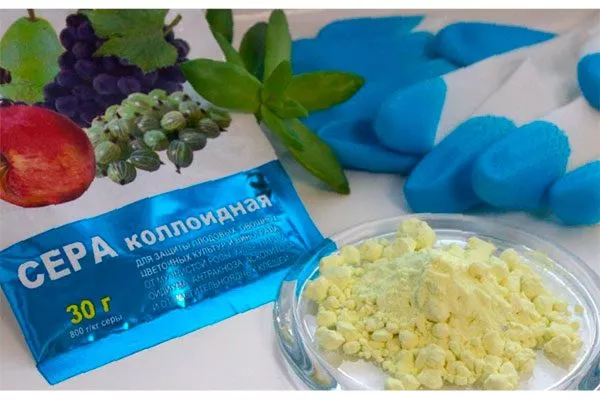
- From colloidal sulfur and liquid soap: Dissolve 40 g of colloidal sulfur and 50 g of liquid soap in 10 liters of water. Apply only before bud break.
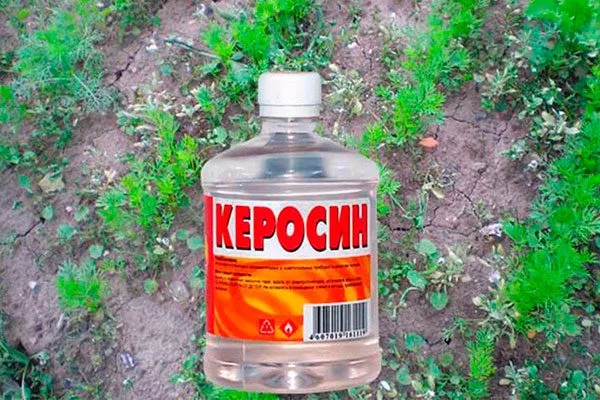
- Kerosene based: Add 40 ml of kerosene and 50 g of grated laundry soap to 1 liter of water. After mixing, double the volume of the solution with water. Use during the fruiting period.
- With mustard powder: Dissolve 80 g of dry mustard powder in 10 liters of water. Spray during flowering.
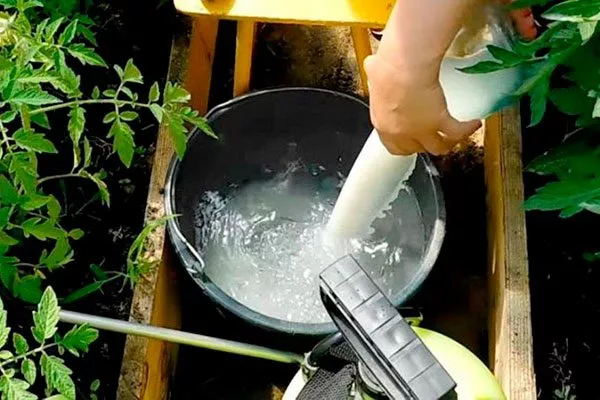
- From whey and water (1:3): Effective at all stages of plant development, especially during the day (11 a.m. to 3 p.m.). The interval between treatments should be at least 15 days.
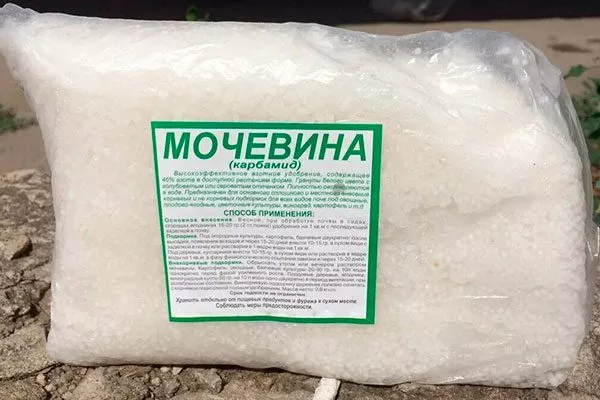
- Urea: Add 1 kg of urea to 10 liters of water, and optionally, 40 g of dishwashing liquid for better adhesion. Perform this procedure in the fall and early spring (before the plants awaken), using about 5 liters per mature tree.
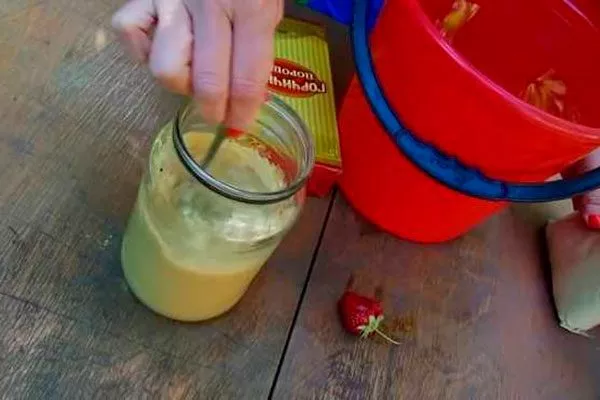
- From ash and salt: Add 500 g each of salt and ash, along with 100 g of grated laundry soap, to 10 liters of warm water. Stir the mixture, bring to a boil, and strain. Use during flowering and fruit formation.
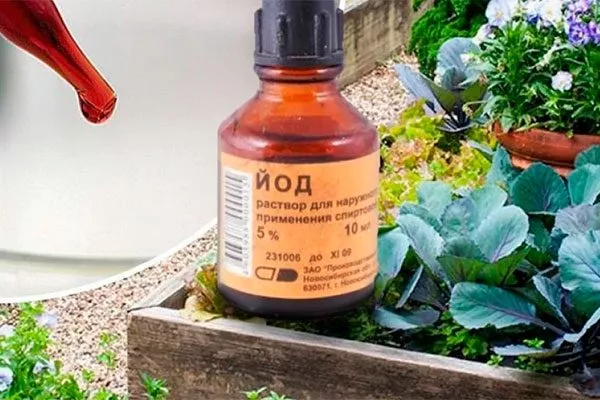
- With iodine: The product slows the growth of fungus. For treatment, dilute 40 drops of iodine in 10 liters of water. Spray during fruit ripening, approximately 10-15 days after flowering.
Folk remedies help strengthen plants and reduce the risk of infection, but when symptoms of fruit rot appear, specialized chemical or biological preparations are effective.
What to do if moniliosis is detected?
If the first signs of moniliosis appear on trees—dried flowers, wilted shoots, or rotting fruit—immediate action is necessary. Follow these steps:
- Cut out the affected branches, taking an additional 5-10 cm of healthy wood, and be sure to burn them.
- Collect and destroy all rotten and mummified fruit, both from the tree and from the surrounding ground.
- Treat the plants with fungicides Horus or Topsin-M, provided that at least 14 days remain before harvest.
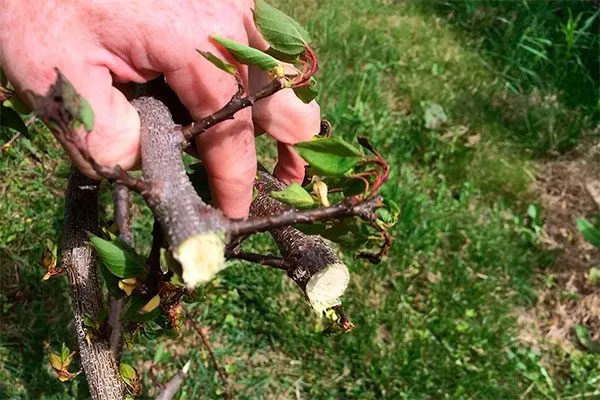
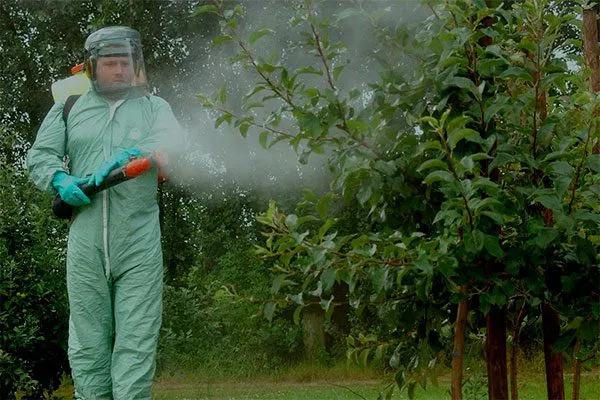
These actions will help localize the source of infection and prevent further spread of the disease.
Spring treatment: control strategy
Timely treatment allows you to destroy the fungus in its early stages and prevent its further spread. The main steps of the procedure are:
- Before bud break Spray trees with copper-containing products, such as Bordeaux mixture or Abiga-Peak. This helps destroy overwintering spores on the bark and branches.
- In the "green cone" or pink bud phase Use Horus fungicide at a dosage of 2-3.5 g per 10 liters of water. The product is effective at temperatures starting from +3°C, which is ideal for early spring. For pest protection, you can add an insecticide to the mixture.
- After flowering Repeat the treatment with a mixture of Horus and Skor (2 g each per 10 liters of water) to block the development of fungus in shoots and ovaries.
Plan your treatments during dry weather, as rain can wash away the products. On damp days, the fungus is especially active, so repeat the spraying after 3-4 days, reducing the fungicide concentration by 10%.
Helpful tips for prevention
Preventing moniliosis begins with proper and meticulous garden maintenance. Healthy trees are much more resistant to infection, and following proper gardening practices significantly reduces the risk of infection.
Follow these preventative measures:
- Plant seedlings at the recommended spacing. Planting too close together reduces ventilation, creating favorable conditions for fungal growth.
- Cut off affected branches in a timely manner, burn them, and treat the cuts with garden pitch.
- Regularly remove fallen leaves and fruits, remove mummified fruits remaining on the branches over the winter.
- Feed your plants – this will significantly increase their resistance to infections.
- In the fall, clear the trunks of dead bark and whitewash them to protect them from pests and diseases.
- All mechanical damage to trees must be treated with antiseptic agents.
- Avoid planting in areas with poor air circulation.
- Conduct timely pest control to prevent damage to trees and fruits.
- For storage, select only healthy plums without damage, check them regularly and discard any spoiled ones.
- Pay special attention to weakened plants that have been damaged by adverse weather conditions or insects.
Which plum varieties are resistant to fruit rot?
The denser and more pronounced the waxy coating on the fruit, the lower the risk of moniliosis. Varieties genetically resistant to this disease include:
- Anna Shpet;
- Peach;
- Hungarian Italian and Azhan;
- Greengage purple;
- Renklod Altana;
- Green renclode.
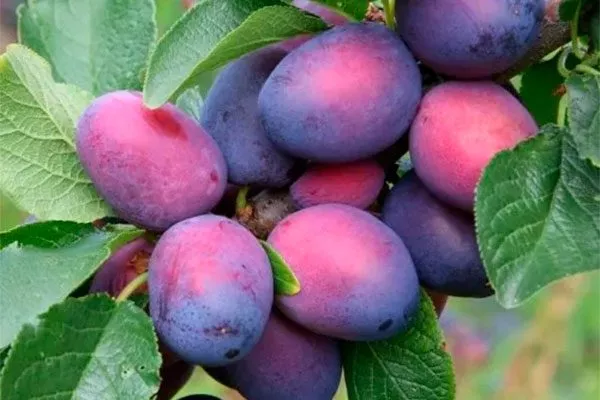
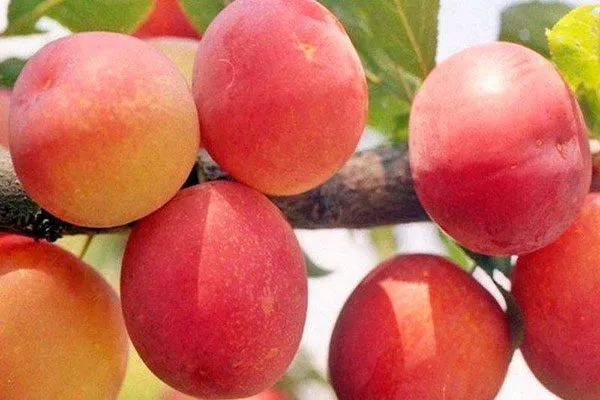
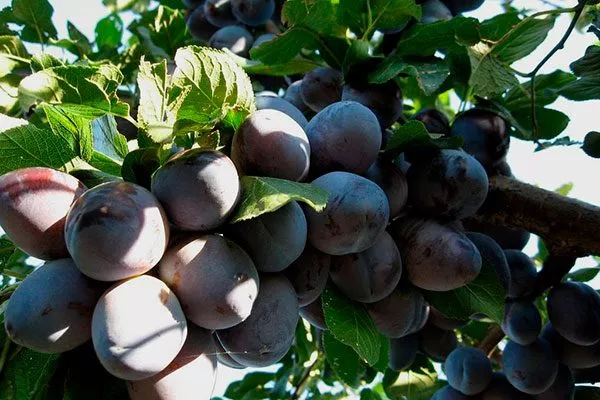
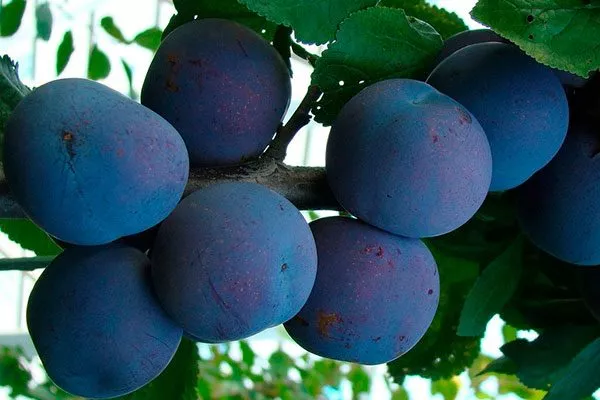
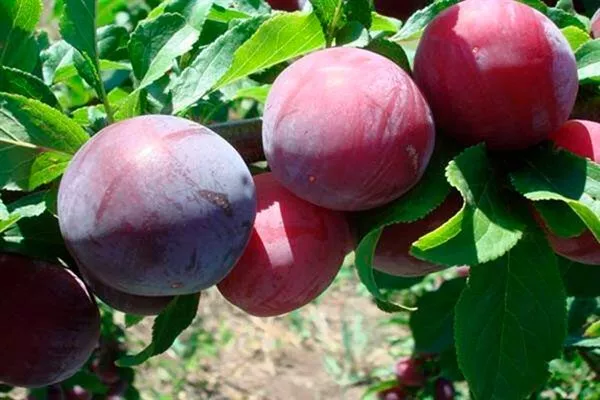
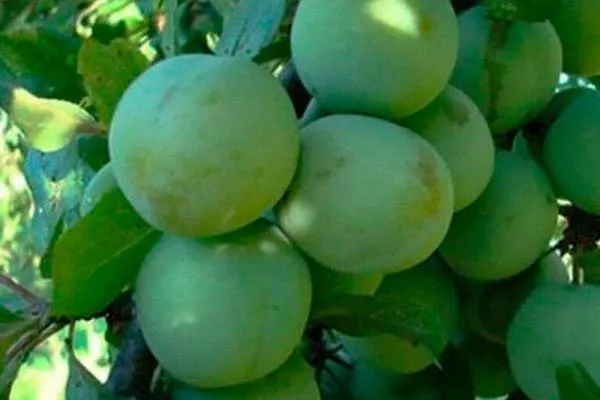
At the same time, plum varieties President, Voloshka, Sopernitsa and Vengerka Yubileinaya have low resistance to moniliosis and require increased attention in care and protection.
Moniliosis is a serious threat to plum orchards, but with proper care, timely prevention, and effective treatments, the risk of infection can be significantly reduced and the harvest preserved. It is important to monitor the condition of the crop, prevent the spread of infection, and combine agronomic, biological, and chemical control methods.