
To ensure a bountiful and high-quality plum harvest, it's crucial to properly manage the pollination process. Not all plum varieties are self-pollinating, so choosing the right pollinator is key to successful fruiting. It's crucial to choose the right compatible varieties to ensure your garden enjoys delicious and juicy fruits every year.
Why do we need a pollinator?
Most modern plum varieties are incapable of self-pollination or are only partially self-fertile. These trees flower readily, but either produce no fruit at all or very few.
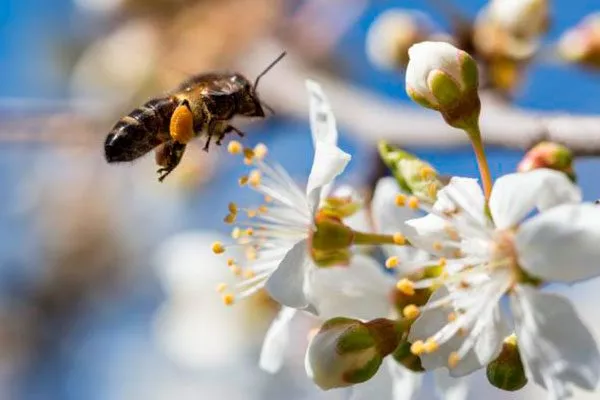
Key Features:
- To avoid wasting years, it's smarter to plant several seedlings of different varieties at once. After a few years, they will begin to bear fruit and provide a stable and abundant harvest.
- Nature has long mastered the art of selection, and its main assistants—wind and insects—effectively cross-pollinate fruit trees and shrubs. The result is new, viable plants with improved traits.
For wildlife, this is a way to reproduce, and for fruit growers, it's a guarantee of tasty and aromatic fruits. This is why variety in the garden is so important. - Almost all fruit and berry crops require cross-pollination. For a plant to produce seeds, it requires pollen from another tree of the same species, or more often, from a different cultivar. Only a few varieties are capable of self-pollination, but even these produce more fruit when cross-pollinating partners are available.
- Bees, bumblebees, wasps, butterflies, and other insects work diligently in the garden, collecting nectar and simultaneously transporting pollen. Thanks to their work, abundant plum harvests are achieved.
- If there are no suitable pollinator varieties in the area or there are few insects during the flowering period, even with abundant flowering, fruiting will be weak.
How and with what to pollinate a plum?
Many gardeners notice that their trees bloom profusely, but produce almost no fruit—often due to poor pollination. To achieve a good harvest, it's essential to carefully manage pollination, employ proven techniques, and maximize the effectiveness of this key stage in fruit crop development.
Natural pollination mechanisms
Most varieties require cross-pollination—for plums to form, pollen must be transferred from one tree to another. Varietal compatibility is also crucial, as not all plants can pollinate each other effectively.
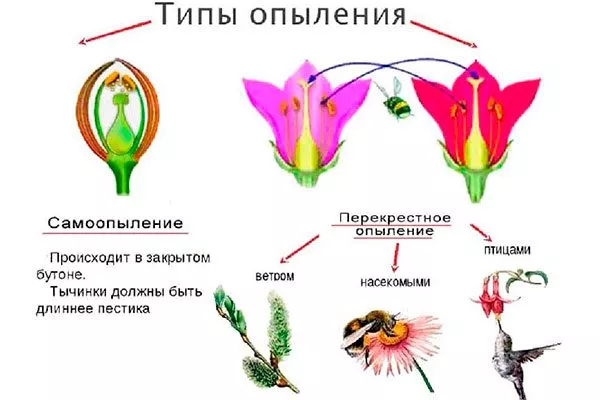
Flowering timing plays a key role. Different species can bloom at different times, so when selecting pollinators, it's important to choose those that bloom simultaneously or within a minimum of 5-7 days of each other—this ensures cross-pollination at the right time.
The main factors influencing pollination:
- Air temperature. When the temperature drops below +10°C, insects become inactive.
- Humidity. Rain can wash away pollen and interfere with its transfer.
- Wind. It can either promote or hinder the movement of pollen.
Artificial pollination methods
If pollinating insects are scarce in the garden, supplementary options can help. The most accessible method is hand pollination, which is accomplished using simple tools. Suitable tools include:
- soft brush made of natural bristles;

- cotton swabs;
- pollen gun.
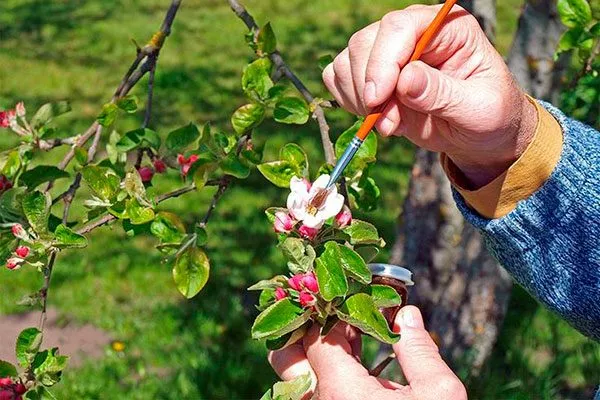
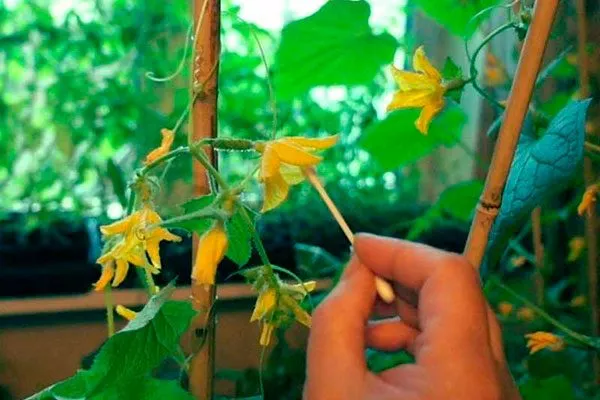
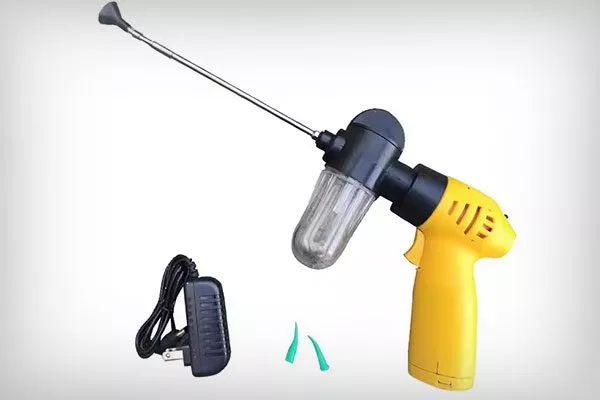
Pollination is best carried out in the morning, when flowers are most sensitive to pollen. The pollen should be carefully transferred from one tree to another, treating each flower. Particular attention should be paid to the central bud of the inflorescence, as this is where the fruit most often develops.
Selecting optimal pollinators
Choosing the right pollinators is the key to consistent and abundant fruiting. For plums, it's especially important to select varieties with similar flowering times.
There are 12 known species of plum and over a hundred varieties, but the following are most widespread in Russia:
- Home. The most popular variety in Europe and central Russia. It includes the varieties "Vengerka Moskovskaya," "Skorospelka Krasnaya," "Renklod Kharitonova," and "Siny Dar." These trees produce large, juicy fruits with easily separated pits.
- Chinese. It is less frost-resistant than Domashnyaya, but some varieties, such as Skoroplodnaya and Krasny Shar, are successfully grown in the Moscow region.
- Ussuri. It is distinguished by its high winter hardiness. It is represented by the Altayskaya Yubileinaya and Zheltaya Khopty varieties. The fruits are characterized by a bright aroma with hints of apricot. It is cultivated even in the harsh conditions of Siberia and the Urals.
- Russian. A hybrid obtained by crossing Chinese plum with cherry plum. Popular varieties include: Zlato Skifov, Cleopatra, Puteshestvennitsa, and Nesmeyana.
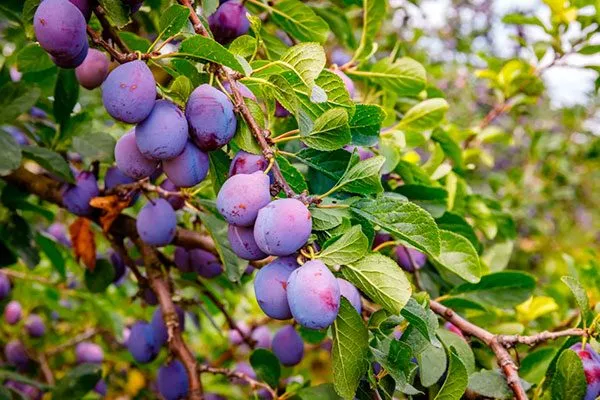
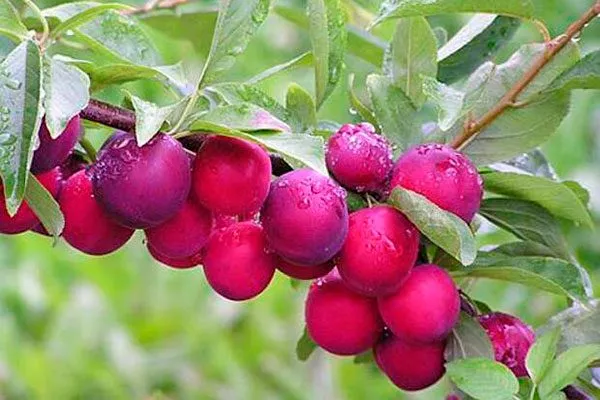
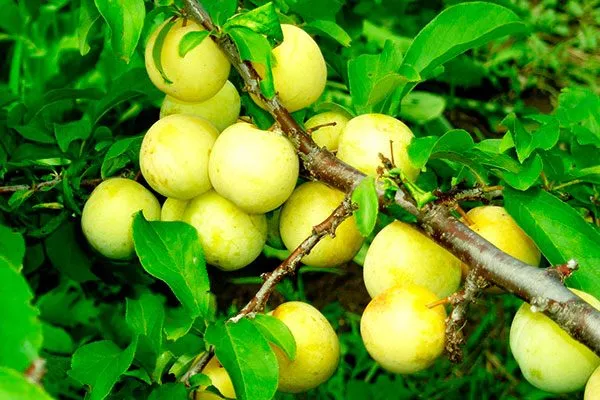
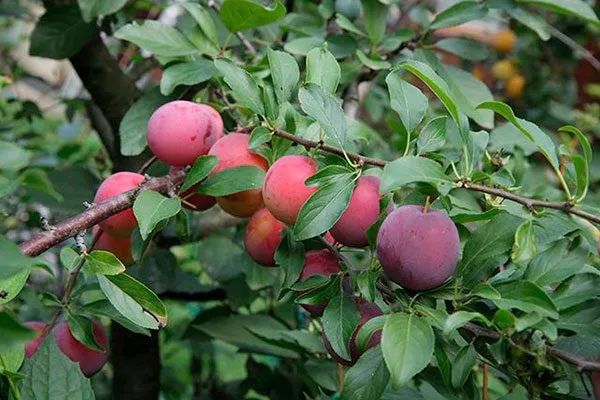
Also in some regions, blackthorn, damson, and cherry plum are grown – these plants have numerous characteristics and can serve as pollinators only if they match in species and chromosome set.
Pollination is only possible between species with the same number of chromosomes. For example:
- domestic plum is compatible with blackthorn;
- cherry plum can be pollinated with Chinese, Ussuri, Canadian and Russian plum;
- Russian plum is pollinated by Chinese, Canadian and cherry plum;
- Blackthorn is pollinated only by varieties of its own species.
How many varieties are needed for pollination?
To improve fruit and berry set, it's recommended to plant several varieties of the same crop. Two trees of different species are sufficient for a consistent harvest, but the greater the variety diversity, the greater the chance of good pollination and abundant fruiting.
Other features:
- Effective cross-pollination is only possible if the flowering times of the varieties coincide. Since precise data on flowering times for various varieties is often unavailable, the selection of seedlings must be guided by the fruit ripening date.
- As a rule, varieties with similar ripening times bloom at roughly the same time. Early-ripening varieties begin flowering, then mid-season varieties, and late-ripening varieties are the last to bloom.
- Mid-season plants are considered universal pollinators because their flowering phase partially overlaps with early and late-season varieties. Therefore, when selecting pairs, combinations of early + mid-season, late + mid-season, and any combination within the same ripening period are advisable.
At what distance should seedlings be placed?
Honeybees can fly 2-3 km in search of flowering plants. However, the closer the hives are to fruit trees and shrubs, the higher the pollination efficiency: the insects spend less time flying, which means they bring back more nectar and pollen.
Bees carry pollen on their legs as they fly from flower to flower. For best results, plant trees of the same species in groups rather than mixed together. If plum trees are mixed with other fruit trees, some of the bees' efforts will be wasted—the pollen from one species will not fertilize the flowers of another.
The best plum pollinators: choosing the right varieties
It's recommended to choose regionalized varieties and combine plants with similar flowering times. Below are popular plum varieties and their suitable pollinators:
| Variety | Description | Suitable pollinators |
| Bolkhovchanka | A productive variety with burgundy-brown, sweet-and-sour fruits. It blooms in early May and bears fruit from late summer. The tree grows up to 2 m tall.
| Record, Kolkhoz Renklod. |
| Blue Sweet | Purple fruits up to 70 g, sweet and juicy. Harvest begins in early August. Winter-hardy and disease-resistant.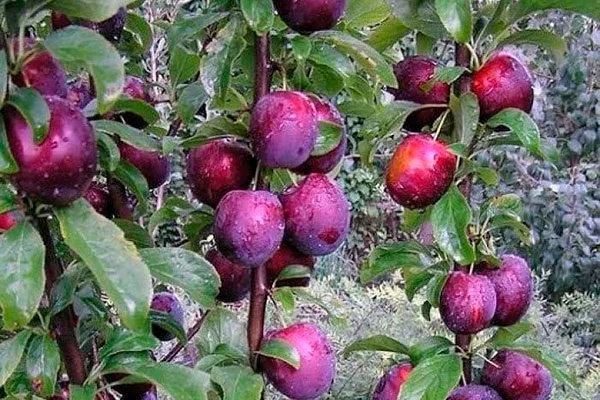 | Stanley, Blufrey. |
| Volat | A Belarusian variety with large dessert fruits. Partially self-fertile, it bears fruit in September.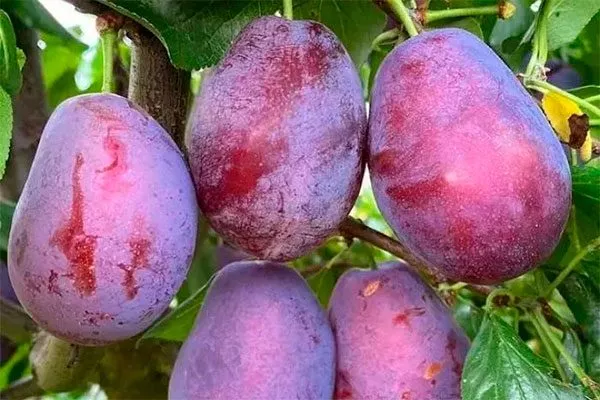 | Hungarian Belarusian, Favorito del Sultano. |
| Eurasia 21 | Mid-early variety, fruits up to 30 g, suitable for juice and fresh consumption.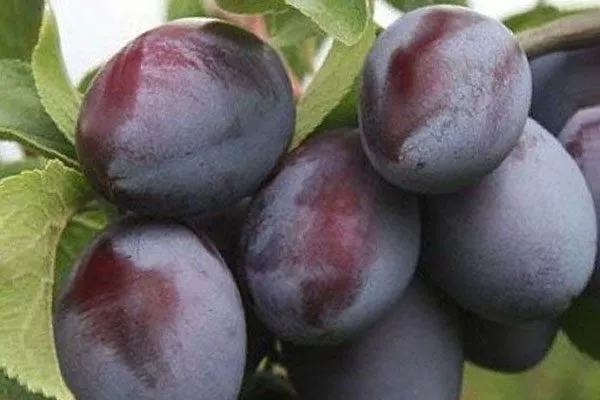 | Record, Mayak, Harvest Greengage, Kolkhoz Greengage. |
| Volga beauty | A processing plum with a sweet and sour flavor and average durability. Blooms in the second ten days of May.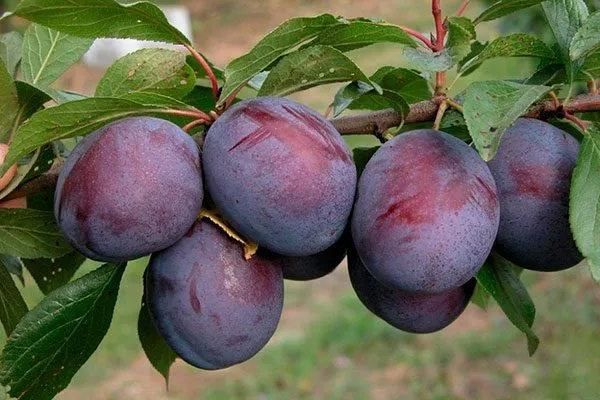 | Early ripening red, Kuibyshevskaya blackthorn, Mirnaya, Zhiguli. |
| Imperial | A columnar tree with honey-colored fruits. It blooms in early May and produces fruit by mid-August.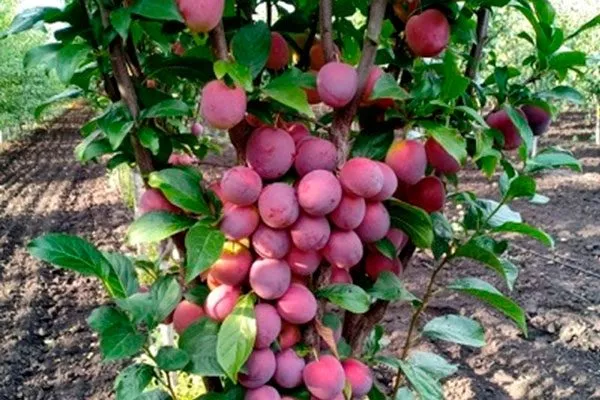 | Stanley, Blufrey. |
| Hollywood | A variety with brightly sweet fruits, the tree height is up to 5 m. It bears fruit in the second half of August.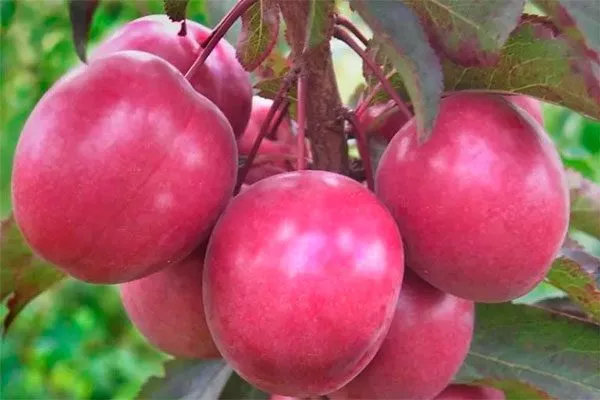 | Greengage collective farm, Mirnaya. |
| Amers | A partially self-fertile variety, plums with apricot flesh ripen in September.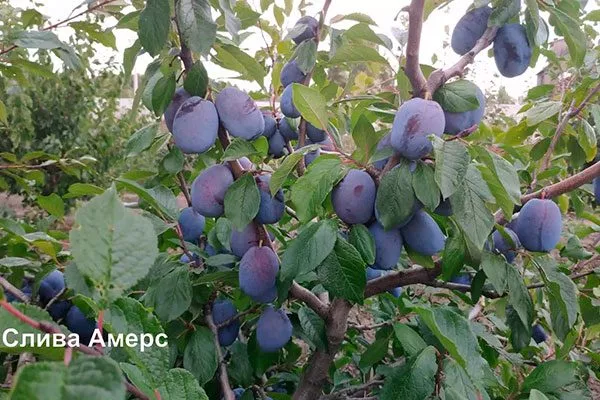 | Nybolia, Stanley, Empress, Bluefree. |
| Bluefree | A productive variety with large, aromatic fruits. Partially self-fertile, it bears fruit in September.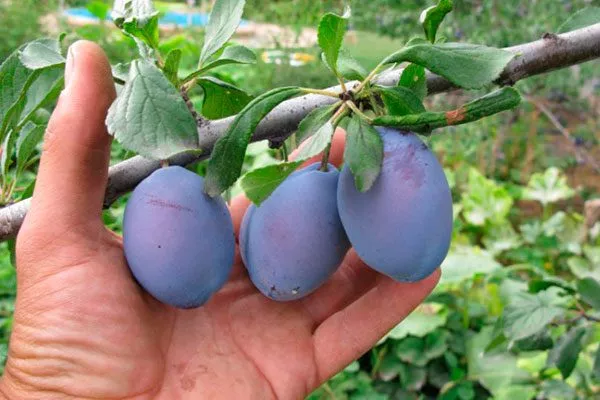 | Stanley, Opal, Anna Shpet, Amers, Rush, Verita, Empress, President. |
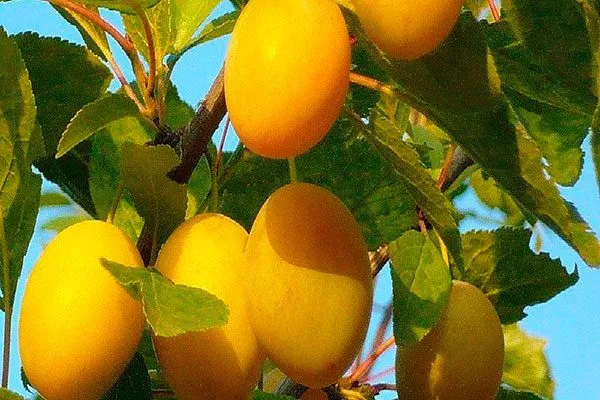
| Golden Drop | Sweet yellow plums, suitable for long-term storage. Average winter hardiness. Flowering in May, harvest in August.
| Kirk, Victoria, Anna Shpet, Renclode de Beauvais, Renclode Altana, Renclode green. |
Problems and solutions in the pollination process
Gardeners often encounter situations that interfere with successful plum pollination. The main ones are:
- low activity of pollinating insects;
- unfavorable weather conditions during the flowering period;
- incorrectly selected pollinator varieties;
- the pollinator variety is planted too far from the main tree;
- the pollinator suffered from frost, and its flower buds froze;
- the tree is sick (for example, with fungal infections);
- flowers are deprived of the scent that is attractive to bees due to external factors;
- the insects died after the area was treated with chemicals;
- During flowering, rainy weather set in and the pollen was washed away.
Ways to solve problems:
- To attract bees and other beneficial insects, create a suitable environment: place hives nearby, plant honey plants, and avoid using harsh insecticides during flowering periods.
- During prolonged rains or cold weather, temporary shelters such as nets, greenhouses, or even hothouse structures will help. Regularly monitor the condition of the trees and adjust the approach as necessary.
- Agronomists emphasize that to ensure a stable and abundant harvest, it's essential to carefully select varieties in advance. It's especially important to know which varieties are suitable pollinators. If natural pollination is weak, manual pollination should be used—using a brush, cotton swab, or spray bottle.
Carry out the procedure in the morning, in dry weather, during the period of mass flowering, when the stigma of the pistil is most receptive.
How to improve plum pollination?
To increase pollination of fruit trees, it's important to attract as many bees to the garden as possible. To do this, place bait near the plant—containers filled with syrup made from 1 kg of sugar and 1 liter of water, with a few flowers of the plant you want to pollinate added.
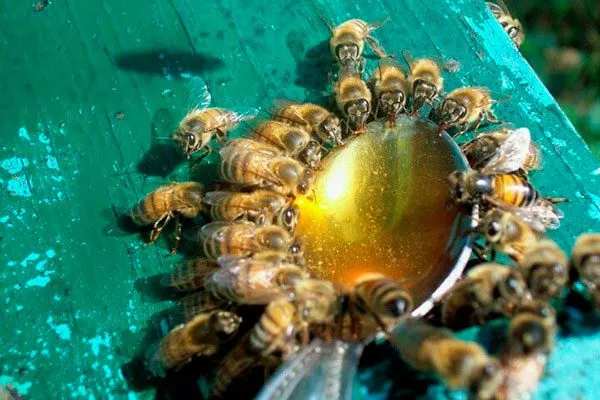 Insects can also be attracted by spraying trees with a solution of 1 tablespoon of sugar or honey per 1 liter of water. During flowering, avoid treating plants with insecticides and painting fences to avoid scaring off bees, wasps, and other "workaholics."
Proper selection of pollinator varieties is the key to a stable and abundant plum harvest. By considering flowering times, varietal compatibility, and creating favorable conditions for pollinating insects, the effectiveness of the process can be significantly improved. By combining natural and artificial pollination methods, you can ensure a healthy and fruitful orchard for many years to come.