
Combating scab requires a systematic approach: from regular garden inspections to fungicide treatments and effective preventative measures. The sooner you notice the symptoms and take action, the better your chances of preserving your harvest and the health of your trees. By following simple recommendations and maintaining proper agricultural practices, you can protect your crops and put the problem behind you for good.
What is plum scab and what does it look like?
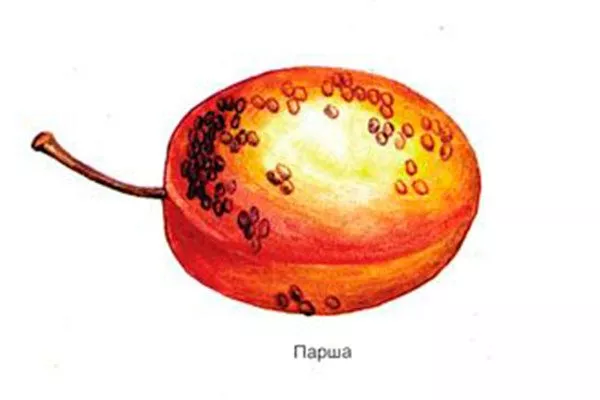
Each plant has its own specific pathogens. Plum scab is caused by completely different fungi than potato scab. Despite this, symptoms can be similar across different crops:
- peeling of fruit skin;
- formation of ulcers, pustules and wart-like formations on leaves, shoots, flowers and berries.
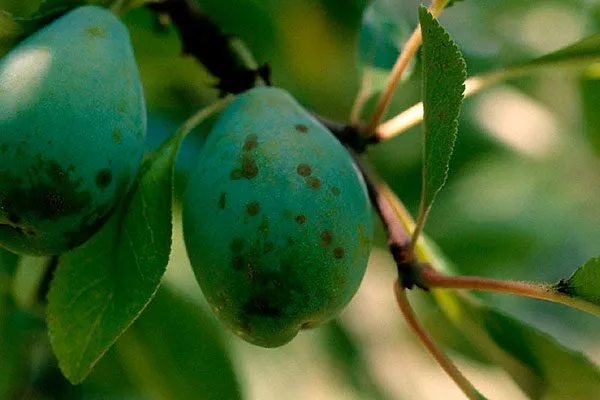
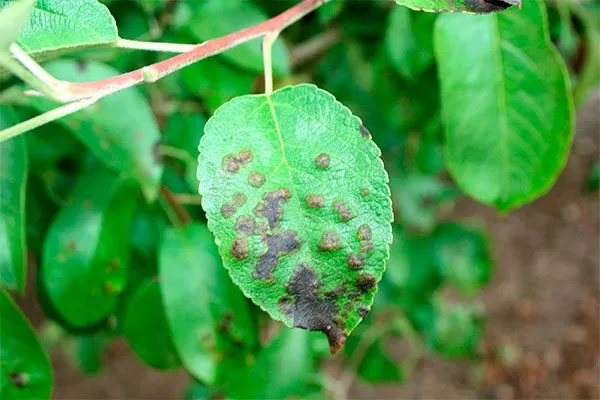
Plums often suffer from pests and diseases that require timely protection. Scab deforms the fruit, making it unsuitable for storage—rot pathogens easily penetrate the cracks caused by the disease. Round, olive-colored spots with a velvety coating appear on the leaves—a characteristic sign of the disease.
Why do plums become infected?
The main cause of scab infection in crops is the introduction of fungal spores into the field. If wind is uncontrollable, limiting the introduction of spores by insects and birds is quite possible. To do this:
- use insecticidal sprays;
- hang up pheromone traps;
- Install bird scarers - flags, tin cans, scarecrows.
If infection does occur, unfavorable weather conditions can activate the spores:
- decreased plant immunity due to temperature fluctuations;
- mild winter;
- high soil and air humidity;
- heavy dew;
- fogs;
- frequent precipitation.
Regular preventative treatments and the application of balanced fertilizers help prevent the development of the disease.
Other reasons for scab activation are related to improper care:
- excessively tight fit;
- sodding between rows, which facilitates the transfer of spores between plants;
- growing trees of one species or variety on a plot;
- the predisposition of a particular variety to a disease;
- dense crowns, poorly ventilated and illuminated.
The danger of scab
Scab poses a serious threat to fruit crops. It causes the following problems:
- crop yields drop sharply;
- immunity weakens and winter hardiness decreases;
- If left untreated, the infection spreads and can destroy the entire plant.
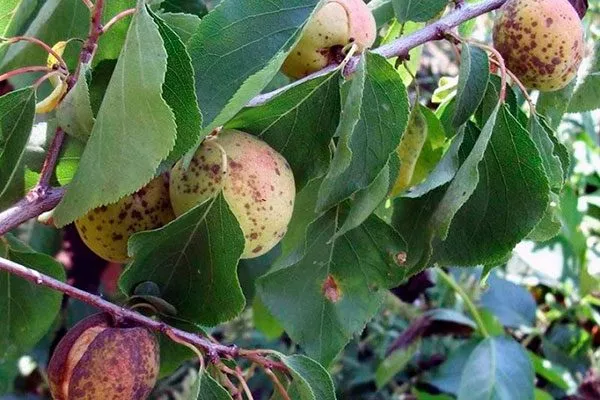
The disease is dangerous not only for an individual tree but for the entire garden. Even if a plot grows different types and varieties of fruit trees, an infected plant—for example, an apple tree—can become a source of new problems.
Why the disease poses a threat:
- Scab is not transmitted directly to pear or apricot trees, but due to the weakened immunity of the affected plant, other diseases and pests actively develop in the garden, which can then affect all crops.
- In addition to damaging plants, scab also poses a danger to humans. It has been scientifically proven that infected fruit can negatively impact health, primarily by weakening the immune system.
How and with what to treat plums?
Plum scab can be successfully managed if action is taken promptly. There are both preventative and curative methods for combating this disease. Gardeners' arsenal includes agricultural practices, biological products, folk remedies, and chemical fungicides. The key is a systematic approach and regular garden maintenance.
With special preparations
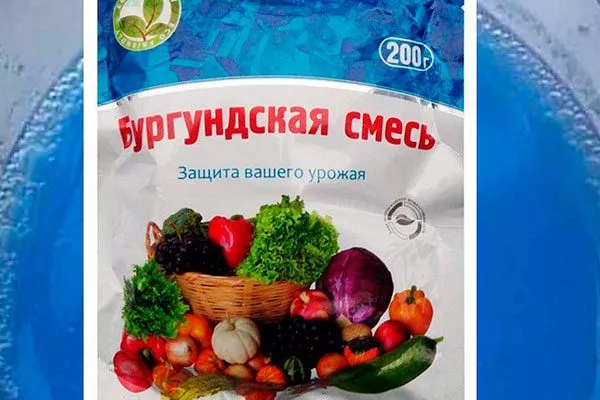
There are many affordable and effective treatments for plum scab. The most well-known and easy-to-use remain copper sulfate and Bordeaux mixture – they were once considered a universal remedy for fungal diseases at any time of year.
During the active growing season, it's best to use modern products specifically designed to combat scab. The main ones are:
| Preparation | Description and application |
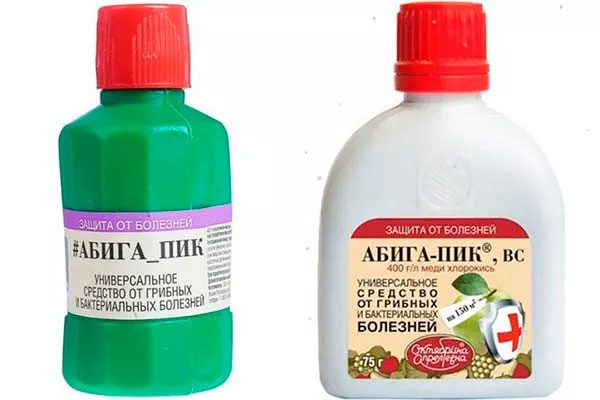
| Abiga Peak
| Contains copper oxychloride. Effective even in cool weather. Can be used throughout the season, but no more than 4 times. Effective for up to 15 days. Dilute at a concentration of 5 ml per 1 liter of water. |
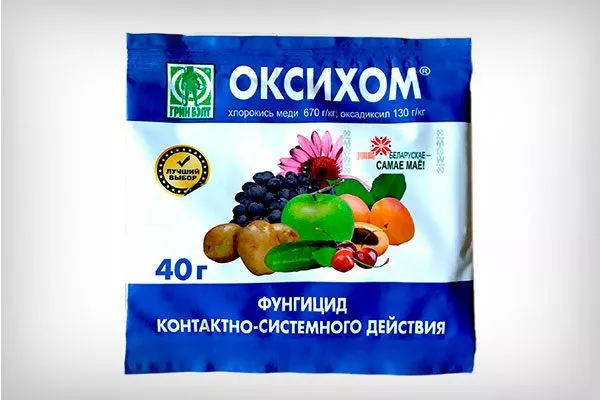
| Oxychom
| A combination product based on oxadixil and copper oxychloride. Use throughout the season—it lasts for approximately 15 days. Apply 3 times. Dose: 20 g per 10 liters of water. |
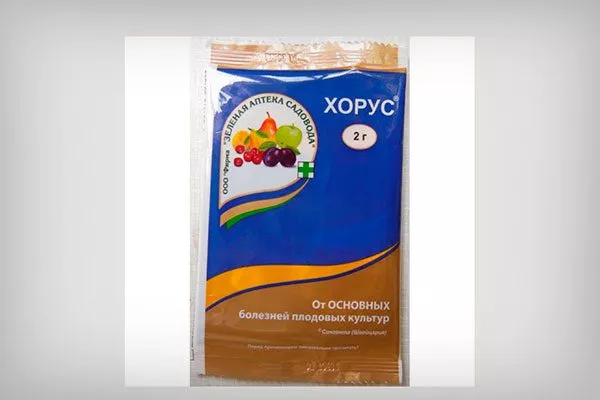
| Horus
| Effective during the "green cone" phase—before flowering. Application rate: 2-3 g per 10 liters of water. Effectiveness lasts 7-10 days. Spray twice. |
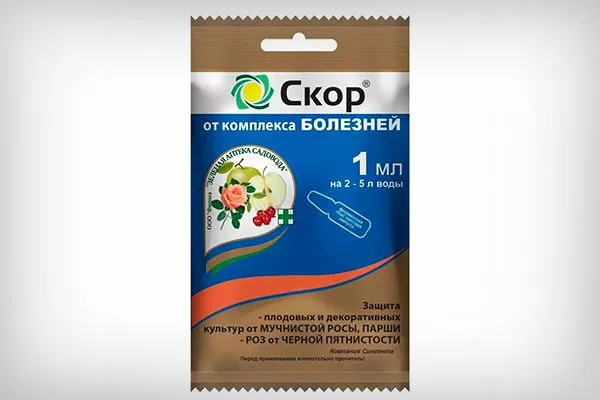
| Skor
| Use during the ovary formation phase. Effective for up to 10 days. Optimal results are achieved after 2-3 treatments. |
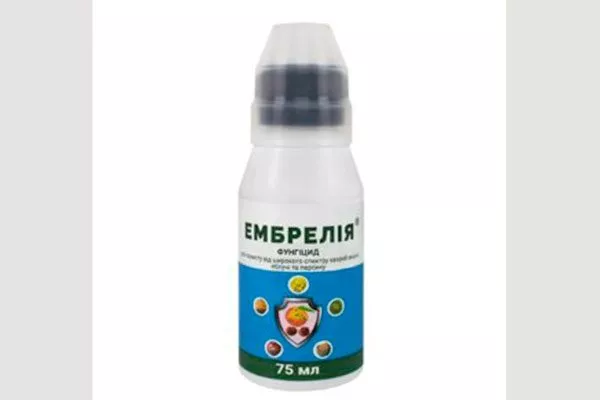
| Embreliya
| Suitable for application during the flowering period and before harvest. The interval between applications is 7-10 days. Three applications are usually sufficient. |
Biopreparations
Organic farming advocates prefer bio-products—products that are safe for humans, animals, and the environment. They are based on natural microorganisms:
- hay bacillus;
- trichoderma;
- beneficial bacteria.
Most of them are compatible with each other, and working solutions should be prepared immediately before use.
Below are some popular biological agents used against scab:
| Name | Description and use |
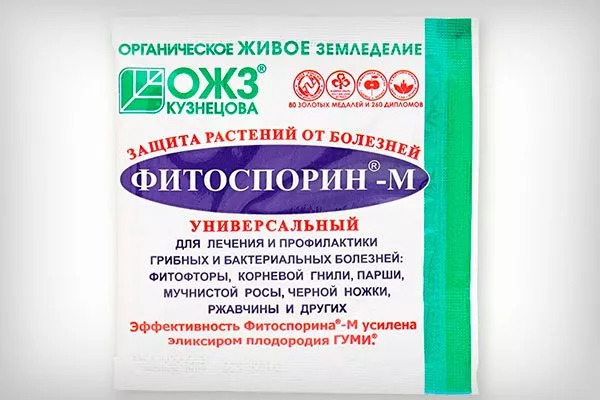
| Fitosporin-M
| A product based on the bacterium Bacillus subtilis (hay bacillus). It is suitable for regular treatments at intervals of 7-14 days. The number of treatments is unlimited, but the last one should be no later than 3 weeks before harvest. Four to five sprays are usually sufficient. |
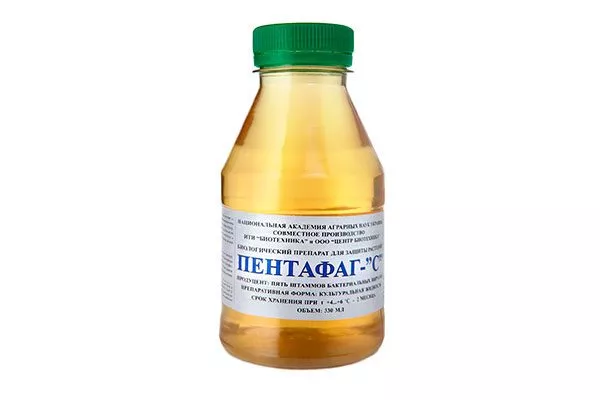
| Pentafag
| Effective in the early stages of the disease and as a preventative measure. Apply every 2-3 weeks, especially before flowering. Reduces scab development by up to 50%. |
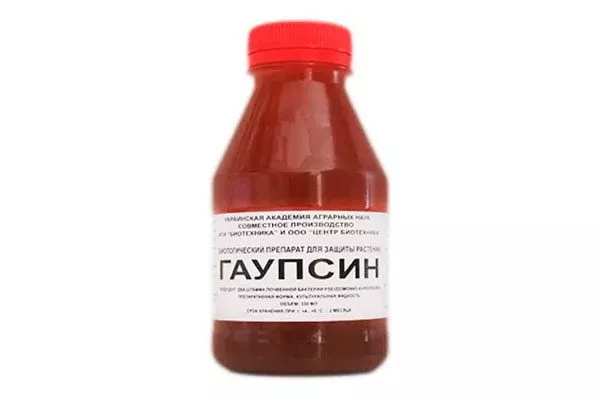
| Gaupsin
| A broad-spectrum biofungicide. It suppresses pathogens while simultaneously protecting against pests. Often used in combination with other products. |
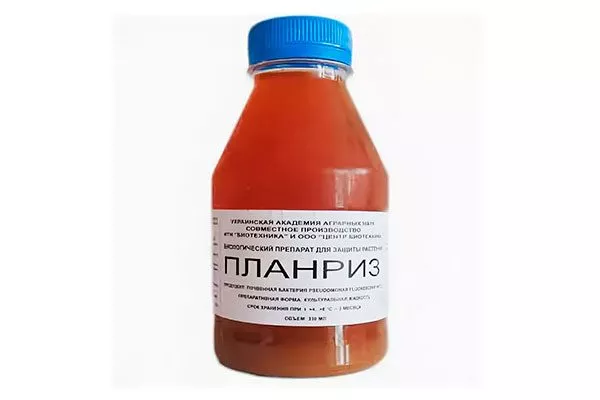
| Planriz
| Based on Pseudomonas bacteria, it's suitable for protection against fungal infections and insects. |
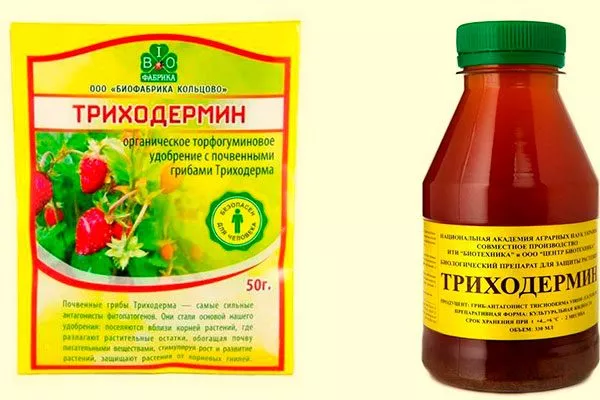
| Trichodermin
| Contains Trichoderma fungus, which has a natural ability to suppress the growth of many pathogens. When combined with Planriz, it provides a pronounced synergistic effect. |
Biopreparations are especially relevant during the period of active fruit growth and 3-4 weeks before harvest, when the use of chemicals is undesirable.
Folk remedies
Among home remedies for plum scab, simple and affordable solutions made from readily available ingredients are particularly popular. Although mild, they produce good results with regular use:
- Mustard solution. Dissolve 40 g of dry mustard in warm water, then bring the volume up to 5 liters. Apply the freshly prepared mixture not only to the crown but also to the surrounding tree trunks.
- Potassium permanganate (potassium permanganate). Add 10 grams of powder to 20 liters of water. Repeat this process three times per season, including during fruit ripening. Spray the solution generously on the branches, foliage, and root zone. Brown spots may appear on the bark after application; this is normal and safe.
- Infusion of field horsetail. Pour water over fresh grass (approximately 3 kg), cover, and let steep in the shade for 3 days. Then strain the liquid and apply it to the trees from root to tip.
- Saline solution. In the spring, before bud break, treat the trees with a solution of 1 kg of table salt per 10 liters of water. This will delay the onset of vegetation but will reliably protect the plants from scab in the early stages.
Such products are especially useful in organic gardening, where the use of chemicals is undesirable.
Stages of treatment with scab control agents
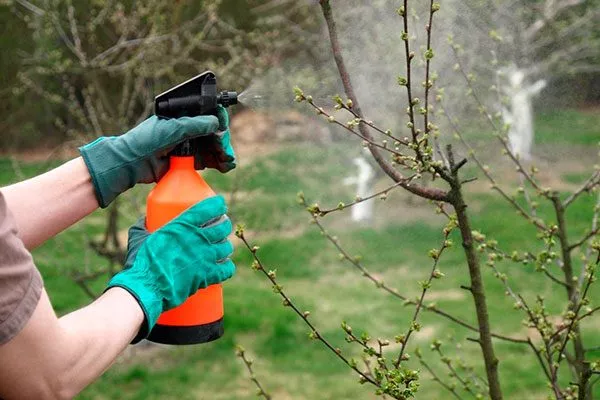
If scab is noticed in the spring, apply fungicides according to the tree's growth phases. Spray the tree during the following periods:
- in the “green cone” phase (the beginning of bud opening);
- during the "pink bud" period (before flowering);
- immediately after the petals fall.
In summer, continue the procedure at intervals of 2-3 weeks, especially if warm and humid weather persists – ideal conditions for the development of fungus.
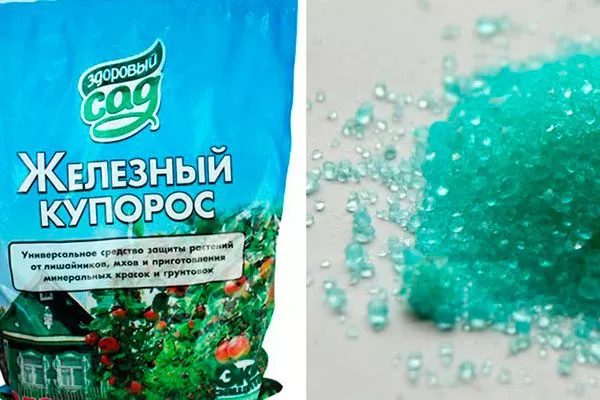
In autumn, carry out the procedure using the following means:
- ferrous sulfate (5-7% solution);

- Burgundy mixture (copper sulfate + soda ash);
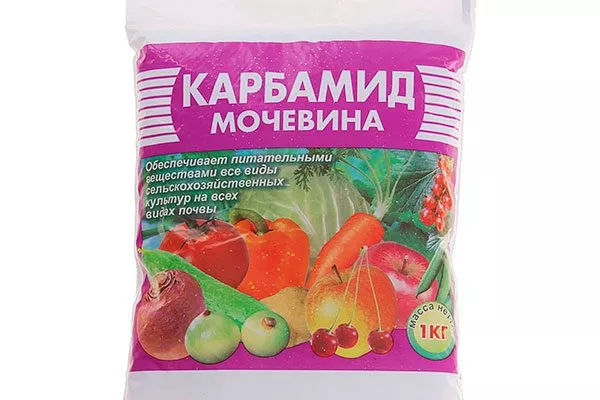
- urea.
How to prevent illness in the future?
To prevent scab from infecting your garden in subsequent years, it's important not only to promptly treat already infected plants but also to take preventative measures. Proper care, sanitation, and selection of resistant varieties will help reduce the risk of recurrence.
Calendar of preventive measures to combat scab
This disease can seriously reduce plum yields and weaken the tree so much that it won't survive even a mild winter. To prevent this, implement timely agricultural measures throughout the season:
- Early spring (before bud break). Remove and burn all damaged branches. Seal cuts and frost cracks with garden pitch. Spray with a 3% solution of Nitrofen (60% paste).
- Flowering period. Chemical treatments are prohibited during this time. To support immunity, use a honey solution (30 g per 10 liters of water) with the addition of micronutrient fertilizers (20 g or 1 tablet per 10 liters).
- After flowering, before the fruits begin to ripen. Treat with fungicides: use a 0.5% solution of copper oxychloride, 0.2% chlorophos or 0.4% copper sulfate.
- During the ripening period. Remove and destroy infected fruit. To repel birds, hang bright flags, tin cans, or other reflective items.
- After harvesting. Inspect the trees and remove any damaged or diseased branches. Treat any wounds. Spray with a solution of ash, garlic, mustard, one tablet of micronutrient fertilizer, and 50 g of mineral fertilizer per 10 liters of water.
- Autumn-winter period. Clear the area of fallen leaves and weeds, and dig around the tree trunks. Whitewash the trunks and treat sunburned areas.
- Late autumn. Whitewash the tree trunks again and wrap them with spruce branches, roofing felt, roofing felt or translucent film to protect them from frost and rodents.
Other requirements and rules
Treating scabies is a lengthy and unpredictable process: it's impossible to say exactly how effective a particular treatment is. Therefore, it's much more reliable to regularly implement preventative measures to minimize the risk of infection.
To do this you need to:
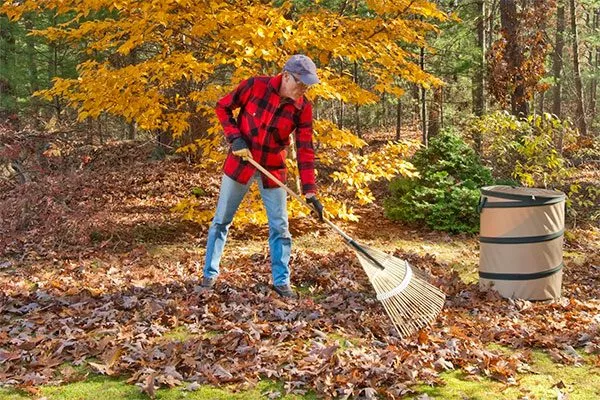
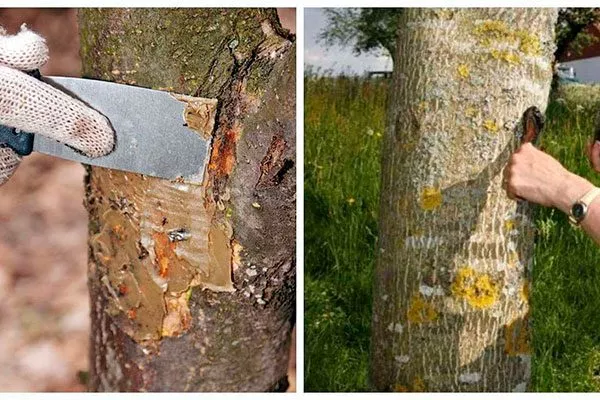
- systematically remove fallen leaves and fruits from under trees and shrubs;
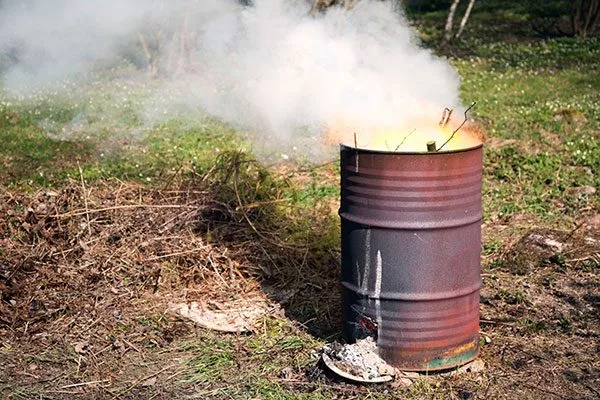
- remove and burn garden waste outside the site;
- remove rotten and blackened leaves, affected plums, clean the trunks;
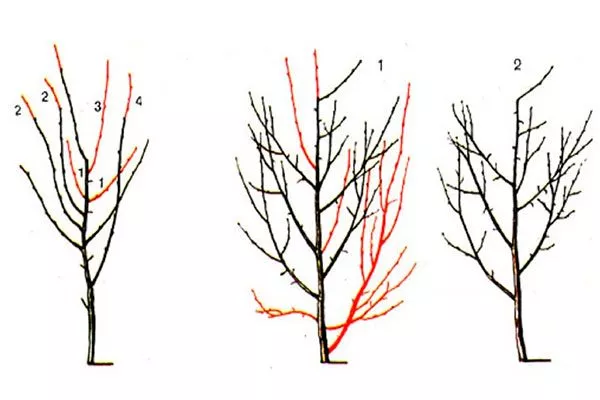
- carry out pruning to thin out the crown.
Additional protection against scab is provided by fertilizers that not only improve plant nutrition but also strengthen their immunity and suppress the growth of pathogenic microflora. The following fertilizers are recommended:
- compositions with potassium, silicon and phosphorus, for example Opty Sil or Solfan PK;
- 7% urea solution;
- 10% solution of nitroammophoska;
- 10% ammonium nitrate solution.
Scab is a dangerous fungal disease of plum trees. It attacks not only the leaves but also the fruit, significantly reducing yield and weakening the tree. Without prompt intervention, the disease can spread throughout the garden and even lead to the death of the plant. It is important to recognize scab in its early stages and begin effective treatment.