
The Opal plum is one of the most sought-after varieties, distinguished by its low maintenance, consistent yield, and excellent flavor. This cultivar is well-suited for both experienced and novice gardeners. It is distinguished by its high winter hardiness and resistance to common diseases. Timely care is essential.
History of selection
Swedish scientists worked on developing the variety. Two plum varieties—Renklod Ulena and Erli Favorite—were used in the selection process. In the mid-20th century, a frost-resistant subspecies was developed for cultivation in Northern Europe.
Introduction to the variety
Opal is a sought-after variety with many positive characteristics. It is grown in Russia and, despite its relatively recent introduction, continues to receive rave reviews from experienced gardeners.
The appearance of the tree
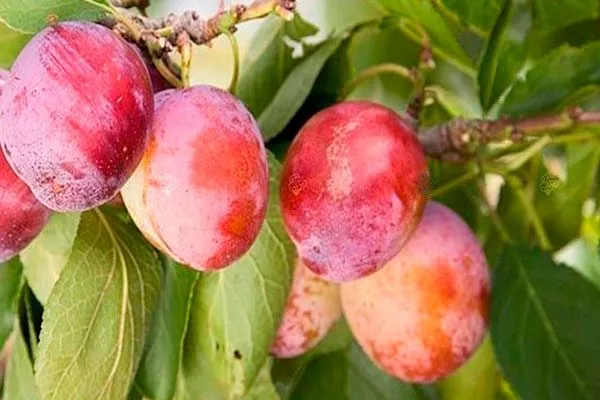
The plant is compact, reaching up to 3 meters in height. It has a dense crown of a rounded or spindle-shaped configuration, making it suitable for growing in small spaces. The shoots are covered with elongated emerald leaves.
Flowering begins early, in mid-April, and continues until early May. Fruit ovaries form on shoots from the previous year and on fruiting branches.
Fruits and their taste
Plums are small in size, their weight fluctuates between 20 and 25 g, while the maximum weight can reach 30-32 g. Distinguishing features:
- Round or round-oval in shape, with an initial yellow-green hue, which by the time of ripening becomes yellow with a violet-blue blush over almost the entire surface.
- The abdominal suture is visible, and the skin is thin and covered with a waxy coating, although it is difficult to remove.
- The unripe flesh is greenish-yellow, while the ripe fruit turns bright yellow. It is firm and very juicy, and the pit is small and easily separated.
- The fruits have a sweet taste with a slight sourness and a distinct plum aroma.
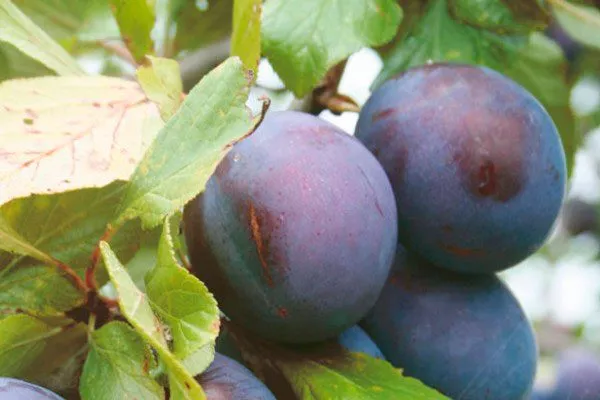
In excessively humid weather, they may crack during ripening. Early-ripening fruits transport well and have a short shelf life. They are used both fresh and for processing.
Beneficial properties
Contains vitamin C, a powerful antioxidant that helps strengthen the immune system and protect the body from the negative effects of free radicals. It helps improve metabolism and boost overall vitality.
Fruits are beneficial for the body:
- They are rich in fiber, essential for the proper functioning of the digestive system. It improves intestinal motility, prevents constipation, and helps normalize blood cholesterol levels.
- Potassium maintains healthy blood pressure and promotes cardiovascular health. This mineral strengthens muscles and helps prevent muscle cramps.
Opal contains flavonoids, which have anti-inflammatory properties that may reduce the risk of chronic diseases such as arthritis and asthma.
Characteristics
Before purchasing a plant, it's important to consider its key characteristics. The plant has many good varietal characteristics.
Drought resistance, frost resistance
The variety is drought-resistant and can withstand temperatures down to -30°C. However, it requires regular watering, as there is a risk of reduced yield due to lack of moisture.
Plum pollinators
Opal is a self-fertile species, so no pollinators are required to form ovaries.
This variety is a good neighbor for other plum varieties. Planting different plums that bloom at the same time in a plot will significantly increase productivity.
Productivity, ripening time and fruiting
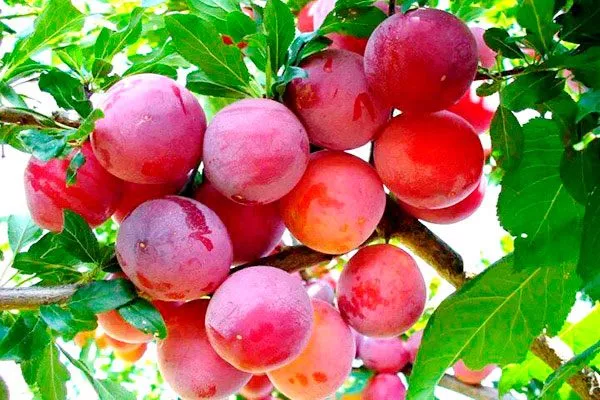
This variety begins bearing fruit 3-4 years after planting. It produces fruit regularly, with the harvest continuing year after year, without any periodicity. It is one of the earliest varieties. The fruit begins to ripen in mid-July, depending on the region, sometimes extending to the end of the month.
Application of plums
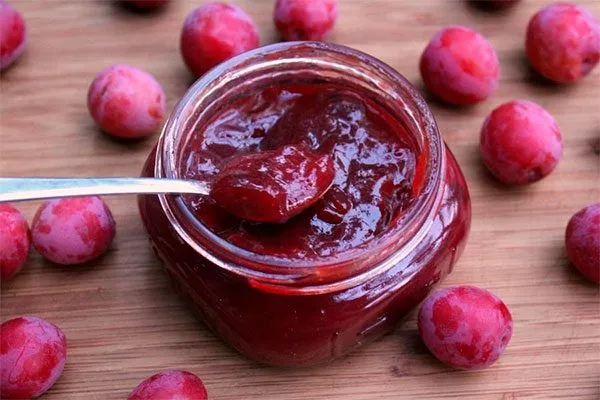
The fruit is used to make desserts and fillings for baked goods. Plums are used in homemade preserves, such as jams, preserves, and compotes.
Resistance to diseases and pests
This variety is characterized by good immunity, but is susceptible to insect attacks and fungal diseases. With regular preventative maintenance, the plum rarely gets sick and shows good results.
Landing features
Growing the Opal plum is straightforward, making it easy even for a beginner. It's important to follow certain guidelines and recommendations.
Recommended timeframes
In temperate climates, plant the seedling in the fall, after the leaves have fallen, to allow it to establish itself before frost. In colder climates, postpone planting until spring. Continue planting before the buds open.
- ✓ The optimal soil pH for Opal plum should be between 6.0 and 7.0. Any deviations require adjustment.
- ✓ The distance between trees when planting should be at least 4 meters to ensure sufficient space for the root system to grow.
Selecting a site
The variety prefers well-lit locations protected from the wind. To protect the roots from excess moisture, the groundwater level should not exceed 1.5 meters.
The crop is undemanding regarding soil composition, but acidic soil can be detrimental. Maximum yield is achieved when grown in fertile, well-drained soil.
Avoid growing Opal near birch, poplar, and walnut trees. When planting near fruit trees, maintain a minimum distance of 4 meters. Planting berry crops between rows is acceptable. Some gardeners grow primroses nearby.
Selecting and preparing a seedling
To ensure successful establishment and healthy growth, choose plants that are 1-2 years old. Choose only reputable sellers. The trees should appear healthy. Inspect them and make sure there is no damage.
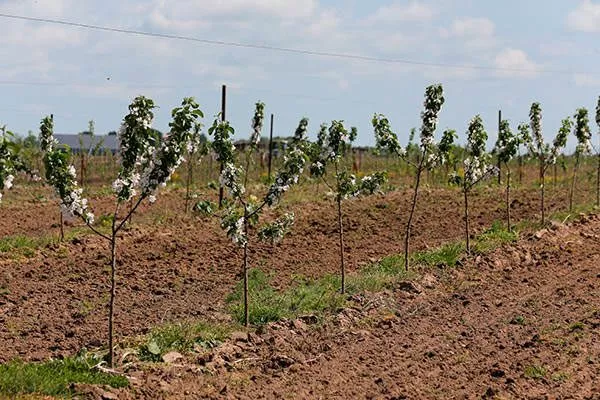
Place the roots in clean water for 3 hours. This will help hydrate them and improve rooting. Add a few drops of Kornerost rooting stimulator to the water to speed up the rooting process after planting, promoting faster rooting and development.
Planting sequence
Dig a hole 60 x 60 cm (24 x 24 in) and 70 cm (28 in) deep. Mix equal parts fertile soil, peat moss, and compost. This will provide the seedling with the necessary nutrients. If the soil is heavy and clayey, create a drainage layer by adding 10 cm (4 in) of crushed stone or expanded clay to the bottom of the hole to prevent water stagnation.
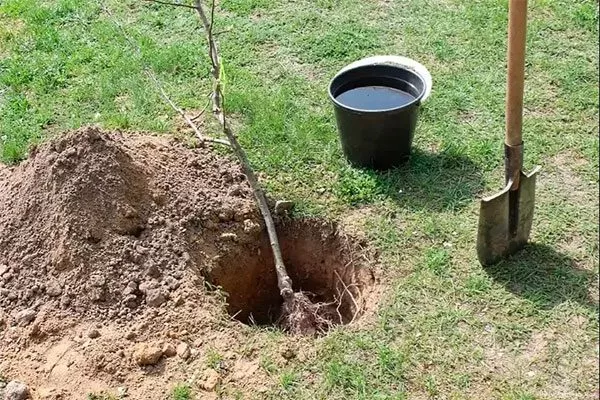
Step-by-step algorithm:
- Place half of the removed soil back into the hole and leave to settle for 2-3 weeks.
- Add the remaining soil and place the seedling on top. Carefully spread out the roots.
- Add soil and compact it thoroughly. The root collar should be 2-3 cm above the ground surface.
- Water the seedling thoroughly to ensure good root contact with the soil.
Mulch the tree trunk area with peat to retain moisture and suppress weed growth.
How to care for the plum tree further?
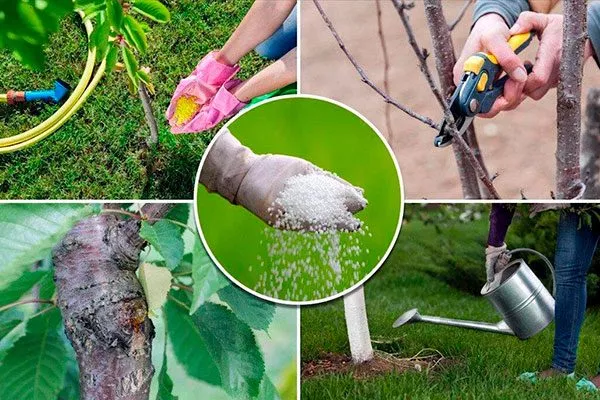
Opal requires minimal care, but yields depend on it. Follow standard agricultural practices:
- Watering. Provide adequate moisture, especially during dry periods. Avoid overwatering. Moderate and consistent watering will help maintain health and improve productivity.
- Trimming. Regular pruning helps create a beautiful and healthy crown. Perform this procedure every spring before the growing season begins, removing damaged and crossing branches.
- Fertilizer. For optimal growth and development, the plant requires fertilizing. Use both organic and mineral fertilizers, applying them in early spring and fall.
- Preparing for winter. In cold climates, protect the plant from frost by covering it with frost protection materials. Ensure the soil around the tree is covered with a layer of mulch to prevent dehydration.
Harvest the fruit when it has acquired a rich color and a pleasant aroma. When harvesting, carefully break off or cut the fruit to avoid damaging the tree and preventing its ability to bear fruit.
Methods of control and prevention of diseases and parasites
The plant has good immunity, but if not properly cared for, it can be susceptible to various problems. Potential difficulties:
- Clusterosporiasis. This is accompanied by brown spots on the leaves and ulcers on the fruit. Spray the plants with a copper oxychloride solution (30 g per 10 liters of water). As a preventative measure, prune excess shoots, dig up the soil around the tree trunk, and use fungicides.
- Fruit rot. Spots containing fungal spores are appearing on the fruit. Treat the tree with Bordeaux mixture.
- Garden aphid. The pest forms colonies on shoots, causing the leaves to curl and dry out. Apply a solution of Karbofos.
| Disease/Pest | Sustainability | Control measures |
|---|---|---|
| Clusterosporiasis | Average | Treatment with copper oxychloride |
| Fruit rot | Low | Treatment with Bordeaux mixture |
| Garden aphid | High | Application of Karbofos |
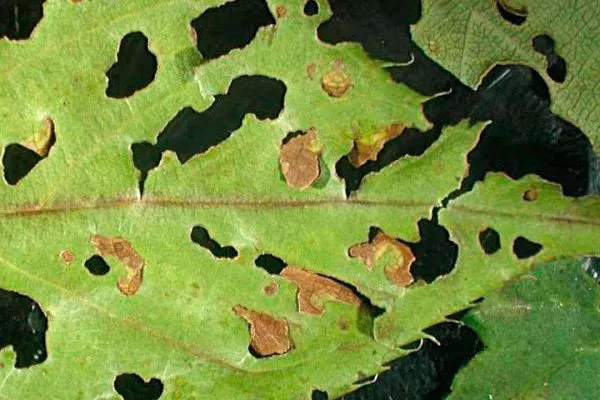
Regularly inspect the crop for signs of pests or diseases. Take preventative measures: remove fallen leaves and use Nitrofen.
Positive and negative qualities
Growing the crop isn't difficult, but it's important to first understand its advantages and disadvantages. Opal has many advantages:
Among the negative aspects, some gardeners note irregular fruiting, poor shelf life, deterioration in taste and a decrease in the flavor of fruits during abundant harvests, and cracking of the skin in high humidity.
Reviews
The Opal plum has been captivating Russian gardeners for years. It remains popular due to its excellent varietal characteristics. It is drought- and frost-resistant, has a strong immune system, and boasts high productivity. With proper care, it will reward you with generous harvests.