
The Nochka plum is a new table variety created by crossing a sour cherry and a sweet cherry. It produces sweet and delicious fruits with a wonderful cherry aroma and excellent characteristics. This variety is quite frost-hardy, making it suitable for cultivation in most regions of our country.
The history of the Nochka plum
The Nochka plum was developed by crossing the Nord Star cherry and the Valery cherry. This domestic plum was created by Russian plant breeders from the I.V. Michurin Federal State Budgetary Scientific University.
Description of the tree
The Nochka plum tree is medium-sized, reaching 2.8-3.5 m in height. Its crown is spherical, spreading and slightly elevated, with a medium density. The branches are dark gray, with smooth bark, and the shoots are straight, brownish-red, and glabrous, with a sparse number of lenticels.
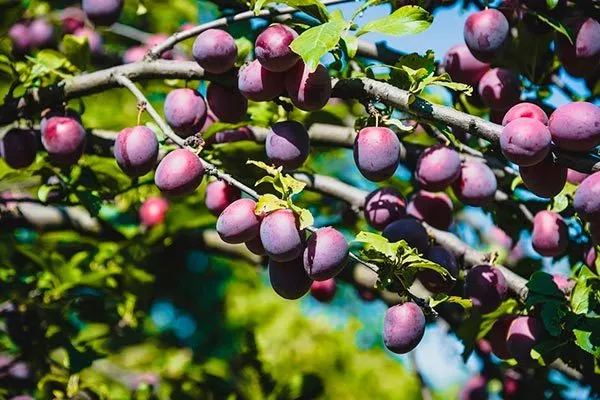
Description of fruits
The fruits are broadly round, with a rough skin. The base color is green, with a dark purple covering. The surface is smooth and has a thick waxy coating. The flesh is juicy, amber-colored, and has a subtle cherry aroma. The pit is medium-sized. Fruit weight is 30-35 g.
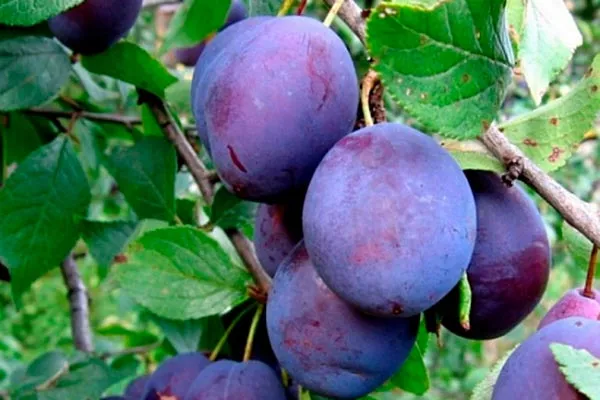
Taste and purpose of fruits
The Nochka variety is a table variety and is ideal for fresh consumption and for making preserves. The fruit contains 16% dry matter, 10% sugar, and 2.5% acid. They are also rich in vitamin C and pectin. The flavor is very good. The tasting score is 4.5.
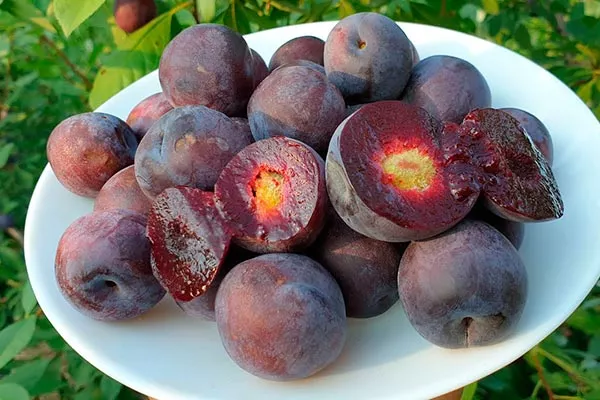
Characteristics
The Nochka plum is a mid-season variety, blooming in late May or early June. The fruits ripen in late July and early August. This variety boasts a moderate yield—approximately 88 centners per hectare. It is self-sterile and requires pollinators, the best of which are considered to be Etude, Utro, Siny Dar, and Renklod Sovetsky.
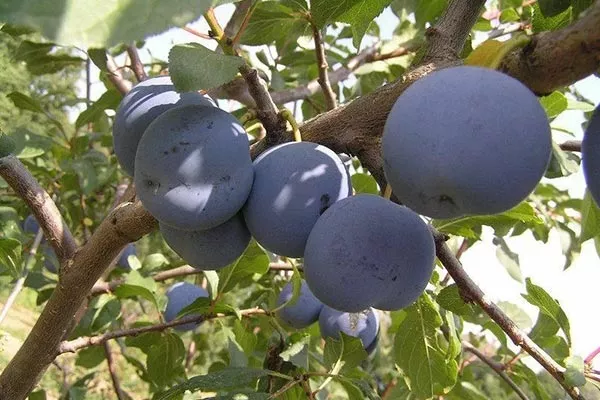
Pros and cons
The Nochka plum has many advantages, making it quite popular among successful and amateur gardeners. But before planting this cherry-sweet cherry hybrid in your garden, it's worth taking a closer look at all its benefits.
No particular disadvantages have been found in the Nochka plum, except for the need for pollinators and poor transportability.
Landing features
In the south, plums are planted in the fall or in the last ten days of March. In the Urals and Siberia, gardeners begin planting in May, and in other regions, in late April. Fall planting is carried out a month to a month and a half before the onset of frost.
- ✓ The depth of groundwater must be at least 1.5 meters from the surface.
- ✓ The optimal soil pH for the Nochka plum is 6.0-7.0. If necessary, apply lime 6 months before planting.
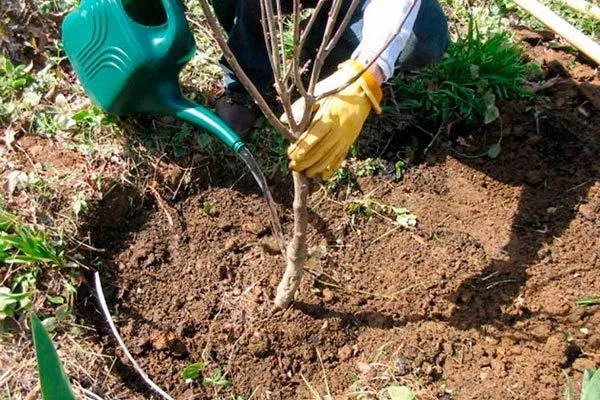
Features of planting plum Nochka:
- The site should be well-lit. Ideal soils are slightly acidic and fertile. There should be no gusty winds or drafts. The distance from other trees should be at least 4 meters, and from the apple tree, 6-8 meters.
- Unfavorable neighbors include pear, currant, walnut, and birch. Black elderberry is considered a good neighbor.
- One- to two-year-old seedlings are usually purchased in the fall and planted in the spring. During storage, the seedlings are buried in trenches 60 cm deep.
- The hole is dug 60 cm deep three weeks before planting. Fill the hole with a mixture of fertile soil, humus, and mineral fertilizer.
Plum tree care
To ensure a good harvest year after year, the Nochka plum requires some care. There's nothing special or difficult about it, so any novice gardener can handle growing this variety.
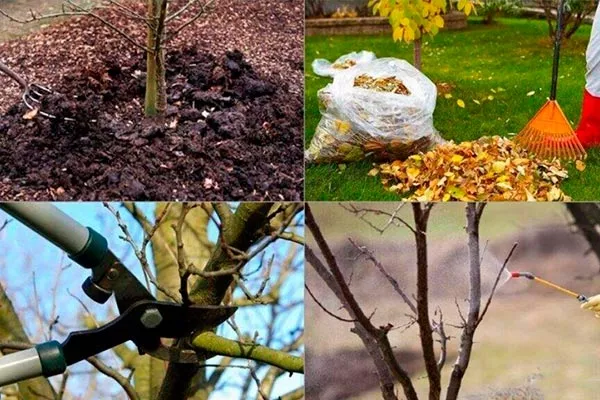
How to care for the Nochka plum:
- The tree's trunk area is regularly loosened and weeded. Root suckers are removed at least 4-5 times during the growing season. After two years of growth, herbicides can be applied, but be careful not to let them come into contact with the trunk or leaves.
- Young seedlings are initially watered once a week until autumn. Mature trees are watered as needed. After watering, the area around the trunk is mulched with straw, peat, or sawdust. Using mulch eliminates the need for herbicides.
- Two years after planting, trees begin fertilizing; until then, the nutrients placed in the planting holes are sufficient. Both organic and mineral fertilizers are used for fertilizing. For example, plums benefit from urea and carbamide, nitrophoska, superphosphate, and potassium sulfate.
Diseases and pests
The Nochka plum is resistant to moniliosis and is only slightly affected by clasterosporium. In adverse weather, poor agricultural practices, and other adverse factors, the tree can be susceptible to fungal and bacterial infections.
In particular, plums are at risk of fruit rot, rust, and brown spot. Among pests, the most dangerous are aphids, hawthorn moths, and plum fruit moths. Standard preventative measures, such as cleaning the trunk area, whitewashing the trunks, and spraying, can help reduce the risk of disease and pest infestations.
How to harvest?
Plums are best picked when they develop a waxy coating and reach the size and color appropriate for the variety. The fruits are best harvested when they are technically ripe. When picking from the branches, it's important not to squeeze the fruit or rub off the coating.
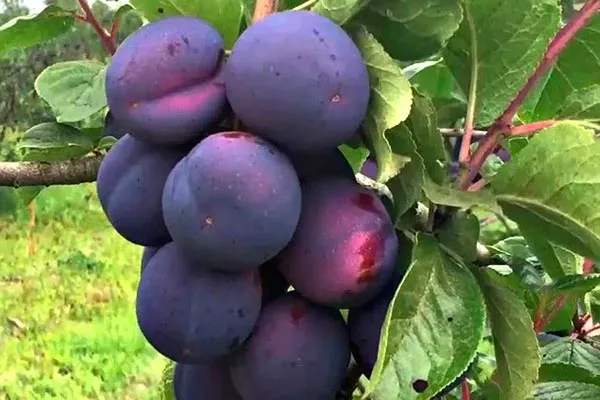
Harvesting is recommended in dry weather, in the morning or evening, away from the scorching sun. If the weather is damp, the fruit should be dried in the shade before storage. Fruit with spots or worms should be processed and not stored.
Reviews
The Nochka plum is a very interesting and promising variety, successfully combining all the most valuable qualities of fruit trees. This hybrid is productive, tasty, and easy to grow, an excellent choice for any cottage or garden plot.