
The Nizhegorodskaya plum deservedly holds its place in the gardens of many summer residents and farmers. Its juicy and sweet fruits not only delight with their delicious taste but also provide significant health benefits. A variety of propagation methods, high yields, and ease of care make this variety particularly attractive for cultivation.
Introduction to the variety
This variety was approved for use in 2008 and is suitable for all purposes. It can withstand temperatures down to -35°C without serious damage. It begins bearing fruit in the fourth to fifth year after planting, and the fruits ripen in late August. With proper care, gardeners harvest approximately 35-40 kg.
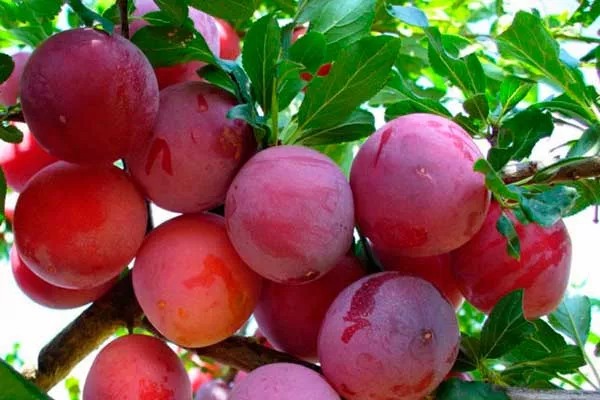
This variety is renowned for its excellent taste and is suitable for both fresh consumption and a variety of preserves. Growing it requires some effort, but the end result is worth it.
Description of fruits and tree
The plant reaches 3-4 m in height. It has a rounded crown, medium density, and slightly raised.
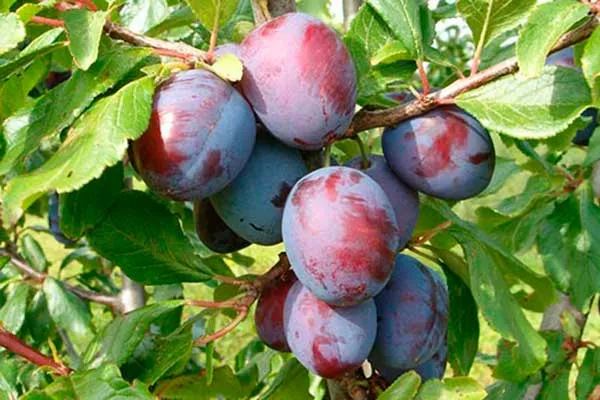
Distinguishing characteristics:
- The fruits are round or ovoid in shape with a slightly pointed tip.
- The skin is dark purple in color, smooth and covered with a distinct waxy coating.
- The pulp is juicy, tender and yellowish in color, easily separating from the stone.
- The weight varies from 20 to 25 g.
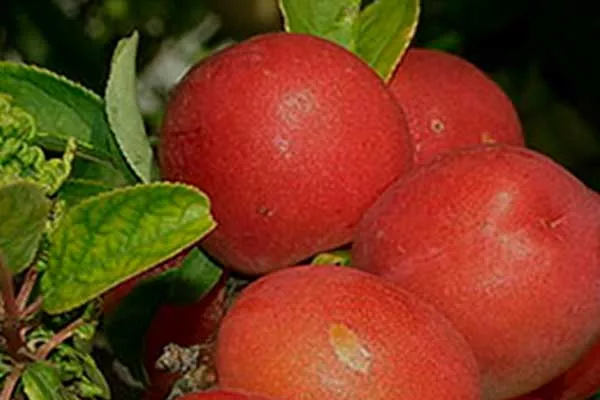
Plums have a pleasant flavor and sweet, aromatic flesh. These characteristics are what attract consumers.
Application and benefits
The fruits are ideal for various desserts, canning, and freezing. They are used to make jams, compotes, and juices. Fresh fruits are added to salads or enjoyed as a standalone dessert.
Plums contain many vitamins and minerals necessary for the normal functioning of the body:
- B vitamins contribute to improved metabolism and support the nervous system.
- Vitamin C boosts immunity and protects against colds.
- Potassium and magnesium support heart function and reduce the risk of cardiovascular disease.
- Iron helps fight anemia and increases hemoglobin levels in the blood.
- Fiber has a positive effect on the gastrointestinal tract. It improves digestion, prevents constipation, and facilitates the elimination of toxins from the body. This component strengthens the gastric and intestinal mucosa, helping prevent gastritis and peptic ulcers.
The fruit has a laxative effect and helps cleanse the intestines of waste and toxins.
Thanks to its high vitamin C content, it improves skin condition. It stimulates collagen production, which is responsible for firmness and elasticity. Regular use improves skin tone and texture, reducing wrinkles and signs of photoaging.
Growing regions
The crop is successfully cultivated not only in Moscow and the Moscow region, but also throughout most of Russia. It is popular in the mountainous and northern regions of Denmark, Sweden, and Norway.
Ripening and storage periods
The time it takes for the fruit to reach full maturity varies depending on climate conditions, but harvesting typically occurs in late July or early August. Ripe specimens have an attractive, bright purple color and a pleasant, sweet, slightly tart flavor.
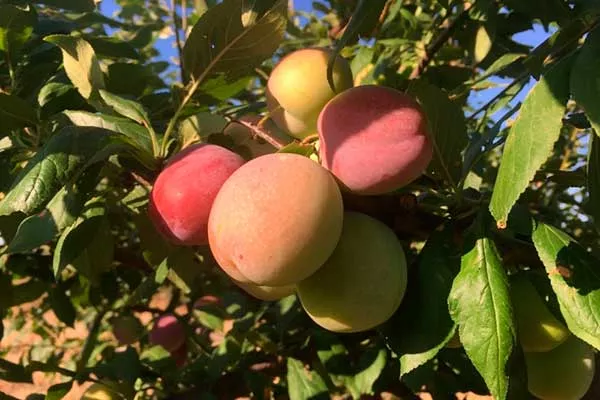
Fruits retain their flavor and nutritional value for a long time. When stored properly, they stay fresh for up to 2-3 weeks.
Planting and caring for Nizhny Novgorod plum
Growing this crop doesn't require any special skills or experience, so even a novice gardener can easily handle it. However, it's important to follow certain guidelines to avoid any potential difficulties.
- ✓ The soil pH level should be strictly within 6-7; for accurate measurement, use a pH meter.
- ✓ Soil drainage capacity: the soil should allow water to pass through without stagnation; check if water drains in a hole 30 cm in diameter and 40 cm deep within 2 hours.
Requirements
The crop grows best in light, fertile soils with good drainage. The optimal pH is 6-7. If the soil is too acidic, add lime or wood ash.
- Three months before planting, test the soil for pH and nutrient content.
- 2 months before planting, add corrective additives (lime to increase pH, sulfur to decrease it) according to the analysis results.
- One month before planting, dig the area to a depth of 40 cm, removing stones and weed roots.
Preparing the soil and choosing a planting site
The variety prefers sunny locations protected from cold winds. If the soil is poor in nutrients, add compost or humus. A few weeks before planting, dig the soil to a depth of 30-40 cm, removing all weeds and stones.
Landing
Carry out the procedure in spring or fall. Make planting holes measuring 50x60 cm. The distance between holes should be at least 2-3 m.
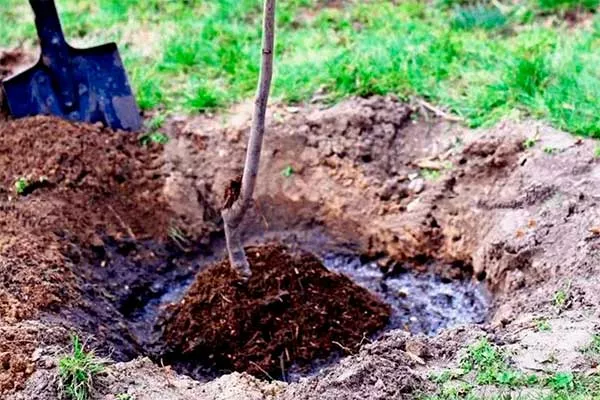
Step-by-step algorithm:
- Check the roots of the seedling. If they are damaged, trim them back to healthy tissue.
- Drive a stake into the center of the hole to support the young tree.
- Place the seedling in the hole, spreading out the roots. The root collar should be level with the soil surface.
- Fill with soil, compacting it gently to eliminate air pockets. Moisten thoroughly with warm water.
Care
The crop requires constant care. To obtain generous harvests, follow standard agricultural practices:
- Watering. Provide moderate moisture, especially during flowering and fruit formation. Water the tree 1-2 times a week using warm, settled water. Avoid overwatering to prevent root rot.
- Top dressing. Fertilize in spring and fall. Use complex mineral fertilizers and organic additives, such as compost or rotted manure. Wood ash is effective, increasing potassium levels.
- Trimming. Perform formative pruning in the first few years after planting to create a beautiful and productive crown. Remove dead and damaged branches that crowd the shoots. Regular pruning improves light and ventilation.
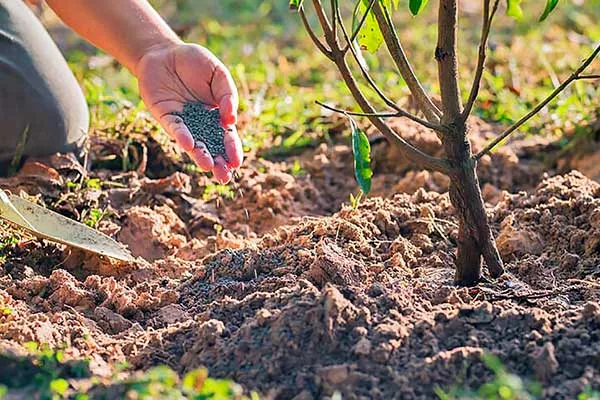
In spring and fall, use specialized fungicides and insecticides for prevention. Monitor the tree's condition and take action at the first sign of disease.
Propagation of Nizhny Novgorod plum
There are several ways to increase the number of seedlings, each of which has its own characteristics and advantages.
The most common methods are:
- Seeds. It requires more time and patience, since seedlings obtained from seeds begin to bear fruit later than grafted or rooted plants.
Harvest the fruit when ripe, remove the pits, and discard the pulp. Then stratify them for 2-3 months: place them in damp soil or sand and store in a cool place.

Plant the planting material in prepared holes in open ground in spring or autumn, to a depth of about 2-3 cm. - Cuttings. This is a faster and more efficient propagation method, producing seedlings identical to the mother tree. Make cuttings in late spring or early summer. Use one-year-old shoots about 15-20 cm long. Remove the lower leaves, leaving 2-3 at the top. Make the lower cut at an angle.
Place the cuttings in a glass of water or special rooting soil, moisten, and cover with plastic wrap or a glass jar to create a greenhouse effect. Rooting occurs within 3-4 weeks. Once roots appear, transplant the plants into open ground or pots. - By vaccination. A method that combines the roots of one plant with the shoots of another. This method is used to produce more disease-resistant trees or improve the quality of fruit.
Select a healthy rootstock to graft the Nizhegorodskaya plum onto. Cut the shoots from the mother plant and store them in a cool place until grafting.
The most common methods are copulation and cleft grafting. For copulation, cut two shoots diagonally and join them together. For cleft grafting, split the rootstock and insert the scion into it. Wrap the joints with electrical tape or film to create a watertight seal.
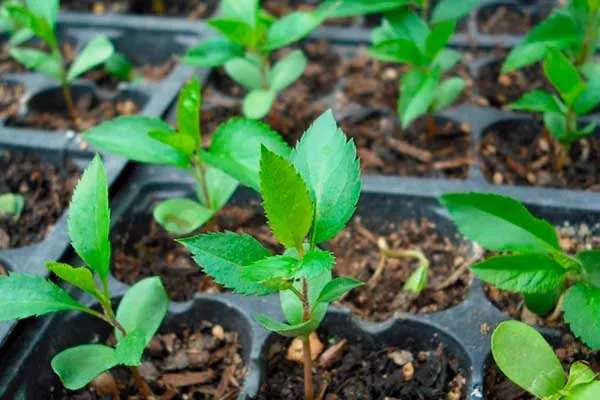
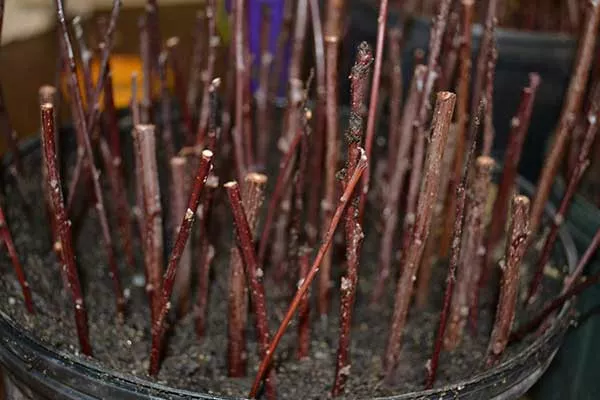
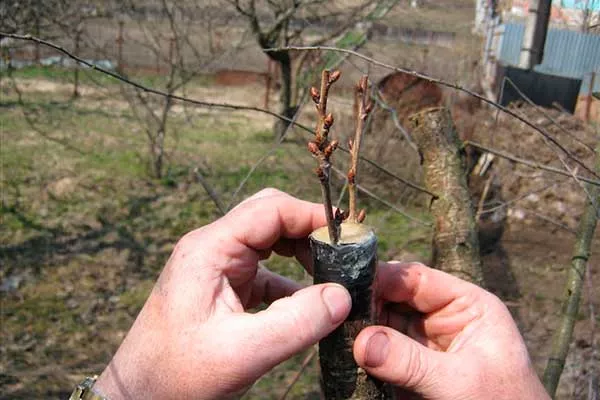
The choice of method depends on your goals and capabilities. Regardless of the method, proper care of seedlings during the growth and adaptation phase will ensure strong and fruitful plants.
Reviews
The Nizhegorodskaya plum is a popular variety in Russia. It attracts gardeners with its excellent fruit flavor and high yield. Thanks to its winter hardiness and low maintenance, it can be successfully grown in a variety of climates. It's important to understand the specifics of planting and subsequent care to maximize yields.