
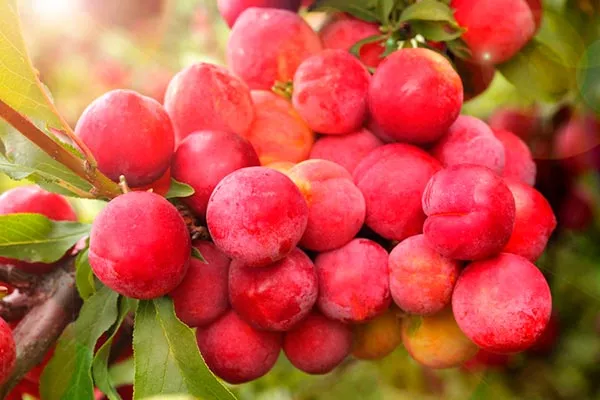
The Nezhenka plum is a relatively new domestic variety with beautiful red fruits that attract gardeners with their tender, melt-in-your-mouth flesh. This plum is hardy, winter-hardy, and thrives in climates with challenging conditions.
Description of the Nezhenka variety
The tree is medium-sized, reaching a height of 2.5 meters. It has a medium-density, spherical crown and straight, brown-brown shoots with long internodes. The leaves are obovate, elongated, light green, serrated, smooth, and matte.
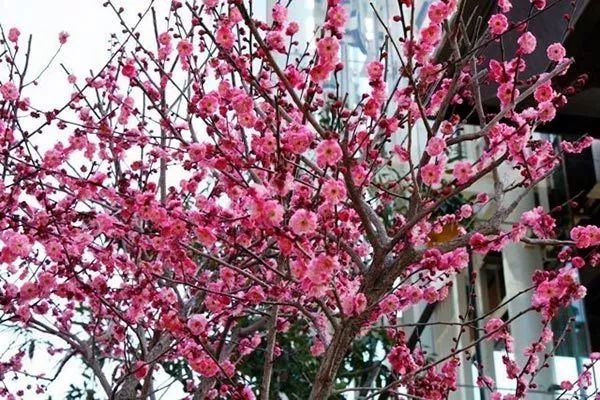
The flowers are white, with contiguous petals and a bell-shaped calyx. Five flowers are collected per inflorescence. The buds are small and ovoid. The sepals are not serrated.
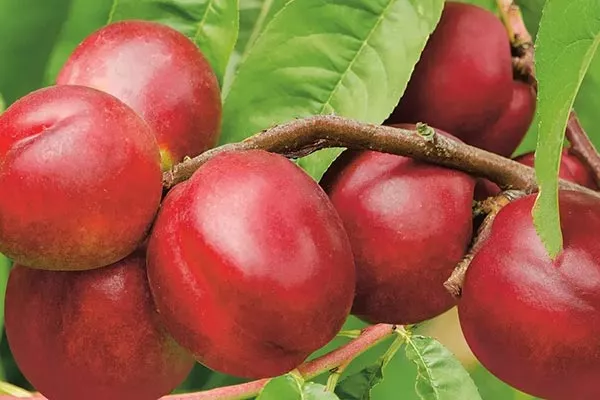
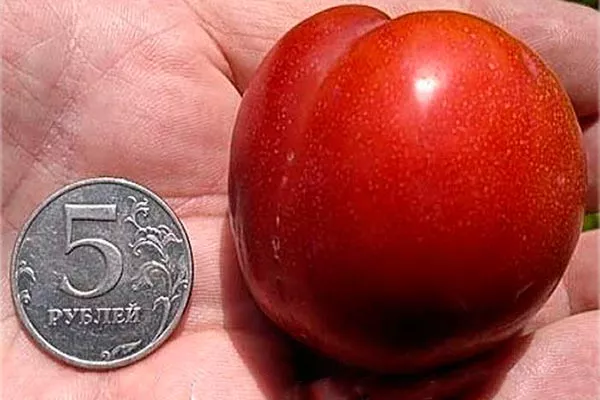
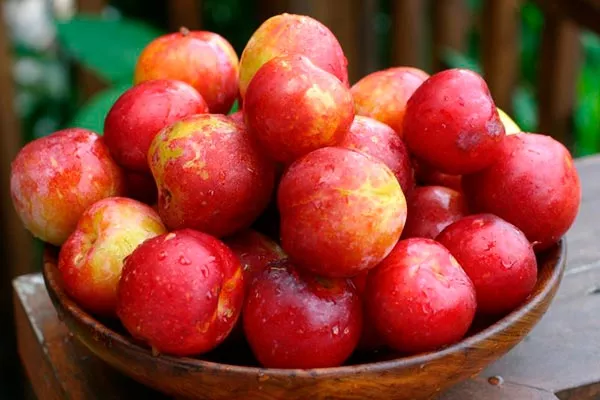
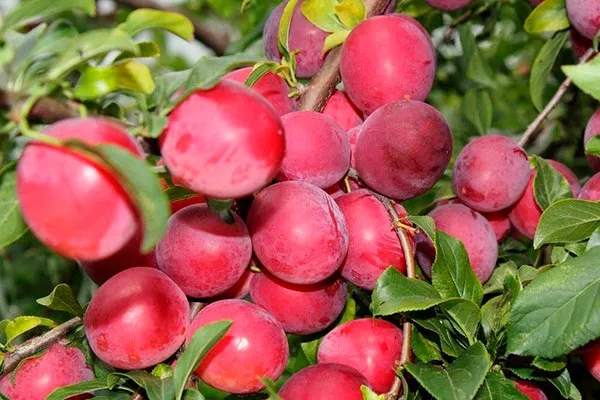
The Nezhenka plum produces medium-sized, round fruits with a barely noticeable ventral suture and smooth skin, weighing 29-30 g. Ripe fruits are red, without subcutaneous spots. The flesh is yellow, juicy, with colorless juice. The round stone accounts for 3.7% of the fruit's weight.
Who and when developed the Nezhenka plum?
The Nezhenka variety is a Chinese plum bred at the All-Russian State Scientific Research Institute of Fruit Crop Breeding. Authors: A.F. Kolesnikova, Yu.I. Khabarov, E.N. Dzhigadlo, A.V. Zavyalova. The Nezhenka variety is native to the Oryol region. It was bred with the local climate in mind. This plum can be grown not only in the south of the country, in the Central Black Earth region.
The Nezhenka variety was developed using the Skoroplodnaya and Kitayanka plums. This variety has been in variety testing since 1997 and has been approved for cultivation since 2010.
Taste and purpose of fruits
The fruit has a sweet and sour taste, quite pleasant. The flesh is very tender, melting in the mouth. The fruit contains 7.6% sugar and 2.1% acid. The tasting score is 4.2. The fruit can be eaten fresh or used for preserves and culinary preparations.
Ripening time and yield
The Nezhenka plum produces good yields; a small tree can easily yield 30–40 kg of fruit. In commercial cultivation, the yield is 135–205 c/ha. The variety is partially self-pollinating. Without pollinators, no more than 15% of the flowers are fertilized.
- ✓ Resistance to temperatures down to -35 °C without the need for shelter, which makes the variety ideal for regions with harsh winters.
- ✓ The ability to partially self-pollinate, which increases the chances of a harvest even in the absence of pollinators.
Pros and cons
The domestic Nezhenka variety has quite a few advantages, but it also has some disadvantages that are worth knowing about before planting.
Features of tree planting
To ensure the Nezhenka plum not only takes root but also thrives for many years, producing bountiful harvests without wilting or disease, it's important to plant it correctly. It's important to consider all important factors—the amount of light, the water table, the topography, and much more.
- ✓ The optimal distance between trees should be at least 3 meters to ensure sufficient space for the growth of the root system and crown.
- ✓ The depth of groundwater should be at least 1.5 meters from the soil surface to avoid root rot.
Landing features:
- The Nezhenka plum thrives in sunny locations; shade is not recommended, but it thrives near building walls. It's important to avoid placing the tree in drafts or exposed to strong northerly winds.
- Plums grow best in loose, fertile soils with neutral pH and good drainage. If the soil isn't good enough, add the necessary components—organic matter, sand, wood ash, etc.—during the fall.
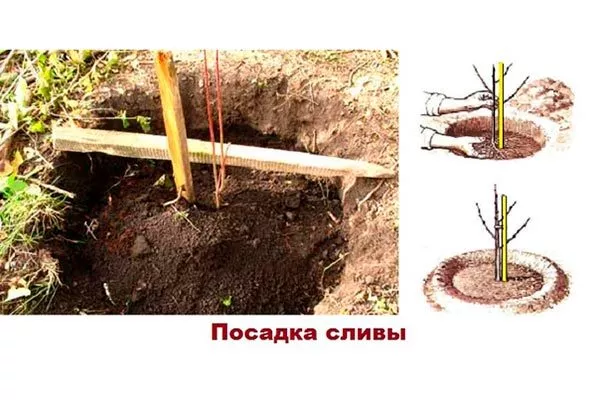
- Planting holes are prepared in advance, in the fall or several weeks before planting. The diameter and depth of the holes depend on the size of the root system. Typically, the hole is 80 cm deep and about the same width.
- The hole is filled with a nutritious soil mixture and the seedling is planted using standard techniques. The root collar should be 3-4 cm above the soil surface after planting.
How to care for a plum tree properly?
The Nezhenka plum requires regular care; it is not difficult, but it requires time, effort, and discipline from the gardener, as all agricultural activities must be carried out in a timely manner.
How to properly care for a plum tree:
- Water the tree moderately. A mature plum tree only needs three waterings per season, but in hot and dry weather, watering becomes more frequent. Moisture is especially important during the fruit ripening period, and young trees also require more frequent watering. Watering rates vary depending on the plum tree's age: 80 liters (28 US gal) is sufficient for trees up to 5 years old, and 150 liters (16 US gal) for trees aged 5 to 10 years.
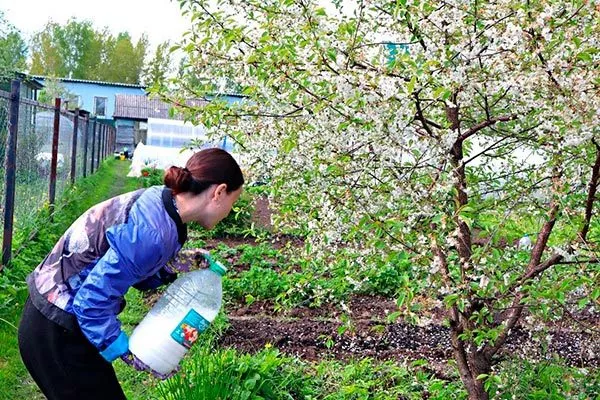
- The first year after planting is without fertilizer; supplementary feeding begins in the second year. Fertilize the tree three times per season. Before bud formation, apply a solution of urea and potassium sulfate. During fruit ripening, nitrophoska is used in addition to urea. Potassium sulfate and superphosphate are added after harvest.
- The crown is thinned regularly, as overcrowding negatively impacts the tree's health and fertility, and also promotes the spread of diseases and pests. Sanitary pruning is performed in the spring and fall, and crown shaping is also done in the spring, as the tree should not be subjected to excessive stress before winter.
- After watering, the area around the tree trunk is loosened and weeded. If desired, it can be mulched with organic matter, such as peat, humus, straw, grass clippings, etc.
- In regions with harsh winters, trees are insulated by covering the tree trunks with a thick layer of organic matter. Very young plum trees are completely covered, wrapped in burlap or other covering material.
Diseases and pests
The Nezhenka plum has a relatively high immunity to both fungal diseases and other infections. In particular, the variety is resistant to clasterosporium. Under unfavorable conditions, the tree can be affected by rust, brown spot, and fruit rot. Preventative measures and fungicide sprays can help prevent these diseases.
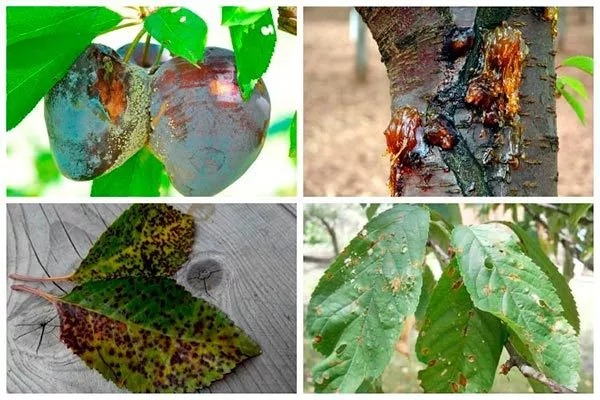
The most dangerous pests for the Nezhenka plum tree are the plum moth, rose leaf roller, and aphids. Broad-spectrum insecticides are used to control them, as well as folk remedies, various traps, and even hand-picking of the pests (caterpillars).
How to harvest?
Harvesting begins around mid-August. When the plums turn red, they are ready to pick. If transport or storage is planned, the fruit is harvested when it is technically ripe.
It's not recommended to delay harvesting, as some of the fruit may fall off. Plums without defects or damage can be stored in a cellar or refrigerator. Under favorable conditions, in a cool, dark place, plums can be stored for 3-4 weeks.
Reviews
The Nezhenka plum is an interesting and promising variety with beautiful sweet and sour fruits. This red-fruited plum is an excellent choice for any garden plot; it's delicious, productive, and completely easy to grow.