
The Natasha plum is a popular variety, prized by gardeners for its delicious fruit, good productivity, and strong immunity. It quickly gained recognition for its excellent characteristics and adaptability to various climates. Proper care is essential to ensure abundant harvests.
Peculiarities of origin
Developed by crossing Ochakovskaya Yellow with pollen from the Hungarian Ajanskaya variety, the variety was developed at the Grodno Zonal Research Institute of Agriculture.
Characteristics and description
The Natasha plum is a medium-sized tree, reaching a height of up to 3 meters, with a paniculate, raised crown of medium density. The thick, straight shoots are dark red. The leaves are small and emerald. They have an ovoid shape and a matte surface.
- ✓ Resistance to sudden temperature changes, which is rare for plum crops.
- ✓ The ability to self-pollinate, which increases the chances of a harvest even in the absence of pollinators.
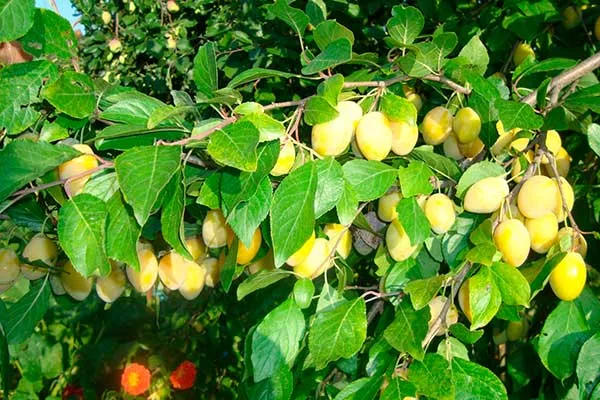
Distinctive qualities of the fruits:
- They have an elongated oval or pear-shaped shape.
- The weight of one fruit reaches about 38 g.
- The main color is green with a yellow cover and a waxy coating.
- Smooth skin.
- The stone is small, about 1 cm, and is moderately difficult to separate from the pulp.
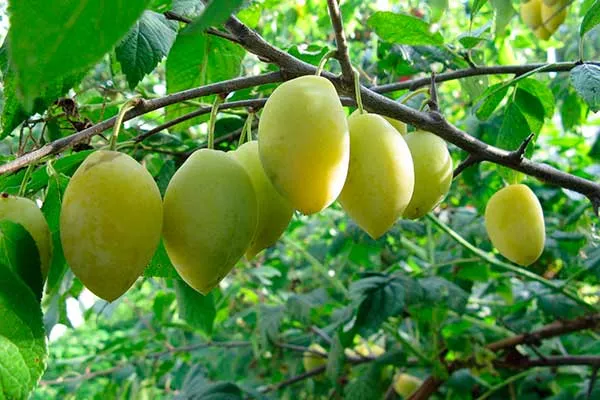
This plum has a tasting score of 4.8, demonstrating its high quality and excellent flavor. This versatile variety is suitable for both fresh consumption and processing.
Growing and care
For planting, choose a sunny location protected from cold winds. A south or southwest facing site is ideal.
- ✓ The depth of groundwater should be at least 1.5 m to prevent root rot.
- ✓ The optimal thickness of the fertile layer is 40-50 cm to ensure sufficient nutrition.
Follow these recommendations:
- Light, fertile, well-drained soils, such as loam and sandy loam, are best. The optimal soil pH is slightly acidic or neutral (pH 6-7).
- 2-3 weeks before planting, dig up the soil, removing weeds and roots.
- Add organic fertilizers (humus or compost) and wood ash to the planting hole to reduce acidity, superphosphate and potassium fertilizers to provide nutrients.
Plant in spring (April-early May) or fall (September-early October), depending on your region. Spring planting is preferable in northern regions to allow the seedling time to establish roots.
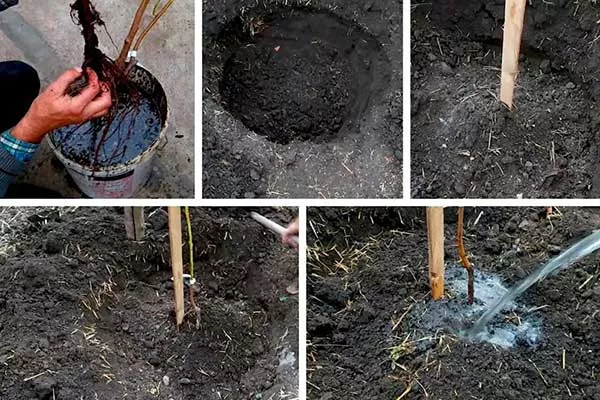
Step-by-step algorithm:
- Dig a hole 60-70 cm in diameter and 50-60 cm deep. Place a 5-10 cm layer of drainage material (pebbles or crushed stone) at the bottom.
- Place the tree in the hole so that the root collar is at soil level or slightly higher (3-5 cm).
- Carefully straighten the roots, cover with fertile soil, and compact lightly.
- Water generously (20-30 liters of water). Mulch the area around the tree trunk with a layer of peat or humus.
With proper care, you can grow a robust plant that will reward you generously with high-quality fruit. Follow these simple gardening practices:
- Watering. During the first two years after planting, provide regular watering, especially during dry periods. Apply water to the roots every 2-3 weeks, and every 7 days during drought. Water a mature tree during flowering, fruit set, and after harvest. The recommended daily watering for this type of plant is 40-50 liters.

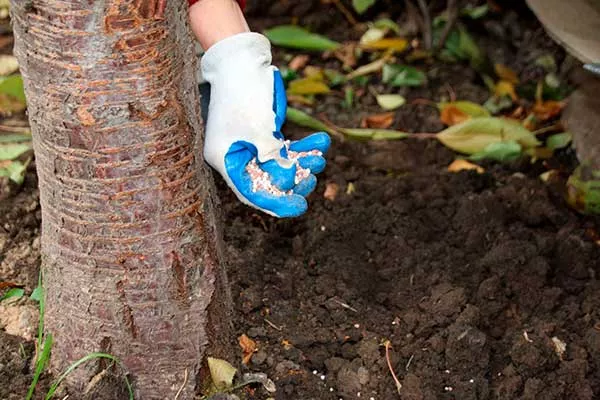
- Top dressing. In the spring, before flowering, apply nitrogen fertilizers (ammonium nitrate or urea) to stimulate growth. In the summer, use potassium and phosphorus fertilizers to promote fruit formation. In the fall, after harvesting, apply organic matter (humus) and potassium-phosphorus solutions to prepare for winter.
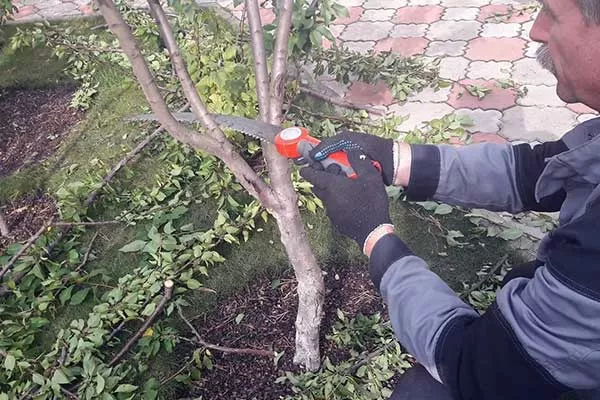
- Trimming. Perform formative pruning in the first few years to create a strong tree skeleton. Sanitary pruning (removing dry, damaged, and diseased branches) is also effective. Perform this annually in early spring before the sap begins to flow.
Rejuvenating pruning helps extend the fruiting period of old trees.
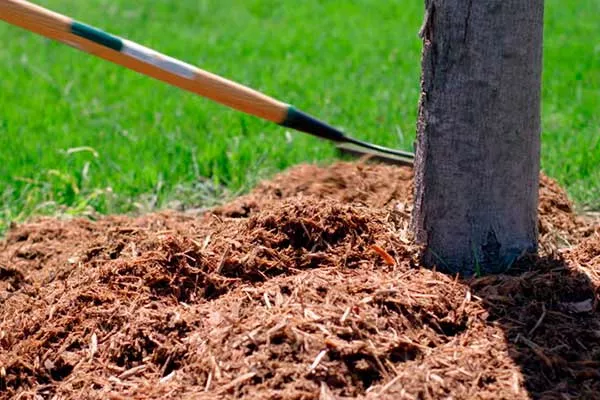
- Mulching and loosening. Mulch retains moisture and prevents weed growth. After watering, loosen the soil to improve oxygen access to the roots.
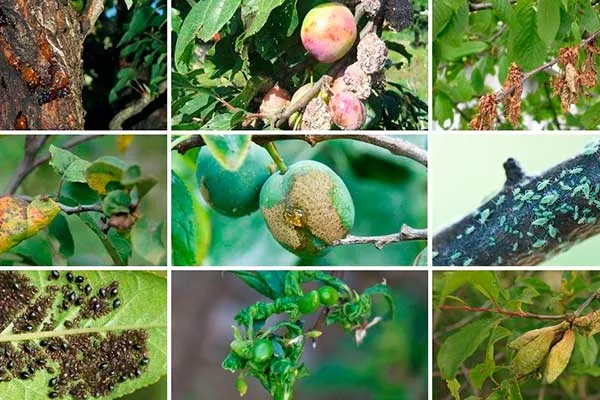
- Disease and pest control. Plan preventative treatments with fungicides and insecticides (such as Bordeaux mixture or copper-based products) for the spring before bud break and after flowering. Regular tree inspections help identify problems early.
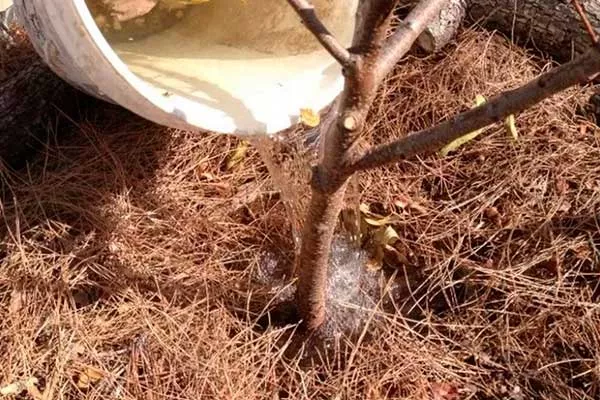
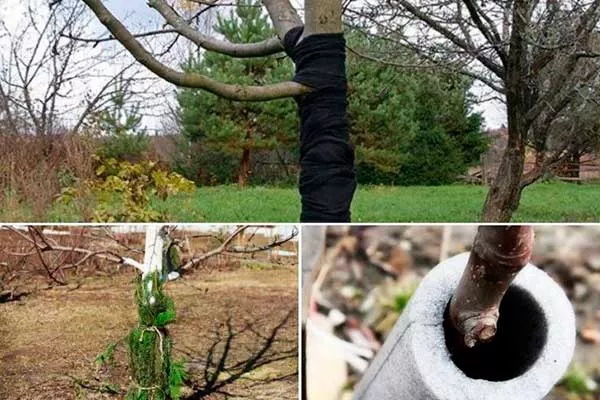
- Preparing for winter. In regions with harsh temperatures, cover young seedlings with agrofibre or burlap, and apply additional mulch around the trunk. Whitewash the trunks and skeletal branches to protect them from sunburn and frost cracks.
Reviews
The Natasha plum is an excellent choice for both beginner and experienced gardeners. Its ease of cultivation, disease and pest resistance, and pleasant fruit flavor make it one of the best for gardening. With timely and proper care, you can grow a plant that will yield abundant harvests year after year.