
The Nemanskaya Nagrada plum is the ideal choice for gardeners who value high productivity and excellent flavor. This variety quickly gained popularity due to its versatility and robust growth habit. It's important to carefully study the variety's characteristics and provide it with proper care to ensure bountiful harvests each year.
The concept of a plum
This variety was developed at the K. A. Timiryazev Belarusian Agricultural Academy and approved for use in 1978. It begins bearing fruit 3-4 years after planting. It blooms in May, and the fruit ripens in late August-early September. It is characterized by good regularity of fruiting.
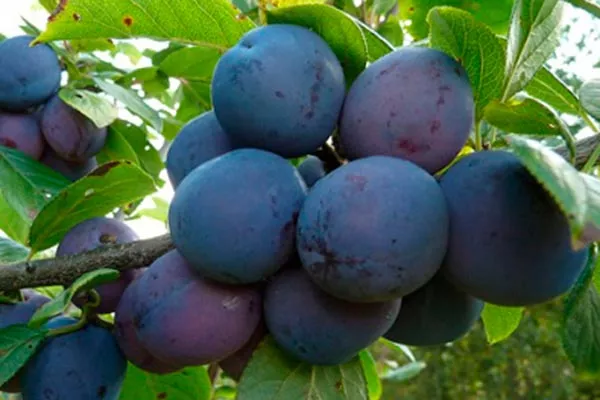
The appearance of the tree
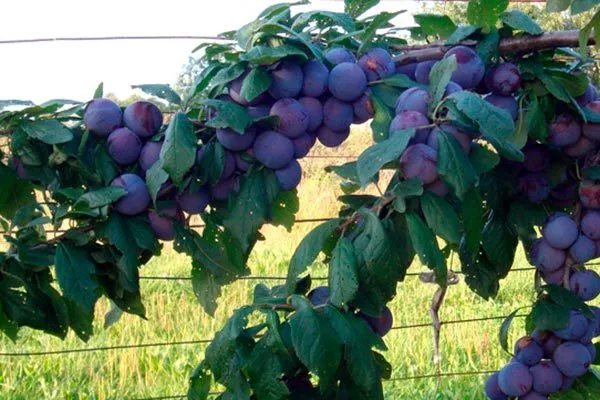
The plant is low-growing, reaching up to 2.5 m in height. It has a hemispherical, spreading, and rather sparse crown, making it easy to care for and harvest the plums.
Fruits and their taste characteristics
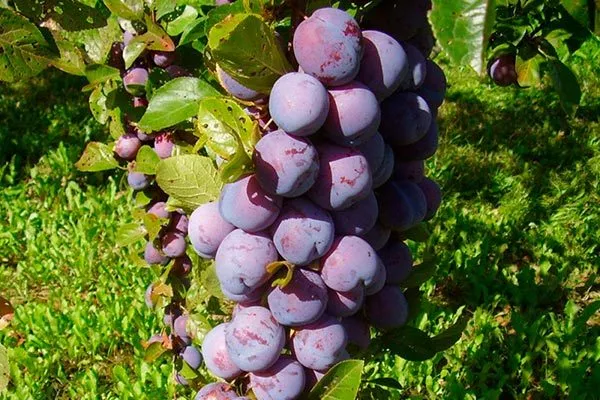
The fruits are spherical in shape with slightly flattened poles. Distinguishing features:
- Color - red, with a blue covering color and a light light blue waxy coating.
- Weight - varies from 43 to 45 g.
- Peel - thin but strong, easy to remove.
- Pulp – dense, juicy and tender, with an orange hue and a slightly greenish tint.
- Taste - sweet and sour.
- Bone - small, easily separated from the pulp.
Beneficial properties
The Nemanskaya plum is a rich source of vitamins and minerals beneficial for health. It contains potassium, calcium, magnesium, iron, and phosphorus. Vitamins C, A, and B2 strengthen the immune system and help fight viruses and bacteria.
Fruits contain fiber, which promotes normal bowel function and improves digestion. Regular fruit consumption helps lower cholesterol levels and may prevent the development of cardiovascular disease.
Application
Plums are not only eaten fresh but also used to make preserves, compotes, juices, and jellies. They are often added to baked goods, salads, and desserts.
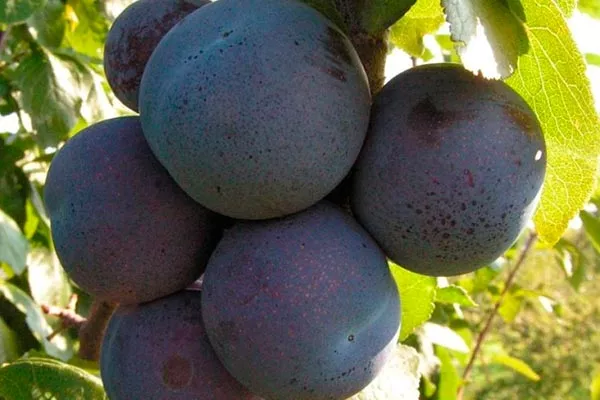
Plums are used to make a fragrant and nourishing oil that is beneficial for hair and skin care.
Care and cultivation
The plant prefers well-lit areas. Shade can negatively impact fruiting and tree growth. Strong winds can damage the plant, so choose a location protected by buildings or other trees.
- ✓ The groundwater level must be at least 1.5 m from the surface.
- ✓ The optimal soil pH for the Nemanskaya Nagrada plum is 6-7.5.
Helpful tips:
- Plums don't like standing water, so the beds should have well-drained soil. Avoid low-lying areas and areas with a high water table (at least 1.5 m). The optimal pH for plums is 6-7.5. If the soil is too acidic, apply lime.
- A few months before planting (in autumn or early spring), dig the area to a depth of 30-40 cm. Add organic matter (humus, compost) at a rate of 10-15 kg per 1 sq. m. Add mineral fertilizers: superphosphate (50-60 g) and potassium sulfate (30-40 g) per 1 sq. m.
- Prepare the hole 2-3 weeks before planting. It should be 60x70 cm. Place drainage material (gravel or crushed stone) in the center of the hole, then fill it with fertile soil mixed with humus and wood ash.
- Choose one- or two-year-old seedlings with well-developed roots. Plants should be 1-1.5 m tall. Pre-soak the roots in water or a rooting stimulant (such as Kornevin) to improve root establishment. Lightly trim any damaged or overly long roots, leaving a length of about 30-35 cm.
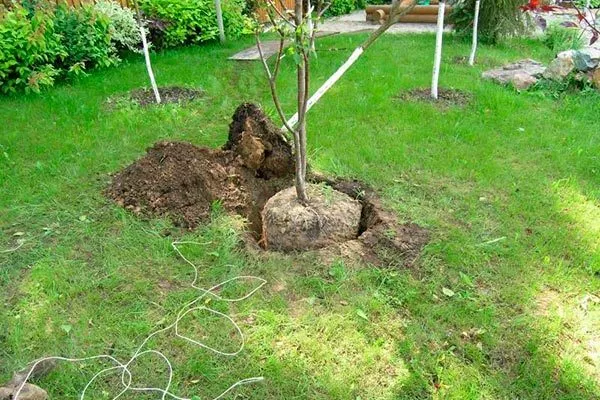
Step-by-step instructions:
- Form a mound of soil in the center of the hole. Place the seedling on it, carefully spreading out the roots. The root collar should be 5-7 cm above ground level.
- Fill the hole with fertile soil, carefully compacting each layer so that there are no voids.
- Water the tree with 20-30 liters of water. This will help the soil settle and improve root contact.
- Mulch the tree trunk area with peat, humus or straw to retain moisture and prevent weed growth.
- Tie the seedling to a stake to protect it from the wind.
Follow standard care procedures for better survival and full development:
- Water young trees every 7-10 days, using 30-40 liters of water per tree. Mature plants require watering 3-4 times per season (especially during flowering, fruit formation, and in the fall after harvest).
- At the beginning of the season, apply nitrogen fertilizers (for example, ammonium nitrate – 20-30 g per square meter) to promote active growth. During fruit formation, use complex mineral fertilizers (superphosphate, potassium salts) or organic matter (humus, compost).
After harvesting, apply potassium and phosphorus fertilizers (for example, 30 g of superphosphate and 20 g of potassium sulfate per 1 sq. m) to strengthen before winter. - To shape the tree, improve ventilation, and stimulate fruiting, prune. Before the sap begins to flow, remove dead, damaged, and inward-growing branches. Leave skeletal specimens to keep the crown sparse.
If the tree is actively becoming dense, perform a light summer pruning to remove excess young shoots. After fruiting has finished, remove weak and diseased branches. - Loosening the soil helps improve air and water access to the roots. Three to four sessions per season are sufficient.
- Place a 5-7 cm layer of mulch (peat, humus, straw) around the tree trunk. This prevents weed growth, retains moisture, and protects the roots from overheating.
- In early spring, spray plants with insecticides against aphids, codling moths, and leaf rollers (such as Fufanon or Aktara). To protect against fungal infections (clasterosporium, moniliosis), apply fungicides (Bordeaux mixture, Skor, or Topaz) in the spring and after harvest.
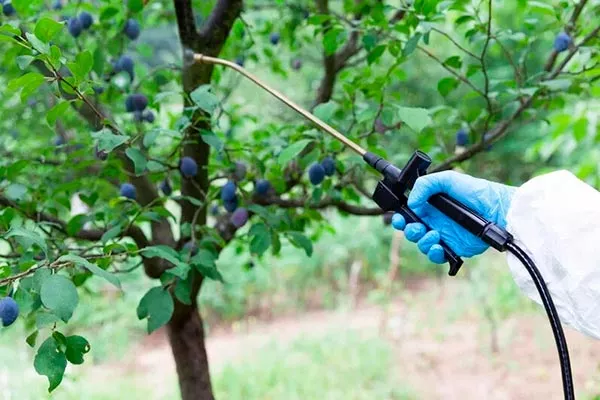
Perform a moisture-replenishing watering in the fall to prevent the seedling from experiencing moisture deficit during the winter. Place a layer of mulch (sawdust or straw) around the tree trunk to protect the roots from freezing. Cover with burlap or agrofibre to protect against frost and rodents.
Positive and negative qualities
Before planting a plum in your garden, carefully consider its advantages and disadvantages. The Nemanskaya plum variety has many advantages:
Among the negative qualities, some gardeners note the small size of the fruits, the importance of pruning, and the need to regularly monitor watering.
Reviews
The Nemanskaya Nagrada plum is an excellent choice for gardeners who want to enjoy delicious and healthy fruits without the hassle. Its high yield, disease resistance, and excellent flavor make it a true gem in any orchard. Proper and timely care is essential to ensure a bountiful harvest.