
The Sea Plum is a unique plant that is gaining increasing popularity due to its decorative and beneficial qualities. It attracts attention not only with its vibrant fruits but also with its ability to adapt to challenging conditions. Proper care is essential to ensure high-quality fruit and abundant harvests.
Introduction to the variety
The tree has dense foliage and deep purple fruits. Its spherical crown can grow up to 2 meters in diameter, creating a decorative appearance among other plants. Its well-branched form makes it particularly striking.
What is Prunus maritima?
Native to the East Coast of the United States, this plant is a select wild edible plant. Characteristics of the species:
- Due to its resistance to pests and salt, it is often used to restore degraded lands and urban soils.
- The tree is frost-resistant and prefers sunny locations and well-drained soil.
- The plum tree roots via suckers, but in coarse soils it develops a taproot. In sand dunes, the plant partially burrows into the drifting sand.
- Flowering occurs in mid-May or June, and the fruits ripen from August to early September.
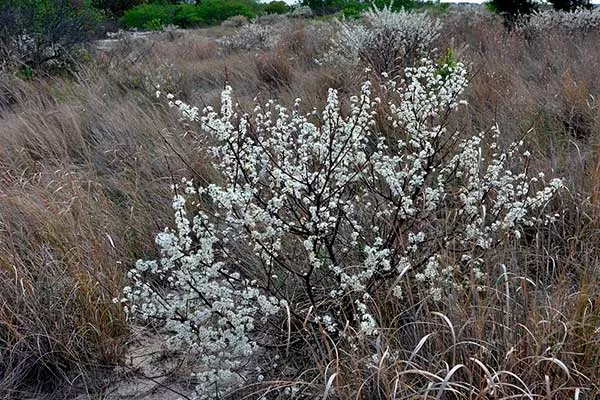
In Maine, this species is endangered due to commercial development of its beach habitats.
Characteristics of appearance
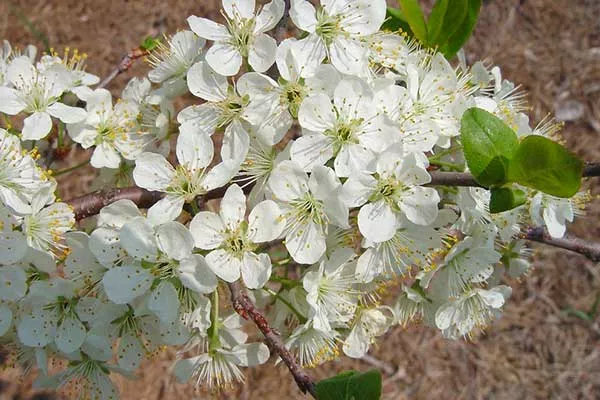
The tree grows from 1 to 2 m in height, sometimes up to 4 m. Young shoots are covered with pubescence. The leaves are elliptical with narrowly serrated edges. They range from 3 to 7 cm in length and reach 2 to 4 cm in width. The flowers are white, 1 to 1.5 cm in diameter, with large, bright yellow stamens.
Taste and toxicity
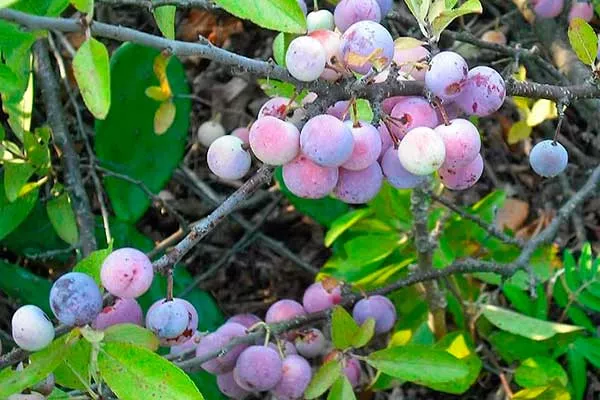
The fruits have a complex shape: they are round with slightly flattened sides, purple in color, sometimes with a waxy coating. The flavor is sweet and sour, with a slight marine aroma and a hint of bitterness. They are used to make jams, preserves, compotes, and other confectionery.
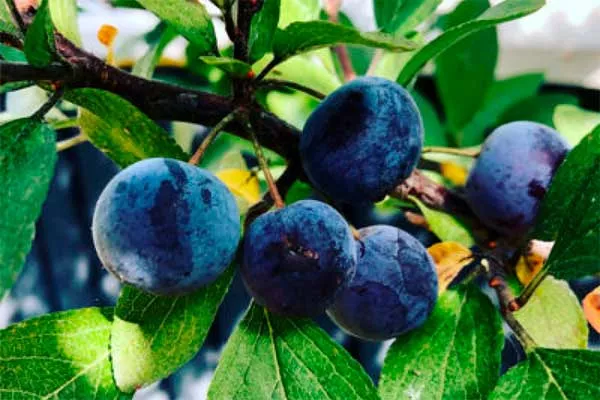
The seeds contain hydrogen cyanide, which can cause serious symptoms, including dizziness, headache, and difficulty breathing. Ingesting them can lead to cyanide poisoning in pets, causing physical discomfort and requiring immediate veterinary attention.
Benefits for the body
Sea plums are rich in antioxidants, which help protect the body from oxidative stress and free radicals. Regular consumption promotes overall health by reducing inflammation and preventing cellular damage.
Antioxidants prolong life and reduce the risk of various chronic diseases. Fruits contain a number of important vitamins and minerals. These nutrients are essential for maintaining good health, strengthening the immune system, and normal bodily function.
Culinary and decorative uses
Fruits are an excellent ingredient for a variety of culinary dishes. They are often used to make jams, preserves, compotes, and sauces, imparting a unique flavor and aroma. Fruits are also added to baked goods (pies and muffins) or desserts (ice cream and jellies).
The culture is valued for its decorative qualities:
- Its spherical crown and attractive purple fruits give the plant a “decorated” appearance, especially in landscape design.
- It is grown as an accent in the garden, in the homestead or in urban green spaces.
- The tree is planted to create hedges and decorative borders, thanks to its dense foliage and beautiful flowers.
Sea turf is resistant to salinity and thrives in challenging areas, such as degraded land or urban soils. This makes it a versatile choice for a variety of landscape designs.
Landing rules
For successful growth and development, choose the right location and follow the recommendations. Follow a few key steps to ensure ideal conditions for growth and fruiting:
- The plant prefers sunny sites with good drainage. Open locations where the tree receives sufficient light throughout the day are ideal.
- Avoid low areas where water can accumulate, as this can lead to root rot.
- Prepare the soil in advance, ensuring it drains well. If necessary, improve the structure by adding sand or gravel. The soil should be neutral or slightly acidic. Check the pH and adjust it if necessary.
- Choose a healthy seedling with well-developed roots and no signs of disease. The optimal age for planting is 1-2 years. Pre-soak the root system in water for several hours to ensure good moisture.
- ✓ The optimal planting depth of a seedling should be at least 50 cm to ensure stability and proper development of the root system.
- ✓ The distance between seedlings should be at least 3 meters to prevent competition for resources and provide sufficient space for crown growth.
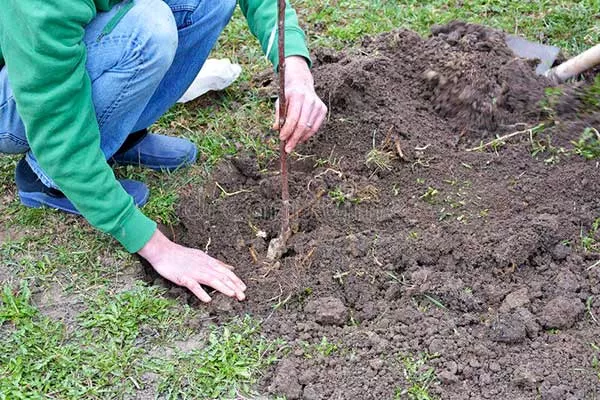
Step-by-step algorithm:
- Dig a hole measuring 60x60 cm.
- Add organic fertilizer and mix it into fertile soil.
- Form a mound of earth in the center.
- Place the tree in the hole, spread out the roots, and fill with soil. Gently compact it.
How to care for a sea plum?
Take care of the young seedling by providing it with comprehensive care. Follow these simple gardening practices:
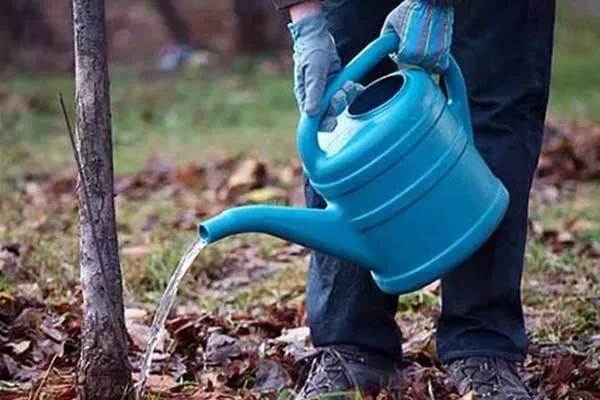
- Water the tree regularly, especially during periods of drought and active growth. Keep the water moist, but avoid stagnation. Apply water at the roots to prevent drips from falling on the leaves and fruit. Use only warm, settled water.
- In early spring, before active growth begins, add organic fertilizers, such as compost or humus, to support the plant's nutrition. During the full growth period, use complex mineral fertilizers containing nitrogen, phosphorus, and potassium. This promotes good fruiting.
Fertilizing is not required in autumn, as the crop is preparing for the winter period. - Pruning regularly ensures a beautiful crown. Remove old and damaged branches to improve ventilation and light penetration. Collect fallen fruit and leaves to prevent the accumulation of pathogens and pests.
- Mulching helps retain moisture in the soil, prevent weed growth, and improve soil structure. Use organic materials such as straw, compost, or wood chips. Apply a 5-7 cm layer.
- Periodically loosen the soil around the plant to improve root aeration and prevent crust formation.
| Disease | Sustainability | Control measures |
|---|---|---|
| Powdery mildew | High | Treatment with fungicides at the first signs |
| Fruit rot | Average | Removal of affected fruits, preventive treatment |
Regularly inspect the tree for pests and signs of disease. Treat it with insecticides or fungicides as needed. Use folk remedies, such as herbal infusions or onion peels.
Advantages and disadvantages
Before cultivating a seedling, be sure to thoroughly research all its positive and negative qualities to avoid potential difficulties. The sea plum has many advantages:
Among the disadvantages, gardeners note the presence of cyanide compounds in the seeds, small fruit size and loss of flavor under unfavorable conditions, and the risk of spreading diseases and pests.
Reviews
The Sea Plum combines decorative appeal and nutritional benefits. Its tolerance to temperature fluctuations and unique fruit flavor make it an excellent choice for a variety of gardening and culinary projects. Both novice and experienced gardeners can grow it. The key is proper and timely care.