
The Mirabelle plum has gained popularity among gardeners due to its unique sweetness and rich aroma. This variety boasts not only excellent flavor but also high winter hardiness, making it an ideal choice for a variety of climates. The key to achieving bountiful harvests is understanding the plant's key characteristics and providing proper care.
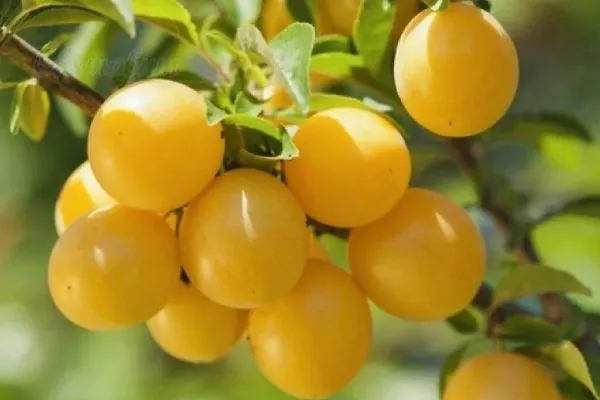
What is a Mirabelle plum?
Among the many varieties, the Mirabelle plum stands out. This variety is renowned for its versatility and numerous benefits. Even beginners can easily grow it, as no experience or special skills are required.
History of creation
The Mirabelle plum is believed to have originated in Asia Minor, in the eastern part of the Bosphorus Strait, between the Black and Mediterranean Seas. It originally descended from a wild fruit tree that was eventually domesticated.
After its introduction to Europe, the crop found its greatest recognition in France. Today, the Mirabelle grapes of Nancy and Metz have become symbols of the northeastern region of Lorraine.
Since 1996, Mirabelle de Lorraine has been designated as an exclusive regional product, bearing the PGI (Protected Geographical Indication) label. This means that fruits bearing this designation meet certain standards (such as size and sugar levels), and their export is strictly limited.
Appearance of the tree and fruits
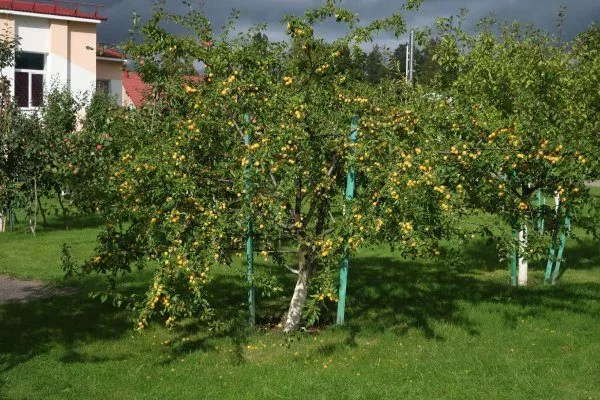
Belongs to the European plum cultivar. The plant reaches up to 4 meters in height. It has a rounded crown with dark green, glossy, elliptical leaves.
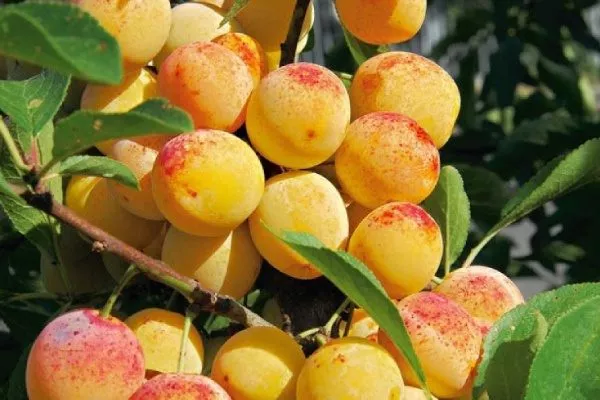
The plums are small, round or oval, and golden in color. The skin is thick and durable, making them resistant to damage during transportation.
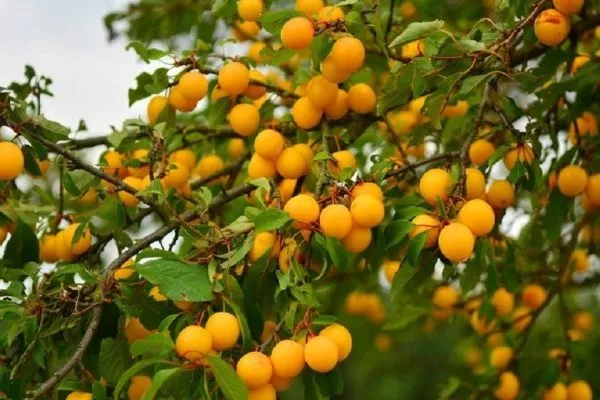
Types of Mirabelle Cultivars
Today, there are many varieties of Mirabelle plums, but three main types are the most popular.
| Name | Tree height | Fruit color | The taste of the fruit |
|---|---|---|---|
| Nancy | Average | Bright yellow | Dessert, juicy |
| Metz | Average | Yellow with a reddish blush | Sweet |
| Columnar | Compact (up to 2 m) | Yellow | With a pronounced sourness |
- ✓ The Nancy variety has increased resistance to clasterosporium compared to other varieties.
- ✓ Columnar Mirabelle requires more frequent pruning to maintain the shape of the crown.
Nancy
Named after a town in Lorraine, the tree is medium-sized, bearing large, bright yellow fruits covered with numerous small brown spots. The fruit has a juicy, dessert-like flavor. The variety is noted for its high yield and disease resistance.
Metz
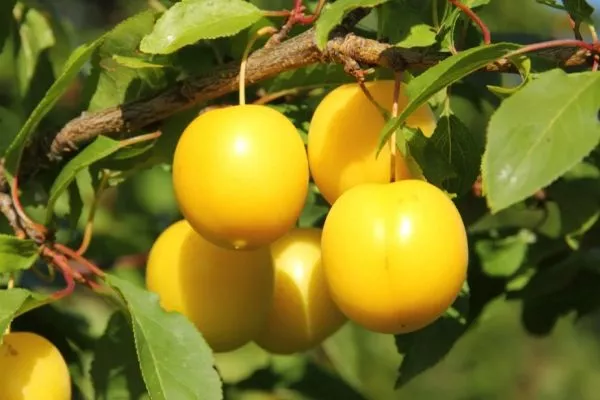
The name comes from the city of Metz. The plums are slightly smaller than those from Nancy, with a yellow color and a reddish blush. They are sweet in taste and ripen in August.
Columnar
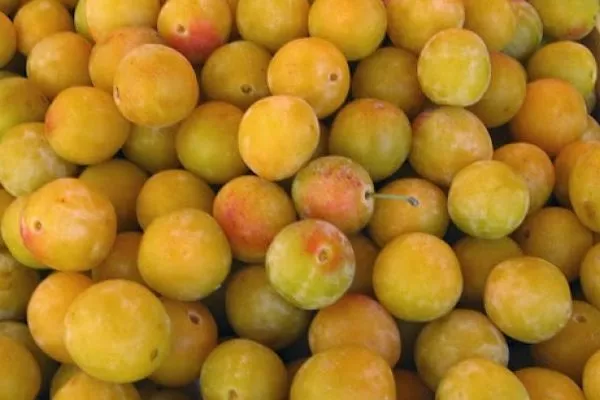
It is distinguished by its compact size, reaching up to 2 m in height. The plant has a columnar crown. The plums are oval-shaped, yellow, and ripen in August. Unlike other varieties, the fruit of this species has a distinctly tart flavor.
Flowering and pollinators
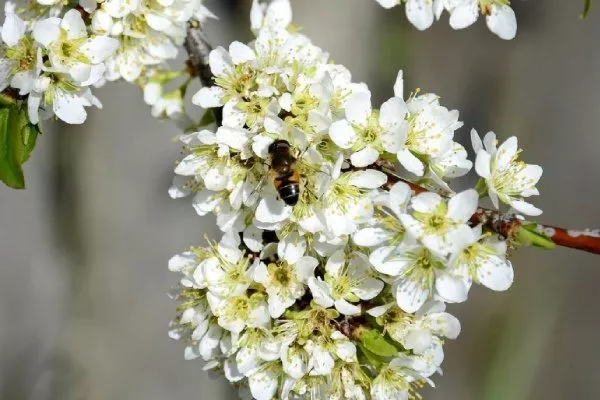
Most Mirabelle varieties require pollinators, as they are self-sterile. It's recommended to plant one of the following varieties nearby: Big, Bona, or Nancy.
To attract pollinators, plant spring flowers, such as tulips. In spring, the tree branches are covered with white flowers.
Growing regions
Mirabelle is successfully cultivated primarily in regions with a temperate climate. Key cultivation areas include southern Russia, Italy, Spain, France, Eastern Europe, and Germany. This plant prefers a warm, but not too hot, climate with moderate winters.
Yield and ripening time
The plant begins bearing fruit two years after planting. The fruiting period lasts for about 18 years, during which time the tree produces 10-15 kg of sweet, juicy plums. After this period, the yield declines, and it's best to replace the plant or keep it for ornamental purposes.
Scope of use
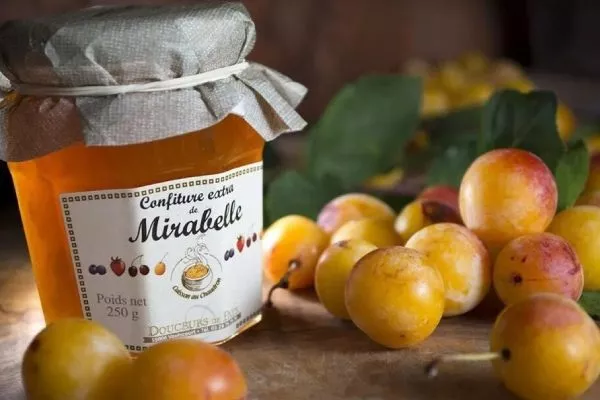
Thanks to their unique flavor and aroma, the fruits have found a wide range of uses. They are suitable for making various desserts, such as pies, compotes, and jams. Sweet plums are ideal for baking and are used to make fillings for pies and tarts.
The fruits are preserved whole, making delicious jams and compotes. This preserves their flavor and aroma for the winter. They are also popular in the production of various alcoholic beverages, including liqueurs and cordials. Plums are also sold fresh.
Rules for planting plum trees
This fruit-bearing tree stands out among other fruit-bearing trees for its attractive appearance. A proper approach to the process helps develop a strong immune system and ensures a bountiful harvest in the future.
- ✓ The optimal soil pH for the Mirabelle plum should be between 6.0 and 7.0. Outside this range, the tree may have difficulty absorbing nutrients.
- ✓ The distance between trees when planting should be at least 3-4 meters to ensure sufficient space for the growth of the root system and crown.
Planting dates
The optimal time for planting seedlings is spring and fall. When planning, consider the regional climate and the weather forecast for the coming days.
Spring planting should be carried out before the buds open, around April, when the soil has warmed up sufficiently, but the trees are still dormant.
In autumn, plan your planting 3-4 weeks before the first frost, usually in late September or early October, to allow the plant time to establish roots before winter. Spring planting is preferable in regions with harsh winters, while fall planting is preferable in mild climates.
Choosing a location
The plant prefers sunny locations, so the site should receive maximum light. Good lighting promotes better fruiting and reduces the risk of disease.
The plant does not tolerate drafts and strong winds well, so give preference to beds protected by a fence or located next to other tall trees that will serve as a barrier from the wind.
Plant plum trees next to these plants:
- apple;
- raspberry;
- cherry plum;
- gooseberry;
- currant.
This variety requires fertile, loose, and well-drained soil. It does not tolerate standing water, so avoid low-lying areas where moisture accumulates. If the soil is heavy and clayey, drain it and apply organic fertilizer before planting. The groundwater level should be no higher than 1.5-2 meters.
Preparing the soil and planting hole
Dig the soil to a depth of 40-50 cm. Add organic matter (humus, compost) and mineral fertilizers: Superphosphate (200 g) and potassium salt (60-80 g) per square meter.
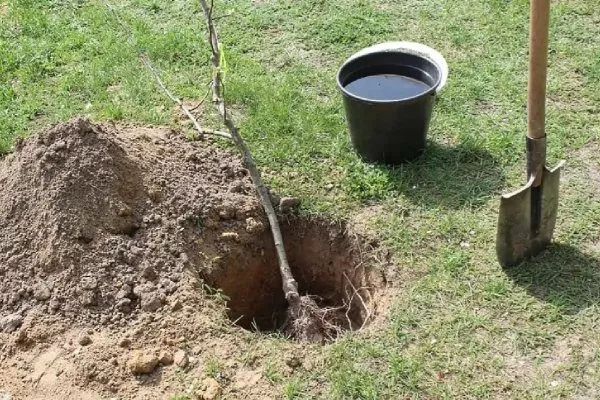
Dig a hole 60-80 cm in diameter and 50-60 cm deep. Mix the excavated soil with humus and add 200 g of superphosphate. If the soil is heavy, add a 10-15 cm layer of drainage (crushed rock or gravel) to the bottom.
The landing process
Carefully inspect the seedling. The root system should be extensive, intact, healthy, and undamaged. There should be no signs of disease on the tree's crown or leaves. The optimal age is considered to be one year, as mature plants have a harder time establishing themselves in a new location.
Step-by-step algorithm:
- Form a small mound of soil and fertilizer mixture inside the hole.
- Place the seedling in the center, spread the roots and make sure that the root collar is 3-5 cm above ground level.
- Fill the hole with the prepared soil mixture, compacting it around the tree.
- Water generously (20-30 liters of water) so that the soil settles and compacts.
- Mulch the tree trunk circle (with peat, sawdust or humus) with a layer of 5-7 cm to retain moisture.
Tie the seedling to a stake if it is unstable or fragile.
Rules for caring for the variety
Plums don't require much care, requiring only the standard maintenance typical of stone fruit trees. Proper care increases yield and prolongs their lifespan. A well-maintained plum tree will not only enhance your garden but also help boost your immune system.
Watering and fertilizing
Plum trees require regular watering, especially in the first few years after planting and during dry periods. Water once every 2-3 weeks, depending on the weather. Apply 30-50 liters of water to each mature plant. For young trees, 20-30 liters is sufficient.
Apply water at the roots, avoiding the leaves and trunk. Increase the amount during the summer fruit set period and after harvest. Use mulch to retain moisture in the soil and reduce the frequency of watering.
Top dressing:
- Apply nitrogen fertilizers (20-30 g of ammonium nitrate or urea per 1 sq. m) to stimulate growth.
- During the fruit setting period, use phosphorus-potassium fertilizers (superphosphate 30-40 g and potassium salt 20-30 g per 1 sq. m) to improve fruiting.

Pruning and crown shaping
Perform spring pruning annually before the sap begins to flow (March-April). On young plants, shorten the central stem by 1/3 of its length to stimulate lateral growth. On mature plants, remove dead, damaged, and crowded branches, and thin out the crown.
In June and July, pinch out any overly long young shoots. This helps control tree growth and improves fruit formation. After harvesting, remove all deformed and damaged branches. Prepare the tree for winter, reducing the risk of disease.
Crown formation:
- First year. After planting, shorten the main trunk by 60-80 cm. Leave 3-4 strong shoots, which will become skeletal branches.
- Second year. Select 4-5 main branches, evenly spaced in a circle. Trim the central conductor, leaving it 20-30 cm above the side branches.
- Third year. Continue trimming the central conductor, keeping it as the dominant one. Trim the lateral branches by 1/3 of their length, creating a rounded, well-lit crown.
In subsequent years, remove any thickening branches, leaving strong, healthy shoots intact. Avoid overcrowding to ensure the fruit receives sufficient light.
Perform a sanitary pruning every spring or fall, removing broken, diseased, and crossing branches to maintain the health of the tree.

Loosening and mulching
These are important agricultural practices that help improve conditions for tree growth and development. Soil loosening is essential to ensure oxygen access to the roots and to retain moisture in the soil.
After watering or rain, the soil compacts, and roots may experience a lack of air. Loosening the soil prevents a dense crust from forming on the surface, makes it lighter, and facilitates better penetration of water and nutrients.
Mulching the tree trunk area reduces moisture evaporation from the soil and protects roots from overheating in the summer and from freezing in the winter. Use organic materials such as peat, humus, sawdust, or spruce branches as mulch.
Preparing for winter
The health of the plant and its ability to successfully survive the cold depend on this stage of care. Begin preparatory work in late autumn, after the leaves have fallen:
- Perform sanitary pruning – remove dry, diseased and damaged branches to reduce the risk of developing infections and fungal diseases in winter.
- Water the soil generously before frost sets in. This will help the root system store moisture, preventing it from drying out during the cold season.
- To protect the roots from freezing, mound the area around the tree trunk with soil or mulch with peat, humus, sawdust, or spruce branches. The mulch layer should be at least 10 cm thick to retain heat and prevent sudden temperature fluctuations.
- Wrap young seedlings in agrofibre or burlap to protect them from cold, winter sunburn and rodents.
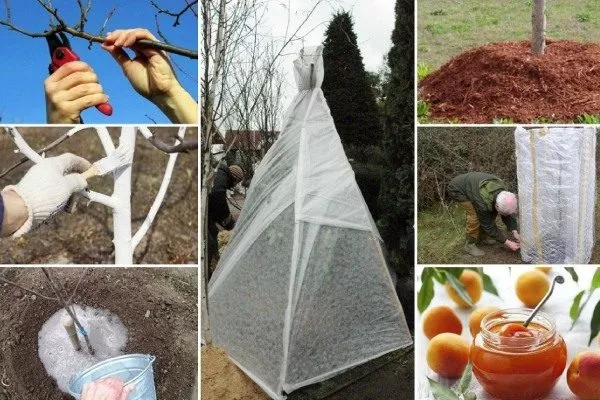
An additional measure is to build snow barriers around the tree.
Methods of reproduction
You can increase the number of seedlings in your garden at home. There are several methods for preserving varietal characteristics.
Cuttings
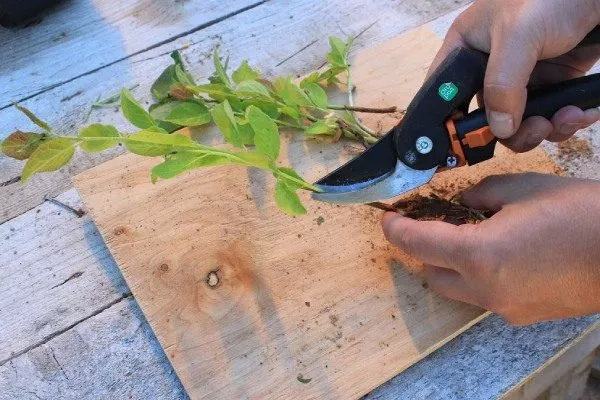
Begin the process in July. Select a young shoot about 30 cm long and divide it into sections with four leaves. Make a straight cut at the top and an oblique cut at the bottom. Place the sections in a growth stimulator for 24 hours, then plant them in prepared soil and cover with plastic wrap. After 1.5 months, transplant them to their permanent location.
Root shoots
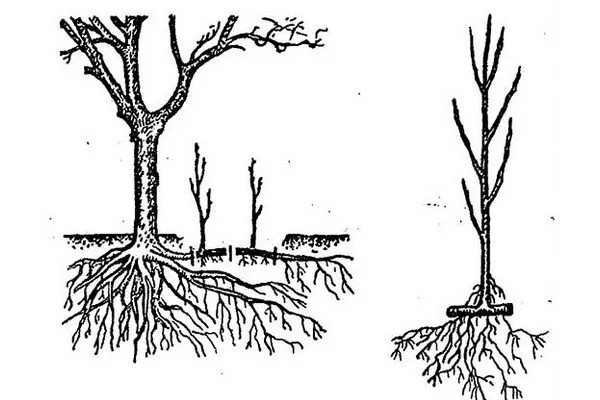
This is a simple project that even a novice gardener can handle. Follow the instructions:
- Select a strong shoot that grows close to the main tree.
- In spring or autumn, carefully dig it up, trying to preserve as many roots as possible.
- Separate the shoot from the main root. Replant it in a pre-prepared location, fertilizing the soil.
Water and care for the seedling, ensuring regular watering.
Layering
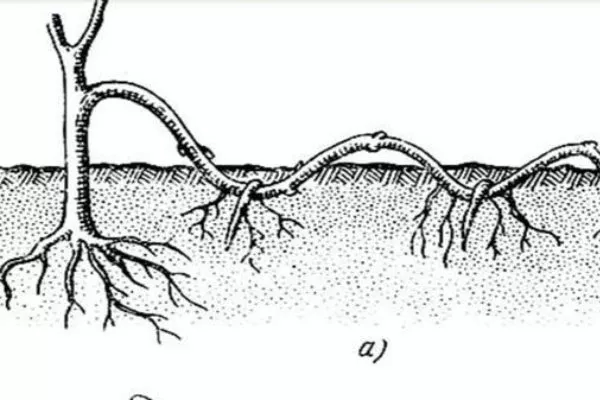
Bend the side shoot down to the ground and place it in the prepared trench, then cover with soil. Treat the bend with a growth stimulant and water thoroughly. As soon as leaves appear on the above-ground portion of the shoot, carefully separate it from the parent tree and transplant it to its permanent location.
Harvesting and storage
Begin harvesting in mid-August. They can remain on the tree for a long time without falling. Harvest on a dry, sunny day, picking the fruit stems and all. Start with the lower branches and gradually move to the upper ones, being careful not to crush the plums or damage the waxy coating.
To prevent spoilage, maintain a temperature of 0-2°C and humidity of at least 85%. Store in wooden crates. Under these conditions, the fruit will remain fit for consumption for 7-10 days.
Diseases and pests, methods of control and prevention
Mirabelle has a strong immune system, but it can be weakened by nutrient deficiencies or winter frosts. The main diseases that can affect the plant include clasterosporium, coccomycosis, and gummosis. Use fungicides to prevent and treat these diseases.
Pests that threaten this fruit tree include the plum codling moth, plum sawfly, aphids, and rose leaf rollers. To prevent infestations, treat the plant with insecticides.
Effective preventive measures include:
- Timely and moderate watering.
- Providing the required amount of sunlight.
- Removing damaged branches.
- Treatment with protective agents.
Spray with chemicals well before harvest, strictly following the manufacturer's dosage recommendations.

Positive and negative qualities
Mirabelle is a favorite choice for many gardeners in our country, but it's important to consider its advantages and disadvantages before planting. The variety's popularity stems from several advantages:
Among the disadvantages, some gardeners note:
Reviews
The Mirabelle plum is noted for its consistent productivity and robust immunity. Its fruits withstand transportation without sacrificing their appearance and flavor. With proper care and standard agricultural practices, you can grow a high-yielding plant that produces juicy fruit every season.