
The Mechta plum is popular among Russian gardeners due to its high-quality fruit and low maintenance requirements. This variety boasts not only excellent flavor but also good frost resistance, making it ideal for growing in a variety of climates. With proper cultivation techniques, it guarantees bountiful harvests.
Who developed the variety and when?
The variety was created by scientists R. V. Korneev and L. K. Zhukov from the Dubovsky Research Center of the Lower Volga Research Institute of Agriculture. It was based on the plum "Rannyaya Sinyaya."
The appearance of the tree
This vigorous plant reaches a height of 5-6 m. It has a rounded, dense crown. Other distinctive characteristics:
- The branches extend from the main trunk at an angle of 60 degrees.
- The stems are grey in colour with characteristic peeling, and the non-woody shoots are grey-brown in colour, straight and of medium length and thickness.
- The leaves are large, oval-shaped, with a corrugated surface, light down, and short, pointed tips. They are green on the outside and light green on the inside.
- The flowers are small, can be either single or double, white.
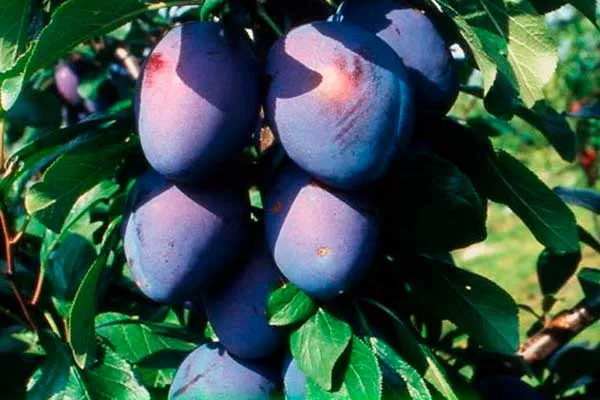
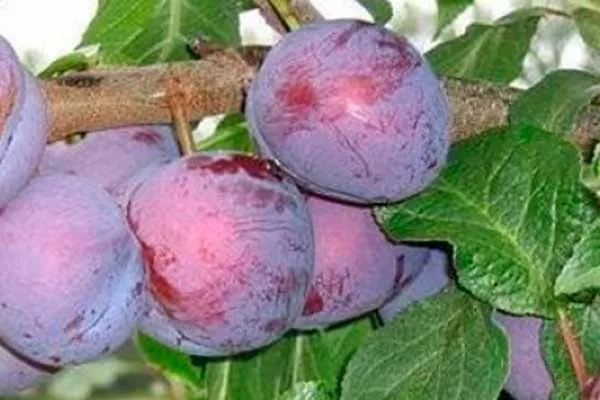
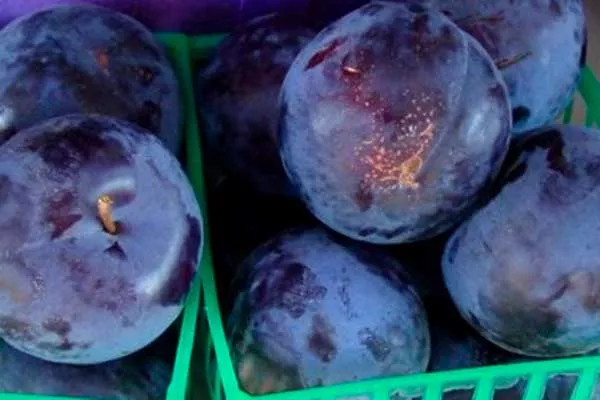
When fully ripe, the fruit acquires a rich color with a silky sheen on the surface, which can be so intense as to almost appear black. The skin is thin and smooth.
The taste and aroma of the Dream plum
The flesh is sweet and juicy, with a slight tartness, giving the variety a special charm. The aroma is delicate and pleasant. With proper care and optimal ripeness, the plum's flavor fully unfolds.
Pollination
It is partially self-fertile. It is recommended to plant nearby varieties with similar flowering periods. The best neighbors for Mechta are the Volgogradskaya and Rannyaya Sinyaya plums.
Productivity, ripening time and fruiting
Trees begin bearing fruit quickly, and 4-5-year-old seedlings can already produce their first fruits. The crop begins flowering in the first ten days of May, and harvesting begins in early to mid-September.
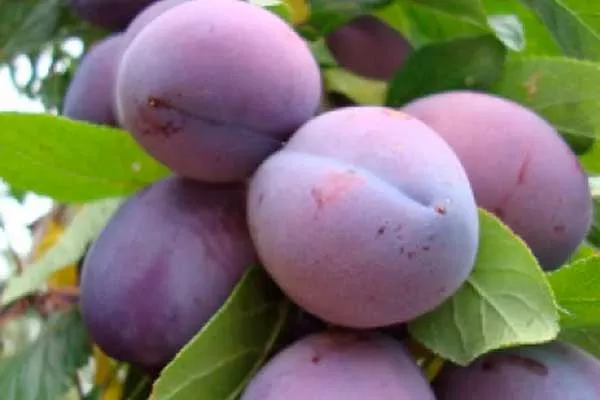
The variety boasts excellent yields. On average, 7- to 14-year-old specimens produce up to 70-72 kg of fruit. The harvested crop maintains its marketable quality during transportation.
Scope of application of berries
Their versatility allows for a wide range of uses. Plums are ideal for eating fresh, making preserves, jellies, and compotes. Canning preserves their flavor and aroma.
Berries are used in desserts, pies, cakes, and other sweet dishes. They are also used to make liqueurs, wines, and juices. Due to their pleasant flavor, the fruit is often found in salads. They are a key ingredient in sauces and a complement to meat products.
Benefits of Dream Plum
It's an excellent source of vitamins and minerals essential for maintaining good health. Beneficial properties:
- Vitamin C strengthens the immune system and helps the body fight infections.
- B vitamins play an important role in the normal functioning of the brain and nervous system, supporting the formation of neurotransmitters.
- Potassium, calcium and magnesium contribute to the normalization of cardiac activity and the reduction of blood pressure.
- Dietary fiber They improve digestion and prevent constipation. They help control cholesterol and blood sugar levels.
- Antioxidants They protect the body's cells from free radicals, preventing the development of cancer and other chronic diseases. They slow down aging and improve skin condition.
Studies show that eating plums improves memory and concentration.
Resistance to soil and climatic conditions
The variety is frost-resistant. In regions with very cold winters and recurrent spring frosts, flower buds may partially freeze. Mechta is an excellent choice for farmers in southern Russia.
Subtleties of planting
The crop prefers sunny, wind-protected sites. Plant on south- or southwest-facing slopes, where the soil warms up faster. Avoid low-lying areas where cold air can accumulate and areas with a high water table.
Follow these recommendations:
- Prepare the soil by improving its fertility. Dig the area to a depth of 30-40 cm, adding organic fertilizers such as humus or compost. The optimal soil pH for plums is 6-7.
- The optimal time for planting is spring, before buds begin to open, or fall, when leaves begin to fall. In fall, complete the process 2-3 weeks before the first frost.
- When choosing a seedling, pay attention to its health and quality. The roots should be strong, without damage or signs of disease. Soak the seedling in water for several hours before planting.
- ✓ The presence of at least 3 main roots with a length of 20 cm.
- ✓ Absence of mechanical damage and signs of disease on the bark and roots.
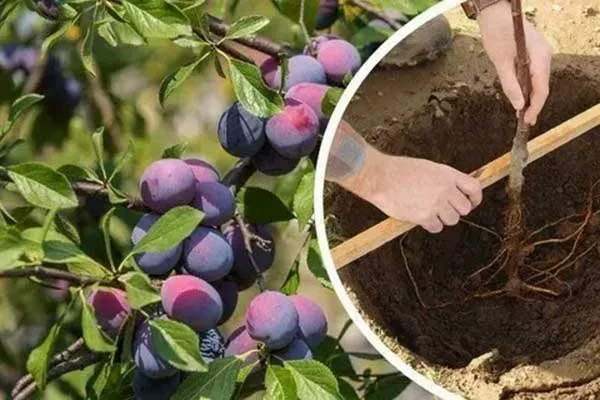
Step-by-step instructions:
- Dig a hole 60 cm in diameter and 50 cm deep.
- Add a drainage layer of gravel or broken brick to the bottom to prevent water stagnation.
- Place a stake in the center to support the seedling.
- Place the plant in the hole, spreading out the roots, and fill it with soil, carefully compacting it around the trunk.
- Moisten with warm, settled water to ensure good rooting.
Following these recommendations will help you successfully plant your plum tree and provide it with optimal conditions for growth and fruiting.
How to care for the Dream plum?
Crop care directly impacts yield. Follow standard agricultural practices:
- Provide regular watering, especially during periods of active growth and fruiting. On hot days, water the tree once a week using warm, settled water. Avoid getting the leaves wet.
- Apply the first fertilizer in the spring, after bud break. Use a high-nitrogen, complex mineral fertilizer to stimulate growth. During flowering and fruit formation, apply potassium-phosphorus fertilizers or organic matter (manure or compost).
In the fall, after harvesting, sprinkle the soil with wood ash to improve soil fertility. - Mulch the tree trunk area to retain soil moisture and prevent weed growth. Use straw, sawdust, or bark.
- ✓ Ensure regular watering during the period of fruit setting and growth (at least 30-40 liters of water per tree once a week).
- ✓ Top dressing with potassium-phosphorus fertilizers during flowering and fruit formation (50-60 g per tree).
In areas with severe winters, cover the base of the trunk with burlap or straw to protect the tree from frost.
How to prune the Dream plum?
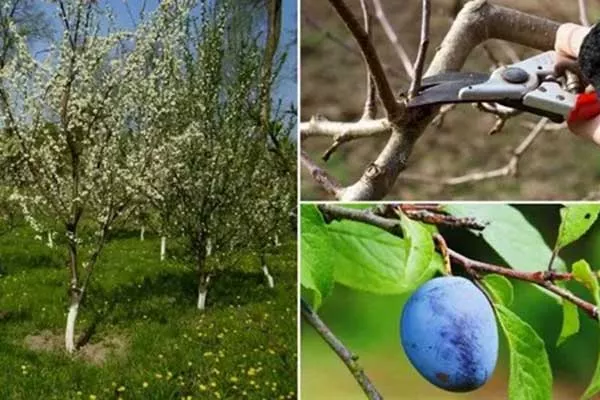
Prune in late winter or early spring before bud break. Remove dead, damaged, or diseased branches. Shape the crown, leaving 5-6 strong shoots for better fruiting. Summer pruning involves removing excess shoots and improving light exposure to the crown.
How to propagate the Dream plum?
There are several ways to increase the number of seedlings in your garden. Let's look at each one:
- Cuttings. Use green cuttings cut from healthy, vigorous plants. They should be about 15-20 cm long, with several buds on each cutting. Place them in moist sand, providing greenhouse conditions (high humidity and a temperature of about 20-25°C).
To speed up rooting, use root formation stimulants. - Graft. Graft onto plum seedlings or rootstock. The rootstock must be healthy and of the appropriate age and size. Select a Dream branch and graft using the copulation method. Wrap the junction with film or tape to provide protection and retain moisture.
These propagation methods will help you obtain new plum seedlings and expand your collection.
Pest and disease control
Culture can be subject to various problems. Below are the main ones and methods for dealing with them:
| Disease/Pest | Symptoms | Treatment |
| Moniliosis (monilial rot) | Darkening of flowers, ovaries and fruits, appearance of a grey coating. | Removal of affected parts, treatment with fungicides Hom or Topaz during the flowering period and after harvest. |
| Cladosporiosis (leaf spot) | Brown spots on leaves that may cause them to drop. | Preventive treatments with copper-containing products (such as Bordeaux mixture) before and after flowering. Removal of infected leaves. |
| Cylindrosporiosis | Round formations appear on the leaves and gradually increase in size. | Application of fungicides, pruning and destruction of diseased branches and leaves. |
| Checkerboard plum | The appearance of holes in the leaves, damage to the fruits. | Spraying with insecticides Decis or Karate at the beginning of the growing season and at the end of flowering. |
| Codling moth | A disease of fruits that causes them to rot. | Setting up pheromone traps, using insecticides before flowering and after harvest. |
| Aphid | The leaves curl and the plant weakens. | Garlic or tobacco infusions are effective. In case of severe infestation, insecticides are recommended. |
To reduce the risk of disease and pest damage, it is recommended to:
- Observe agricultural practices: water and fertilize plants correctly.
- Conduct regular inspections.
- Remove and burn infected or fallen leaves and fruits.
- Maintain optimal conditions for the growth and development of trees by providing good care.
Following these recommendations will help maintain the health of the Dream plum and ensure a good harvest.
Positive and negative qualities
Before planting a seedling in your garden, be sure to explore not only its advantages but also its disadvantages. Dream has many advantages:
The variety has virtually no drawbacks. The only drawback is partial self-fertility, which can be easily remedied by planting pollinating varieties nearby.
Reviews
The Dream plum is the best choice for lovers of aromatic fruits. High yields, excellent flavor, and a robust immune system make this variety ideal for both experienced and novice gardeners. Proper care and the selection of suitable pollinators will help you achieve a bountiful harvest.