
Ksenia is the name of a mid-season plum variety (a Chinese subspecies or Chinese plum). Domestic gardeners love it for its large fruits, attractive harvest, and remarkable flavor. Its cold tolerance and robust immunity make it ideal for growing in climates with relatively harsh winters and cool summers.
History of origin
The Chinese plum cultivar was developed in 1975 in the Altai region, in the village of Chemal. It was bred from the "Krasny Shar" variety by M.N. Matyunin, a researcher at the M.A. Lisavenko Siberian Research Institute of Horticulture. This fruit variety was added to the Russian Federation State Register in 2005.
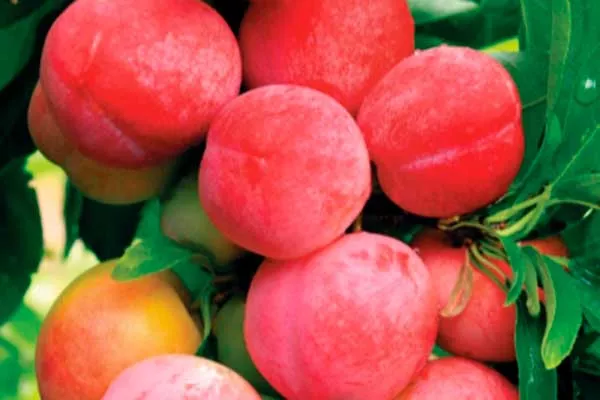
Introduction to the variety
Ksenia, like other varieties of Chinese plum, has characteristics that distinguish it from the common garden plum:
- abundant early flowering, which lasts for several days;
- the small height of the tree makes it easier to care for and harvest;
- its decorativeness;
- large-fruited;
- fibrous pulp of fruits;
- their extreme juiciness;
- rich aroma with apricot notes;
- excellent yield;
- good cold resistance;
- average or above average resistance to diseases, in particular to fungal infections;
- susceptibility to damping off;
- transportability of the harvest.
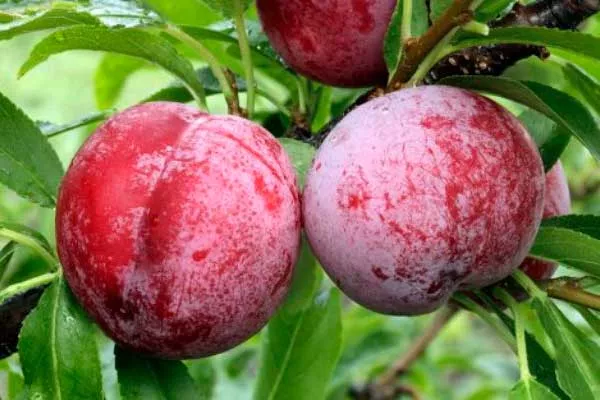
Tree
This plum variety grows quickly. It is a small tree, not exceeding 2.3 m in height. Its external characteristics are as follows:
- sparse paniculate crown, characterized by a weak degree of branching;
- the bark of the trunk, which is smooth and dark gray in color;
- branches: thick, arched, bare, dark brown, often extending from the trunk at an acute angle;
- leaves (length - 12 cm, width - 5.5 cm): inverted ovoid, with a pointed tip and a wavy edge, dark green, with a wrinkled shiny surface;
- Flowers: medium-sized, cup-shaped, with snow-white petals.
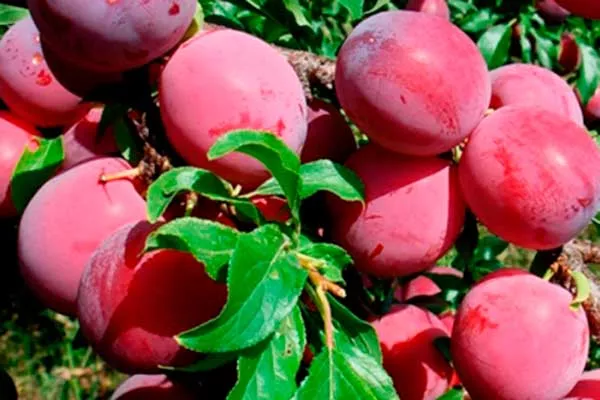
Fruit
The Ksenia variety's harvest is renowned for its high commercial quality. The fruits are large and attractive, possessing the following characteristics:
- weight - up to 34.6 g;
- round-oval shape;
- moderately pronounced abdominal suture;
- short stalk, easily separated from the fruit;
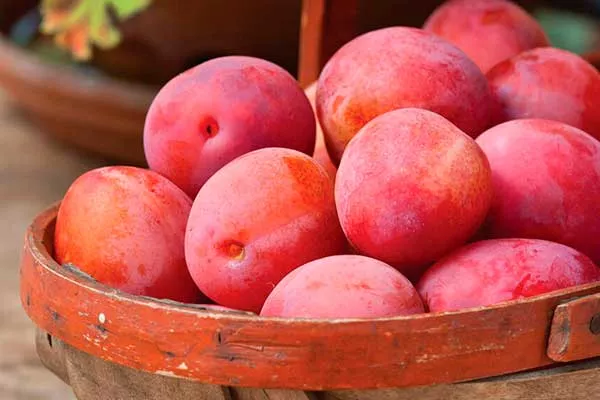
- yellow covering color, almost completely hidden under a burgundy-red blurry blush;
- pale yellow flesh with fibrous texture, tender, extremely juicy and aromatic;
- the stone is oval-shaped, medium-sized, and easily separated from the pulp.
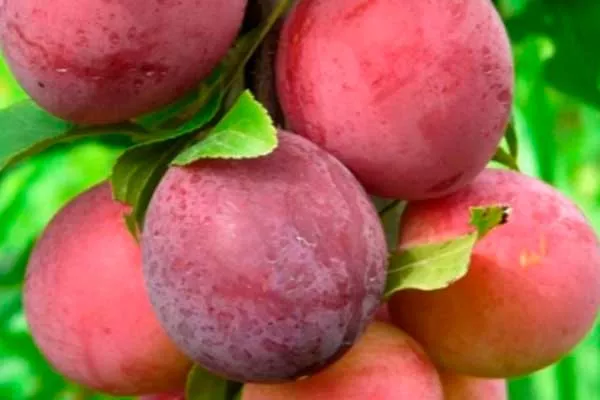
Taste and application
Ksenia plums are not only beautiful but also delicious. Their flesh is pleasantly sweet with a hint of tartness. The skin is not bitter. The variety's tasting score is 4.5-4.6 out of 5.
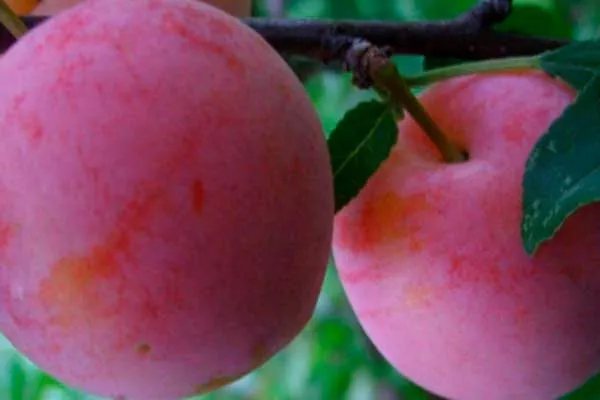
The fruits' remarkable taste is due to their balanced chemical composition. They contain the following nutrients:
- sugars - 10.3%;
- acids - 1.2% (including ascorbic acid - 8.9 mg per 100 g of pulp);
- dry matter - 15.6%.
When does it ripen and how does it bear fruit?
Ksenia trees begin bearing fruit in their third or fourth year. They bloom in May. The harvest ripens on average, beginning in the second ten days of August. It's spread out over several weeks.
Productivity
This variety, like most Chinese plums, is productive. According to gardeners, a mature tree yields at least 5-8 kg. However, yield is variable. It depends on how well the plant overwintered and whether frost damaged the flower buds.
Self-fertility and the need for pollinators
| Name | Cold resistance | Disease resistance | Ripening period |
|---|---|---|---|
| Xenia | High | Average | Average |
| Scarlet Dawn | Average | High | Early |
| Altai Jubilee | High | Average | Late |
This fruit variety is self-sterile. To ensure fruiting, gardeners plant nearby pollinator varieties that have similar flowering and fruit ripening times:
- Scarlet dawn;
- Altai jubilee.
Drought resistance, frost resistance
The Chinese plum Ksenia has good winter hardiness. Its trees can withstand temperatures as low as -30°C, and even as low as -40°C. Flower buds are not as frost-resistant, but still satisfactory—to -3°C. This is one of the variety's shortcomings, contributing to its inconsistent yield.
Ksenia is also prone to damping-off, a winter tree injury that causes the bark at the base of the trunk and branches to die. This condition is triggered by exposure to temperatures ranging from 0° to -4°C in the presence of a thick layer of loose snow covering unfrozen ground.
Growing regions
This plum variety is zoned for the West Siberian region. It is suitable for cultivation in the Altai Krai and the following regions of the Russian Federation:
- Kemerovo;
- Novosibirsk;
- Omsk;
- Tomsk;
- Tyumen.
Landing features
If you plan to grow the Ksenia plum variety in your garden, keep in mind an important detail: it does not tolerate waterlogged soil and will rot in such conditions.
Groundwater levels below 1.5 m are especially dangerous for the crop, so gardeners plant it on hills or on homemade ridges.
- ✓ The soil pH level must be strictly in the range of 4.5-7.5, otherwise the tree will not be able to absorb nutrients.
- ✓ Groundwater should be no closer than 1.5 m to the surface to avoid root rot.
Recommended timeframes
Unlike other types of fruit crops, it is preferable to plant Chinese plum in the fall (September-October).
It's frost-hardy enough to survive the winter and establish strong roots. With the arrival of spring, the seedling will focus all its energy on growth and development.
Choosing a suitable location
Set aside a plot of land in your garden for the Ksenia variety that meets the following requirements:
- elevated (preferably a hill);
- well-lit by the sun throughout the day;
- with fertile soil with a pH of 4.5-7.5, light, well-drained, loamy, moderately moist, but not waterlogged.
What crops can and cannot be planted next to each other?
Avoid planting fruit trees near other garden inhabitants that share the same diseases and pests. The most unfavorable neighbors for fruit trees are:
- pears;
- apple trees;
- black currant bushes;
- raspberry.
The above-mentioned plants, in addition to sharing diseases and pests with plums, compete with plums for nutrients, water, and light. They should be grown separately from each other and from plums.
Selection and preparation of planting material
When choosing a Chinese orchid seedling in a nursery, give preference to a specimen with the following characteristics:
- strong;
- healthy;
- without damage;
- having a well-developed root system and healthy leaves;
- not older than 2 years of age.
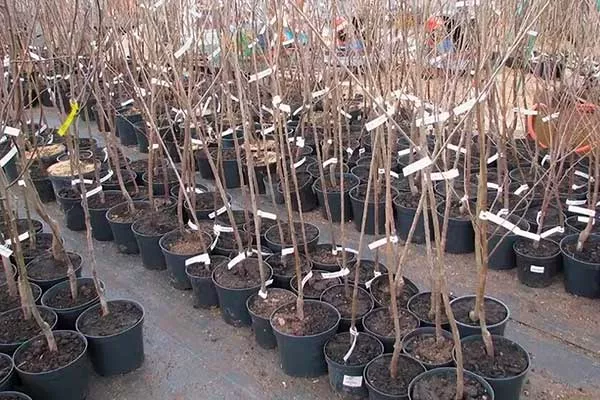
It's best to buy a one-year-old plant. Soak it in a bucket of water overnight, adding a rooting stimulant. Plant it in the morning.
Landing algorithm
Plant the Ksenia Chinese plum tree in a raised bed. Its optimal dimensions are:
- height - 50 cm;
- width - 200 cm;
- The length depends on the number of seedlings; you will need to maintain at least 200 cm of distance between them.
Form the bed from a nutritious soil mixture made from the following components (their quantity is indicated per 1 tree):
- humus - 7 kg;
- Superphosphate - 30 g;
- potassium salt - 15-20 g;
- wood ash - 200 g.
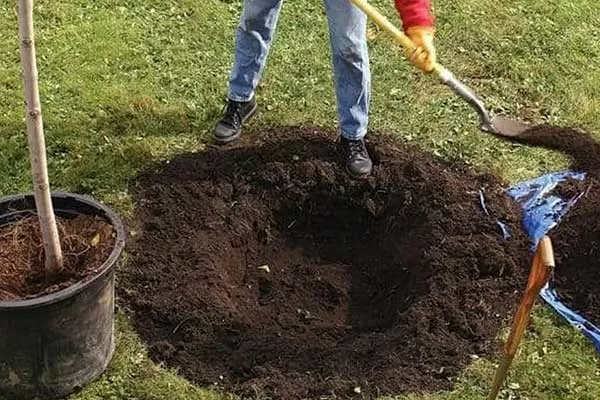
If the groundwater level in your garden is more than 1.5 meters, and the plum tree is not at risk of rotting, you can plant it in a hole. The optimal hole dimensions are as follows:
- depth - 50 cm;
- diameter - 80 cm.
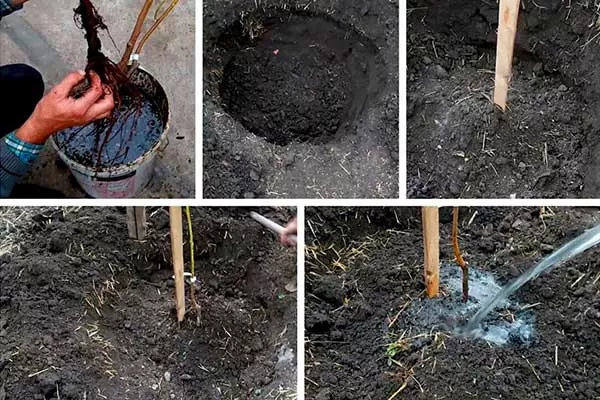
Partially fill the hole with a nutritious soil mixture similar to the one used to form the bed. Form a mound at the bottom of the planting hole. Water it. Follow these steps to plant the plum tree:
- Place the seedling on a mound of nutritious soil mixture.
- Cover its roots with soil.
- Trample the soil around the trunk.
- Form a ridge of earth around the edge of the tree trunk circle to retain water in the area during watering.
- Water the seedling generously.
- Tie it to a wooden support stake.
- Cut the plant back by a third.
Aftercare of plum
Provide your Ksenia seedling with proper care to grow it into a strong, healthy tree that produces abundant harvests. This includes the following steps:
- Regular wateringKsenia prefers moist, but not waterlogged, soil. Avoid root watering. Maintain a 7-day interval between waterings. Avoid watering more frequently to reduce the risk of root rot and disease.
Plum trees thrive in dry autumns, but if the soil isn't moist enough, they'll begin to shed their leaves. Don't confuse the plum tree's signal of its need for moisture with leaf fall. - Top dressingFertilizer added to the soil when planting a seedling will last for 3-4 years. Avoid overfeeding the plum tree. This can lead to a reduced yield due to increased branching. Once the plant reaches fruiting age, feed it with organic matter. Add 7 kg of compost or humus and 100 g of ash.
- TrimmingWhen plums are young, perform formative pruning, and when they reach full fruiting, perform rejuvenating pruning. Don't forget to annually remove old, broken, frozen, dried, or infected or parasite-infested shoots.
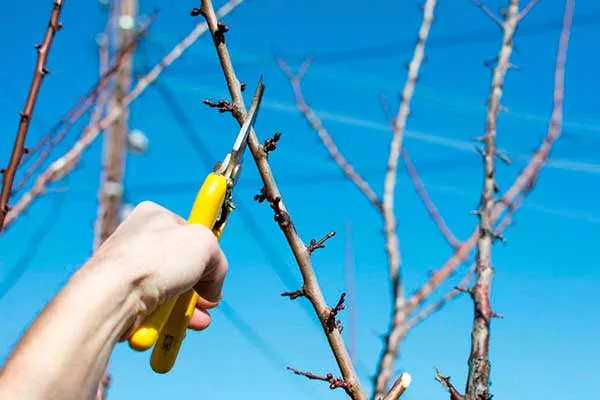
Pay special attention to shaping the crown of the Chinese orchid. Follow these guidelines:
- In the first year after planting, measure the trunk area of the seedling (40-60 cm from the soil surface). Count up another 6-7 buds from this area. Trim the top at this level.
- In the second year, form the first tier from the buds growing above the tree's trunk. Leave 2-4 well-positioned lower branches on the tree, extending from the trunk at an angle of at least 60 degrees.
- All branches growing in the trunk area should be regularly cut to the ring.
- After a year, establish a second tier. It should consist of several branches located 20-30 cm above the top shoot of the first tier.
- If necessary, form the third tier in a similar manner.
Preparing for the cold weather
This plum variety delights gardeners with its frost resistance. However, its flower buds are sensitive to frosts below -3°C, even short ones. To avoid missing out on a harvest next year, be sure to prepare your fruit tree for winter in the fall, especially if it's young or growing in a harsh climate:
- remove dried and diseased shoots, as well as excess and deformed branches;
- dig up the soil and add fertilizer (dig up the soil 1 year after planting the plum);
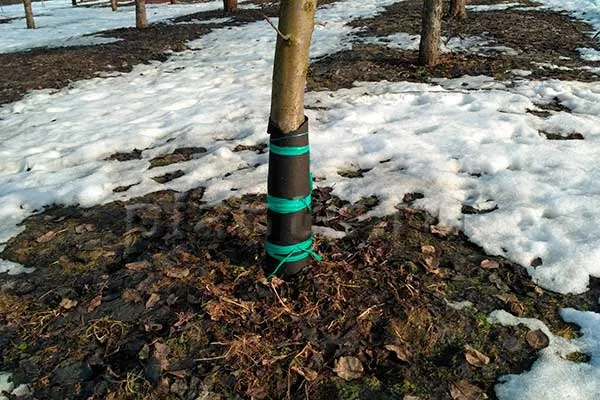
- clean the trunk from scales and whiten it;
- Treat the Chinese porch with a mixture of clay and cow dung (1:1) to protect it from rodents;
- Insulate the trunk with burlap, agrofibre and other available materials, and the root zone with humus (remember to promptly remove the cover after wintering, as the tree is prone to rotting).
Diseases and pests, methods of control and prevention
The Ksenia variety exhibits moderate resistance to major fruit tree diseases. Unfavorable growing conditions can lead to plum tree infections:
- rust;
- gray mold;
- spotting.
| Disease | Ksenia's resilience | Control measures |
|---|---|---|
| Rust | Average | Treatment with 3% Bordeaux mixture in spring |
| Gray mold | Low | Removal of affected parts, treatment with fungicides |
| Spotting | Average | Preventive treatment with iron sulfate |
If signs of disease are detected, apply fungicides and treat the plum tree with Bordeaux mixture. Dig up the soil around the trunk, cut off any infected shoots, and burn them away from your property.
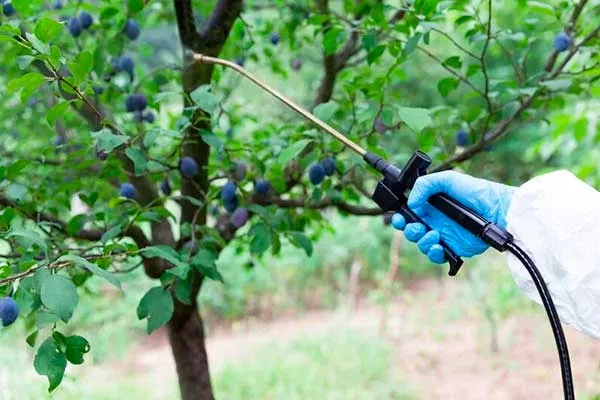
Unfavorable growing conditions and inadequate care also lead to pest problems. Chinese cabbage is susceptible to the following pests:
- sawfly;
- aphids;
- geometer moth;
- codling moth.
To prevent diseases and pest infestations, take the following preventative measures:
- weed regularly;
- prune your plum tree regularly;
- apply fertilizer;
- water the crop properly;
- inspect it from time to time to detect the first symptoms of disease or the presence of pests;
- Carry out spring preventative treatments of the tree with Bordeaux mixture with a concentration of 3% (carry out the first procedure on the first warm days of spring, the second treatment - on swollen buds, the next ones - before and after flowering, using a composition with a concentration of 1%);
- Use for preventative treatment and iron sulfate (1%) to destroy fungal spores and increase crop immunity.
Harvesting and storing fruits
Begin harvesting Ksenia plums as soon as they are ripe. Don't leave them on the tree. Otherwise, they will fall to the ground and quickly become unmarketable. Pick them carefully, being careful not to damage the skin or the waxy layer. Stored plums should be harvested with the stems still attached.
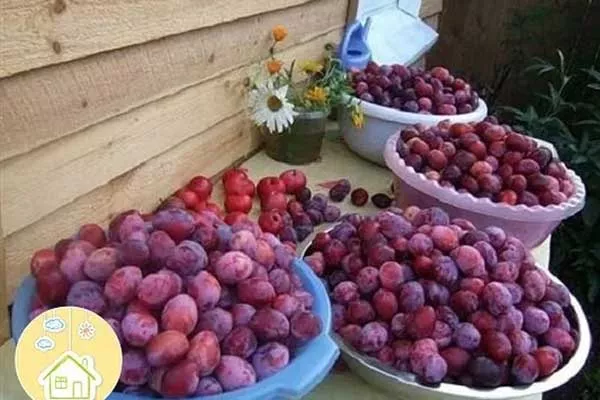
Place the harvested plums in boxes. Line the bottoms with paper. Arrange the plums in no more than 3-4 layers. They should be dry. In a cellar, plums will keep for 2-3 weeks. If you store them in the refrigerator, they will keep for 10-15 days.
Plum propagation
If you need to propagate the Ksenia Chinese plum variety, do it in one of two ways:
- Growing from seedStratify the seeds before planting. Plant the seeds in a special seedbed before winter. If there are no shoots next spring, do not remove the seedbed. Wait until the following spring and the sprouts appear.
- Vegetative methodThis ensures the varietal purity of the resulting seedlings. Deepen the root collar when planting, and the suckers will grow from the scion. Be vigilant, as the suckers from the roots produce material similar to the rootstock.
Positive and negative qualities
The Ksenia plum is popular among domestic gardeners due to its numerous excellent characteristics:
The variety is not without its drawbacks:
- low drought resistance and increased moisture requirements of fruit crops;self-infertility;tendency to sweat;insufficient frost resistance of fruit buds;unstable yield;a tendency for branches to grow at an acute angle to the trunk and an increased tendency for such specimens to break;need for pruning to enhance branching;the need to form the crown and “correct” shoots that have an acute angle of departure.
Gardeners' reviews
The Ksenia plum is beloved by Russian gardeners for its decorative qualities, good yield, cold resistance, beautiful fruit appearance, and exceptional flavor. This variety is considered quite demanding in terms of care, even fussy, but strict adherence to proper cultivation practices will help you maintain the tree's health and reap a bountiful harvest.